Casting materials
I’ve had a look online at lots of images and tutorials for casting, including a range of materials. I would like to try a range of materials and have already got or obtained supplies of the following materials – air dry clay, paper mache pulp, plaster powder, hand moldable plastic, liquid latex, epoxy resin and concrete.
Some things to think about are safety, proportions of materials to mix and order of mixing, mold release, and how to store unused materials. I will read up on all of this as I try out each material.
I did a bit of brainstorming re the items I might use to cast – brooches, jewellery, crochet, lace, leaves, beads, zips, lids, foil containers, plastic food containers, pasta, feathers, bubble wrap…….
I also thought about items that could be added as embellishments – paper, beads, flowers, sticks, pieces of embroidery, wire…….
Some materials may be able to have holes made in them before they set whilst others may be able to be drilled and carved once hard. Perhaps I could push objects into the sample while it is still soft?
Artists, designers and makers using molding and casting in their creative output
Ann Goddard
I am interested in the way Ann Goddard uses different materials together. She uses hard and soft materials, textile and non textile materials. The fragility of fine textiles together with solid, heavy concrete make visually exciting and tactile pieces. I want to touch and hold them. I like the natural colours – white, black, rust, grey and beige.
These works use molded and cast pieces as one element in the finished work which also uses wrapping as part of the design. I definitely want to explore the idea of joining, wrapping and using wire in my samples.
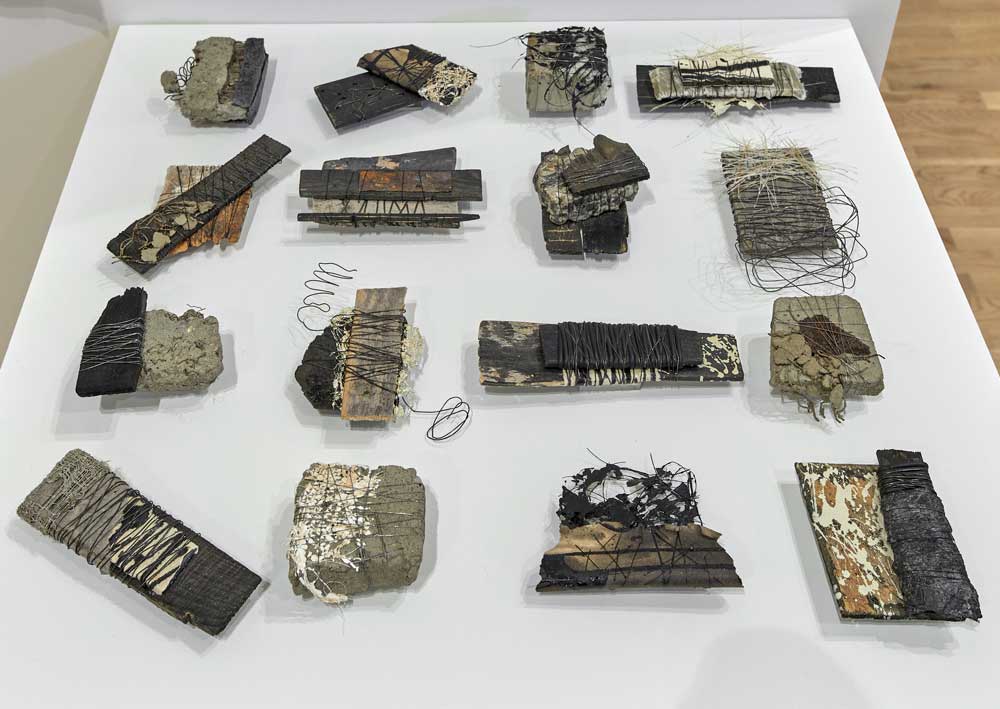
Fig 1 Goddard, A. (Date unknown) Assemblages (Recycled mixed media scraps, threads, wire) at https://www.62group.org.uk/artist/anngoddard/#:~:text=Ann’s%20practice%20straddles%20the%20boundary,within%20a%20Fine%20Art%20context.&text=Ann’s%20ongoing%20body%20of%20work,habitats (Accessed 08/12/2020)
Bethany Walker
I like the way Bethany Walker uses concrete to surround her textiles. The glimpse of stitch through the solid natural concrete is intriguing. I also notice that I am increasingly drawn to series of works. The natural colour and surface of the concrete shows off the splash of colour and texture of the embedded stitched piece. I also notice that the sides of the concrete squares have been painted to match the stitching.
I am inspired to use some of my textile work to mold the surface of my casting materials and maybe to embed the same textile pieces in the finished sample.

Fig 2 Walker, B. (2013) Trinkets (Mixed media textiles) At https://www.textileartist.org/bethany-walker-interview-cement-textiles (Accessed 08/12/2020)
Rebecca Fairley
I was introduced to Rebecca Fairley’s work by Rebecca herself in a video sent out to students. I was blown away as I had never seen anything like it before and to see her handling the pieces while she talked about them was really inspiring. I really like the way she uses textiles to mold the concrete, leaving surprisingly detailed impressions of the knits and fabrics on the surface. The results are visually interesting and very tactile. Rebecca also traps objects in some of her work.
Again these pieces inspire me to use my own stitched pieces or crochet to mold surfaces.


Fig 3 and 4 Fairley, R. (Date unknown) Concrete molded on a crochet surface, and, Concrete molded on nylon in a hand stitch ruffle. At https://www.textileartist.org/rebecca-fairley-oca-textiles-tutor (Accessed 10/12/2020)
Victoria Ferrand Scott
Victoria Ferrand Scott works mainly with plaster, concrete, bronze and latex, but for these sculptures inspired by plant forms she has used fabric molds which stretch under pressure, giving an abstract, organic look. The concrete is mainly smooth and rounded but will have retained some texture from the fabric mold.
I am inspired to experiment with using fabric or other materials such as paper for molds so that the mold can be manipulated while the material is still soft.
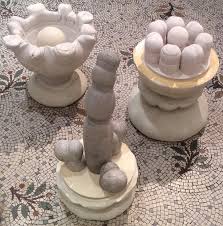
Fig 5 Ferrand Scott, V. (2015) Cultivars (Concrete) At https://www.axisweb.org/p/victoriaferrandscott/ (Accessed 10/12/2020)
Ben Young
Again I am inspired by the use of very different materials in these works – glass and concrete. The pieces are smooth and textured with right angles and a more organic shape combined. There is colour in the glass piece which sits against the natural concrete. It appears solid and heavy, but the translucency of the glass gives a glimpse of the concrete.
I’m wondering if I could use epoxy resin in place of glass, to create pieces using a combination of materials.


Fig 6 and 7 Young, B (date unknown) Wind Dancer and New Lands (Laminated clear float glass with cast concrete and sterling silver) At https://brokenliquid.com/projects (accessed 08/12/2020)
Eduardo Paolozzi
Paolozzi uses lots of textures and shapes to build up an abstract piece of work. I can see combed lines, cast pieces, curves, straight lines and segments which could be inspiration for casting my material samples.

Fig 8 Paolozzi, E. (1978) Plaque for Rosenthal (embossed porcelain)
Now I have lots of ideas but I’m not sure how they will work with the materials I have – time to experiment!!
 Paper and stitch