Mixed media for textiles Part 5 Development

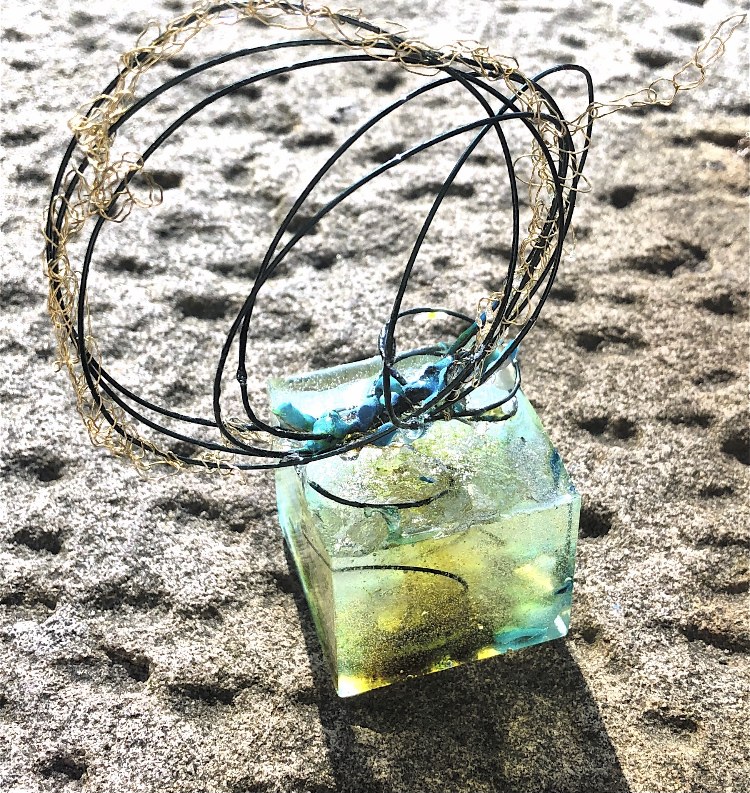
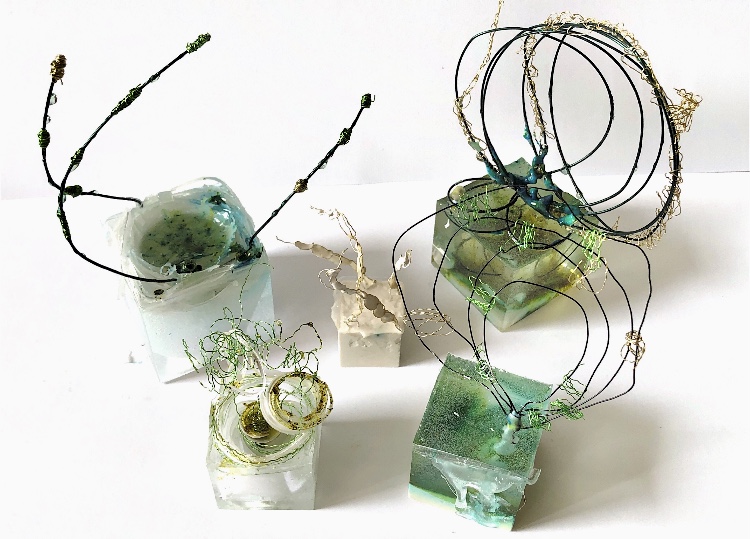
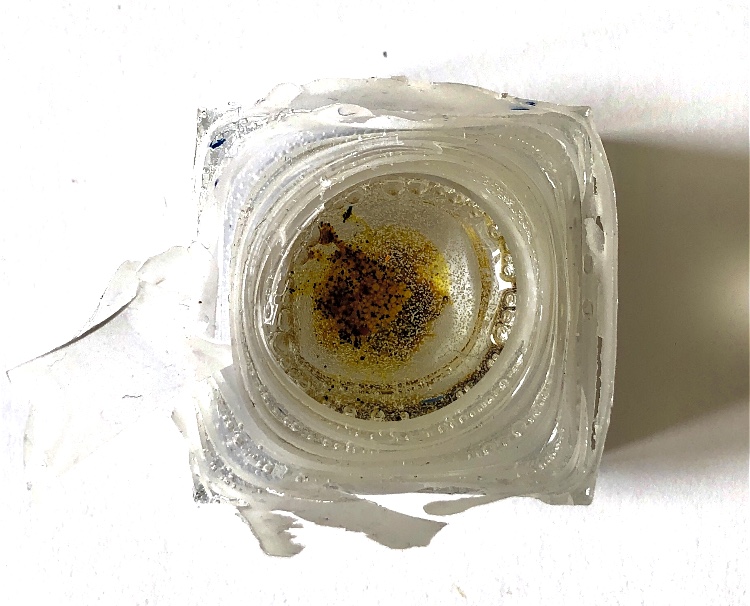
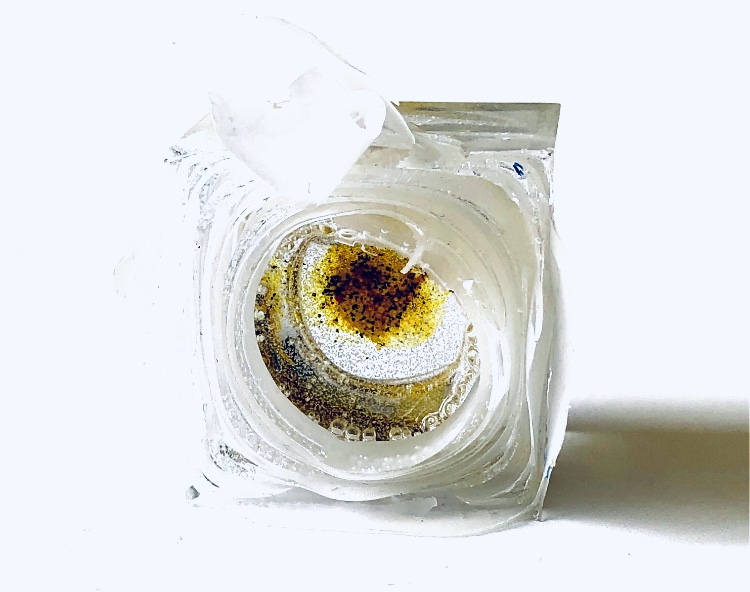
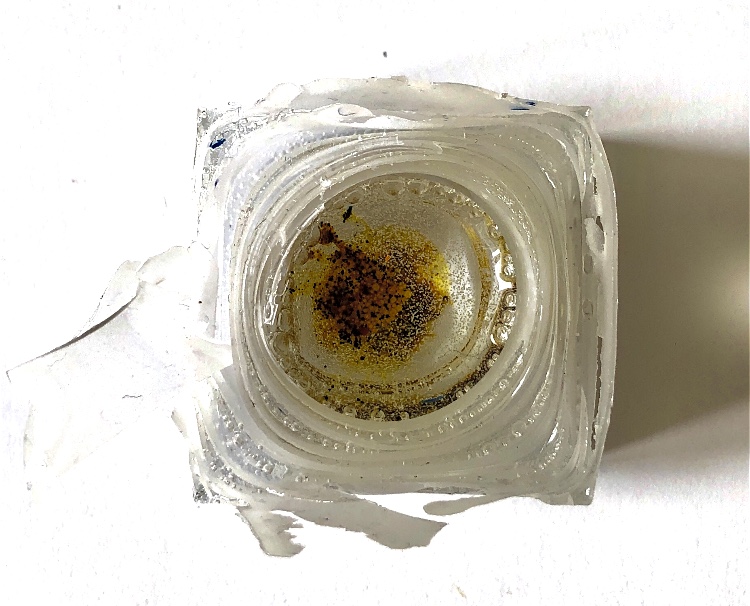
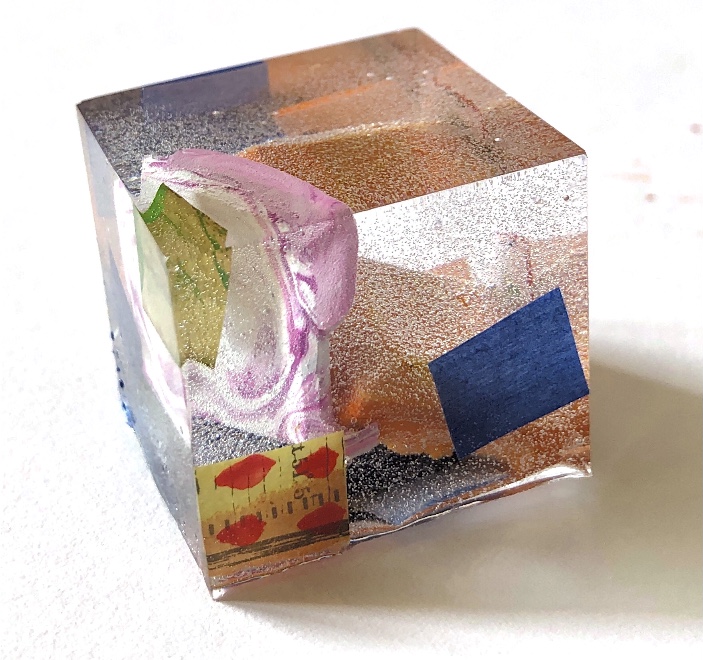
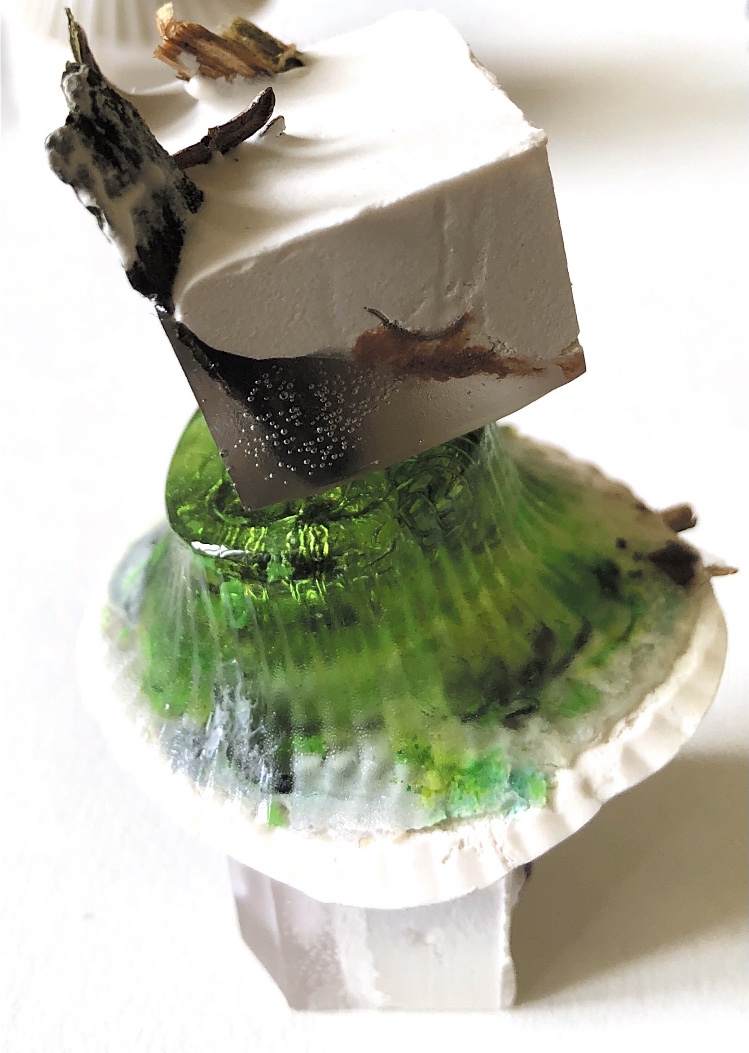
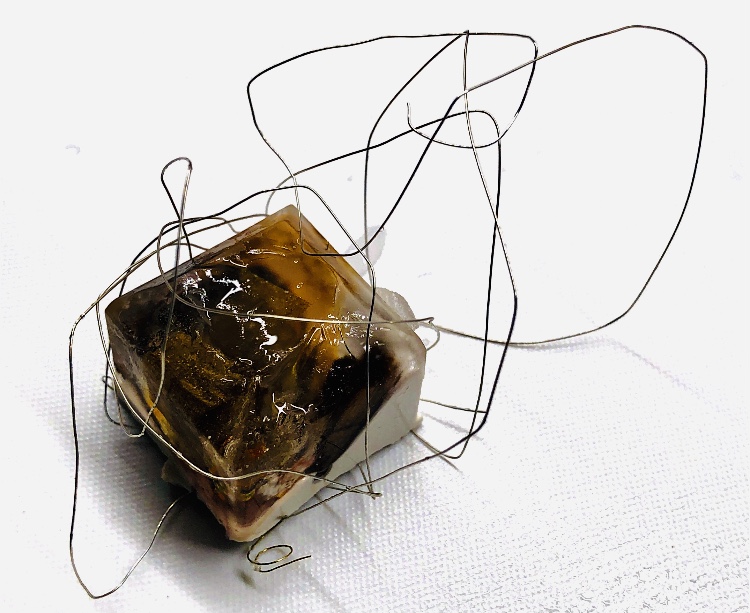
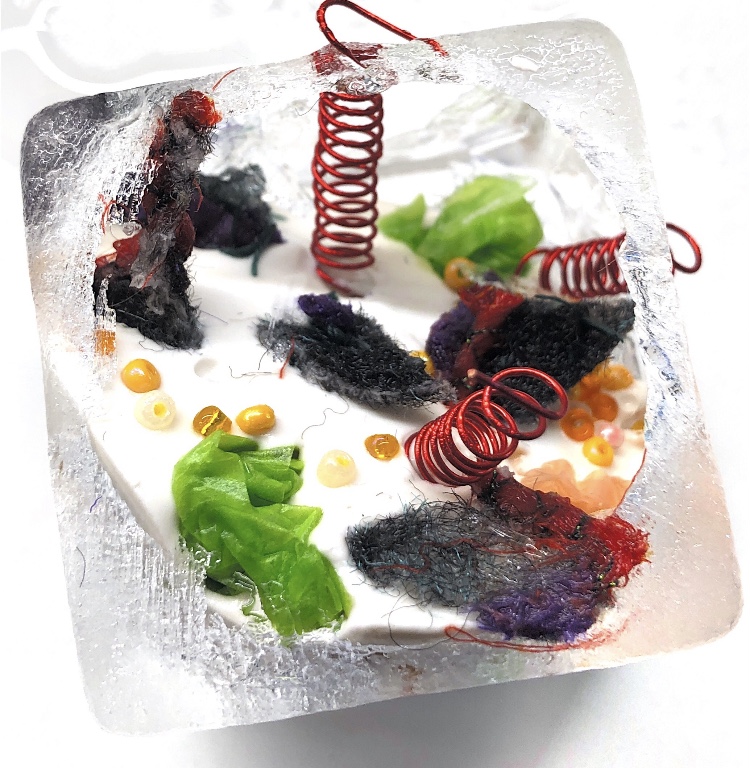
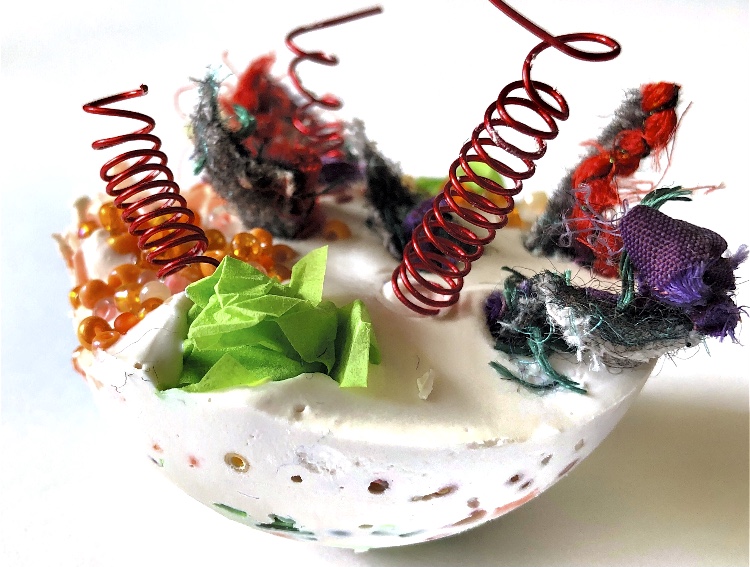
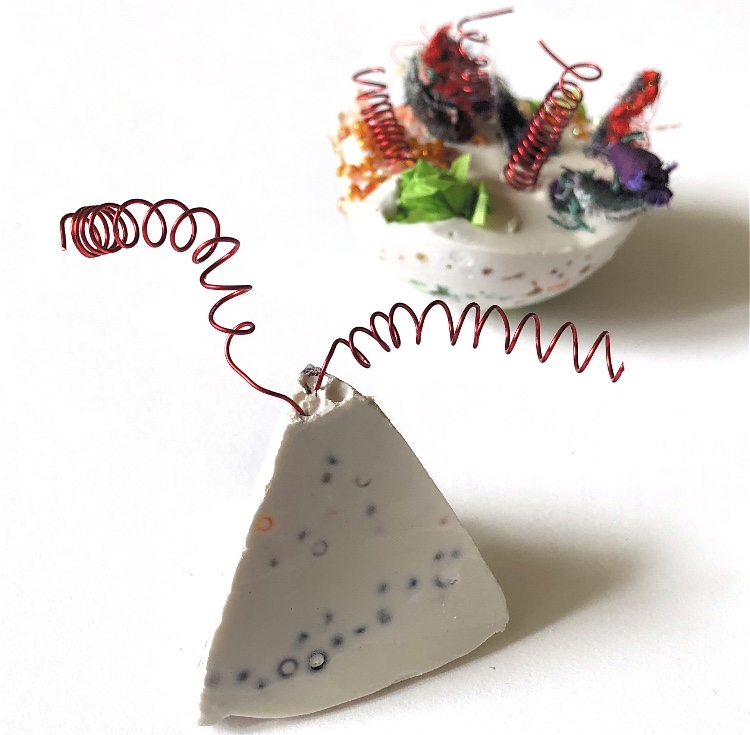
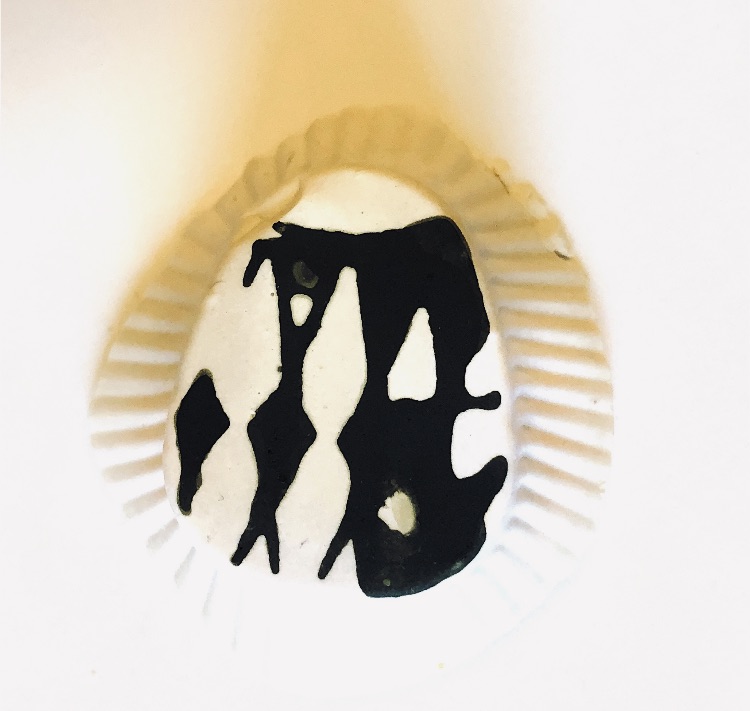
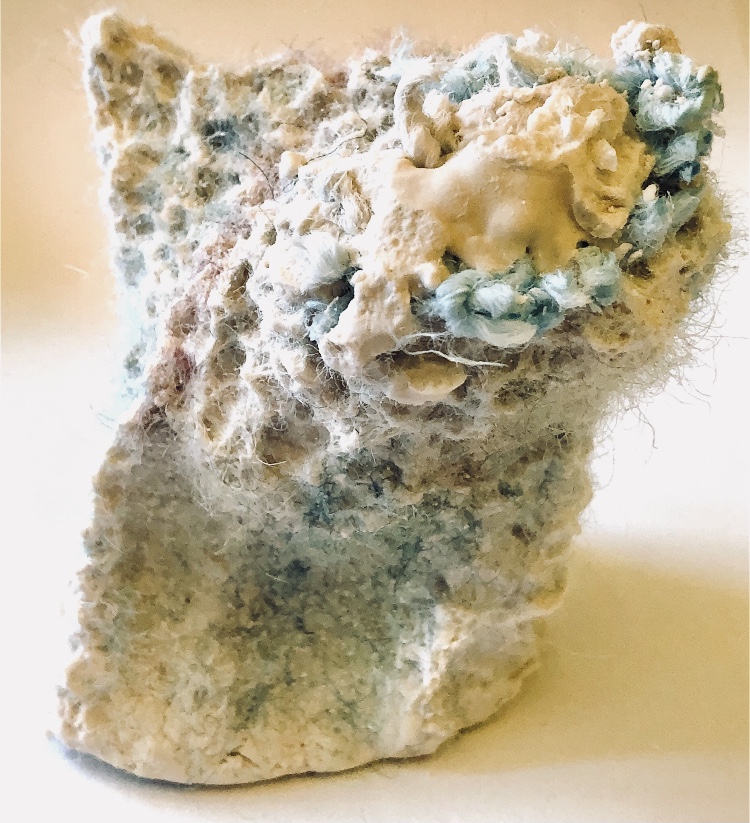
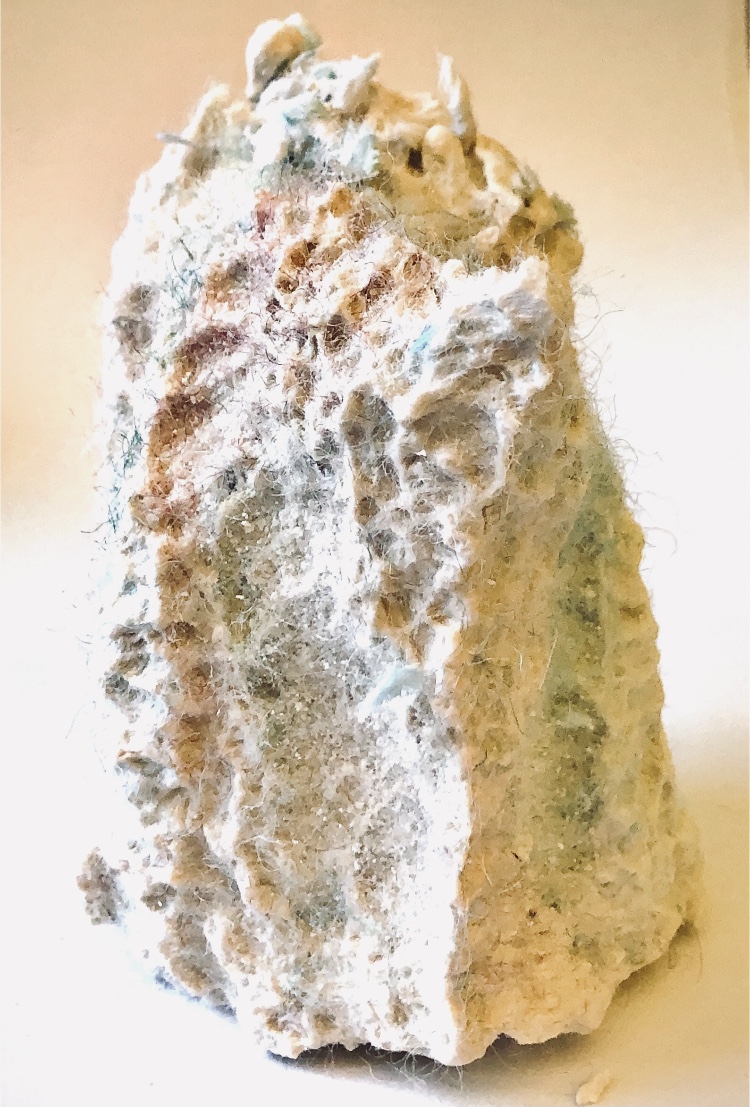
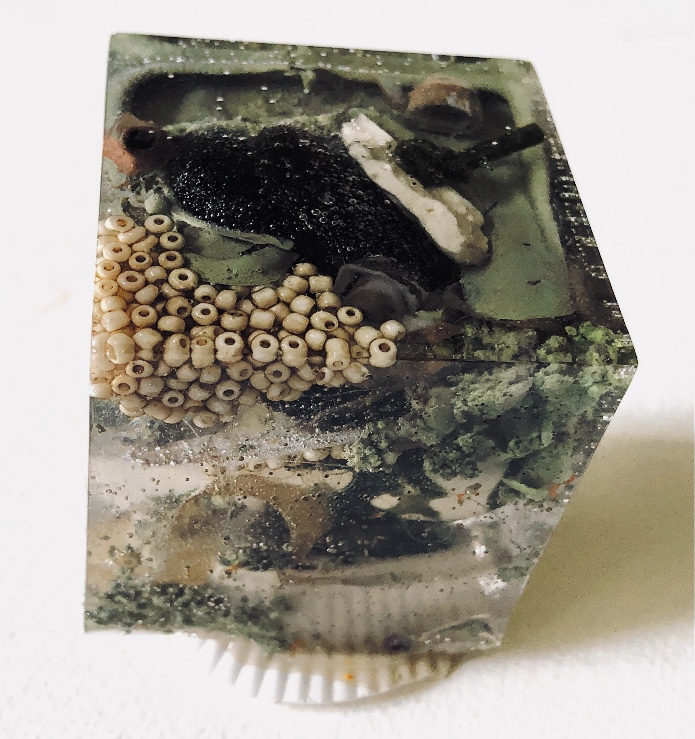
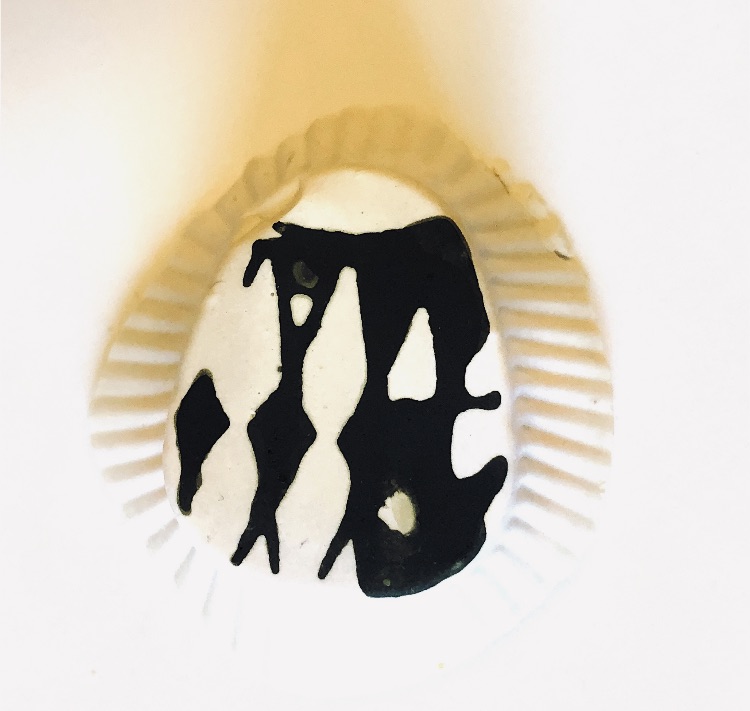
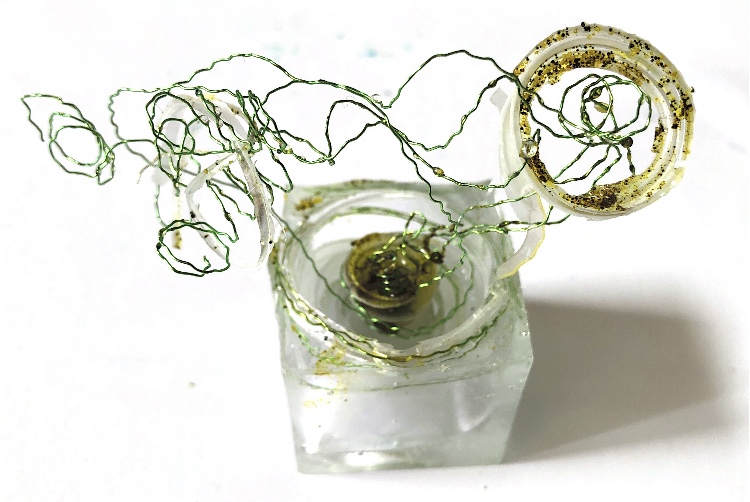
Following feedback from my tutor I decided to develop my collection of pieces from Part 5. The first thing I did was to add a bit of green watercolour to the small plaster sample, (Fig. 1) thereby tying it in with the other samples more closely. This can be seen in the group pictures. This small addition has made a huge difference to how the pieces fit together, I didn’t want to colour the cube but the plaster within the wire holds the colour really well for a subtle yet important splash of green.
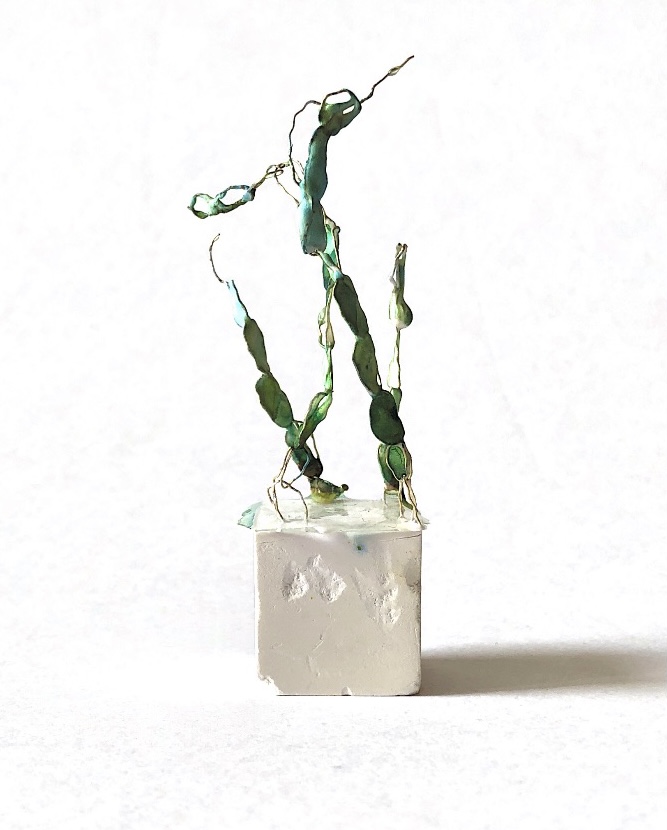
Fig. 1 Small plaster sample with added green colour

************************************

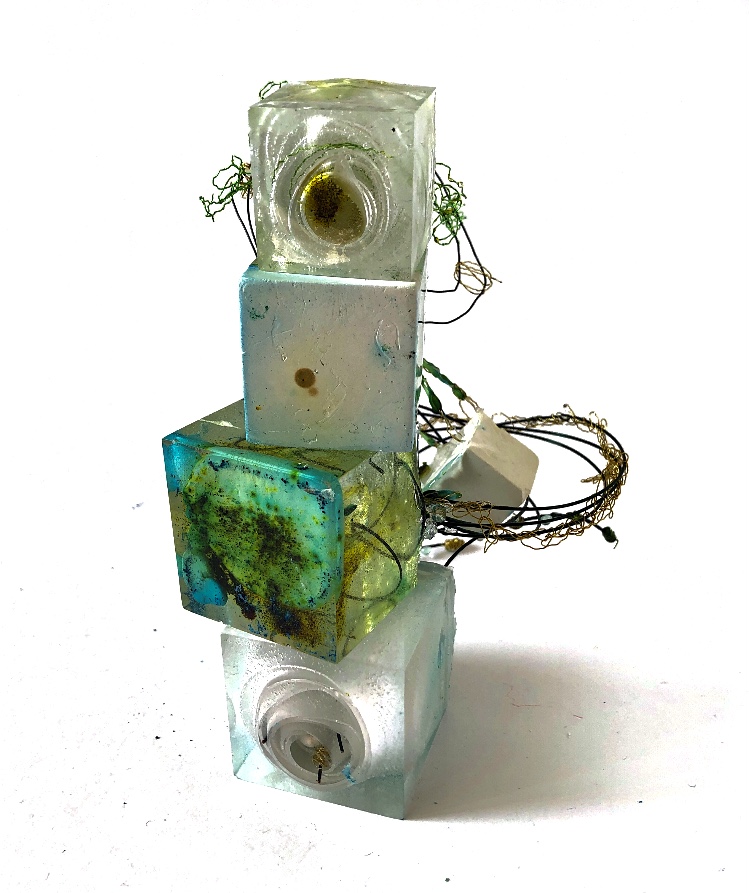
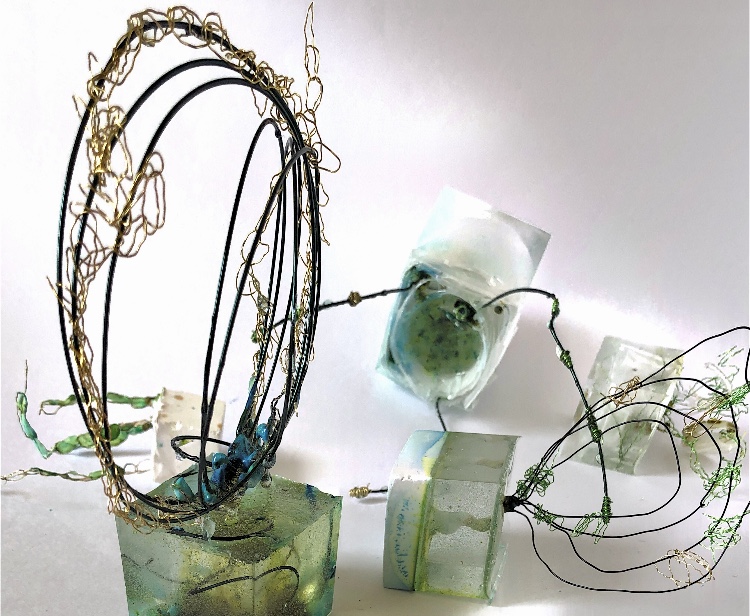
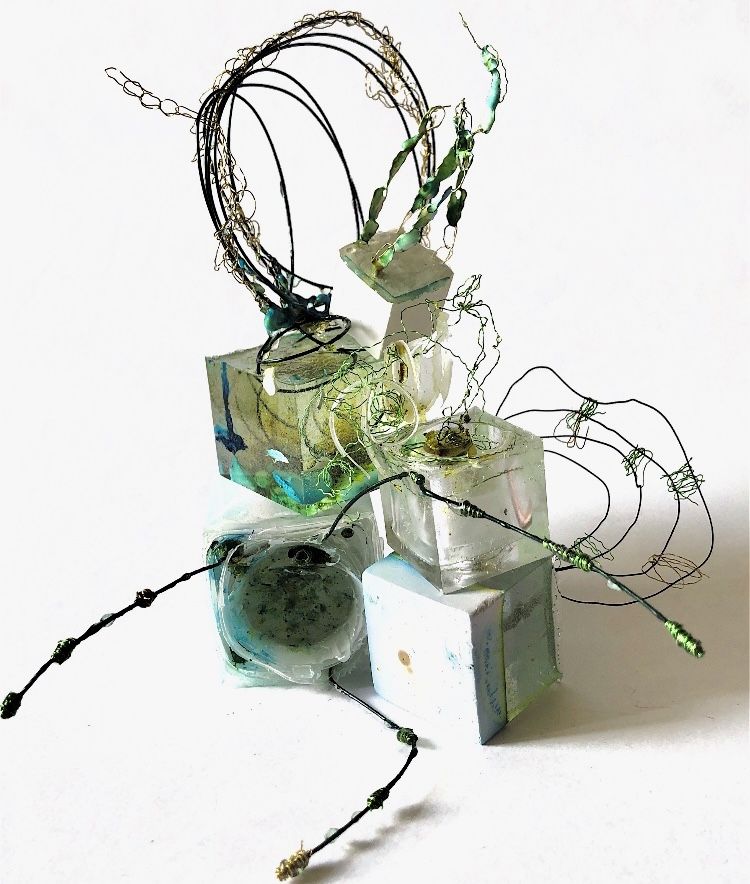
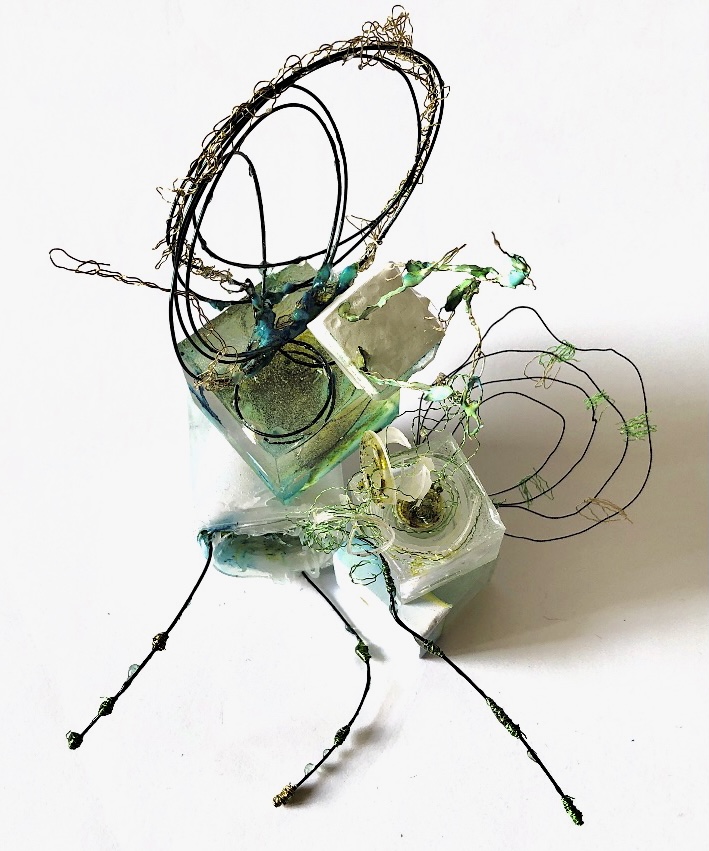
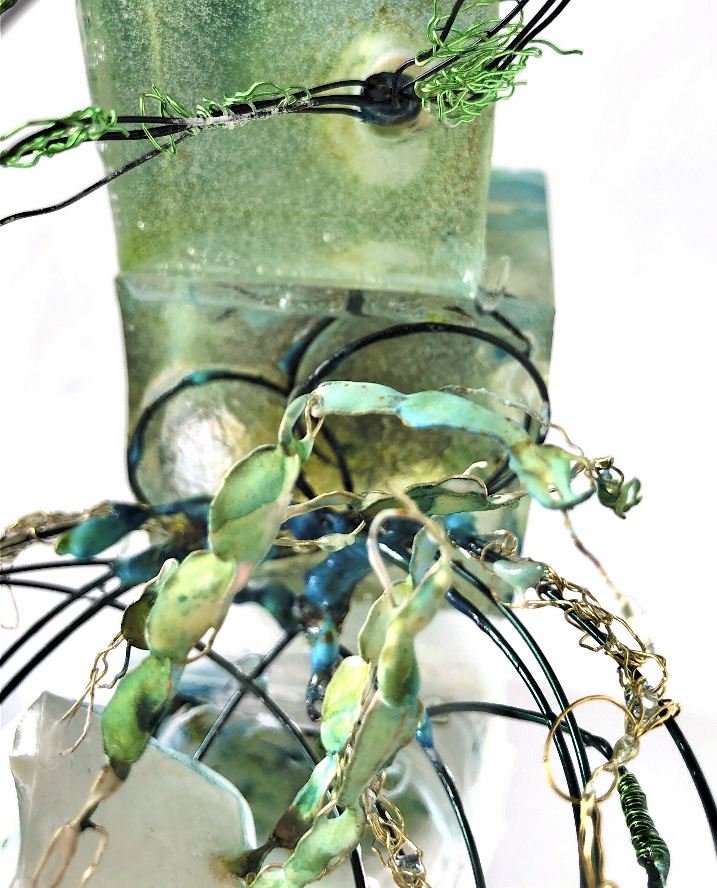
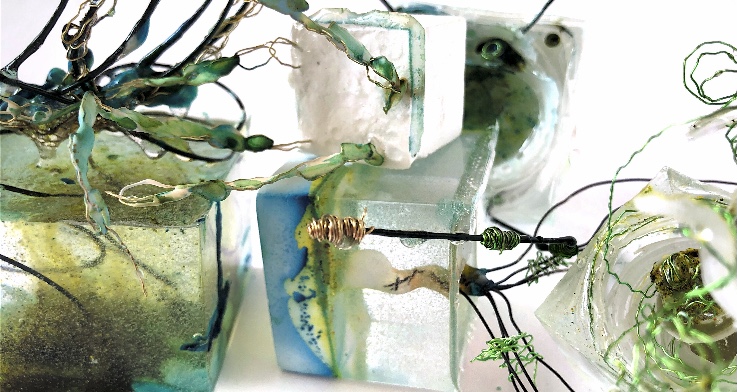
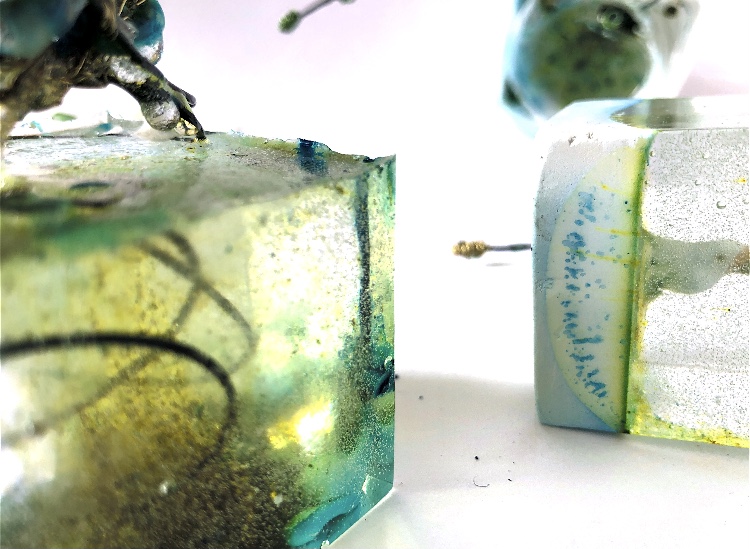
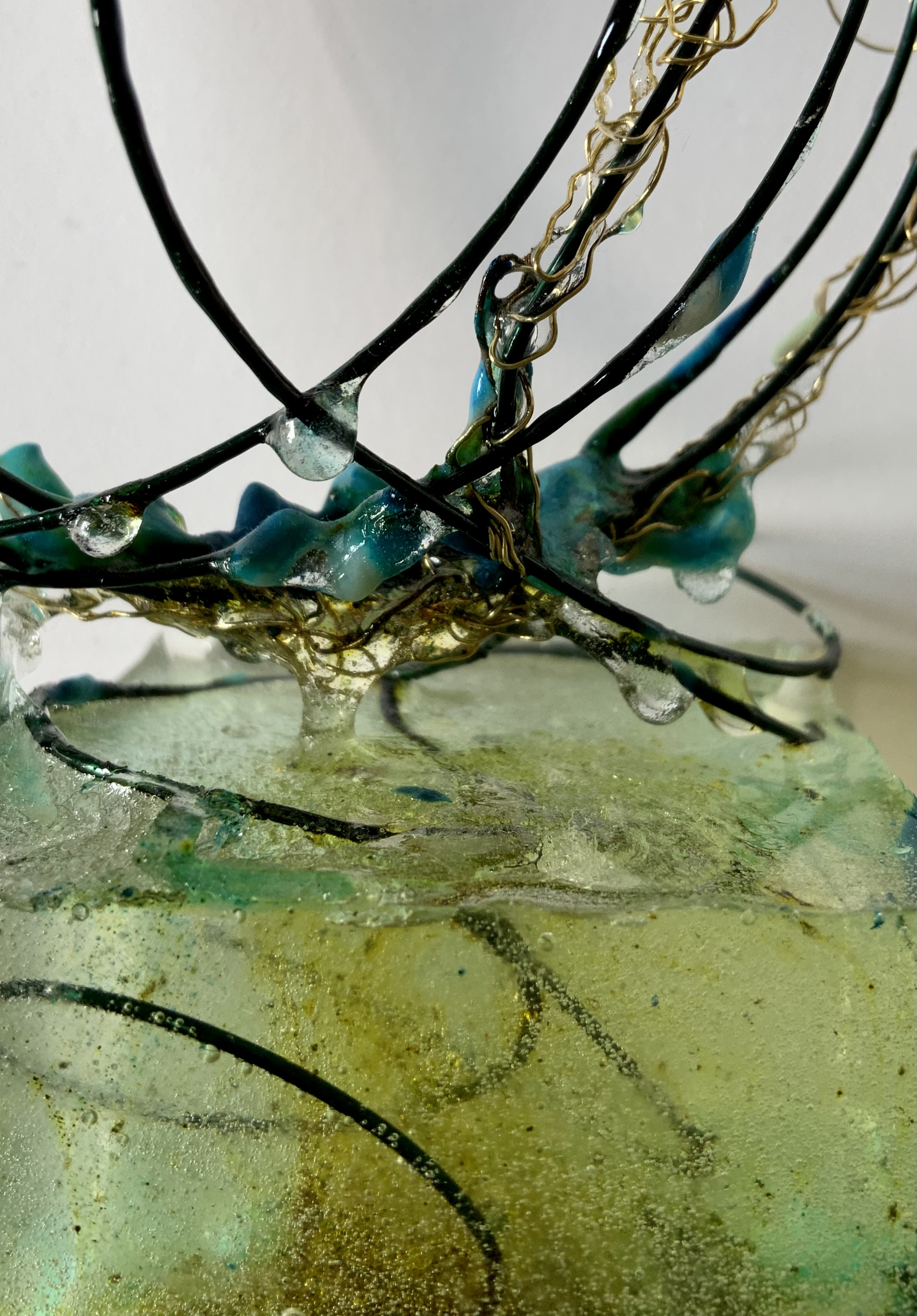
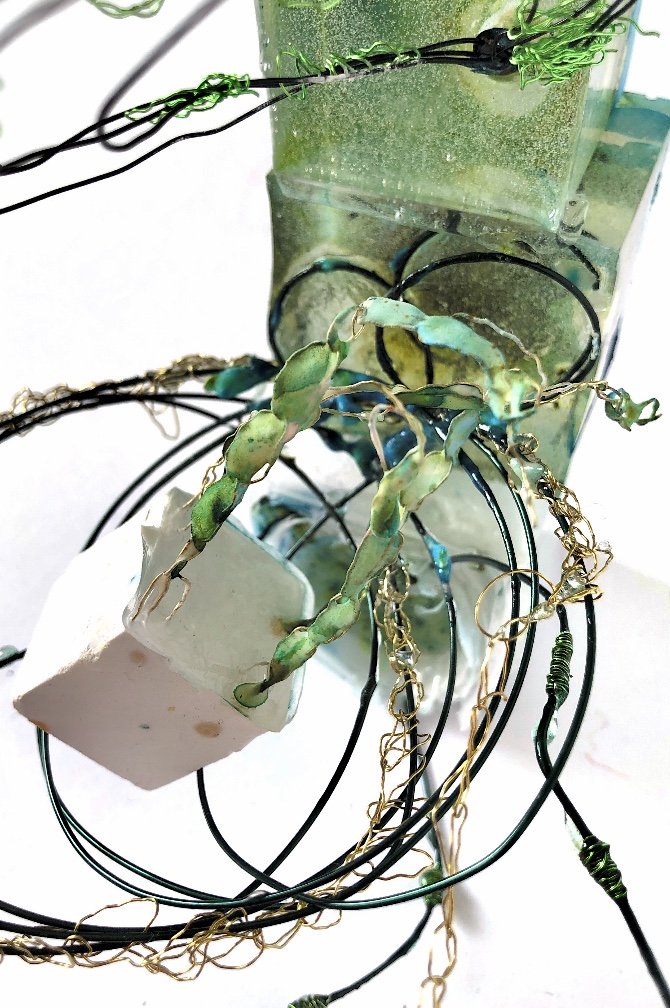
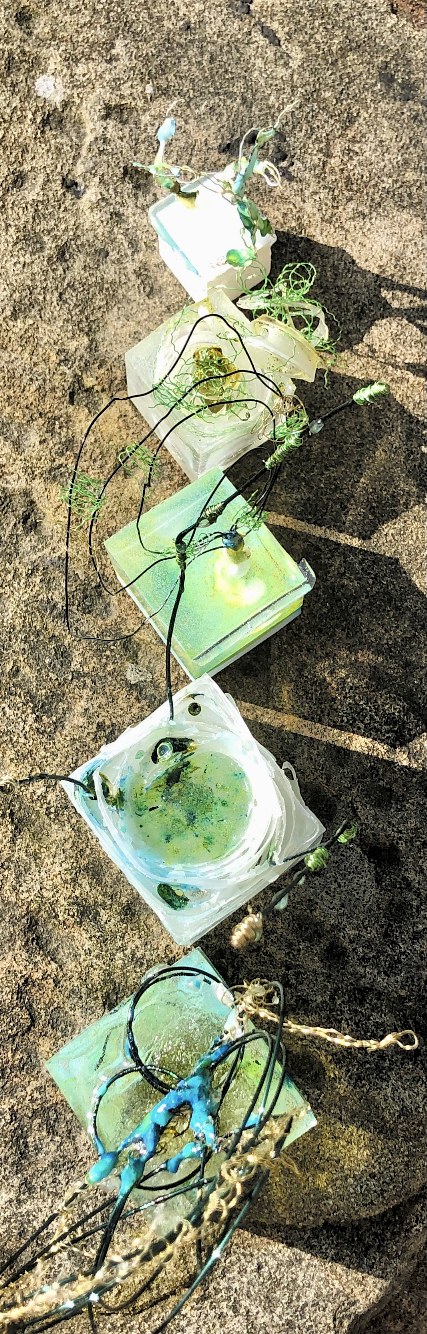
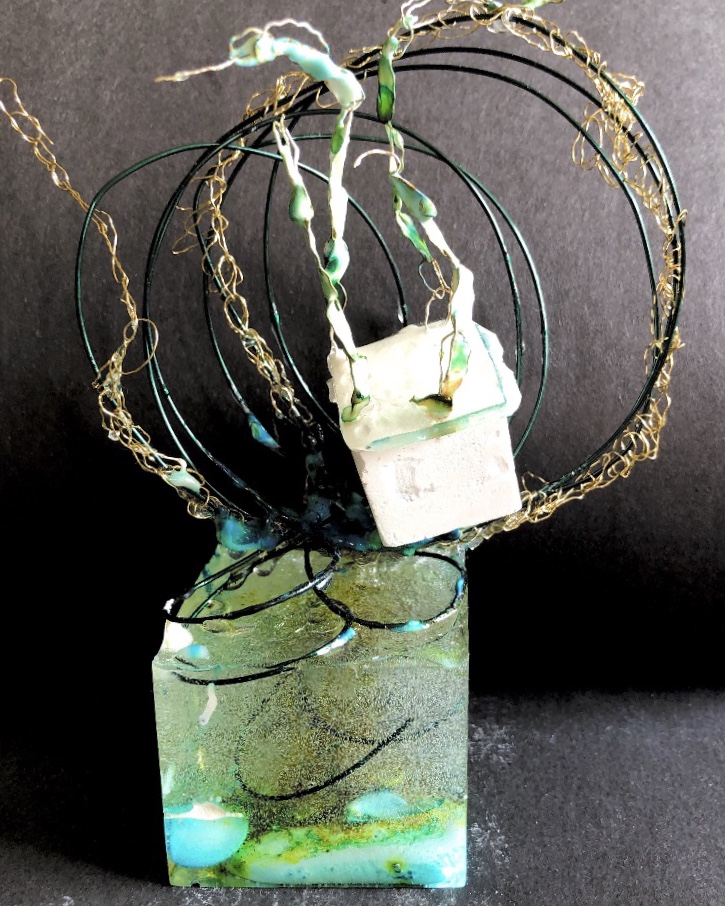
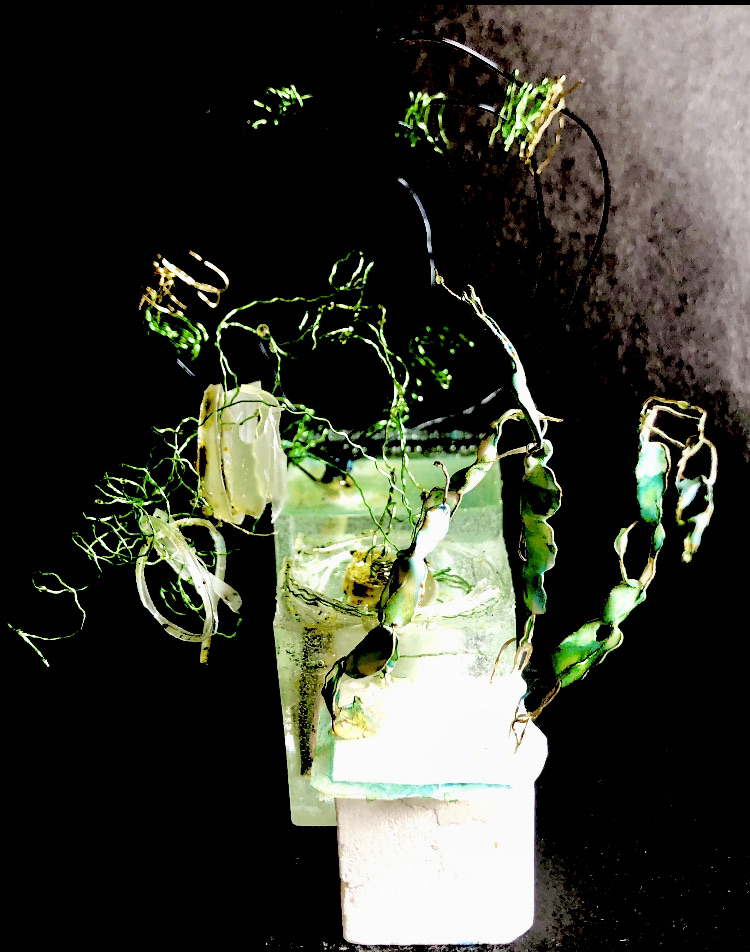
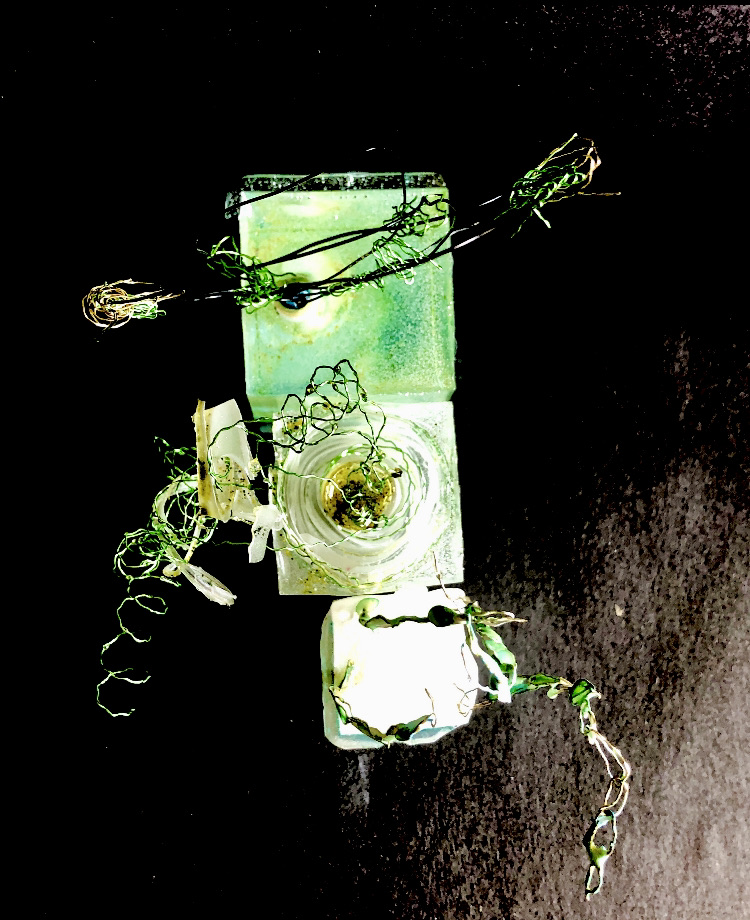
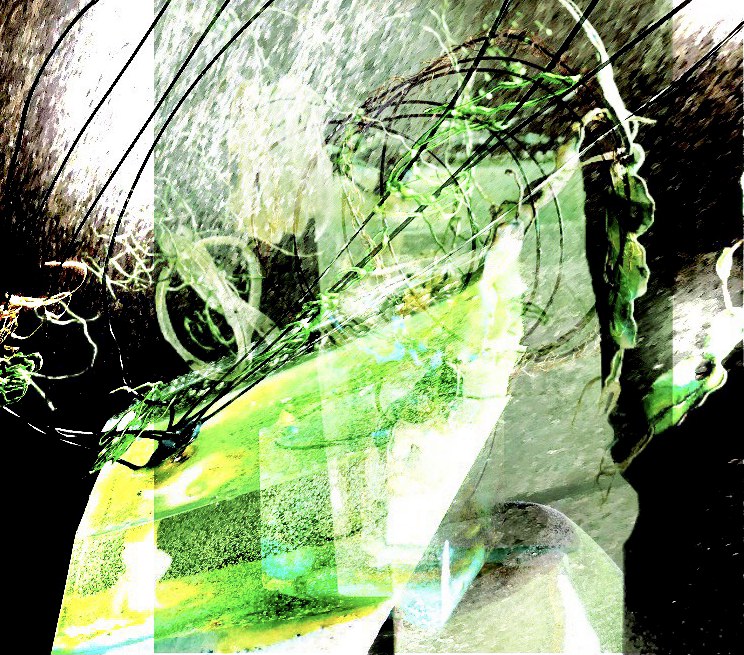
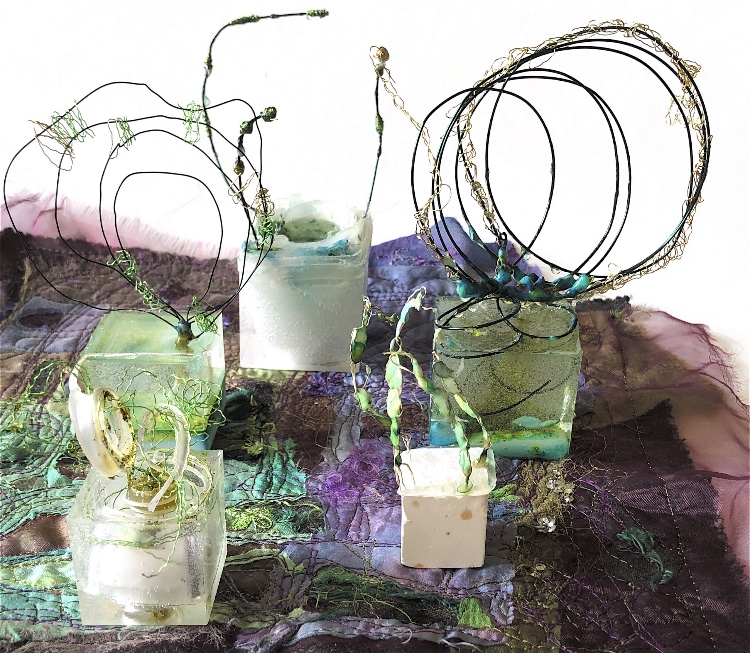
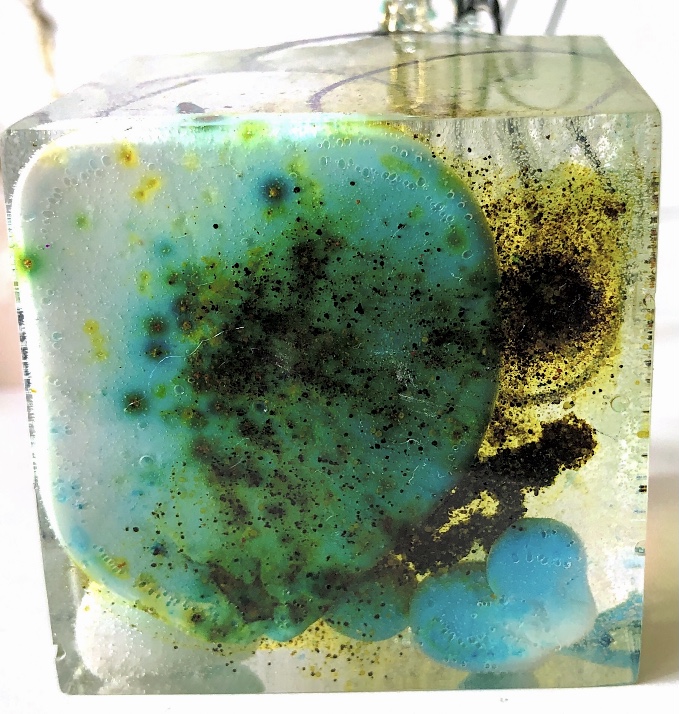
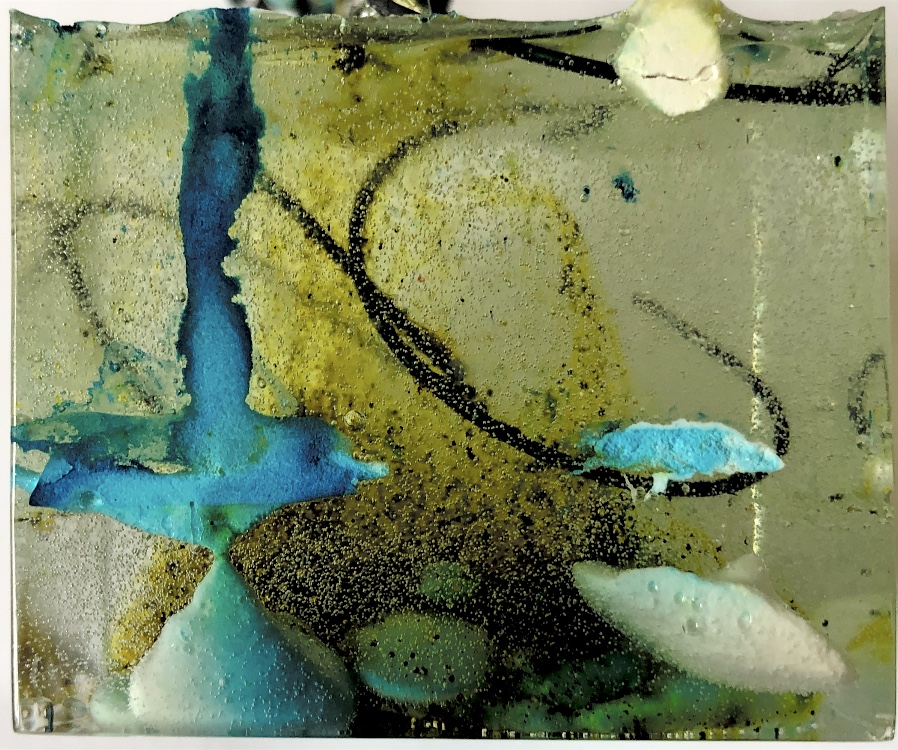
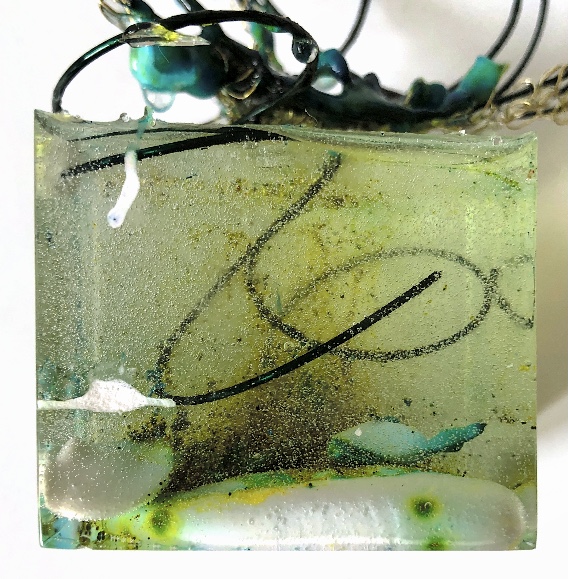
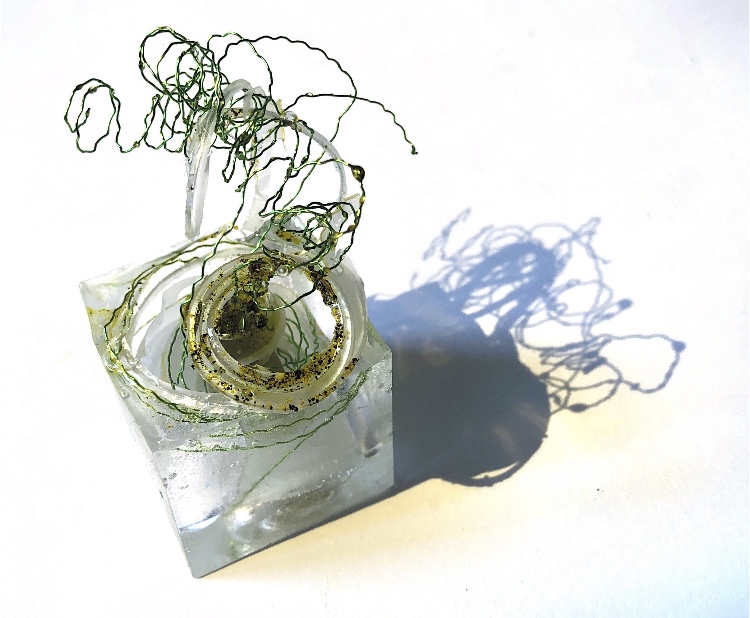
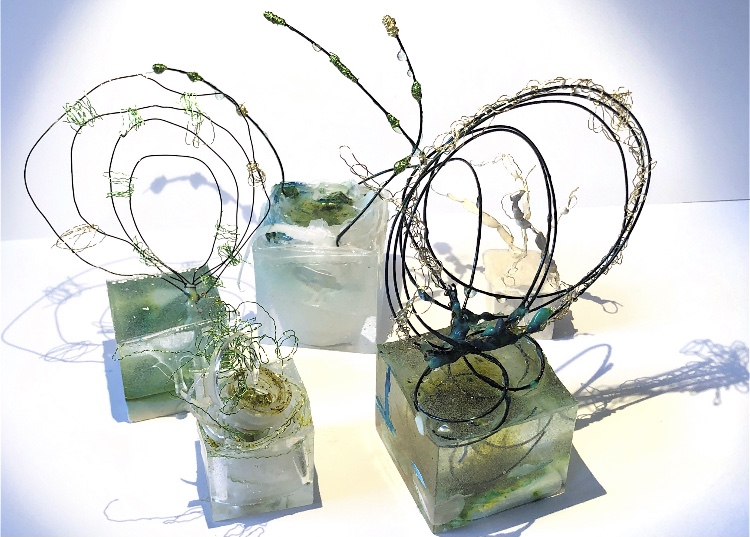
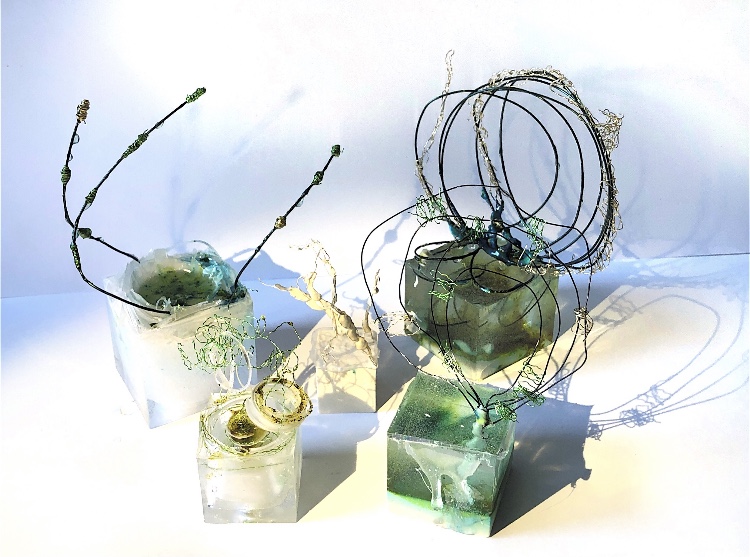
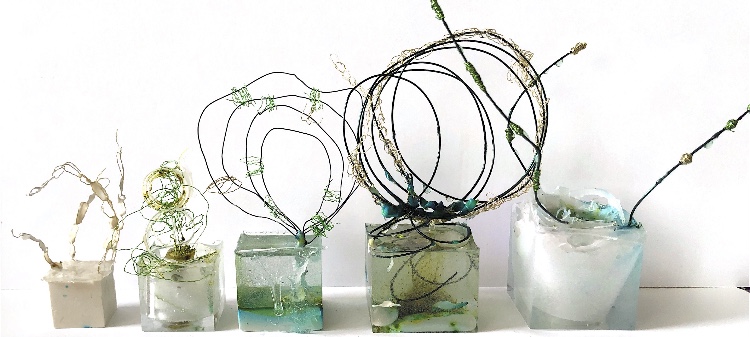
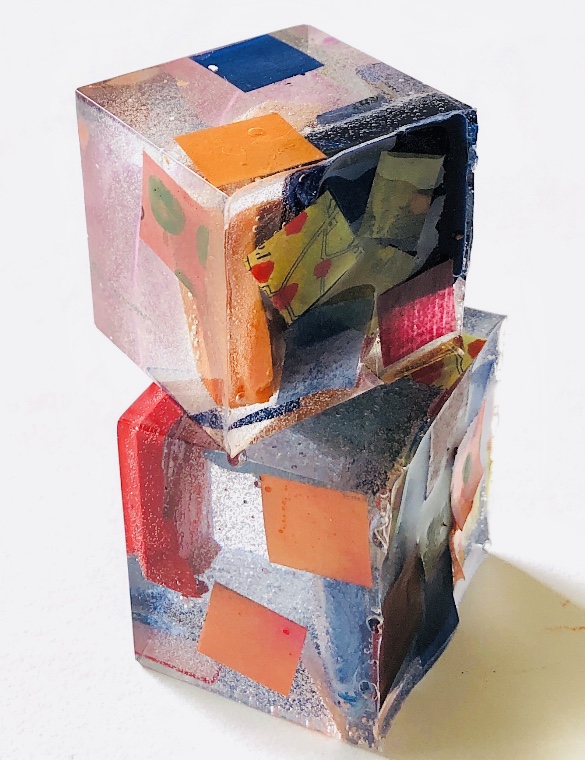
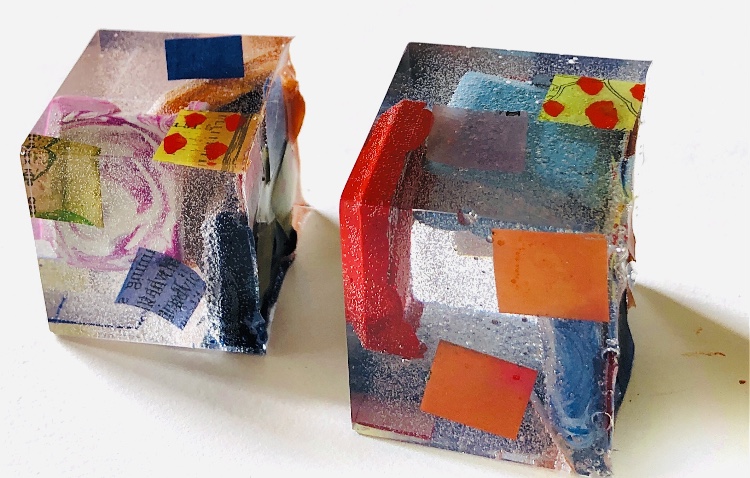
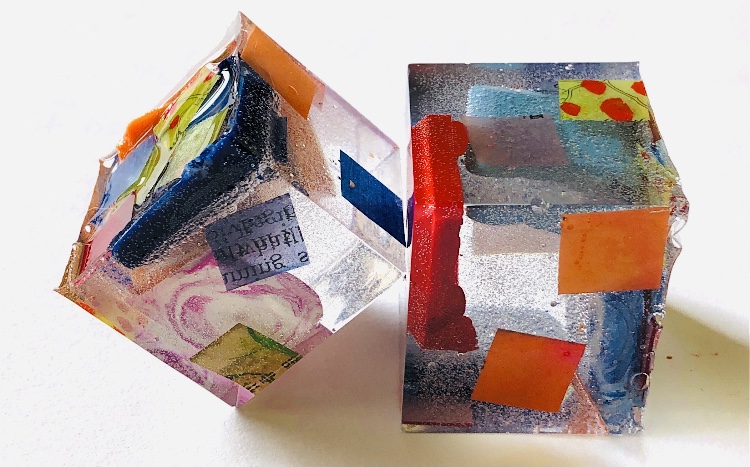
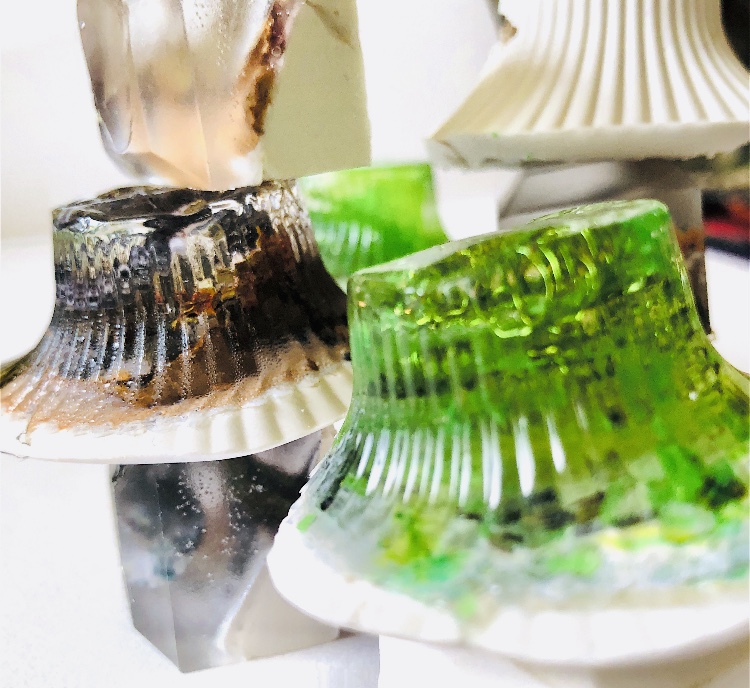
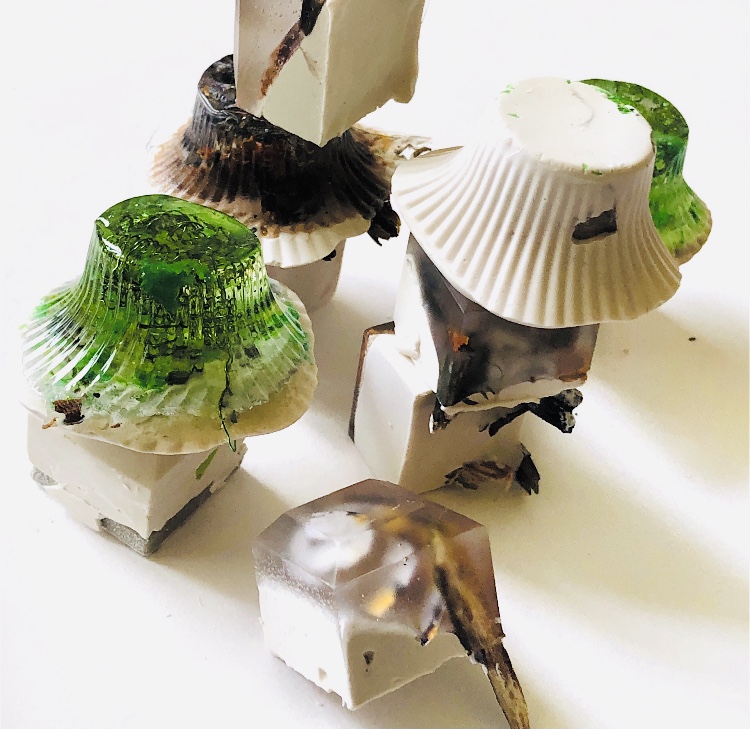
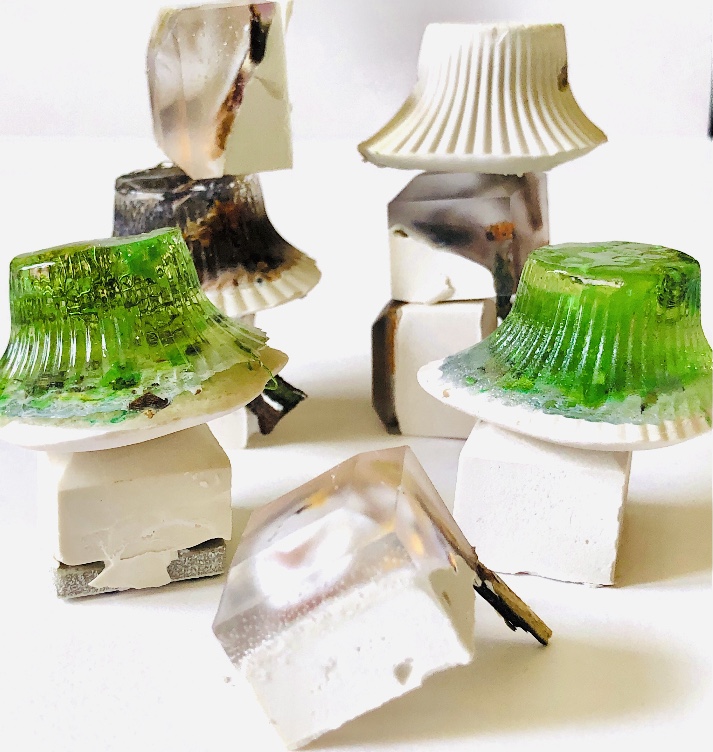
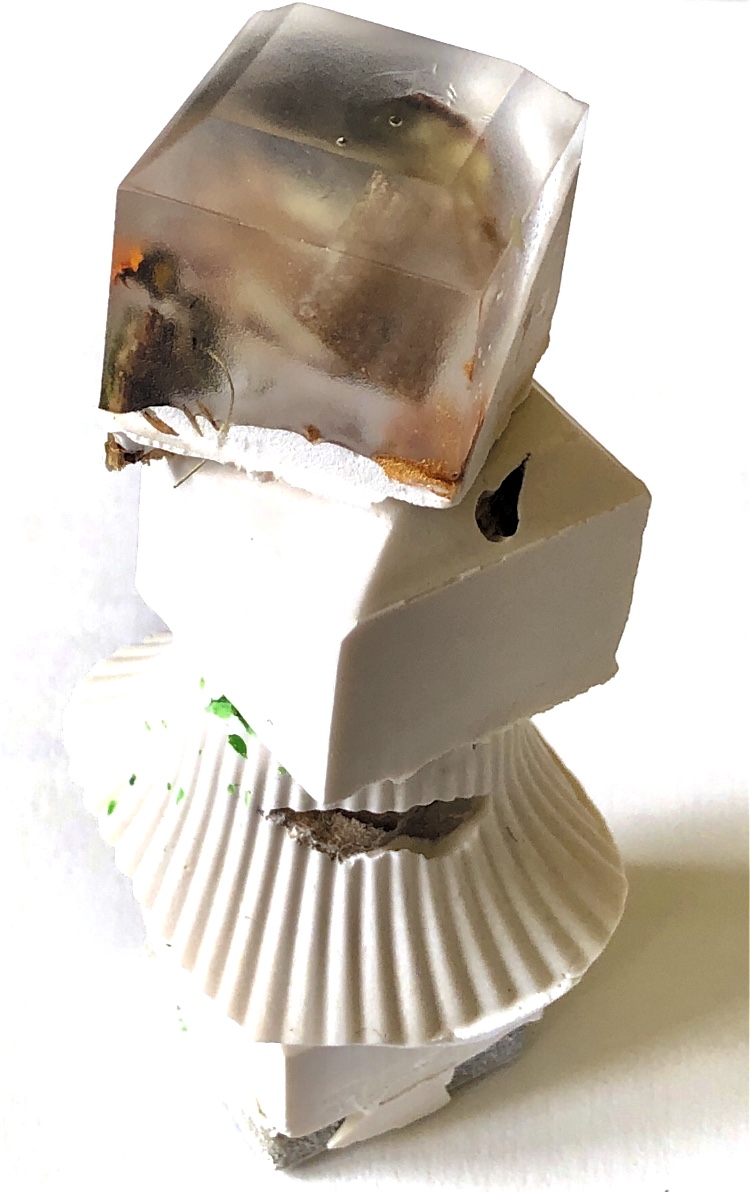
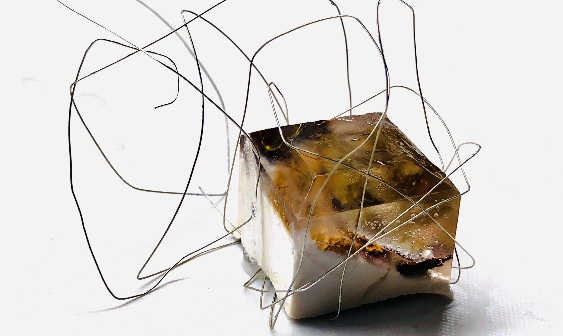
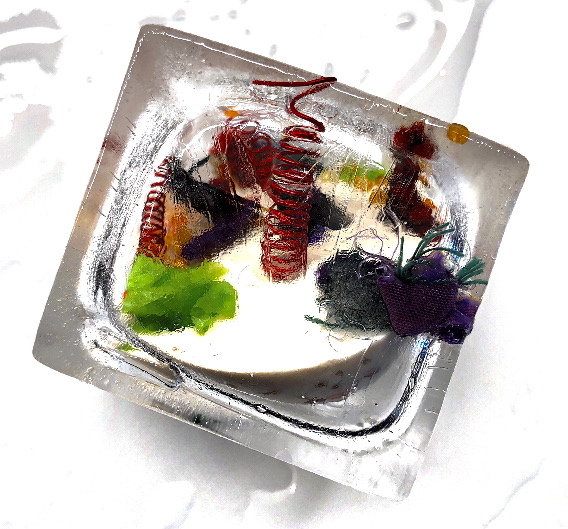
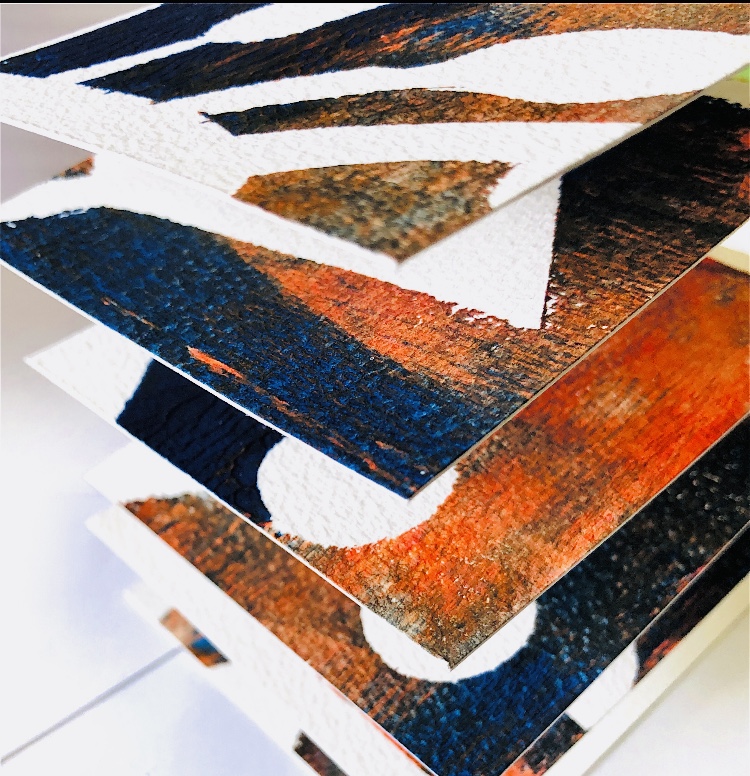
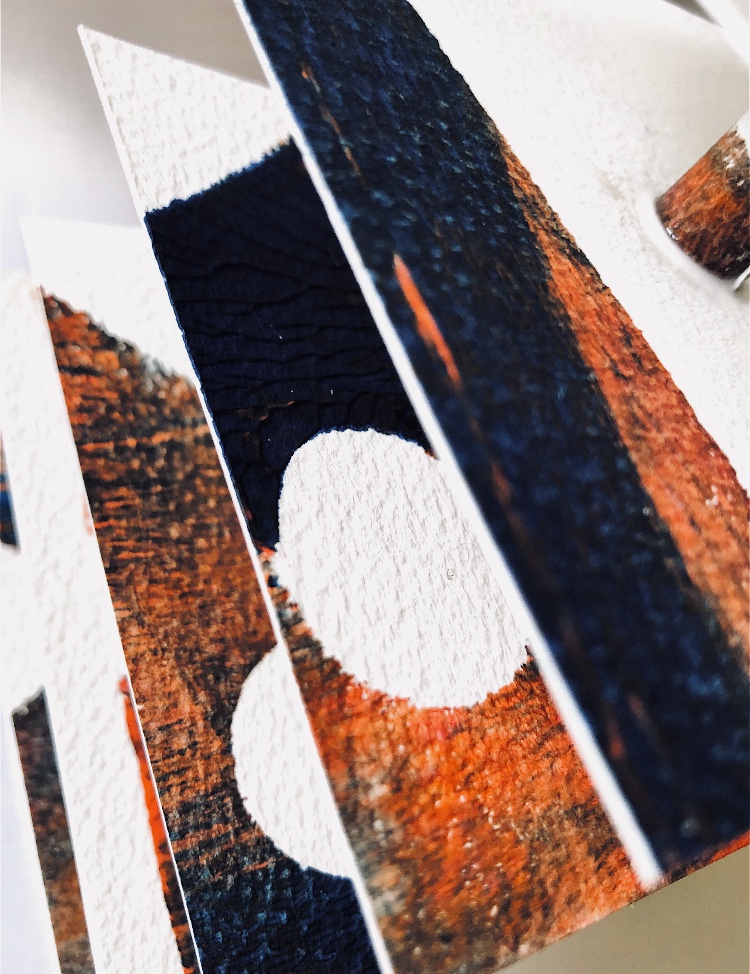
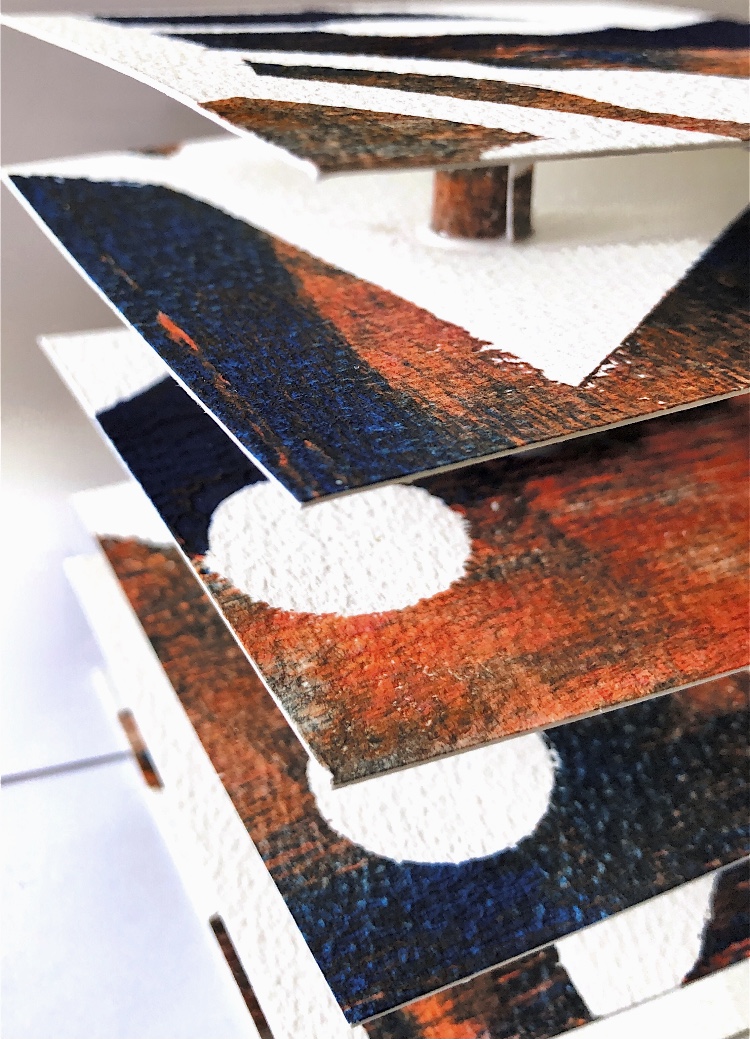
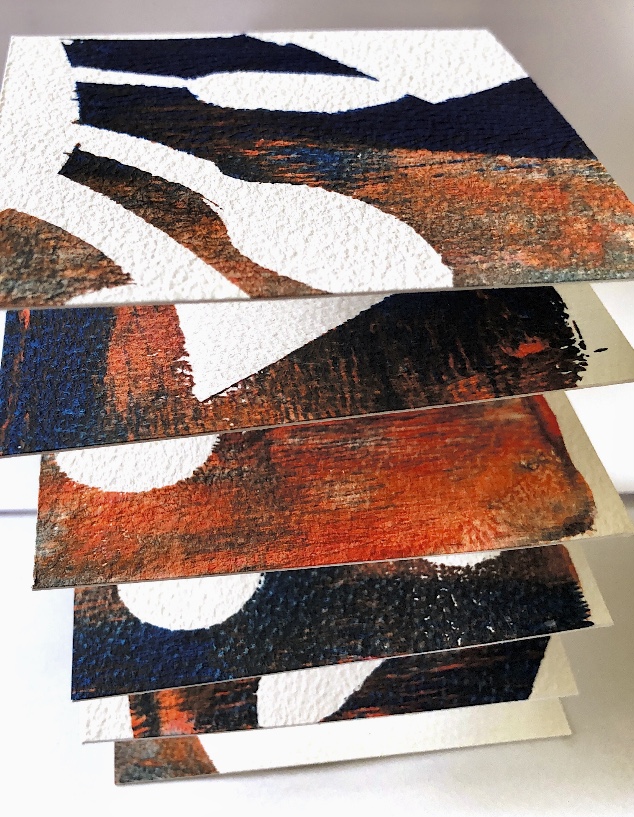
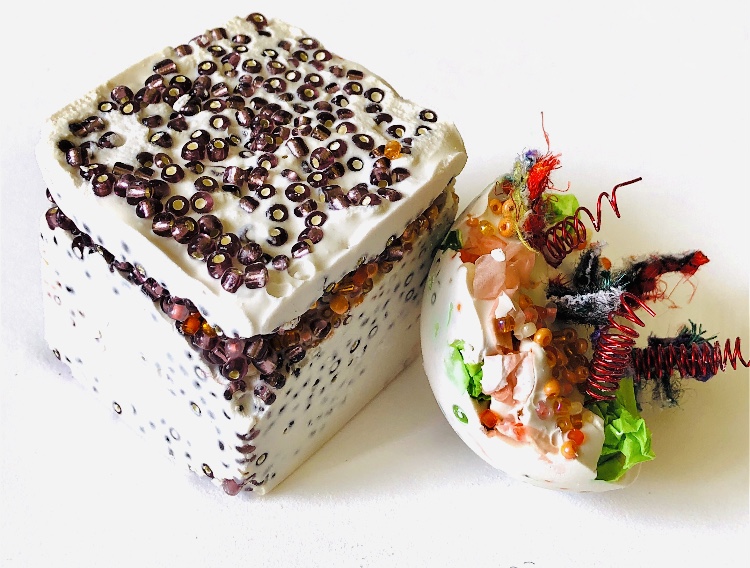
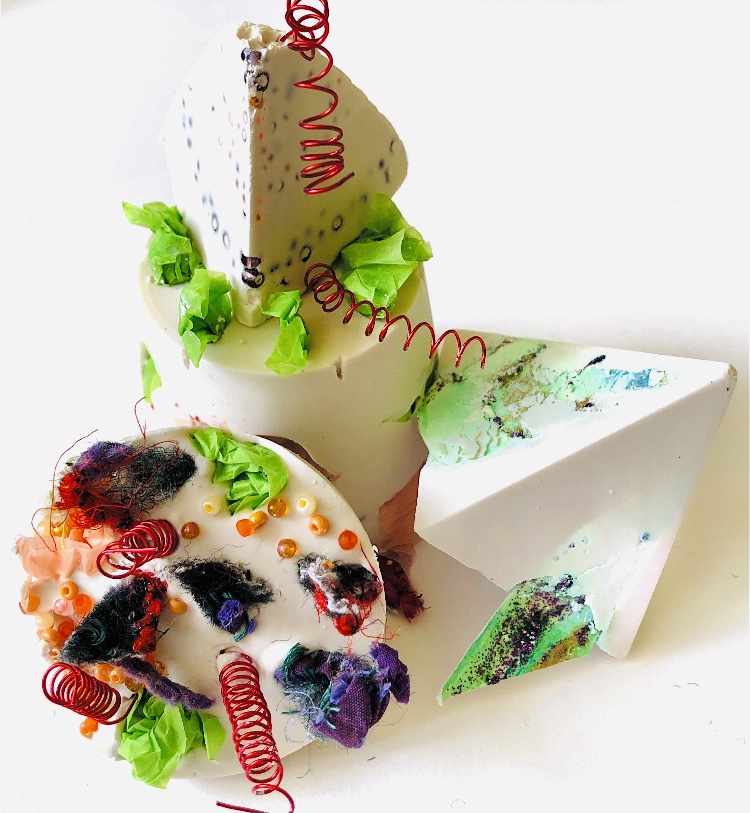
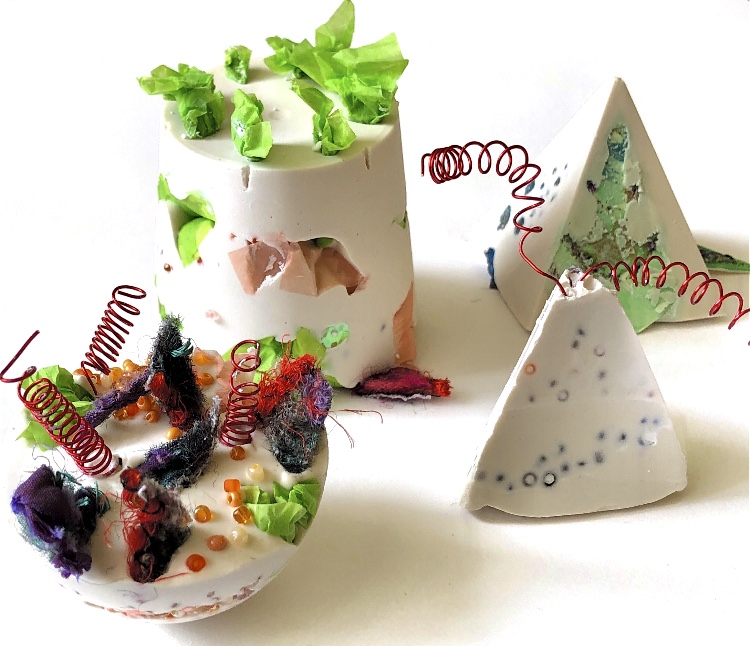
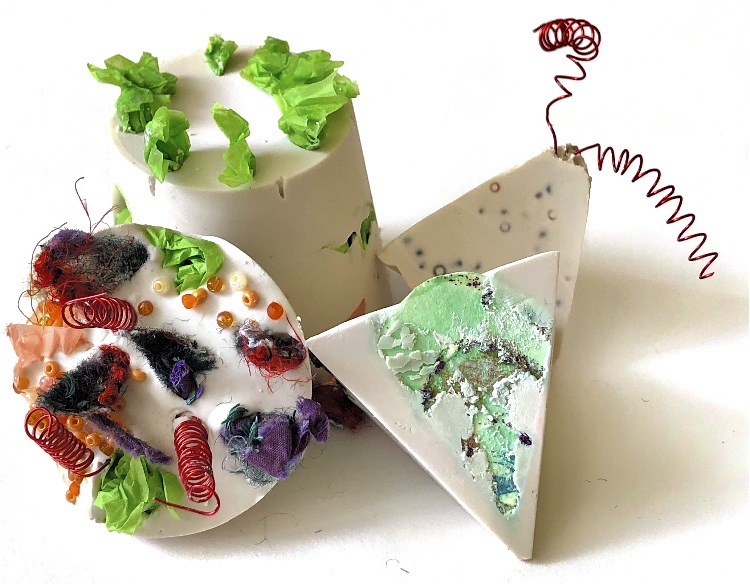
I then researched the work of Richard McVetis who makes small cubes with fabric and stitch. I was interested to see how he displays his work, – he groups his pieces in different arrangements and situations with plain backgrounds. With this in mind I then arranged and photographed my collection in different groupings. I also took more close-up photos capturing details and cropped images. (Fig. 2) I think the stacked cubes work really well, highlighting the beautiful greens, white, and the patterns within the cubes. The close up images distort the pieces into unrecognisable shapes and patterns.
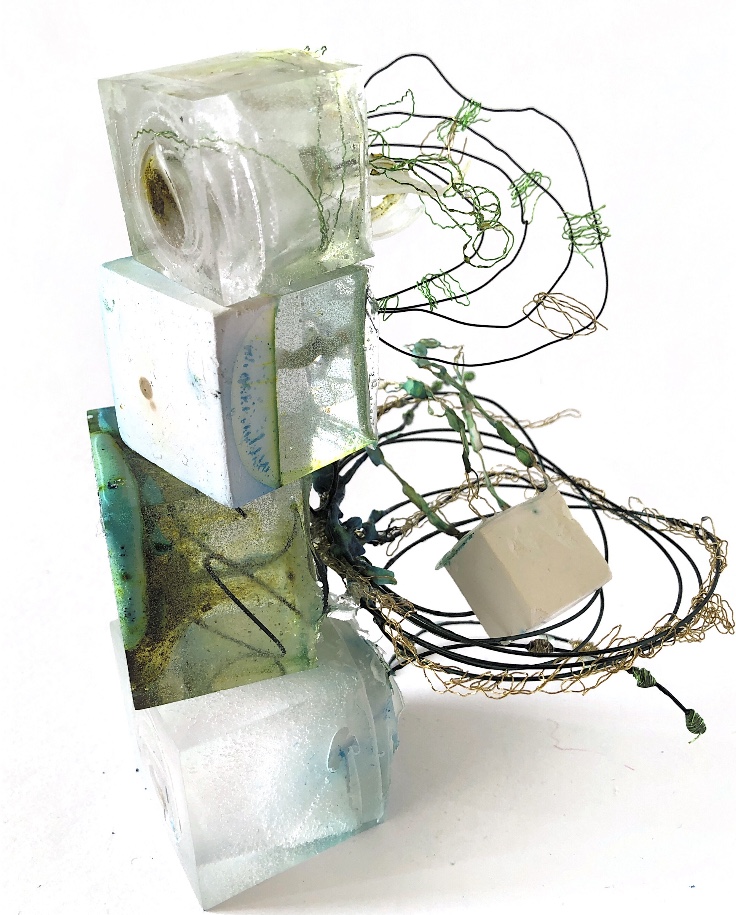
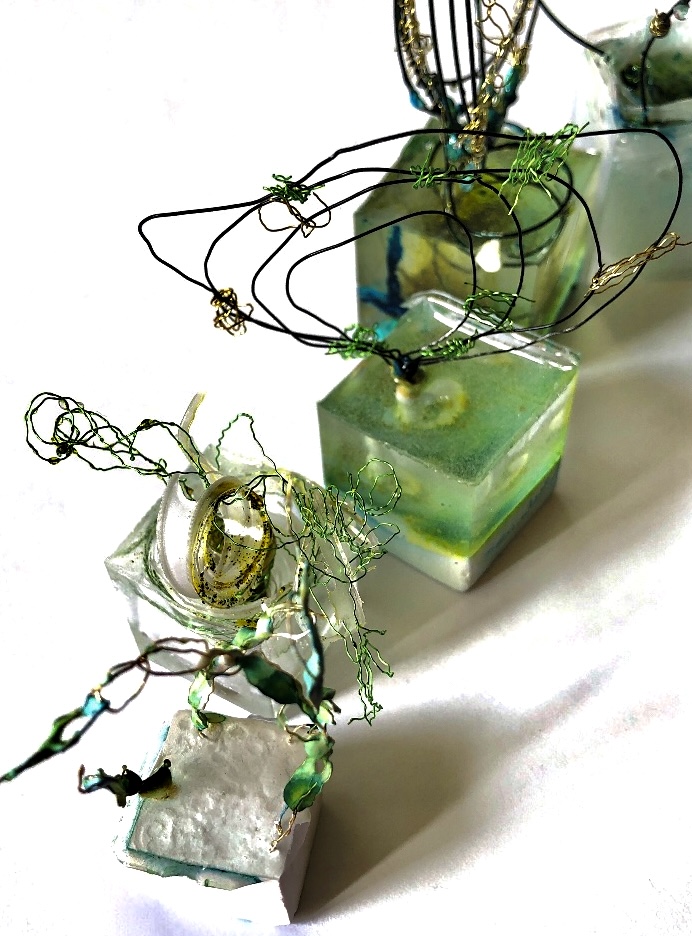
Fig.2 Different arrangements and close ups

********************************

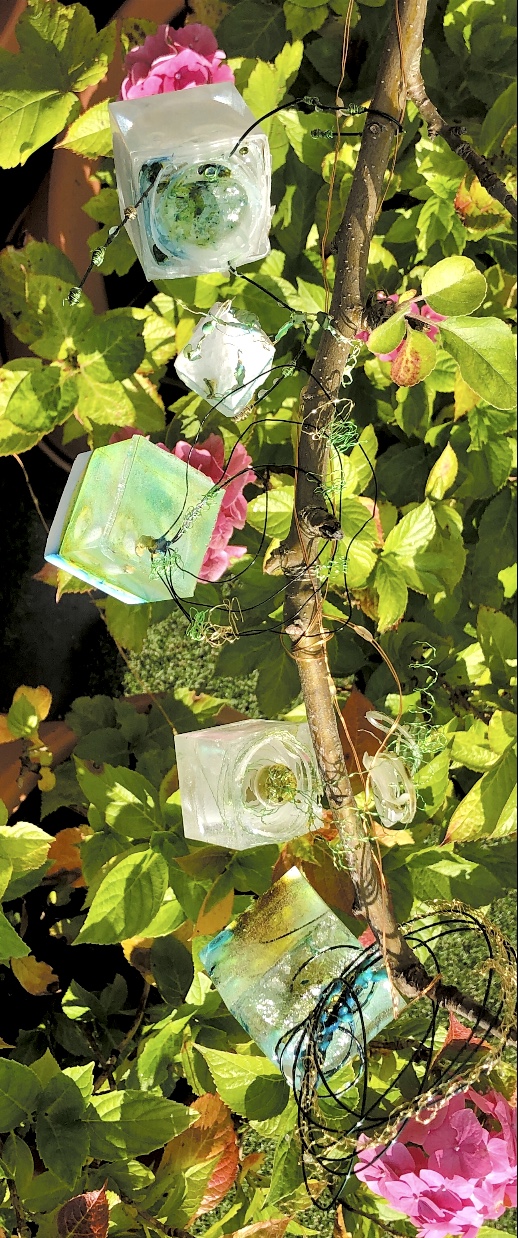
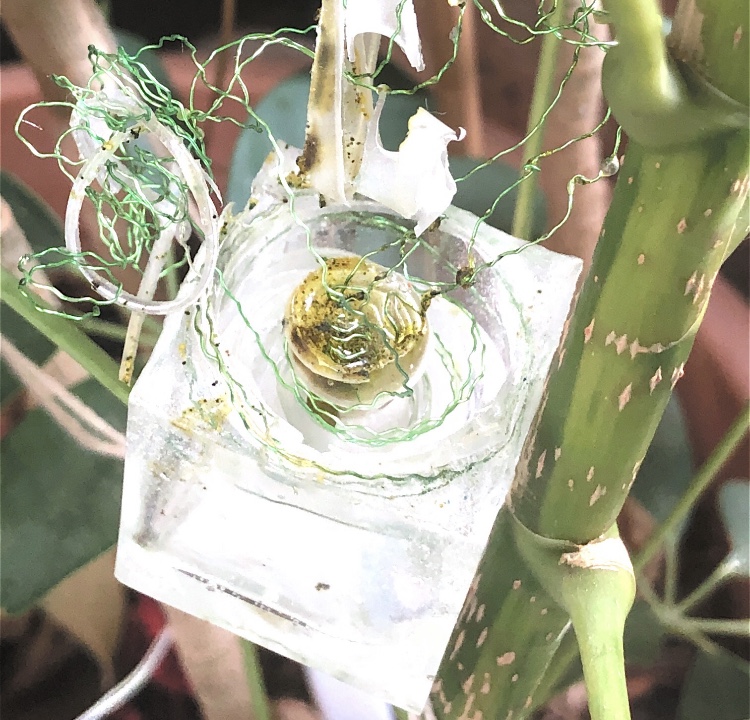
To change the feel of the images I set the samples among sequins and beads, and then took them outside to photograph in the garden, (Fig. 3). I was able to use the wire to hang the pieces on a tree which was very effective, I like the organic nature of the leaves and flowers contrasting with the hard plaster, resin and wire sculptures. I also particularly like the photo bottom right in Fig. 3 where the stark white cube is resting on a branch and the wire tendrils almost seem to be part of the plant. Once again I am really drawn to contrasts of colour, material, shape and texture.
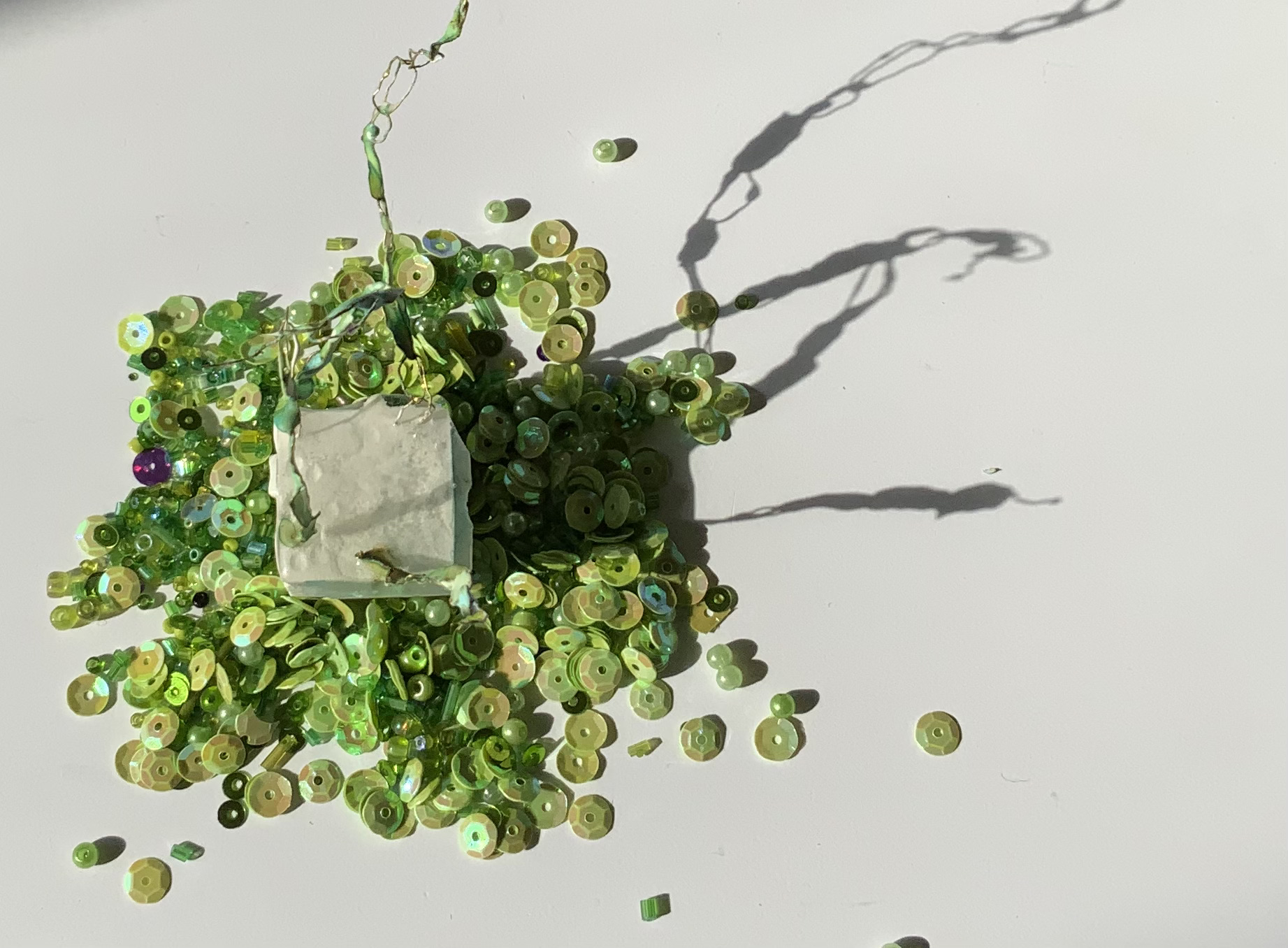
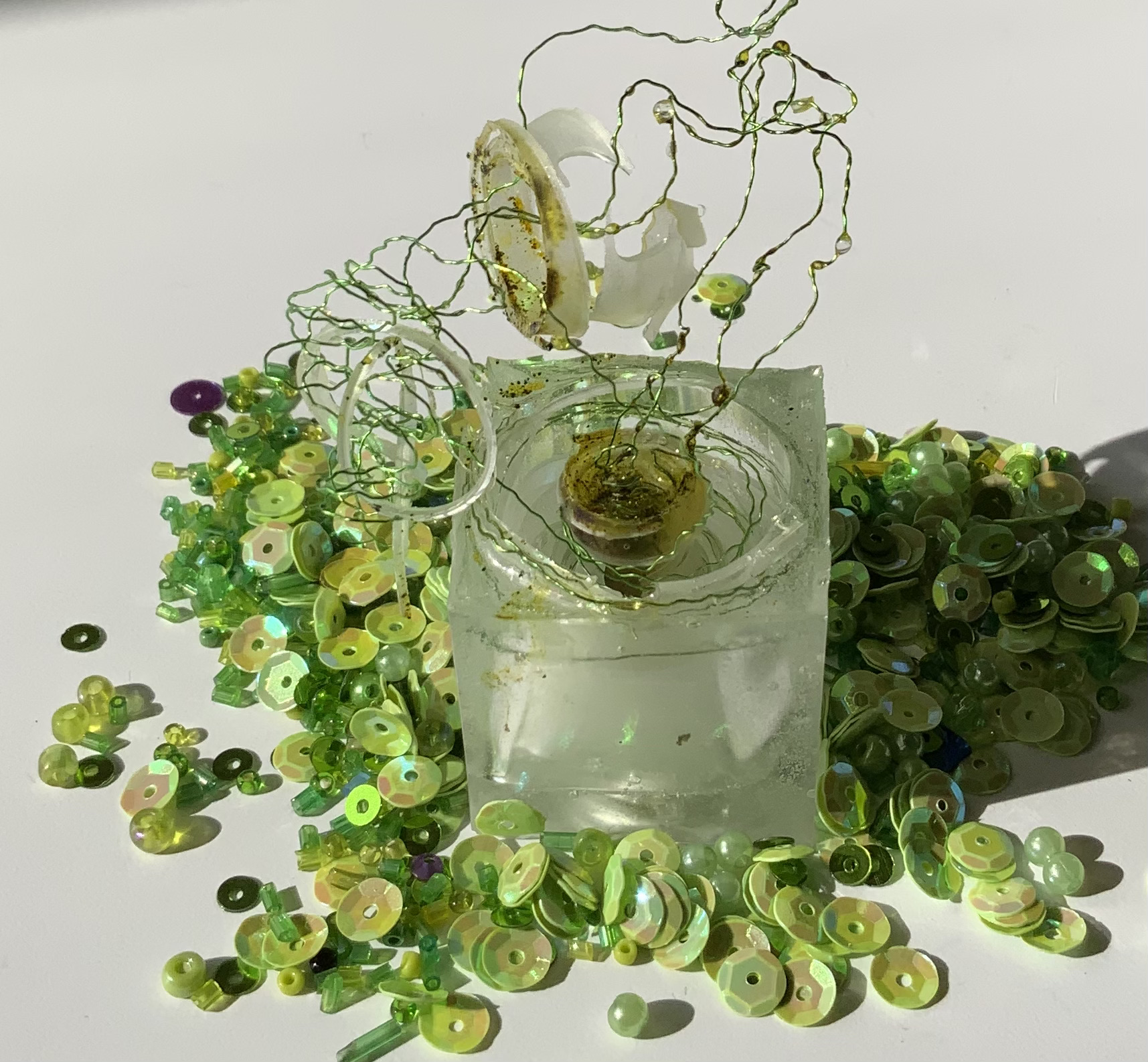
Fig. 3 Different situations

***********************************

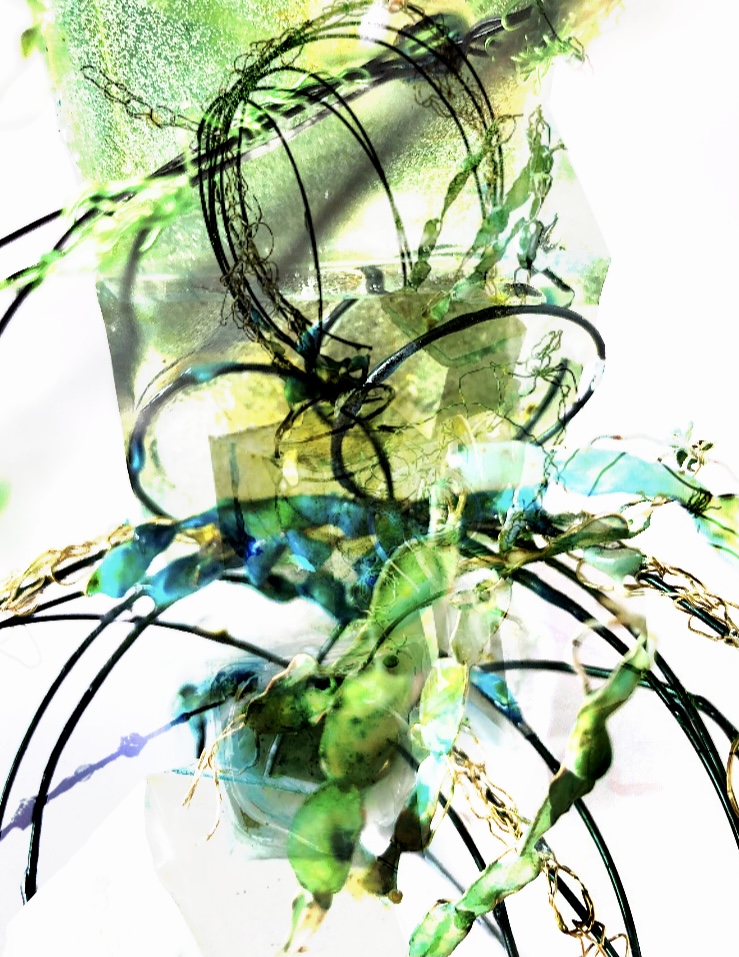
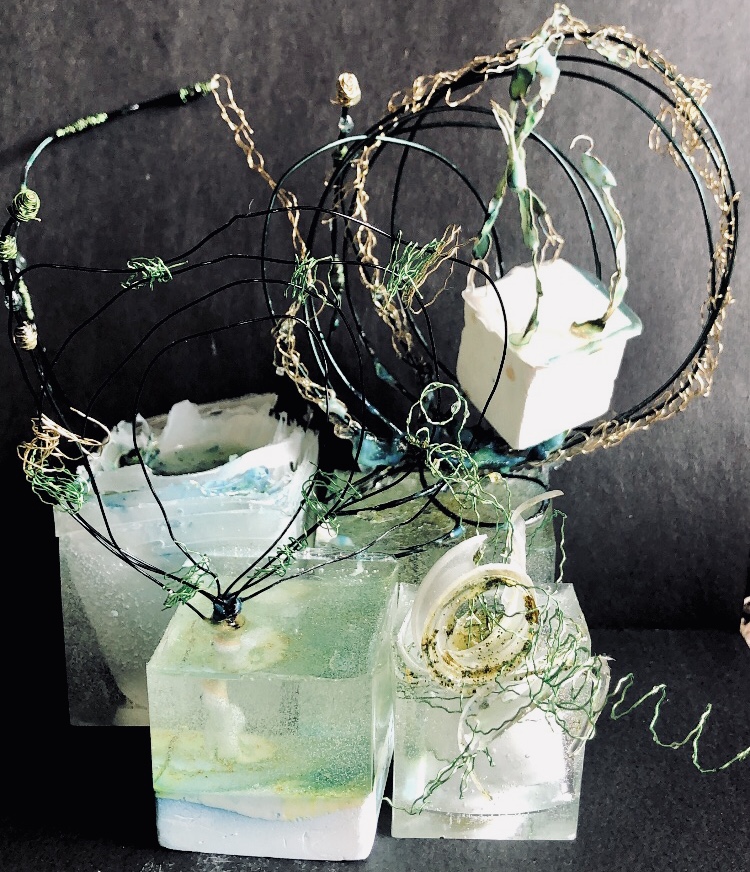
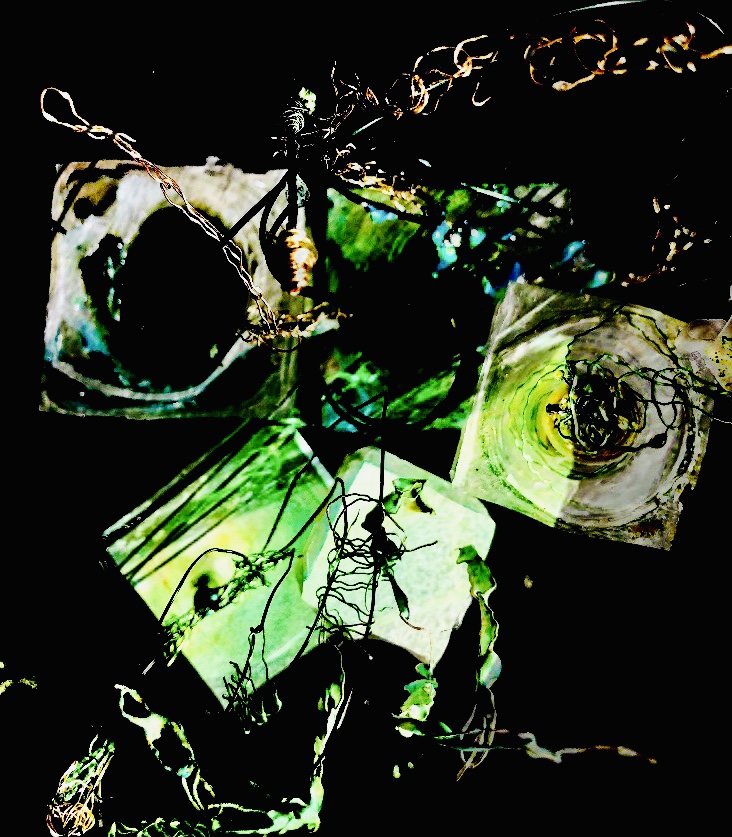
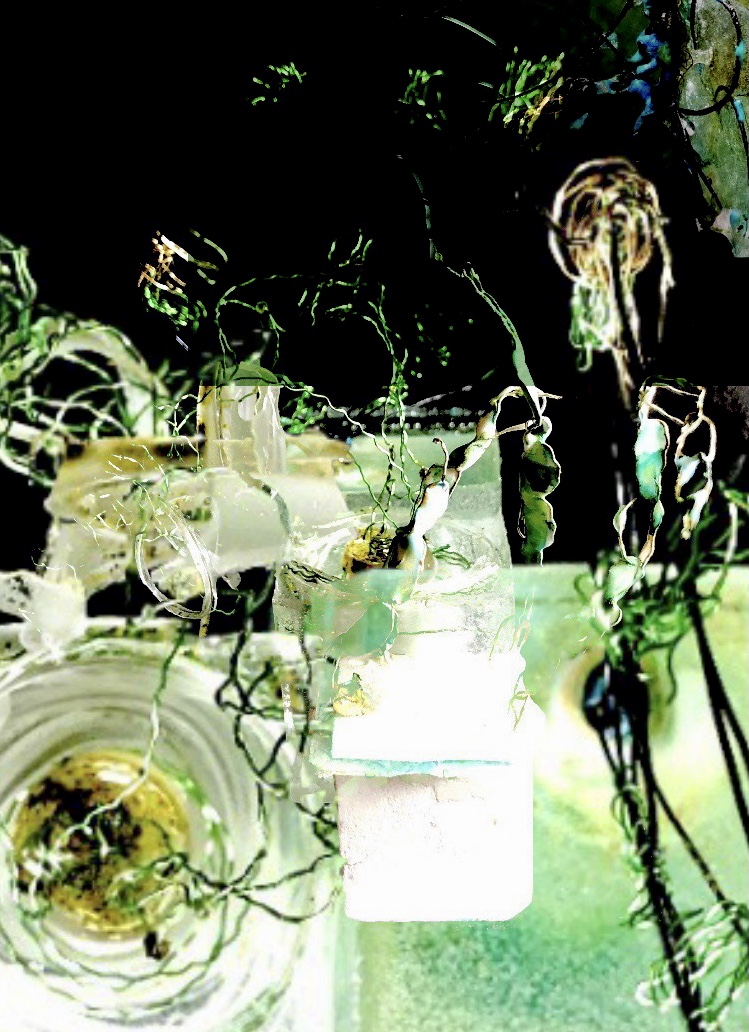
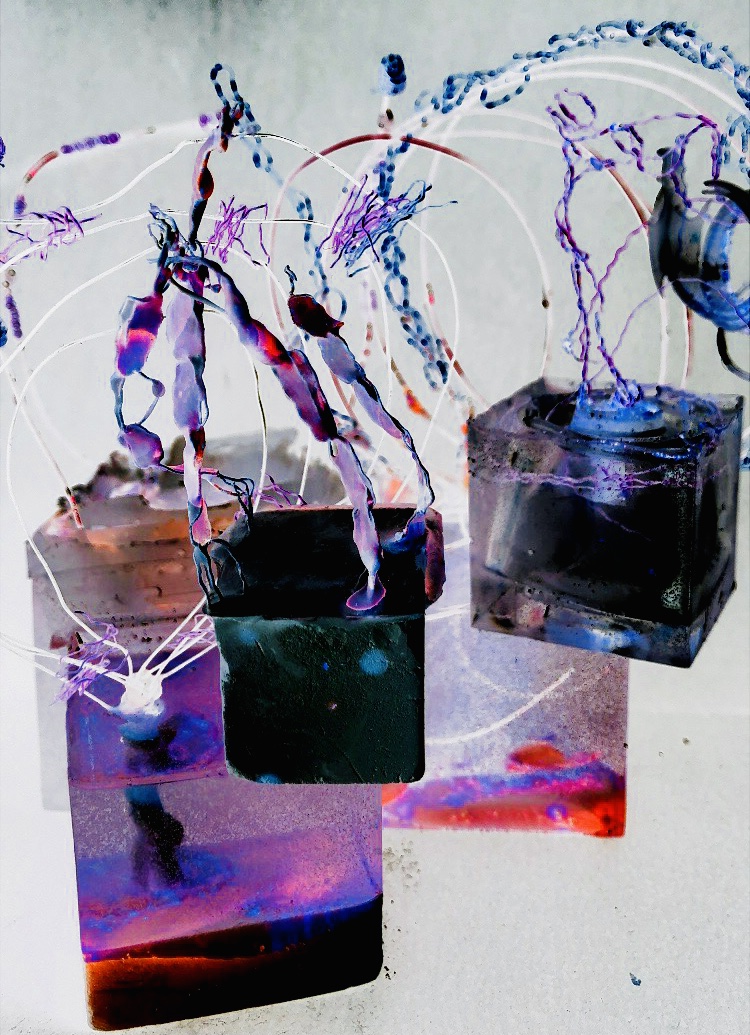
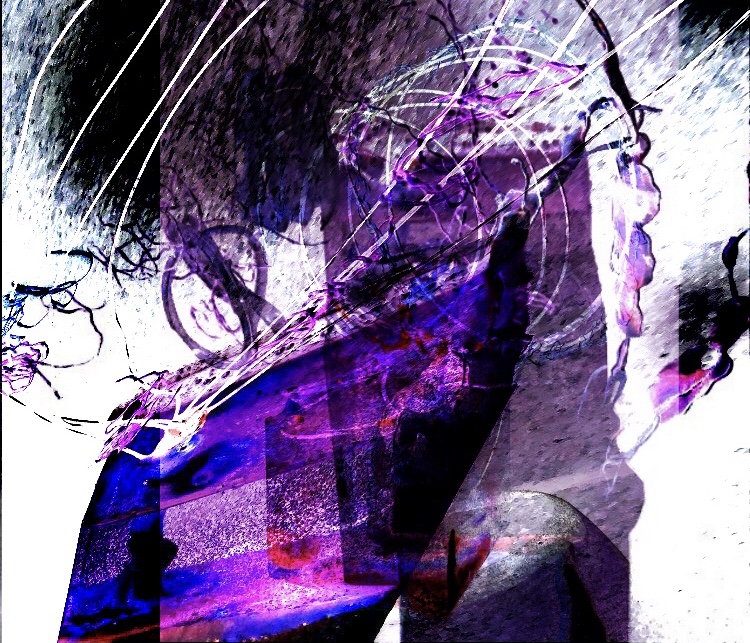
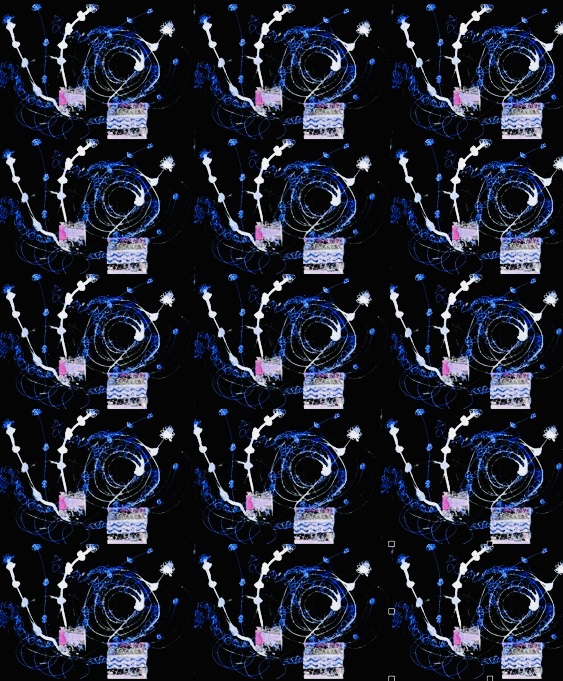
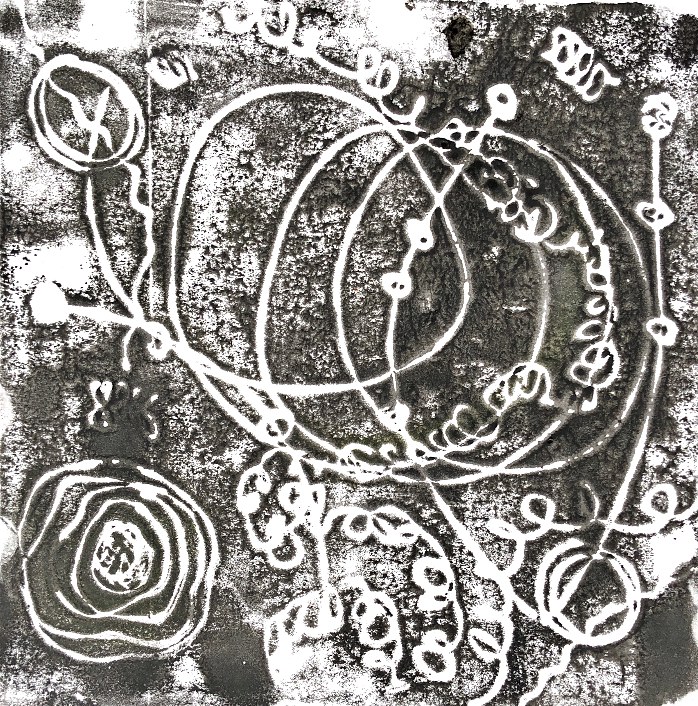
I noticed that Richard McVetis sometimes uses a dark background to photograph his work. I found when I took photographs that the black background wasn’t always as dark a contrast as I would have liked, but by scanning and using some photo manipulation I was able to achieve a really dark backdrop and effective images, highlighting the colour and translucency of the blocks, the ethereal fragility of the swirls of fine wire, and the strong wire circles that seem to hover in the air. Layering of the images has added further pattern and ideas for applique, paper collage and stitch. (Fig. 4)
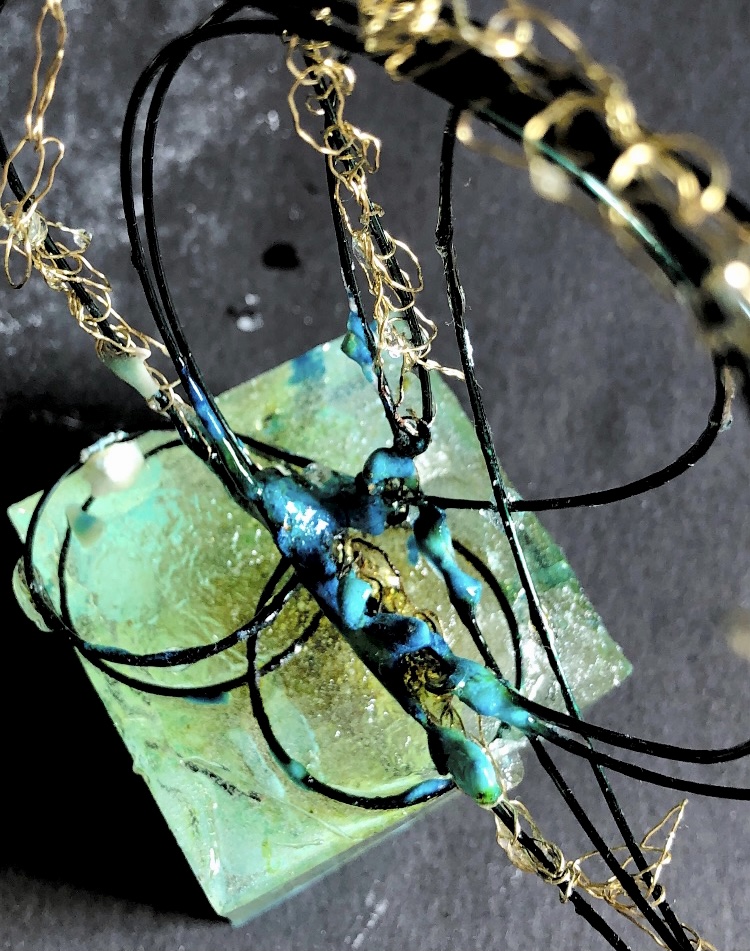
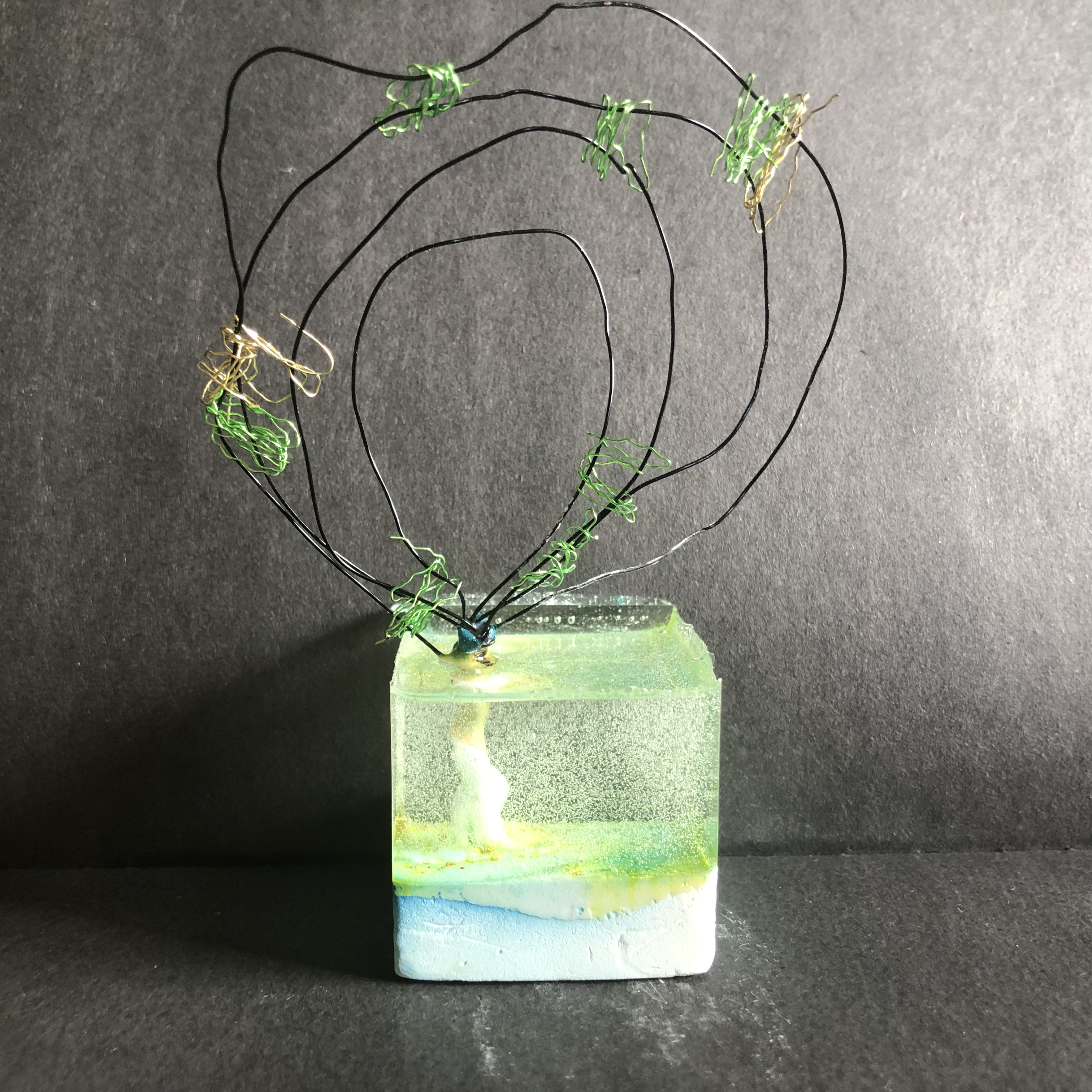
Fig. 4 Experimenting with a dark backdrop

********************************

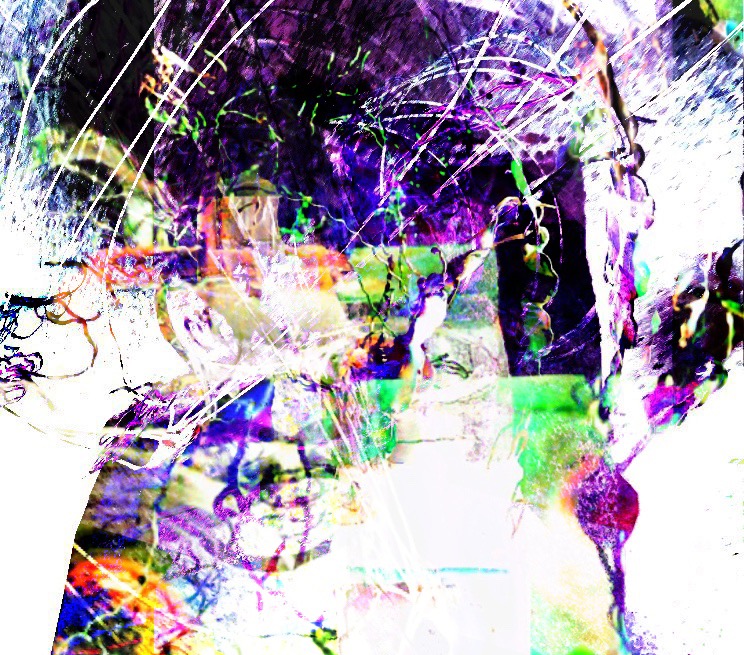
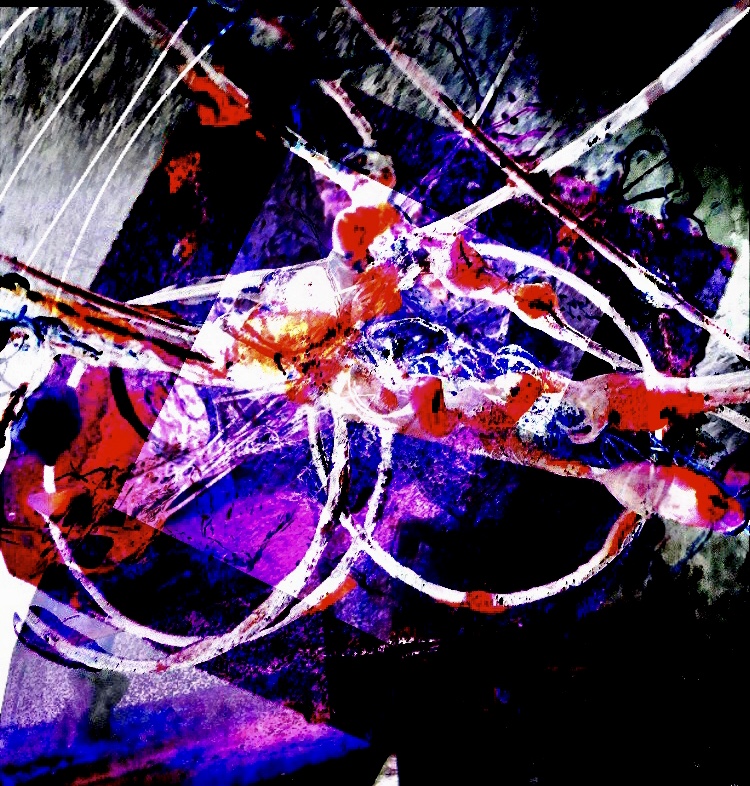
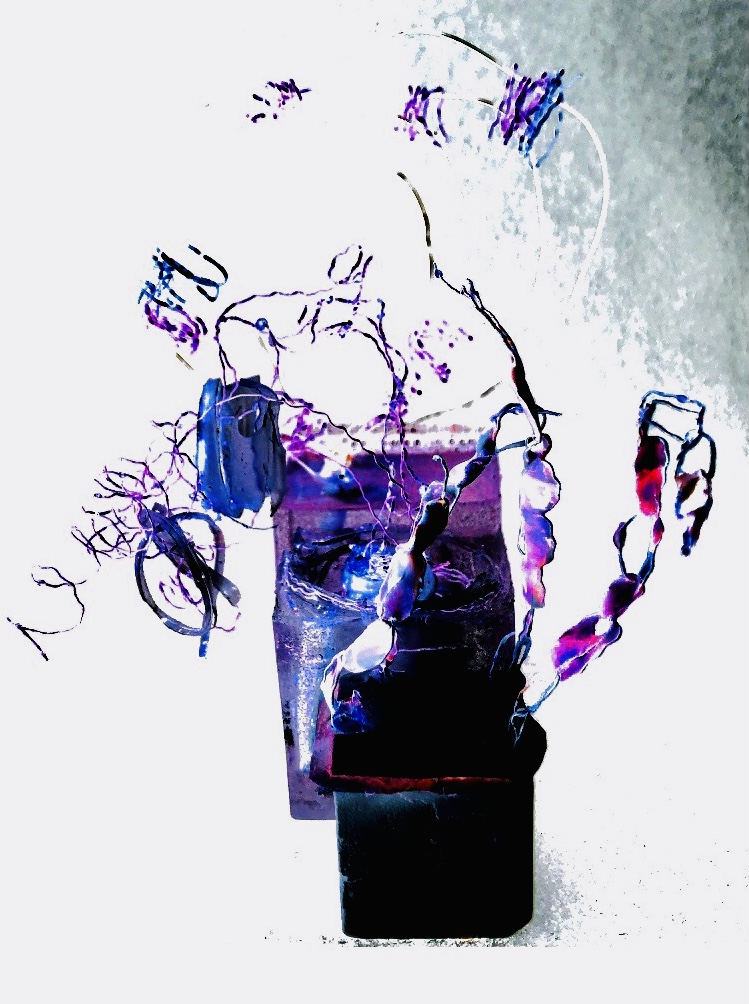
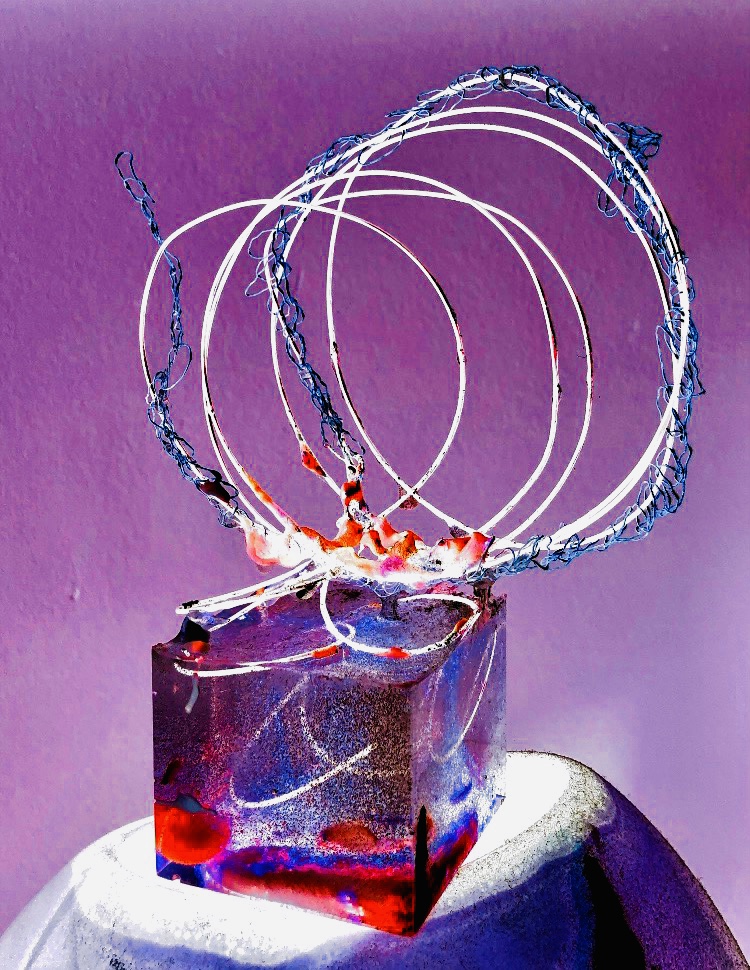
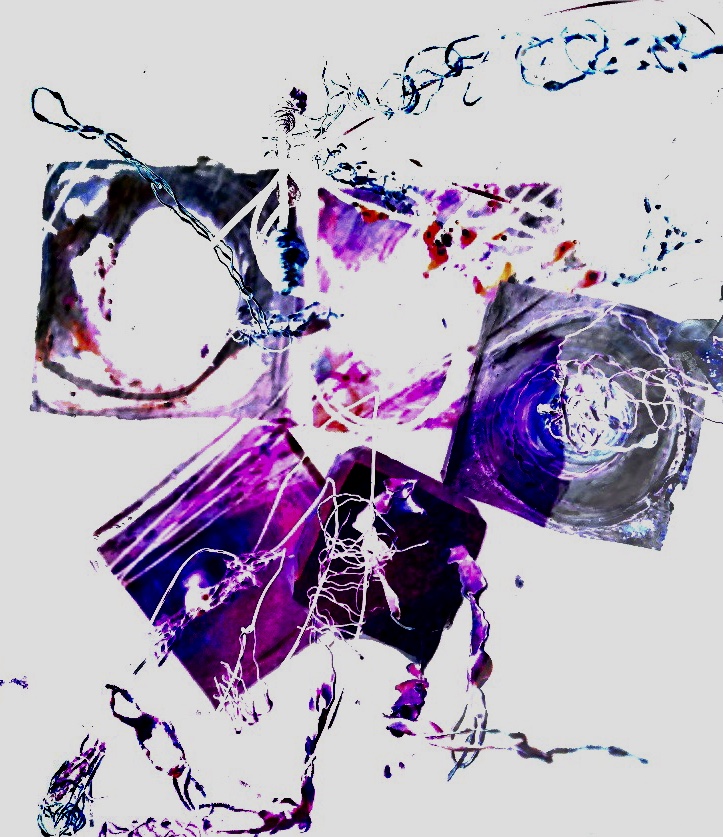
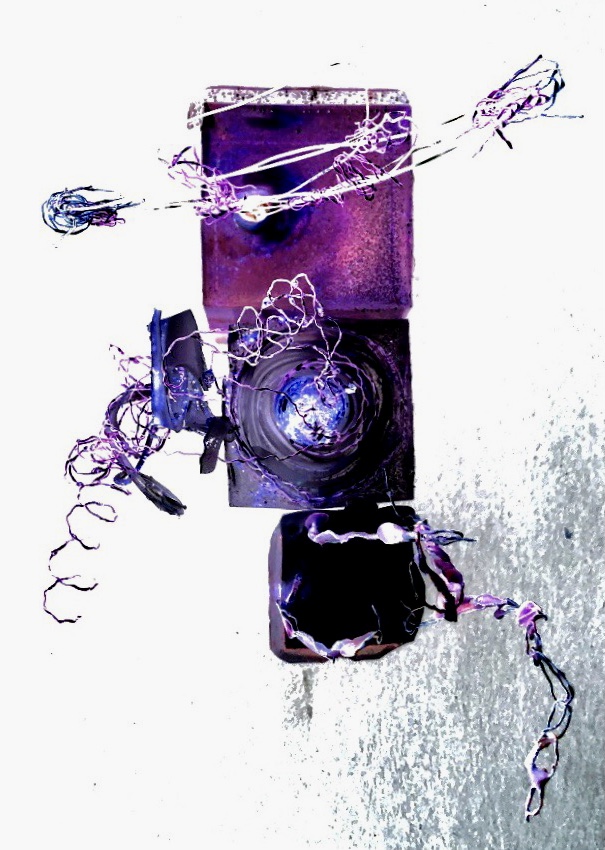
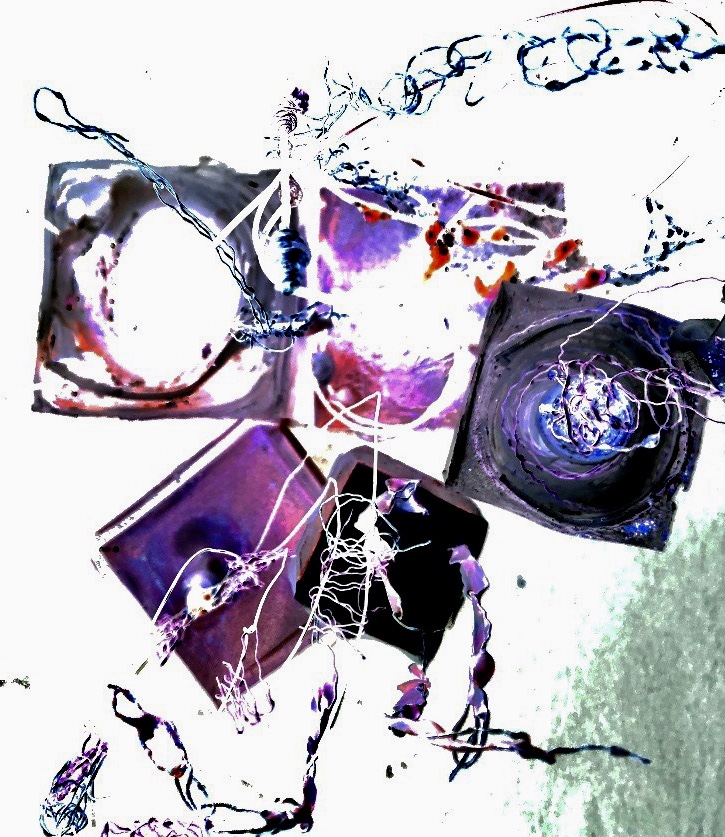
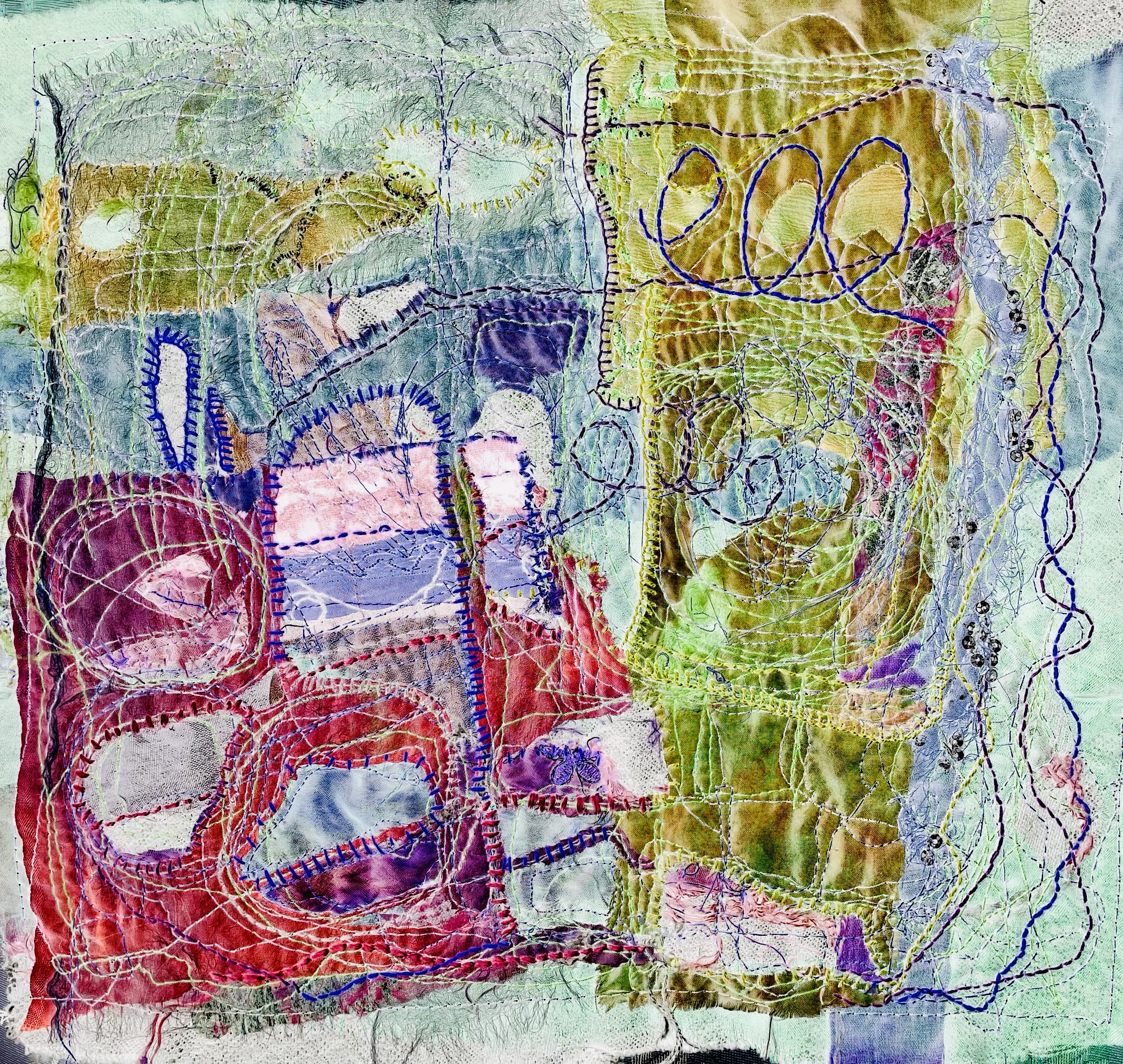
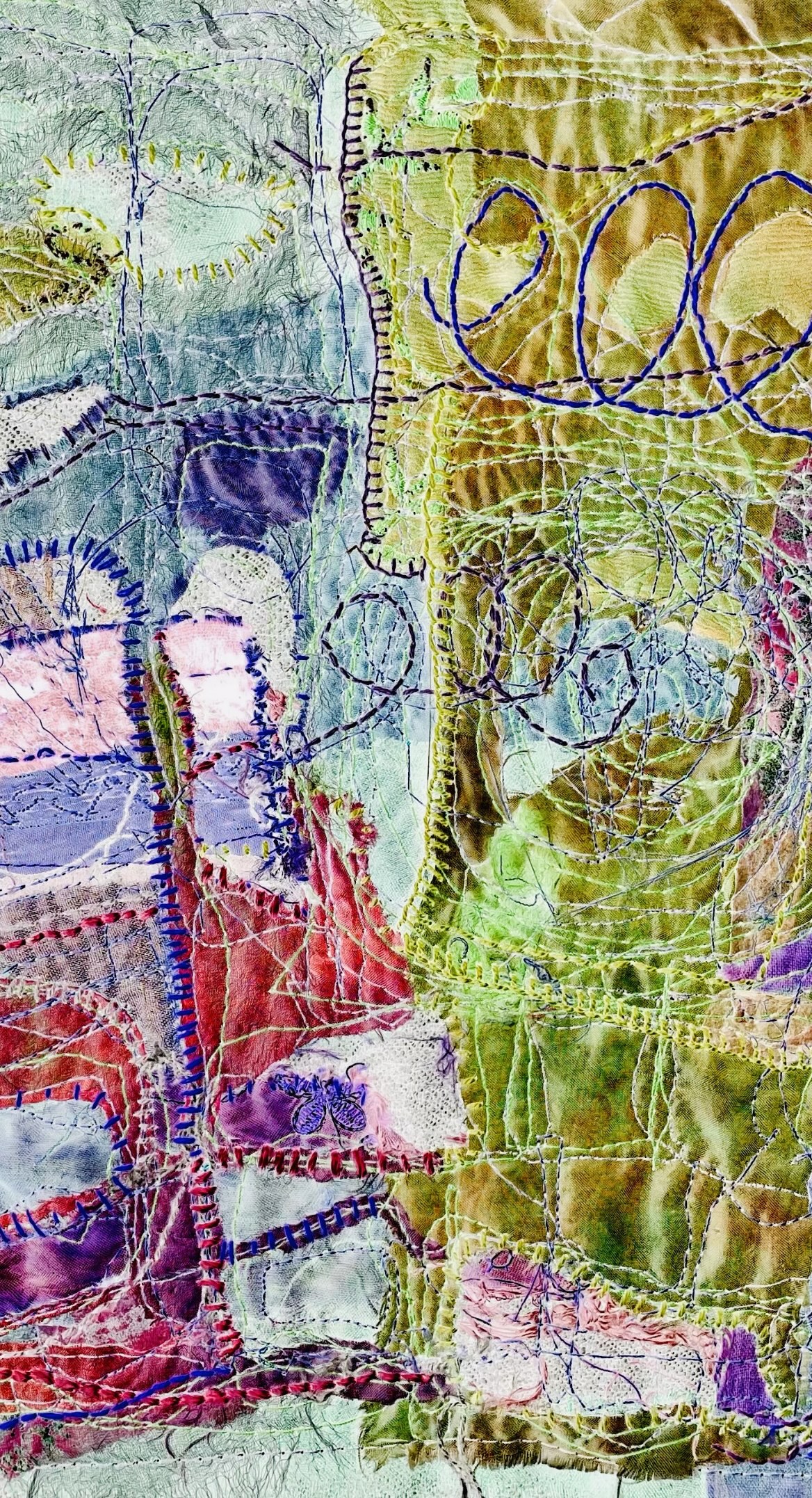
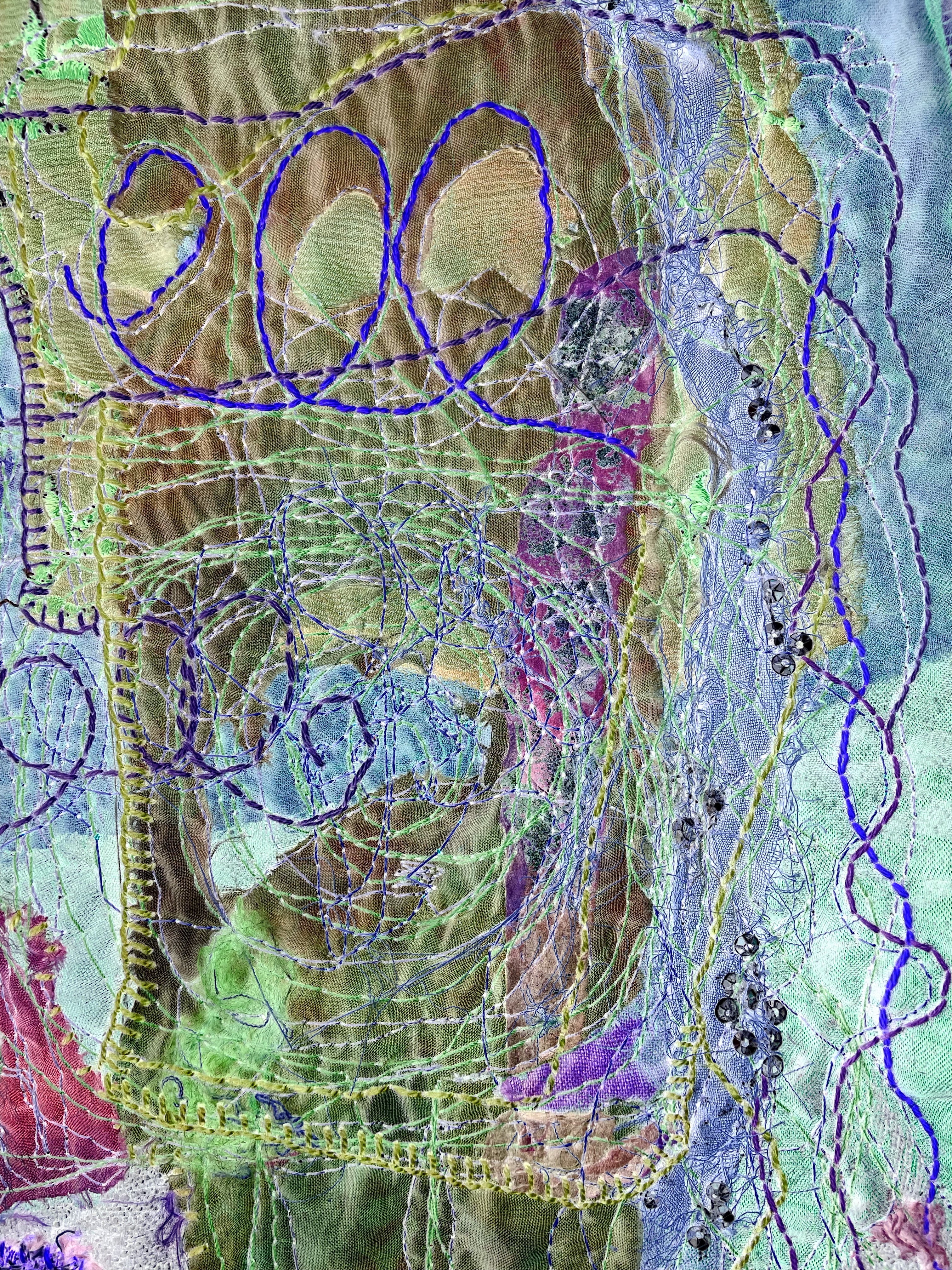
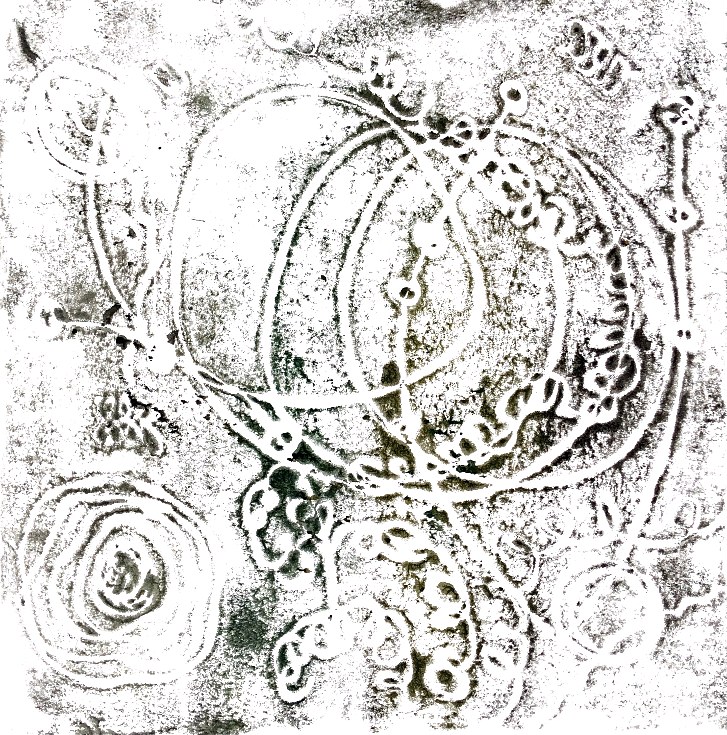
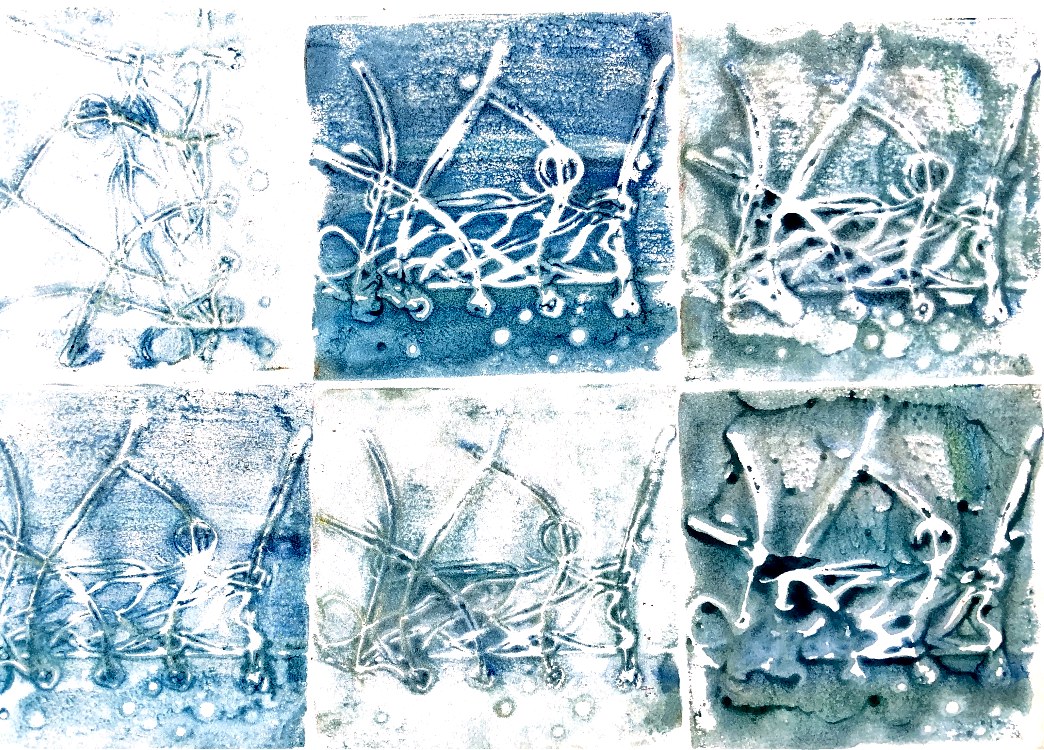
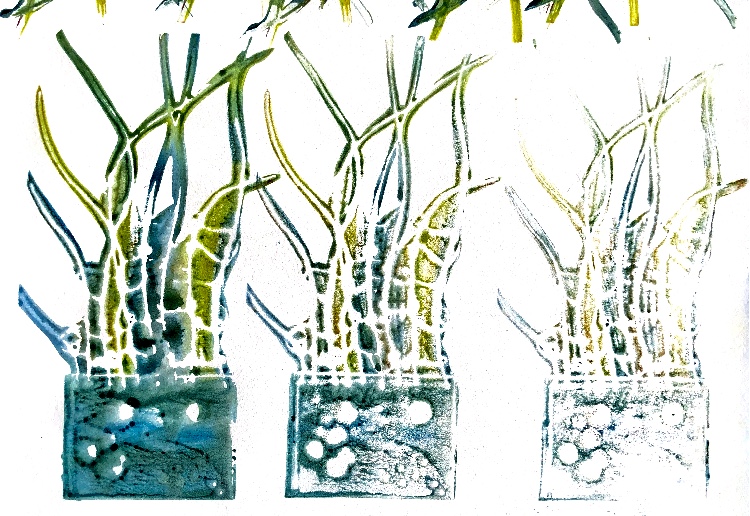
Playing around with colour inversion produced some beautiful results and a whole new colourway to explore, (Fig. 5). Some of the images below have been overlaid with the original pictures to add some other colours back in.
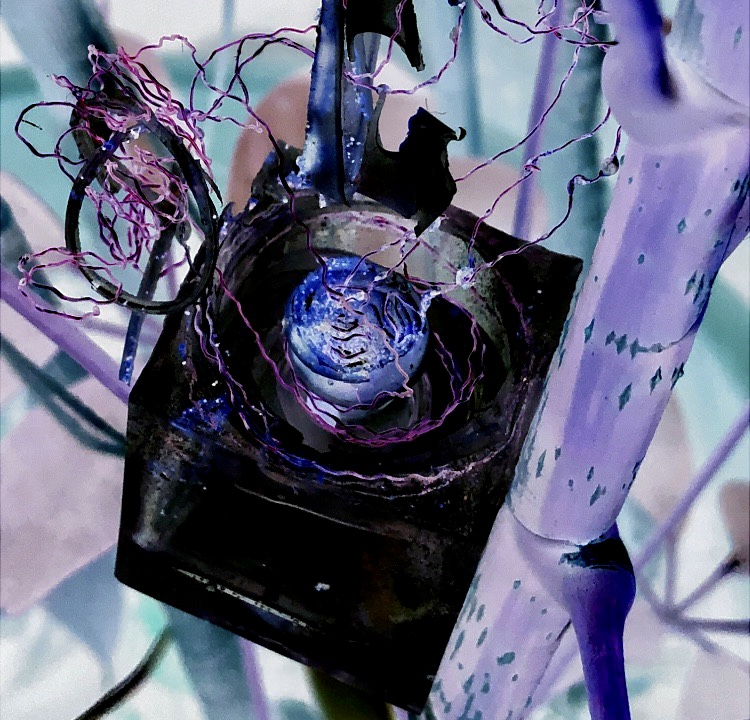
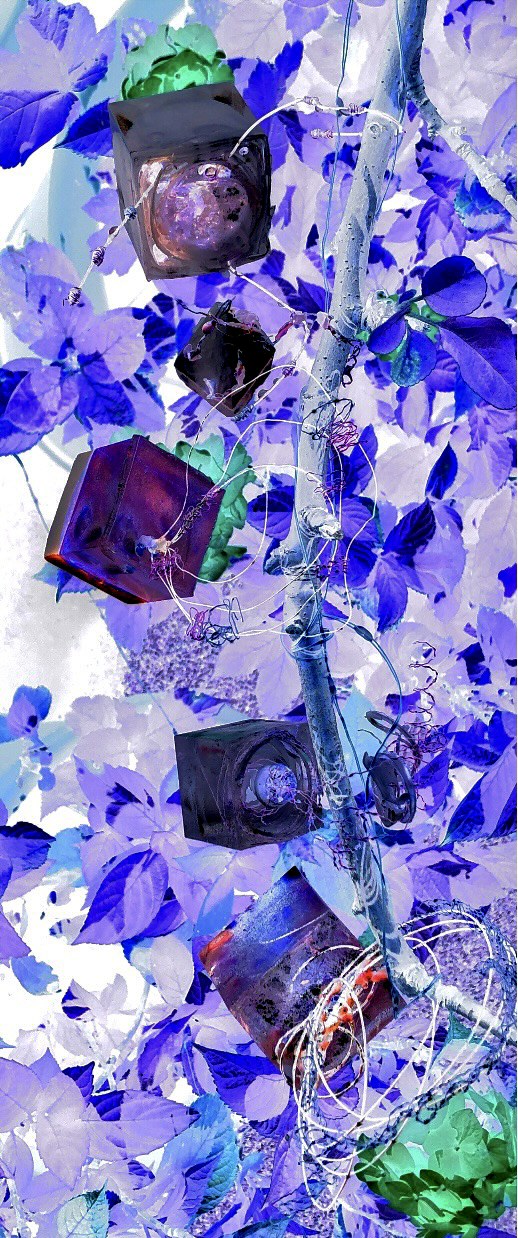
Fig. 5 Inversion of colours, and layering

*******************************

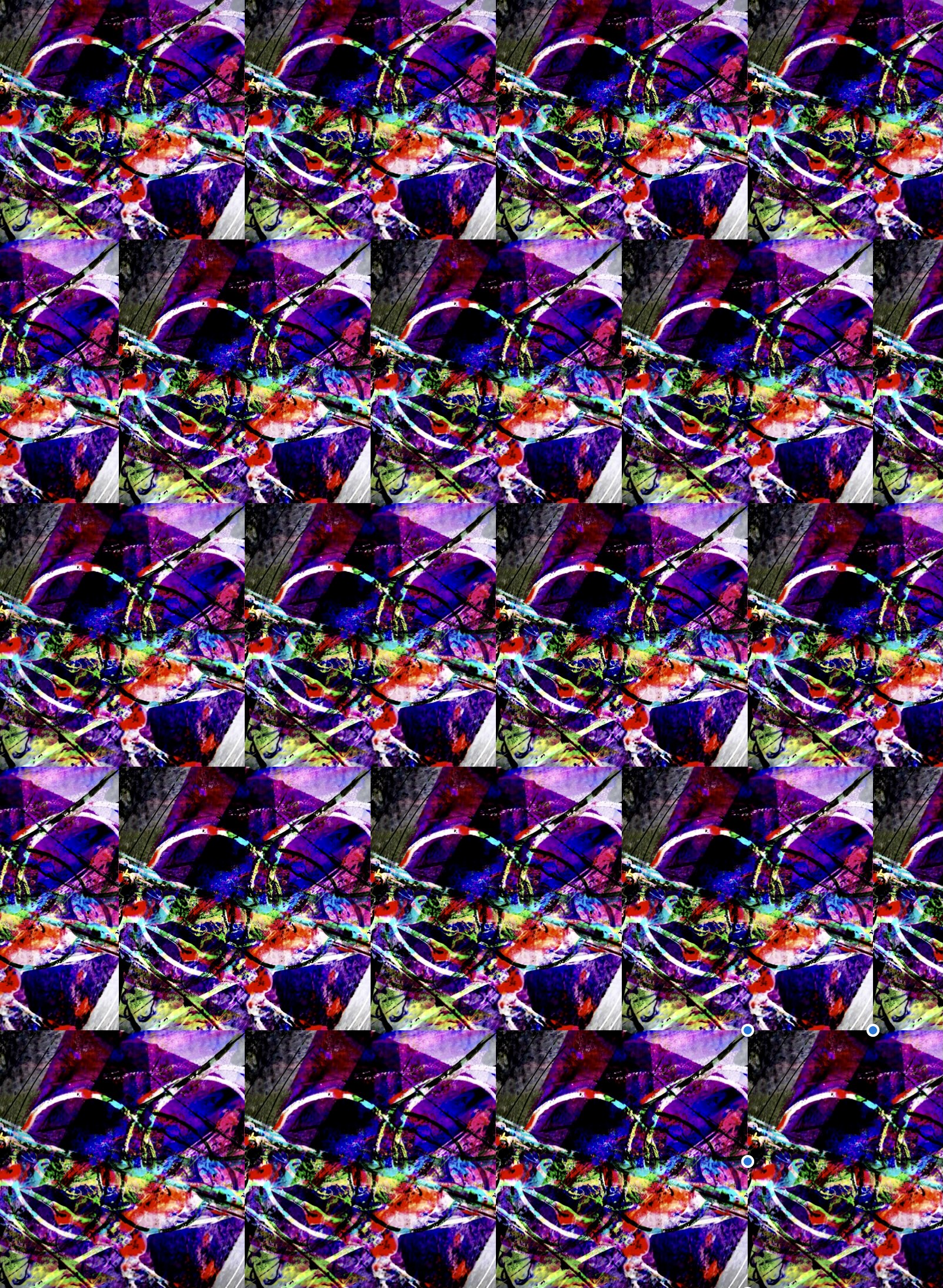
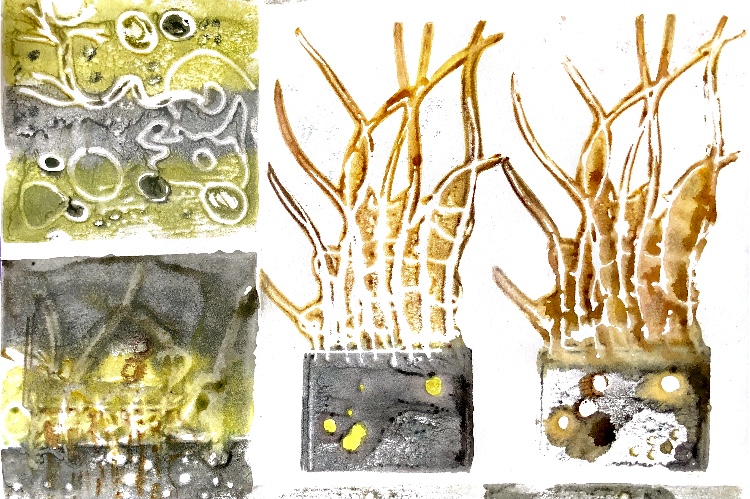
Playing around with my photos I was able to create mirror images and repeat patterns as ideas for prints, borders and stitch patterns. Some of these are reminiscent of kaleidoscope patterns. (Fig. 6)

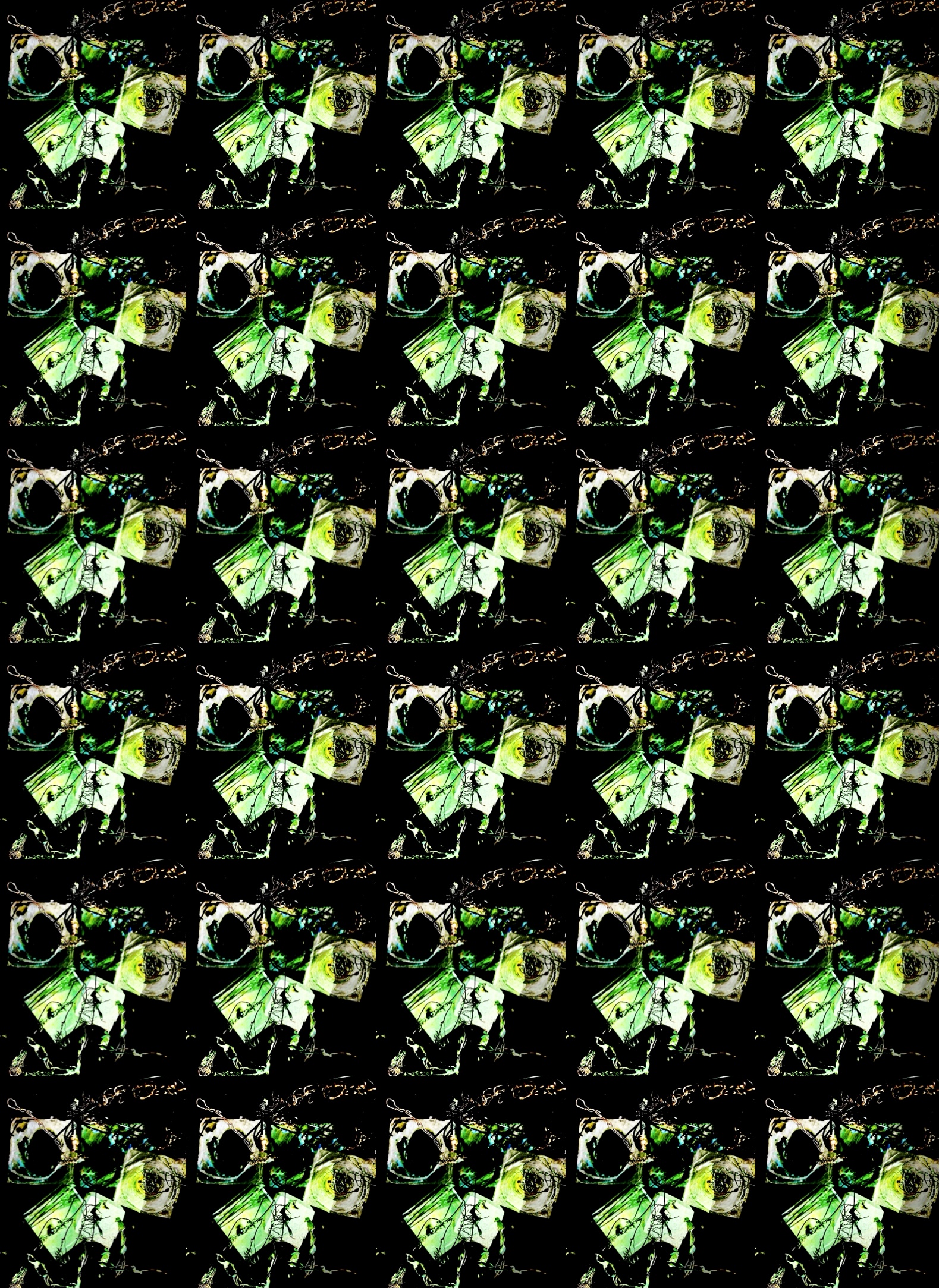
Fig. 6 Mirror images and repeat patterns

********************************

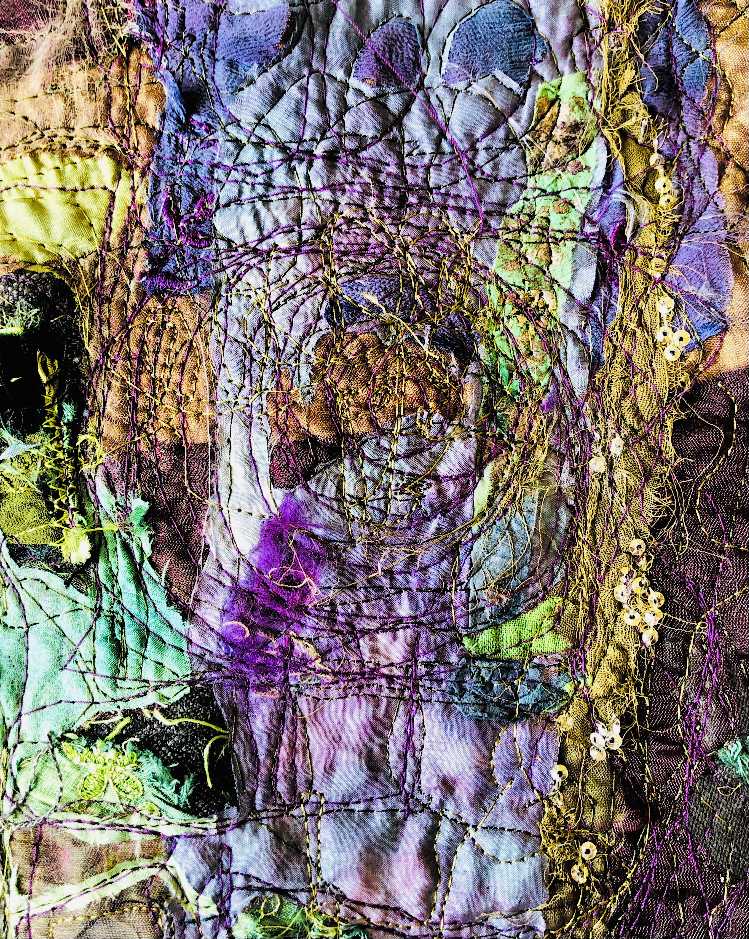
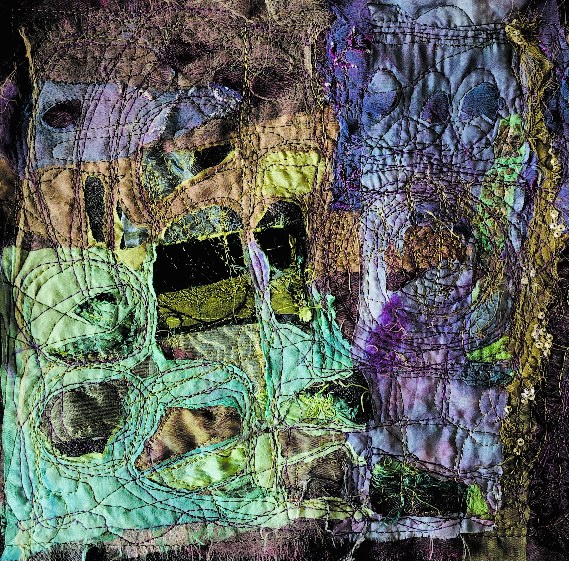
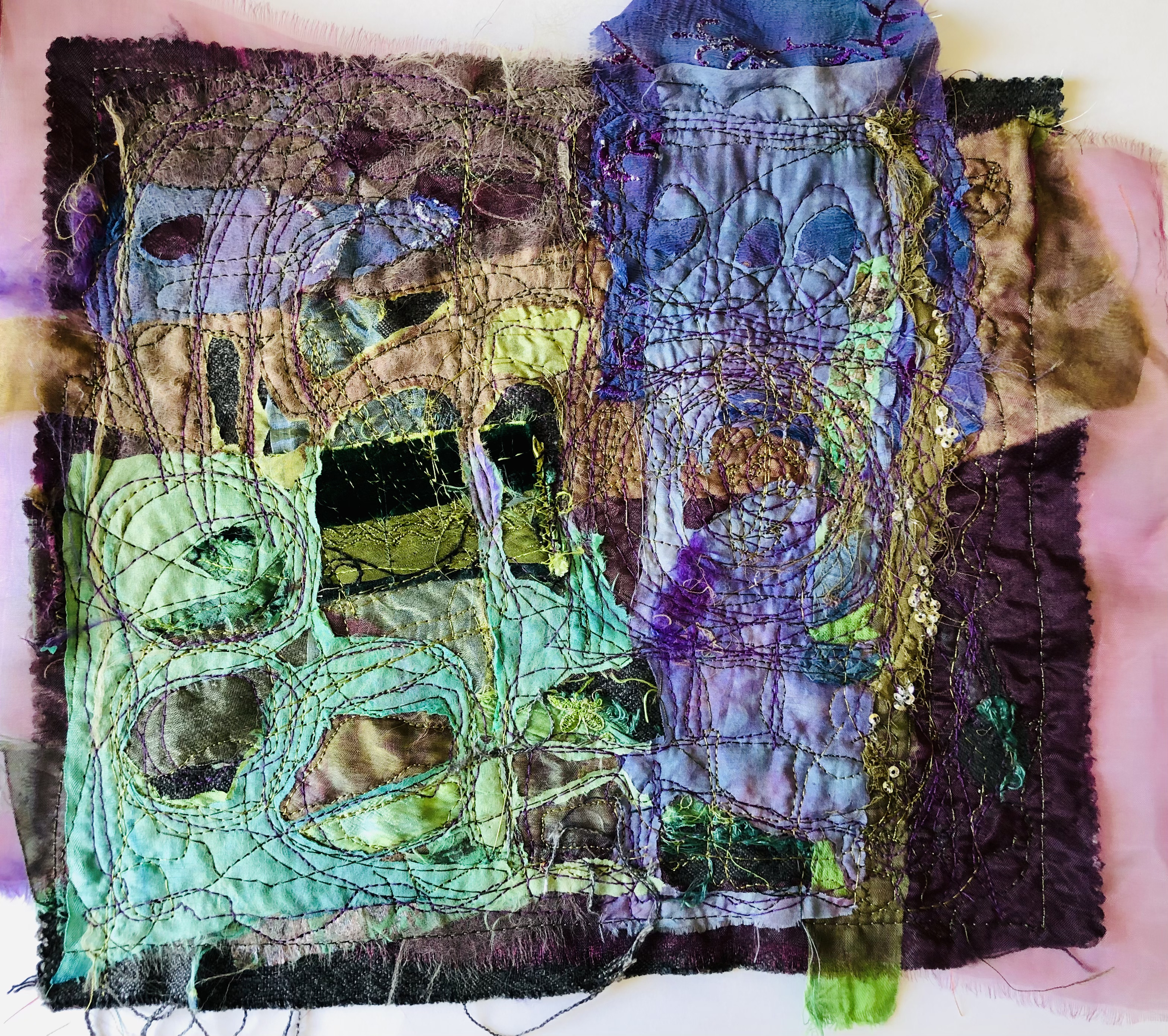
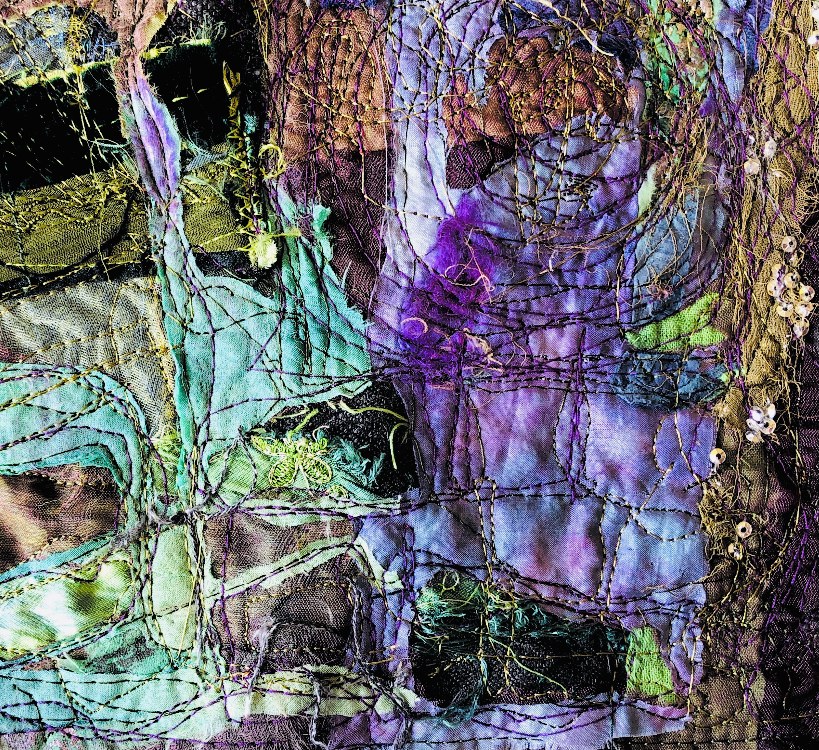
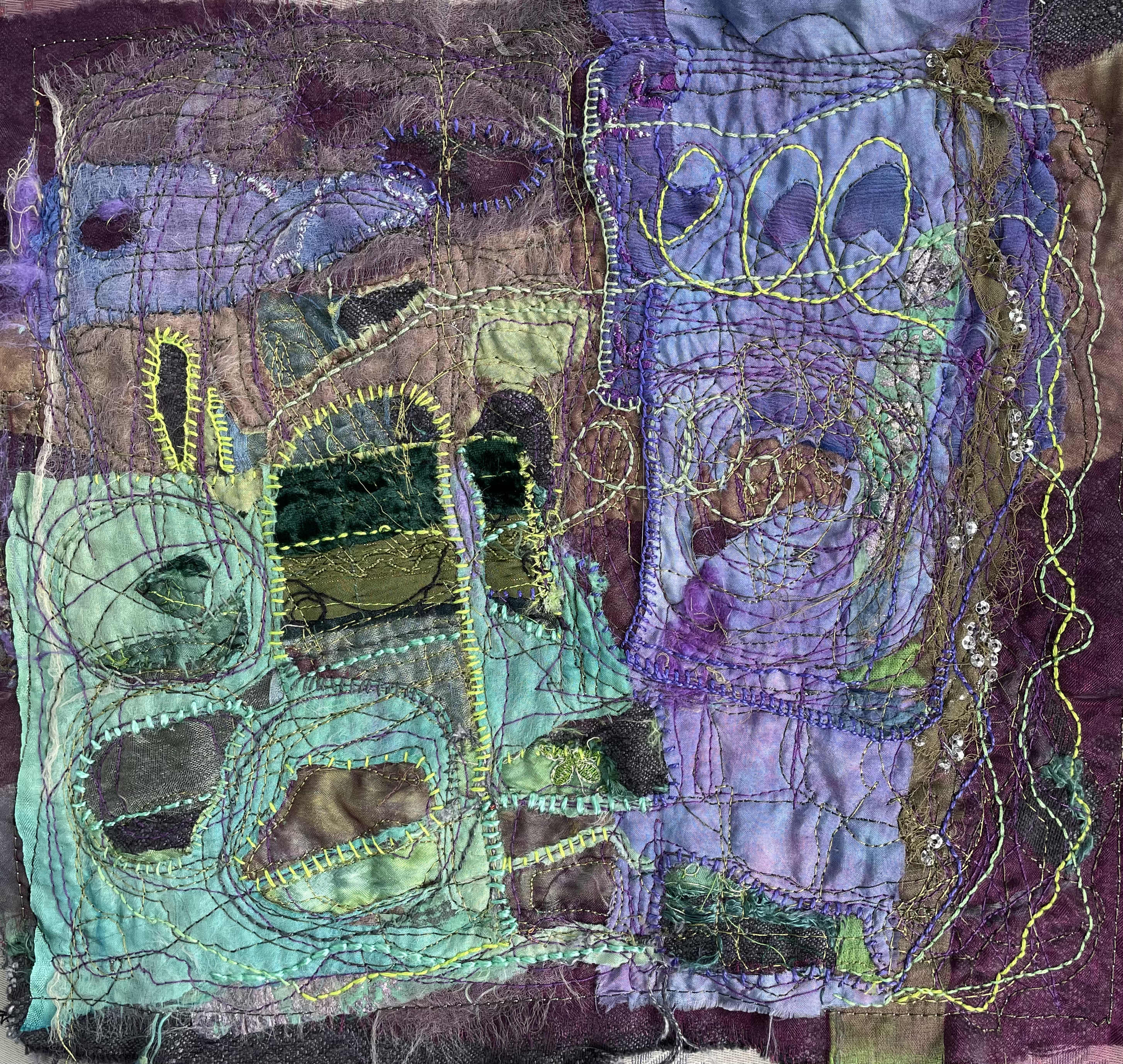
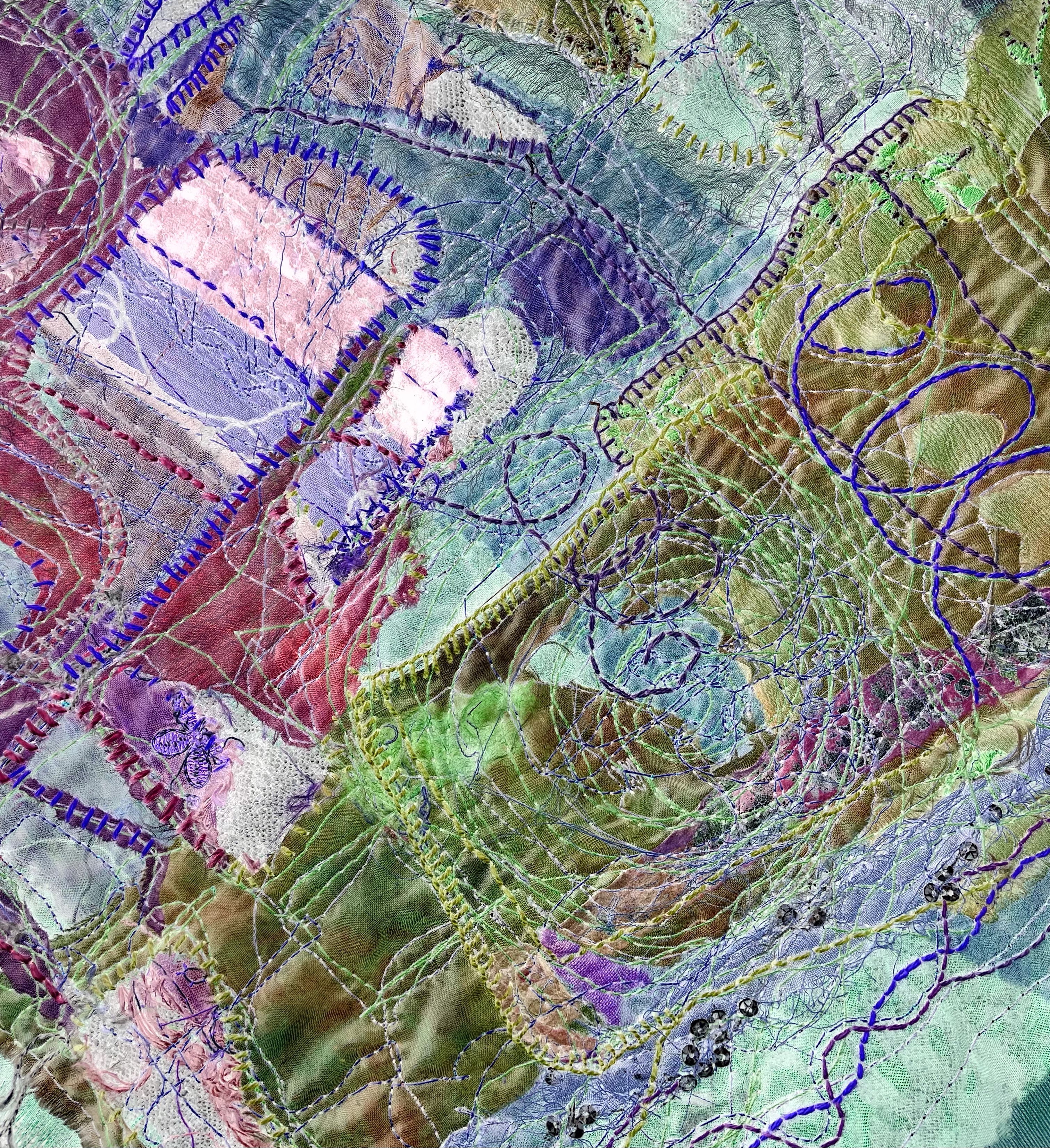
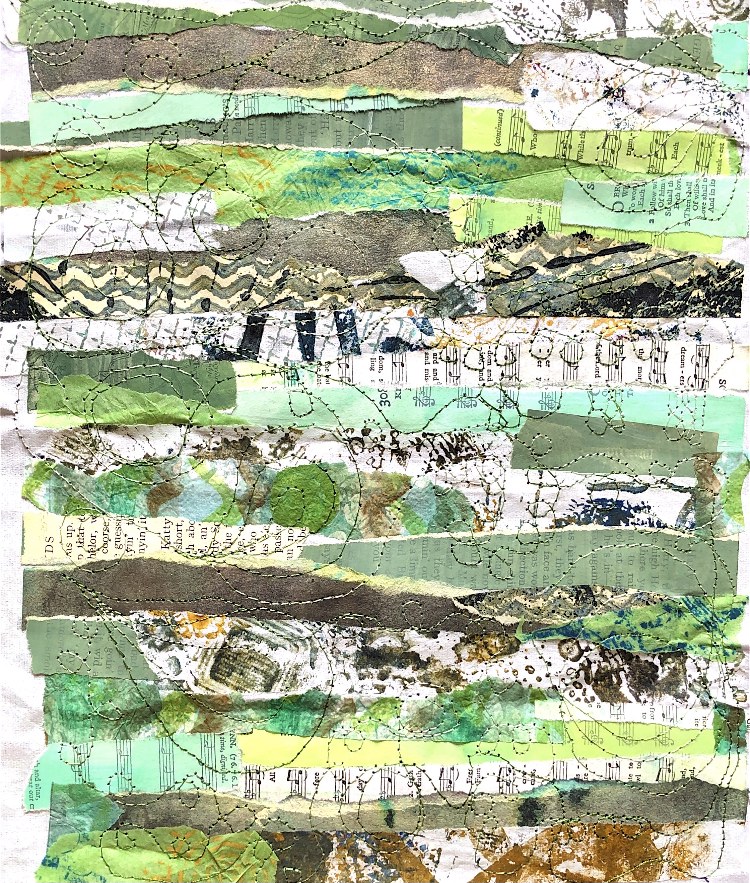
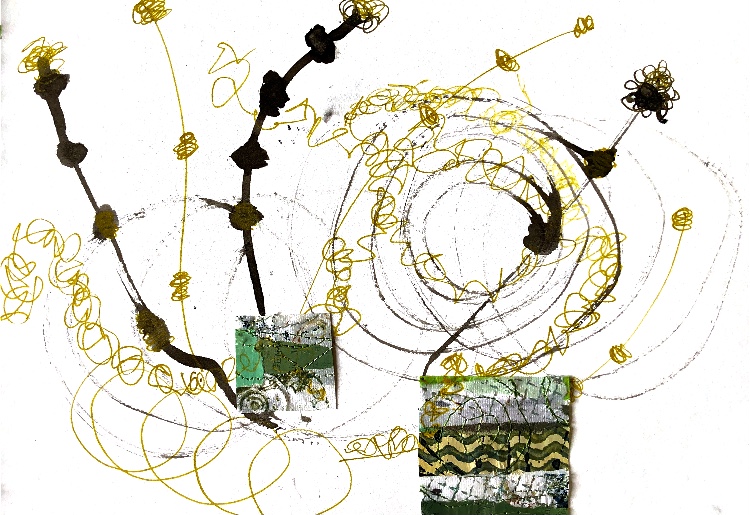
Using one of my layered photos as inspiration I scaled up my line drawing to A2 size and then added colour to make a linear image with lots of shapes and lines to inspire some fabric work. I then used this to make a fabric piece with scraps of fabric and machine stitching. (Fig. 7)
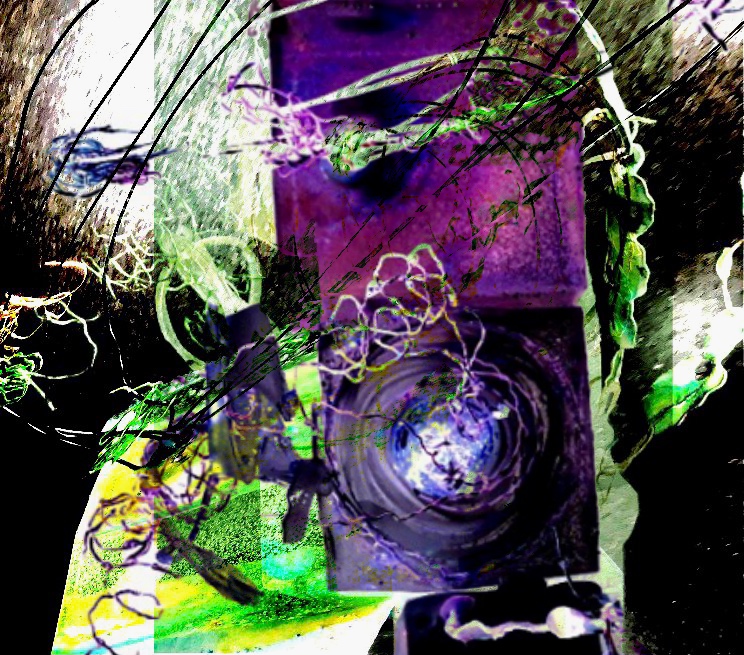
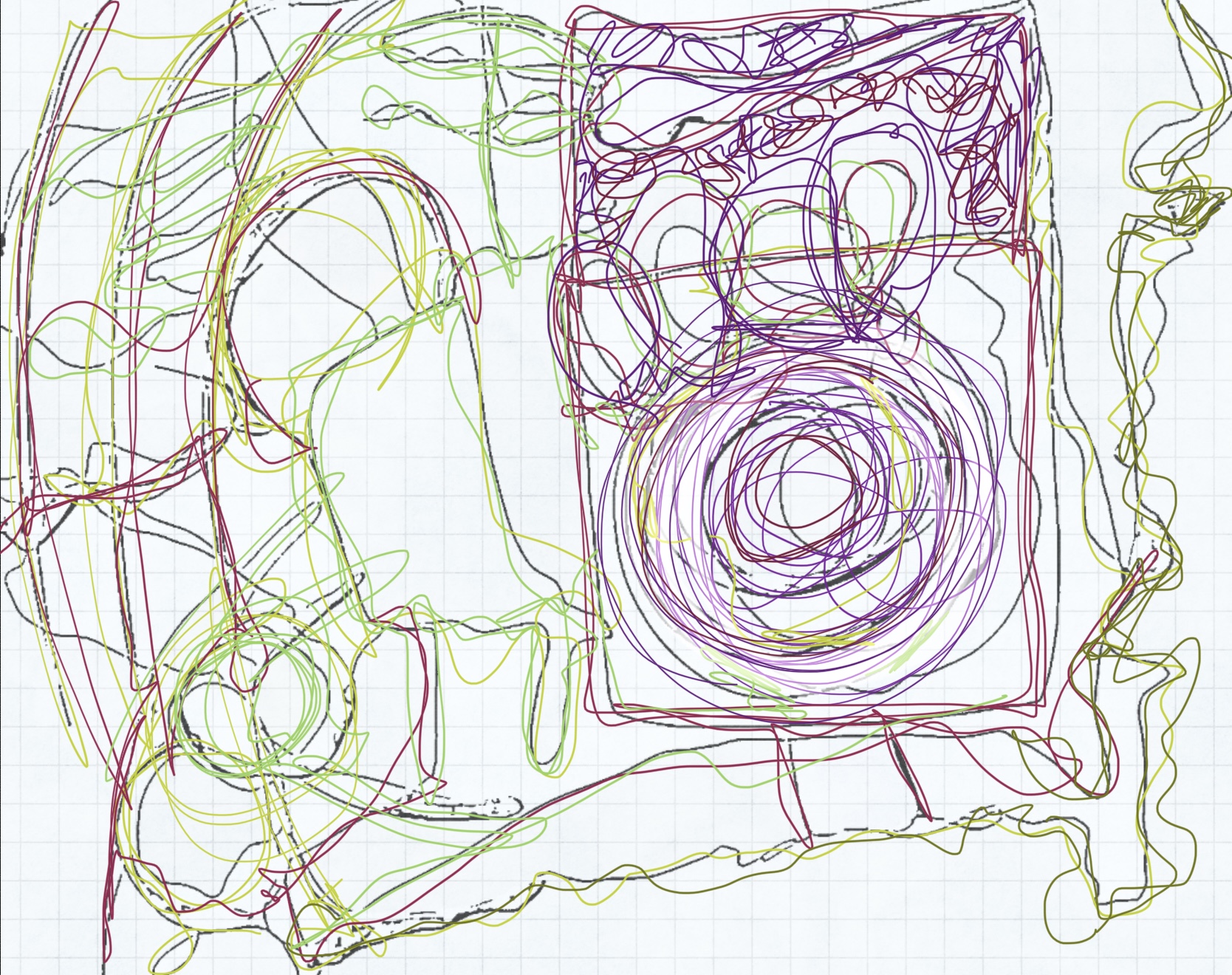
Fig. 7 A2 size Continuous line drawing with added colour. Stitched piece.

********************************

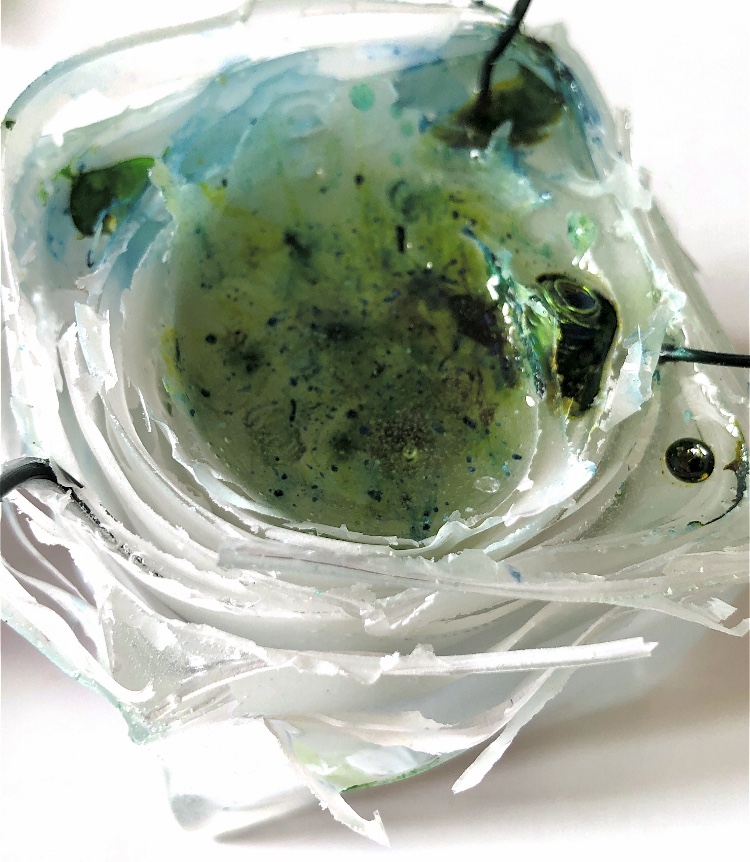
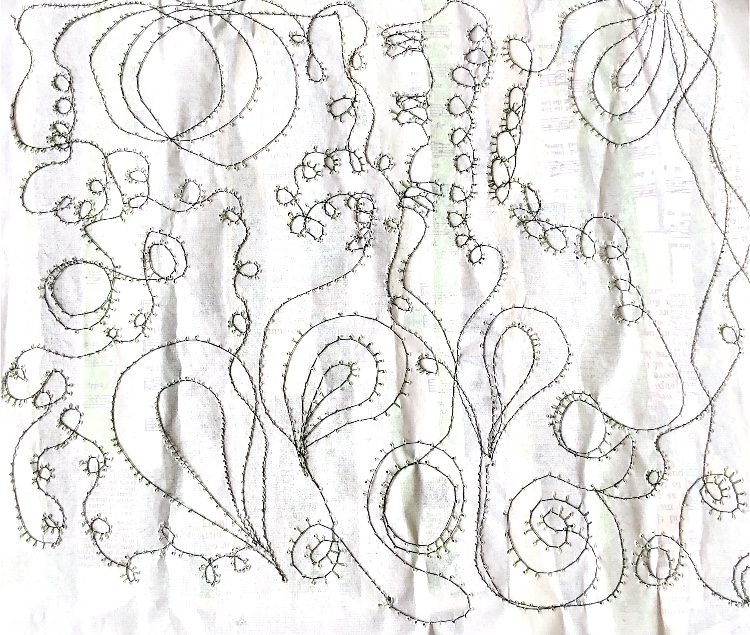
Working with lots of different threads I made crochet samples inspired by one of my resin pieces. (Fig. 8) Freeform crochet worked well for this subject with its uneven swirls and texture.
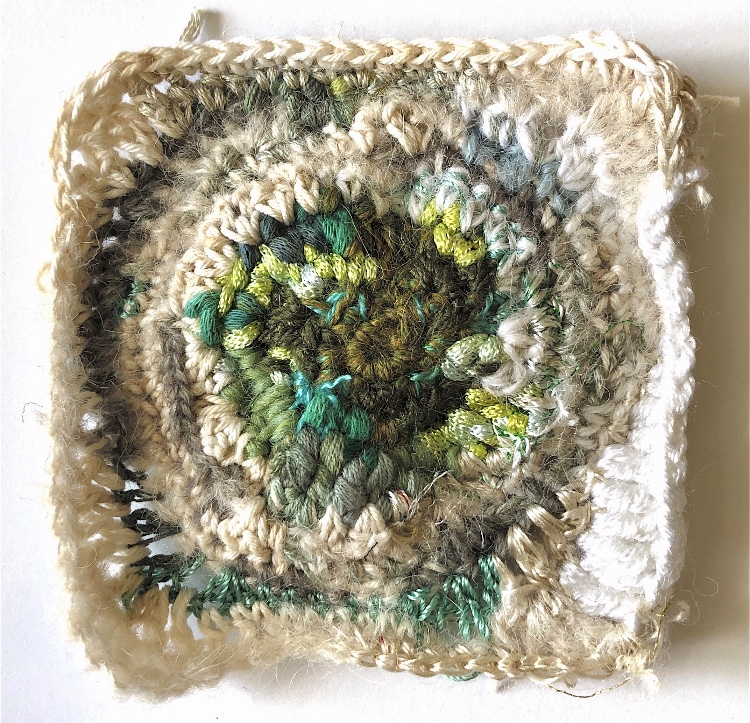
Fig. 8 Crochet samples.

******************************

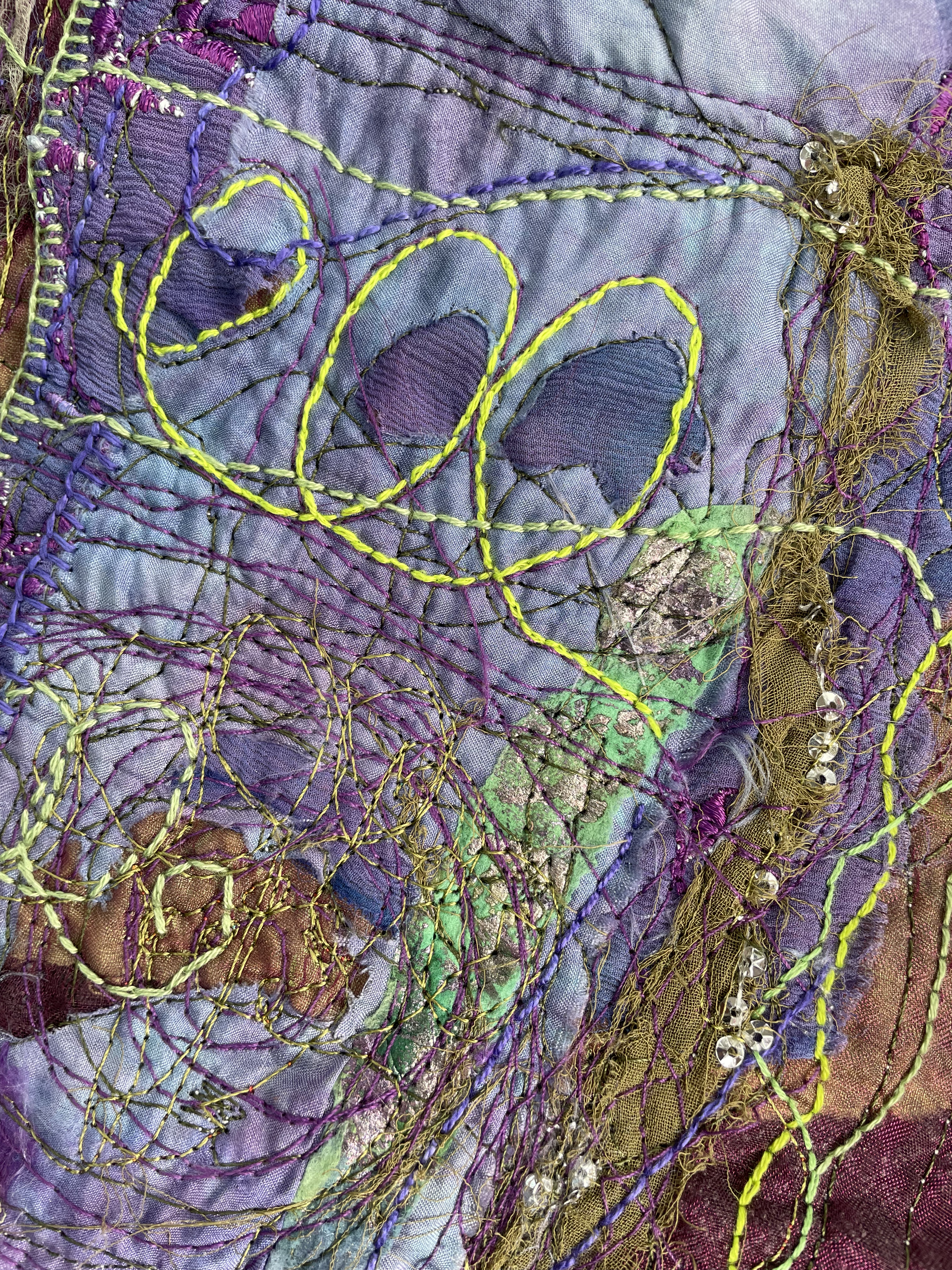
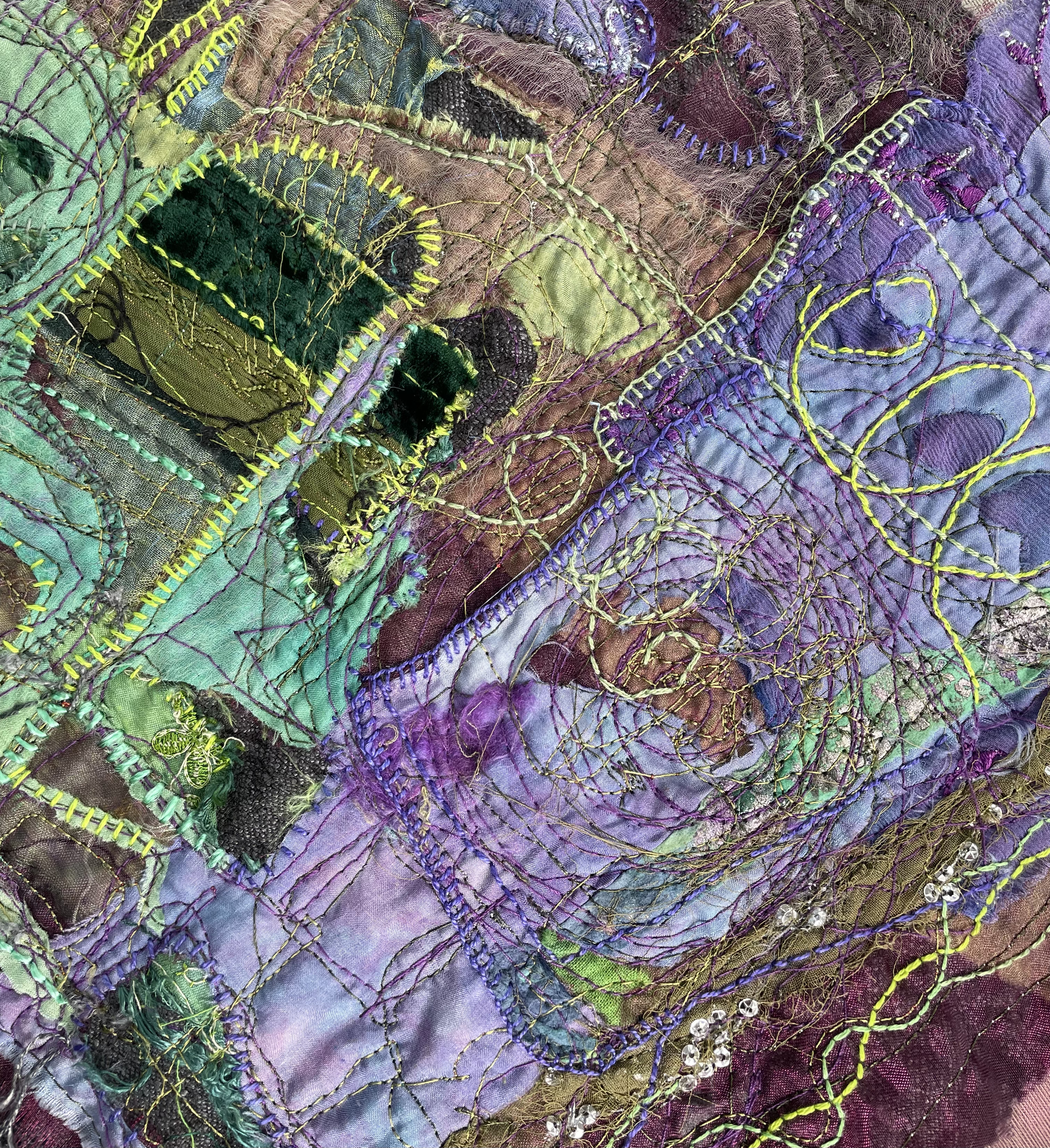
Adding hand stitch and playing with the colours added more interest and development to the earlier stitched piece. (Fig. 9)
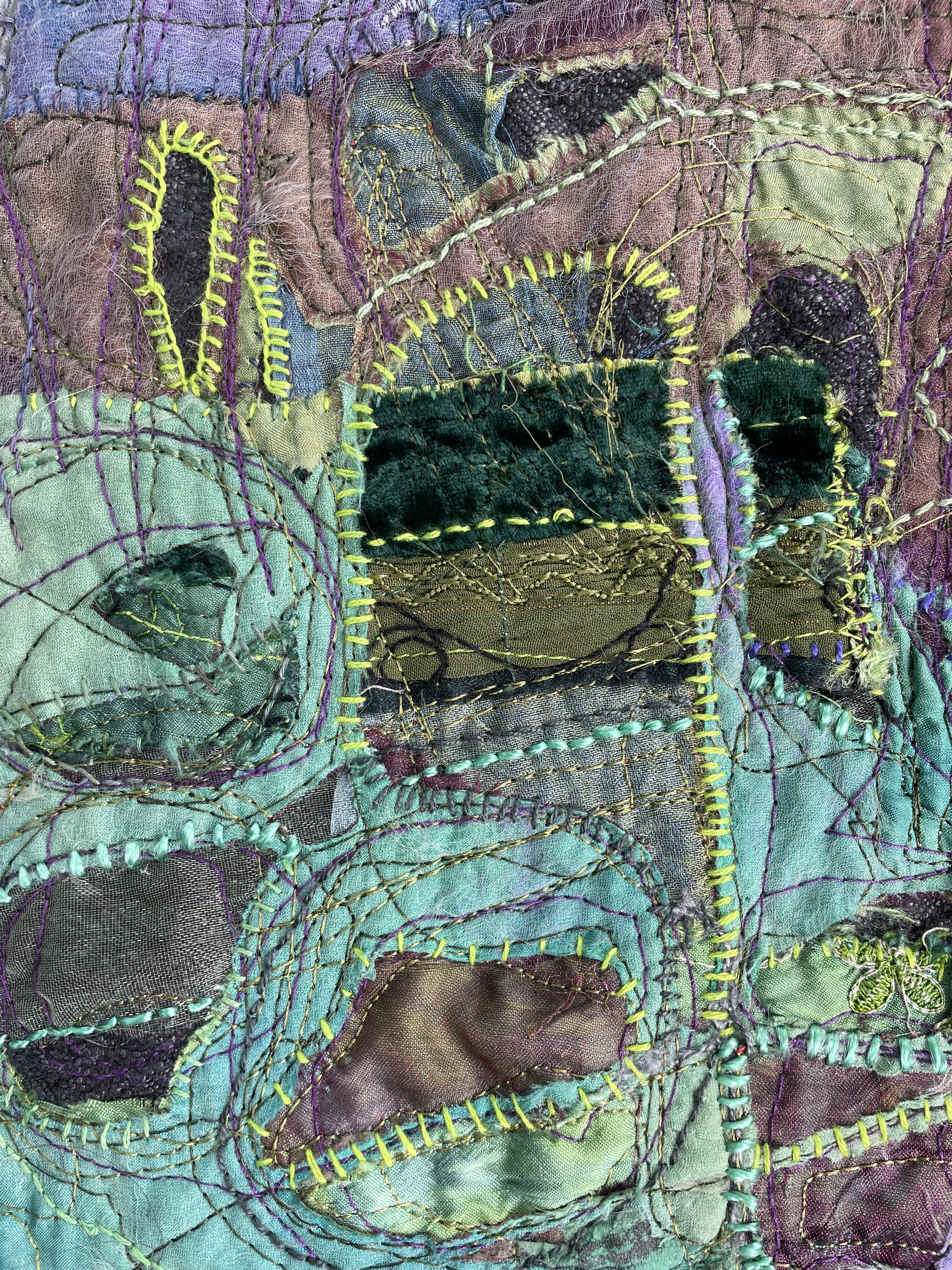
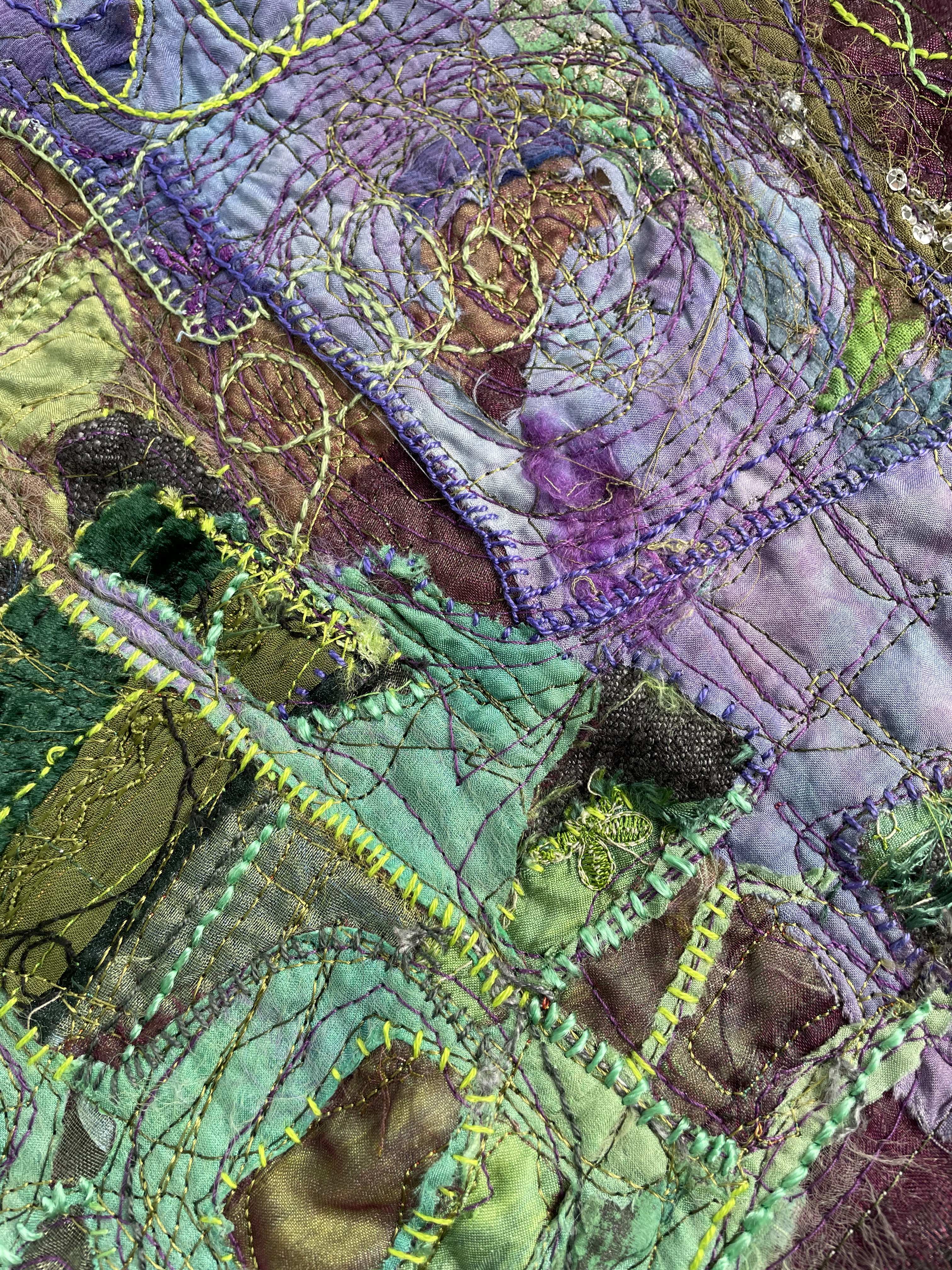
Fig. 9 Hand stitch

*********************************

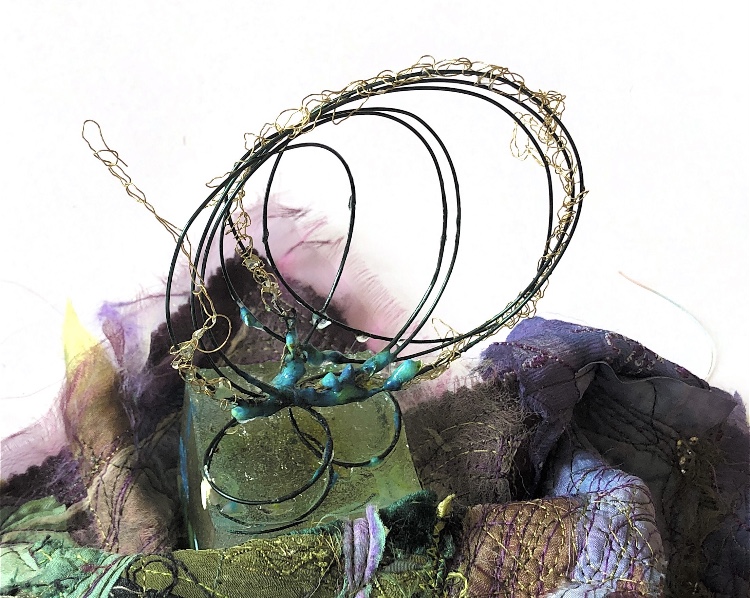
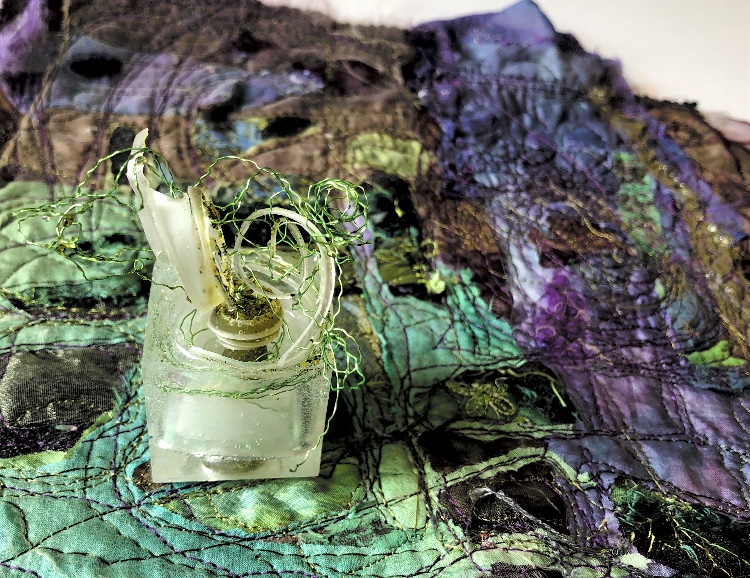
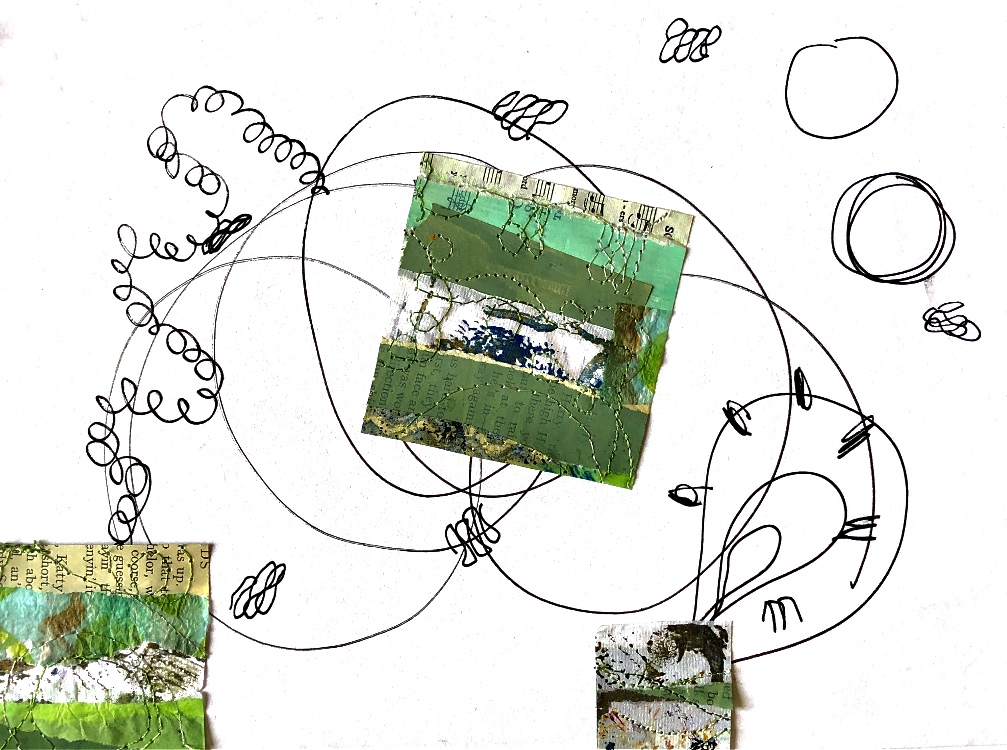
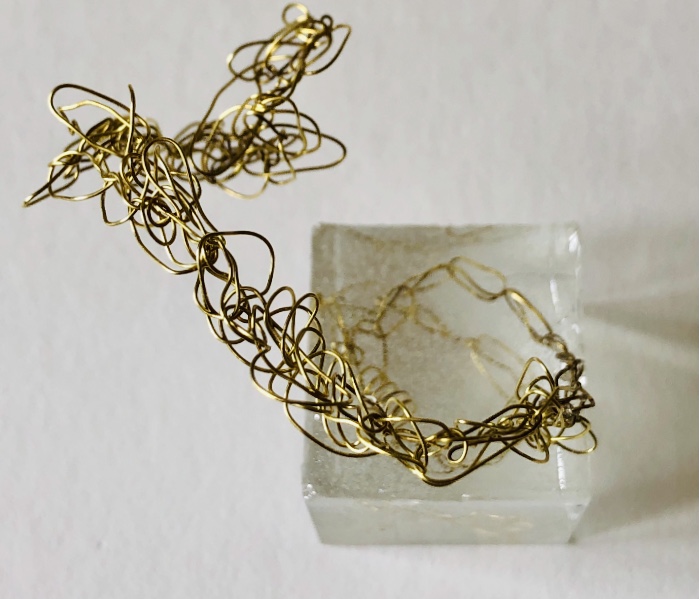
Continuing to work with and develop my final piece has stretched my imagination and given me further ideas for colour and shape exploration. I would like to push this further and try to incorporate resin and stitch at some point in my studies, and as an initial experiment I took some photos of my stitched piece with the resin and plaster cubes. (Fig. 10)
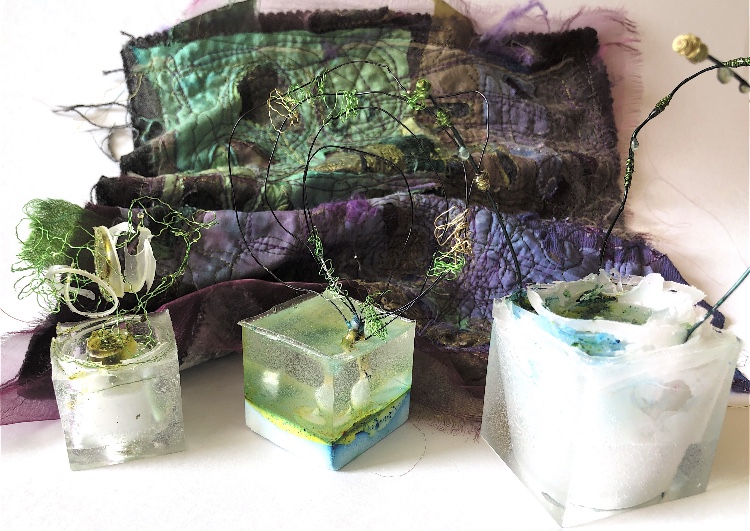
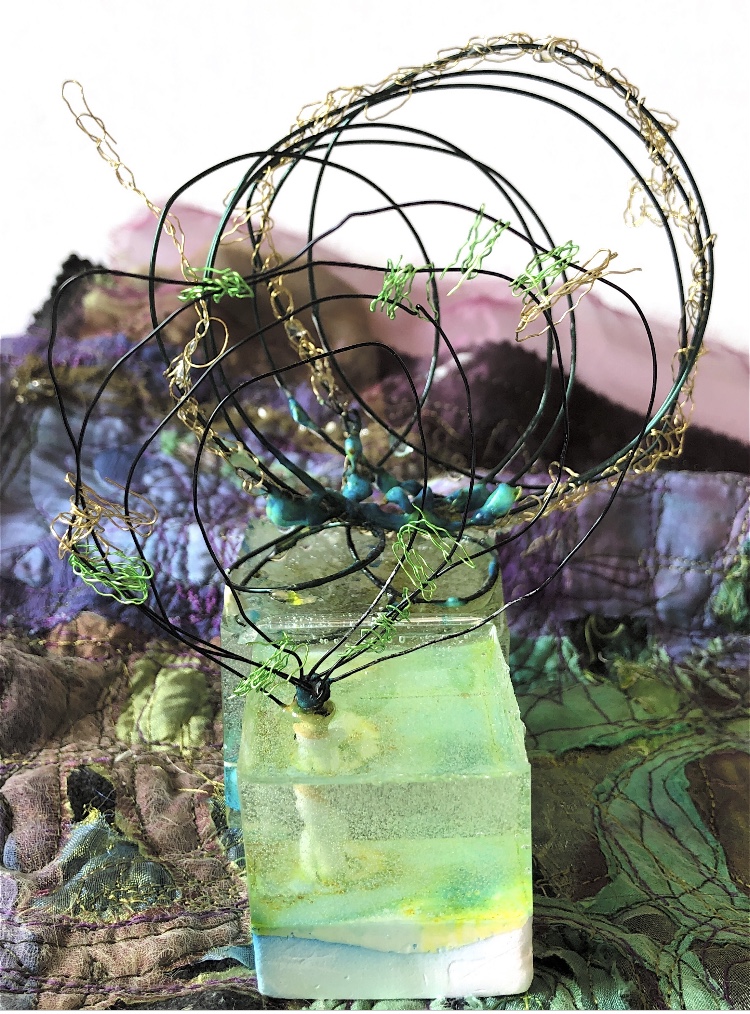
Fig. 10

*****************************

Lots more to experiment with here but for now I need to stop and move on. I am much more confident having pushed myself to try different colour combinations and pattern designs and I am excited to take these skills with me to my next Module.
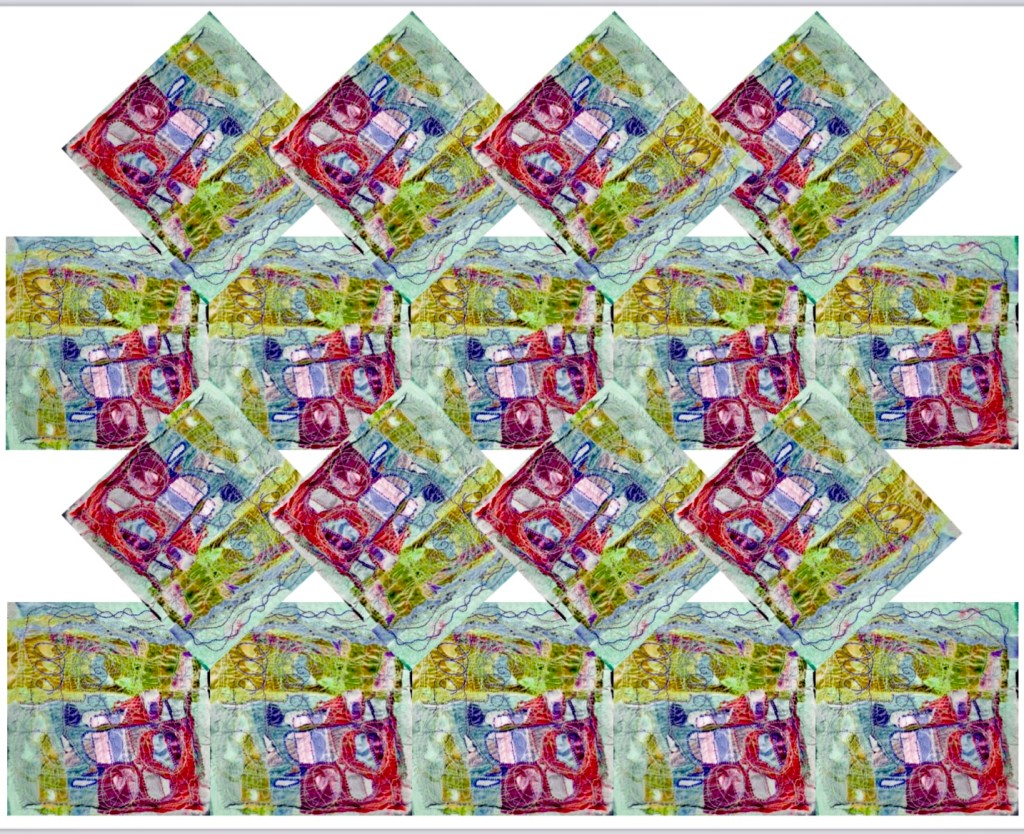
Fig. 11 Block pattern – maybe an idea for a print block?

Through this process of reflecting on feedback and evaluating my work with drawing, printing and making, together with research into other artists, I feel I have progressed my skills and gained a deeper understanding of how to progress through a cycle of inspiration, research, making, reflecting, drawing and remaking, pushing in new directions with an open mind towards taking risks.
Mixed media for textiles Part 5 A Final Piece Stage 7 Reflection of the course and assessment criteria

Reflection of the course

Looking back through my work for MMT5 I can’t believe how much I have done. I can also see how my understanding of reflection, and development of samples has improved during this course.

I started by looking at my sketchbook work and can see my progress in how I draw, the experimental use of materials and how I then use this process to develop my samples further. During Part 3, I gained understanding of texture and surface through my sampling and drawing, and also played more with scale, and mark-making. This led to further experimentation with shapes and textures as I progressed. I also used my prints to make collages, and in turn used a previous collage to inspire a collagraph print. Overprinting worked well and created interesting patterns with potential for further development. I gained more insight into how this continuous cycle of sampling, drawing, and making, works.

I have used my research of suggested artists, and those that I have discovered myself, in my work. In particular the work of Christo in my wrapping samples, and the art of Peter Wray in my printing experiments. I do try to research and then not look again at the artworks I admire for fear of copying them but they still influence me. While working with plaster molding I piled up some of my small samples to make assemblages reflecting my research of Edward Palazzo. I have discovered many amazing makers during my research and this has made me more playful and experimental in my approach to trying out new ideas and materials. I have tried not to be so caught up in the outcome and take more risks which I think is evident in my final piece. I think much more in 3D now rather than a flat image; I am interested in using assemblage, and using cast pieces alongside other media such as print.

I have tried to think outside the box, for example I made little fabric and knitted bags as molds for plaster of Paris, and pushed the qualities of resin in my final piece. My tutor has been instrumental in this and I have responded to her feedback about paring back and taking more risks. I have tried combining materials in a different way eg. plaster and resin, and used the theme of contrast in my work. I also can see how I have continued to develop the results as a continuous cycle.
One thing I am aware of is that I do a lot of sampling and these are some of my best pieces, so when it comes to a ‘Final Piece’ I have struggled sometimes. However in Part 5 I continued to push the experimentation with the materials and tried not to overthink it. I also tried to keep the pieces relatively simple and not worry too much about the links between them. I think I have achieved this and embraced the happy accidents such as the circle of resin coming free when I pulled out the silicone. I am happy with my final collection and I think it clearly demonstrates that I have responded to feedback, continued to learn and develop, and taken risks.
Reflection of learning criteria

Demonstration of technical and visual skills I have used so many materials during this course and have found new and exciting ways to combine them and to find new ways of using them. My observational skills continue to develop with the use of different drawing implements, inks, paints, wire, printing, and embroidery, to respond to my samples. I have excellent skills in composition and design which I demonstrated with my collage, printing and assemblage, and I have clearly documented the progression of my ideas.
Quality of outcome I have created a diverse and exciting collection of samples, using skills and knowledge gained from each exercise to take risks and experiment further. I have made a wide range of textural samples with different shapes and qualities, from crumpled paper to heated plastic and resin. I have joined these in imaginative ways using crochet, wire, and stitch with paper and natural materials. My judgement has developed as I have taken time to sort my work, giving consideration to the learning process as well as the outcome. I have taken on board tutor feedback and developed my skills in discernment and risk taking.
Demonstration of creativity I have used my imagination to continually experiment with combinations of materials and using them in a different way. I printed on plaster shapes and ceramic tiles as well as more usual materials, and experimented with using colour in resin. I particularly like combining themes of the natural and the man made worlds, and using contrasting textures and shapes to make samples. My work with collage and cast shapes, and my final piece using resin, plaster and wire explores these ideas further. I invented a technique to insert silicone into resin to create fine, fragile spiral layers which could be manipulated further when dry, and also dripped wet plaster into resin to create strange shapes.

Context I have continued to read articles in books, magazines and online about artists and makers, both relating to their practice and their ideas and influences. I have been to Farfield Mill in Cumbria recently and talked to studio makers – in particular a man who makes rugs from offcuts of Harris tweed, which got me thinking about how we can recycle and resource materials. I was also interested in the work of Valentine Sabin who works with textiles, collage and print – relating to a lot of my work in this course, I particularly like how she related the theme of her collages to the materials used to make them. I have also been investigating and joining in with Craftism workshops. I try to read about and view as much as possible about the world of art and craft and to bear in mind what I have seen and learnt in my own work.

I have found my own artists to research as well as those suggested and have related to this research while sampling. I am continuing to develop my reflection techniques and try to do this as I go along, which has helped consolidate my thoughts moving forward. My learning log is clearly labelled and exciting to look at with clear photos of my samples and sketchbook work.

Mixed media for textiles Part 5 A final piece Stage 6 Making

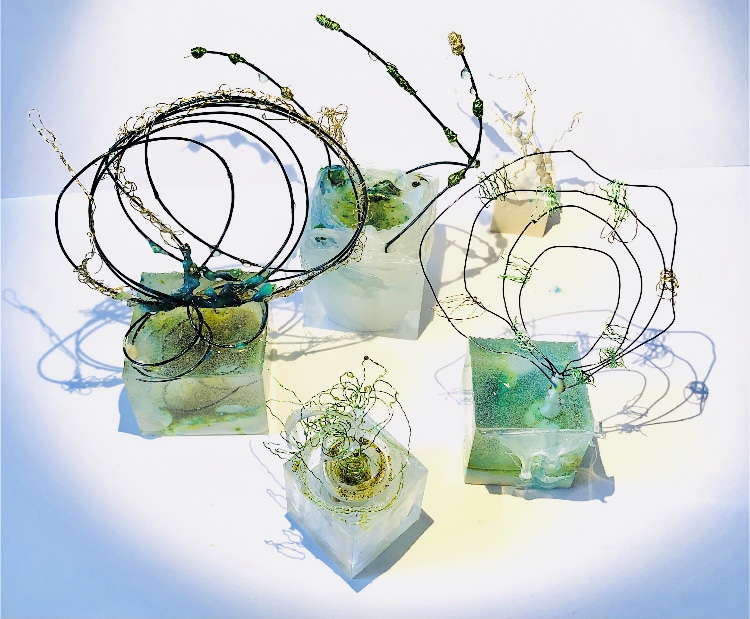
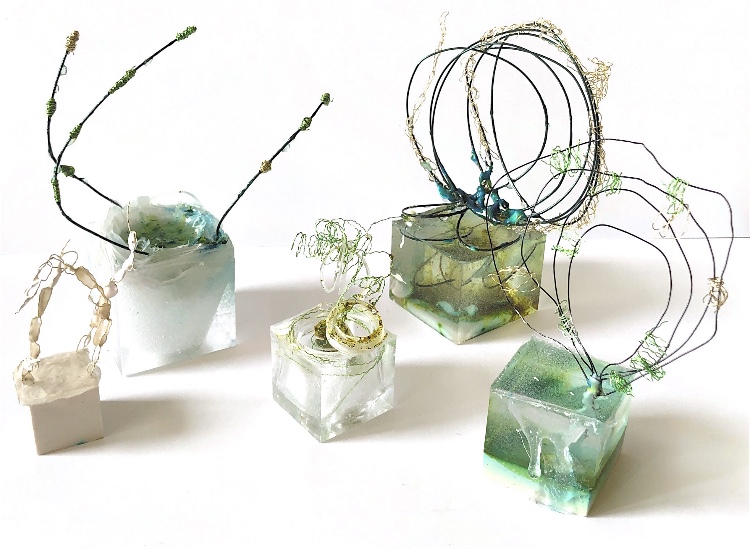
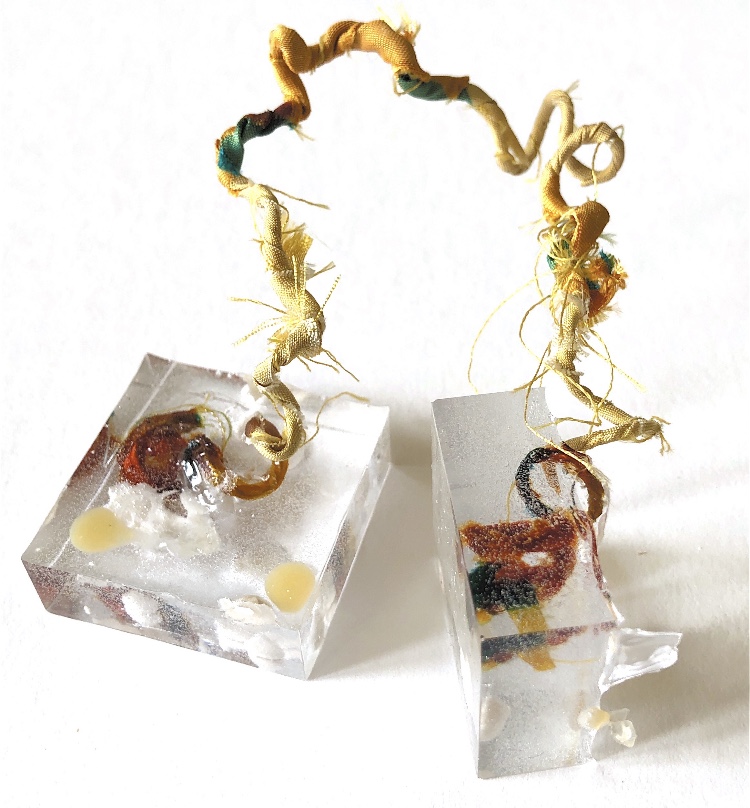
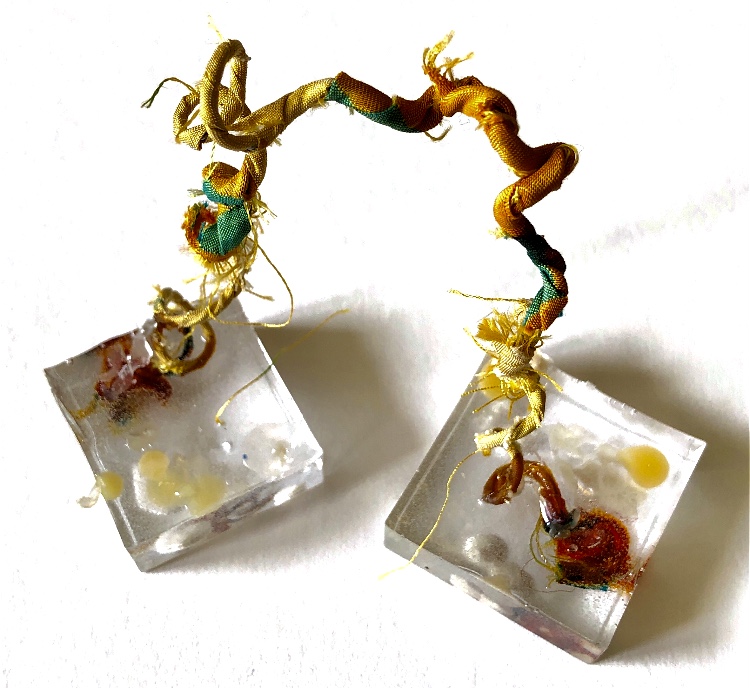
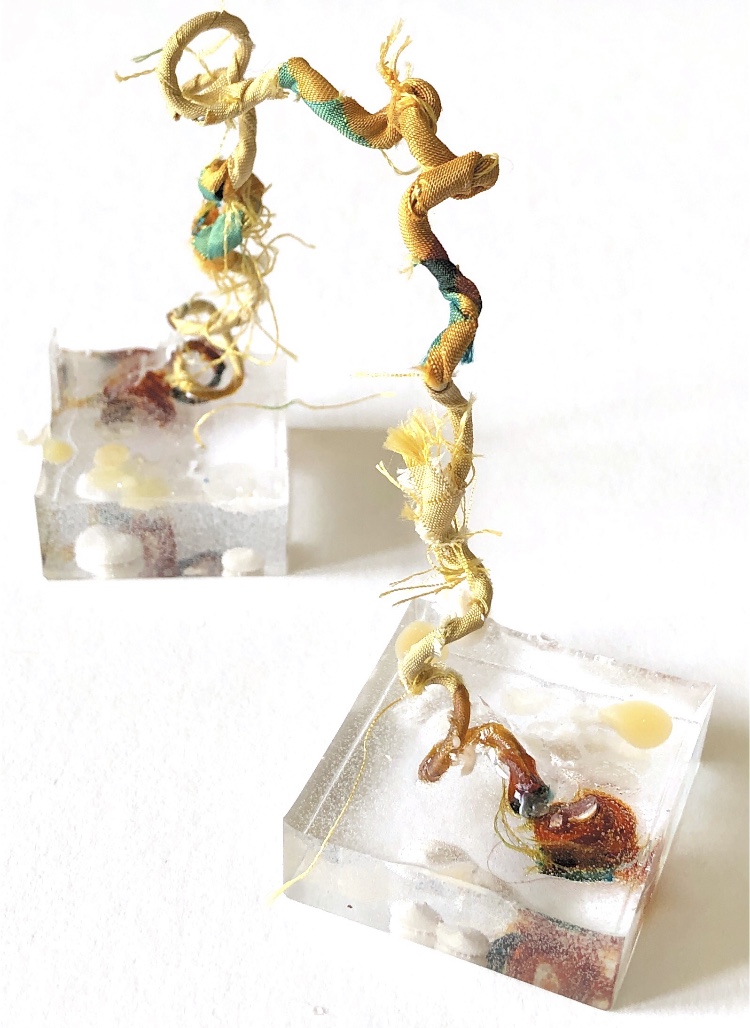
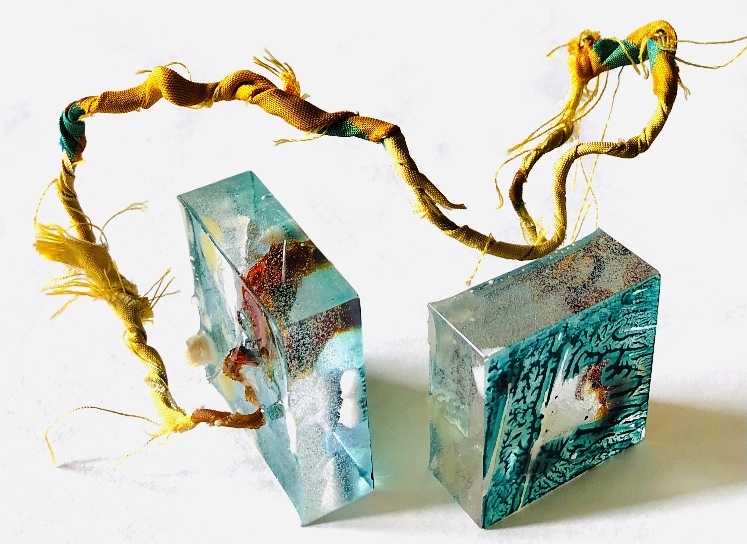
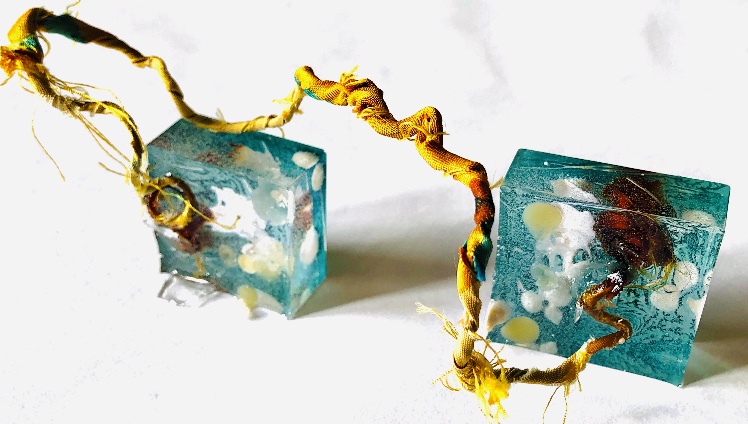
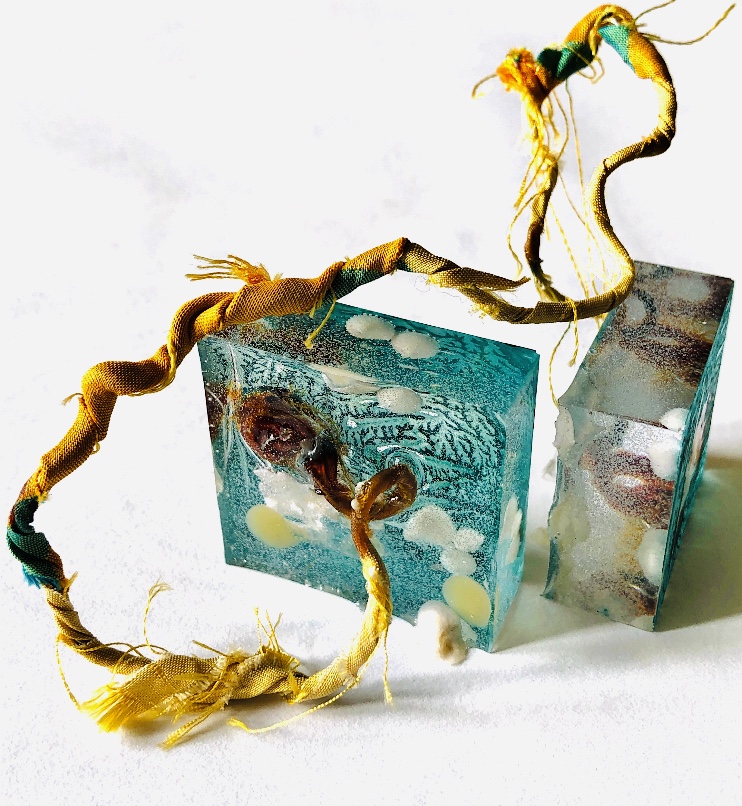
Fig. 1 Final collection of 5 pieces

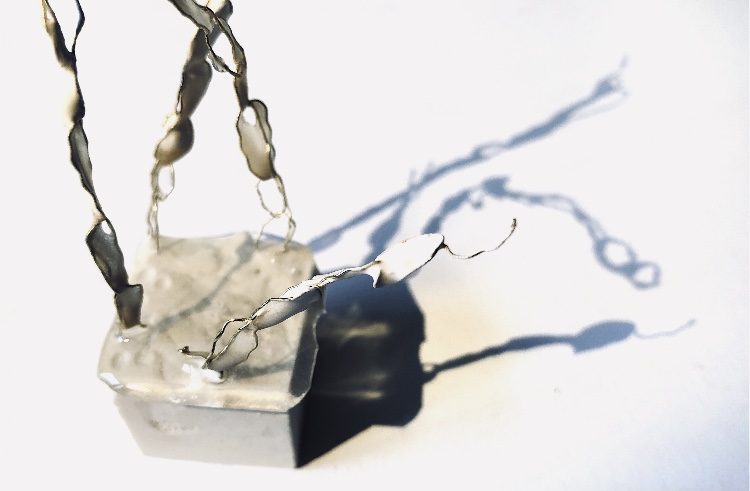
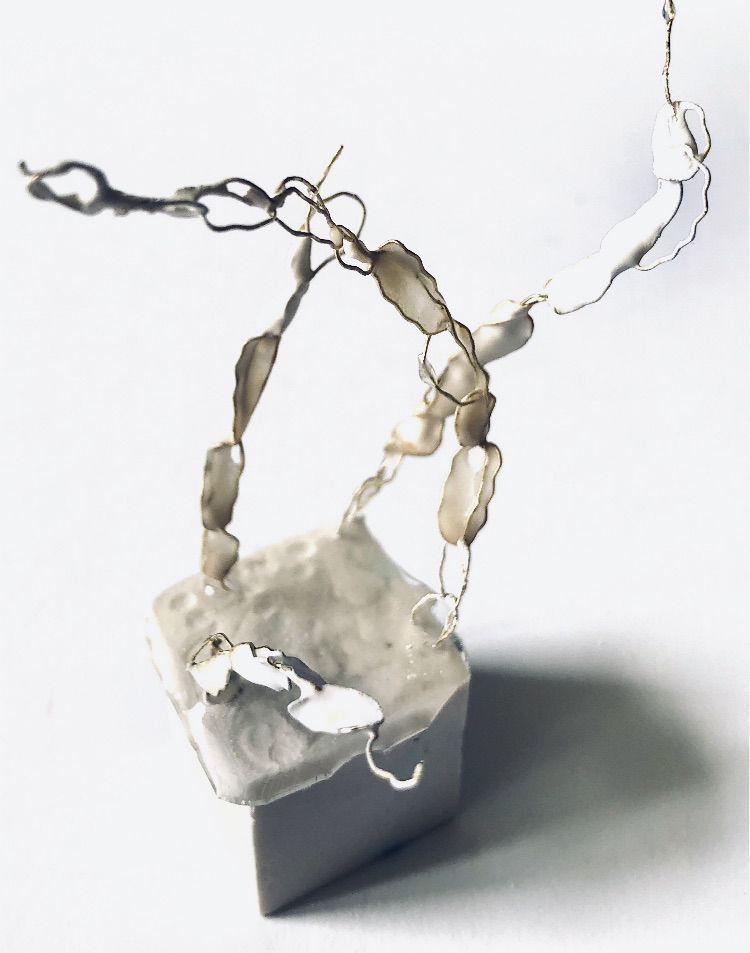
Fig. 2 For this piece I used plaster and crocheted wire with a little bit of resin. I dribbled plaster on the wire, which has retained some within the chains with the appearance of fine porcelain. This simple combination can be manipulated to create different shapes, and the wire has a fragility contrasting with the solid base. The meandering chains have movement and structure, making this a tactile piece with different surfaces. The lack of colour adds to the simplicity.

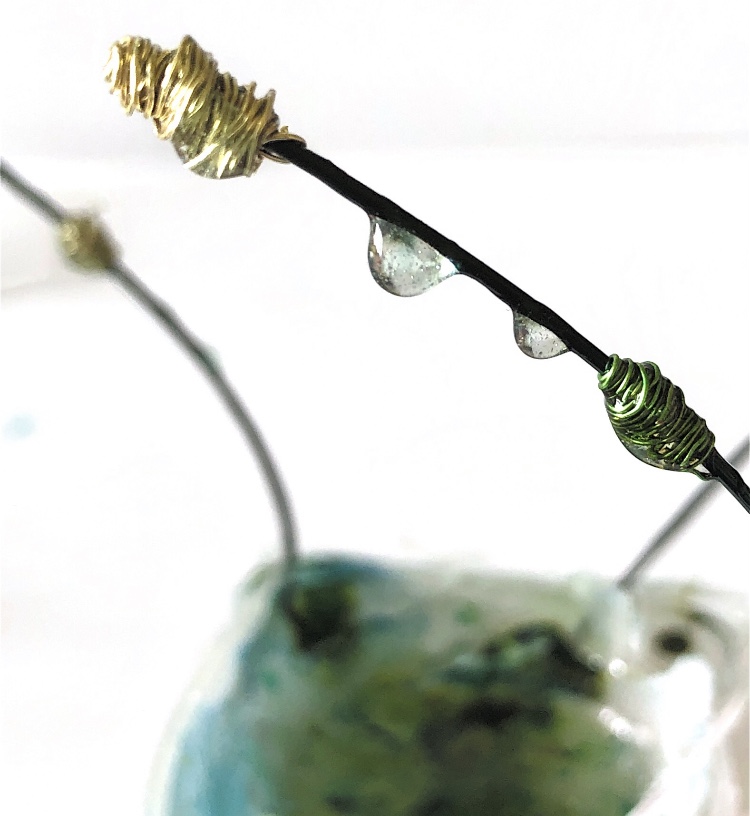
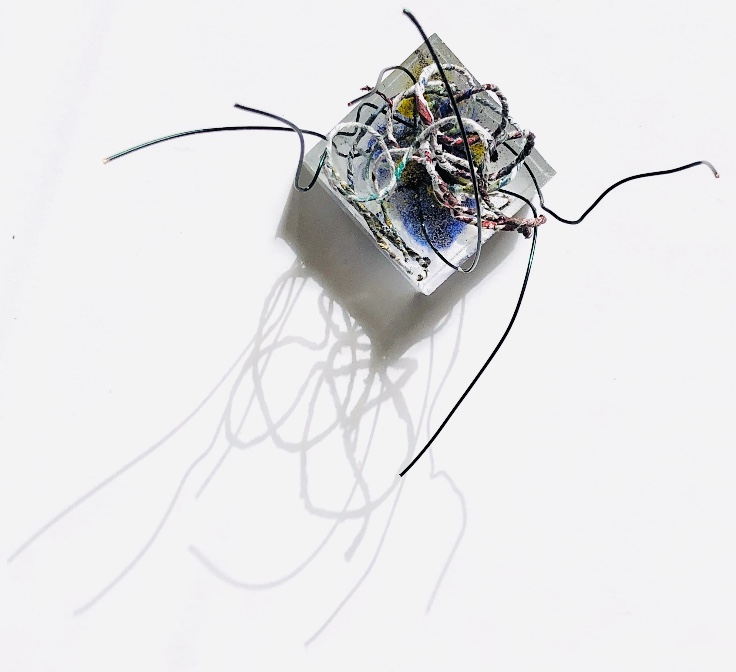
Fig. 3 For this piece I developed my technique of adding a swirl of silicone into the resin and removing it when dry. The addition of some. powder colour and wrapped wired makes a striking piece with strong lines and fragile edges. The piece is quite malleable because the layers are so thin, and by squeezing it the strata can be seen more clearly. I was also able to drip some resin onto the wires which has the appearance of raindrops. There are a lot of contrasting textures and shapes – squares, circles, smooth, rough, linear, murky, bubbles, spiral, clear, spiky and shiny are all words that describe this piece.

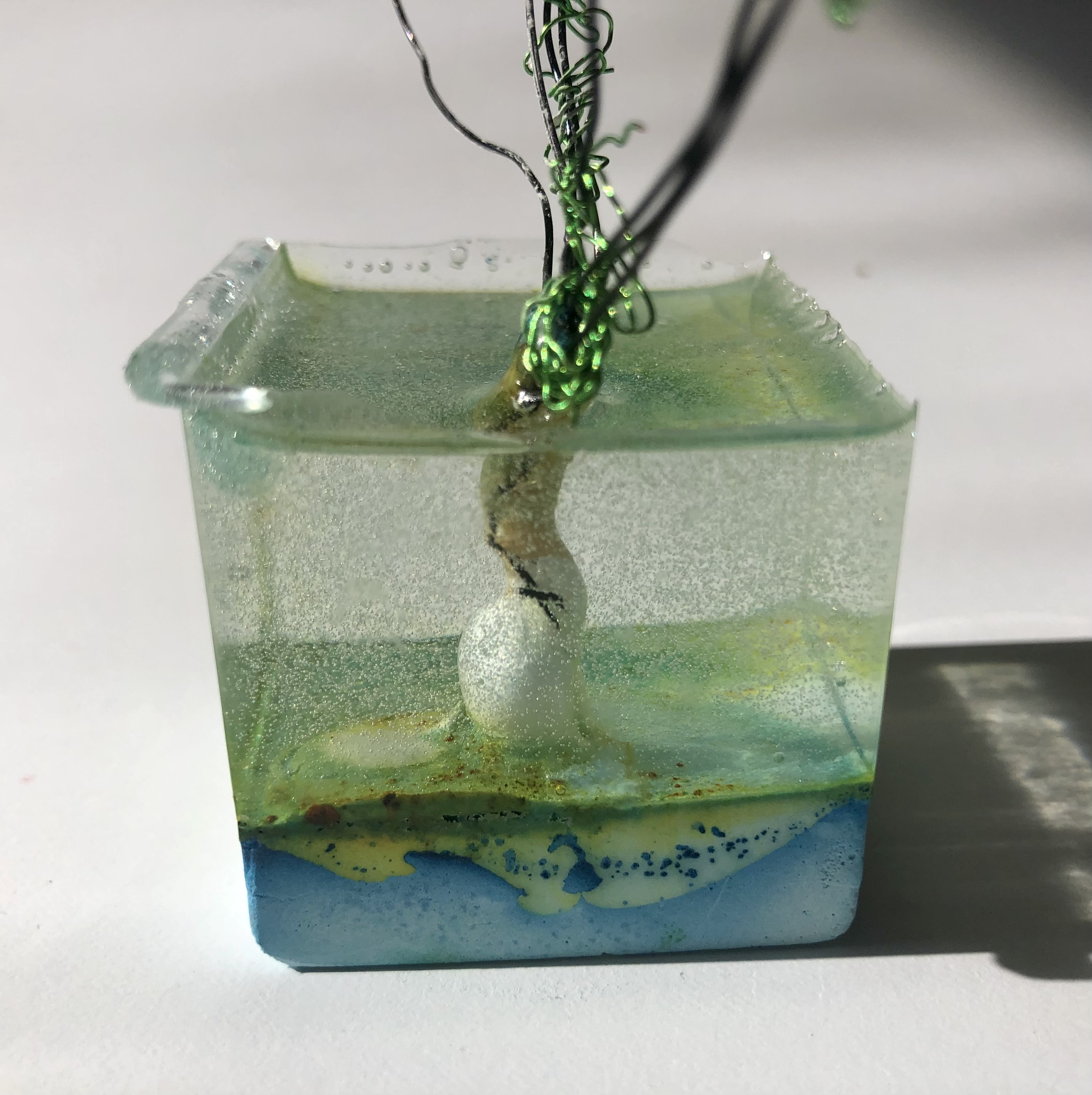
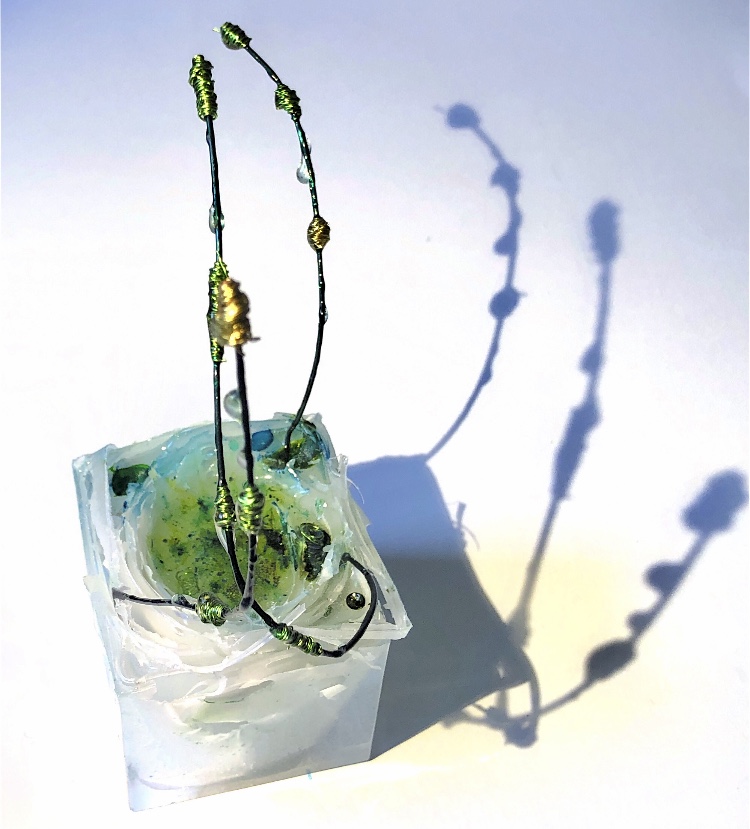
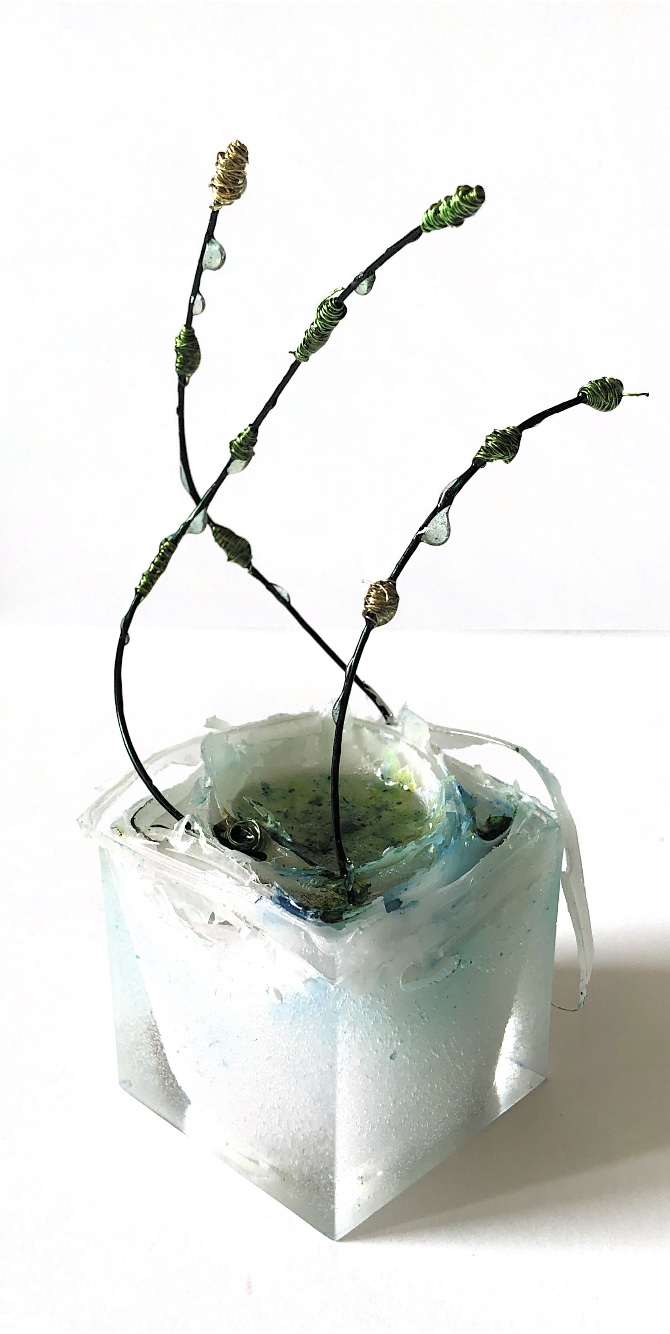
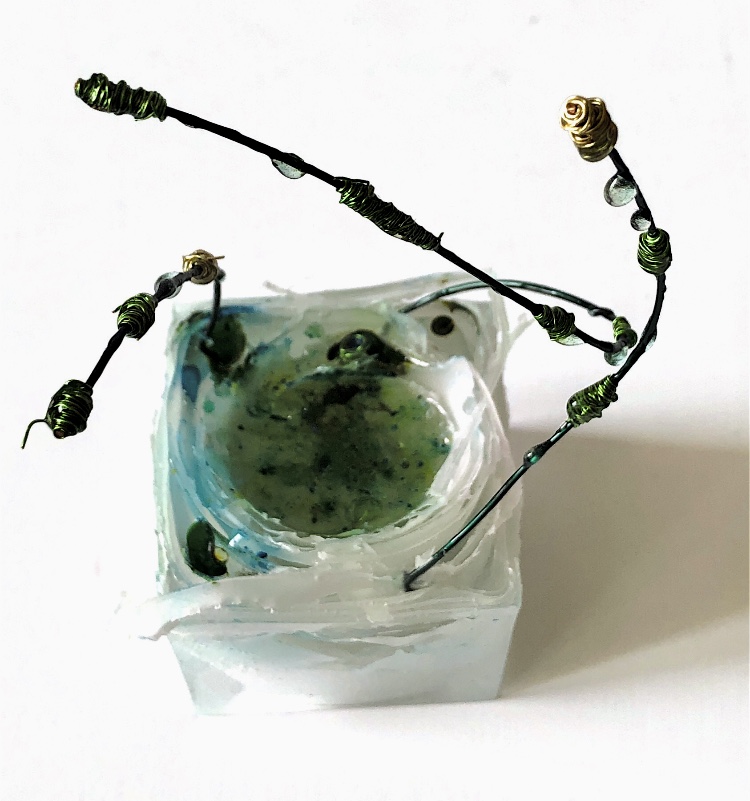
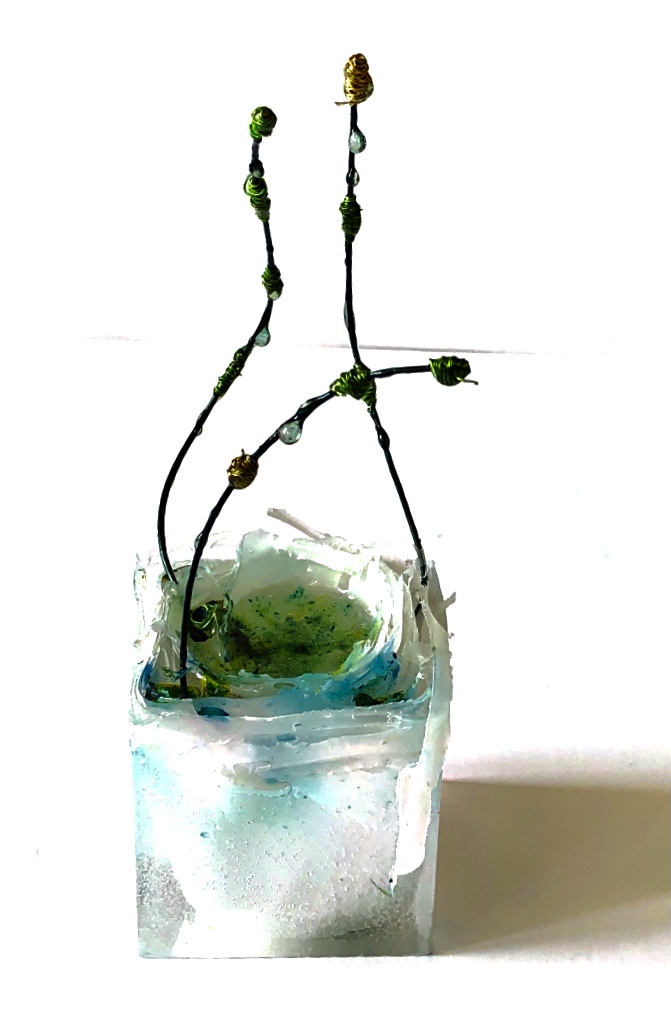
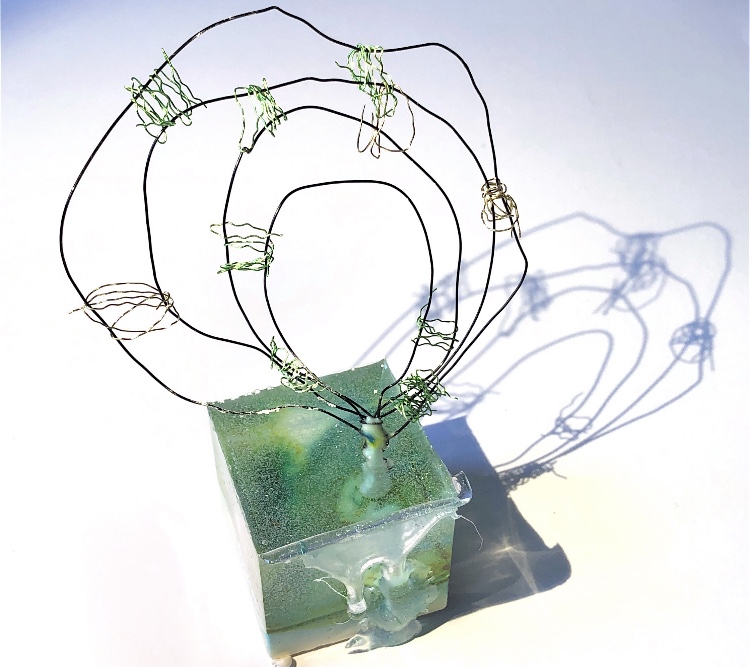
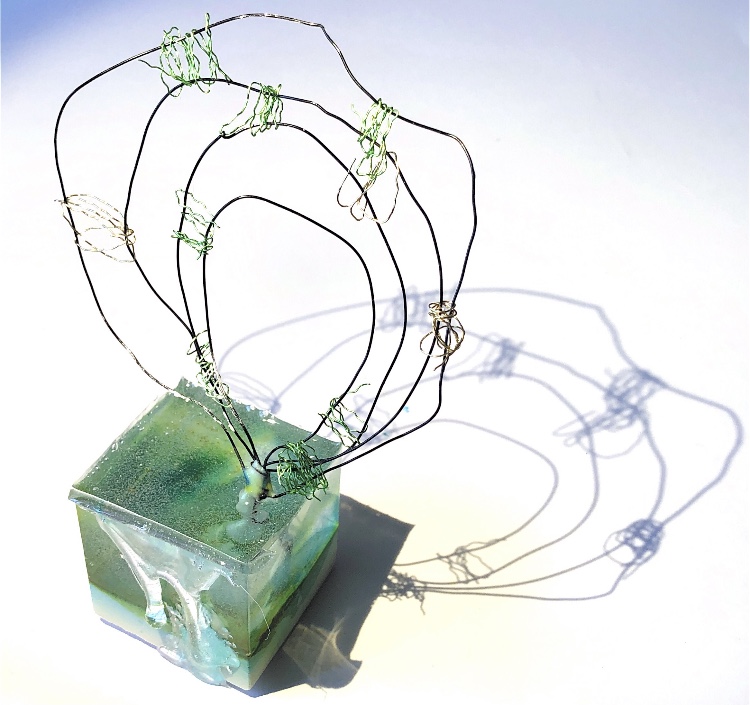
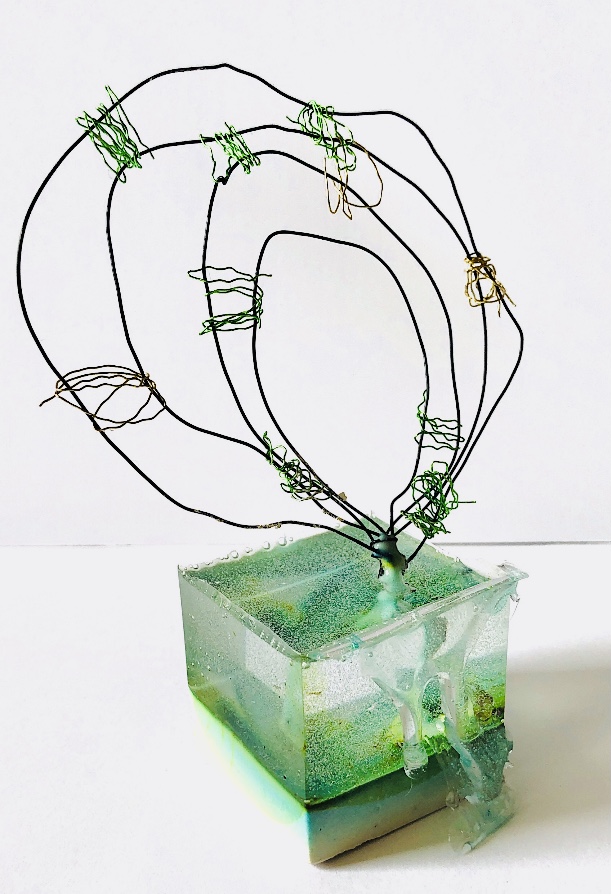
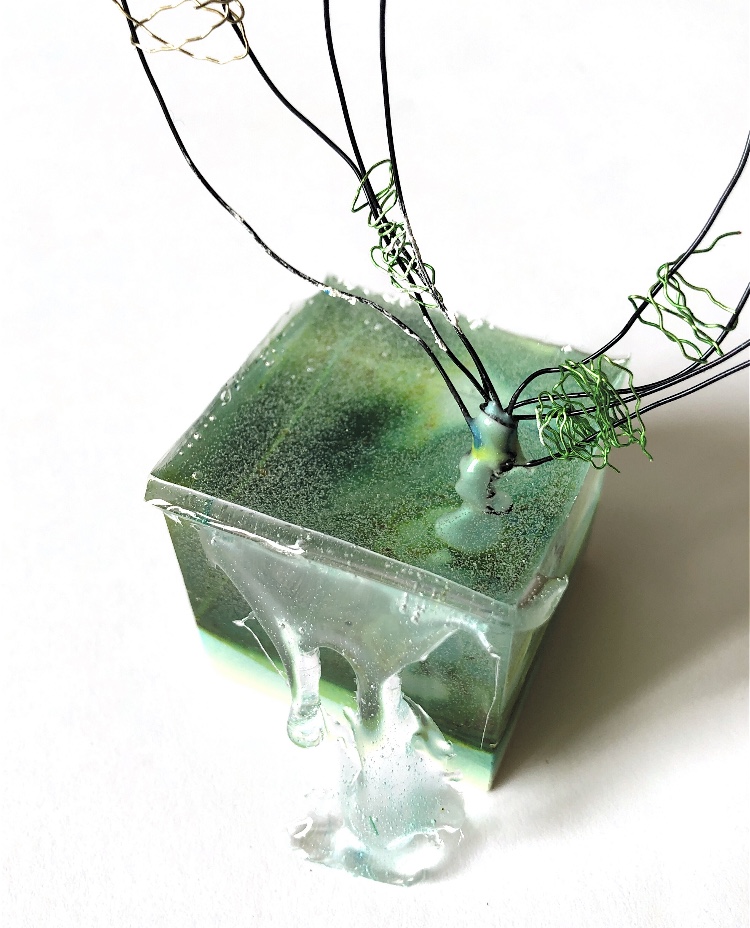
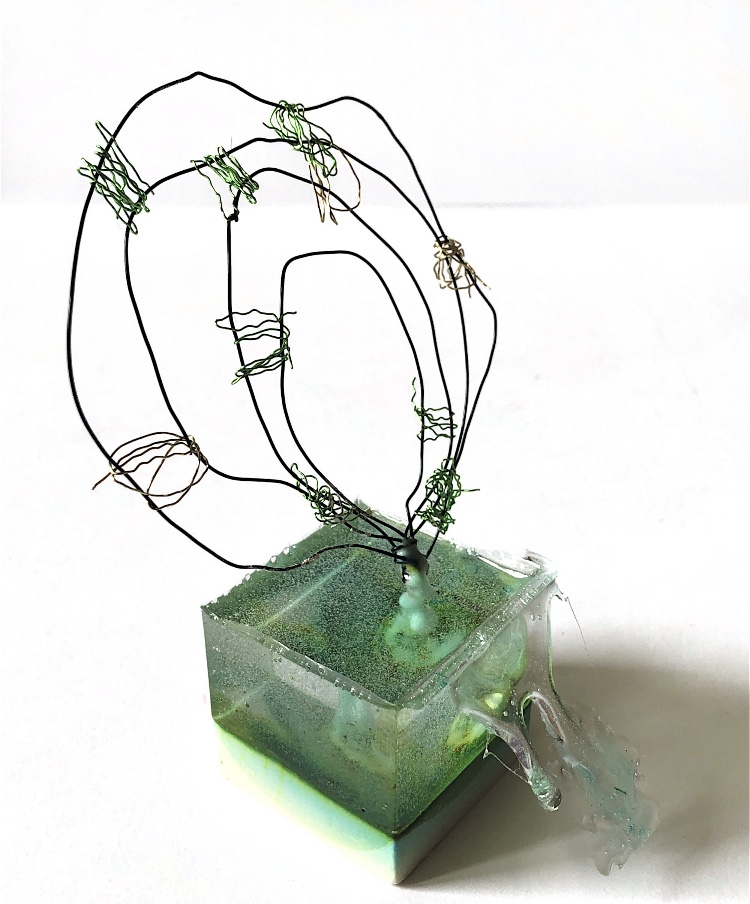
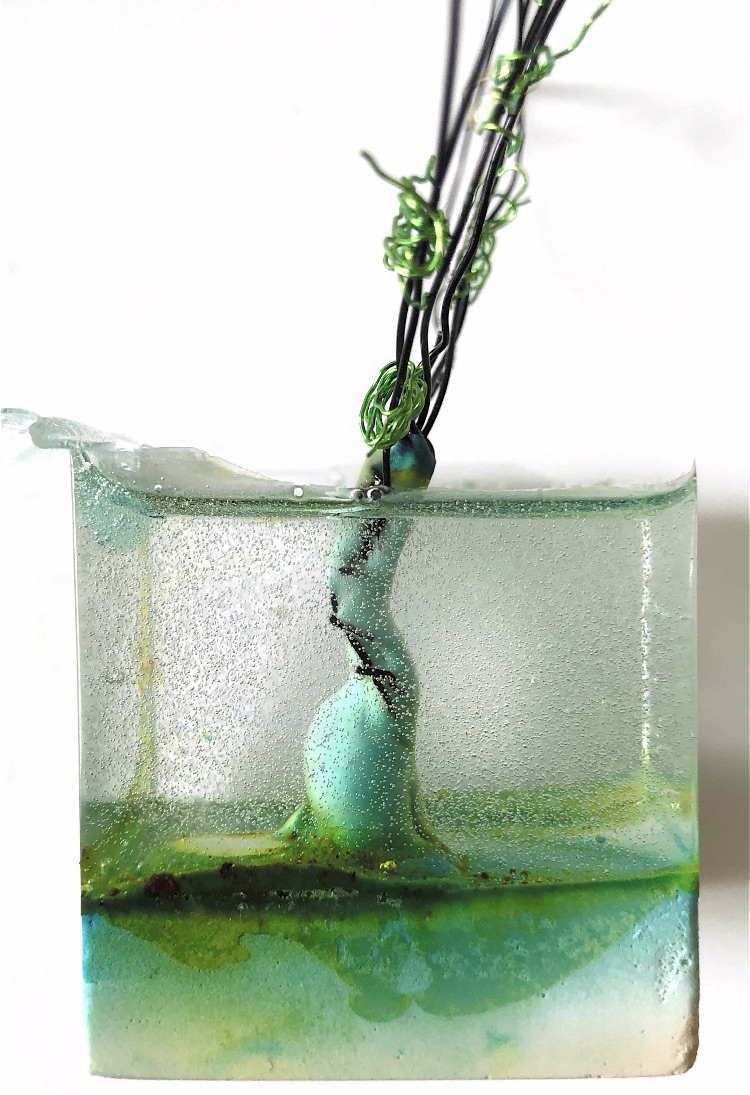
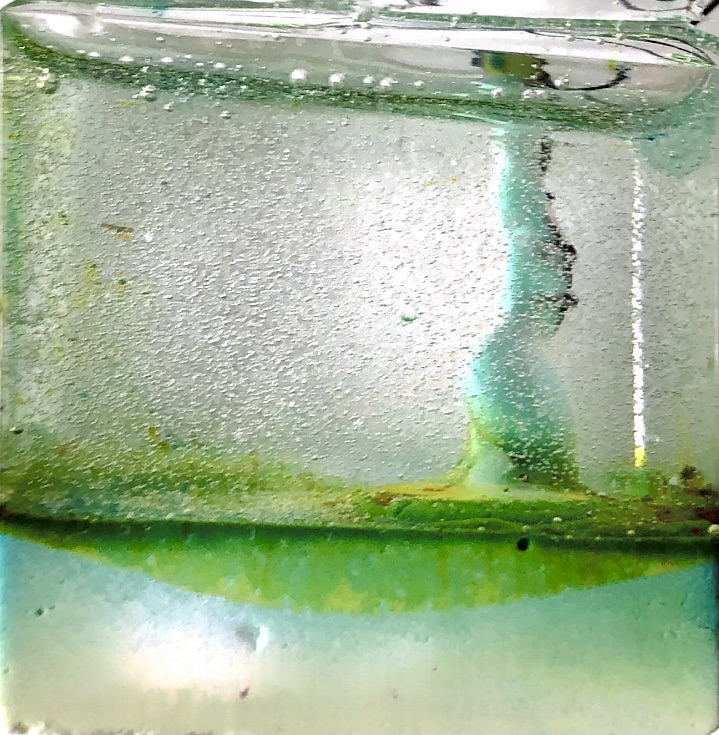
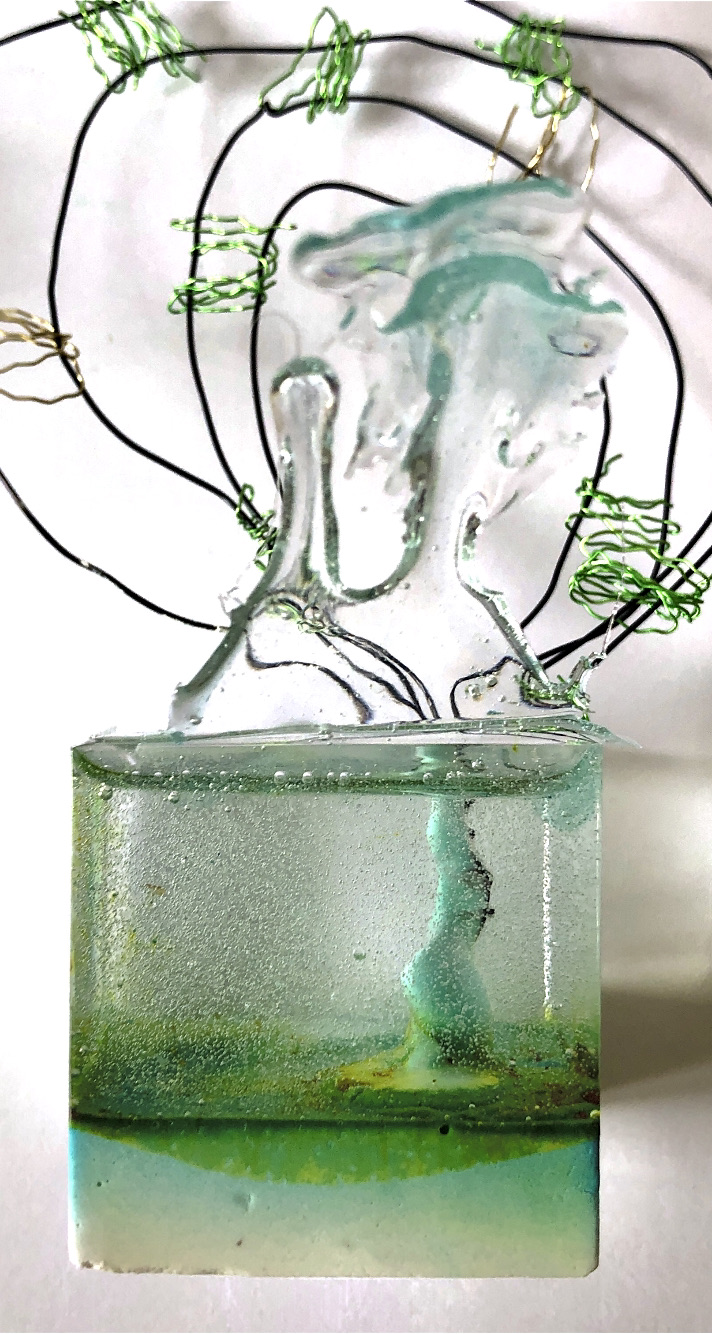
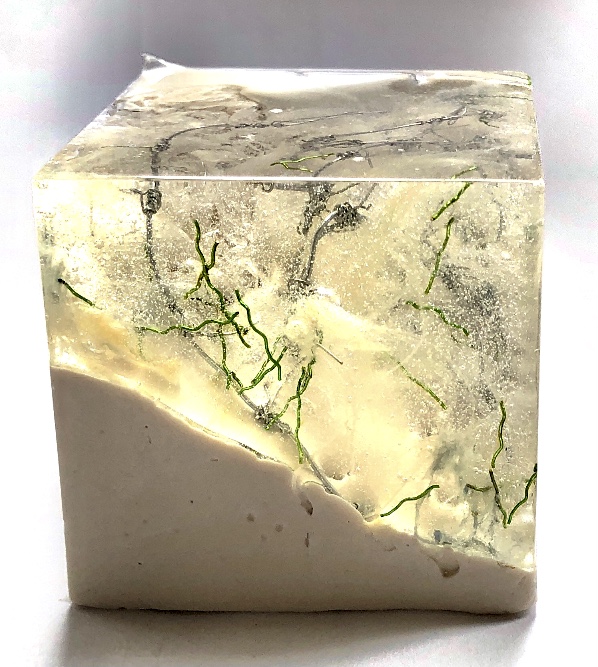
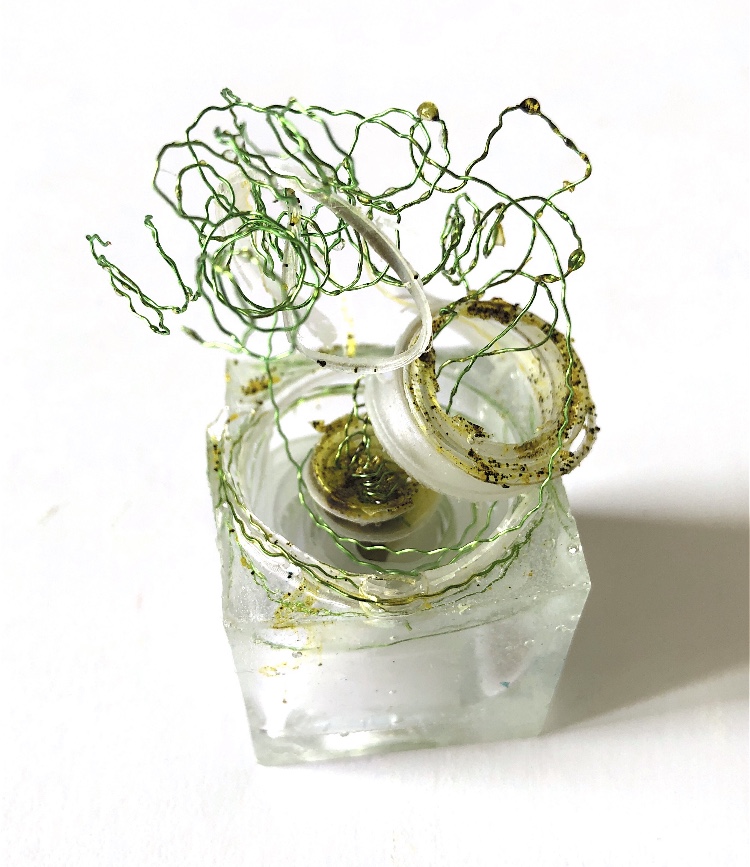
Fig. 4 This piece has a plaster base with a wire structure growing up through the resin on top. Plaster dripped onto the wire makes it appear as a twisted trunk growing underwater; the green powder paint creates a surface on the plaster to be viewed through the clear resin. I also experimented with allowing the nearly set resin to drip over the side like a frozen waterfall. It was not easy to pick the right time to do this as the resin needed to be nearly set to achieve the drip shape. The top of the ‘tree’ is a wire structure which can be manipulated and has echoes of the green base in the colour of some of the wire. The black wire gives a strong linear shape with delicate wire ties keeping the structure together and adding interest.

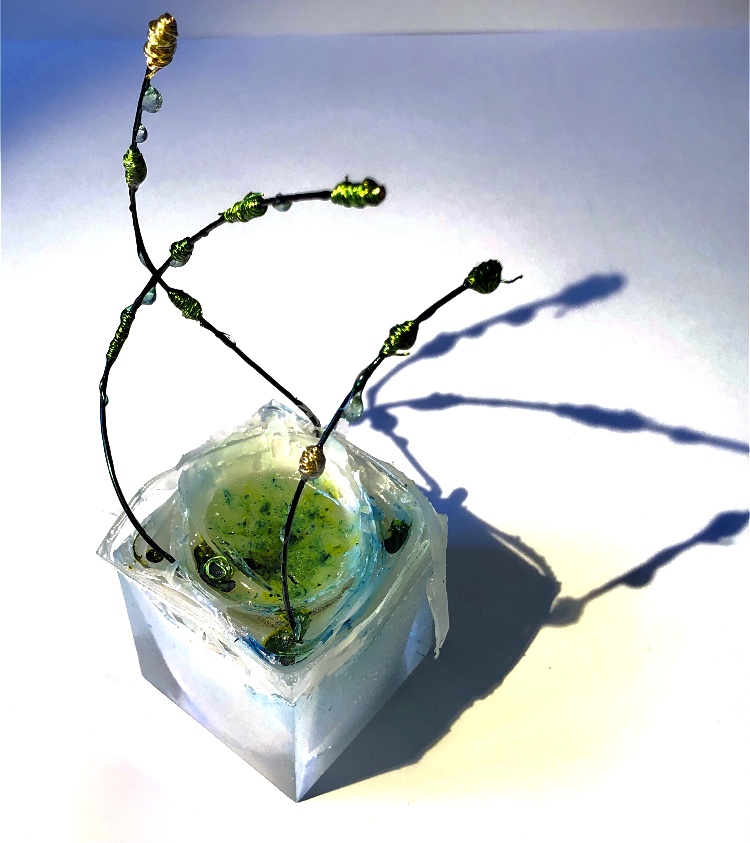
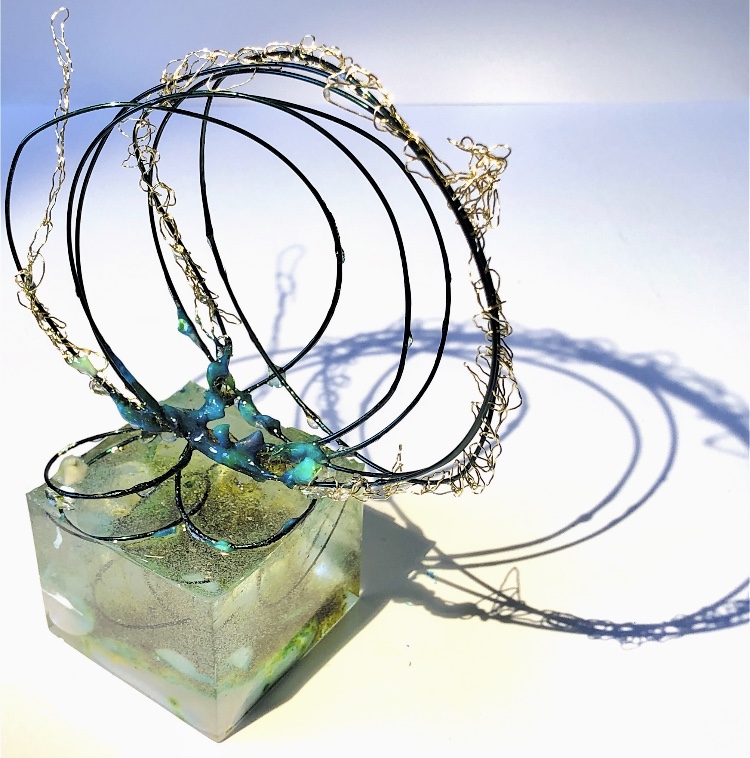
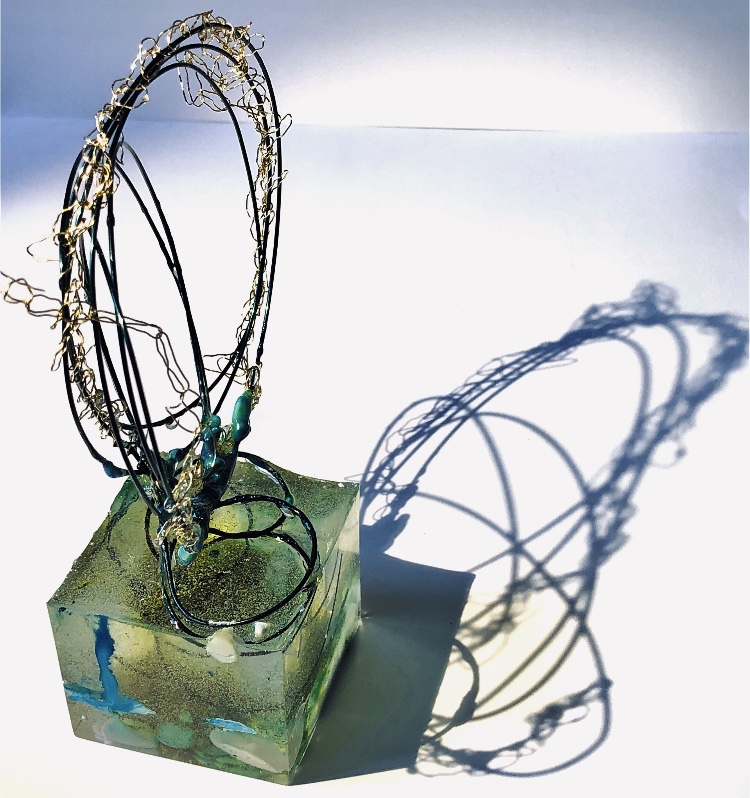
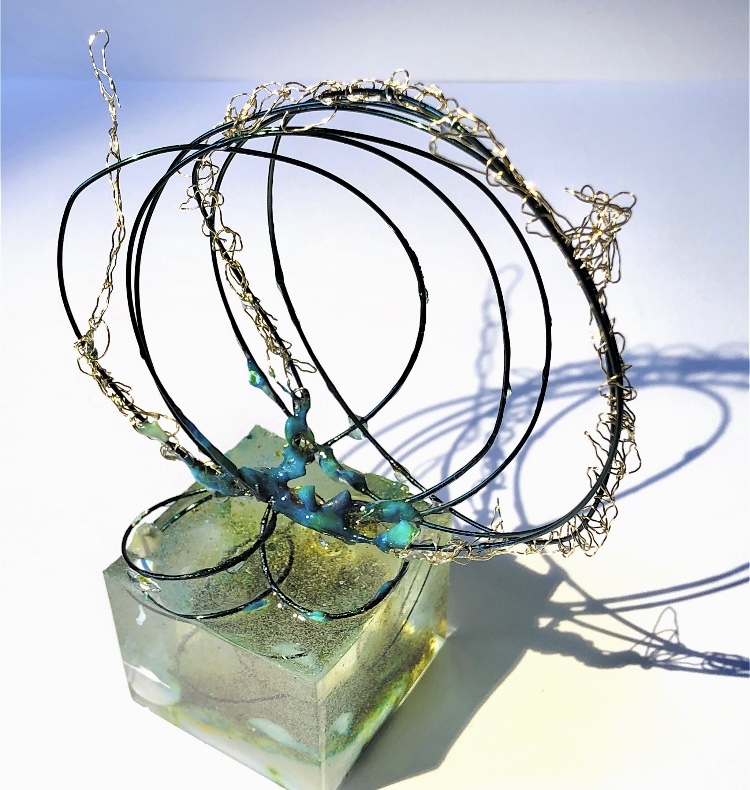
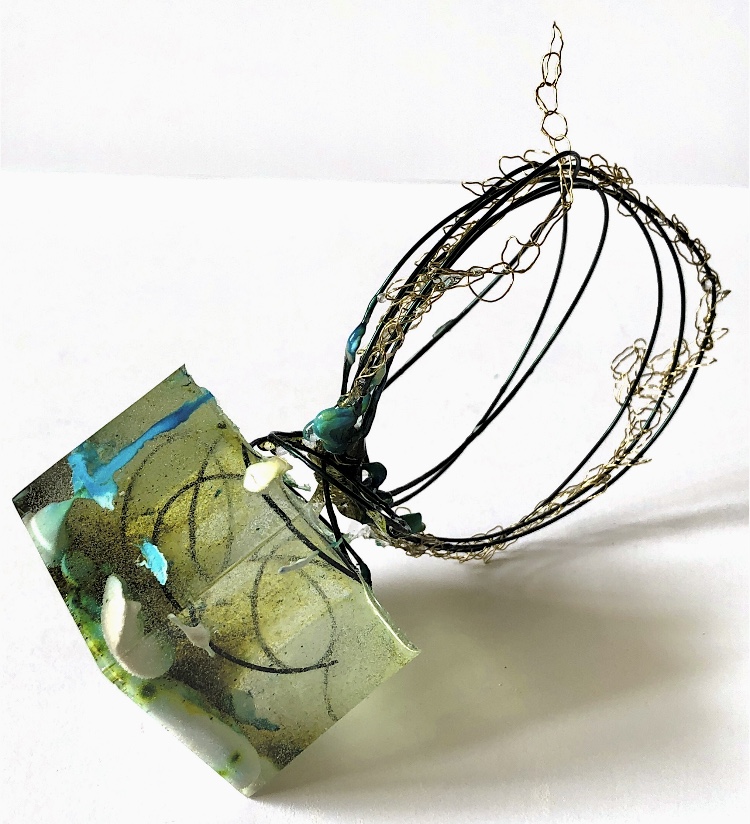
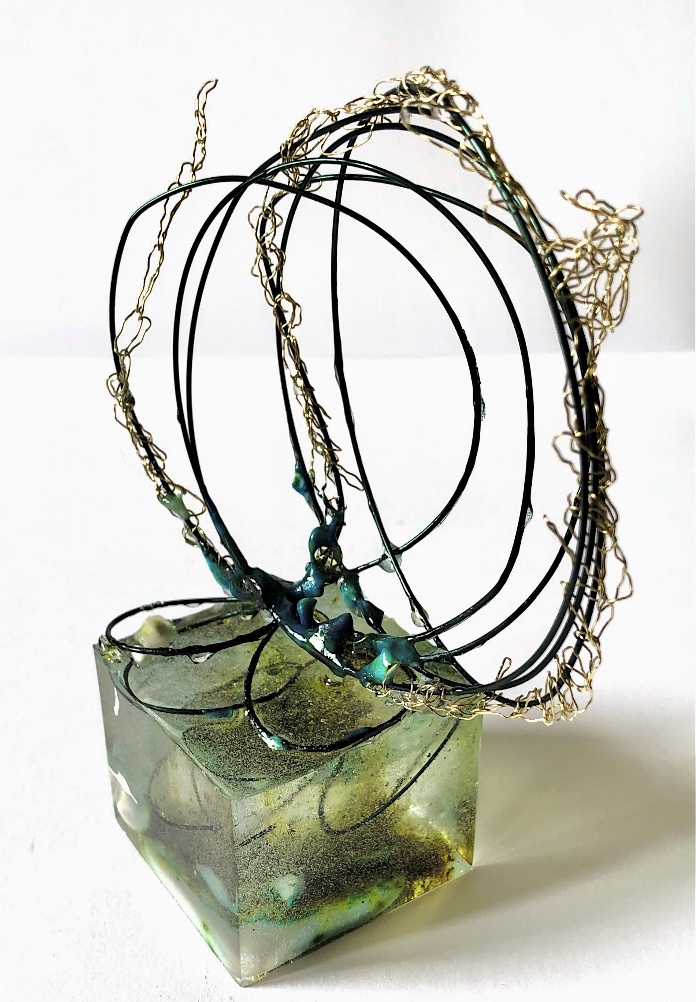
Fig. 5 For the resin base of this piece I experimented further with powdered colour and dripping wet plaster into the mold. This created an interesting base that reminded me of a river bed. The strong wire shape partially embedded in the base made me think of the objects that are abandoned in our waterways like shopping trolleys, bits of old metal and bicycle wheels; and by dripping plaster and coloured resin onto the wire, it has a look of something just fished out with bits of weed and algae clinging to it. This piece entices the viewer to look closer to see what is lying beneath the surface, and what has emerged from the depths. Again this is a strong, dynamic piece which also creates beautiful shadows.

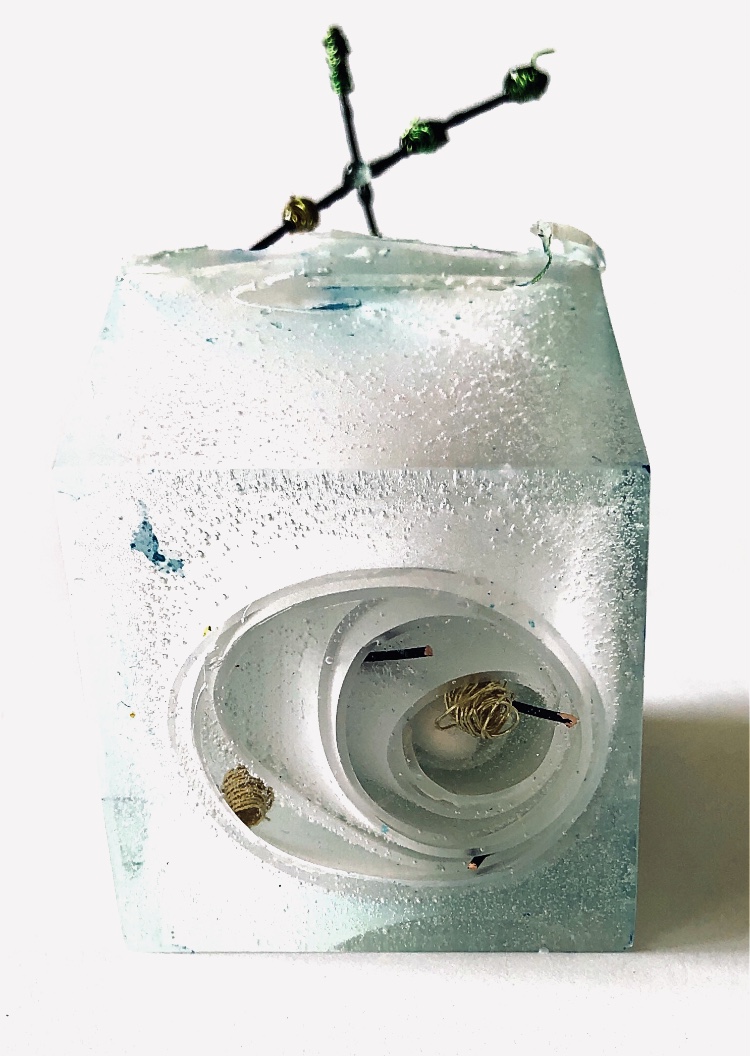
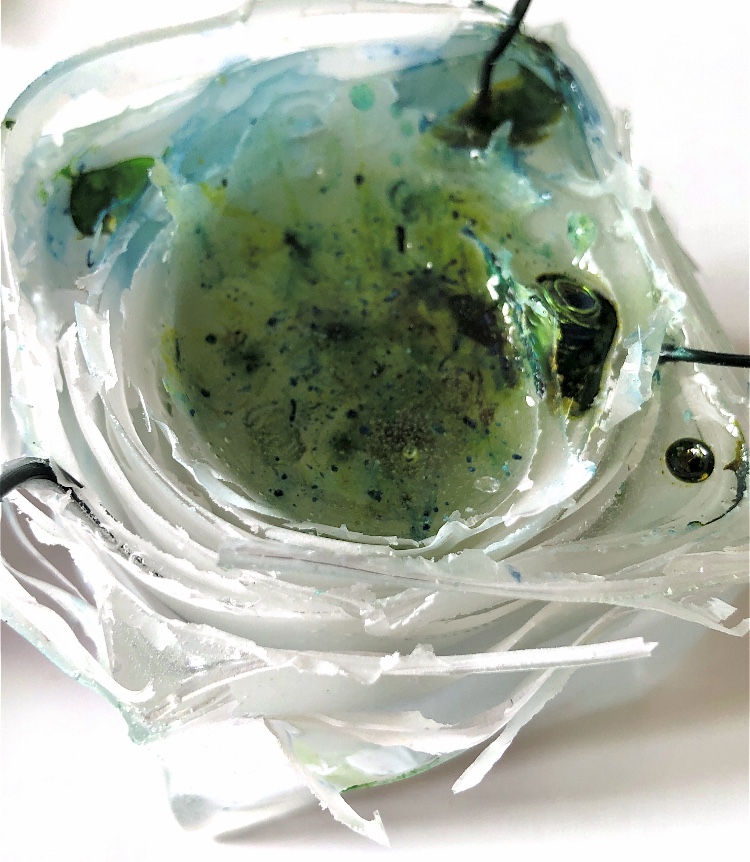
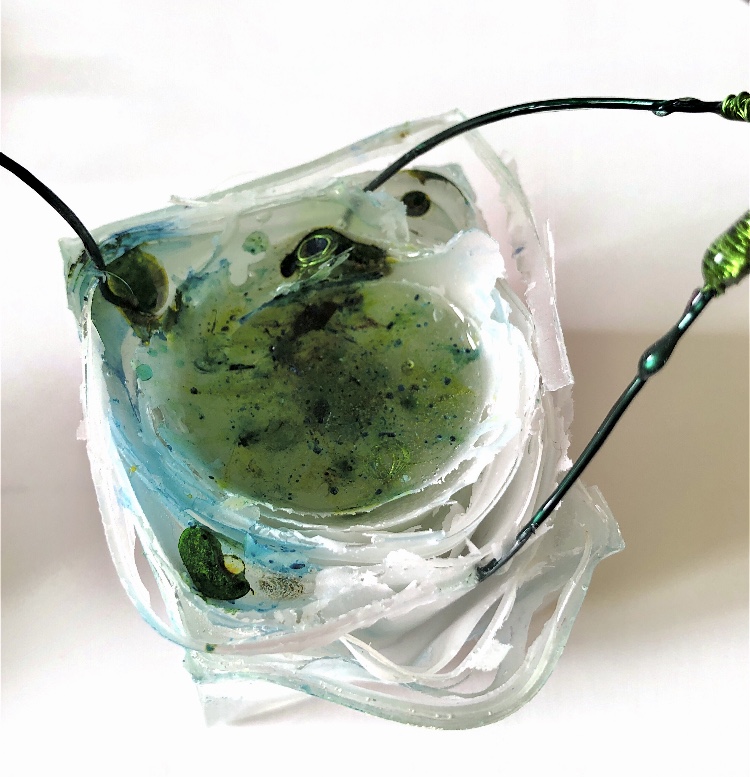
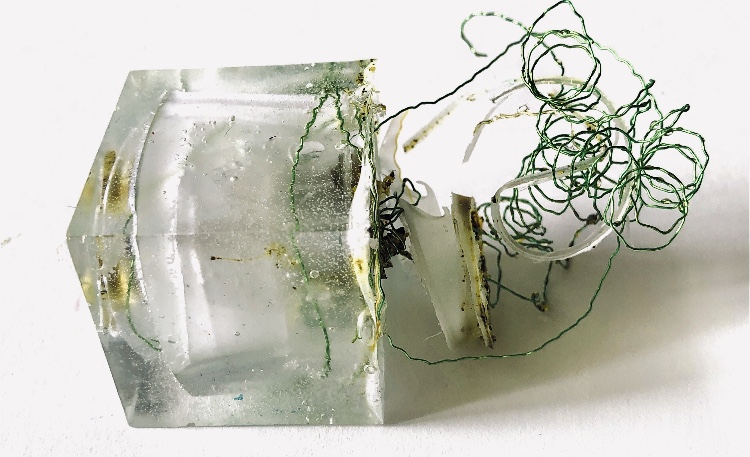
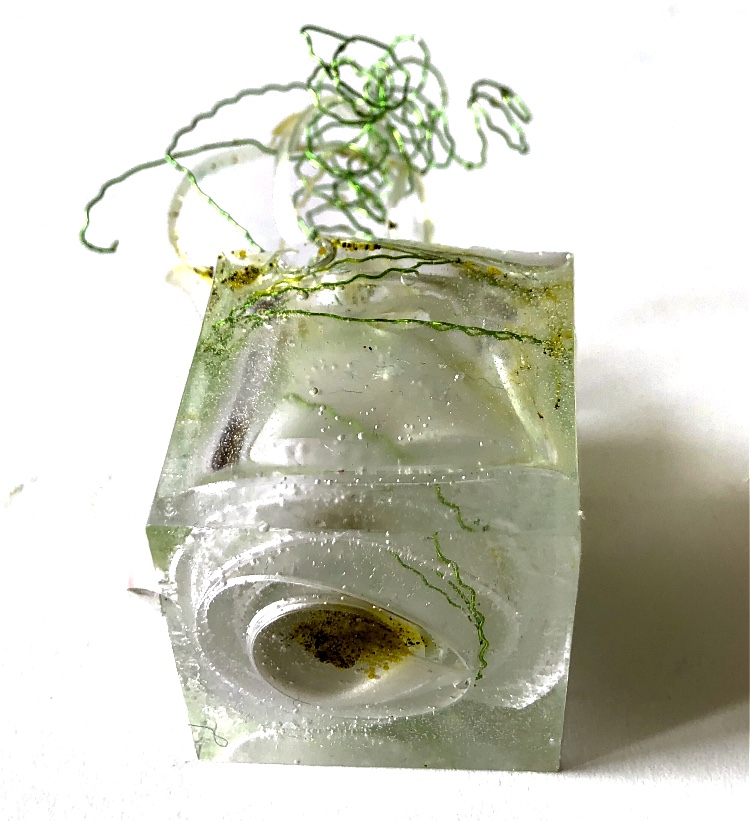
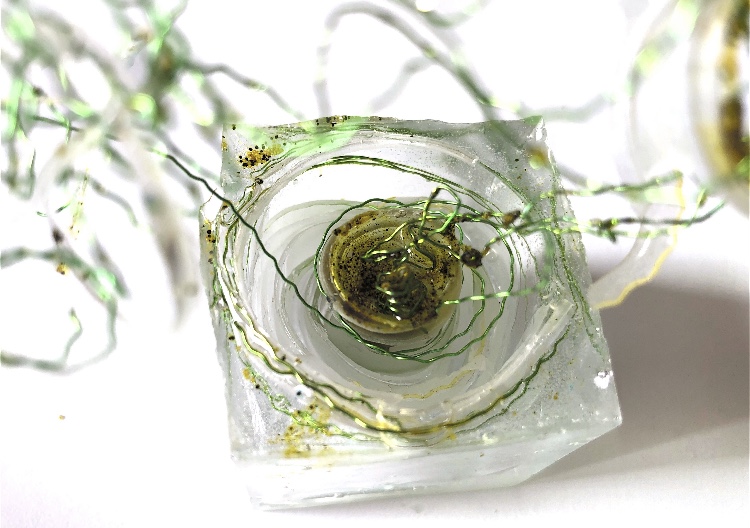
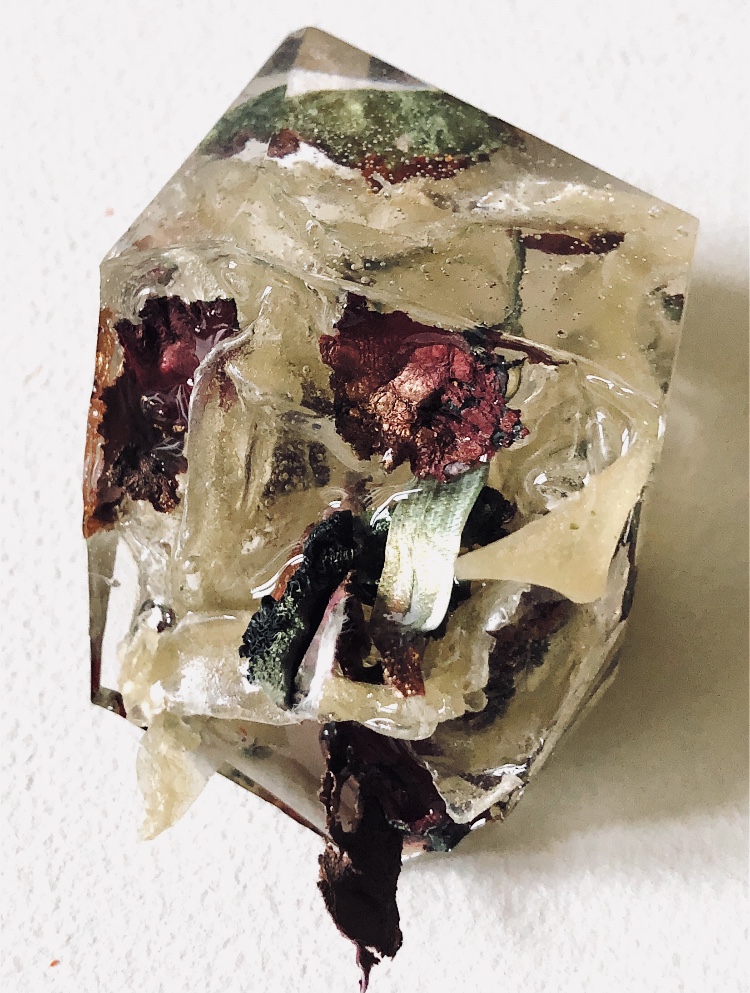
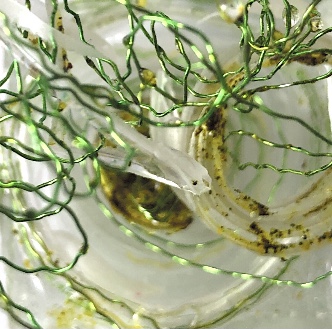
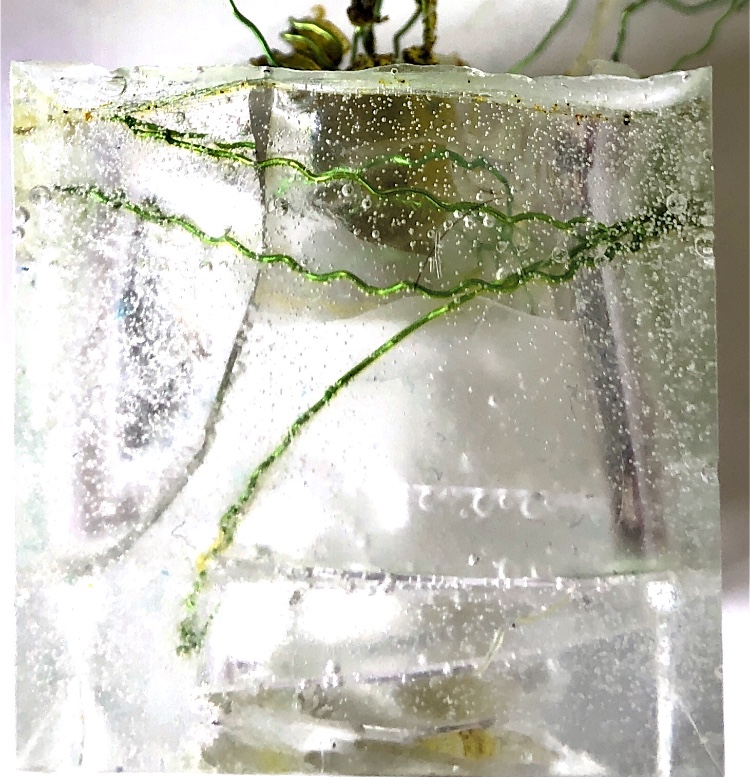
Fig. 6 Here I have experimented with another silicone spiral embedded in the resin along with wire. The spiral was not easy to remove but it did come out in the end, loosening some circles of resin which can be seen hanging on the twisted wire. This is a more delicate piece with fine layers of resin spiralling round a circular core. The resin is clear in places and opaque in others, creating a beautiful flower like shape which can be viewed from the sides and base. I am pleased that I have been able to push this material in a different direction to create fine texture.

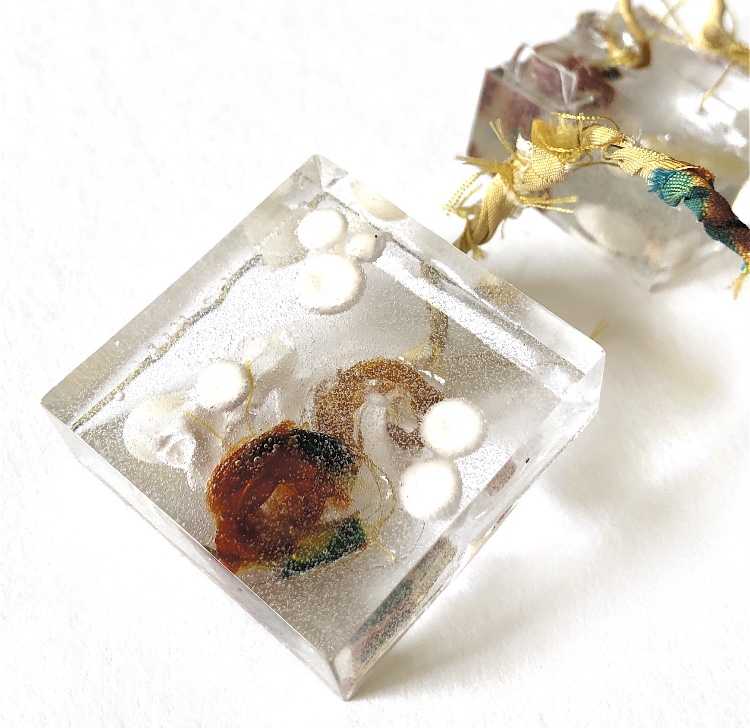
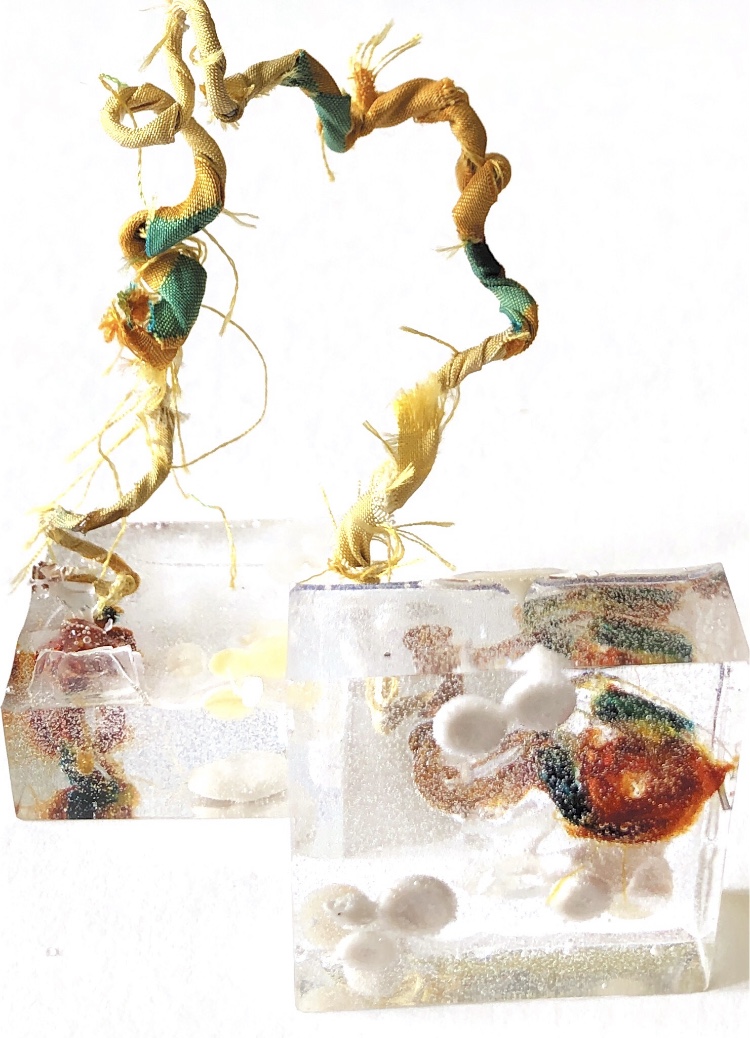
Fig. 7. More photos of the collection

I am really happy with this collection. At first I wondered whether to keep the small plaster piece in as it does not have any colour or resin in it; but after consideration I can see that it is a part of the whole process of experimentation with the materials I have chosen, which connects it to the other pieces and it therefore deserves its place in the assemblage.

Sketchbook work

Mixed media for textiles Part 5 A final piece Stage 5 Sorting

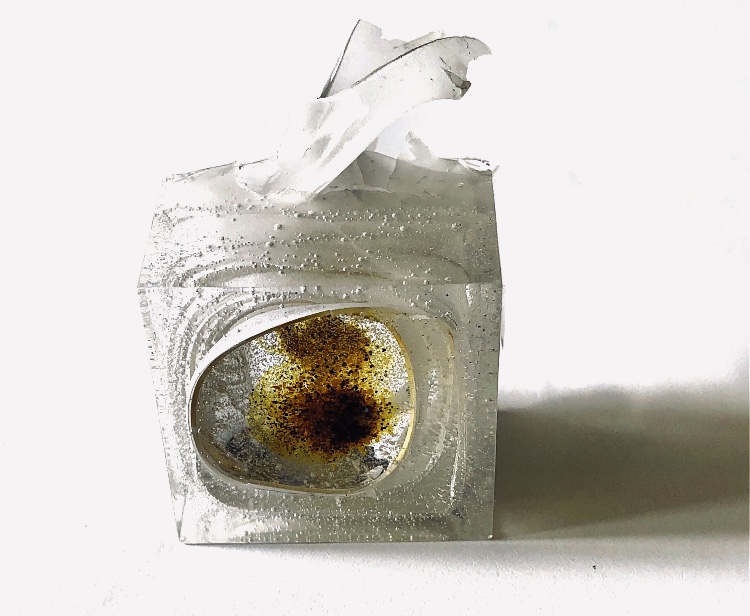
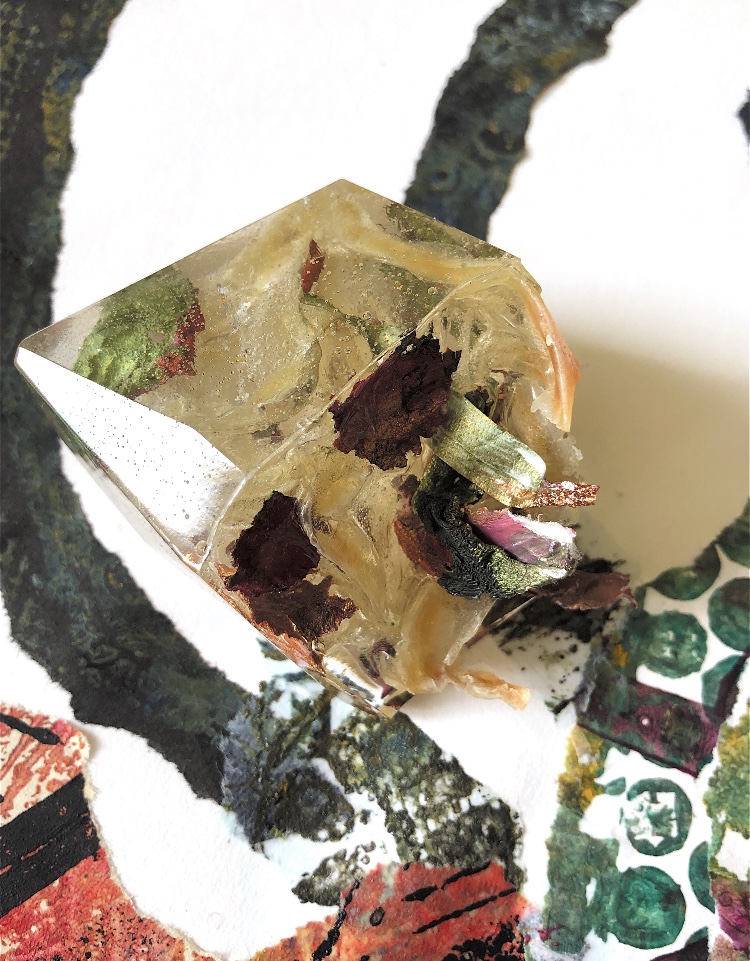
Fig. 1. This was a sample where I experimented with encasing a roll of silicone into the setting resin and pulled it out when dry. I wasn’t sure it was going to work but the silicone pulled out relatively easily leaving quite a fragile piece with thin spiral layers. It was very exciting to remove the silicone and see what emerged. The centre is solid and contains a bit of powder colour, but the edges look as if they are peeling away, like a flower or old paint. The beauty of this piece is the delicacy and texture achieved with what is usually a solid, smooth material.

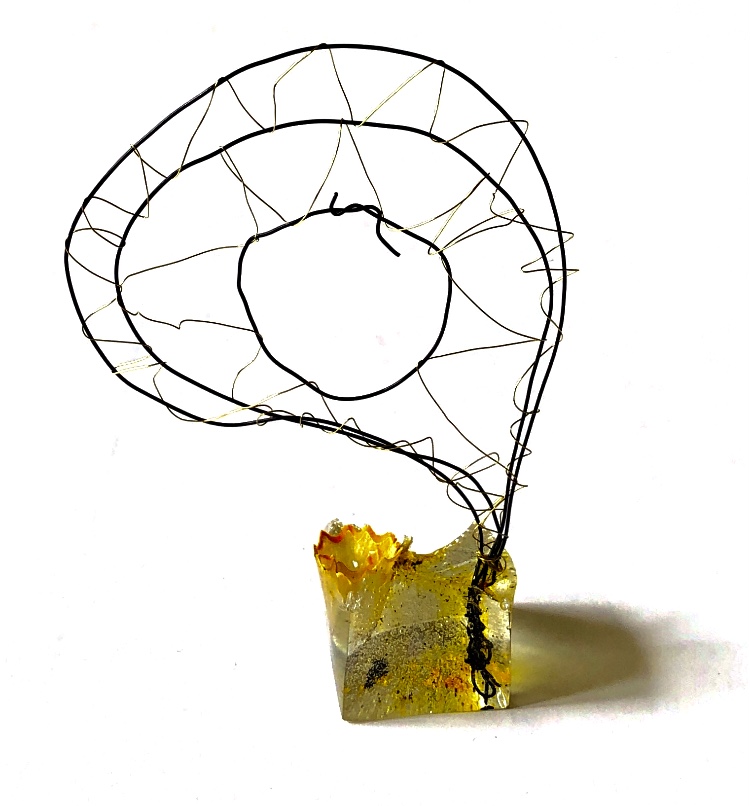
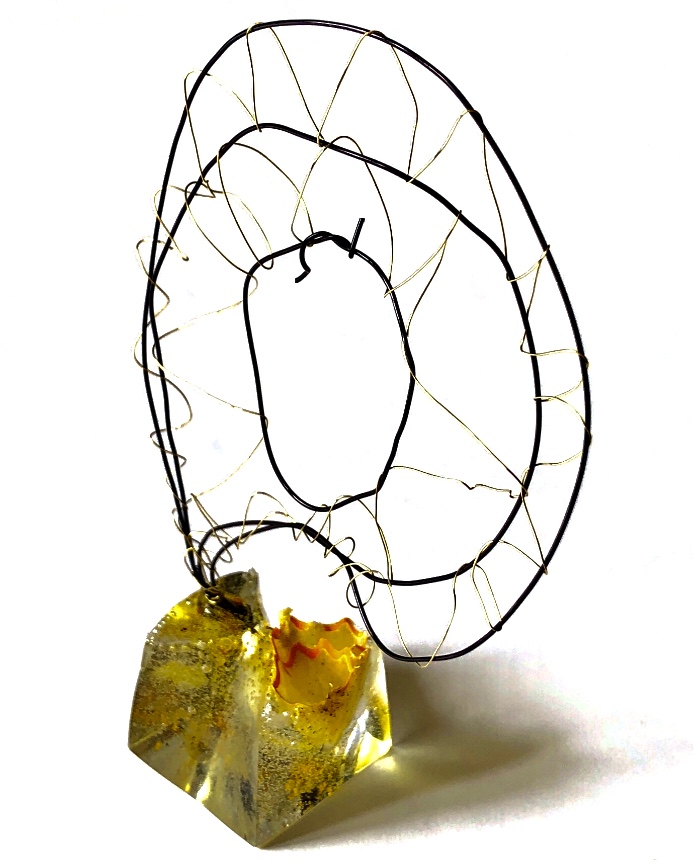
Fig. 2 With this sample I used a bit more colour and experimented with using a wire structure to add height and contrast to the resin base. The proportions of the large wire shape and the small but solid base work well together. For this sample I also tried manipulating the mold by tying and created an interesting shape. This is a bold, dynamic sample and brings together two of my favourite materials.

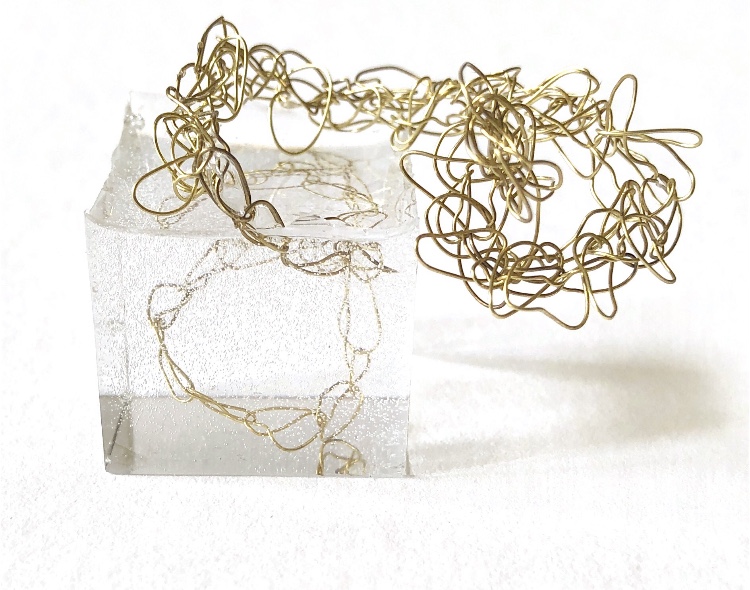
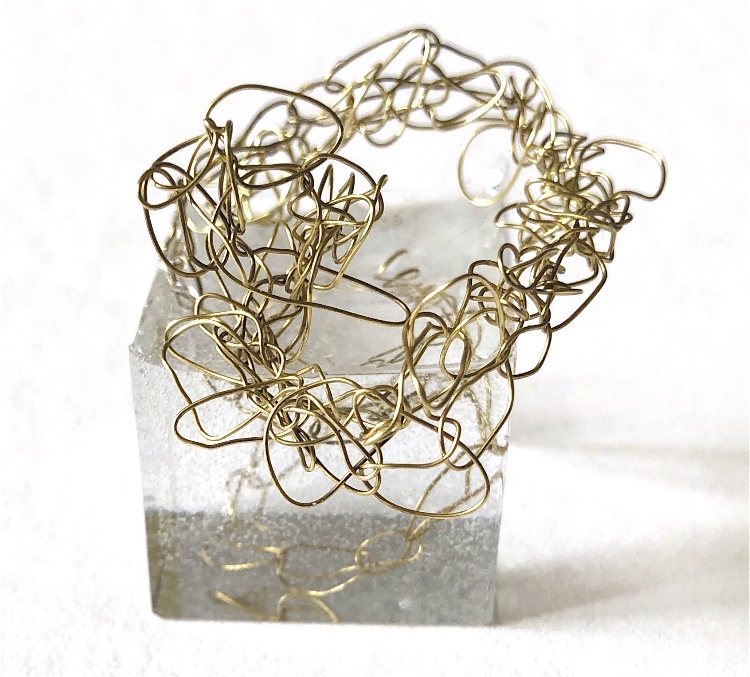
Fig. 3 For this sample I wanted to just use resin and wire in a simple way to create something that is clean, interesting and has movement. The crocheted wire is embedded in the smooth solid resin, and emerges in a spiral shape. There is movement in the intricacies of the crochet and in the way it meanders around. I found crocheting with wire quite difficult, but the fact that the stitches aren’t neat makes the structure more interesting, and the shape can be changed which is something else I am interested in – making pieces that can be altered by the viewer.

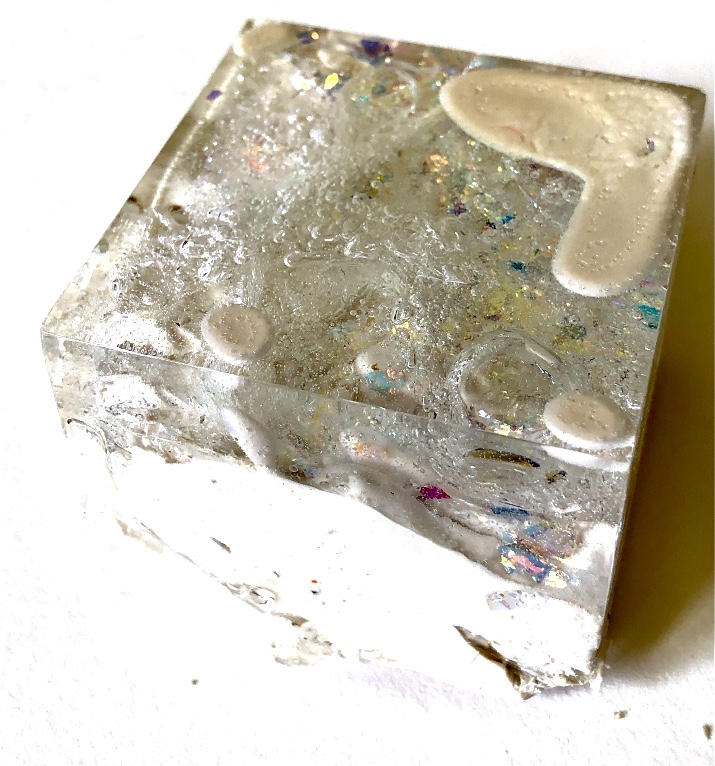
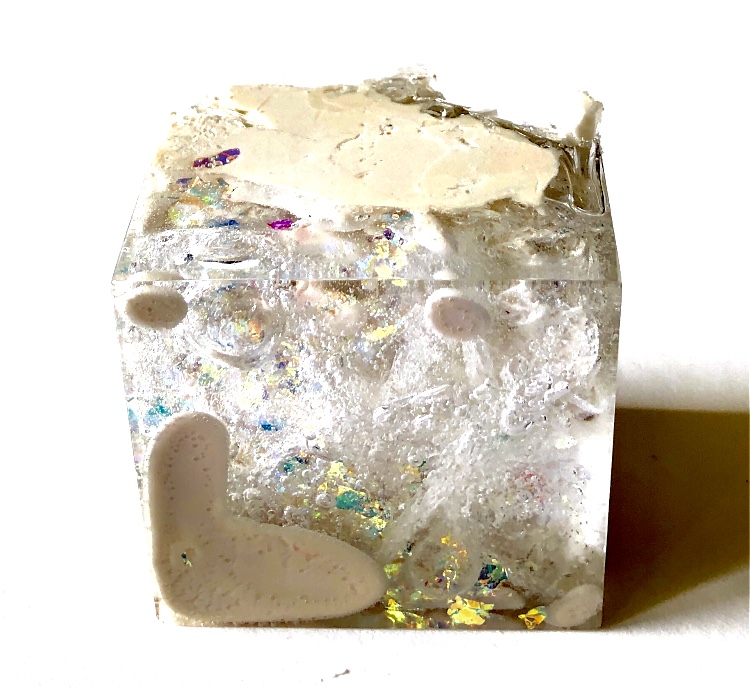
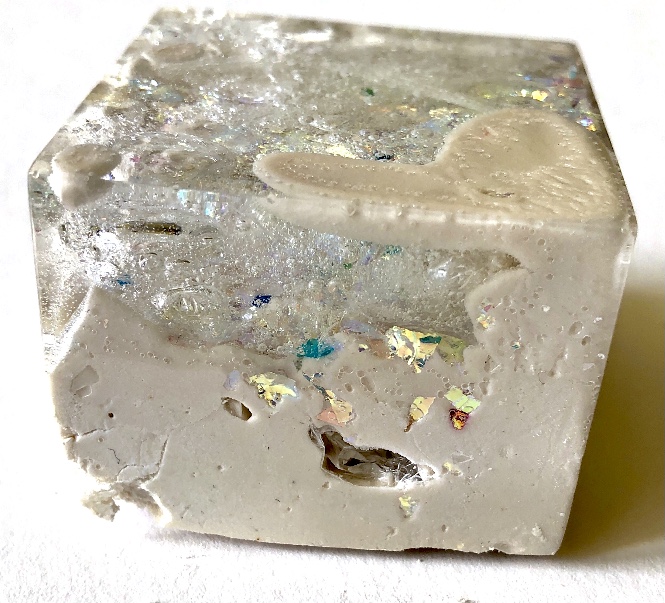
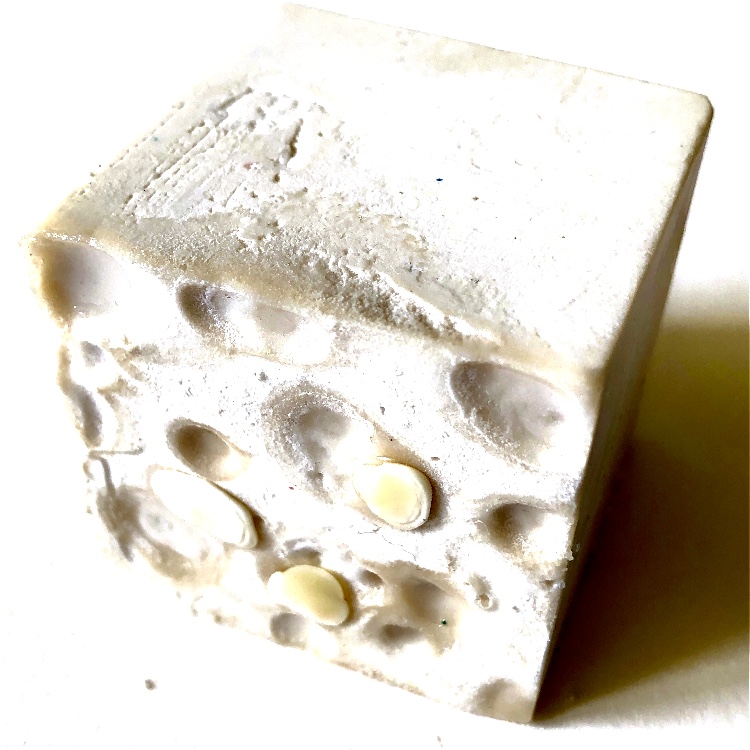
Fig. 4 I was intrigued to see if I could combine resin and plaster in a way other than in layers. While the resin in this sample was drying I dropped in blobs of plaster which then created little balls and other forms. I am pleased that they have retained their shape once the piece has dried and feel I could experiment further with this in my final piece.

There were so many samples that I enjoyed making, but these were the ones where I tried something new and feel I pushed the boundaries with the materials I was using. Doing this exercise in a more focussed way has consolidated my thoughts about materials and combinations to use for my final piece.

Mixed media for textiles Part 5 A Final Piece Stage 3 Sample making (3)

Following feedback from my tutor I have decided to use resin, plaster and wire to make my final piece which I envisage as a small collection, connected by shape and materials. With this in mind I have made more samples. I want to explore joining, wrapping, and manipulating these materials with print.

Fig. 1, Crocheted wire emerging from a block. I love the simplicity of this piece and feel I could experiment further with wire crochet.

Fig. 2, Joining two blocks with fabric covered wire. I also tried adding drops of plaster and latex into the resin while it was setting which made interesting dot patterns. The smooth shiny resin block contrasts with the swirly textured wrapped wire. I am drawn to contrasts and this is another area to explore.

While I had my paints out I tried printing onto the back of the resin blocks with a toning green. The print hasn’t emerged but the colour adds another dimension to this sample. I can’t decide if I like it or not but it may have possibilities for further experimentation.

Fig. 3, Cling film encased in resin and plaster. I am interested in the bubbles and patterns made where the materials join, but I don’t think I can take this sample any further.

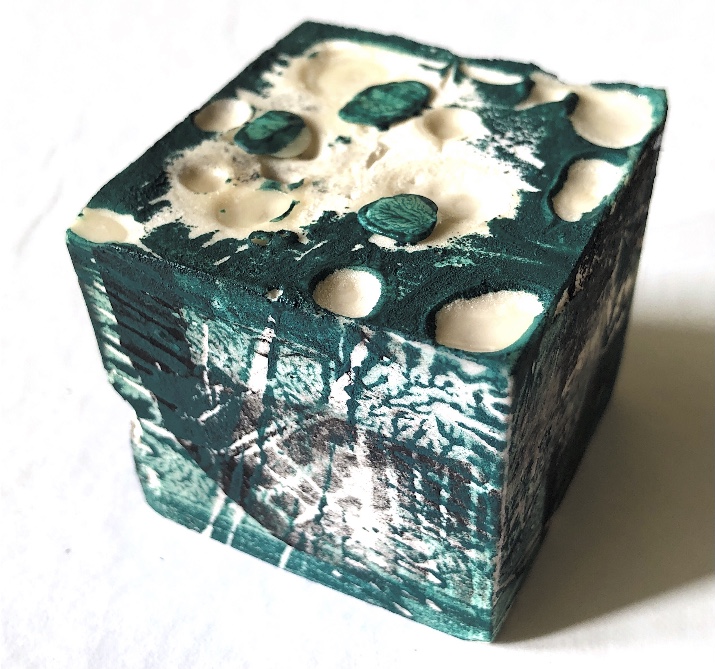
Fig. 4, While this plaster block was setting I dribbled in drops of resin and latex to make a textured surface. I printed the other surfaces with a foam block, and then added a green overprint. The textured surface only picked up the paint in places so the dips and dots are highlighted. I think a print with more definite edges and lines would have more impact.

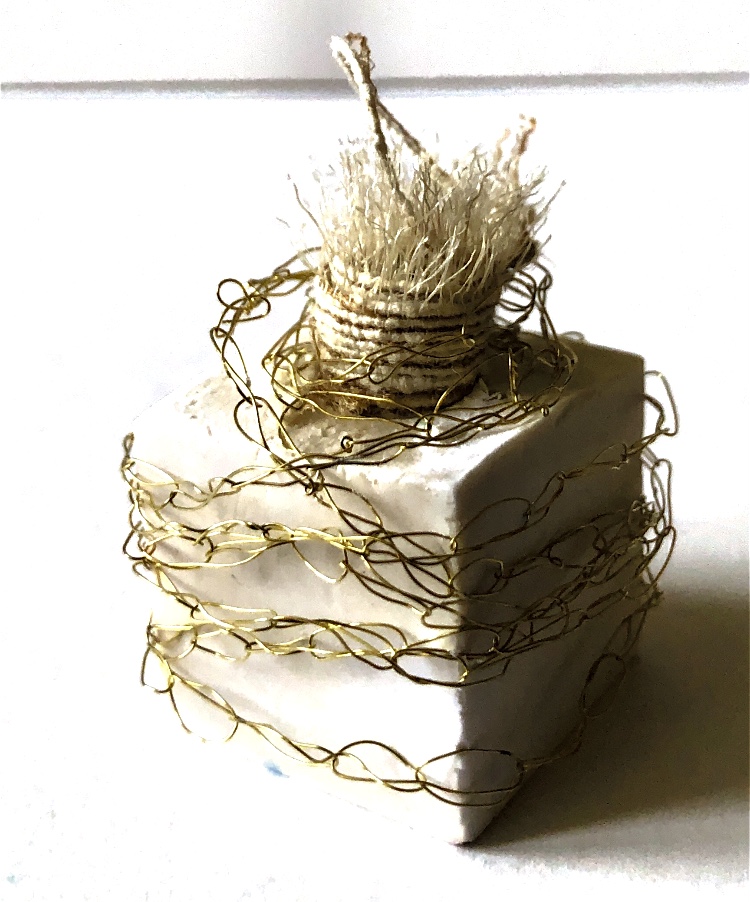
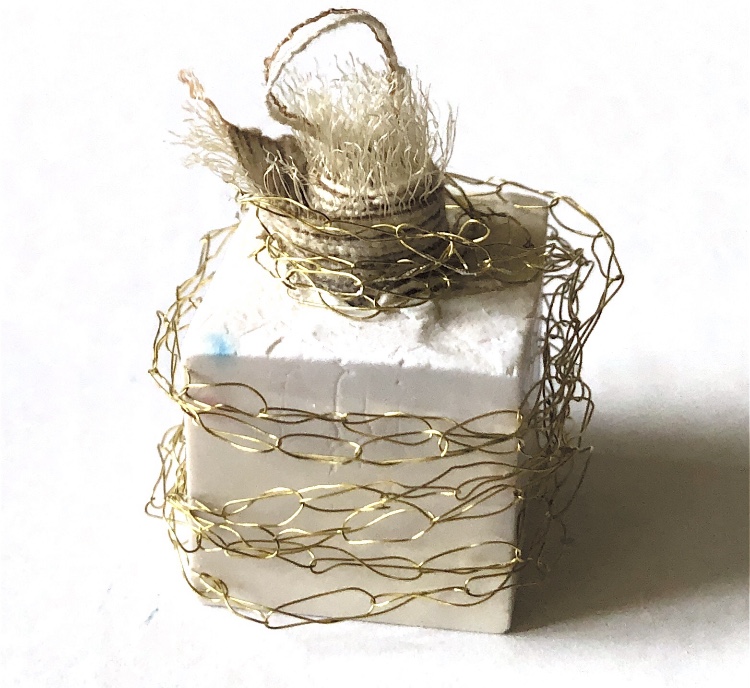
Fig. 5, Here I have embedded a small piece of rolled fabric and some crocheted wire to the plaster while setting – the crocheted chain has been wrapped around the block. The contrast between smooth cold plaster, soft fluffy fabric and shiny chain linked metal works really well, and it is a very tactile piece.

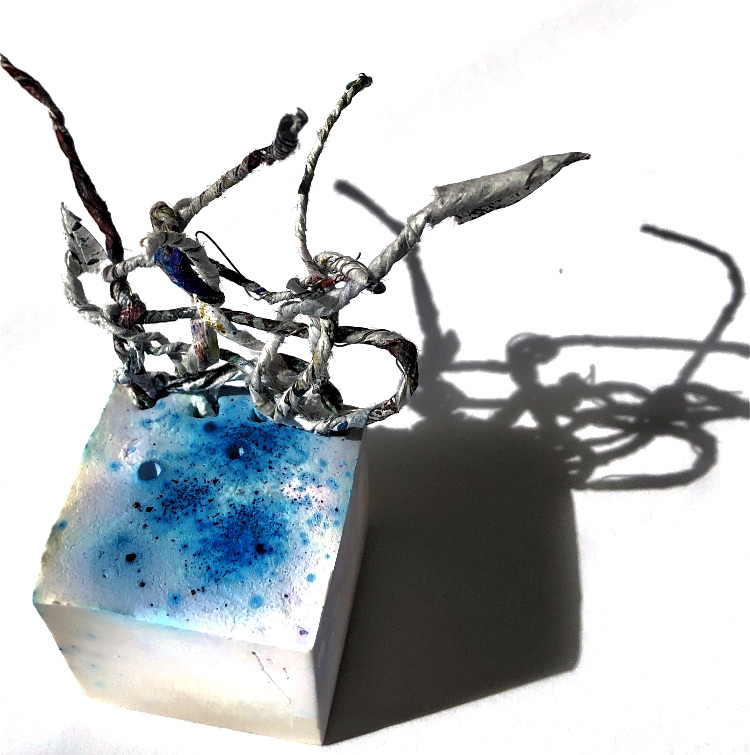
Fig. 6, Working on the idea of embedding materials I tried twisted paper which was then woven. Also I found some Brusho dyes and sprinkled some dry powder. onto the surface of the plaster before it dried. This made a bright splash of colour to create interest on one of the surfaces.

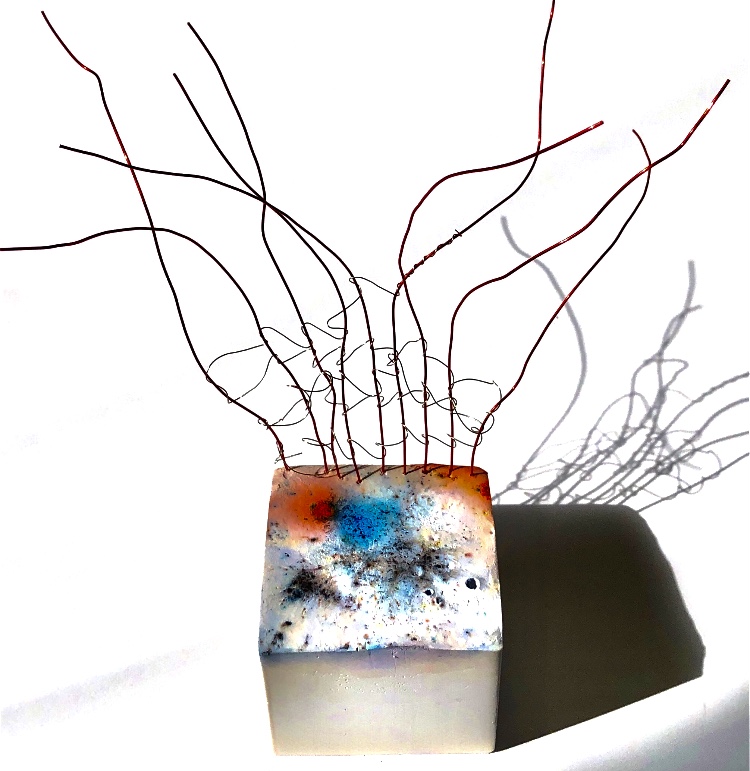
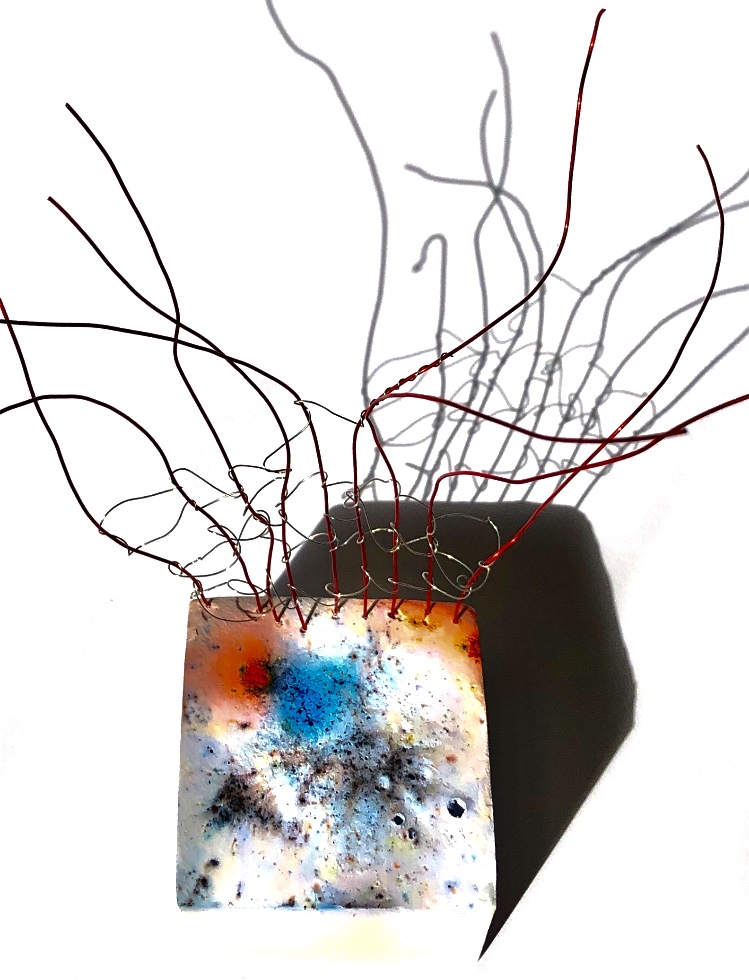
Fig. 7, Again I used Brusho powder for colour and this time embedded coloured wire. I think this is a really striking piece. It has height and weight, delicate wire weaving and splashes of colour on a cube base. The shadows make interesting patterns reminiscent of spiderwebs. This idea is definitely something worth pursuing.

Having reviewed this set of samples I can see lots of ideas using contrasts as part of the theme. Delicate/solid, smooth/textured, natural/bright, plaster/resin/paper/wire, squares/dots, soft/hard, joined/wrapped/embedded. I want my final piece to be material led – I like the idea of using weaving to add colour, texture and softness, and also also I am interested in the idea of embedding something like the wire than then extends to become a cage like structure.

Sketchbook work

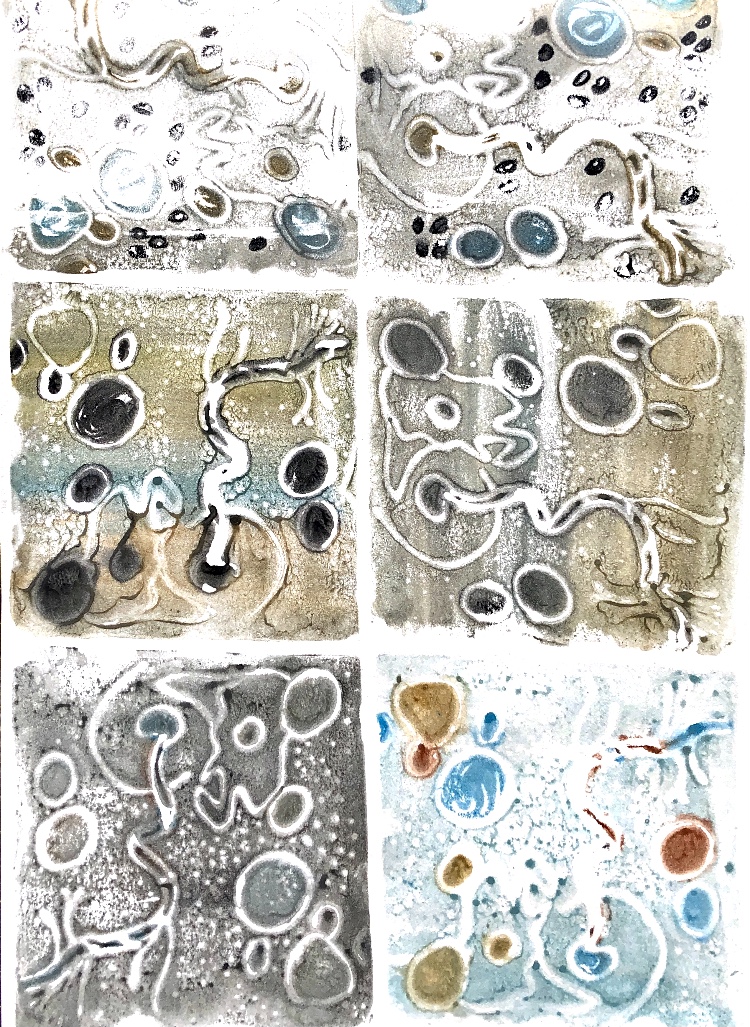
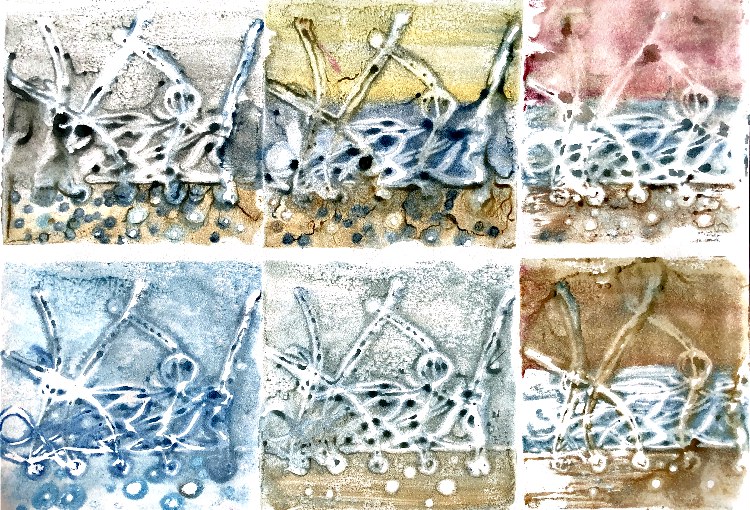
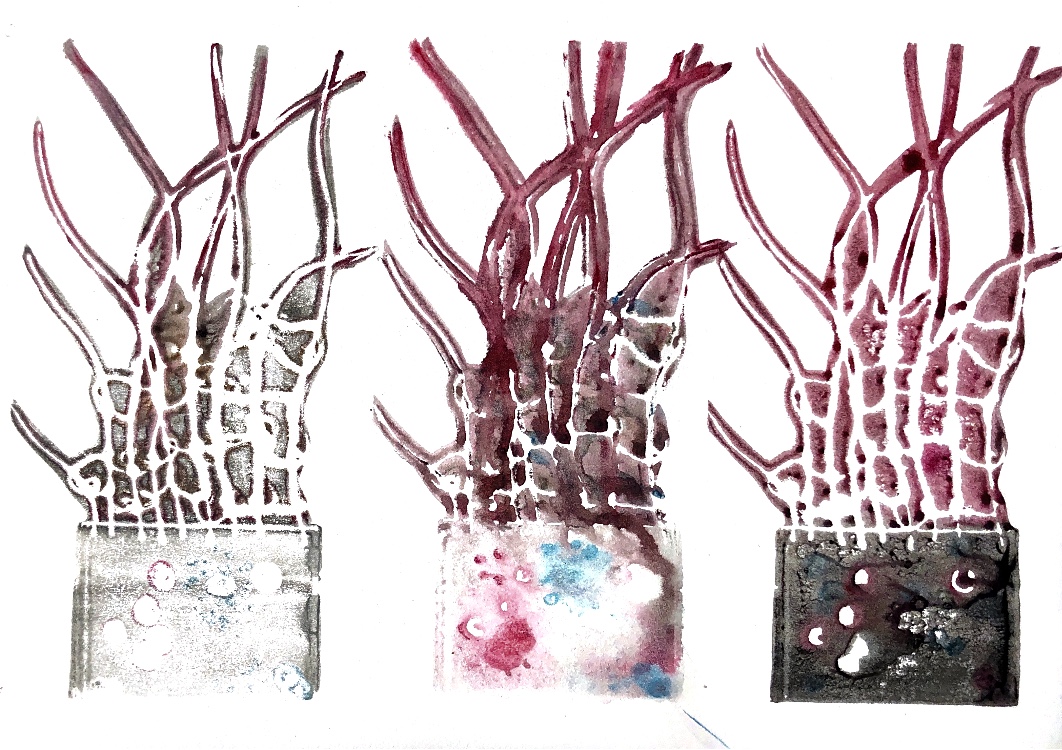
Foam block prints made in response to samples exploring patterns and colours.

More samples – pushing the ideas

Fig. 8

I used an offcut of silicone to twirl into a spiral and poured the silicone around it in the mold. A small amount of Brusho powder was added for colour. The powder paint worked really well as it stayed where I sprinkled it and didn’t discolour the rest of the resin. The grooves made by the silicone insert (which came out easily) are reminiscent of a flower or a whirlpool with bubbles. This piece is very delicate around the edges.

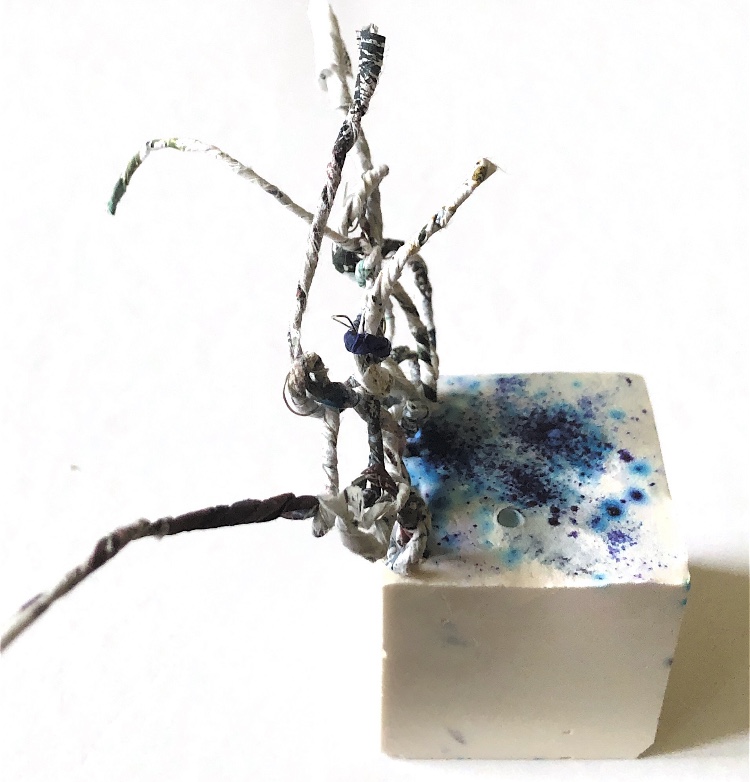
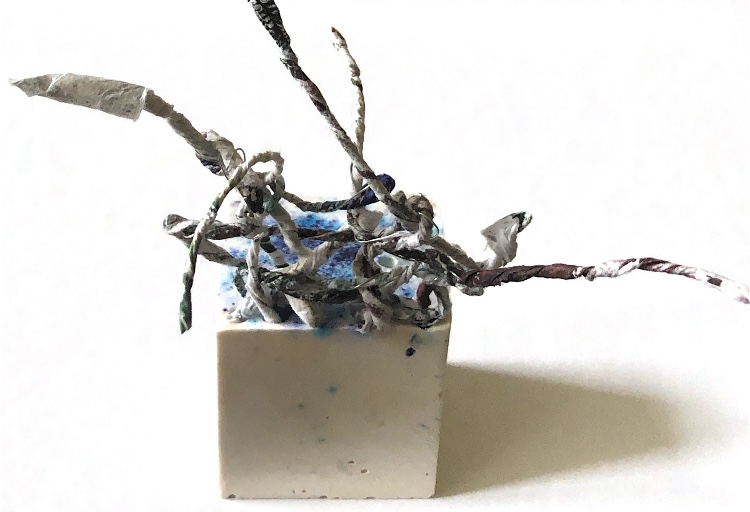
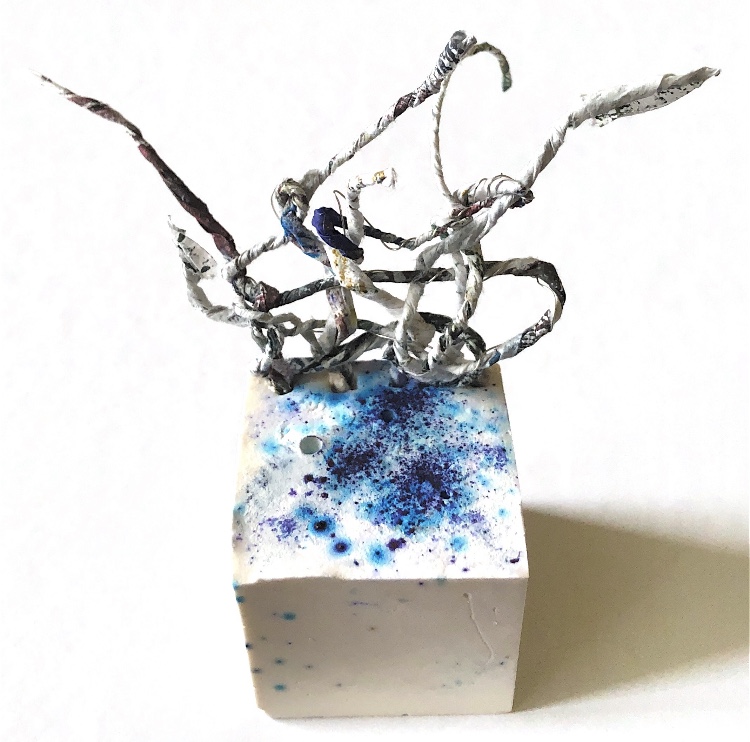
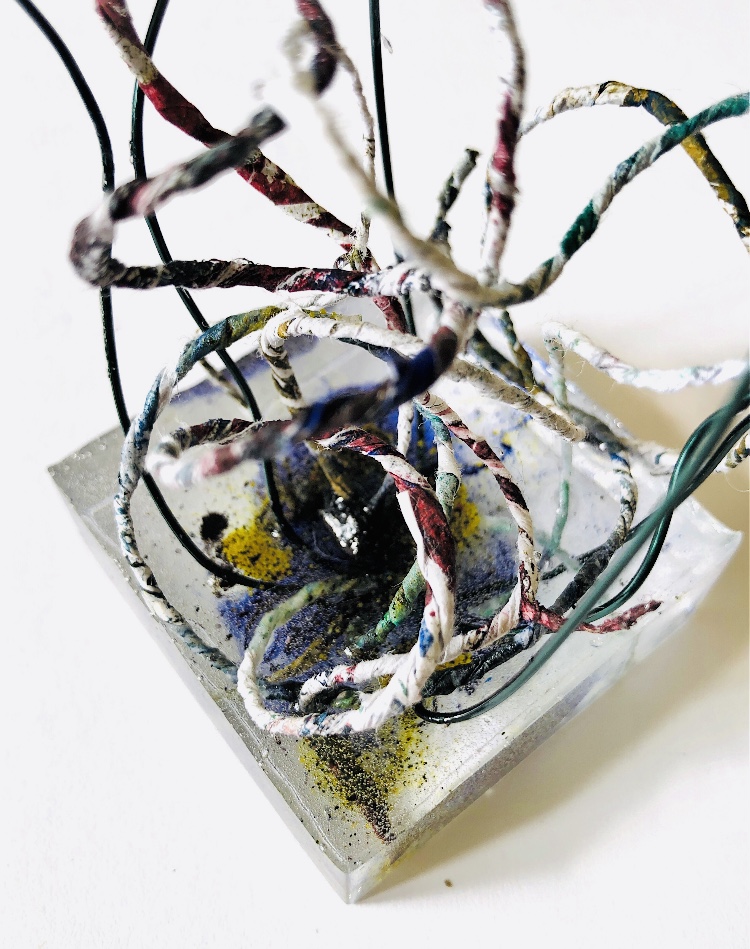
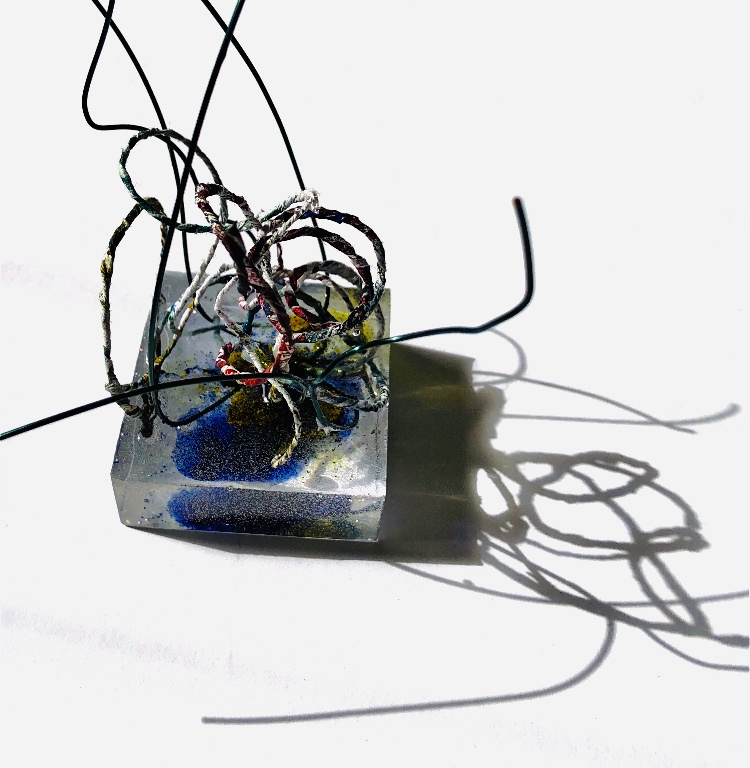
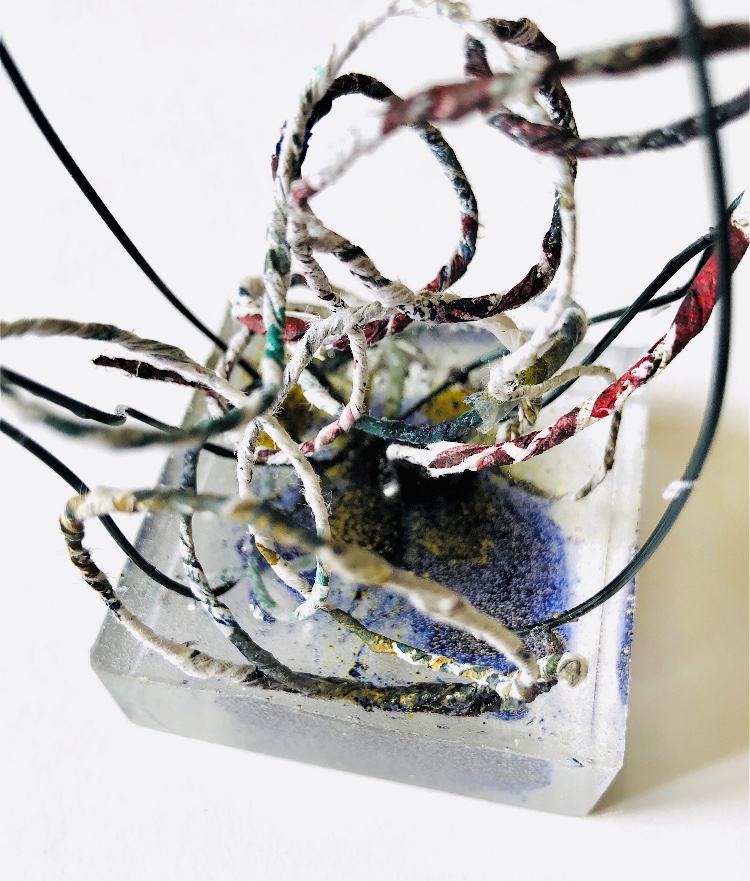
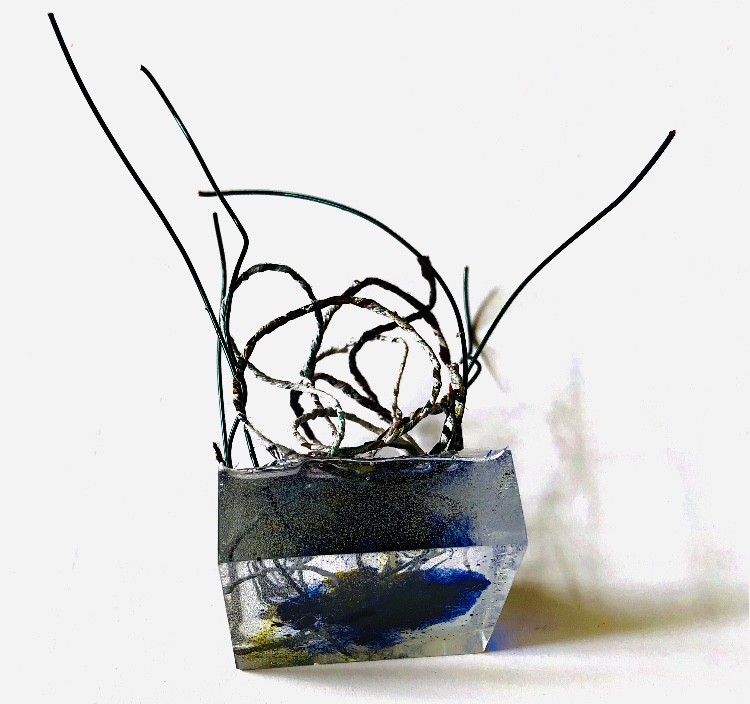
Fig. 9 I wanted to experiment with structure and used paper string together with wire. The colours of the powder paint are reflected in the twisted paper. I am pleased with the way shadows can be created and they add to the mangled, twisting sculpture of the top of this sample; this in turn contrasts with the heavy, smooth, angular base.

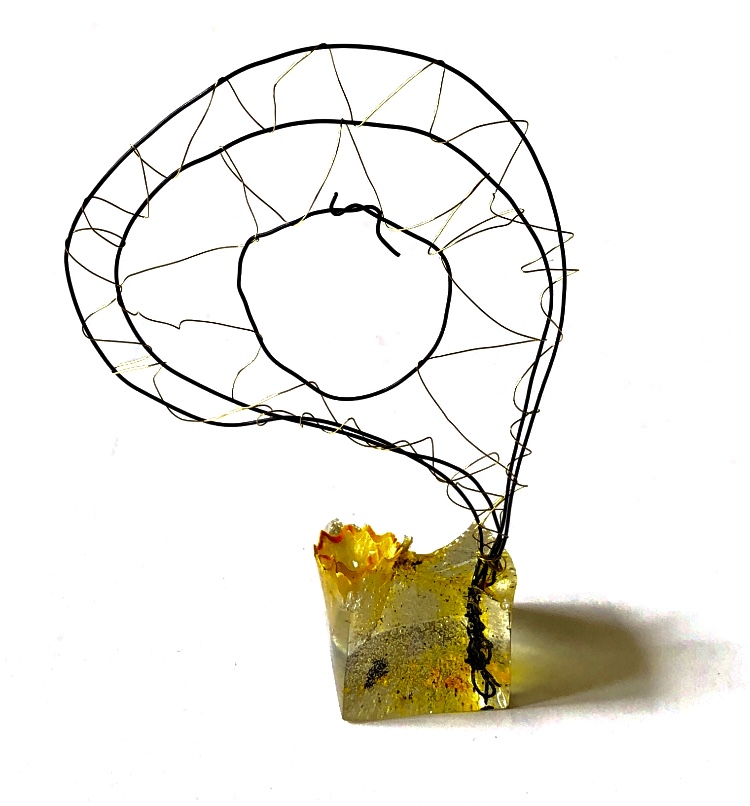
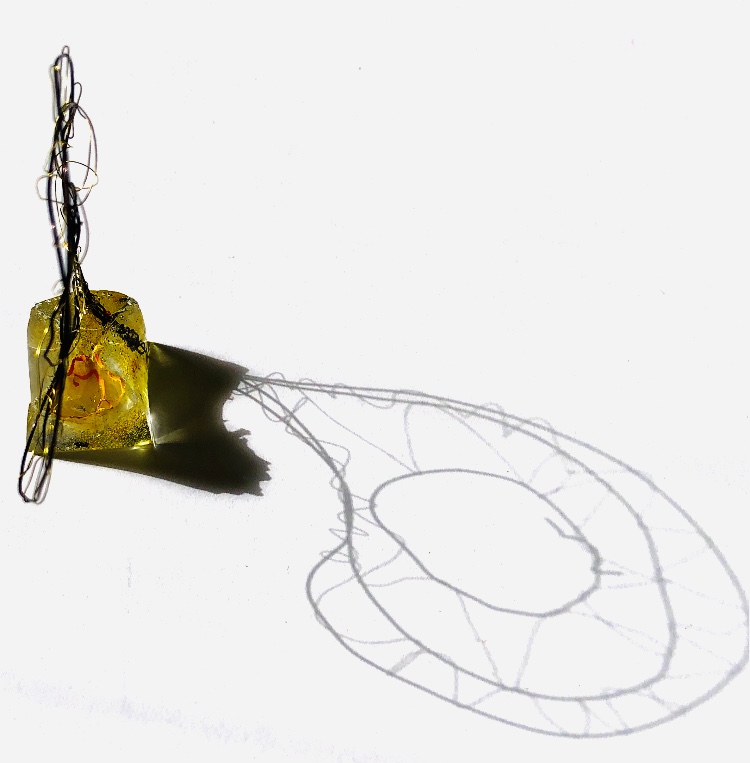
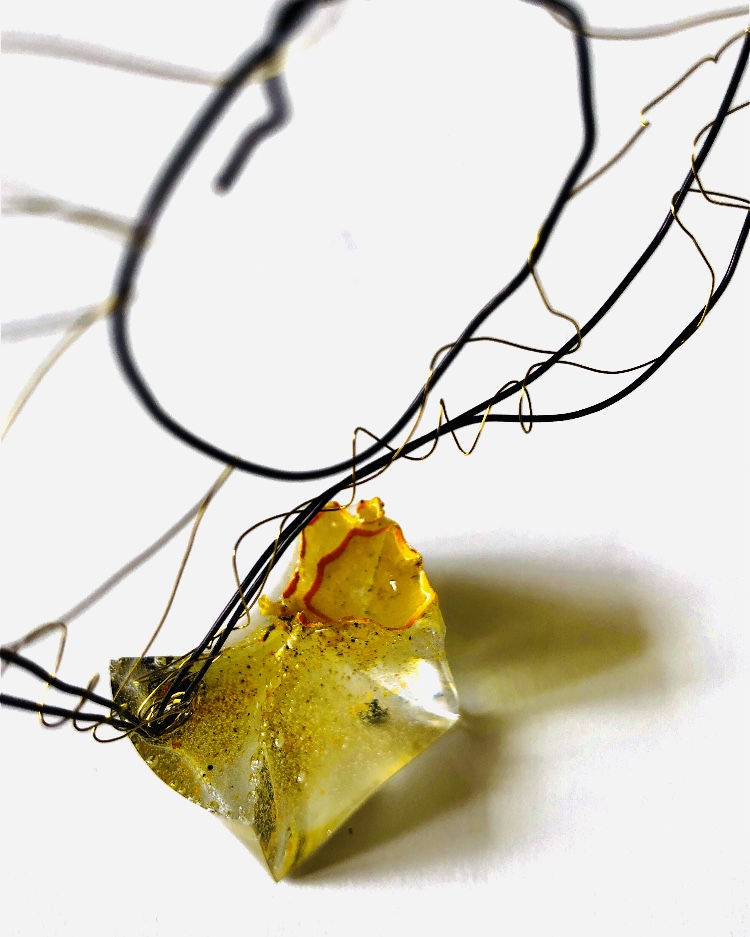
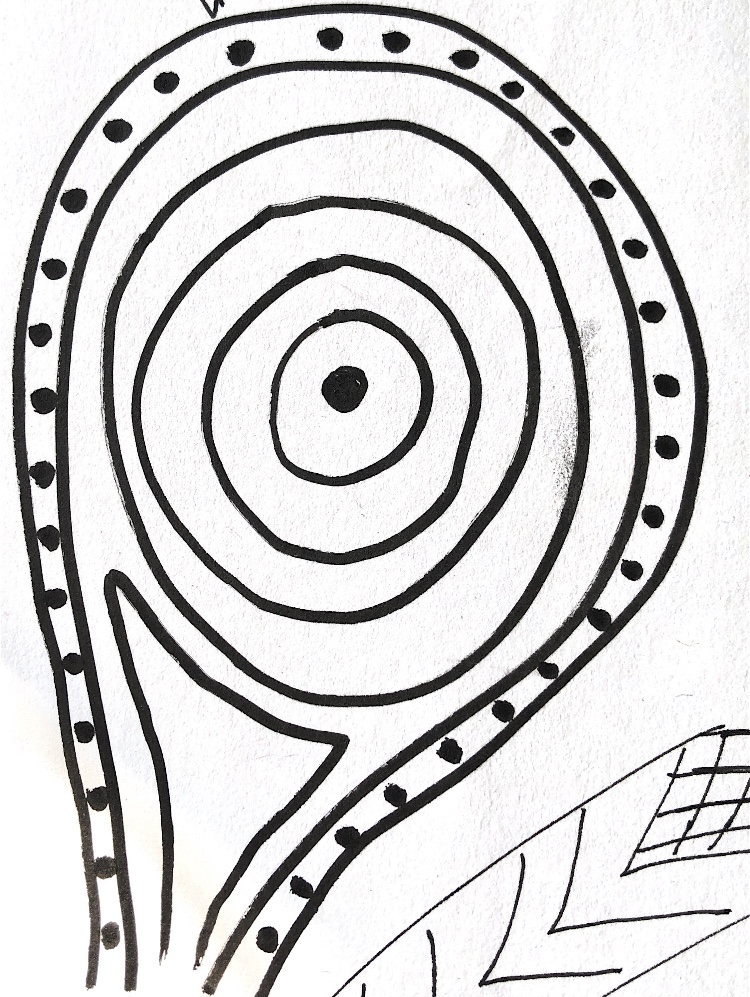
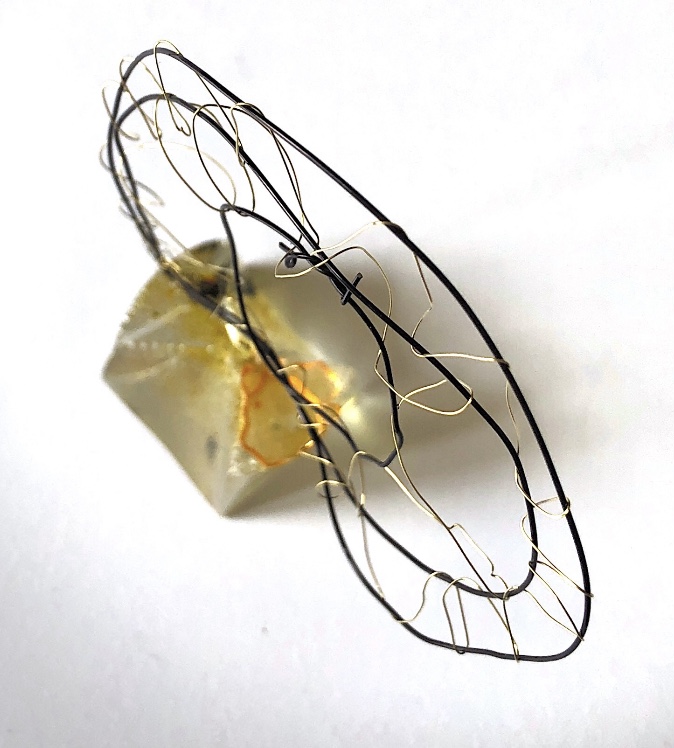
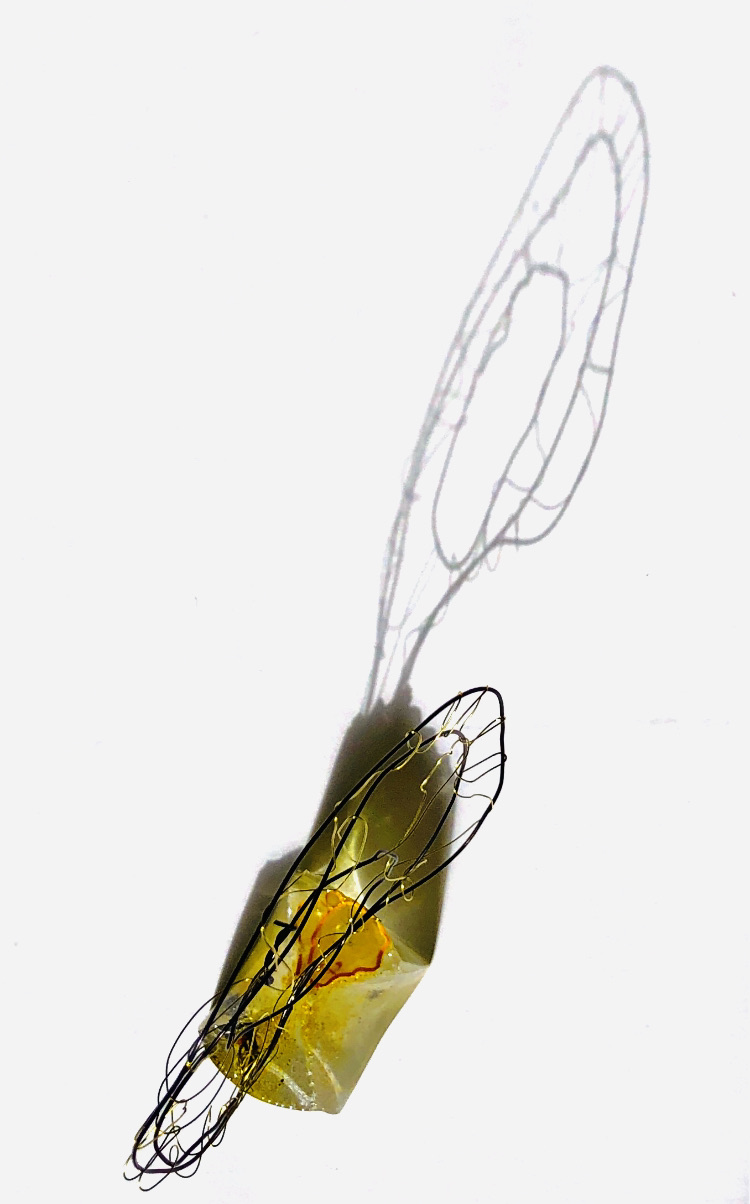
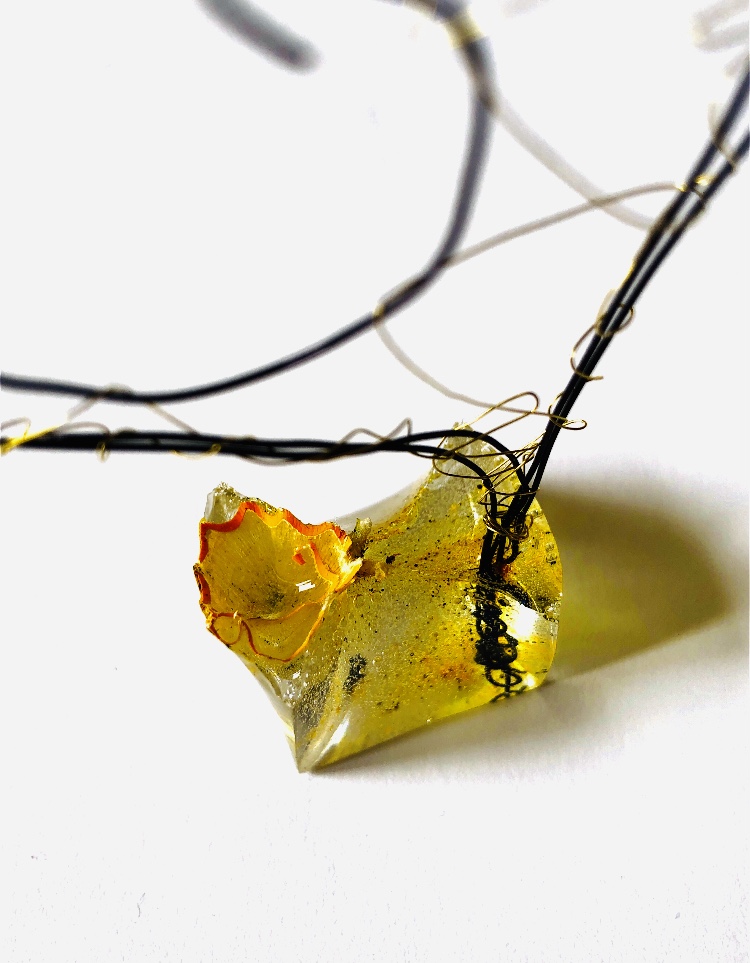
Fig. 10 Remembering my experiments with concrete I manipulated the silicone mold for this sample by winding string around to distort the shape. Yellow powder and a pencil shaving were added for colour and a wire shape made in response to one of my earlier drawings adds height and structure. This is a dramatic sample. The shape of the wire sculpture contrasts with the clear, glossy base. I also love the way it looks different from all angles and creates dramatic shadows.

Mixed Media for Textiles Part 5 A Final Piece Stage 3 Sample making (Colour palettes)

Considering ideas for my final piece, I wanted to try out some colour palettes from different sources.

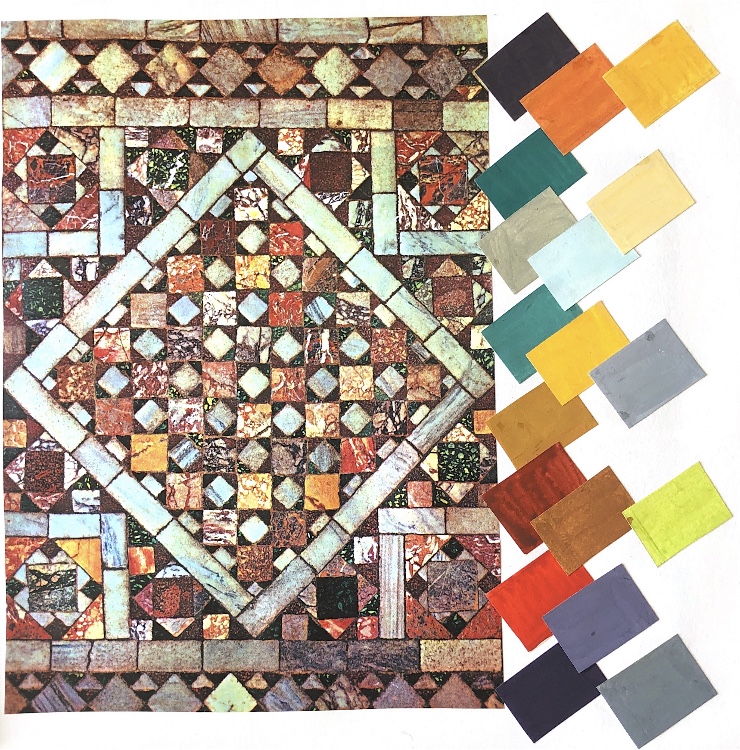
Fig, 1. Thinking of the theme of buried treasure, I found this image, torn from a magazine many years ago. I was struck by the cool, calm, colour scheme and the strong patterns and imagery. This could be inspiration for a plaster piece or for printing.

Sketchbook work

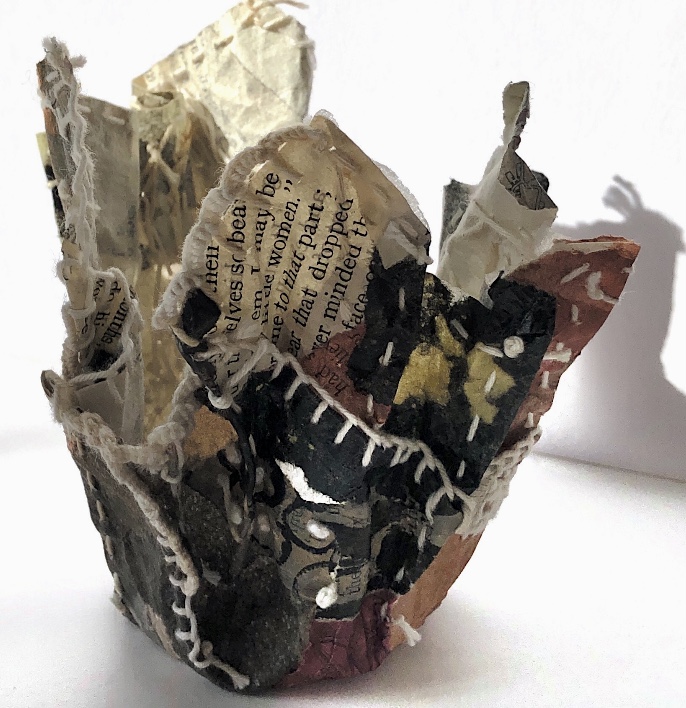
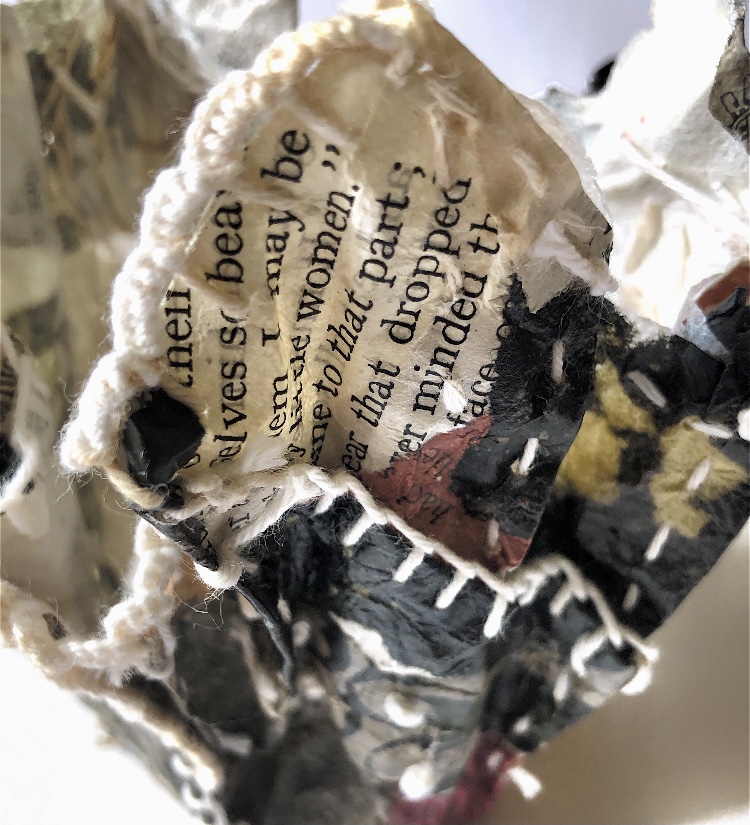
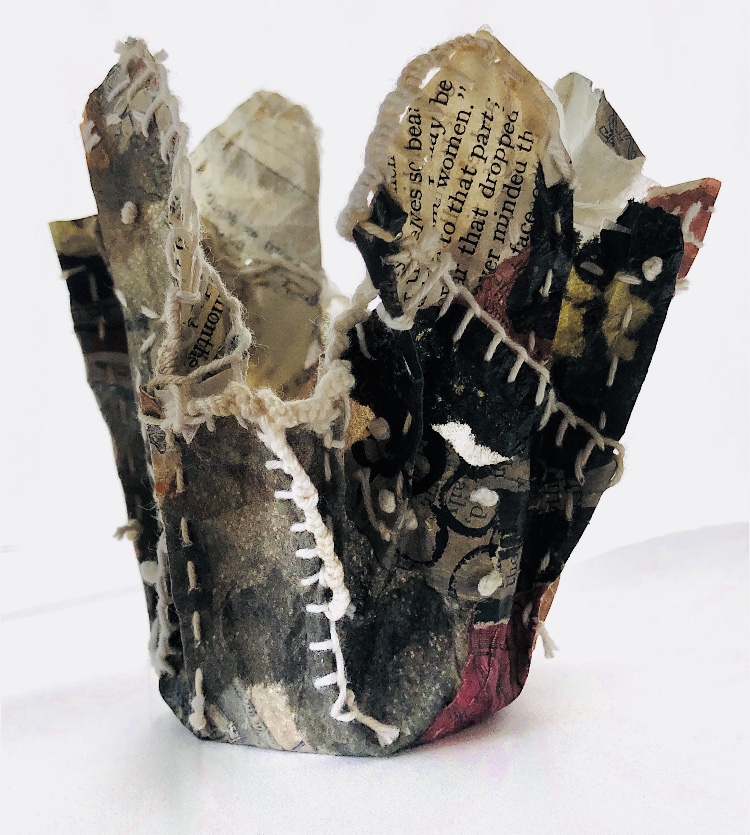
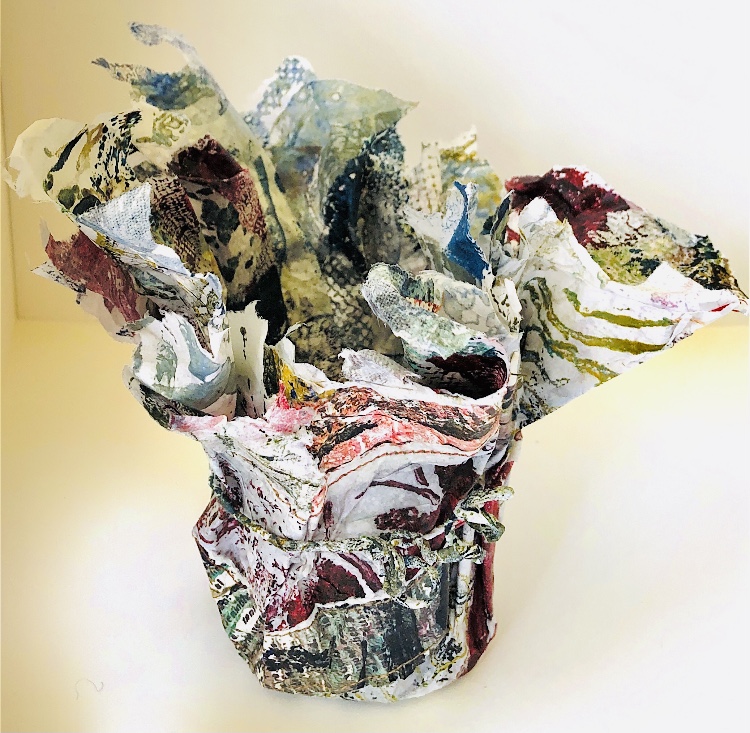
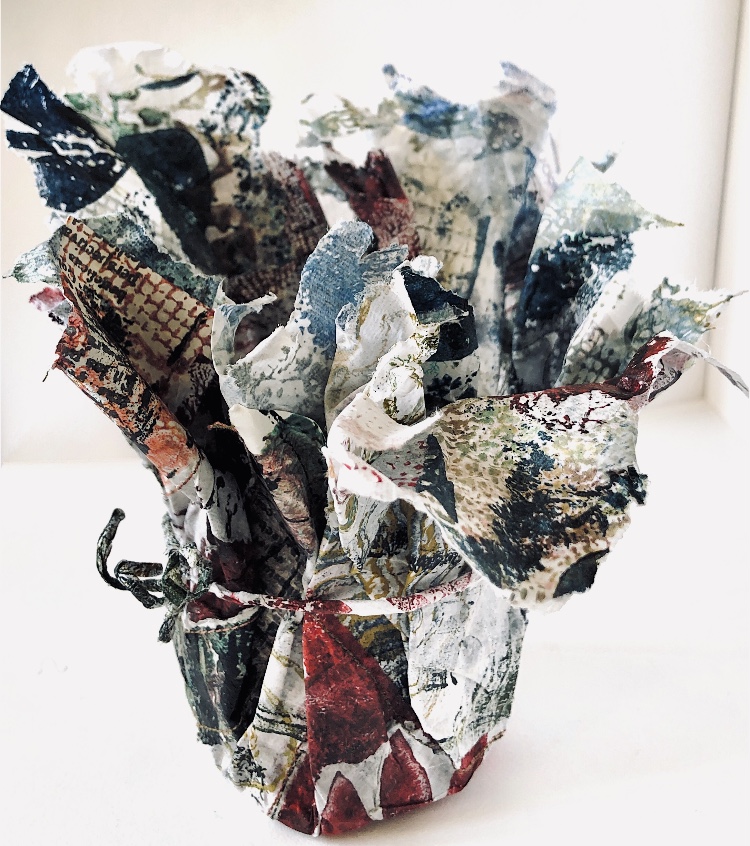
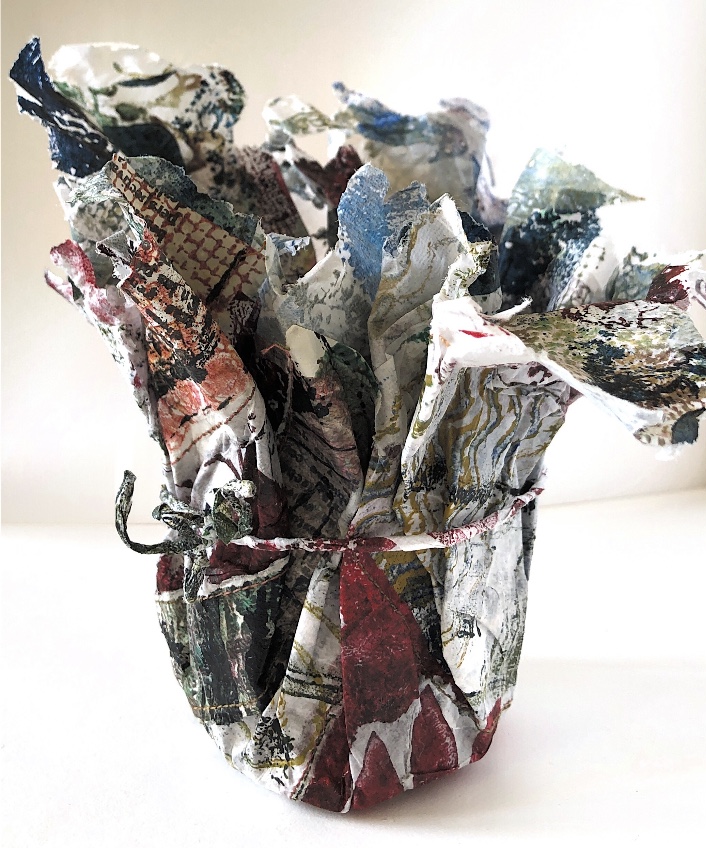
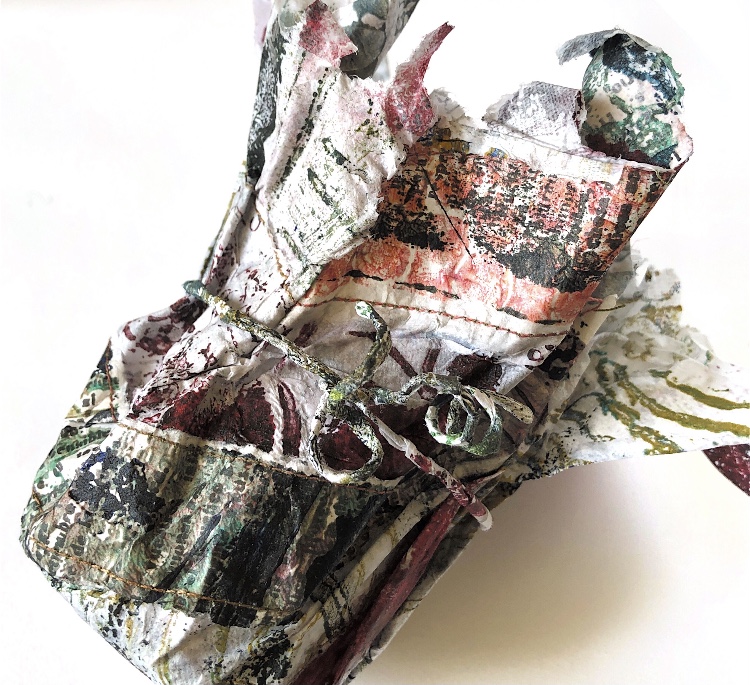
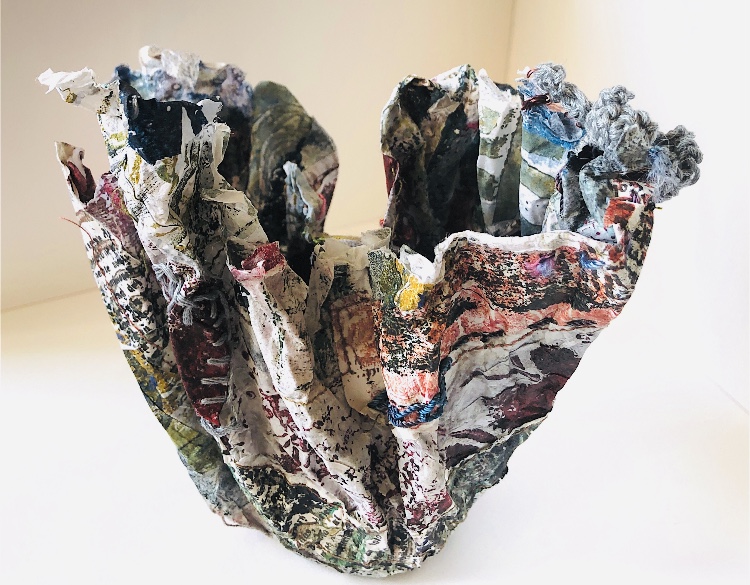
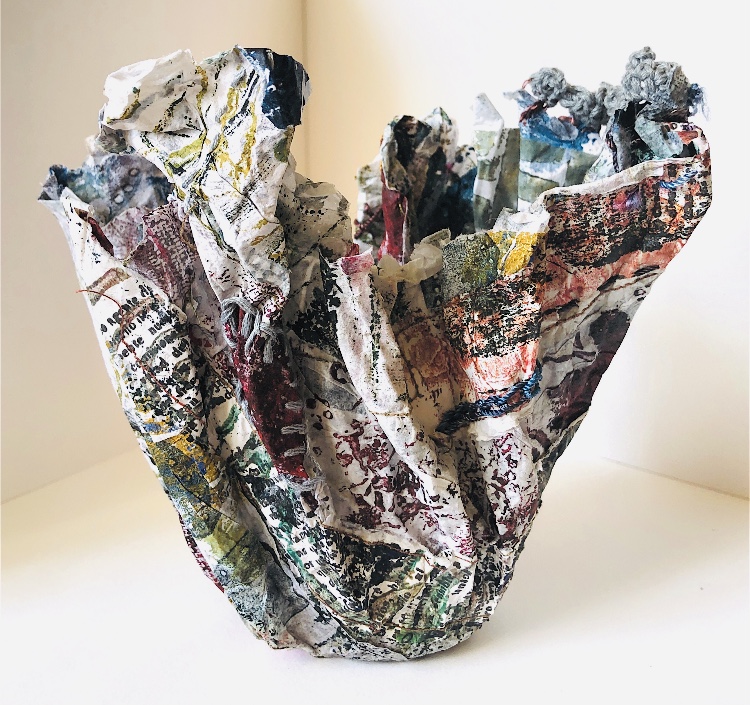
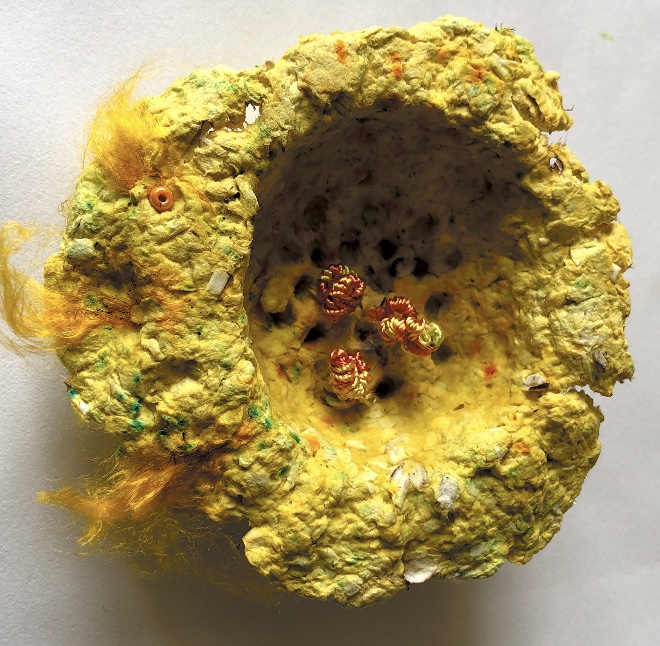
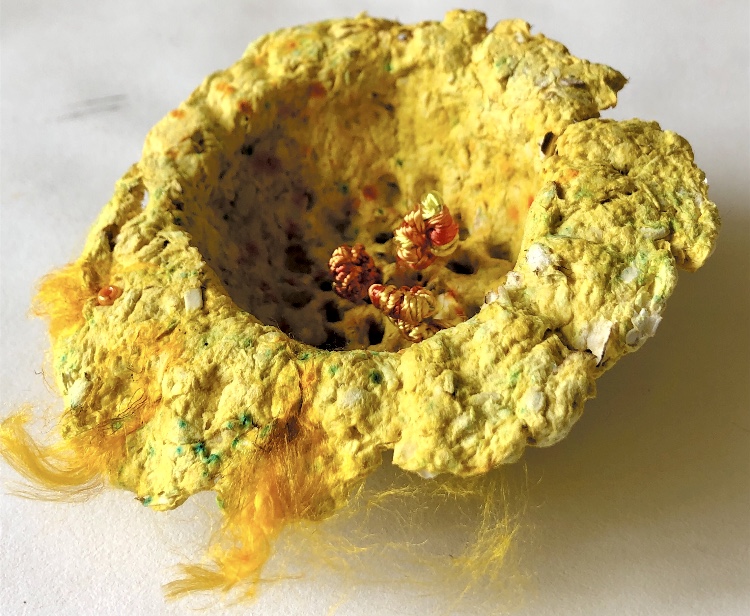
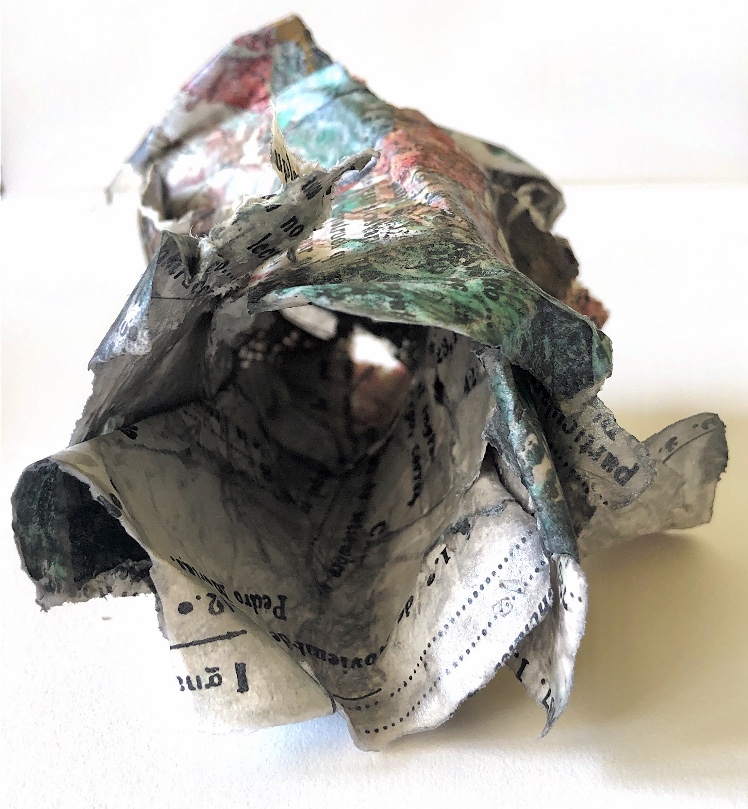
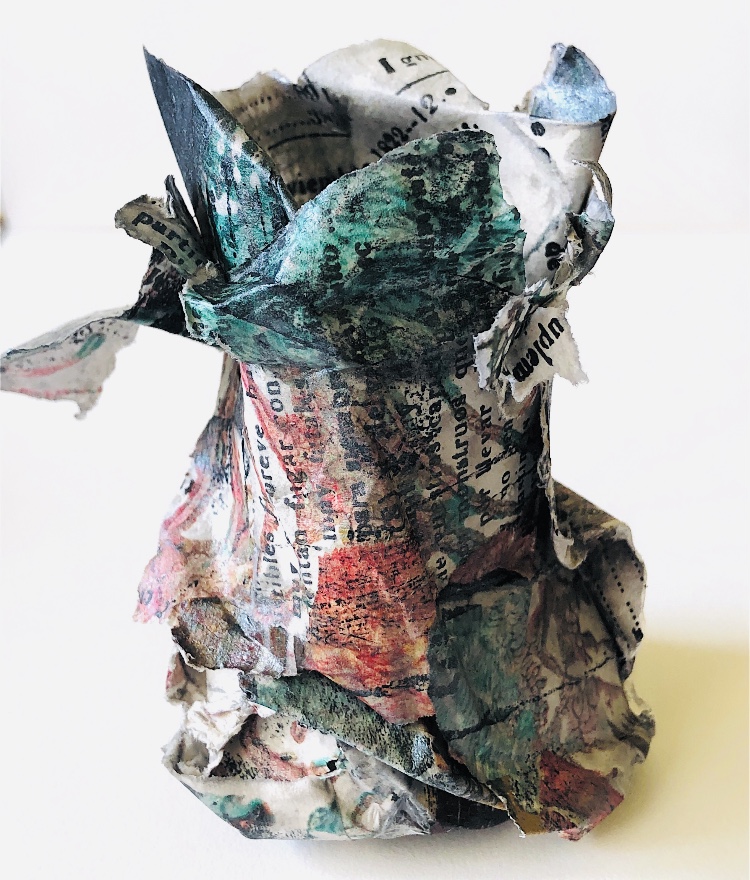
Fig, 2. Paper mache vessel inspired by Fig, 1. Printed paper and book pages with stitch.

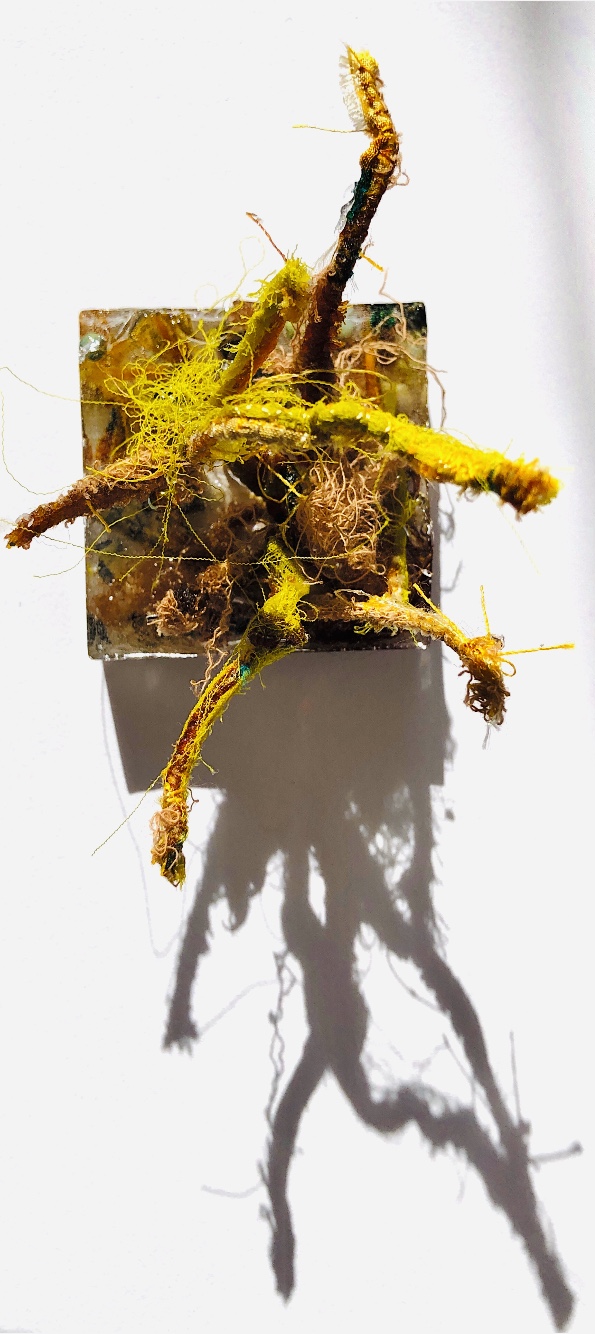
Fig, 3. I took these photos on. a Caribbean beach again many years ago. The yellows and purples make a vibrant colour palette with accents of lime green and pink. The textures, shapes and lines lend themselves to an organic theme with textured materials and 3D shapes.

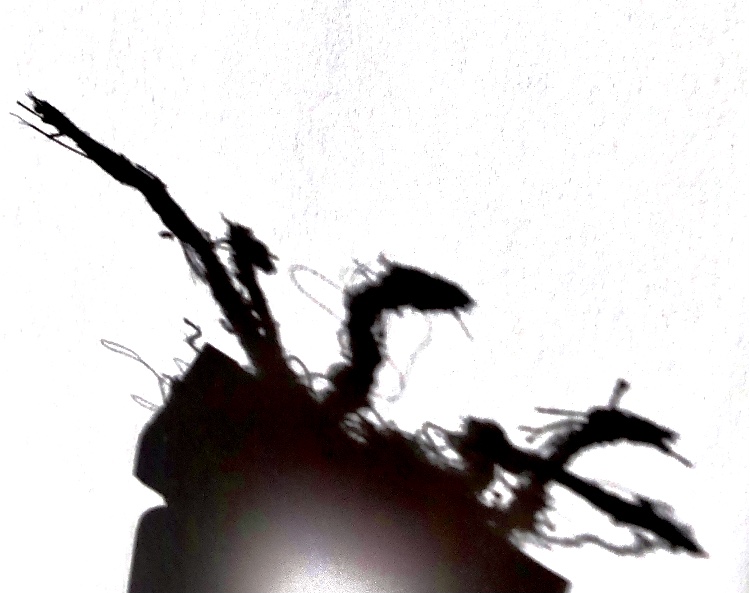
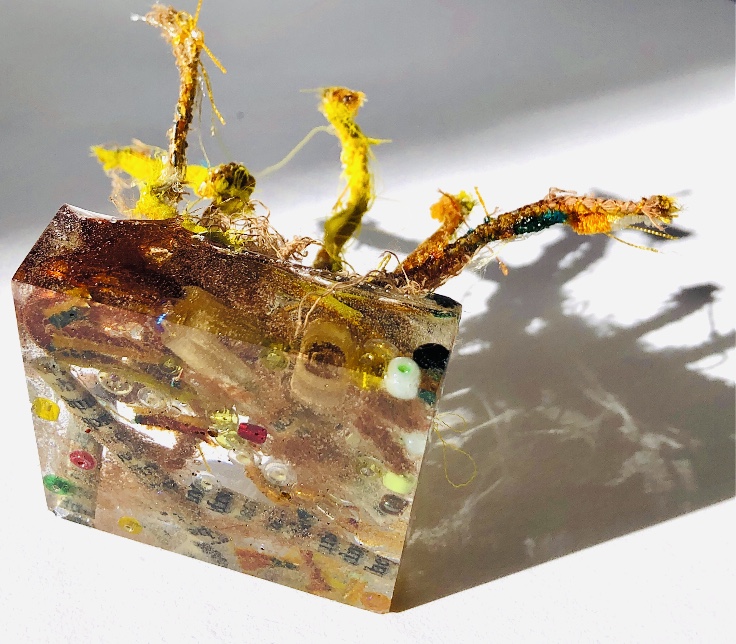
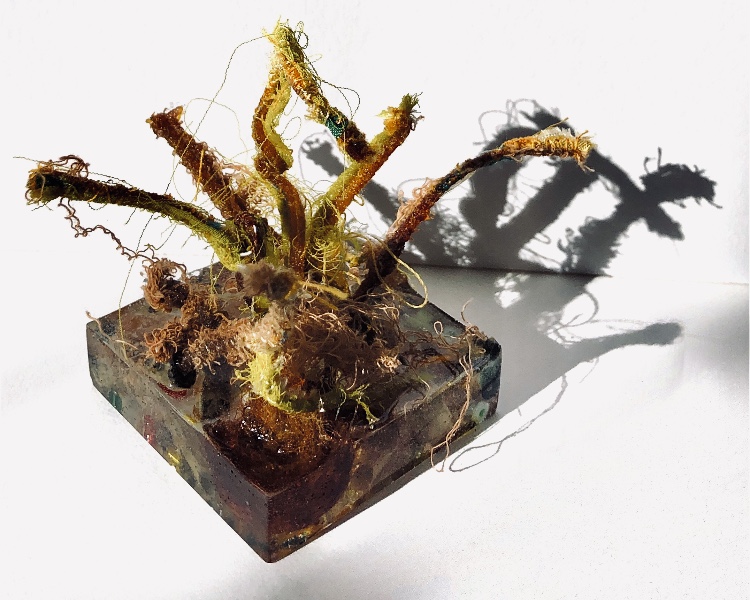
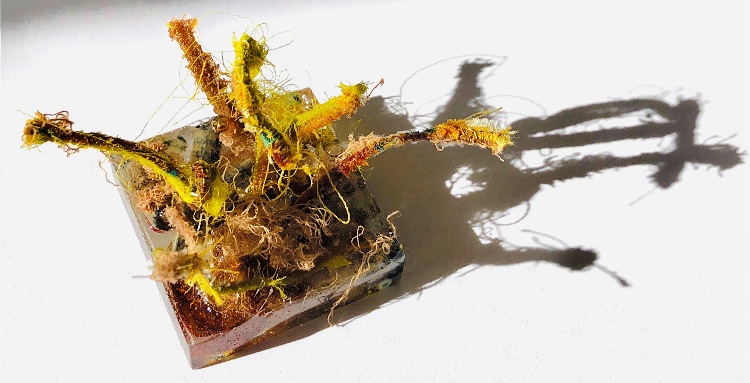
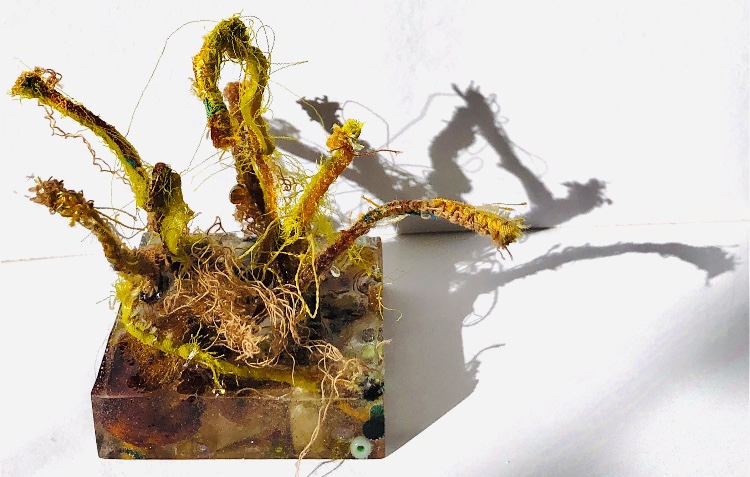
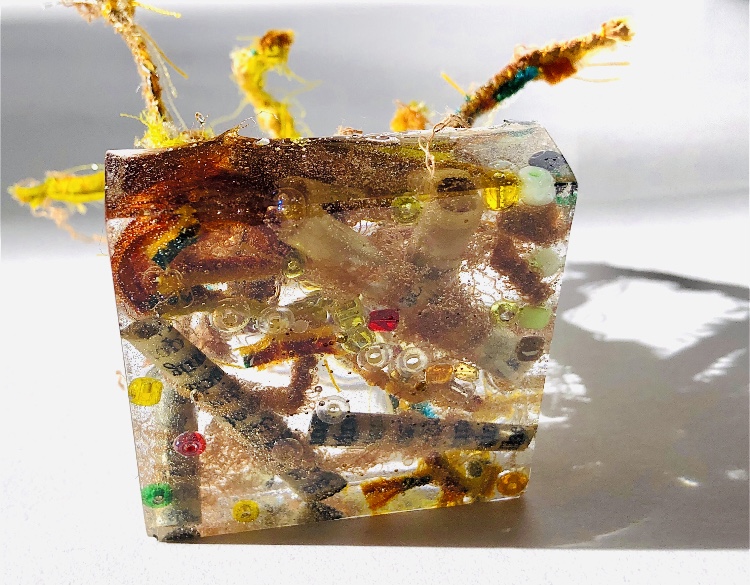
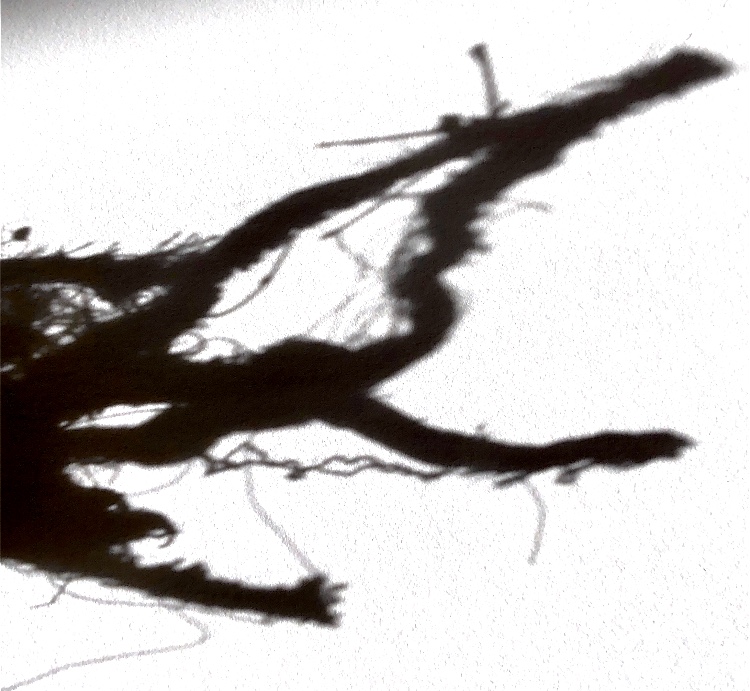
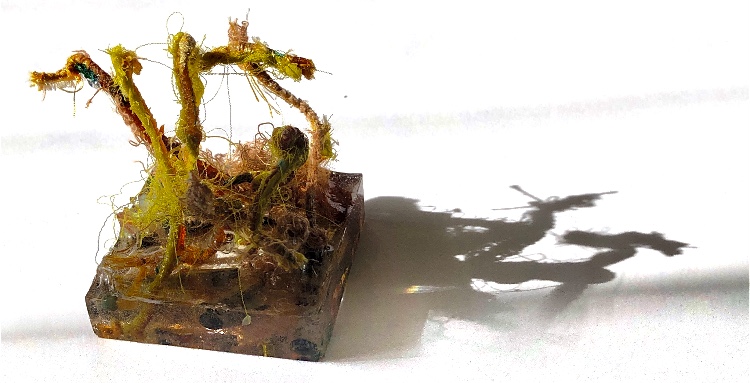
Fig, 4. Wrapped wire and resin sample inspired by Fig, 3. Wire wrapped with scrim and fabric, paper rolled beads, resin cast. I made good use of the sunshine while taking these photos – the shadows created spider like images to echo the wire protuberances which can be manipulated to make different shapes and lines.

Fig, 5. I have always loved tiles and kept this image torn from a magazine. The colours are bright and cheerful and I could imagine the tile shapes made in paper to be hand or machine stitched together.

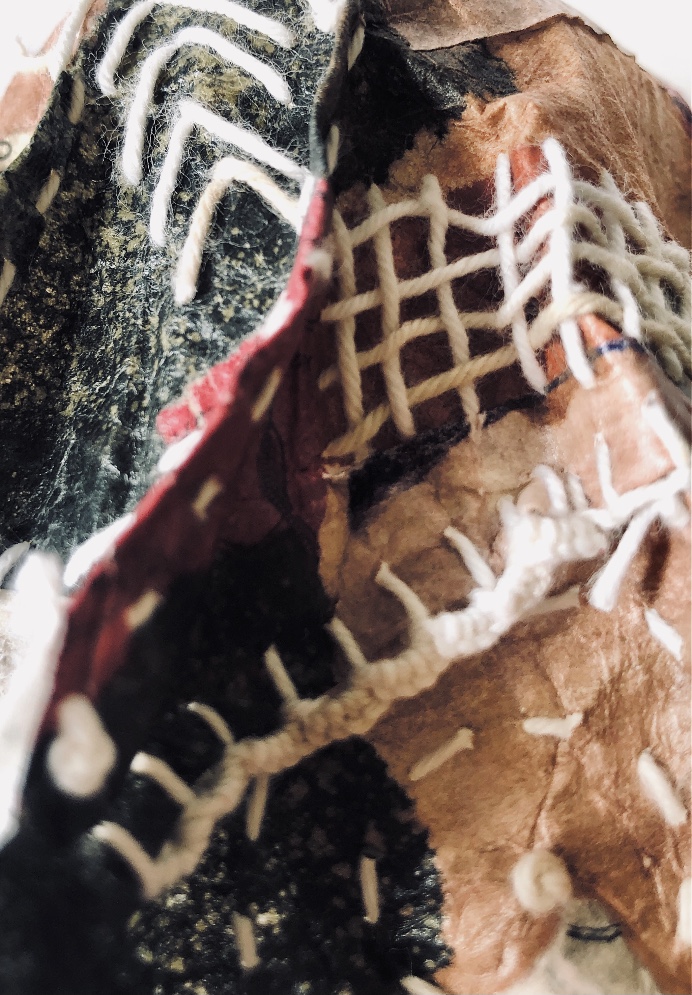
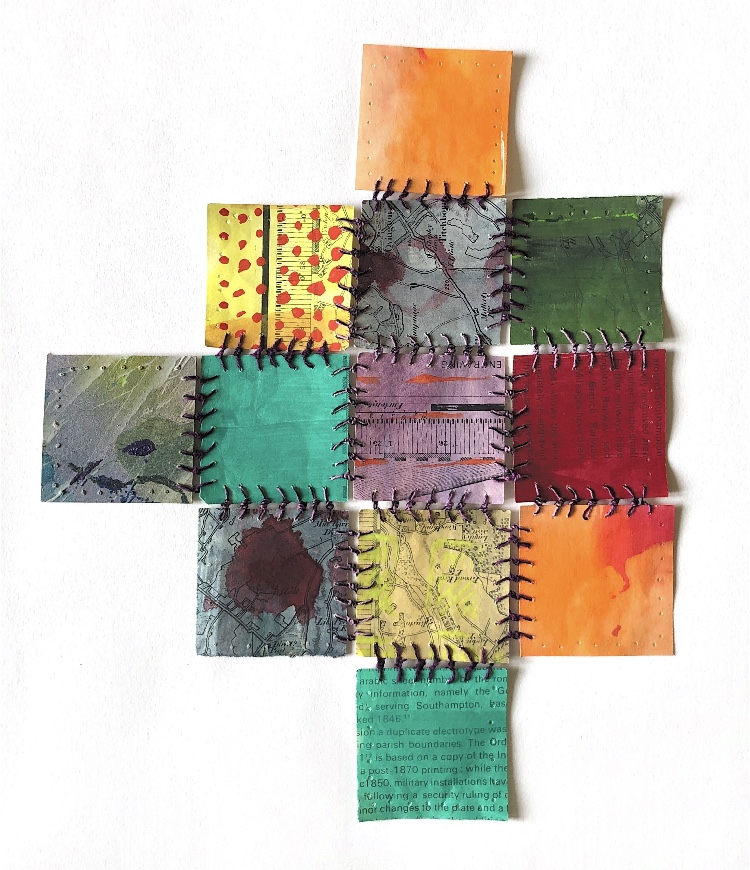
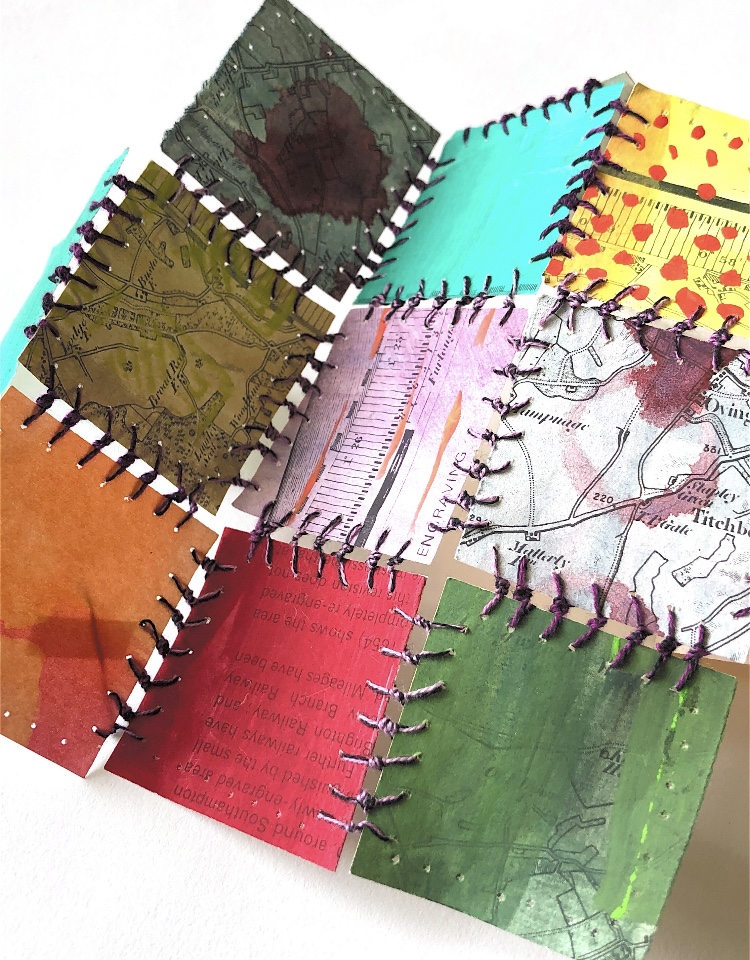
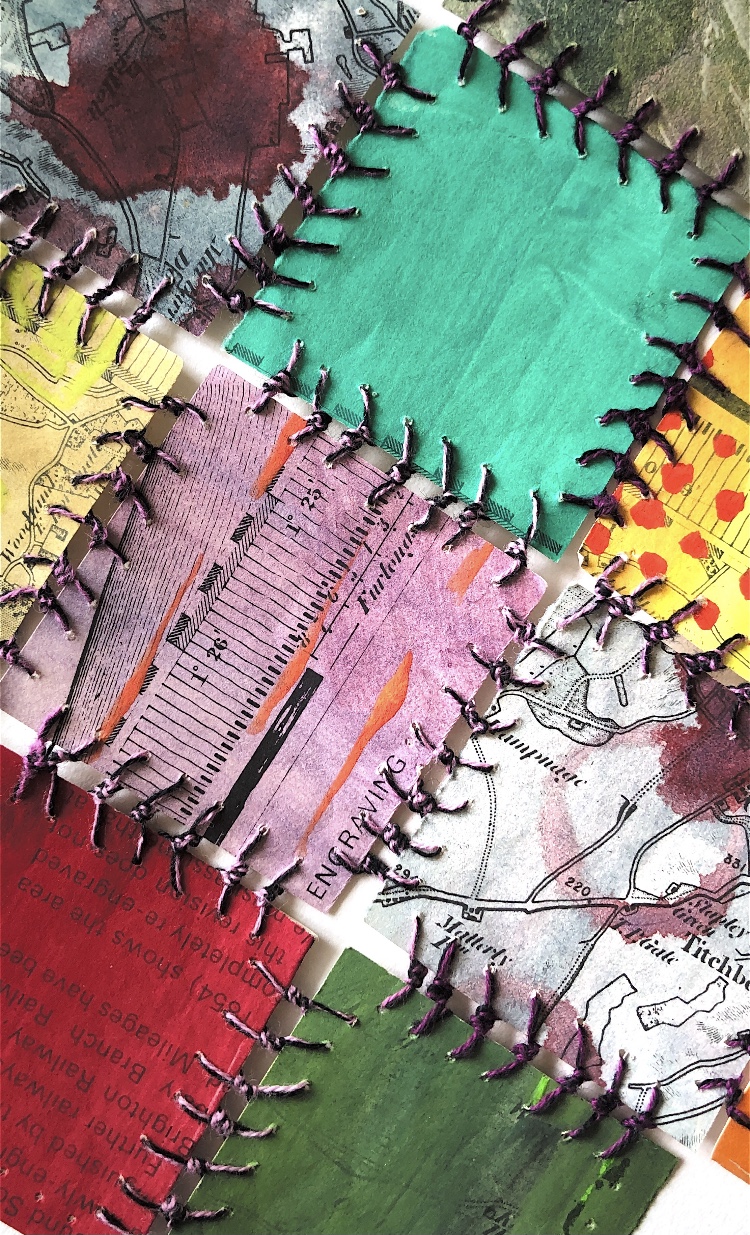
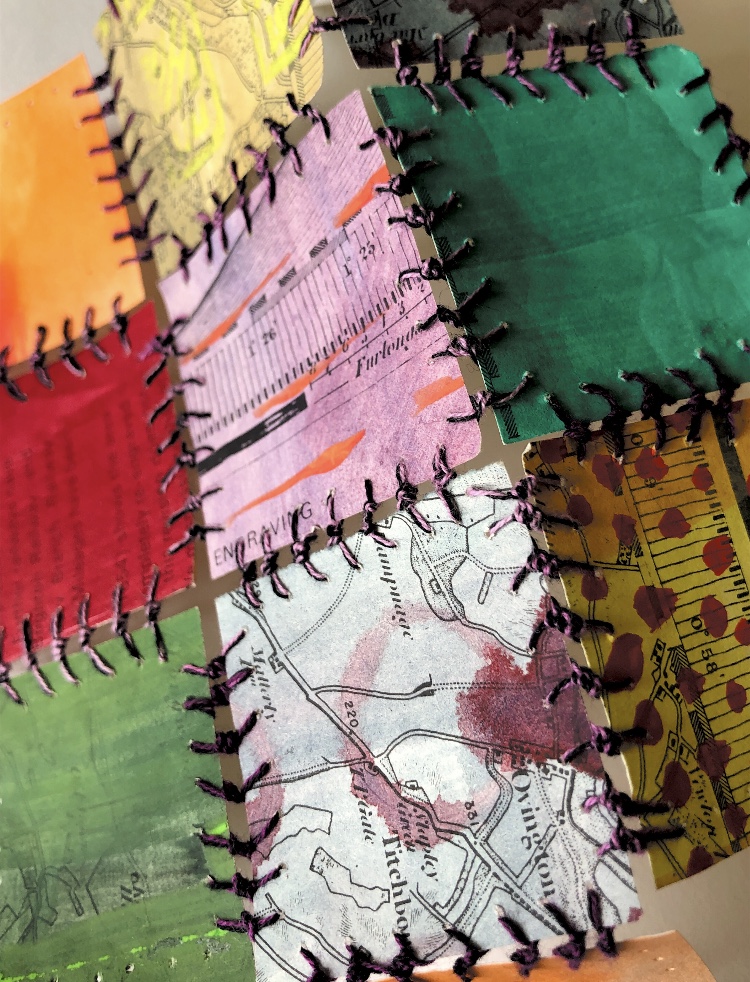
Fig, 6. Paper patchwork ‘quilt’ sample inspired by Fig, 5. Painted and printed paper cut into squares and joined with insertion stitch. The method of joining these squares means the sample can be manipulated into an undulating form. The colours are vibrant and happy.

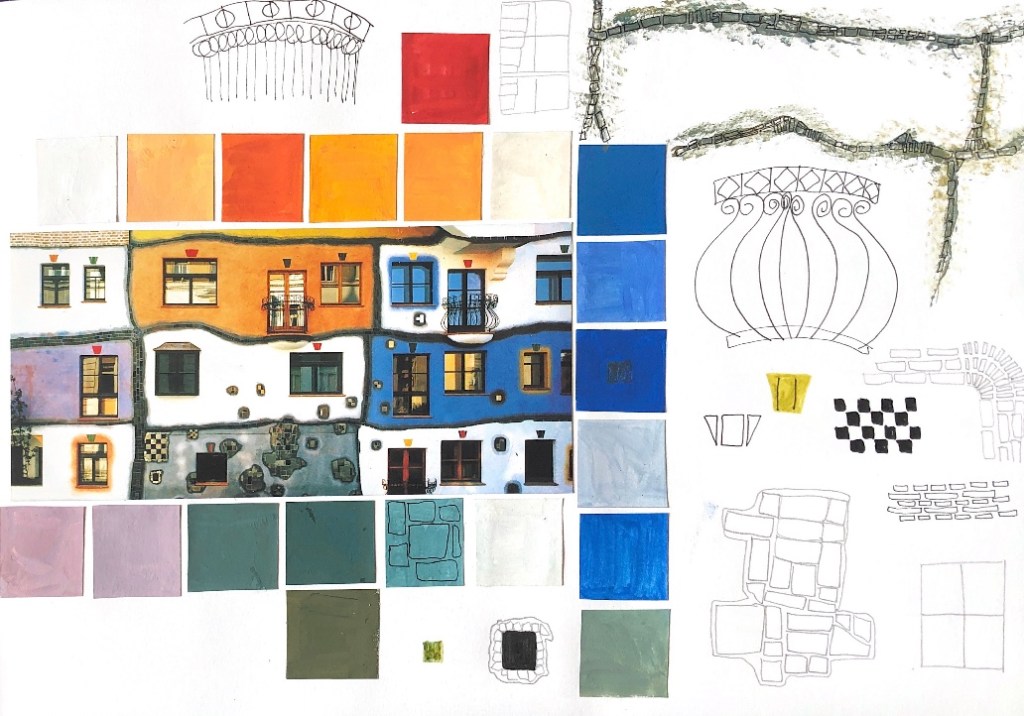
Fig, 7. This is a postcard with an image of Hundertwasser style houses. (See reverse of postcard below). I like the wavy lines of intricate brickwork separating the coloured walls and the bits of decoration dotted about. The windows are of various styles and the iron balconies are very decorative. This could be a fabulous starting point for printing. It uses soft and bold colours in a beautiful, warm, way, with a look of faded, washed out, sun-aged shades.

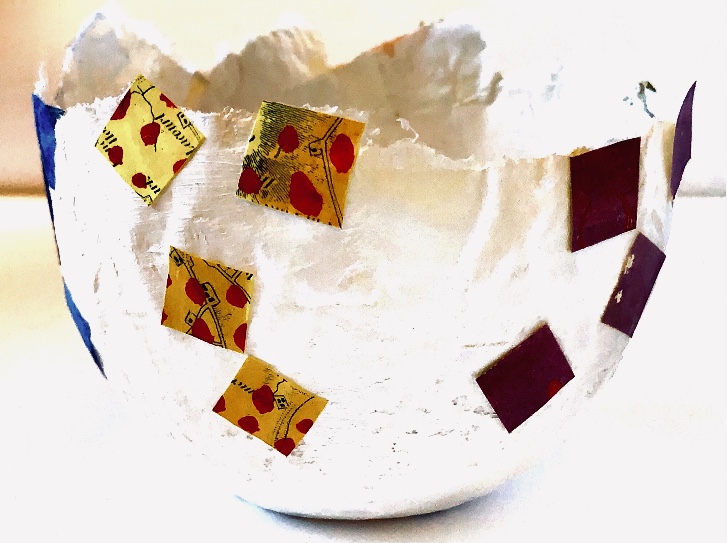
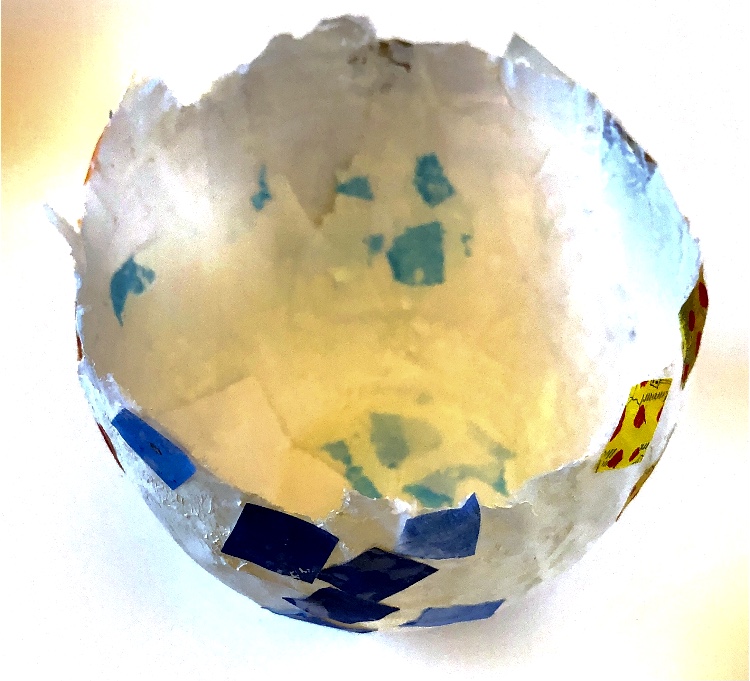
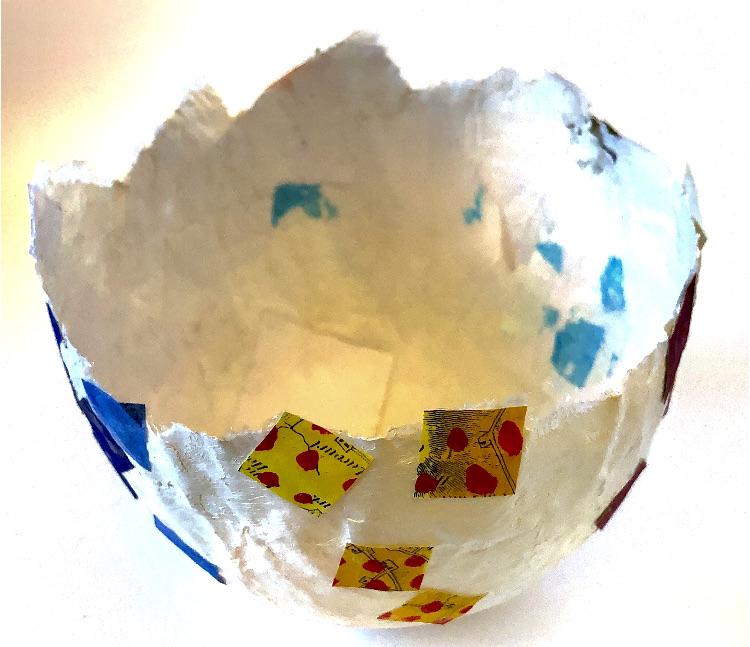
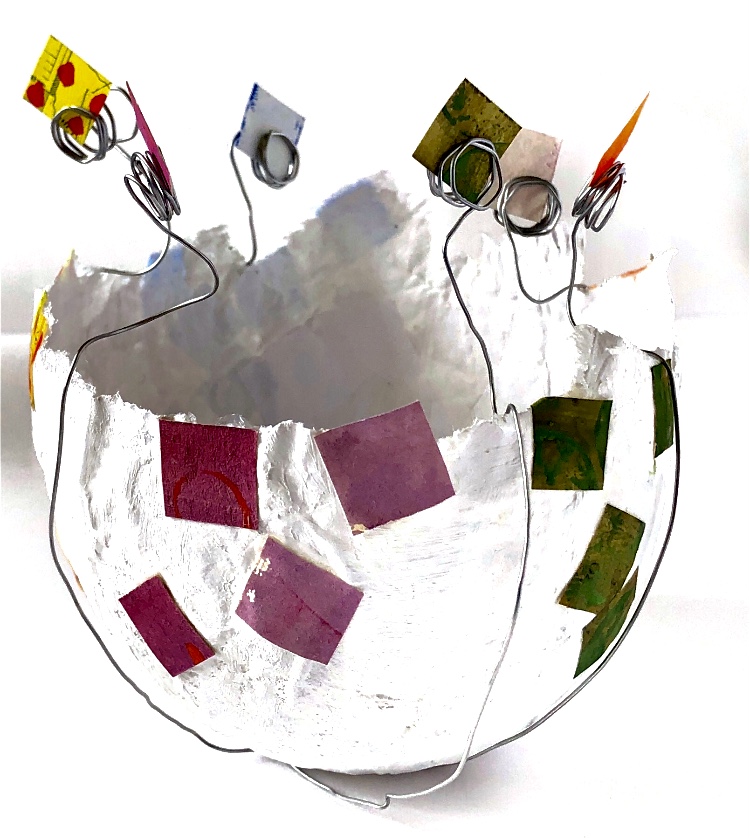
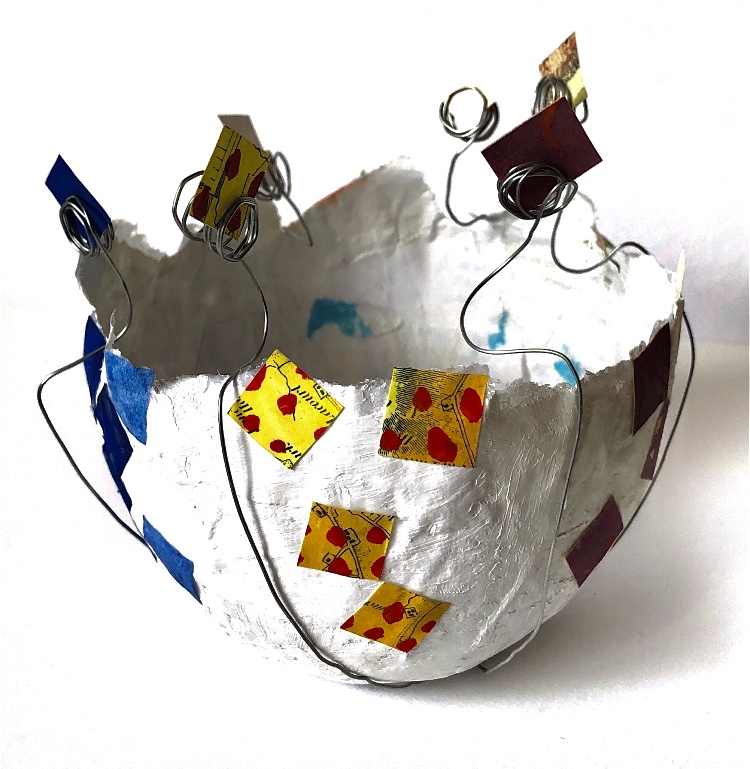
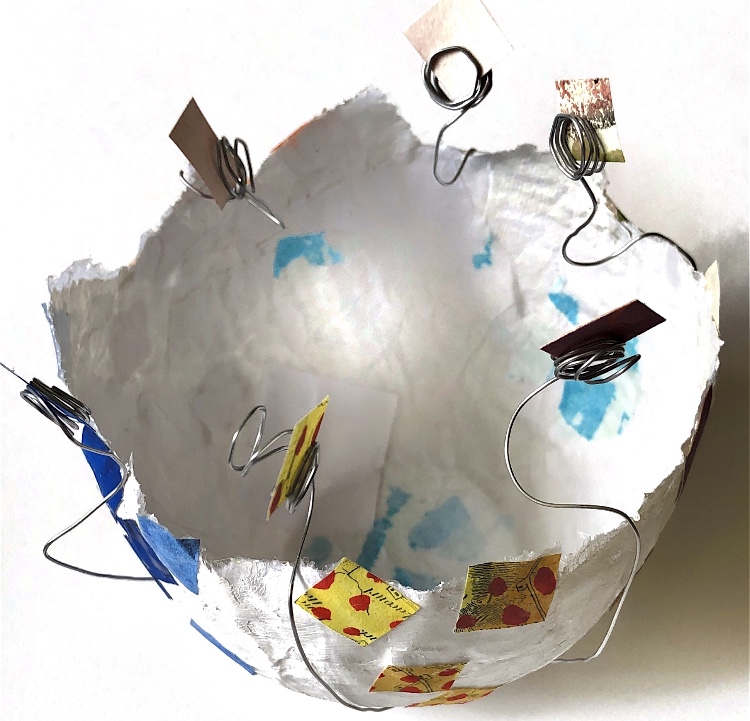
Fig, 8. Paper mache bowl inspired by Fig, 7. Torn white paper bowl covered with white acrylic paint and decorated with bright squares of colour.

Fig, 9. I added a wire cage inspired by the wire balcony in the Hundertwasser image.

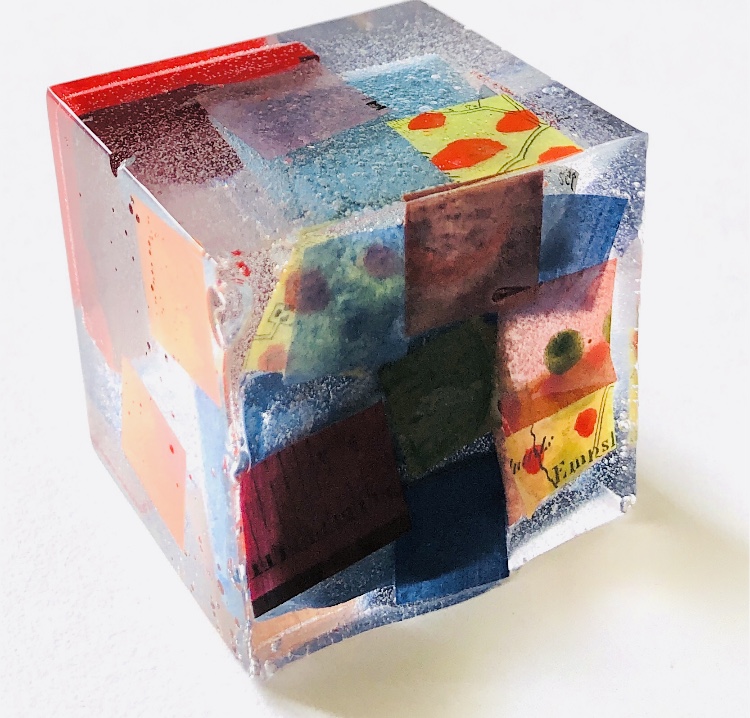
Fig, 10. These resin samples are inspired by Fig,7. They capture the feeling of the buildings with colour, architectural details and pattern.

I think that starting with colour ideas and images for inspiration has been a good starting point for me to work with.

Mixed Media for Textiles Part 5 A Final Piece Stage 3 Sample making (2)

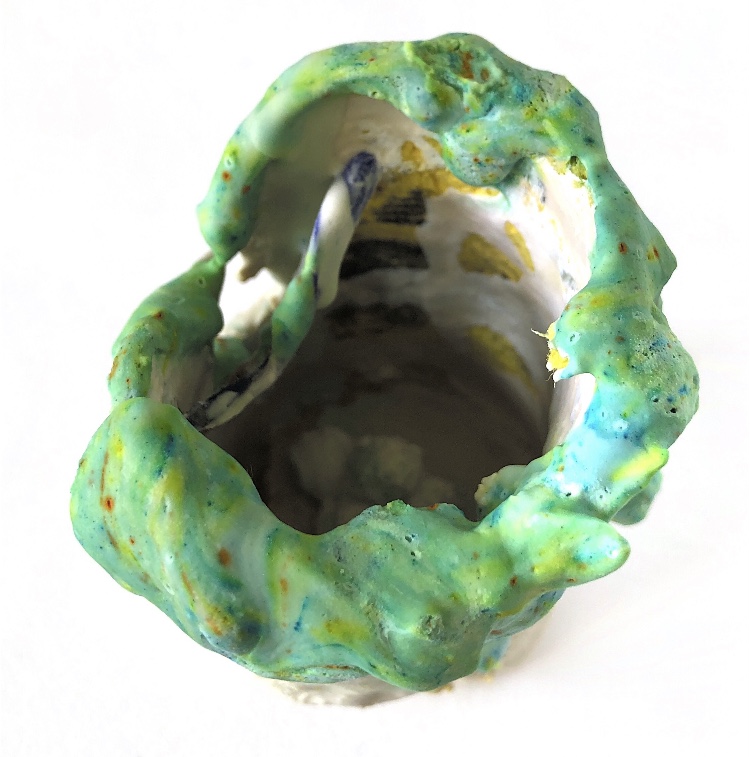
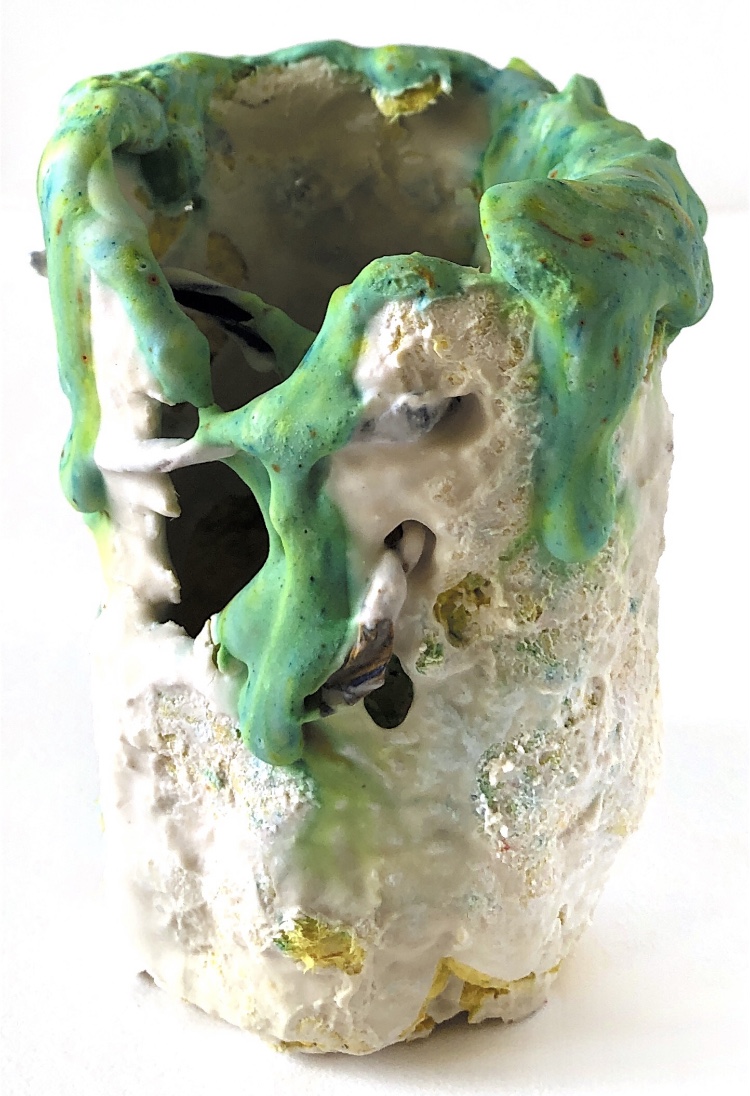
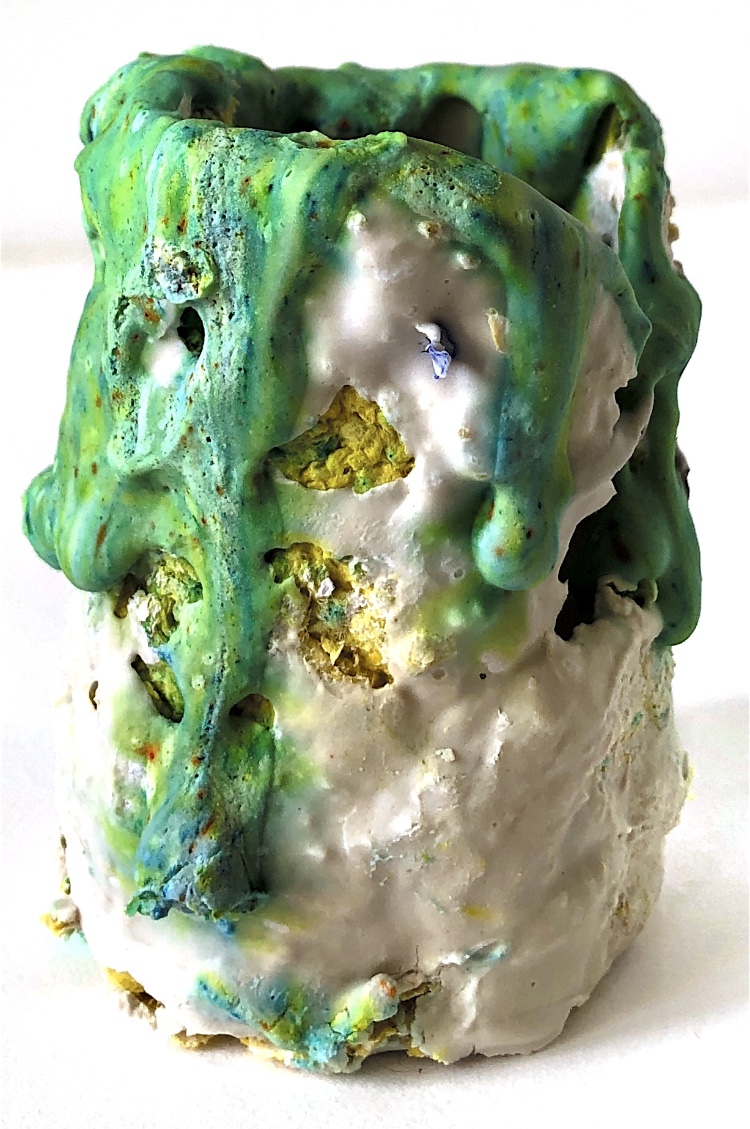
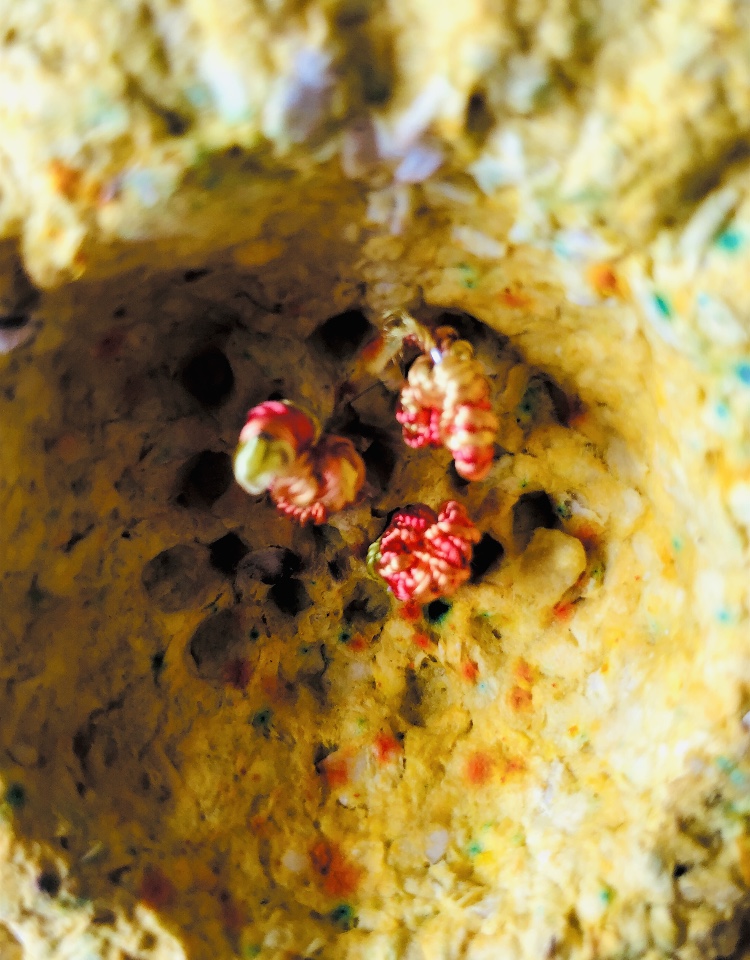
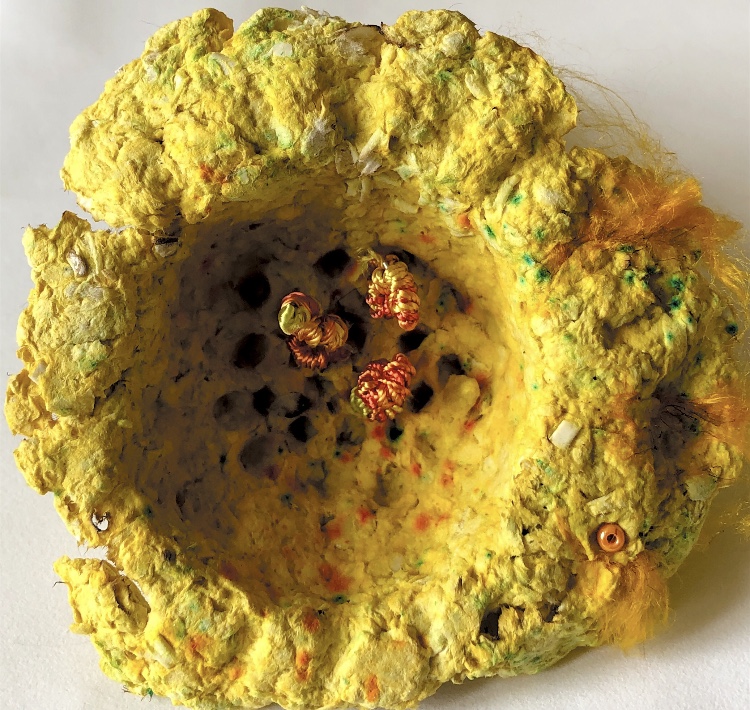
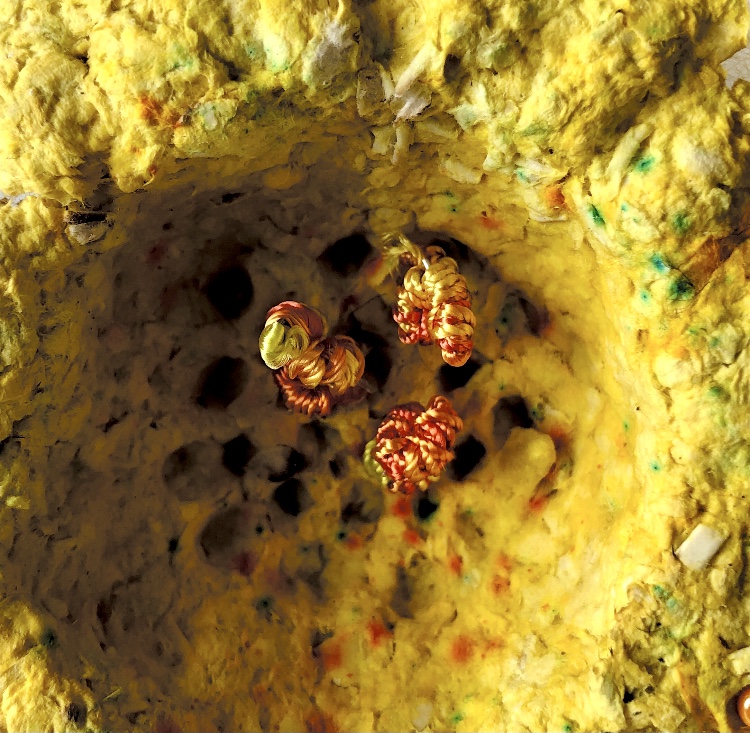
Fig, 1. Vessel made with paper mache pulp then dipped in runny Plaster of Paris. Thick green plaster dripped over. This is such a tactile piece, the green plaster is oozing down the sides like slime, and the small bits of paper pulp showing through look like yellow algae. This sample has ignited an interest in combining plaster with other materials.

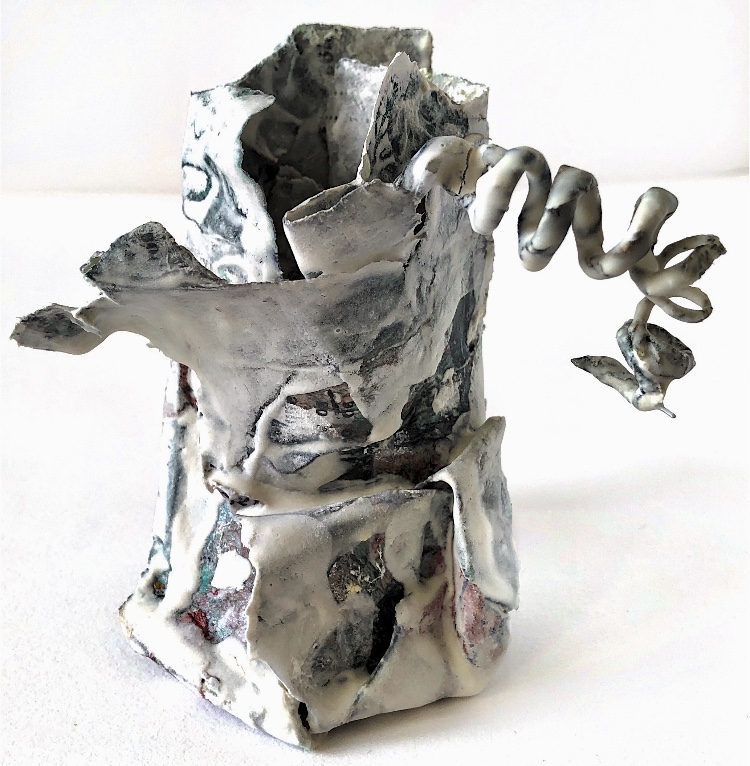
Fig, 2. Paper mache sample dipped in runny Plaster of Paris. The runny plaster solution produced a different effect. I like the before and after samples and apart from changing the colour to monochrome I’m not sure this experiment added anything to the sample.

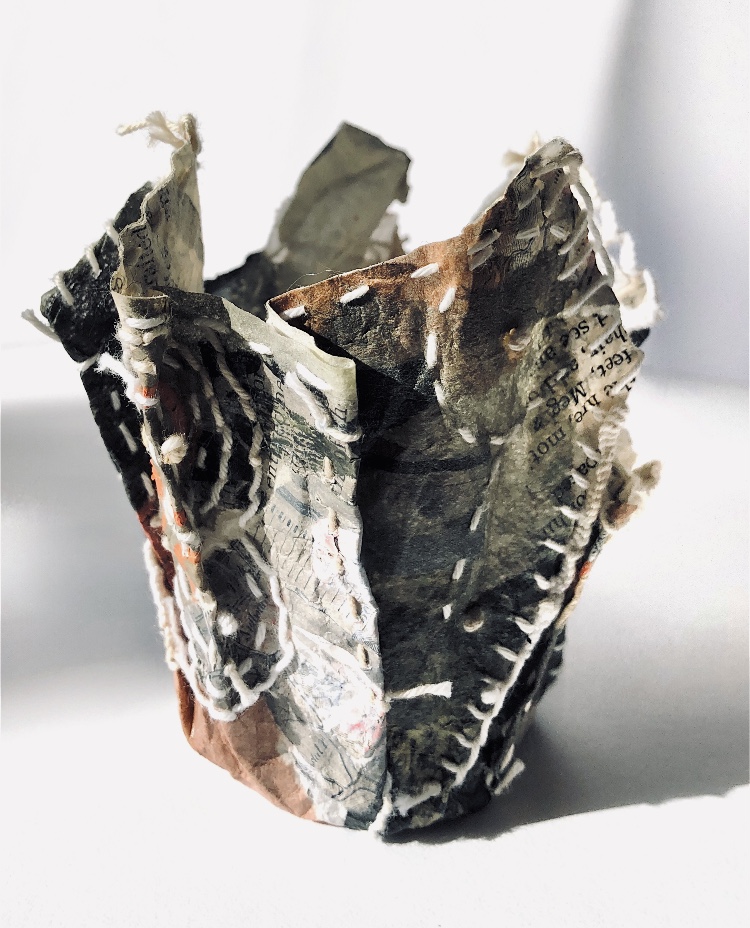
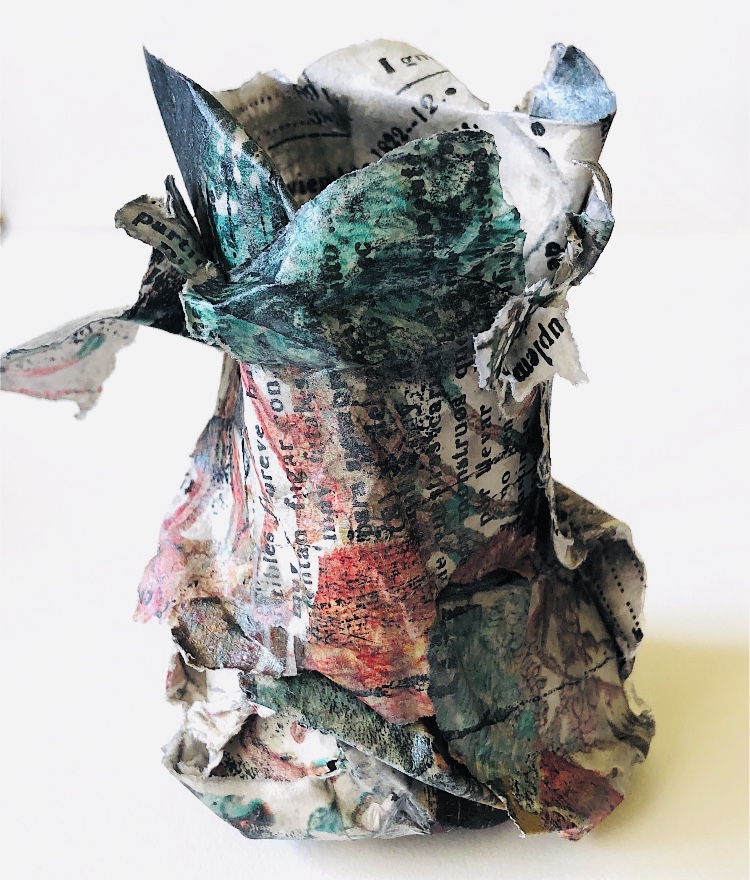
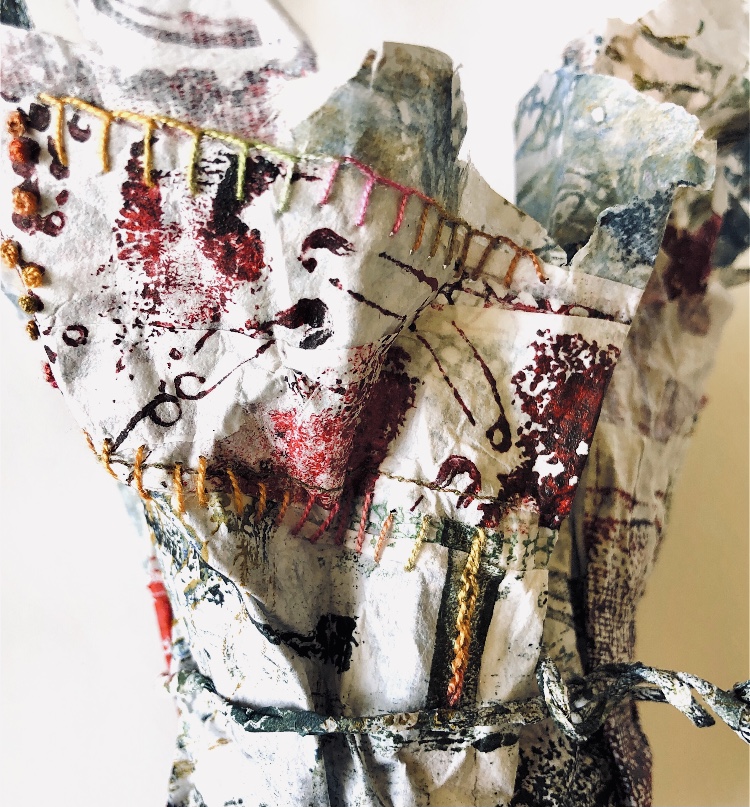
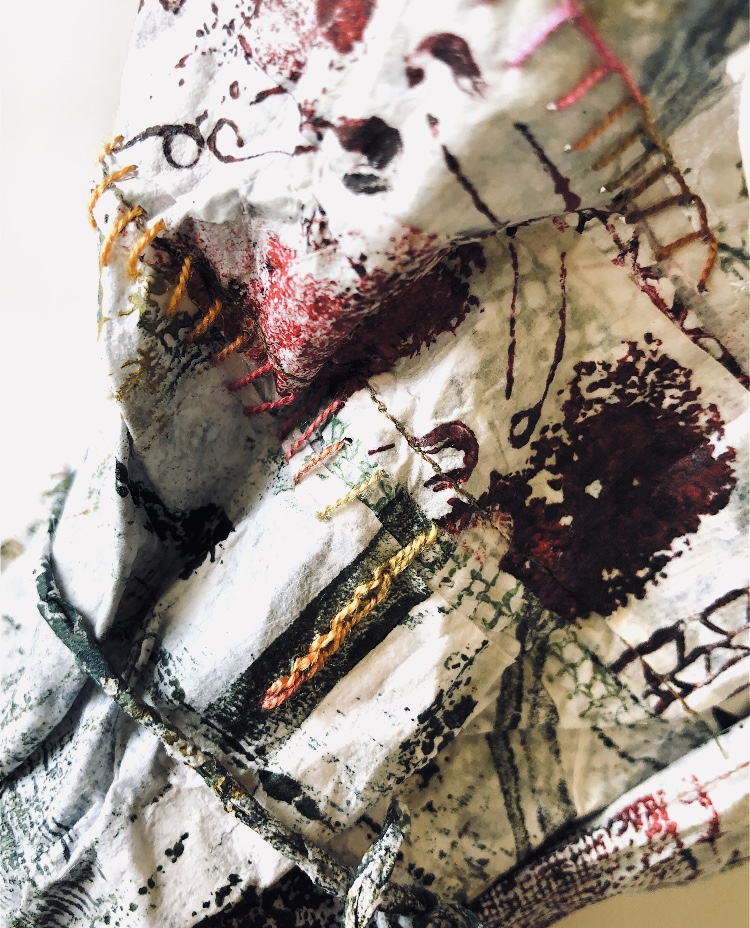
Fig, 3. Paper mache made with torn paper, machine and hand stitched, formed into a vessel by scrunching. Following my previous experiments with torn paper mache, I made a flat sample and added embellishment before scrunching into a shape. This technique could be taken to extremes with stitch and shape and I feel is one of the experiments I would like to develop further.

Mixed Media for Textiles Part 5 A Final Piece Stage 3 Sample Making (1)

I thought I would have a play with the materials and combinations of them before deciding what to do next.

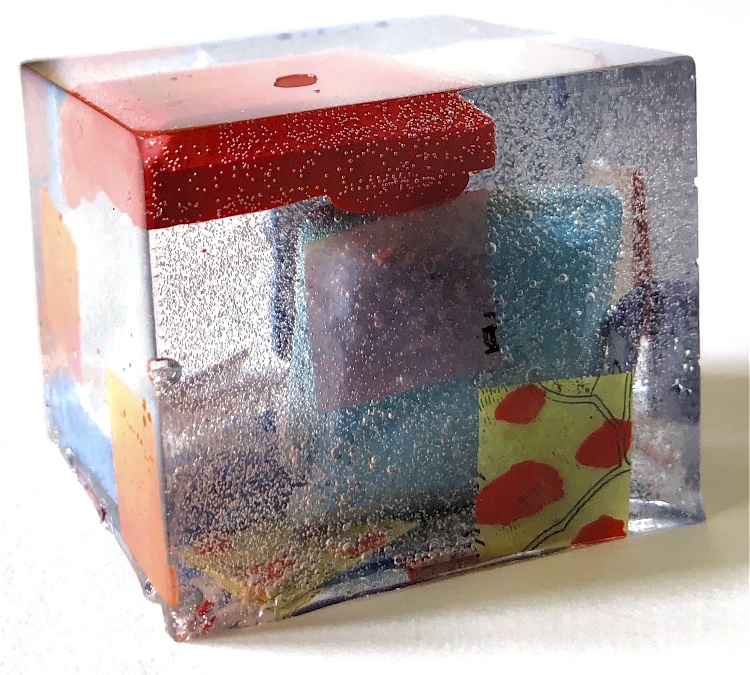
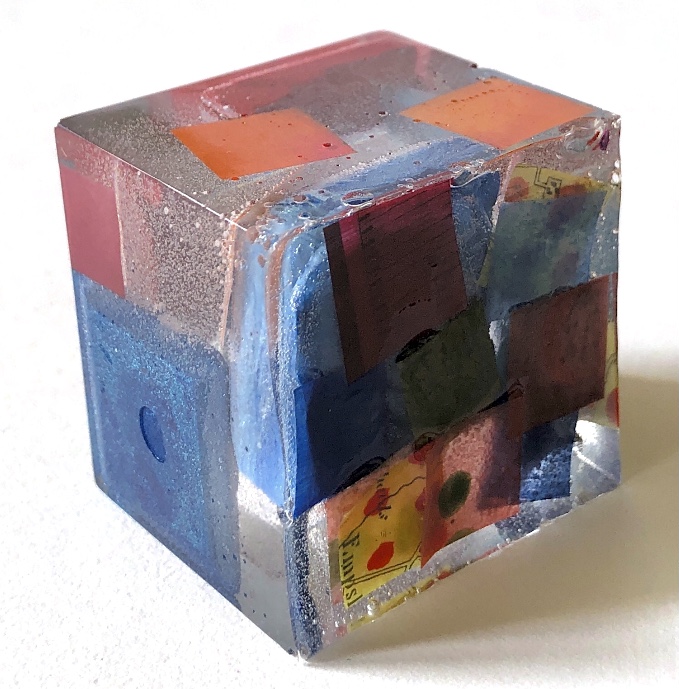
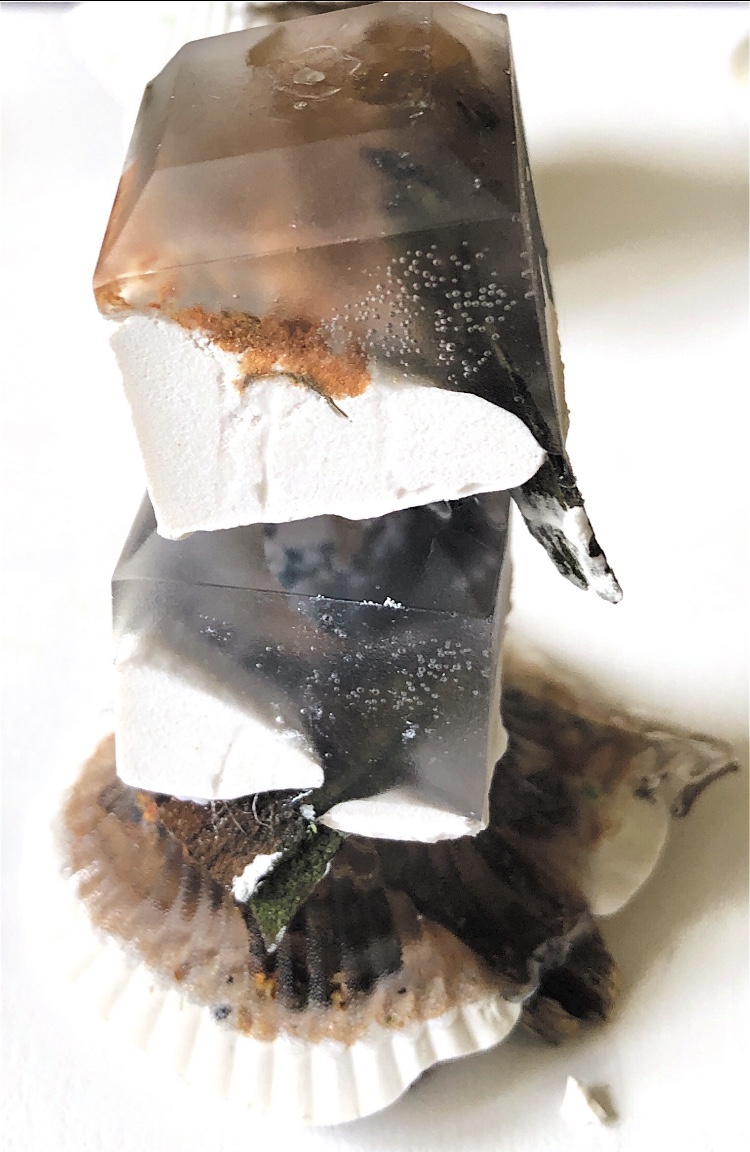
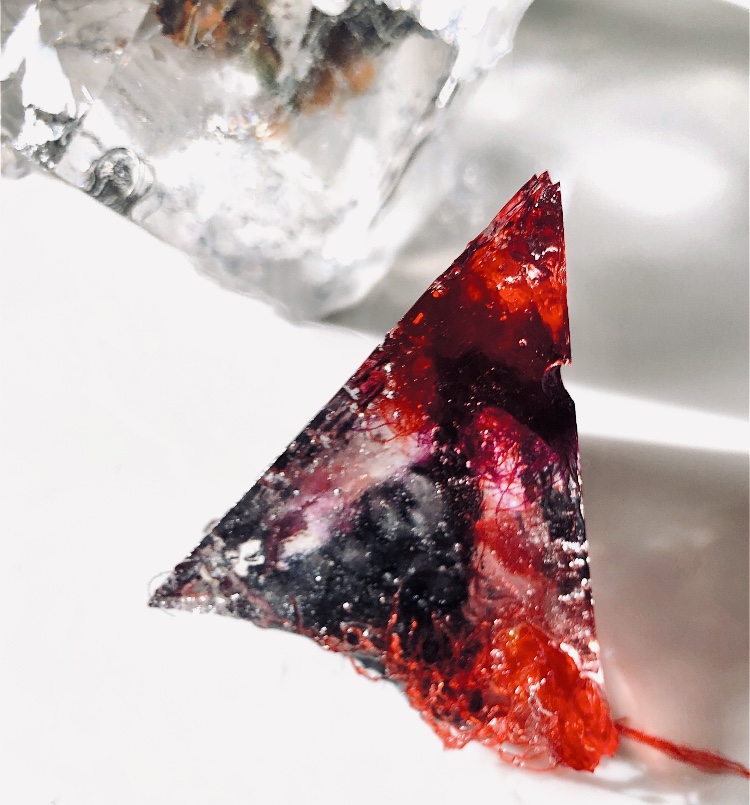
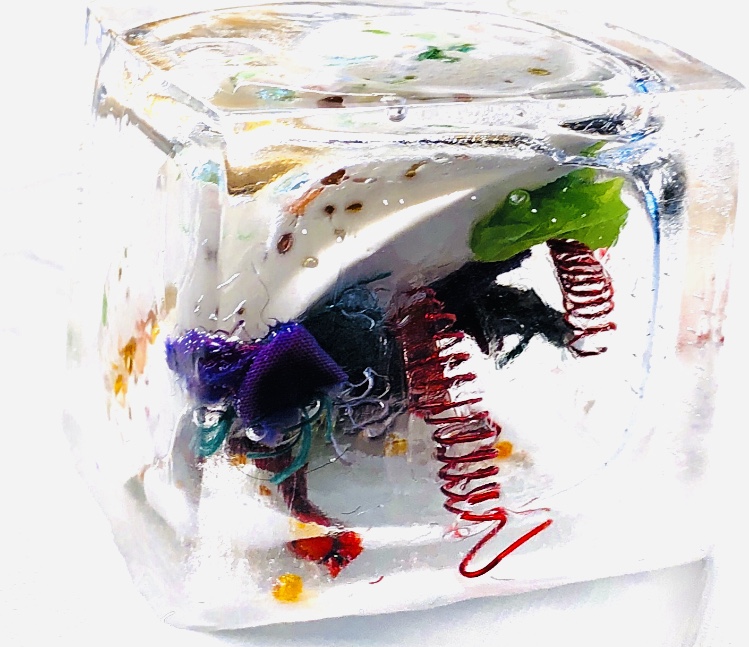
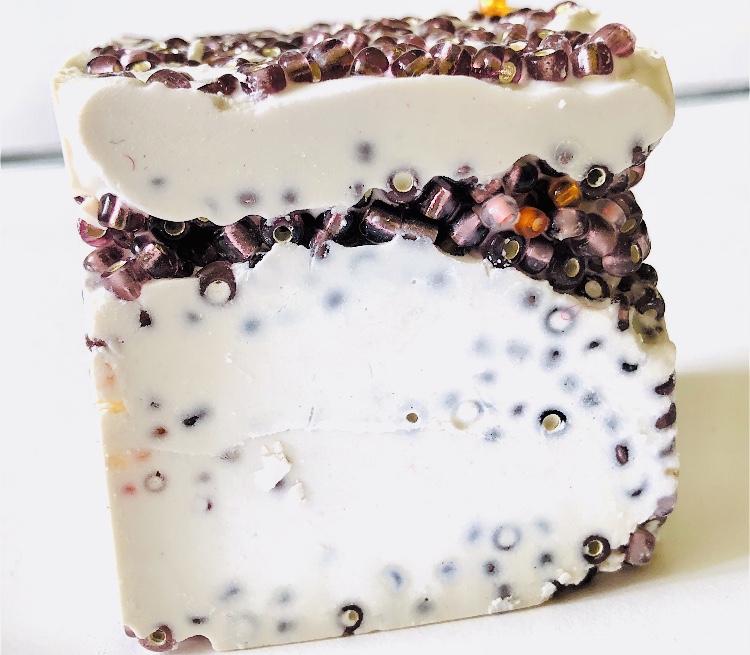
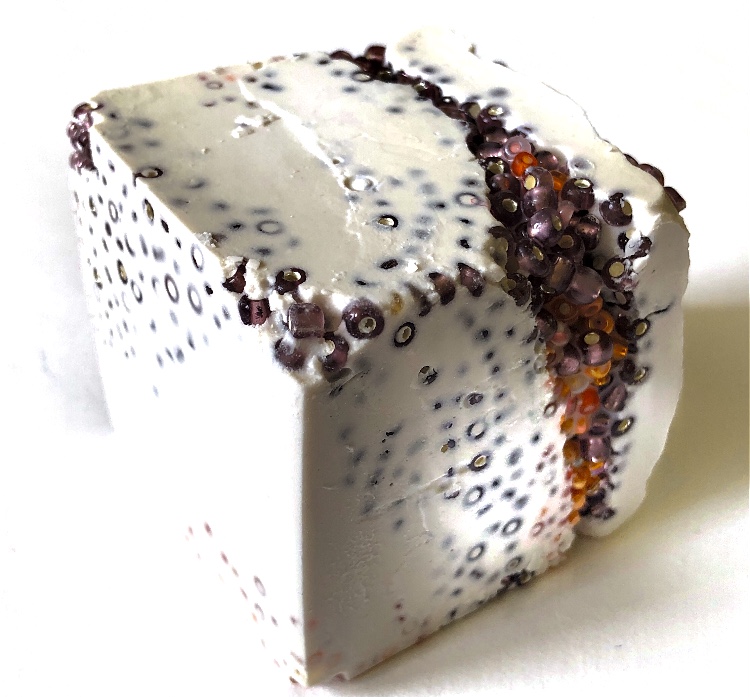
Fig, 1. I combined plaster with resin and introduced ink to the resin. Natural objects such as bits of twig and seeds, were included in the casts, along with wire, tissue paper and fibres.The inks seemed to dull some of the resin shapes, making them cloudy and murky.

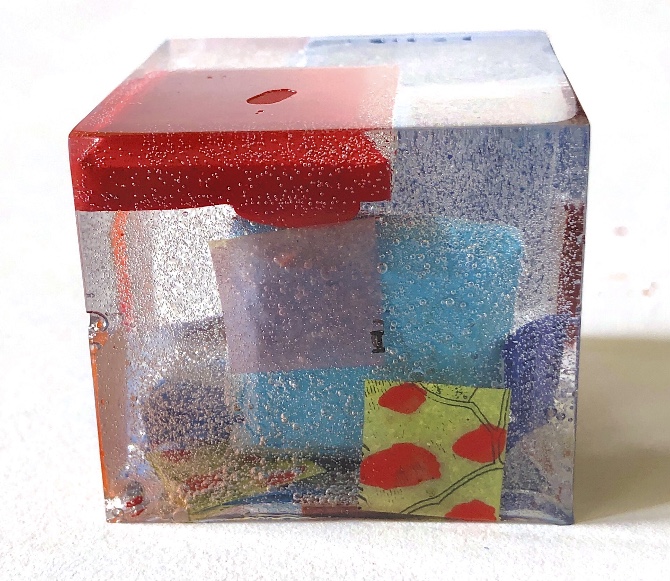
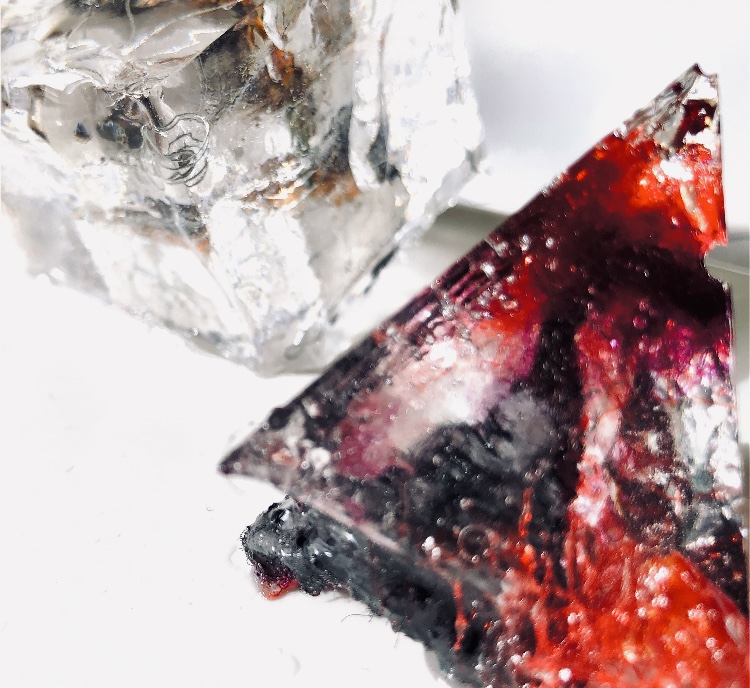
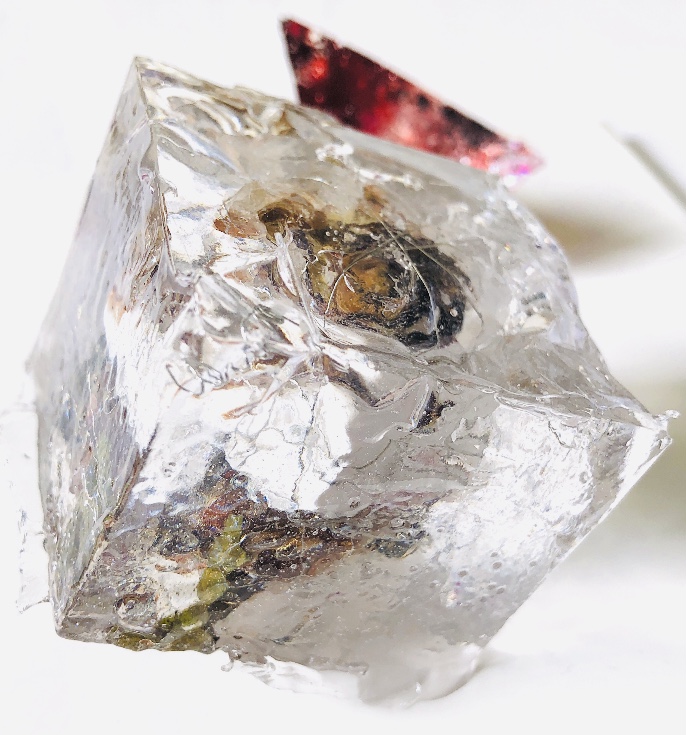
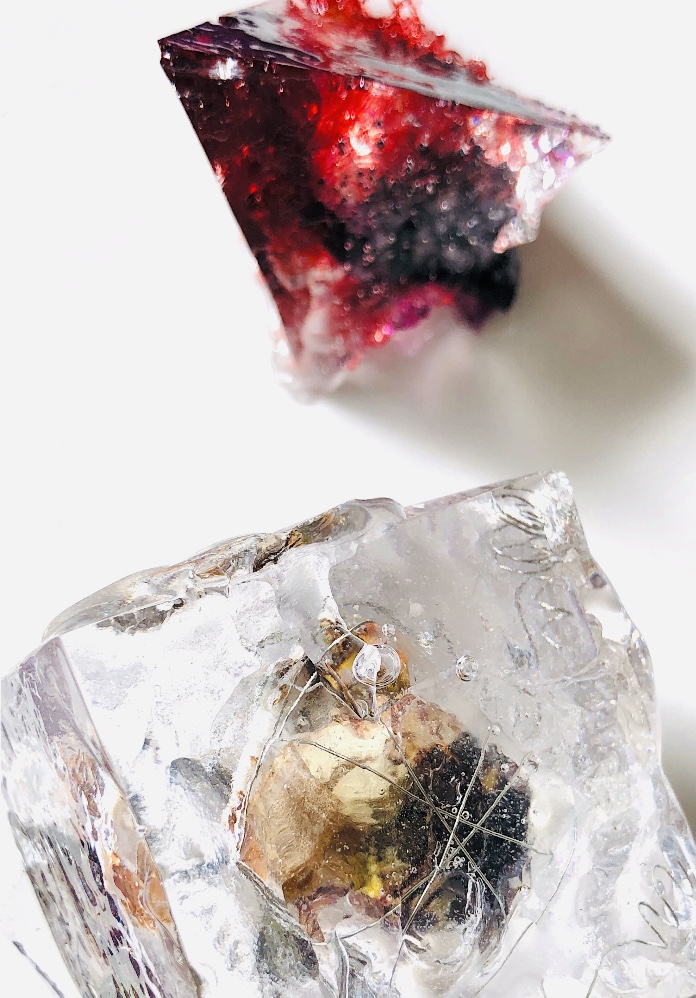
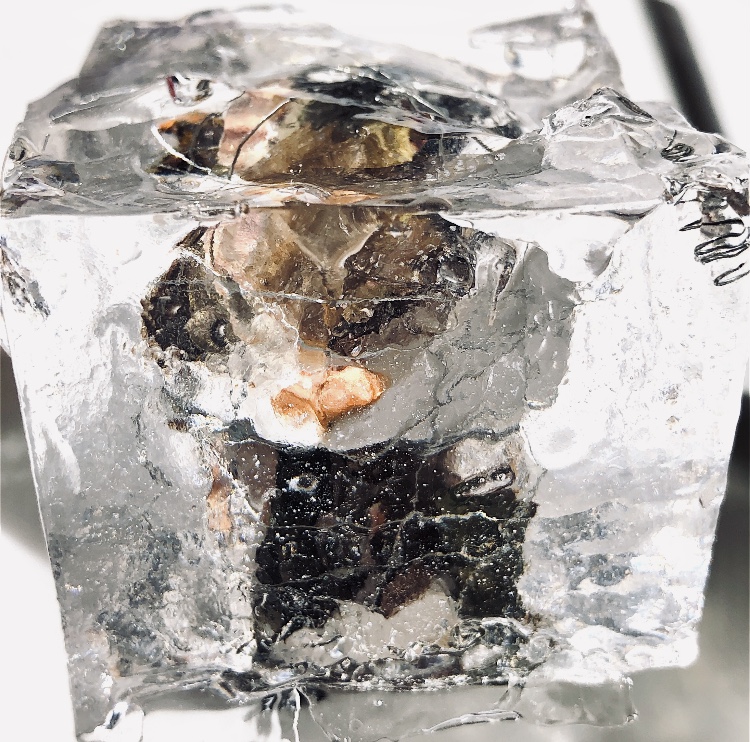
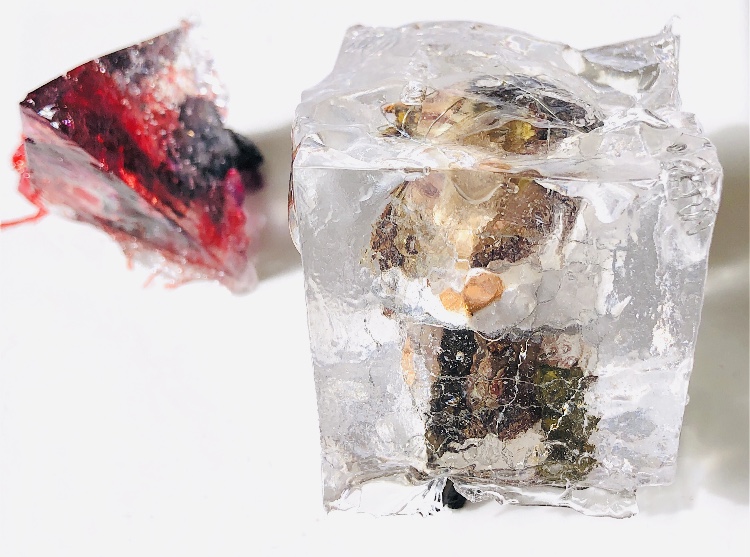
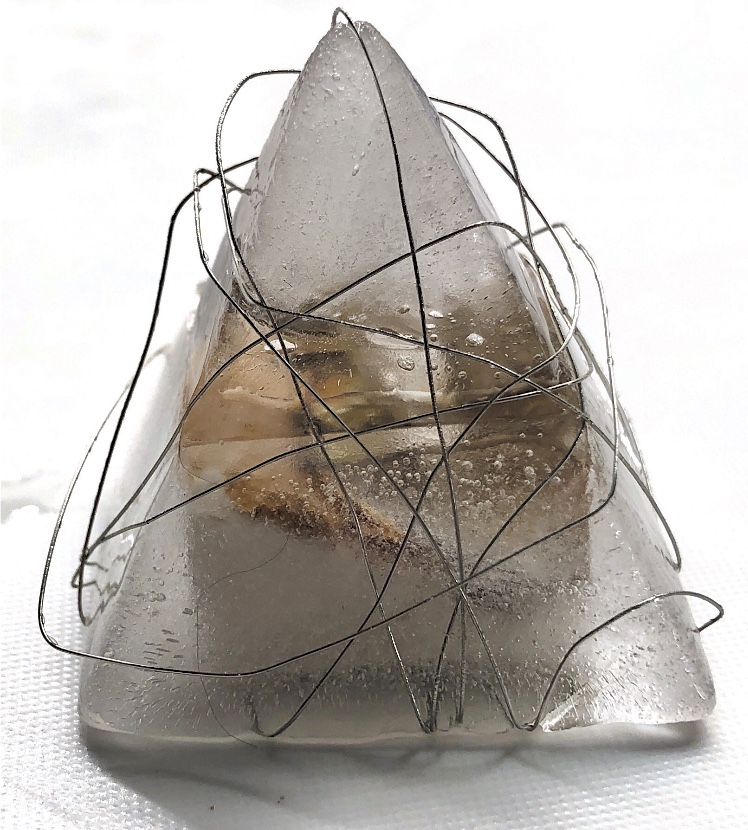
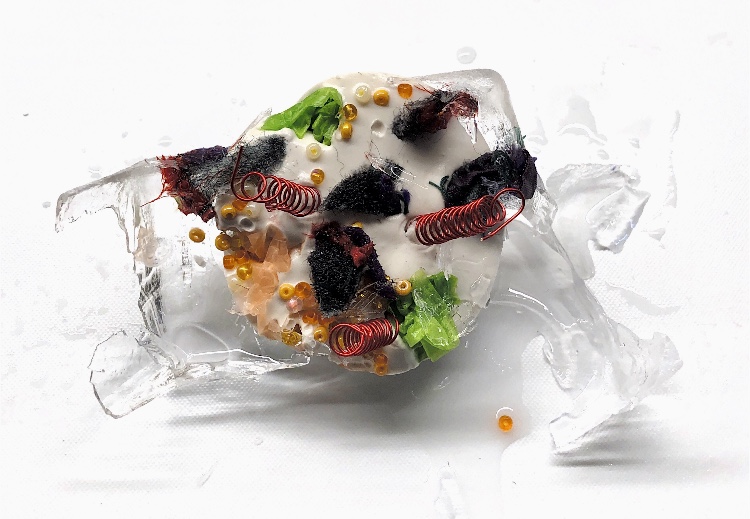
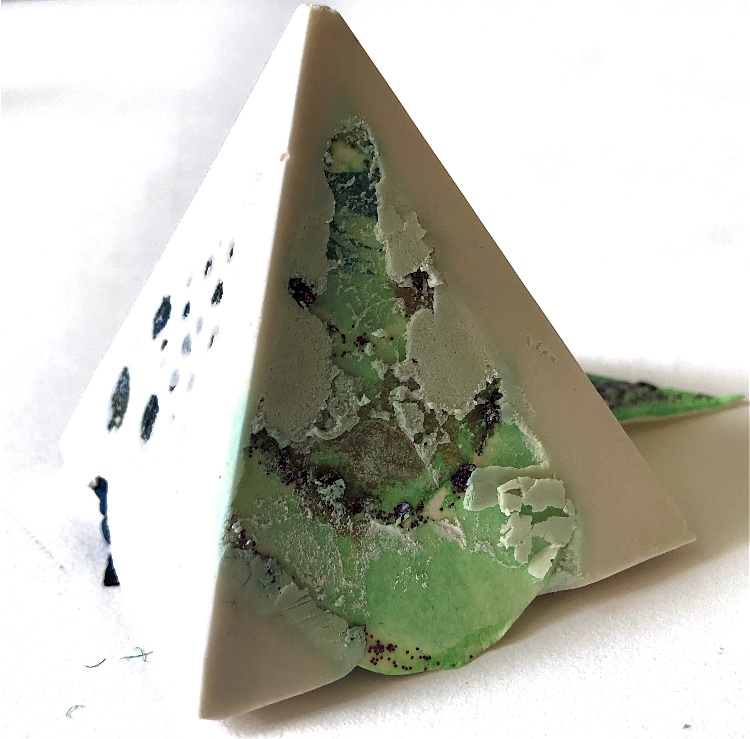
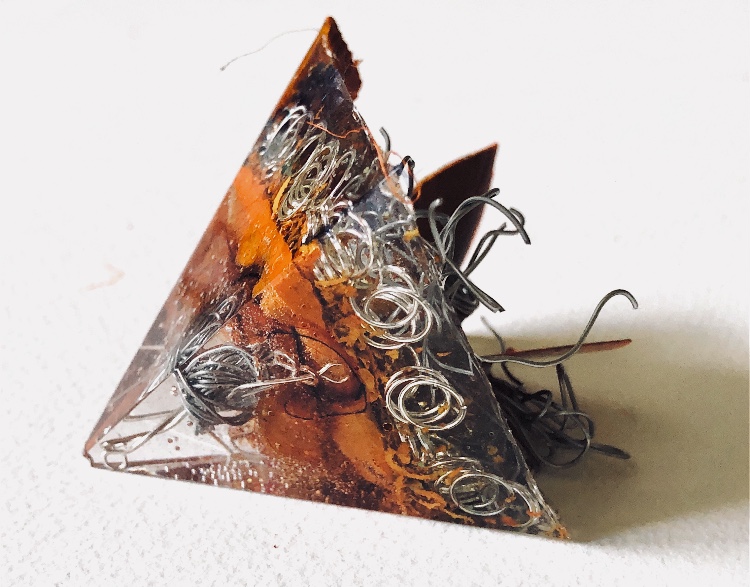
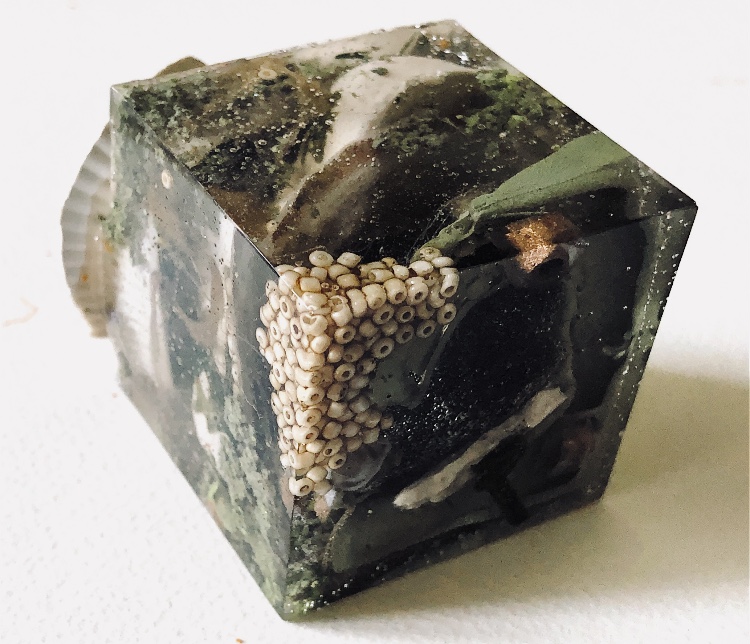
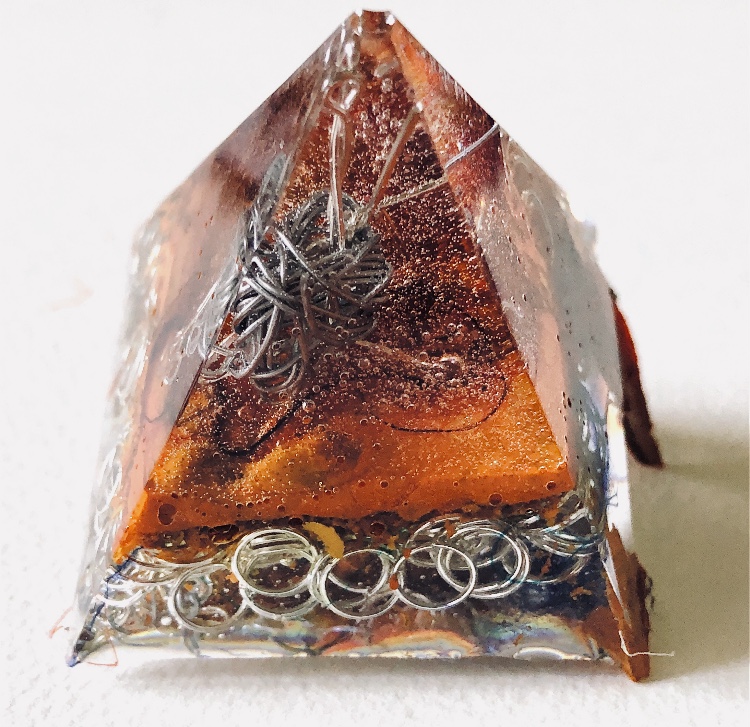
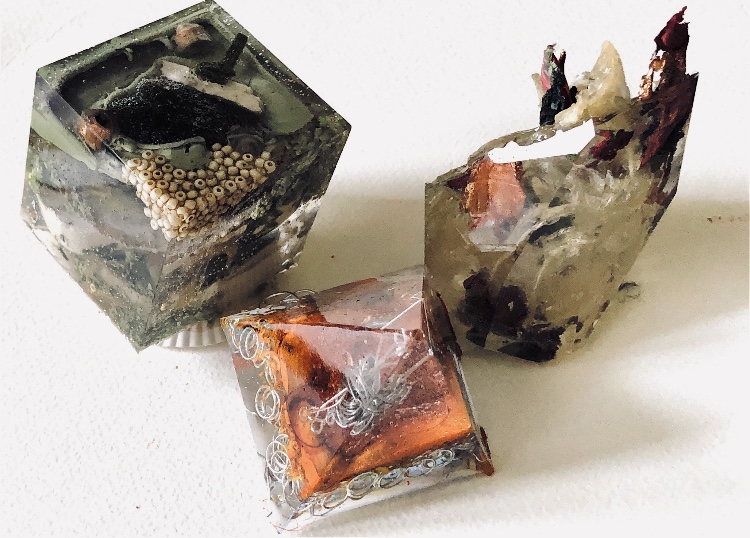
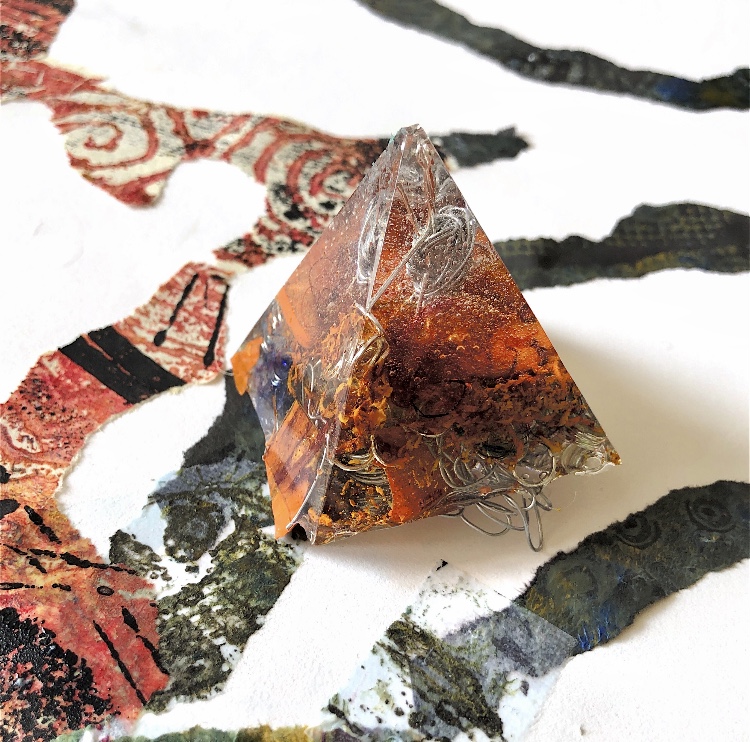
Fig, 2. For some reason some of the resin did not set properly in the small pieces so I tried again but once more it did not cure and was sticky. This resulted in interesting cube and pyramid shapes. The cube enclosed a totem of my smaller resin shapes wrapped in wire, and the pyramid contains a small piece of textile. Both pieces lost more resin in a puddle after they had been removed from the mold – a bit like ice melting. Maybe I should experiment with ice before buying more resin. I’m not sure why the resin did not cure properly but the effect was interesting, just very sticky!

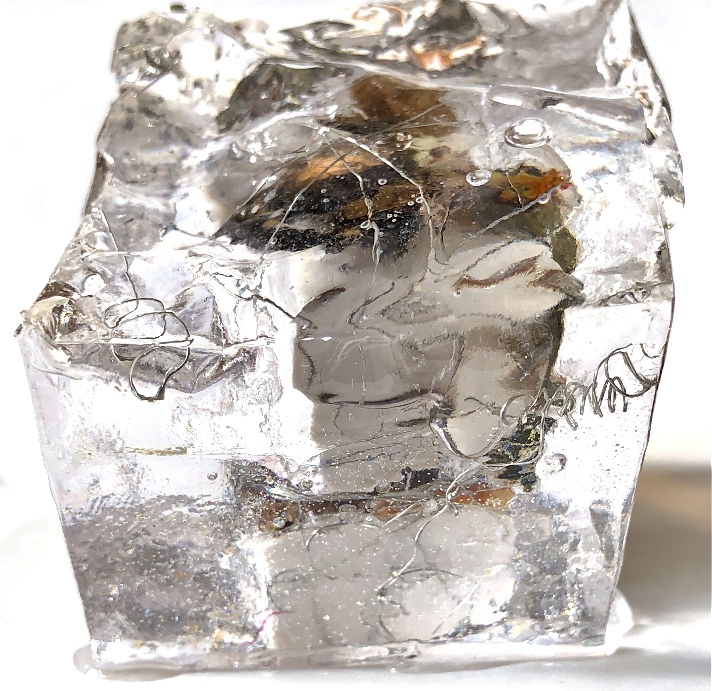
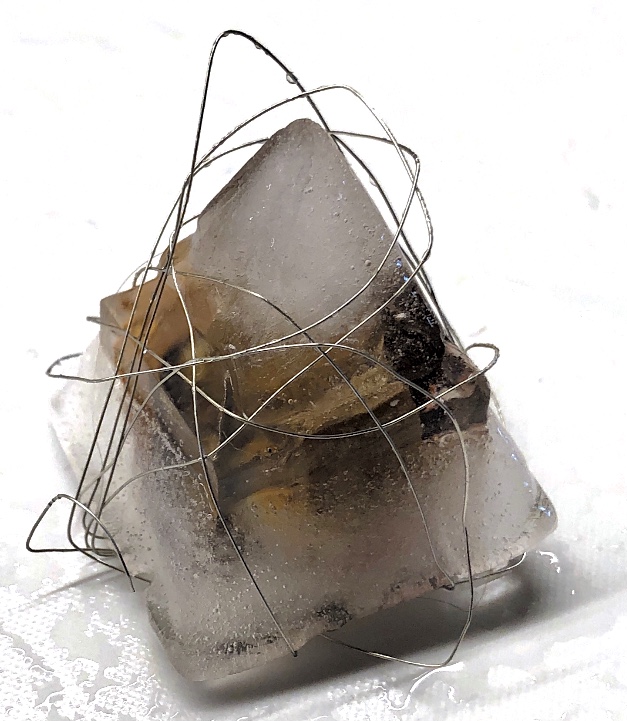
Fig, 3. I made a couple of samples using ice. The first one contained a resin shape and I wrapped it in wire. It was interesting to watch the ice melt within the wire cage. The ice was not as transparent as resin.

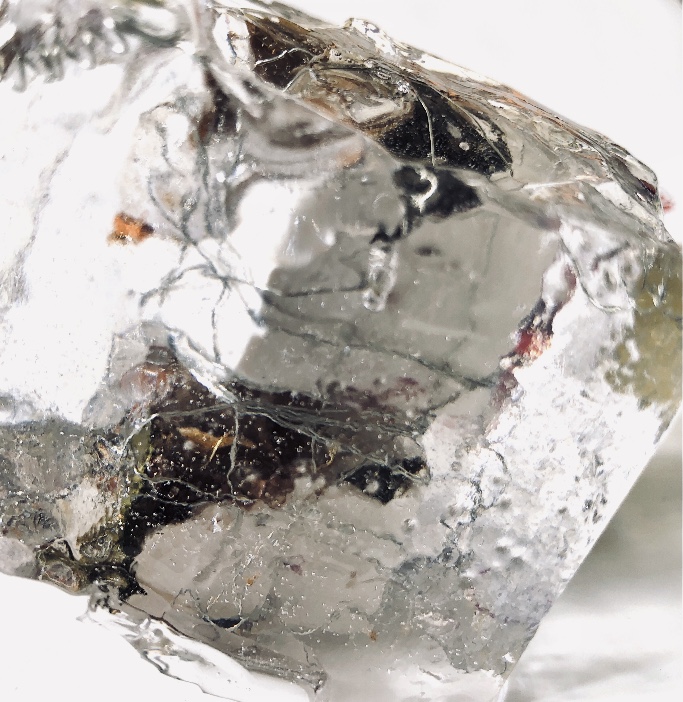
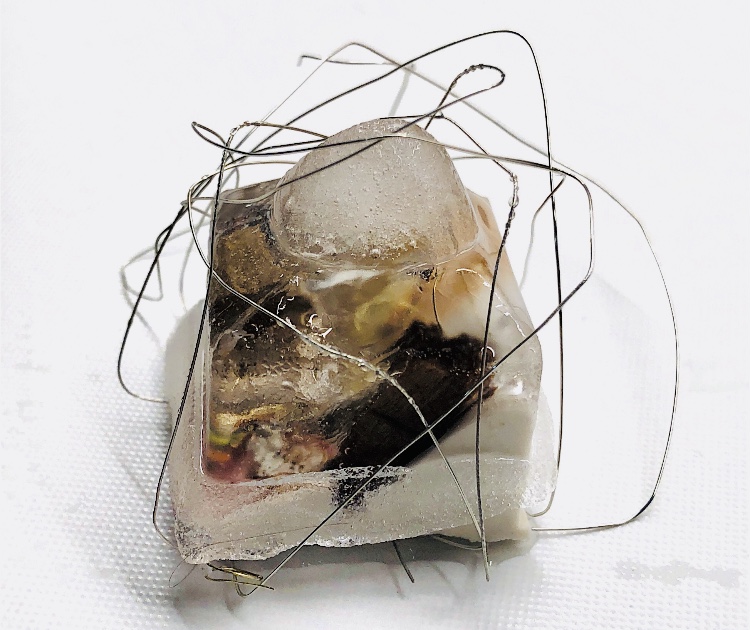
Fig, 4. The second sample did not fully freeze, leaving fragile sides that broke under slight pressure, revealing the plaster shape inside. There are lots of images here with ideas for abstract painting.

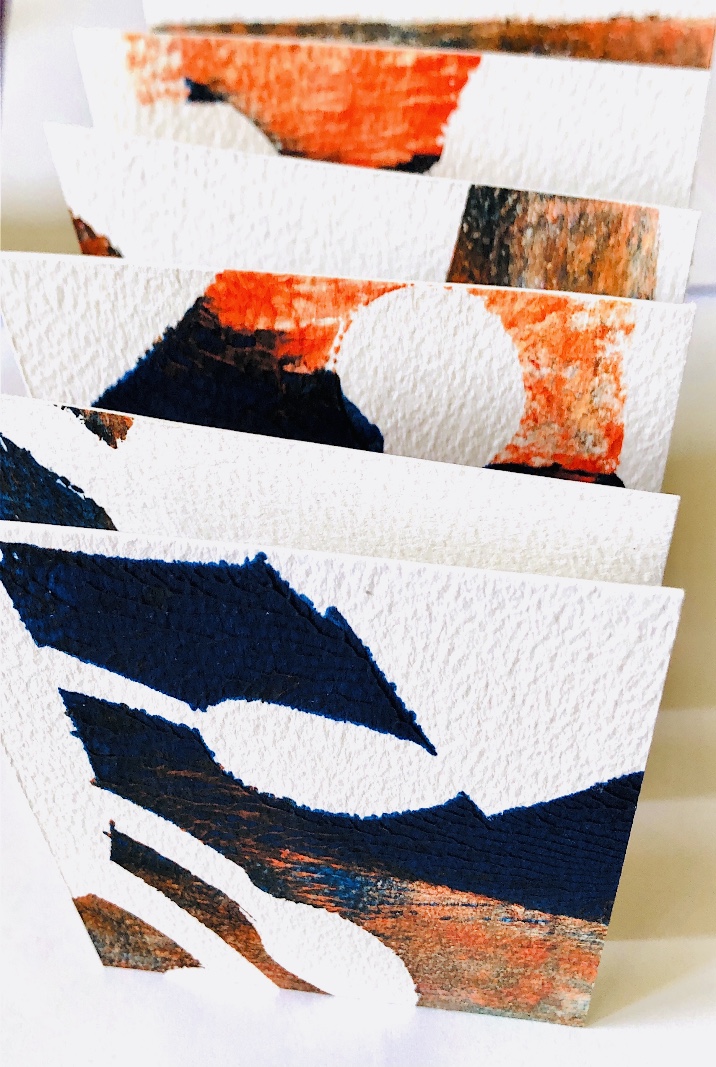
Fig, 5. Inspired by my research on Joanne Walker I cut up a print to make this structure. I really like the colours – they are almost rust like in places, and the contrast with the stark white of the paper is emphasised by the geometric shapes. This is a strong architectural piece and would work well as a multiple alongside differently shaped structures.

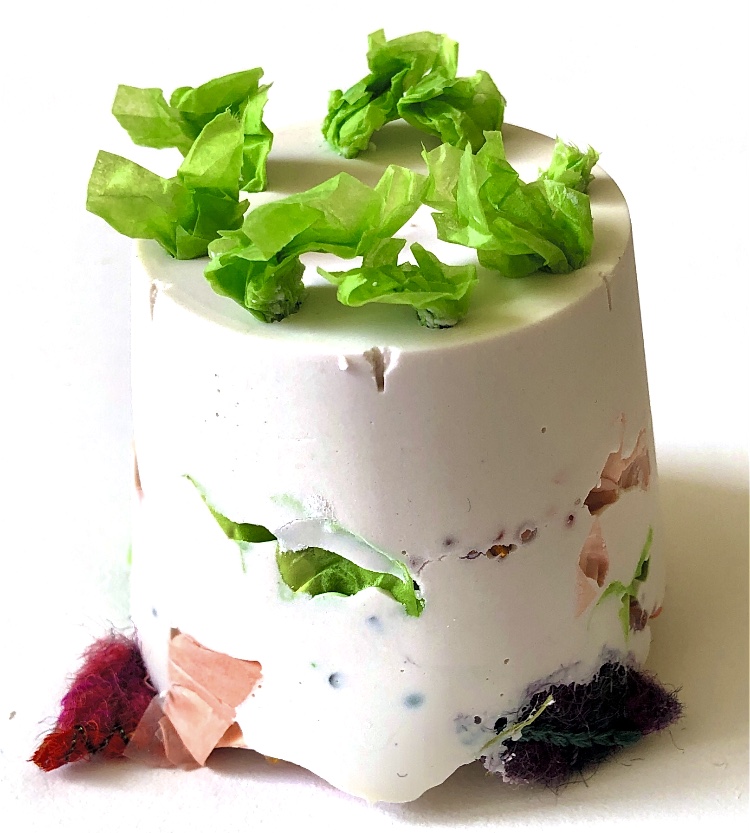
Fig, 6. I experimented further with plaster, adding in other materials making fun samples. These remind me of the fantasy garden theme I had in my mind earlier in the course. Again these would make a great multiple piece.

Fig, 7. Inspired by the coloured vessels of Tony Marsh, I tried using paper mache and added colour. The drawback of this material for me is that it takes so long to dry! I used paper mache pulp for this sample.

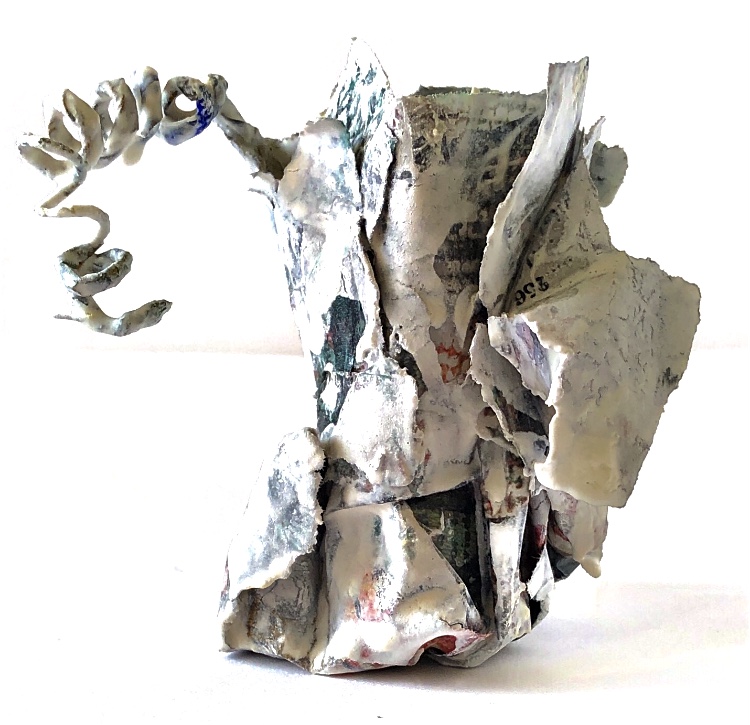
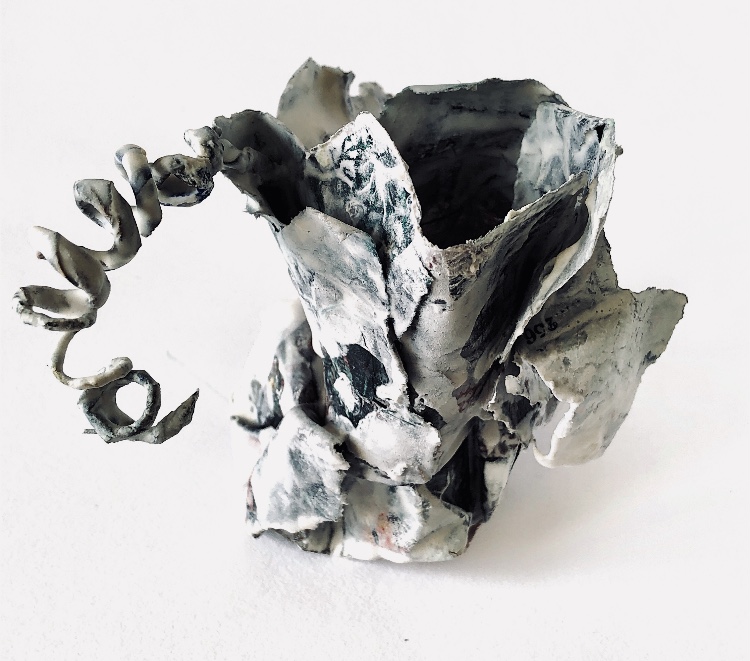
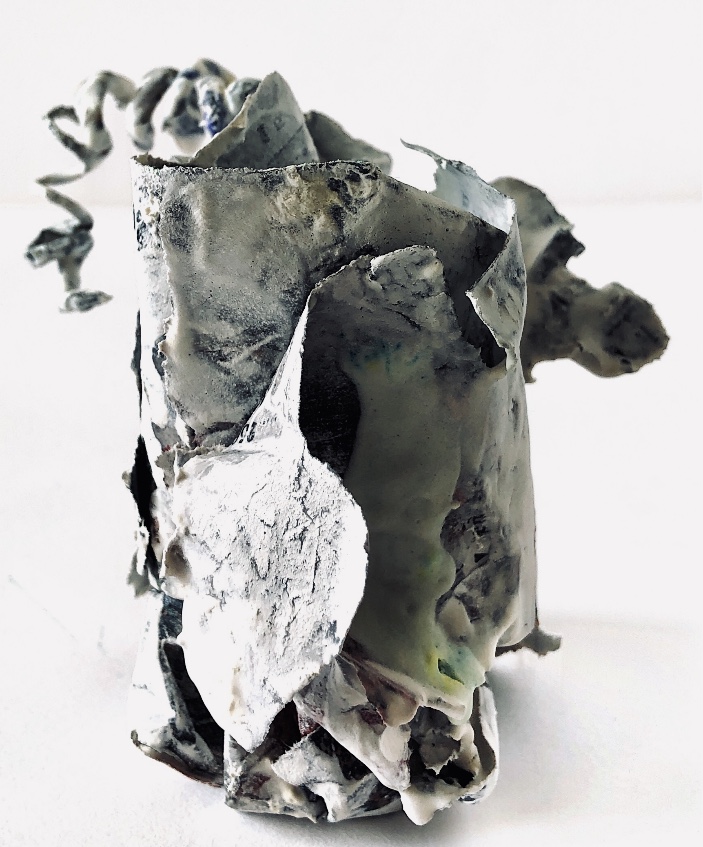
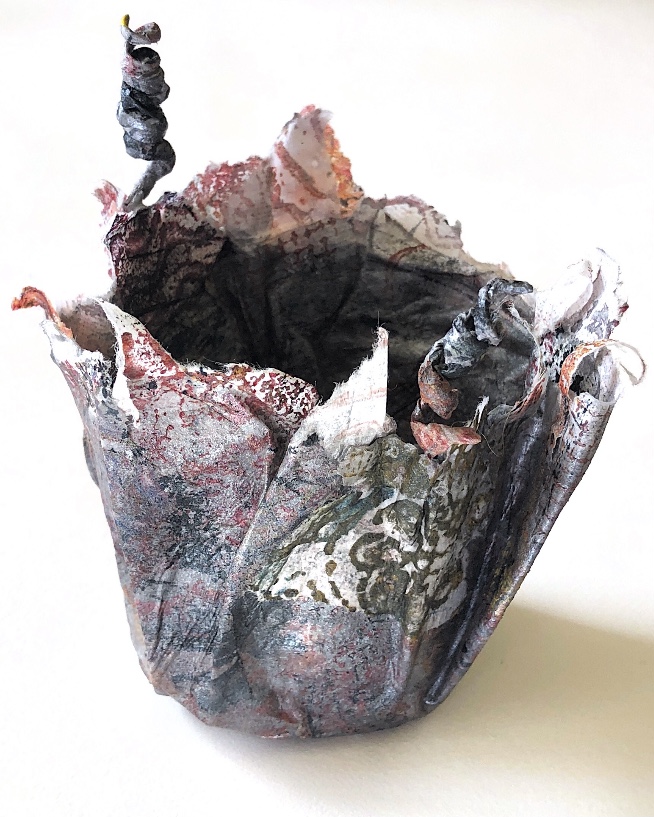
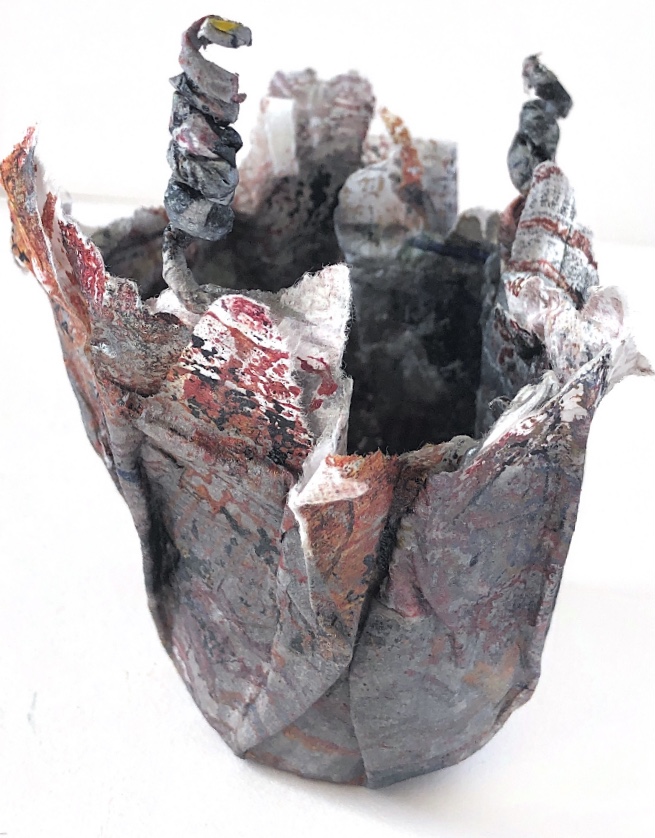
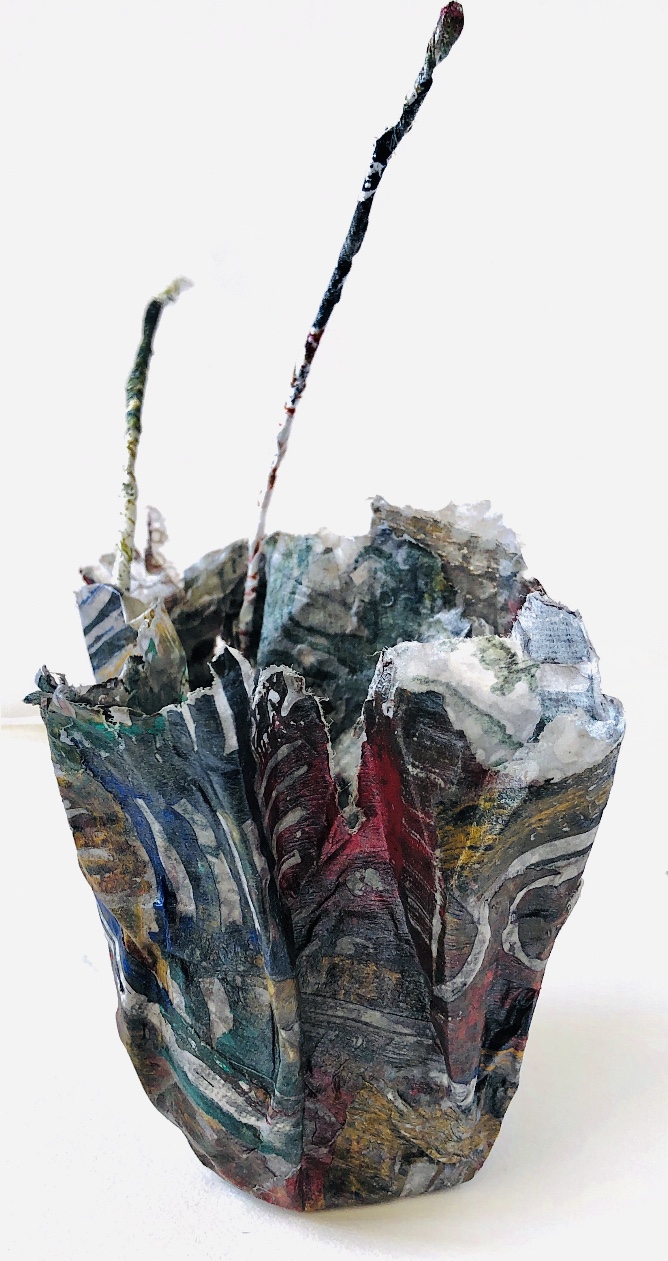
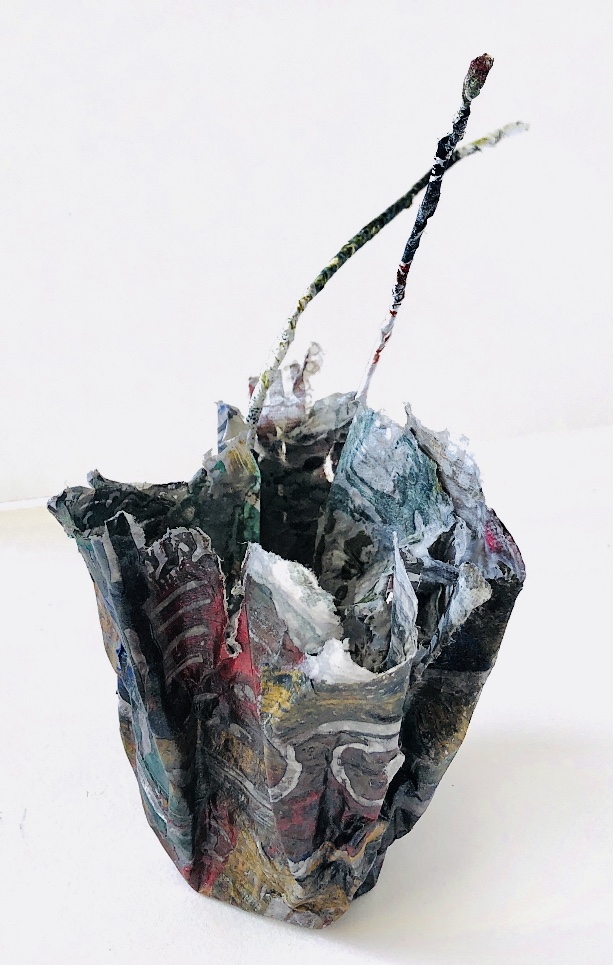
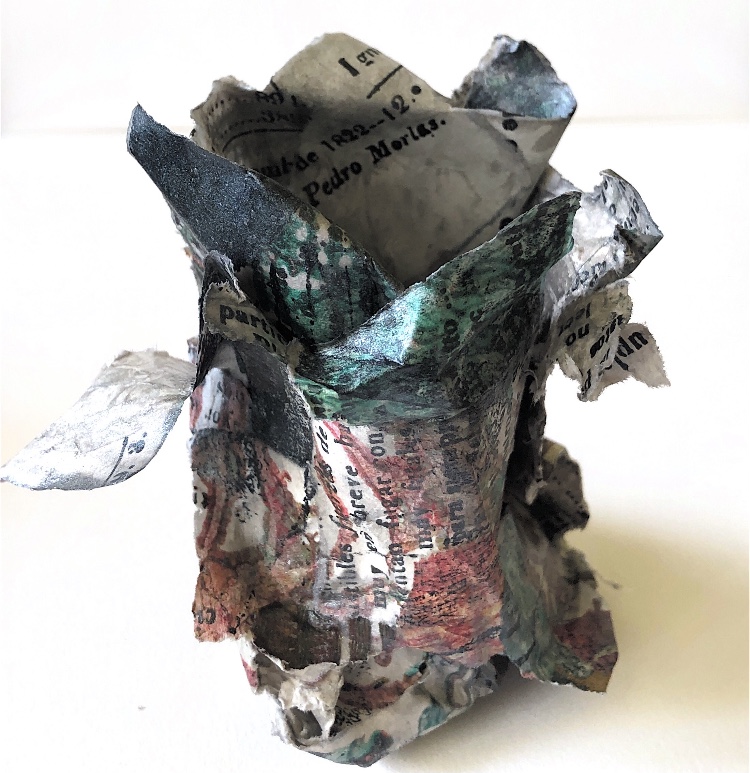
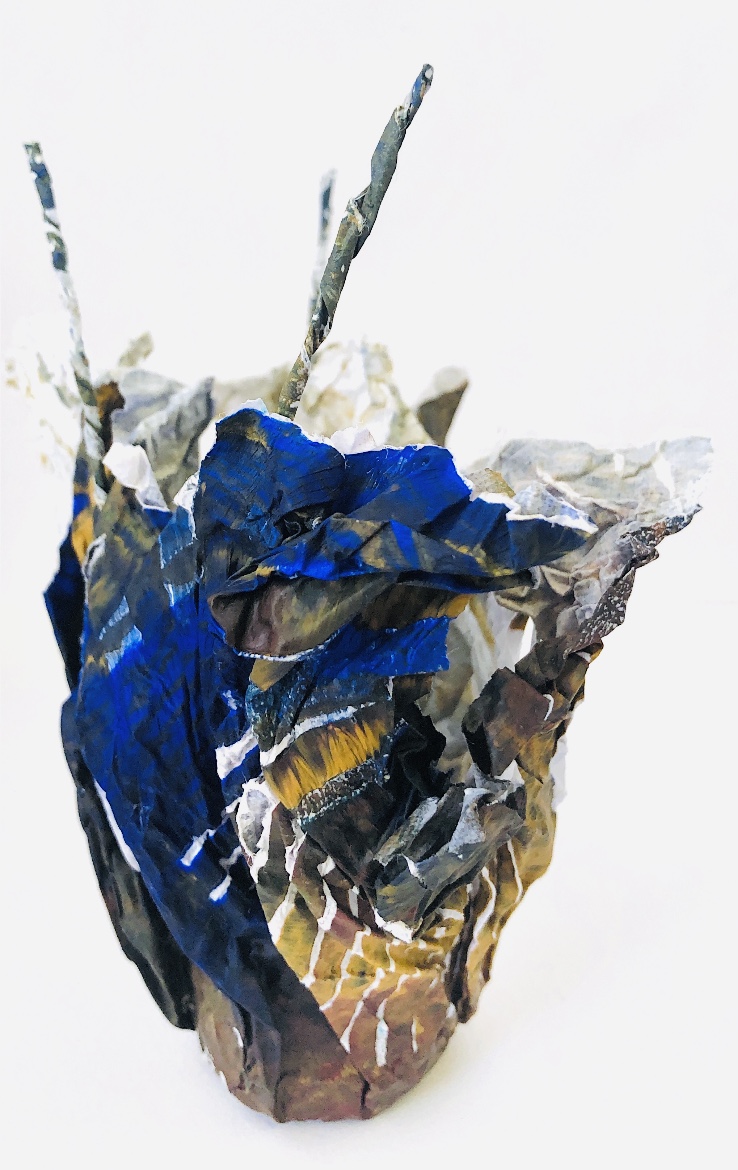
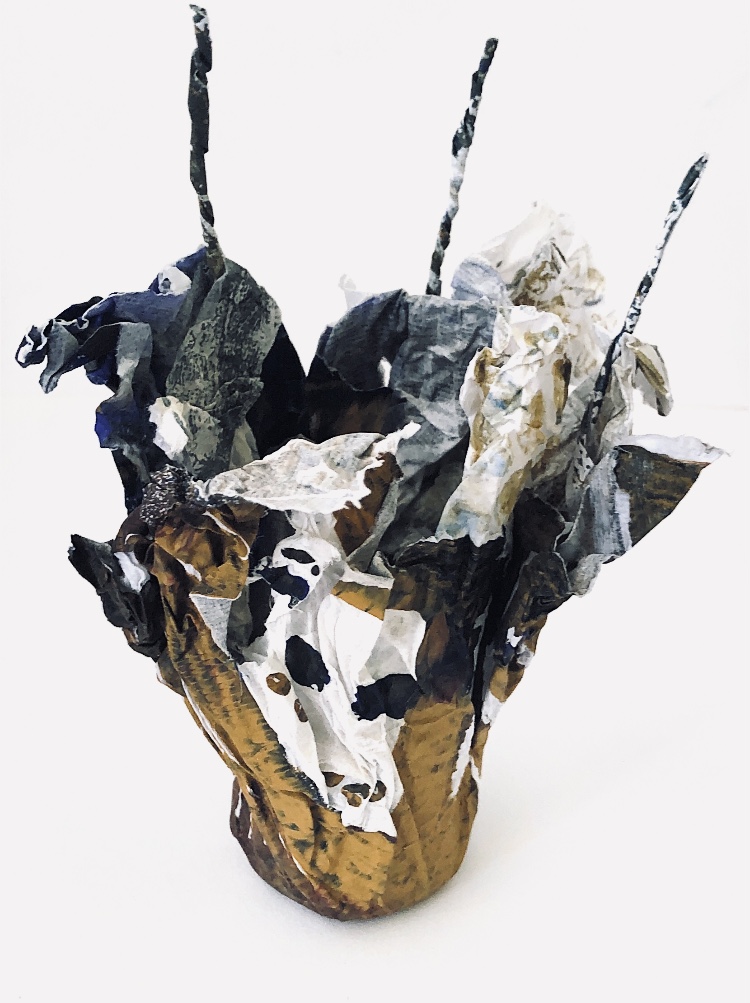
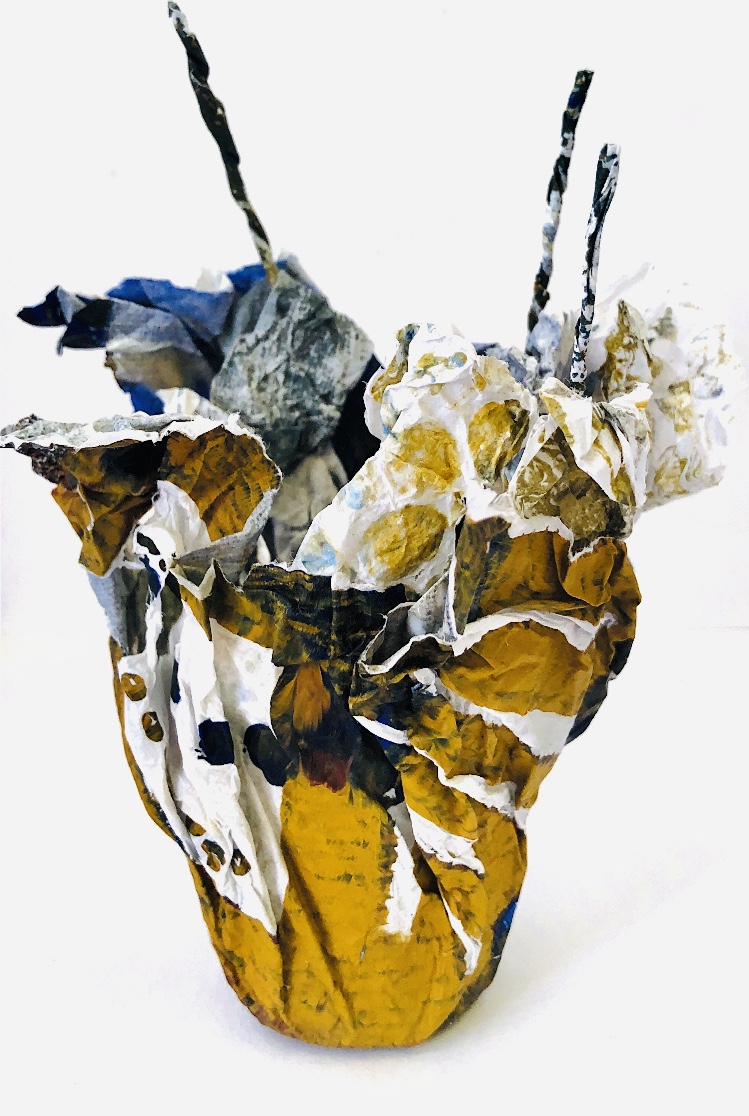
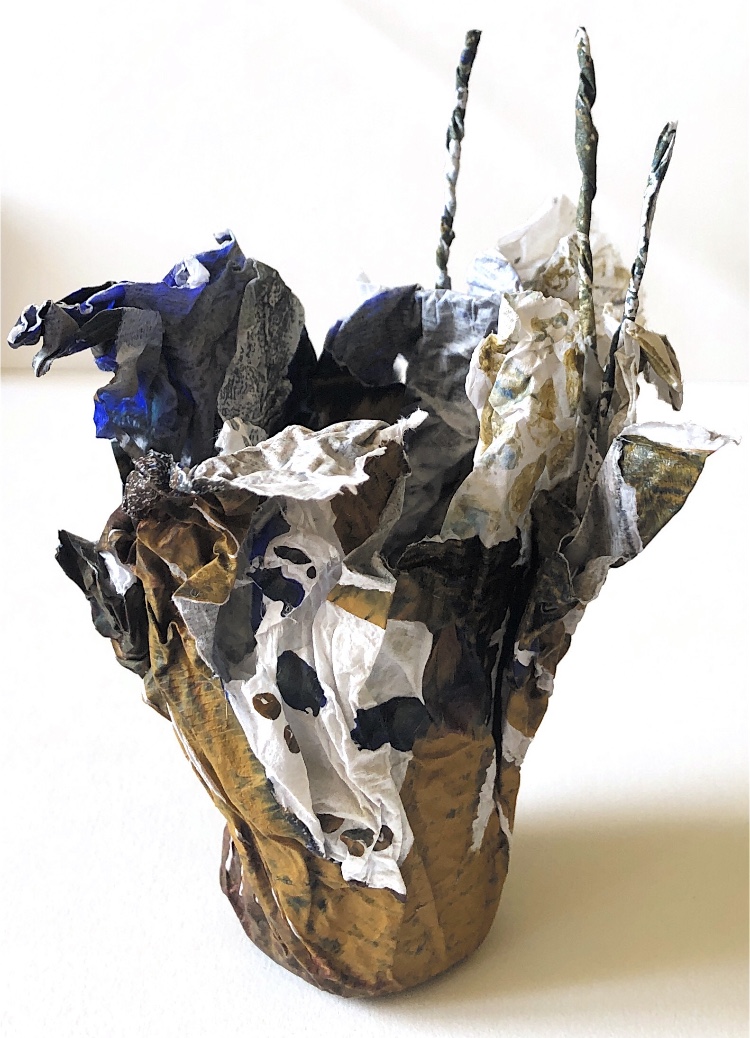
Fig, 8. Following this paper mache pulp sample, I had a bit of a lightbulb moment and decided to use some of my prints to make paper mache bowls. I used china bowls as a form, and as usual I was too impatient so the samples got a bit squashed and scrunched when I removed them. I realised this looked good so I scrunched up the paper further to make these samples. I wound paper around wire to make some spirals and antennae which add structure and interest to the vessels.

I am really excited by these vessels. Using my own printing plates to print and then create the samples makes them so individual. They look old, fragile, organic, ragged, patterned, and yet architectural with strong folds and protuberances. I am wondering about stitching into the paper once it is dry, and maybe cutting holes, before I scrunch it, to add to the decoration and create small areas of interest and texture.

Before deciding how to move forward I want to take some time to draw some of these samples.

Mixed media for textiles Part 5 A Final Piece Stage 2 Research

Tony Marsh

Tony Marsh works in ceramics and mostly he expresses himself by making vessels. He is inspired by the history, nature and culture that vessels have and the way they can be used to hold, preserve, offer, commemorate and beautify. He likes to use light in some of his work, removing clay to allow light to shine through the piece.

I particularly like his Crucible series which are a collection of vessels that have amazing colours and glazes. The texture on these reminds me of my paper mache samples and I am thinking about experimenting with paper mache and colour to see what can be achieved.

Fig, 1. Marsh, T. Crucible series 2014 (Earthenware Multiple firings). At:https://www.tonymarshceramics.com/crucible-series (Accessed 24/03/2021)

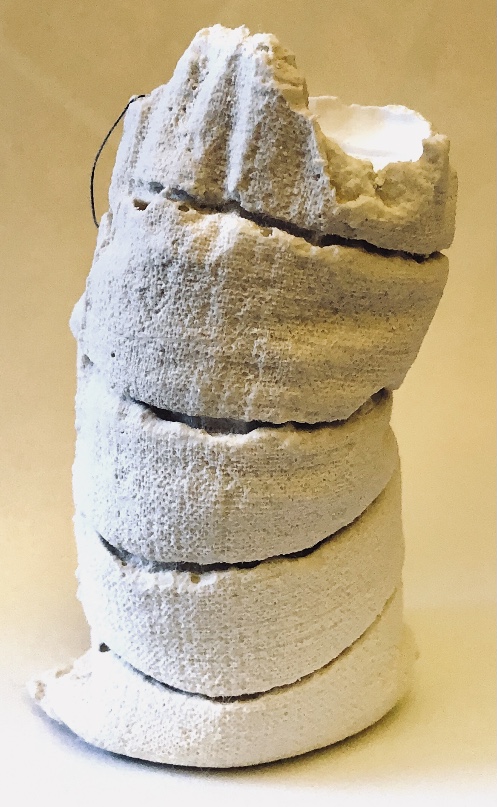
The simple series of totems below reminds me of the plaster pieces I cast and piled up on top of each other and could be inspiration for a series of different shapes. These appear to be made in one piece but I like the idea of creating interchangeable pieces that can be taken apart and restacked.

These pieces have perforated holes to allow light to permeate. This may be hard to achieve with plaster casts but other surface decoration may be. It may be achievable with other materials such as paper mache.

Fig, 2. Marsh, T. 2012 Perforated totem cluster (Earthenware, glaze) At:https://www.tonymarshceramics.com/perforated-vessel-series (Accessed 24/03/2021)

Yeesookyung

Yeesookyung has made sculptures by using broken ceramics which have been discarded due to tiny flaws, and has put them together to create a new piece. She uses epoxy and 24k gold leaf. This takes me back to my research into Wabi Sabi at the start of my studies.

Her finished pieces have an organic feel like flesh or bubbles and I do not find them particularly attractive as they are a bit disturbing. The concept though is interesting and I like the idea of breaking and putting back together.

Fig, 3. Yeesookyung Translated Vase (TVW2) 2013 At:https://www.yeesookyung.com/translated-vase- (Accessed 24/03/2021)

Zemer Peled

I was attracted to the work of ceramic artist Zemer Peled because she works with such beautiful colours and also creates works with lots of pieces put together. She makes beautiful shapes with thousands of pieces of porcelain and is inspired by nature and landscape together with the themes of memory, identity and place.

Although these pieces are made from clay, the idea could be translated to paper or other materials.

Fig, 4. Peled, Z (2020) Hold me collection (Porcelain. Green, plum, tangerine, terracotta) At: https://www.zemerpeled.com/work#/hold-me-collection-1/ (Accessed 24/03/2021)

Ernesto Neto

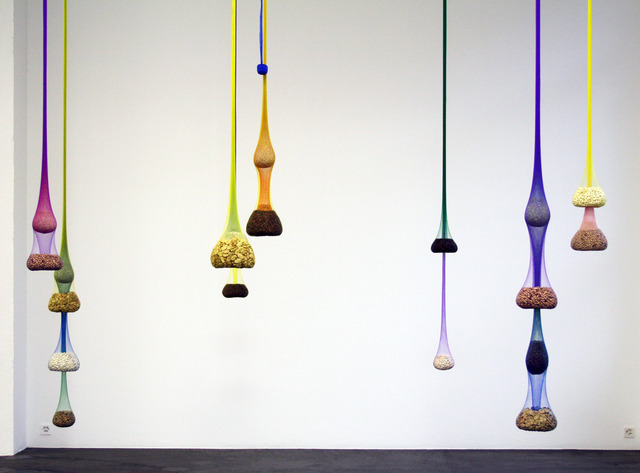
I was looking for artists working with textiles who create multiples or installations and came across this amazing artist working with crochet amongst other things, and creating huge environments in which the viewer can touch and walk among the artwork. He often makes crocheted nets in bright colours which contain a range of diverse items such as spices and styrofoam balls.

I would love to be able to use crochet in my work and this artist has given me lots of inspiration to be able to do this. I like the idea of hanging pieces as in the image below, these are a bit like suspended totems which can swing and move when touched. Thought has been given to the arrangement with different colours, shapes, lengths and distances.

Fig, 5. Neto, E. Variation on Colour, Seed, Space, Time, Love (Installation of 8 individual hanging sculptures) (Plastic net, beans) At:https://www.artsy.net/artwork/ernesto-neto-variation-on-color-seed-space-time-love
(Accessed 24/03/2021)

Susan Bernacik

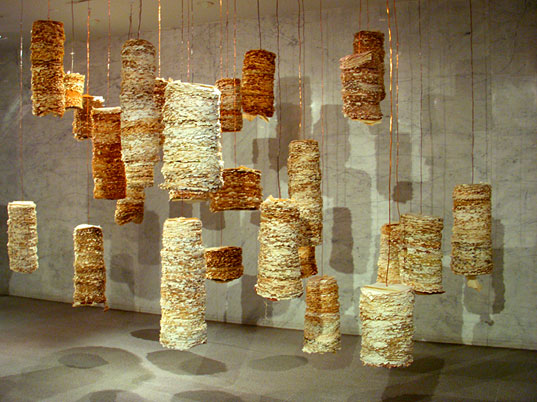
Susan Bernacik uses paper such as old books, dress patterns and newspapers to create installations such as the one below. The colours are natural. She is considering stories, imagery, notations and knowledge and is inspired by the layers of information collected in our minds like mental notes. She is a garden designer as well as an artist and works with many natural materials.

I find this hanging installation soothing; the forms are hung on copper wires which would sway slightly if touched and the paper edges are ruffled and soft looking – very tactile. Again thought has clearly been put into the arrangement to create a piece that looks different from alternate viewpoints, and also makes interesting shadows on the wall behind, and the floor below.

Fig, 6. Bernacik, S. (date unknown) Mental notes (Discarded books stacked on copper wires) At:http://susanbenarcik.com/project/mental-notes-installation/ (Accessed 24/03/2021)

Joanne Walker

I came across the work of Joanne Walker while looking at installation artists and was interested to see how she uses printmaking in her projects. Her work is inspired by memories, and she combines ideas of urban structures and people in her pieces which start with a combination of photography, collage and drawing.

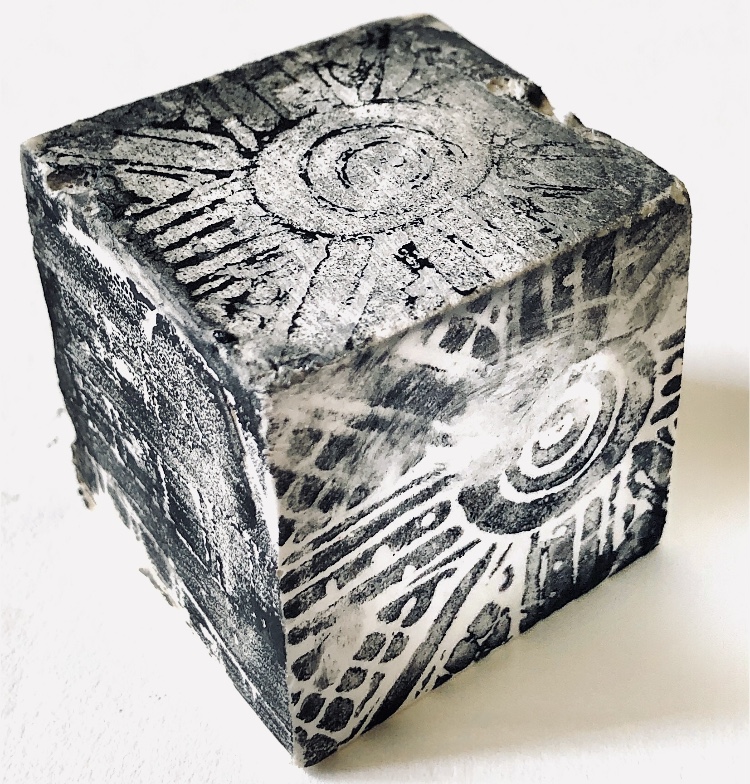
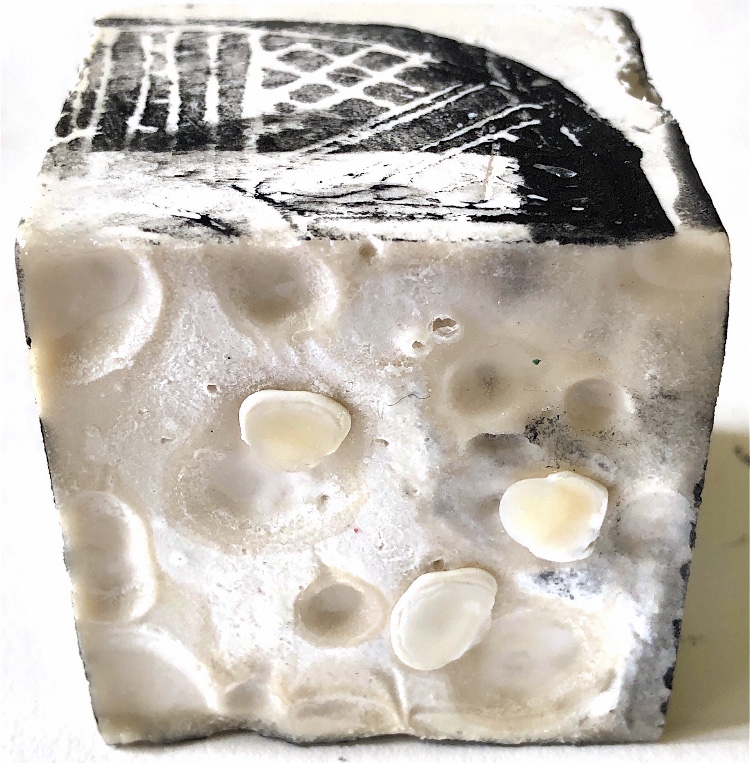
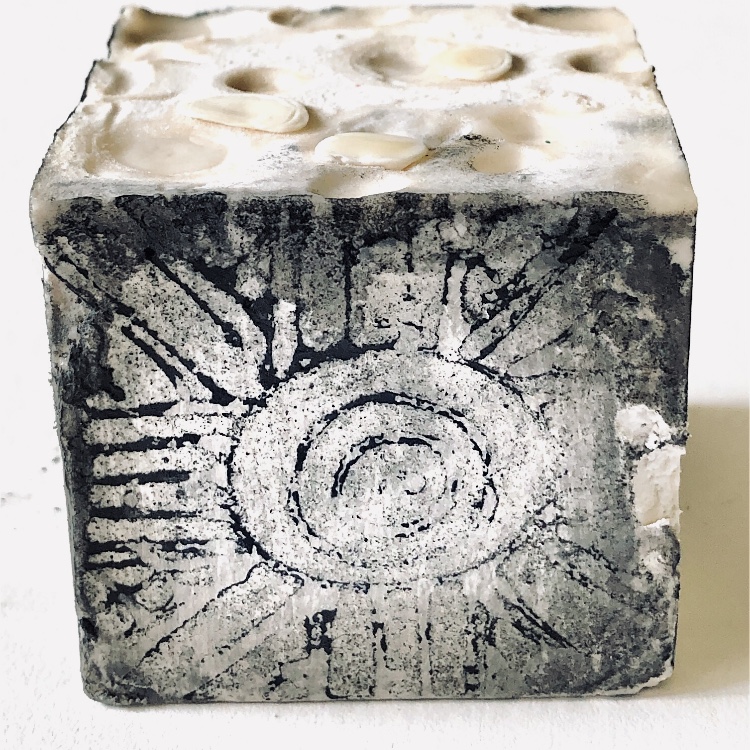
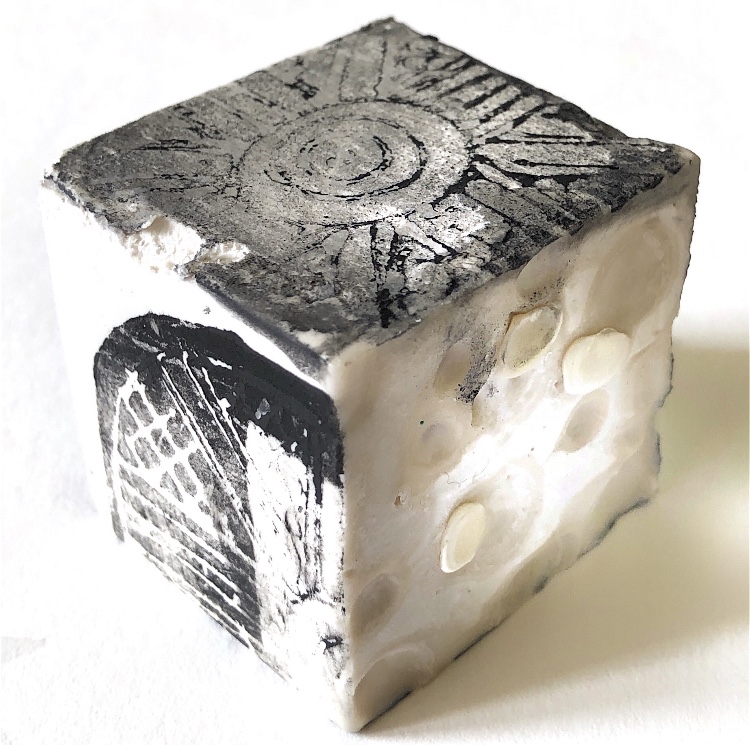
I really like the cubes and rectangles in this piece with different facets showing alternate images. The way they project from the wall means the viewer can see the blocks as individual artworks, and also as a whole piece. This makes we want to experiment with plaster cubes and collage/print to make a collection of work.

Fig, 7. Walker, J. (Date unknown) Fragments (50 lead, wood and paper cubes with etching and embossment) At:https://www.axisweb.org/p/joannewalker/ (Accessed 25/03/2021)

I have included the following image as it is another example of printmaking in an unusual format. It looks like a long strip, casually dropped to form a tangle of shapes and images. Recollections, pictures and forms are jumbled up like our own thoughts and if the piece could be picked up and dropped again then new memories would surface.

Fig, 8. Walker, J. (Date unknown) A matter of record (Printmaking, embossed lead, and etched Japanese paper. At:https://www.axisweb.org/p/joannewalker/ (Accessed 25/03/2021)

Joanne Walker also has some really inspiring printmaking works on paper, and I was really drawn to the following image. It is a simple but effective way of displaying flat prints in a 3D form.

Fig, 9. Walker, J. (Date unknown) Title unknown (Photo Intaglio, Collagraph and Screen) At:https://etchpressprint.wordpress.com/portfolio/ (Accessed 25/03/2021)

I now have so many ideas for developing and making new samples; I feel I need to move on and try out my ideas.

Mixed Media for Textiles Part 5 A final piece Stage 1 Review

Looking back over MMT Part 1 seems such a long time ago! Looking through the samples I made and the drawings was really absorbing.

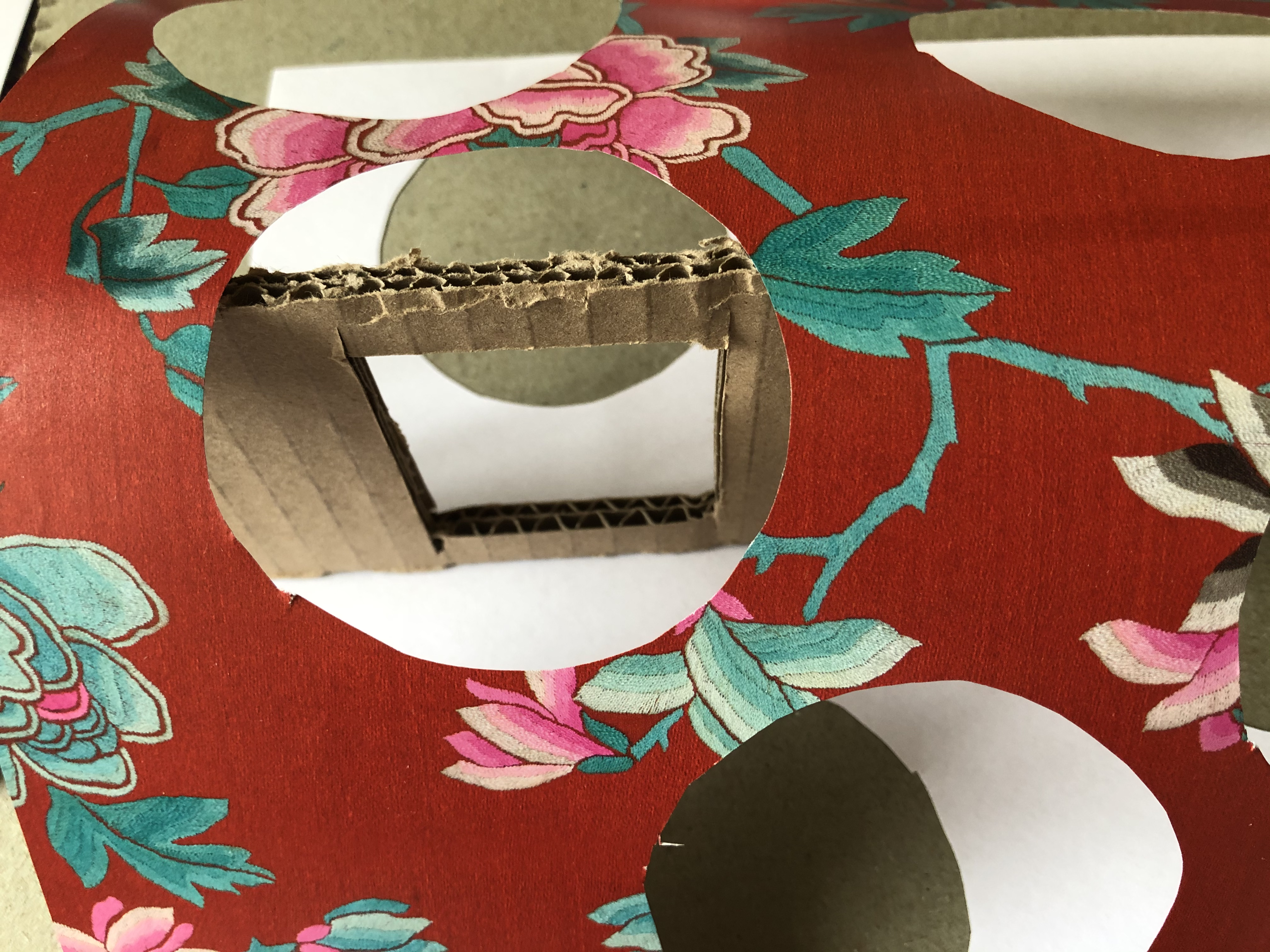
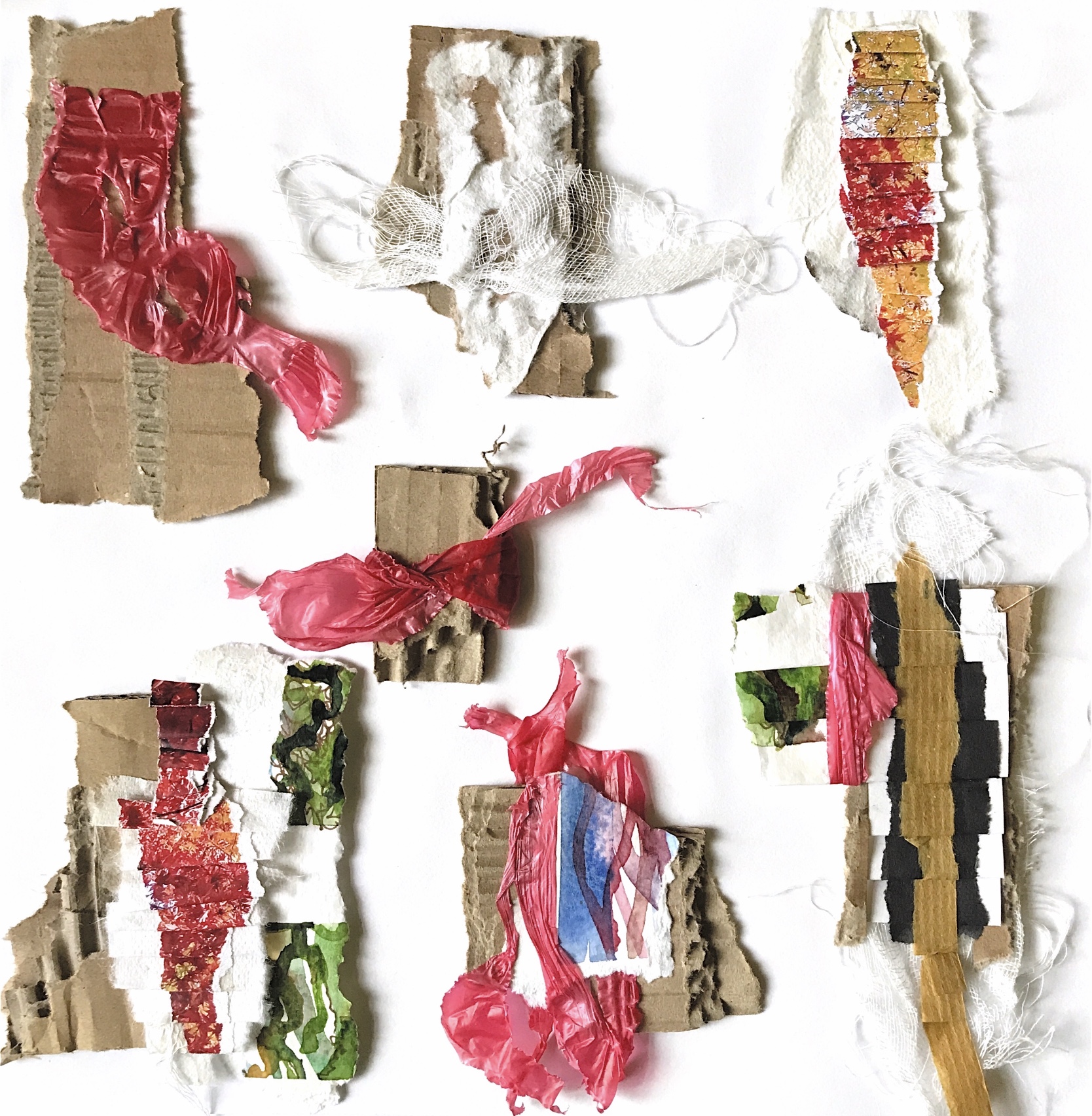
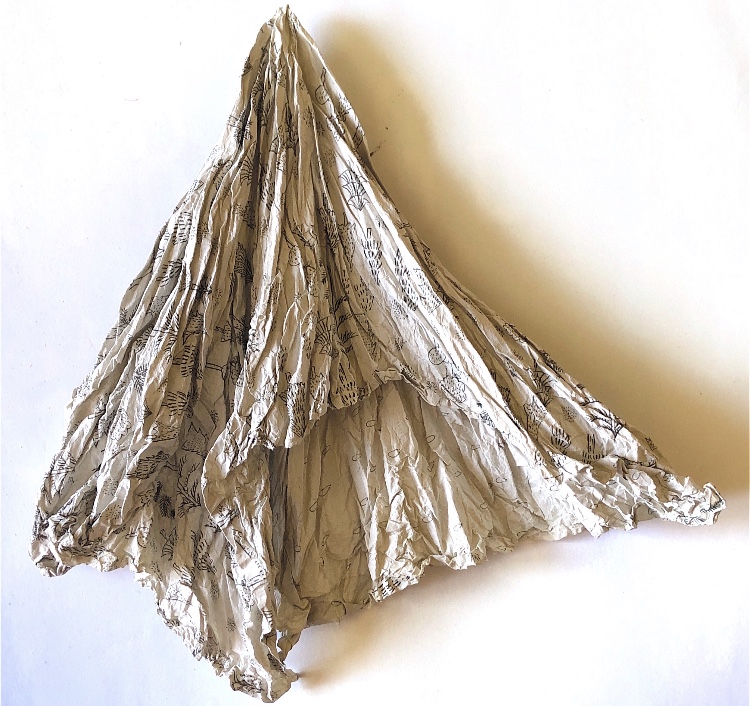
Fig, 1. I am interested in the way this simple sample of paper with circles cut out becomes so different when other pieces are placed behind, for the viewer to glimpse through the holes. Similarly the samples made with piled up pieces of torn paper, card, and plastic, gathered together as a group make each individual piece of material more fascinating. It is the contrast of materials and the arrangement, which may look haphazard but is carefully thought through, that makes these pieces so attractive.

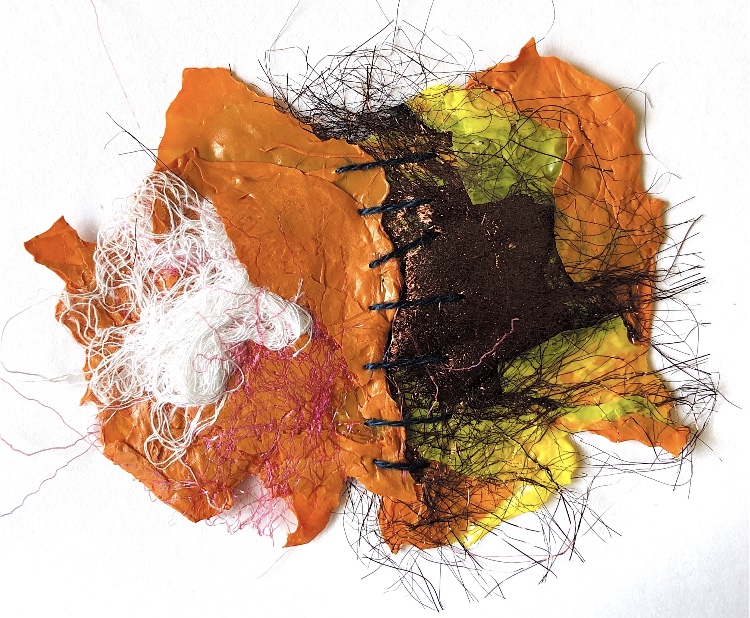
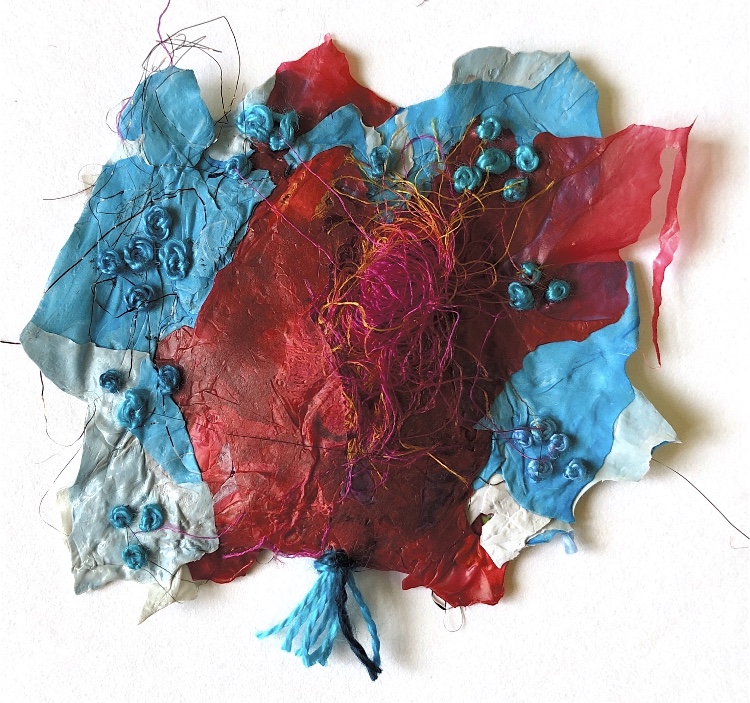
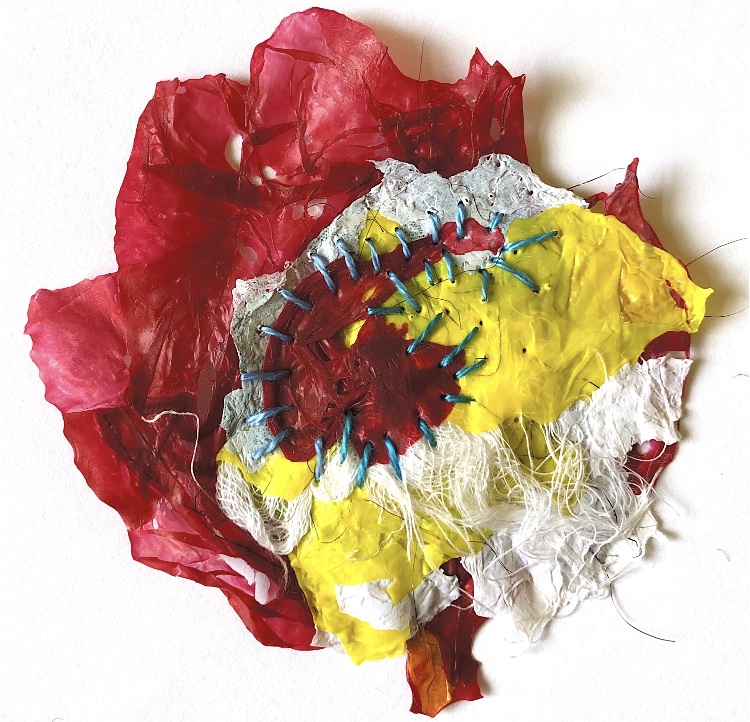
Fig, 2. Scrunching up and ironing plastic to make small plastic ‘nuggets’ produced bright weird shapes which were enhanced with simple stitch. Later on in MMT I produced samples which I described as being like a fantasy garden and these would definitely fit into this theme. I found using a different material and not having complete control of the outcome was exciting and made me concentrate on the process rather than the outcome.

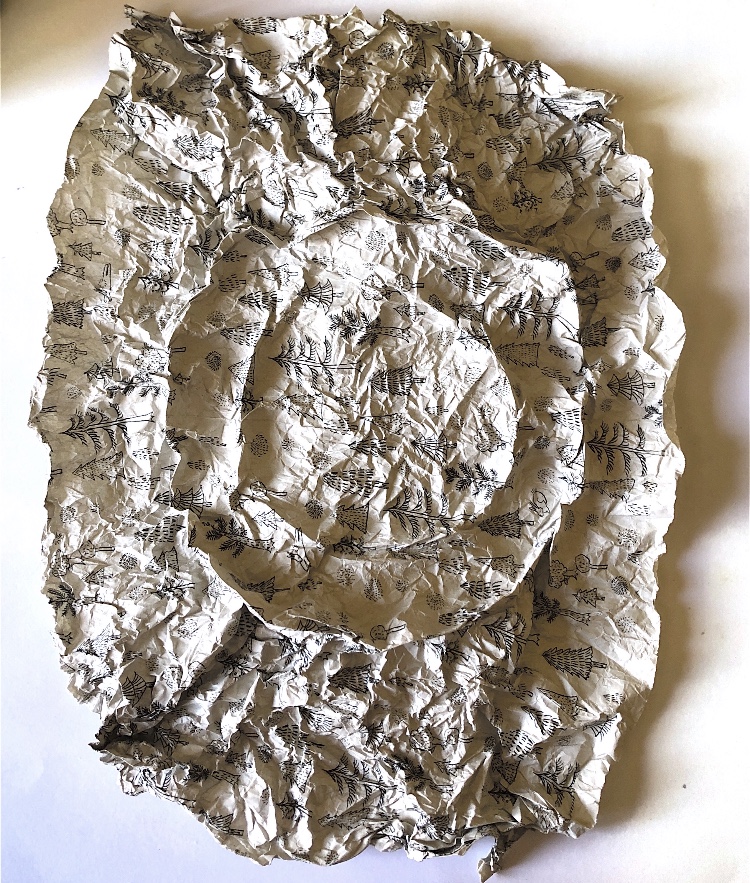
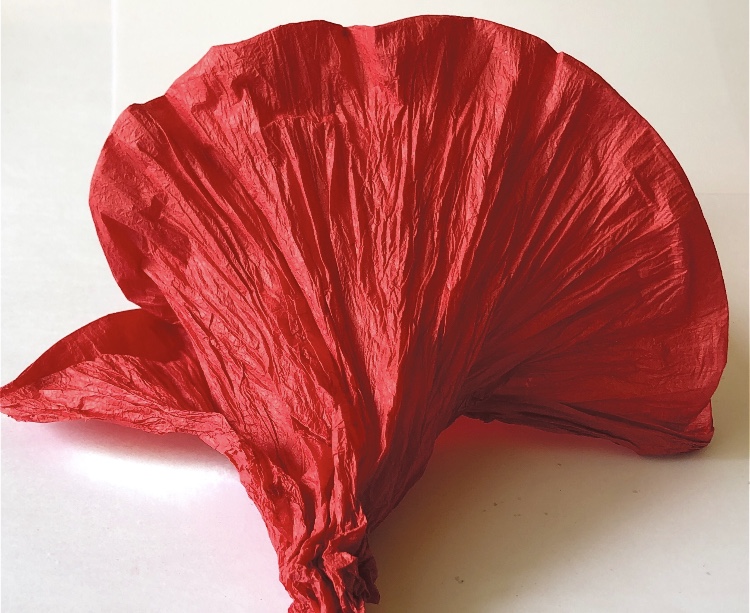
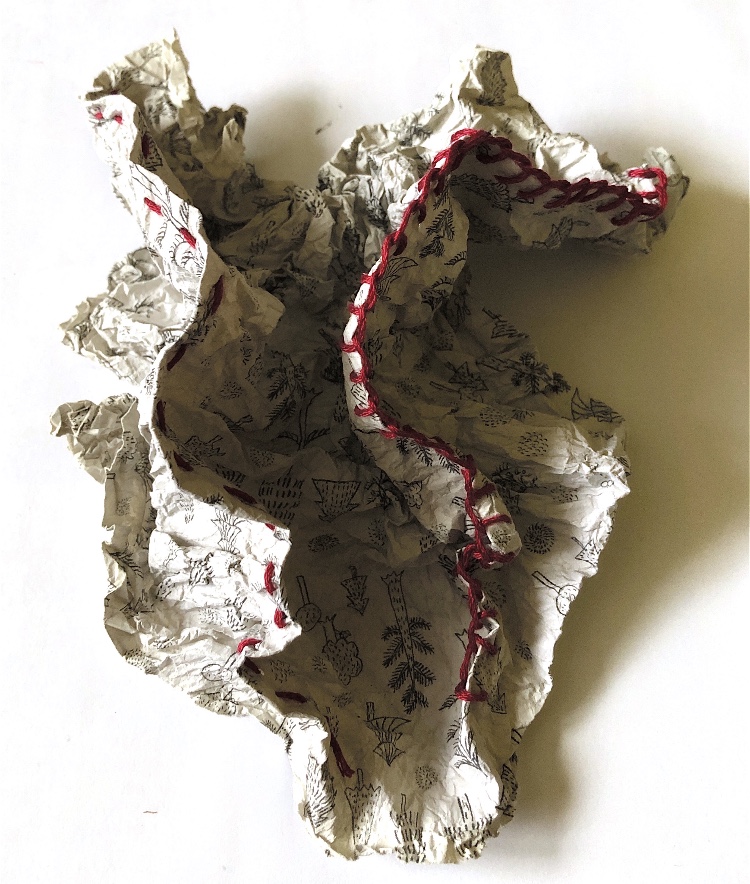
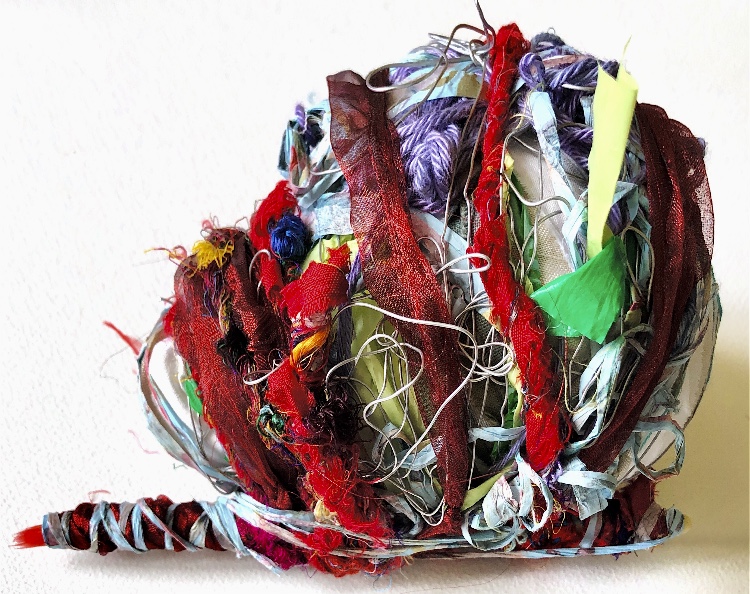
Fig, 3. Scrunching paper to make it soft and pliable was pleasing to the touch. I feel these could be developed further with stitch or crochet to enhance the folds and shapes. I particularly like the sample made from printed paper stitched with red along the edges. The stitch emphasises the structure.

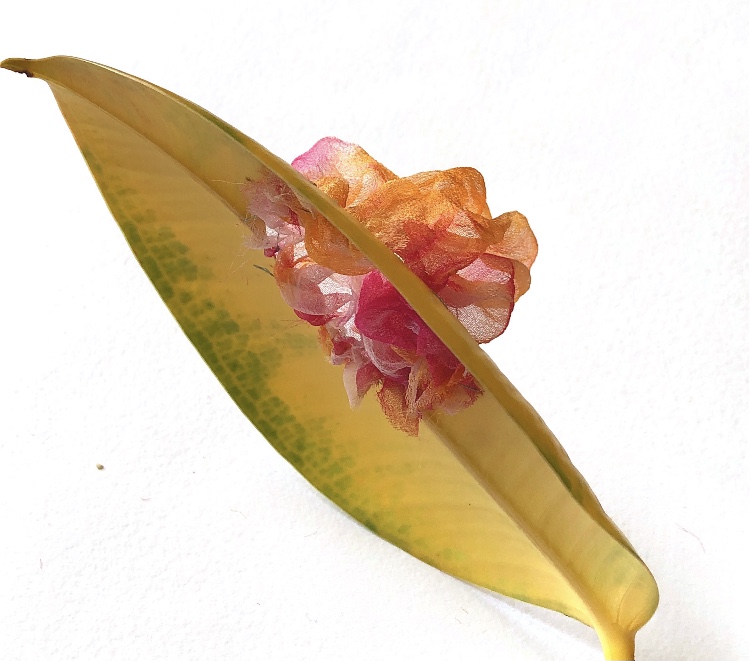
Fig, 4. While working on joining disparate materials with varying methods I created these two very different samples. In the first, pink and orange chiffon is gathered and stitched into a hole in a waxy leaf. The soft fabric billows out from the surface and the gathers create shadows and tones of colour, contrasting with the smooth surface and yellow/green colour of the leaf. It is as if a flower has grown in a leaf instead of on a stem.

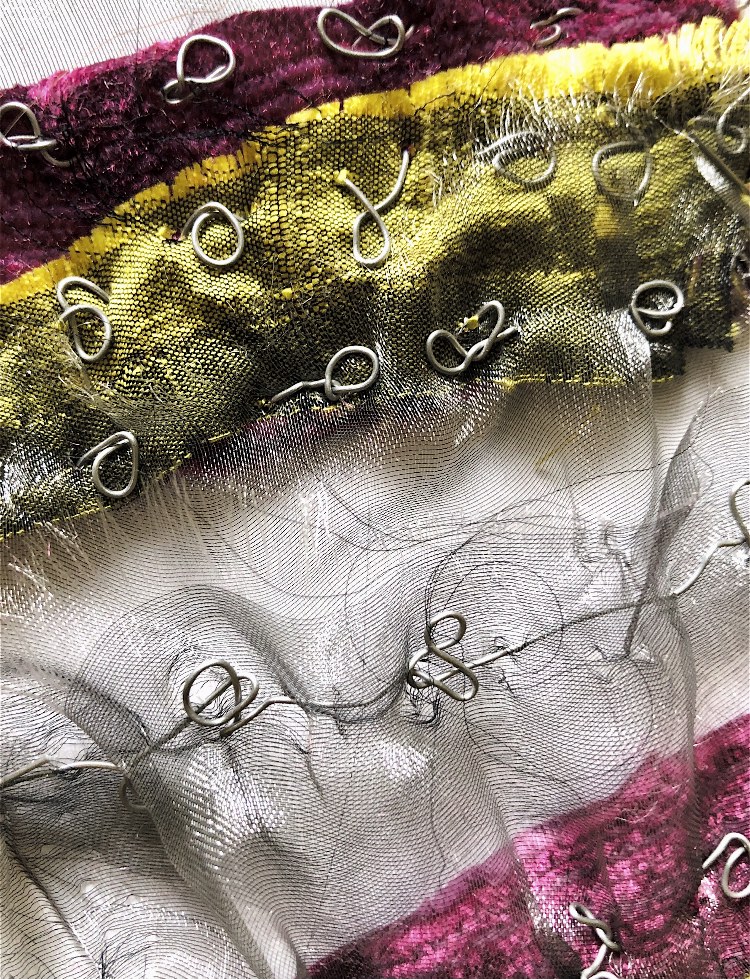
The second sample used wire to join different weights of fabric. I twisted the wire to make little loops so that it stayed in place, and this creates a pattern on the fabric that looks a bit like writing.

Using disparate materials creates tactile, visually exciting surfaces. I think that from these exercises I have learnt to experiment more.

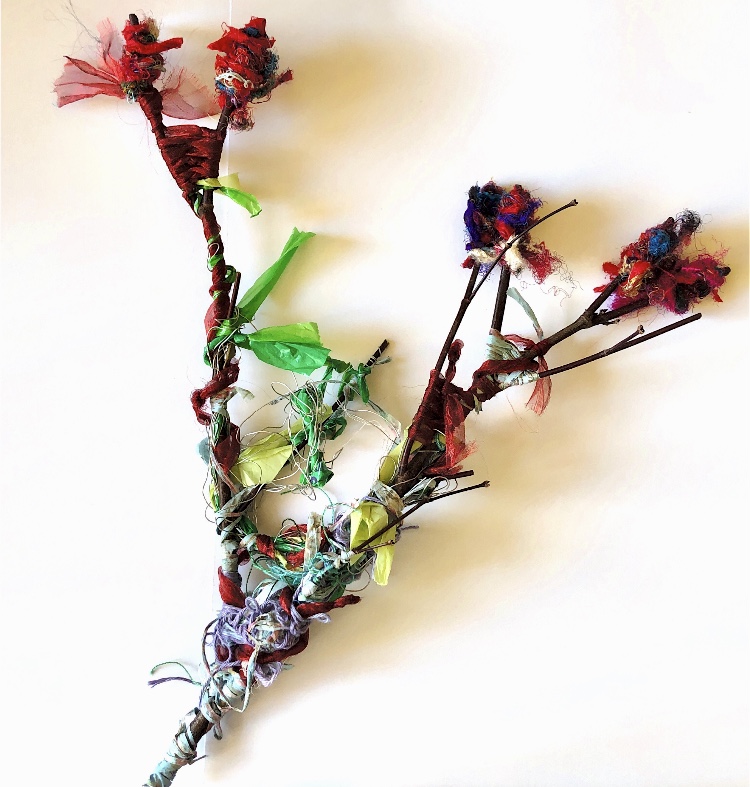
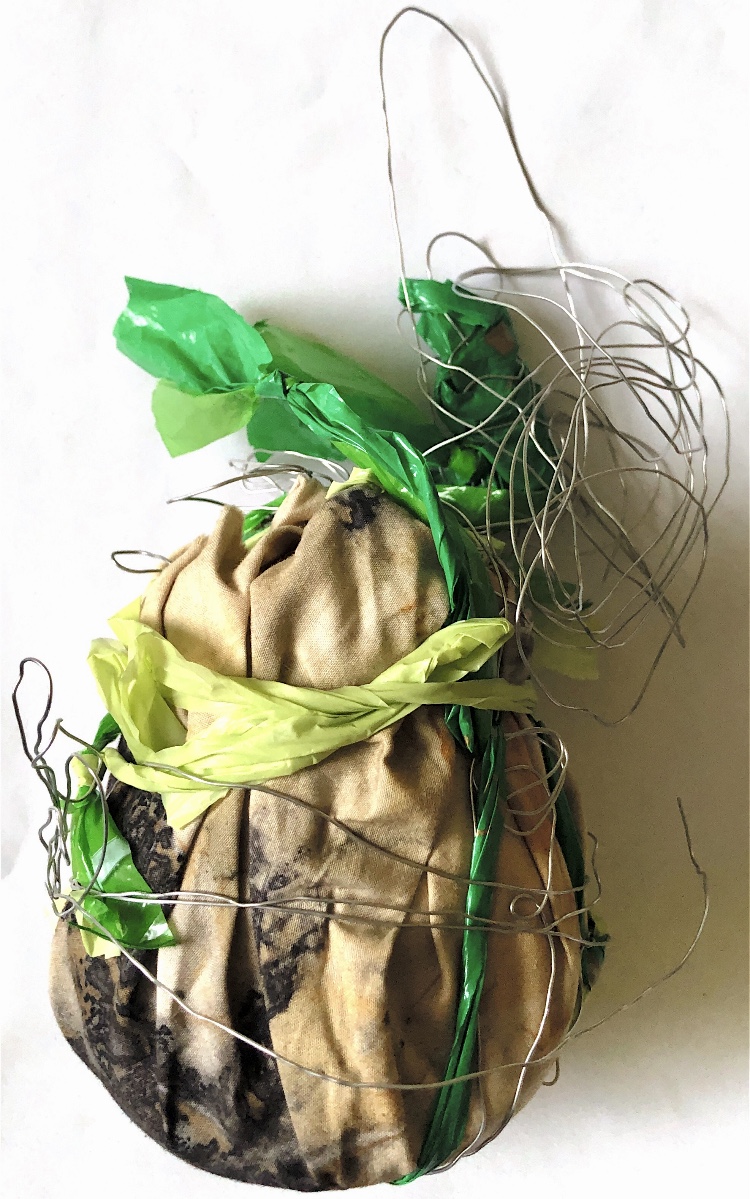
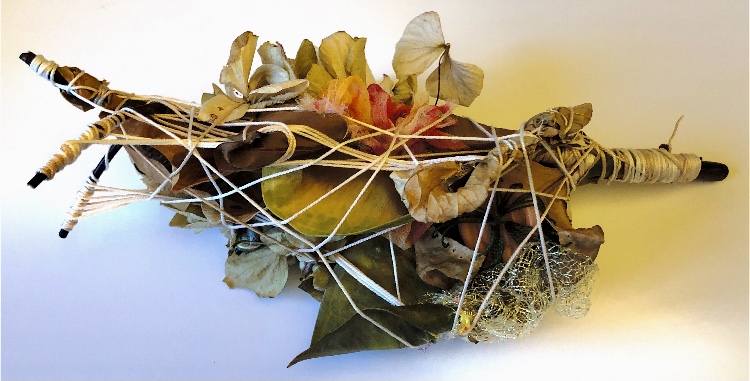
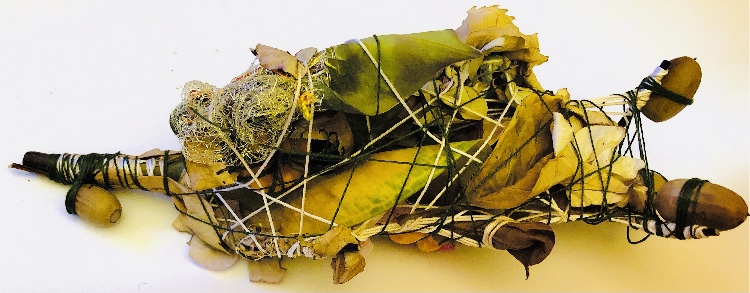
Fig, 5. I really enjoyed the wrapping section of MMT and tried to use lots of different materials including twigs, wire, plastic, eco dyed fabric, chiffon, silk waste and leaves. I like to combine organic and man-made materials and I think the twig wrapped with a combination of materials works really well.

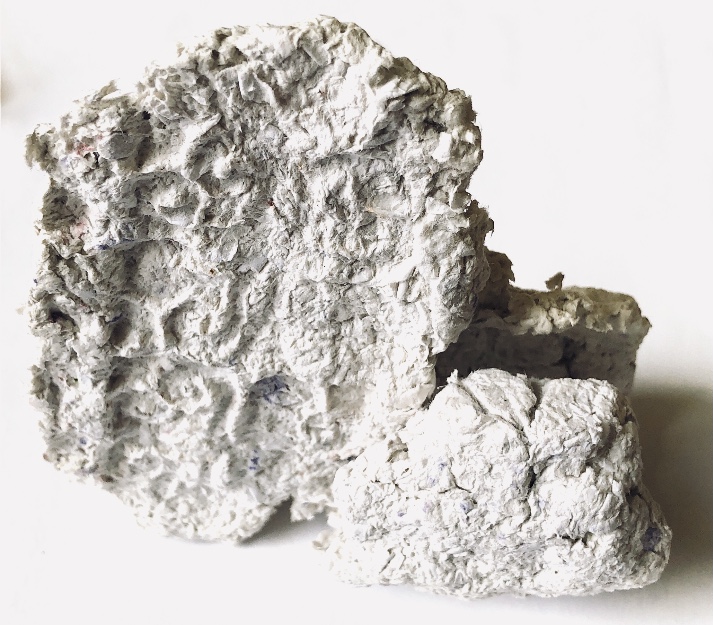
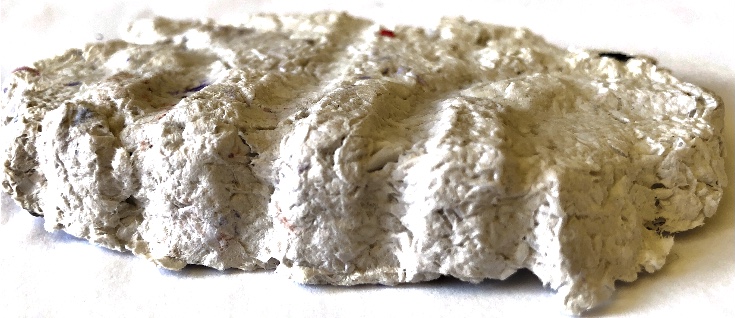
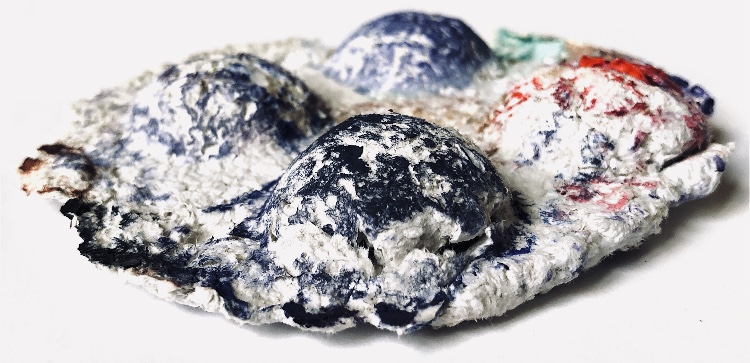
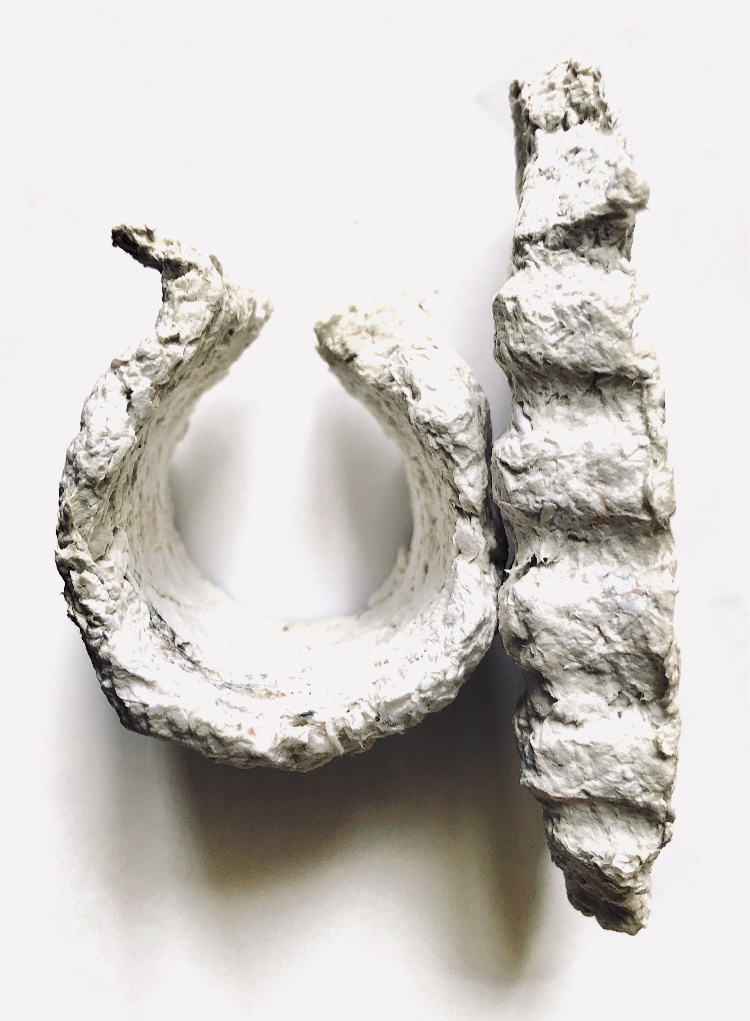
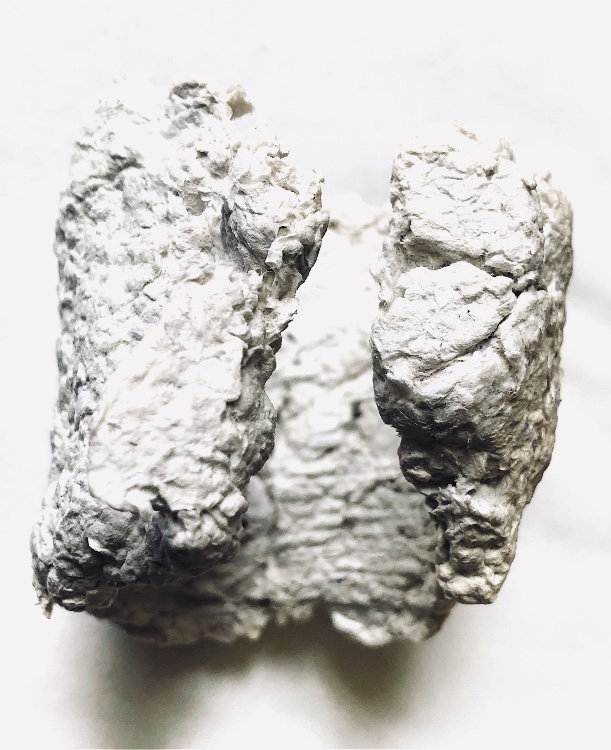
Fig, 6. I have chosen these cast paper mache pieces because I love the way they look like ancient carved stone, with patterns just visible like Roman remains. I am interested in the theme of buried artefacts and treasure, and this material works well for this subject. The sample which has picked up paint from its mold reminds me of a stone that had been decorated but has lost most of the paint through wear and age.

These samples have taught me that sometimes ‘less is more’ and that I don’t necessarily need to over embellish my pieces.

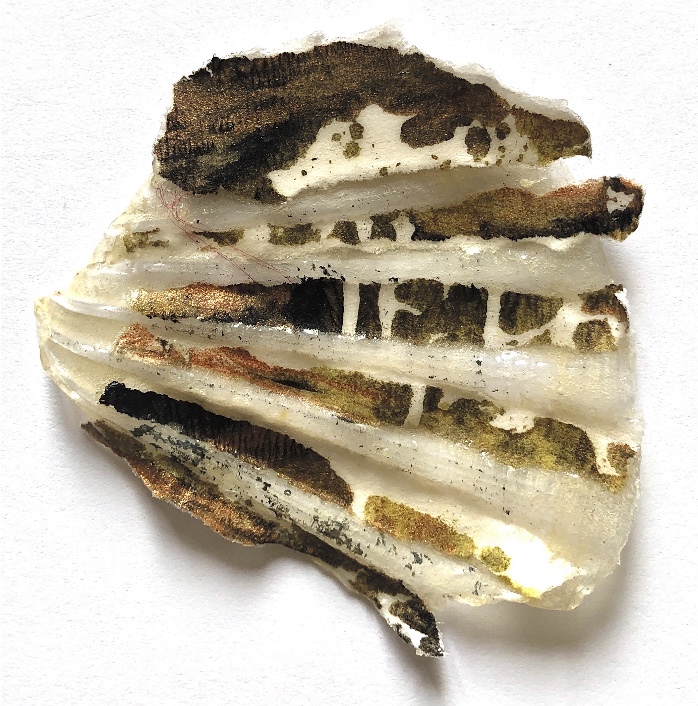
Fig, 7. I was unsure about using latex but I particularly like how this piece incorporating paper strips turned out. It was molded on a shell, and the translucency and flexibility of the latex makes it a useful idea for incorporation into larger pieces. I later used latex pieces to set into resin casts – creating an ethereal, other wordly look.

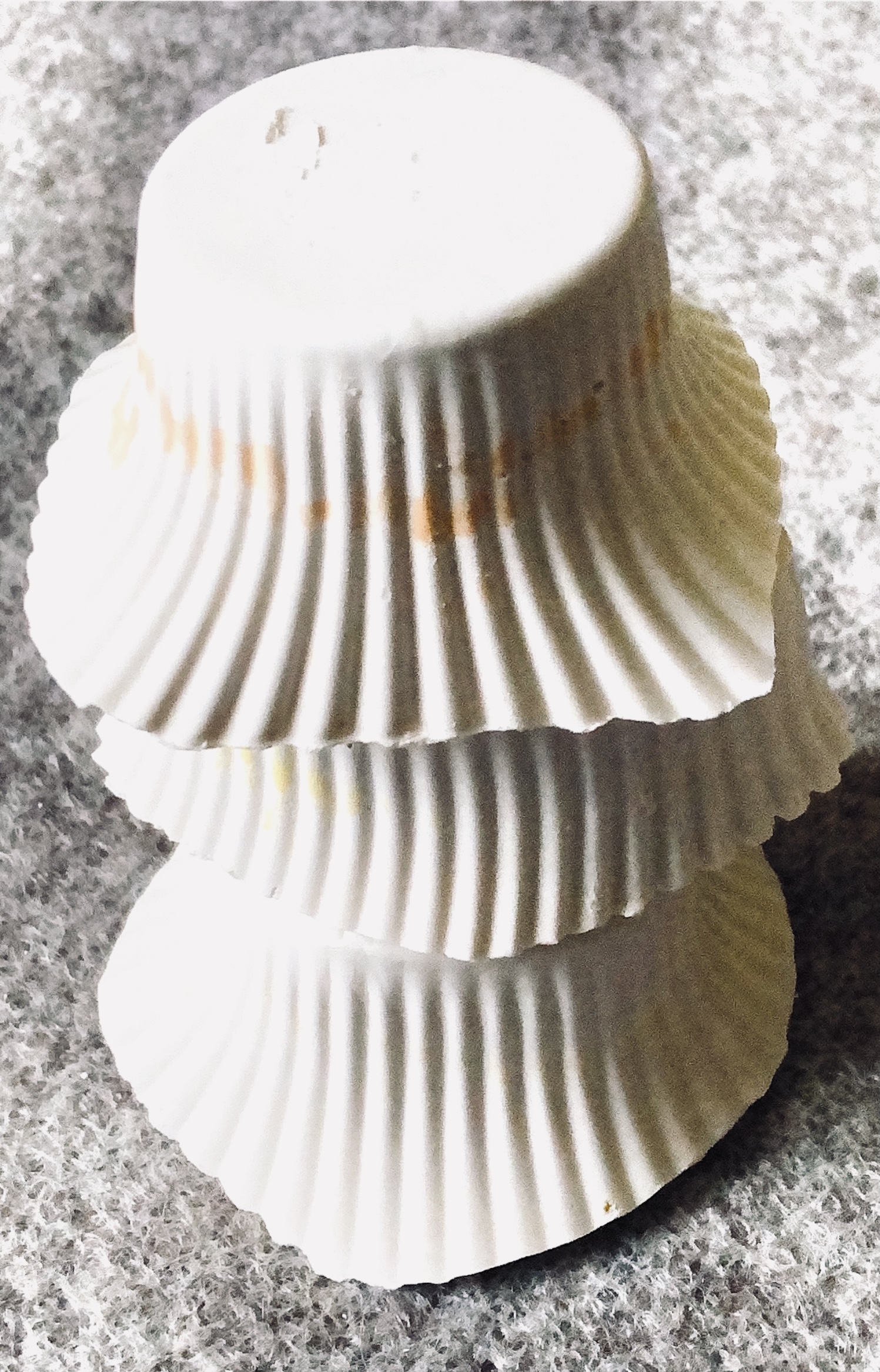
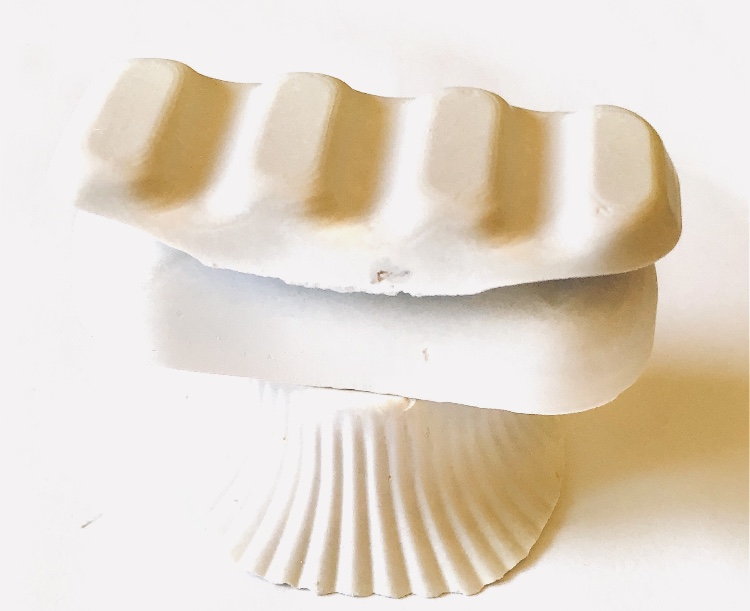
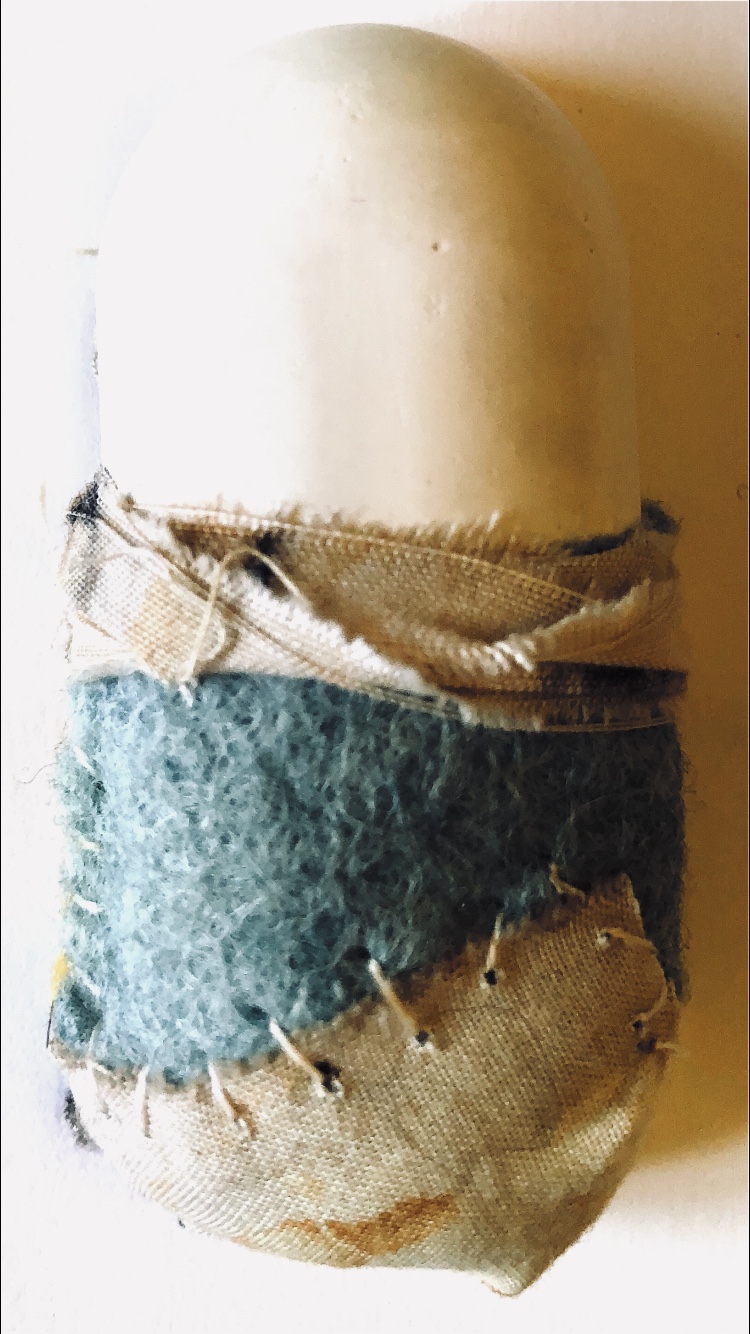
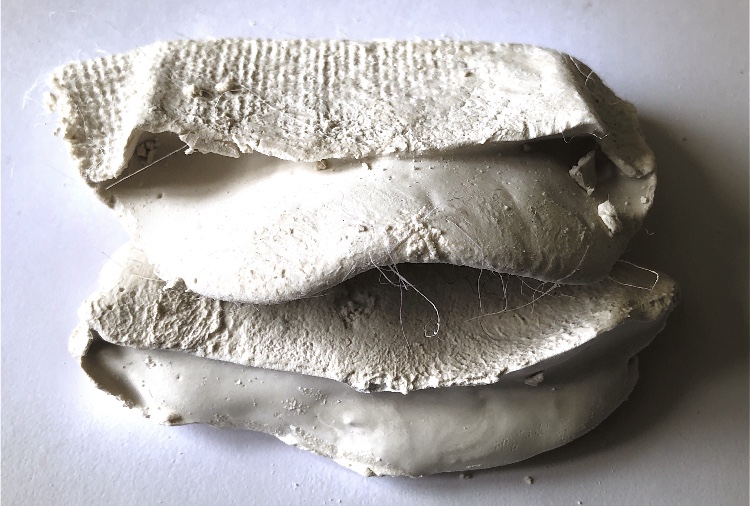
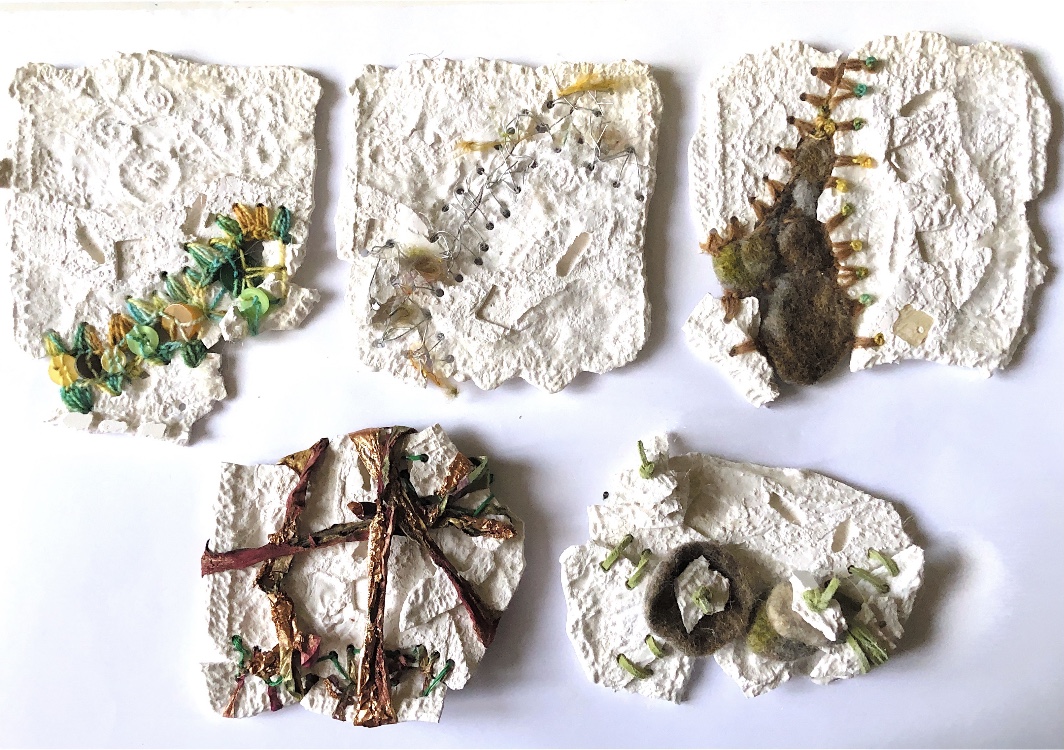
Fig, 8. Experimenting with small cast plaster of Paris shapes I created mini assemblages. This fired up my imagination for other experiments with assemblage later on. I also developed samples by printing, breaking and rejoining, and stitching fabric to make a pouch. These types of samples would work really well to make a final composition made of multiple pieces.

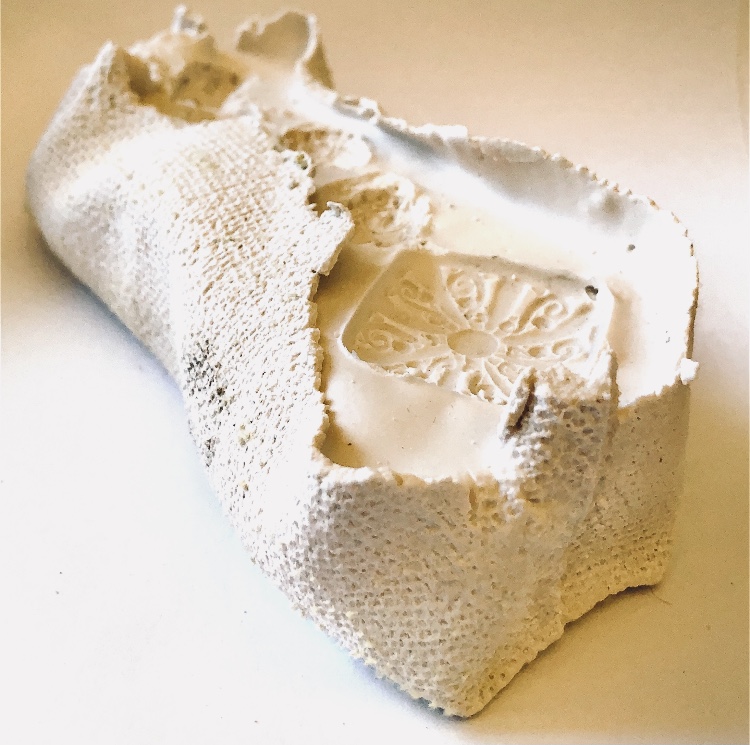
Fig, 9. Casting with plaster in small textile bags created samples with lots of texture. It was great to see every woven and knitted thread picked up by this material – plaster is great for detailed surfaces. The knitted bag left fibres in the plaster making a slightly fluffy piece that looked like coral. These pieces are satisfying to hold and stroke.

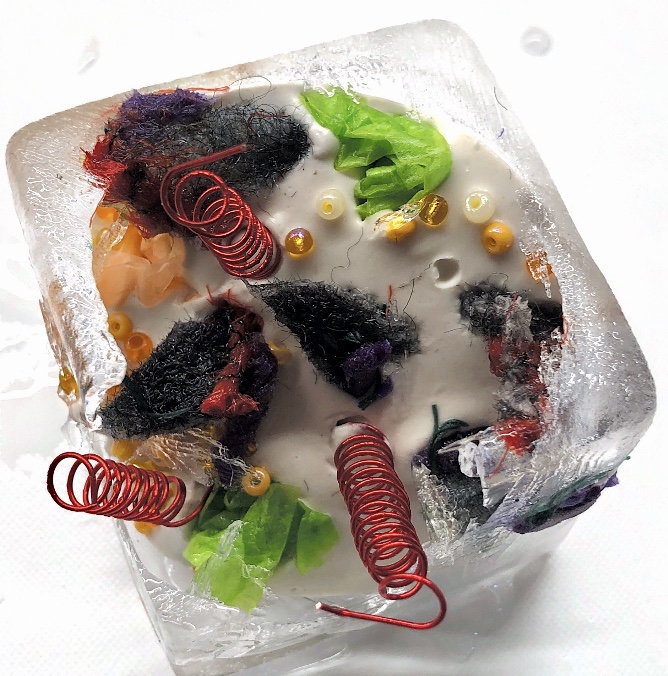
Fig, 10. These resin samples were created in silicone molds and contain natural and other materials such as wire, crayons, beads, latex samples, paper, tyvek and plaster. I particularly like the contrast of plaster and resin, the way the wire can be manipulated before entrapping, and the colours from melted wax crayons. These samples could be developed by experimenting more with molds – I haven’t tried resin in other types of mold. I also would like to experiment with making a number of pieces as a multiple sample. This is an area in which I intend to do some further experimentation.

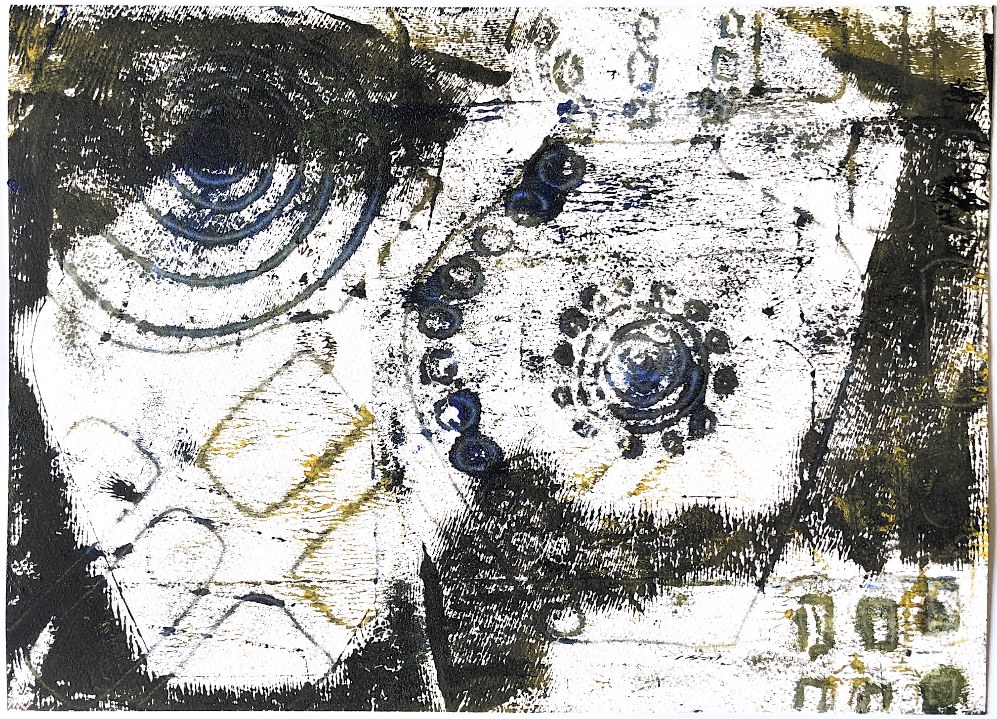
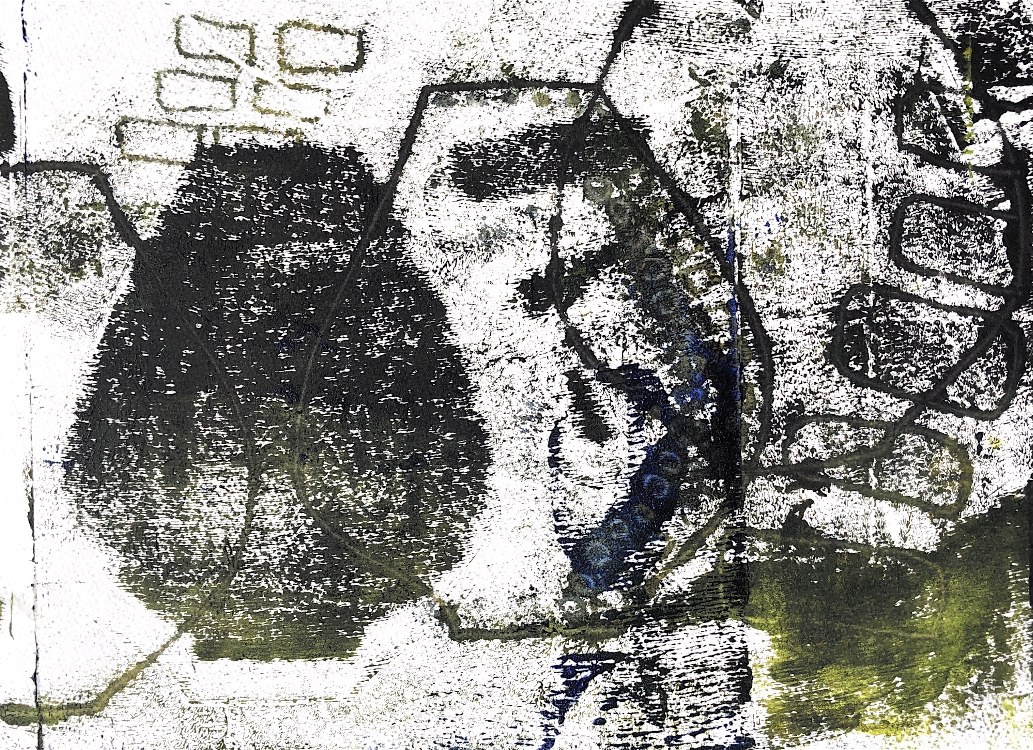
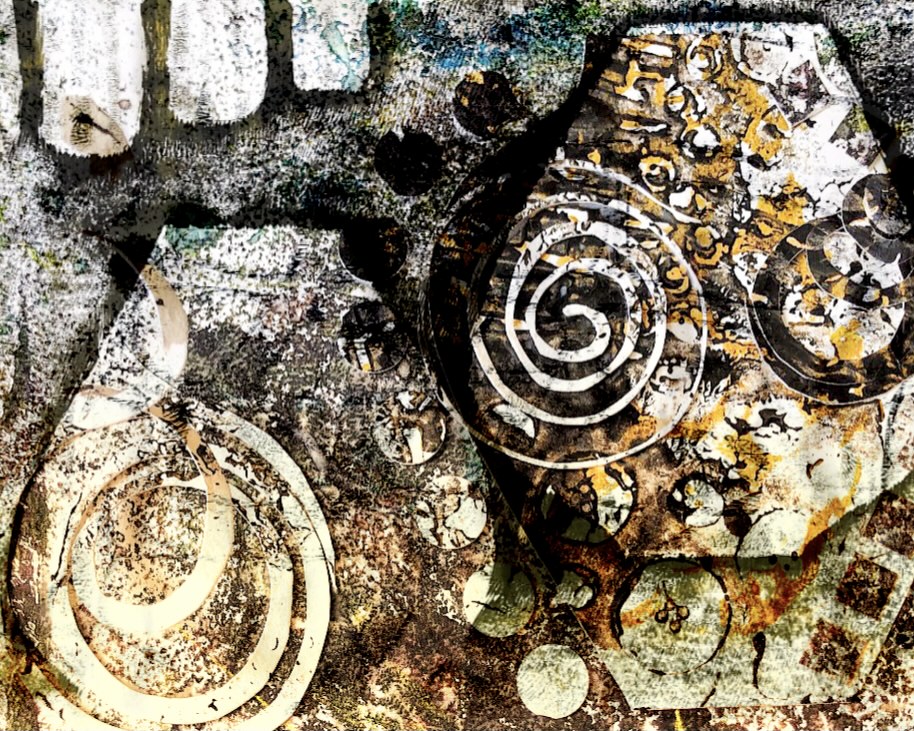
Fig, 11. It took a bit of trial and error to get to grips with back drawing as a part of printmaking but once I had experimented with different materials I was really happy with the result. The pot shape used in these prints contrasts with the decorative elements and the pieces have a dirty look of artefacts dug from the ground. Combining this technique with collagraph made a really exciting sample which has texture, light and shade and lots of inspiration for collage experiments.

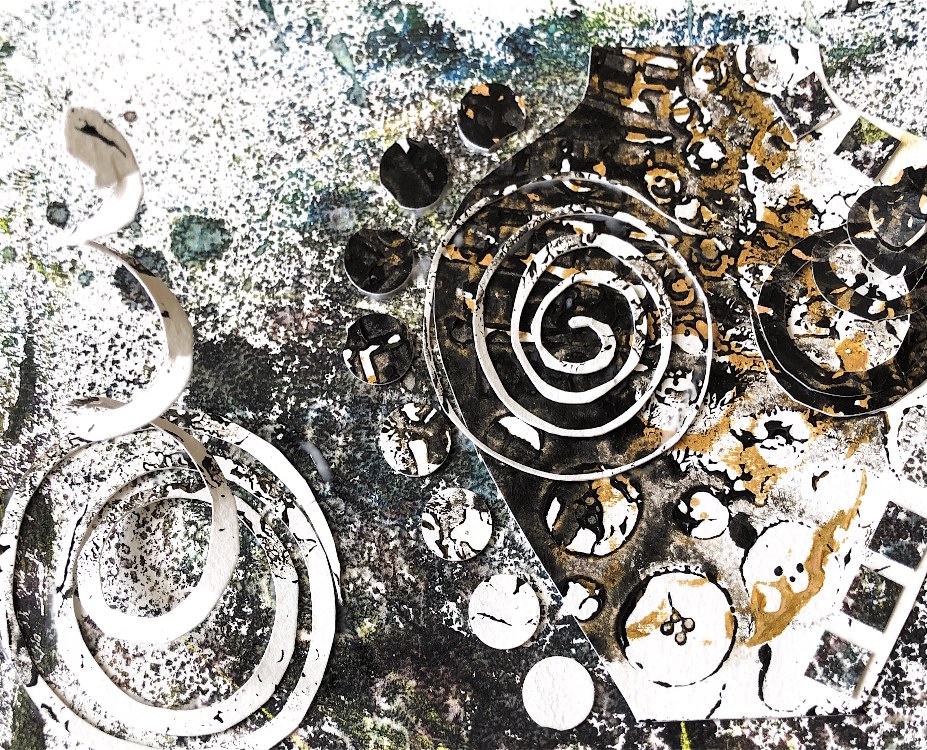
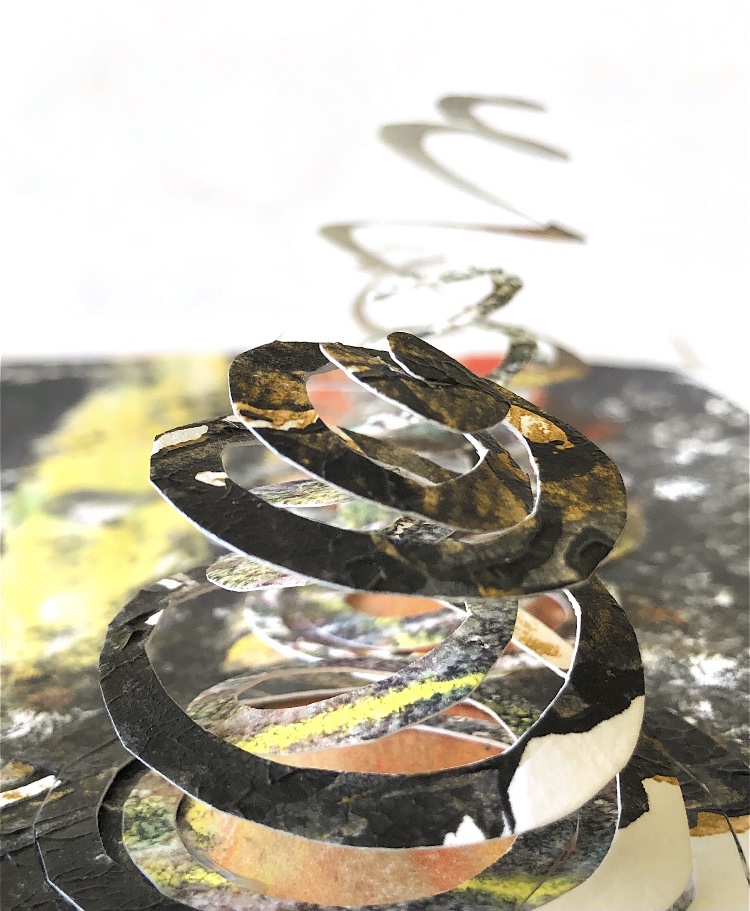
I was interested in the spiral shape which I developed with cut paper. This gave the samples a 3D element which is something I find myself wanting to create more and more as I progress. I’m wondering if these spirals could be combined with resin?.

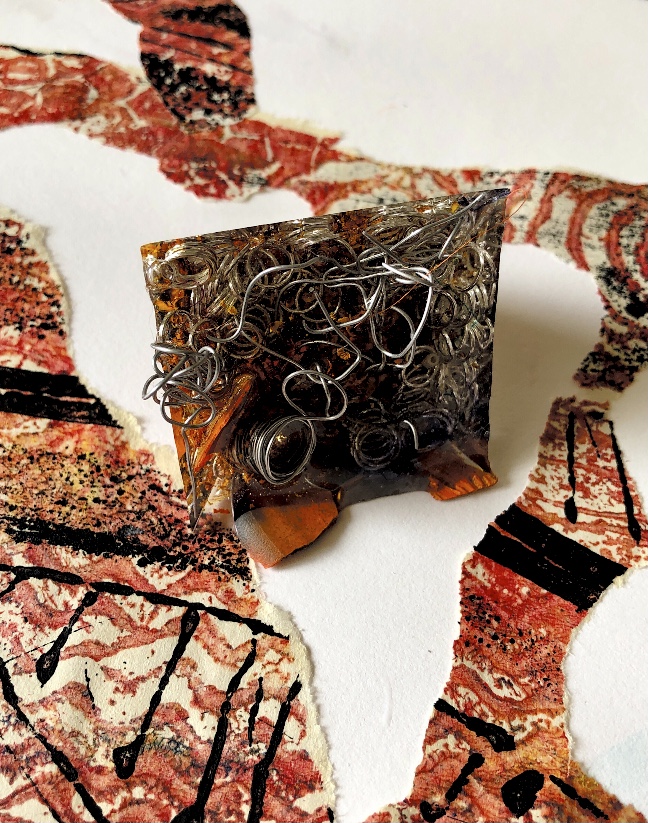
Fig, 12. For me making collages was a natural development from printmaking. Using the Snapseed App on my tablet I was able to put images together and create unusual patterns which I then made into torn paper collage. These made surreal, strange pieces which I combined with my resin samples. I like the contrast of materials and shapes, making an other wordly scene. The colours are bold and the torn paper lines lead the viewer to the solid object made of resin and other materials which looks like it has dropped there from space.

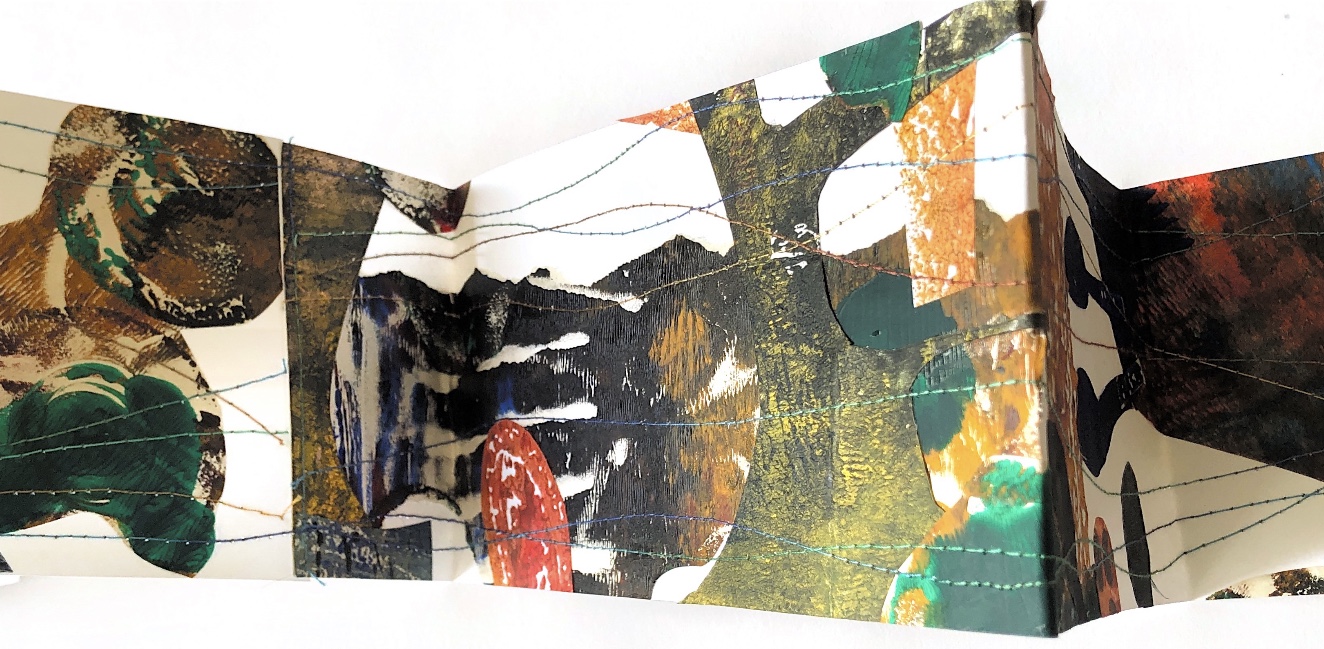
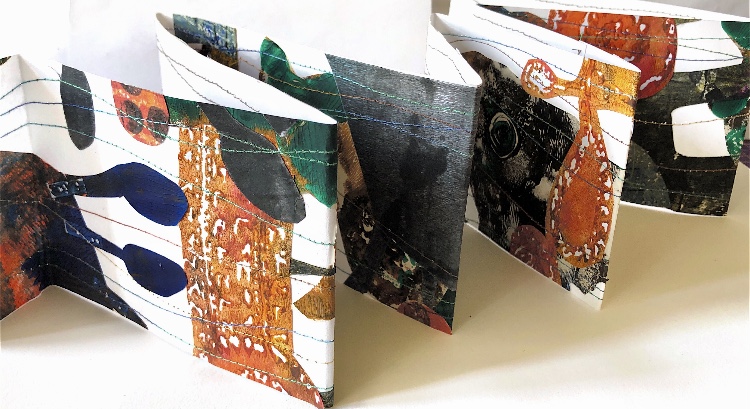
Fig, 13. Moving along the printing and collage theme I made these books with lots of leftover cutouts and added some stitch. Looking closely there are lots of landscapes which could provide inspiration for further work. I think these are fantasy landscapes as they don’t look real in shape, colour or perspective. The colours in these books would make different starting points for colour palettes for my next body of work.

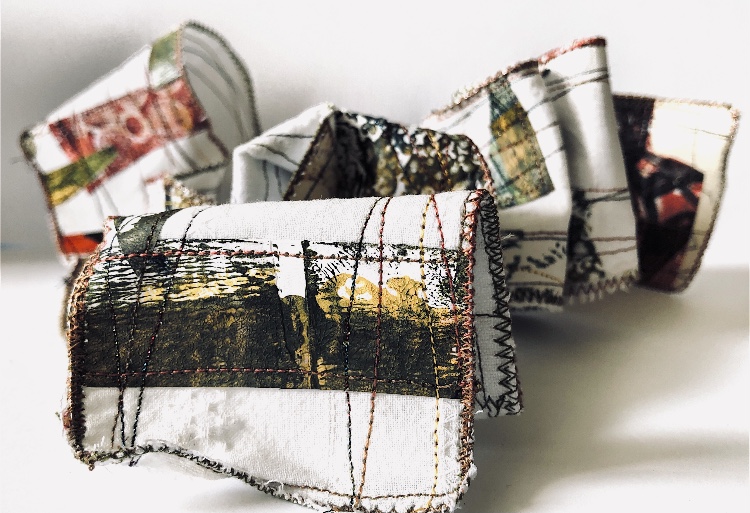
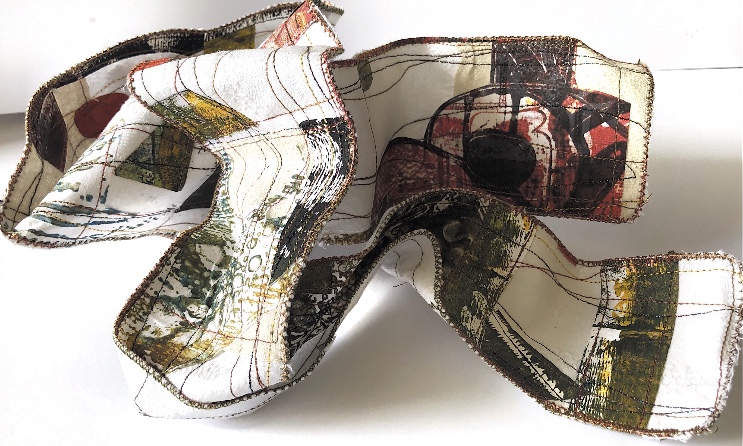
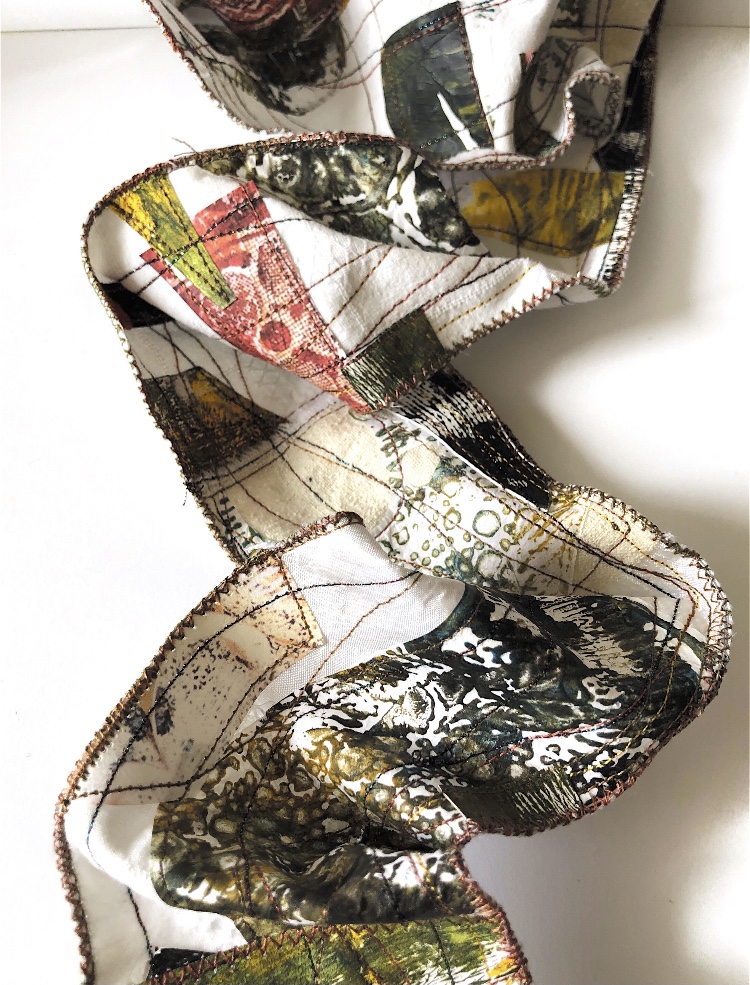
Fig, 14. Having completed MMT4, before starting my review, I decided to make a fabric strip a bit like the book above, with the scraps on my work desk. I stayed with the same idea of stitching lines to keep the eye moving along the piece, and added wire along the edges so that it could be manipulated into different shapes. The idea of a piece that the viewer could change to create another shape is something worth exploring I think.

From reviewing these standout pieces I can see that I am developing my personal voice in my ideas and how I develop pieces. Assemblage, sculpture, wrapping, collage with printed materials and mixing different techniques and materials are areas that really stand out. I like to use pattern and detail alongside bold shapes. My themes of buried treasure, surreality, contrast, assemblage and manipulation can all be combined and developed.

I would like to experiment more with resin, – by combining it with plaster and other materials, and using different molds. Assemblage of multiple pieces is also something that interests me, and wrapping/tying together different materials.