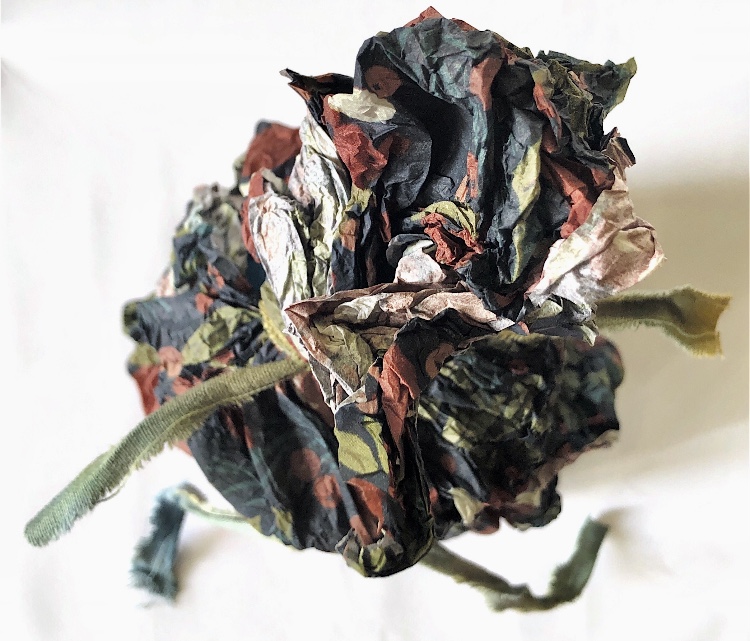
Category Archives: MMT PART 2 JOINING AND WRAPPING

Textiles 1 Mixed media for textiles Part 2 Joining and wrapping Assignment 2 Reflection using the assessment criteria

Demonstration of technical and visual skills

I have used a wide range of natural and man made materials for these exercises and combined them in different ways. I have continued to demonstrate and develop my visual awareness by painting, drawing, printing, and photo manipulation; I also used crochet to ‘draw’ one sample which was very successful. I have used a variety of colour palettes to enhance my samples together with the use of strong technical skills. I have considered design and composition on every sample, producing inspiring and exciting results.

Quality of outcome

All of my samples are well presented with clear photos taken from different angles, mainly on a white background for clarity. I have researched and reflected throughout my blog to give a coherent background to my thought process. At the sorting stage I considered and chose a wide variety of samples, each with something different to inspire, excite or reflect upon, and documented my thoughts on each piece.

Demonstration of creativity

I have made lots of samples and developed some of these further using different materials. Through constant experimentation and evaluation I am starting to develop my personal voice. In the sorting stage I have reflected on my colour choices and my sense of what has worked best for me, together with ideas for future work. Each sample I have chosen demonstrates technical and creative skill.

Context

My research is wide ranging – magazines, books from the library, websites, newspaper articles, my local area, and talking to people. I have focussed my research to concentrate on artists, designers and makers whose work I felt I could use as a starting point for ideas, and I have continued to research and reflect as I have progressed. My learning log documents my ideas and thought processes, and the development of my own designs, together with constant reflection. I am getting more comfortable with the process of continually reflecting and want to work further on discovering and using the context of ideas, artworks and inspiration.

Textiles 1 Mixed Media for textiles Part 2 Joining and wrapping Stage 4 sorting

Sample 1

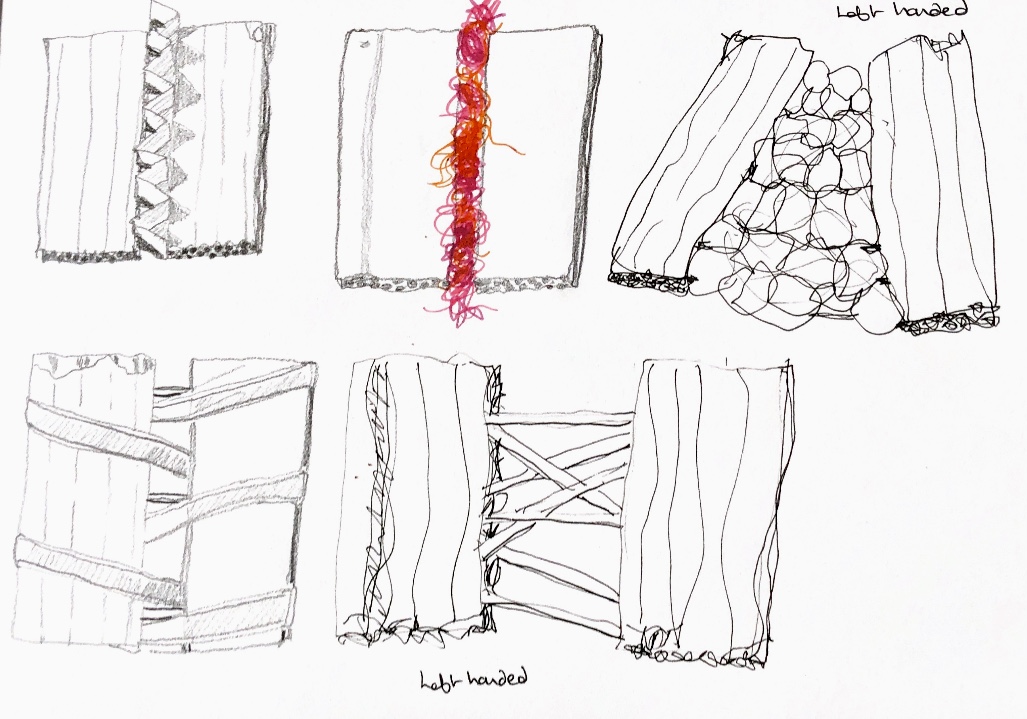
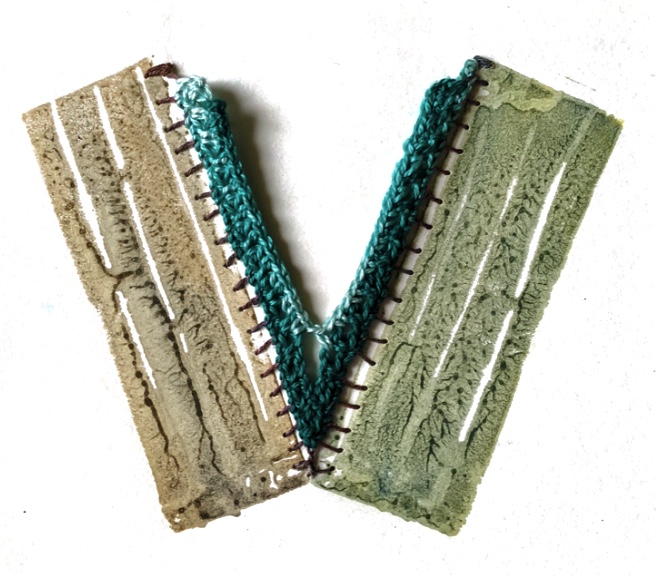
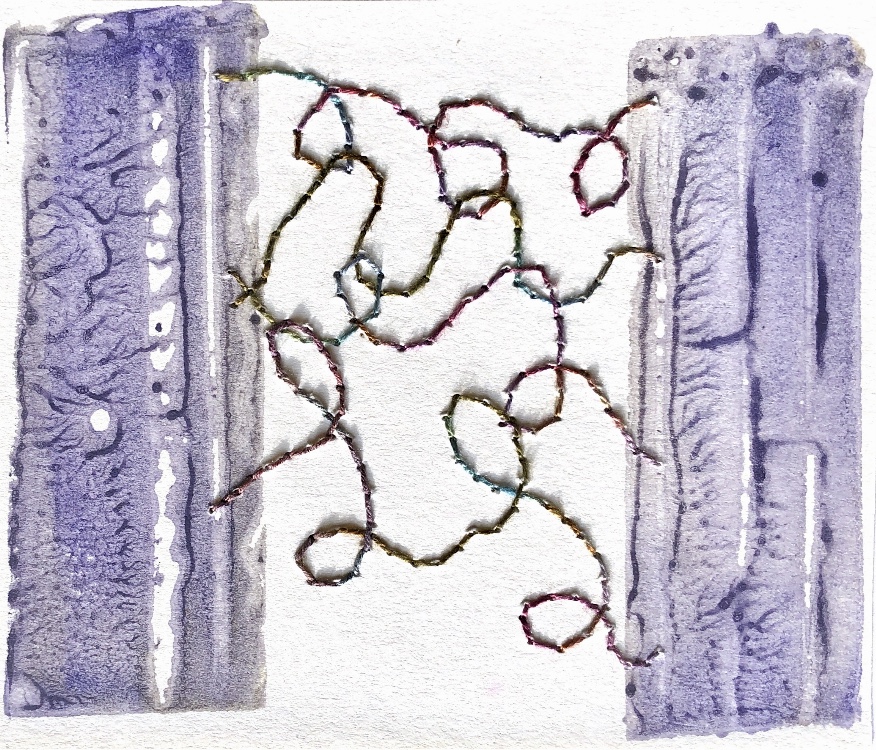
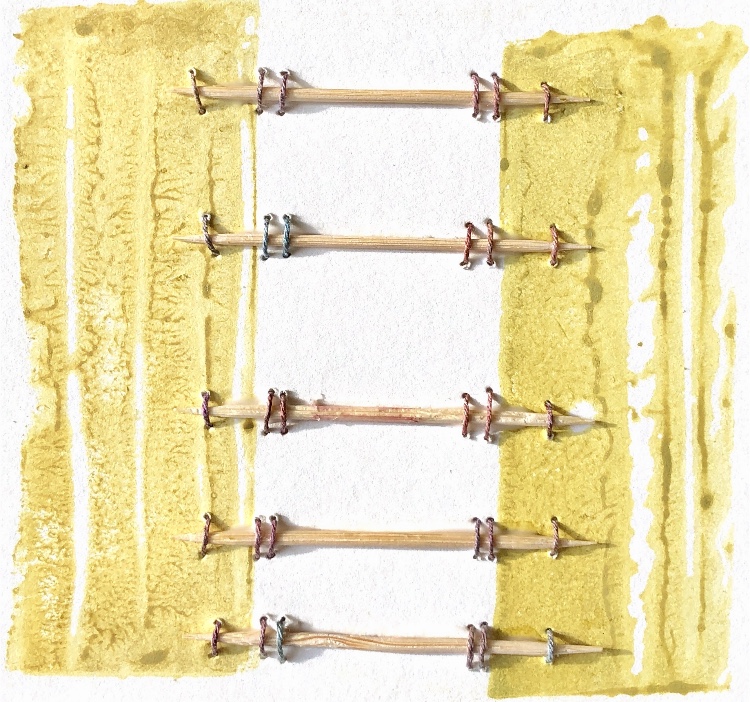
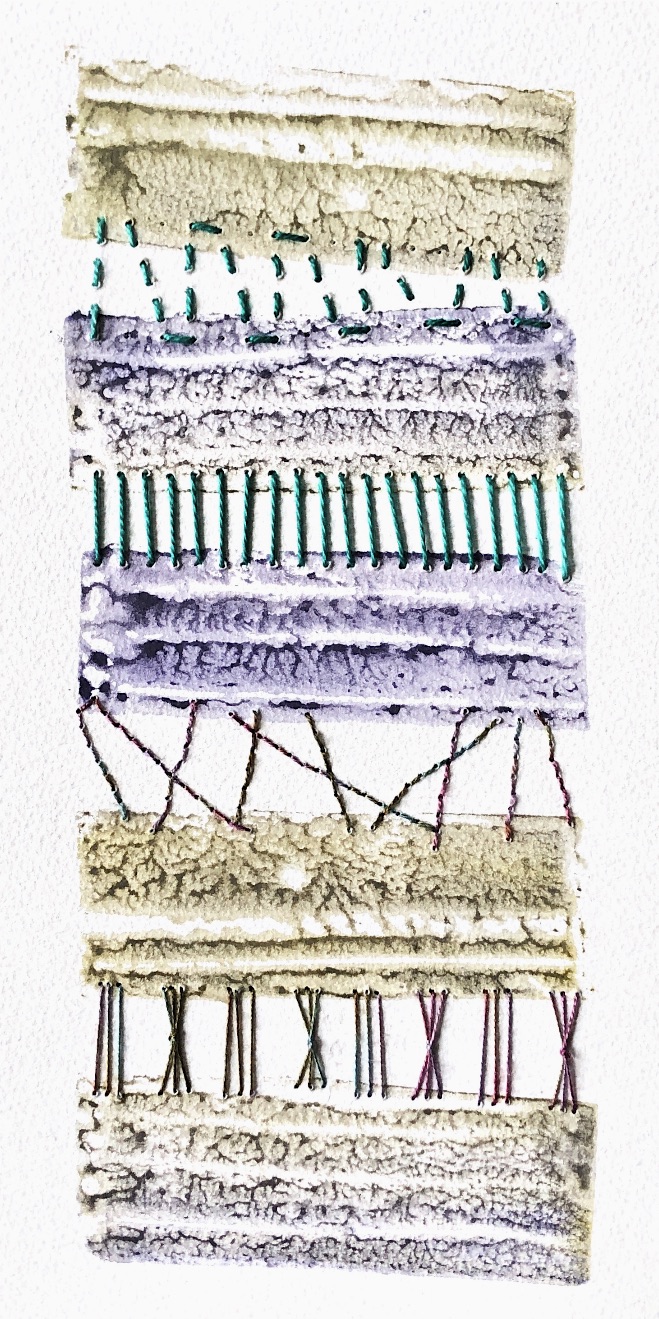
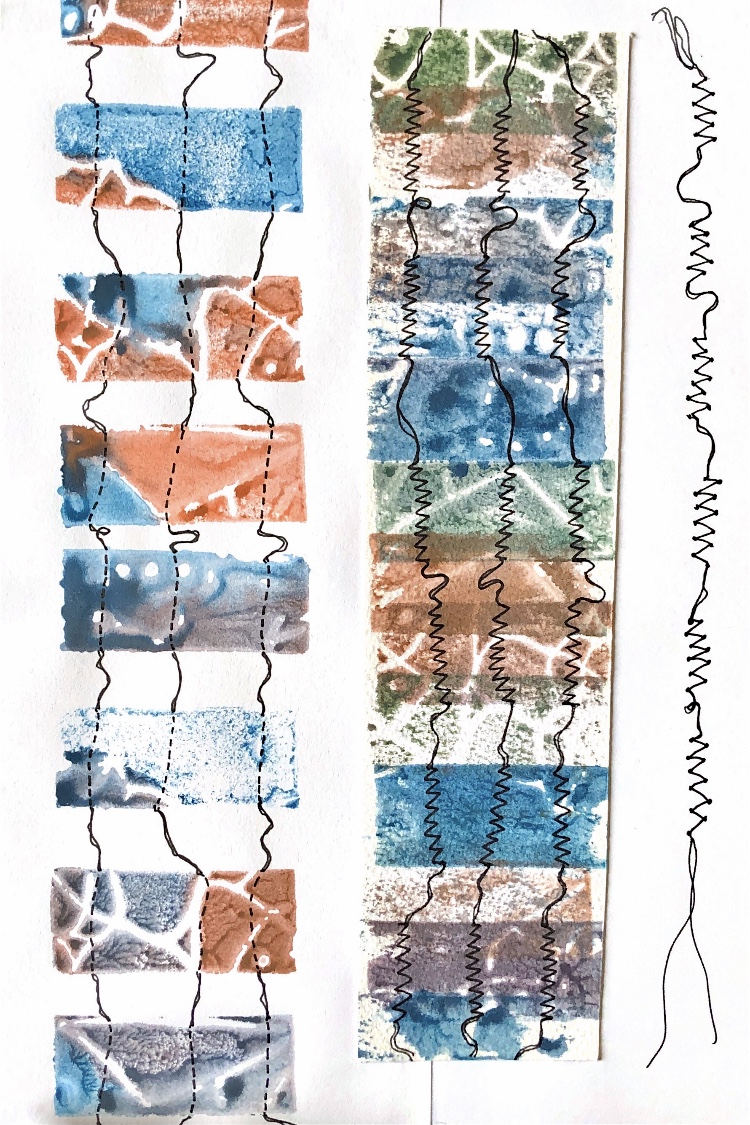
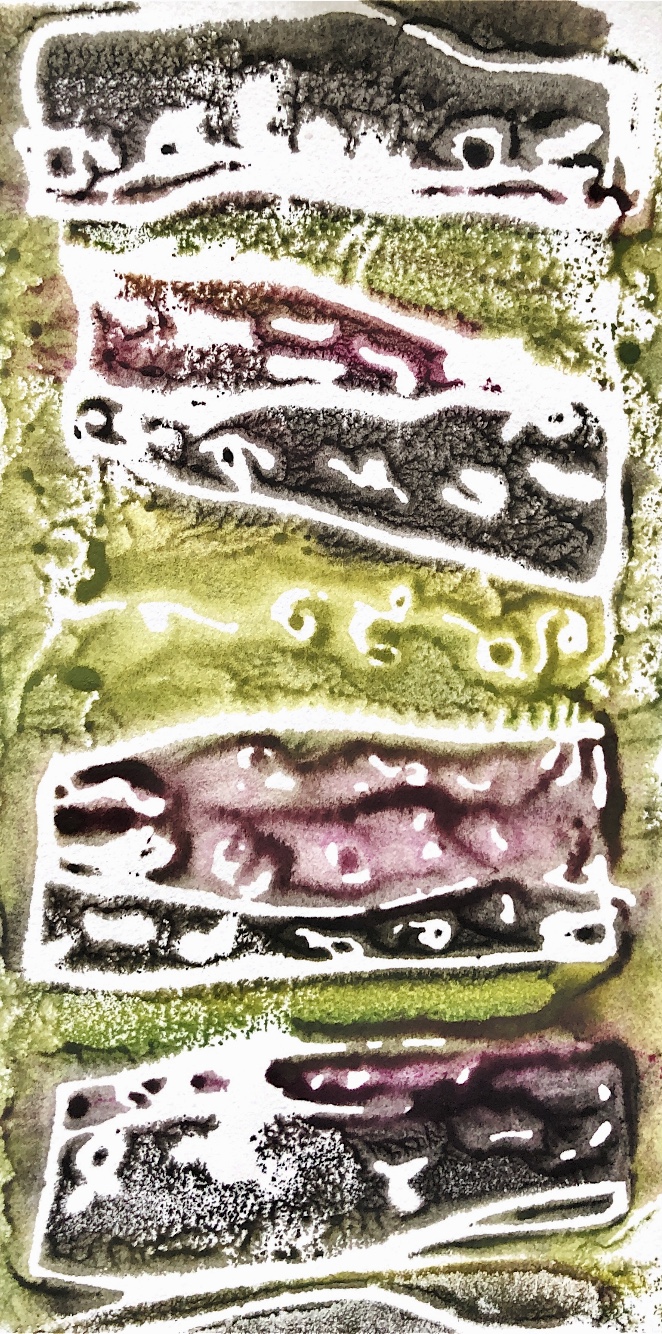
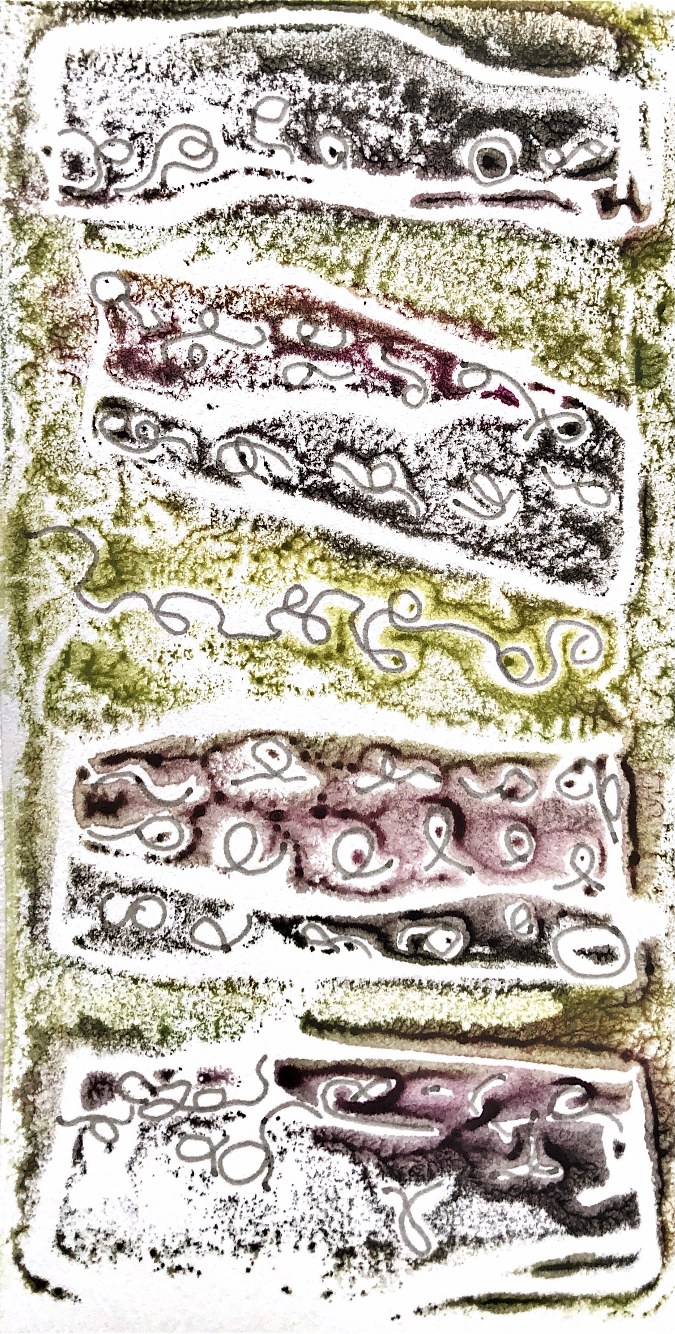
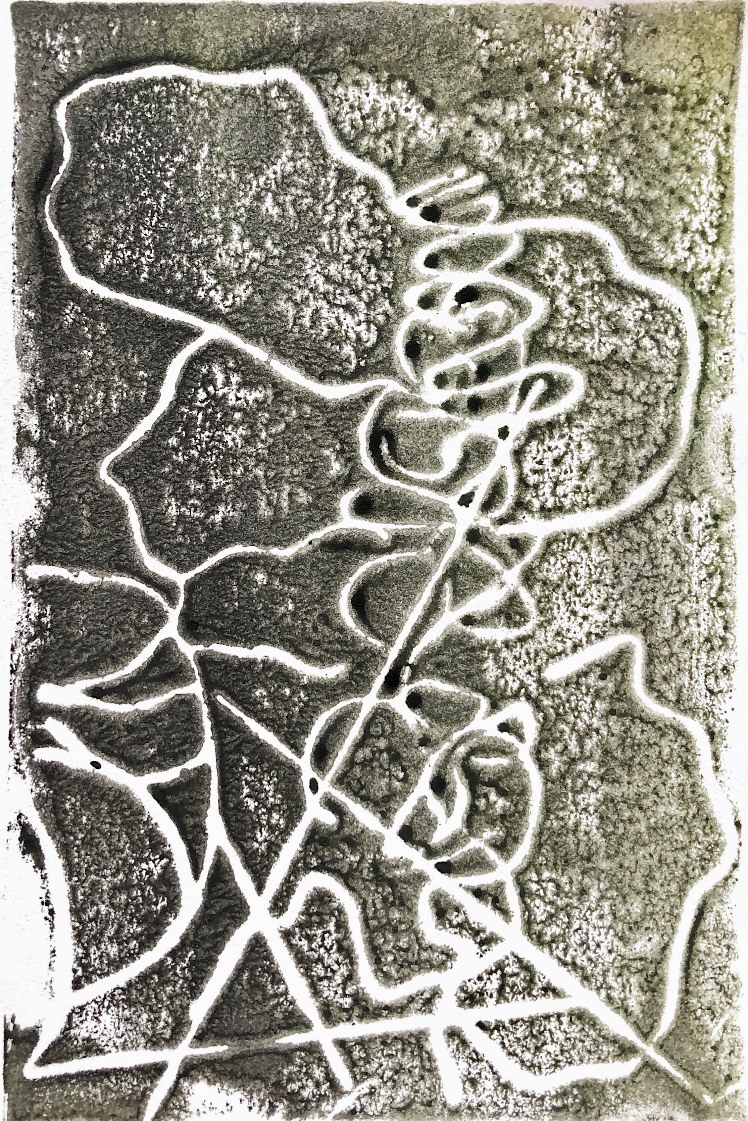
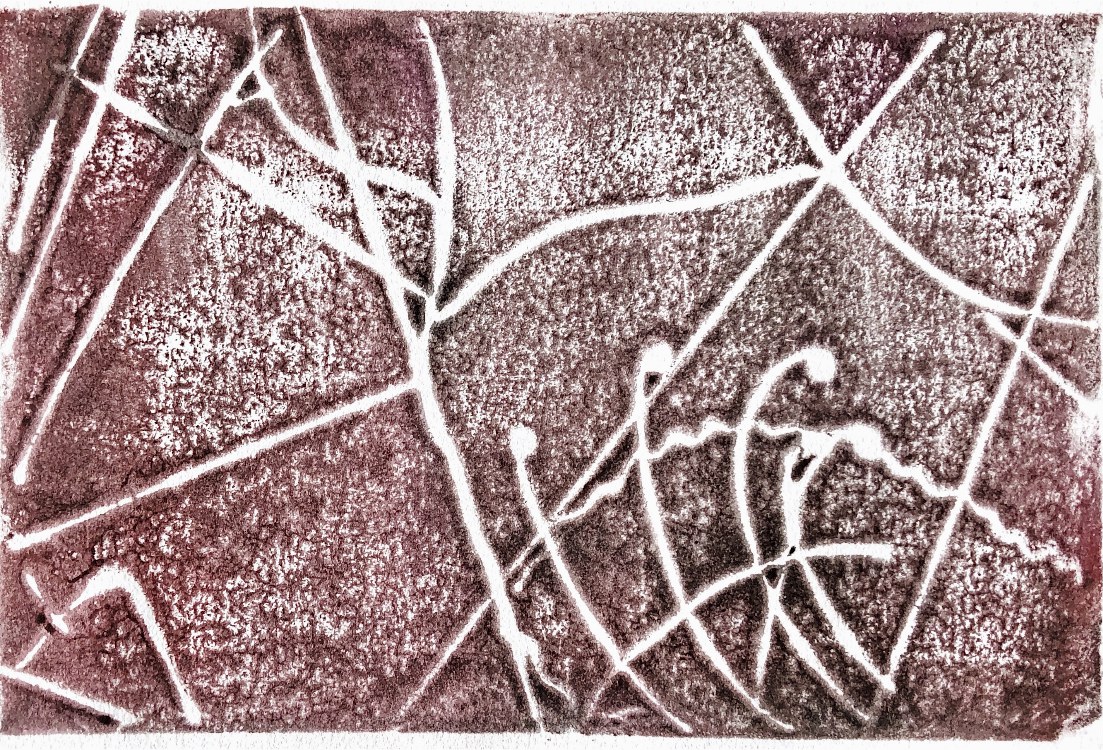
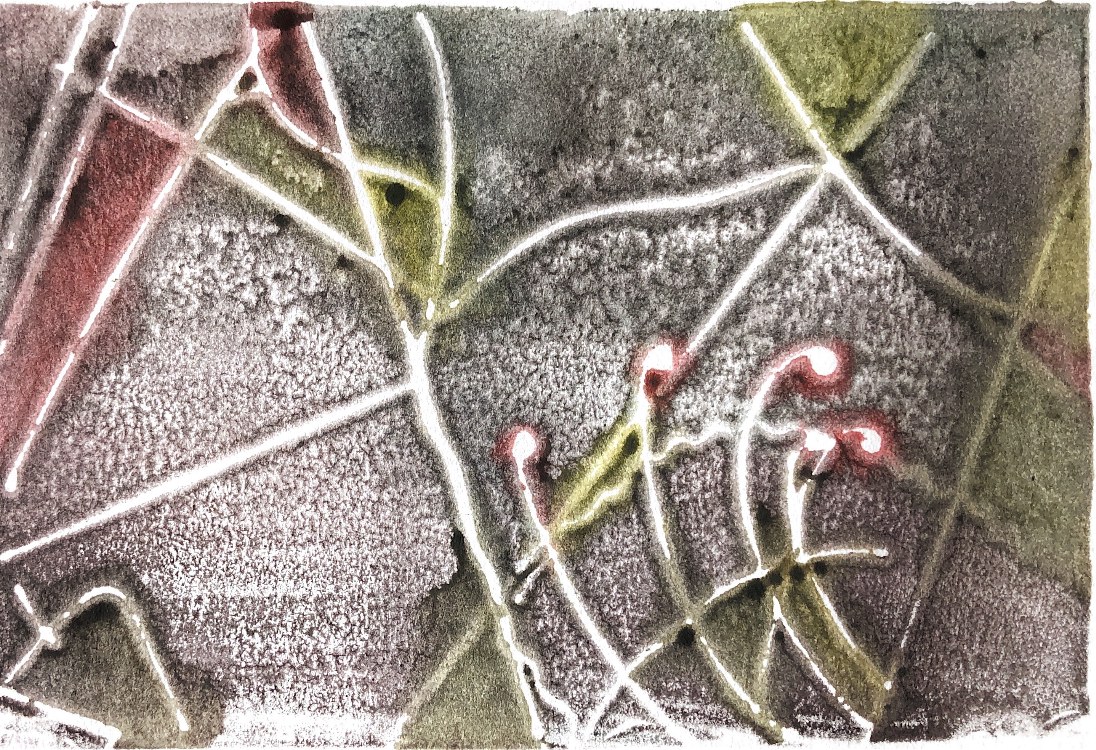
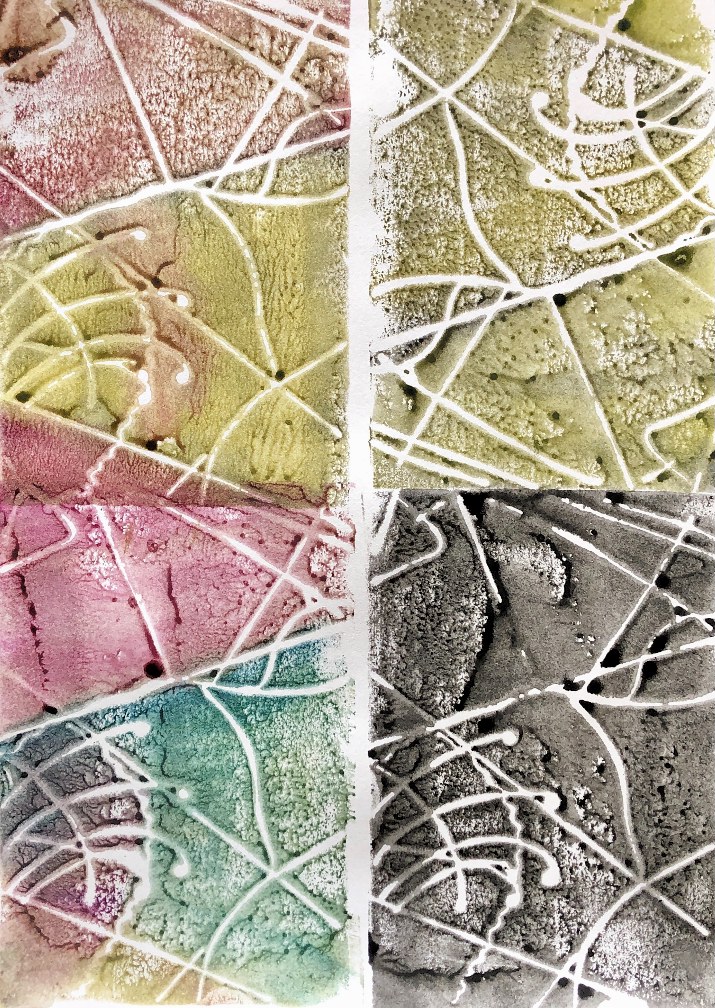
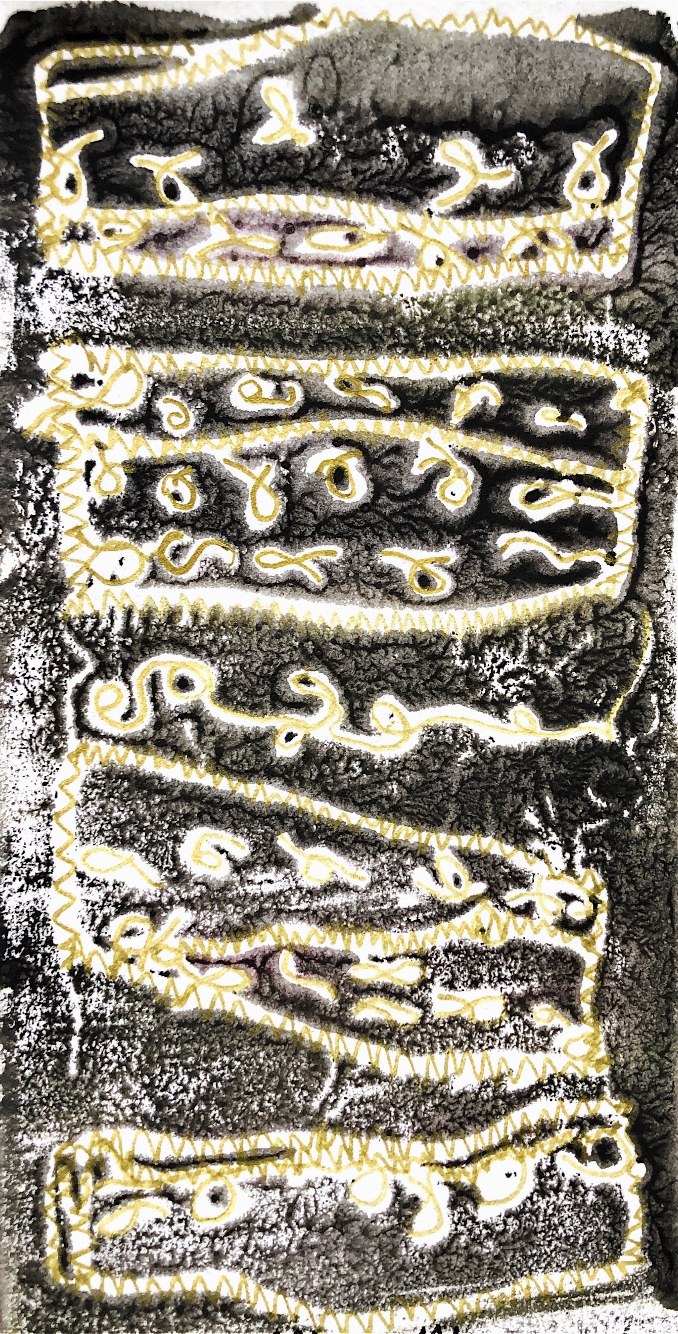
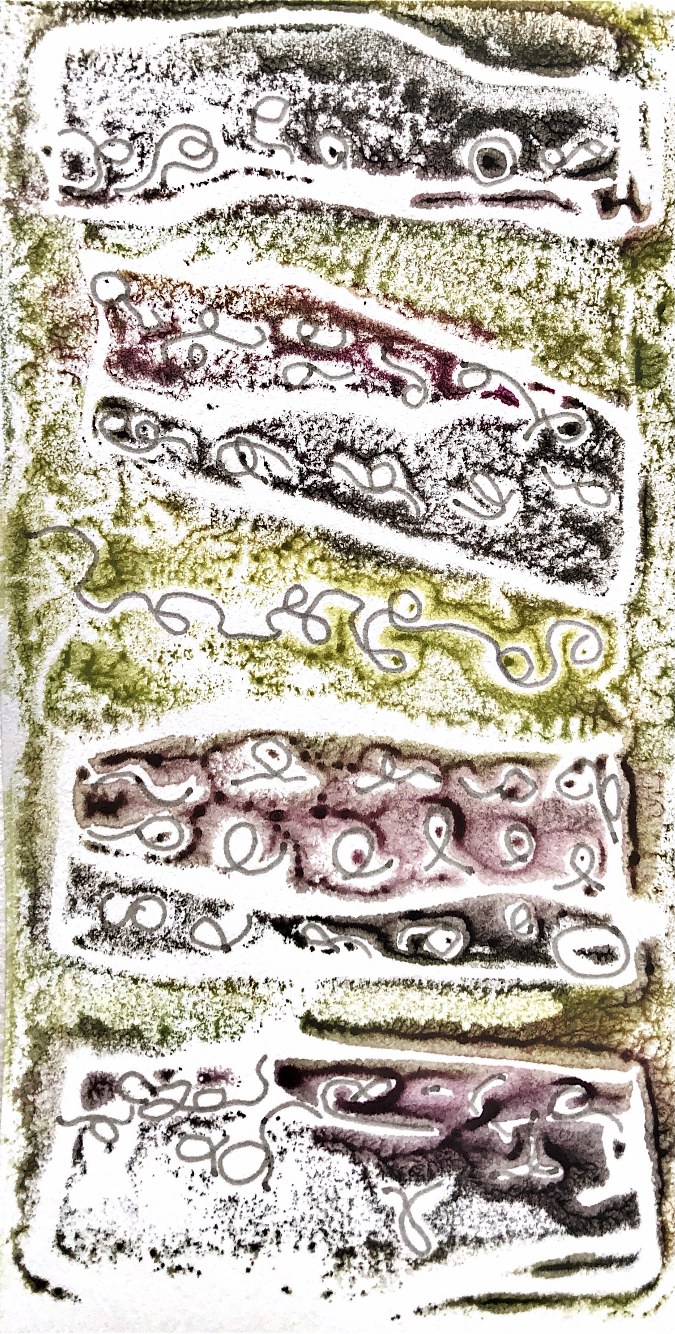
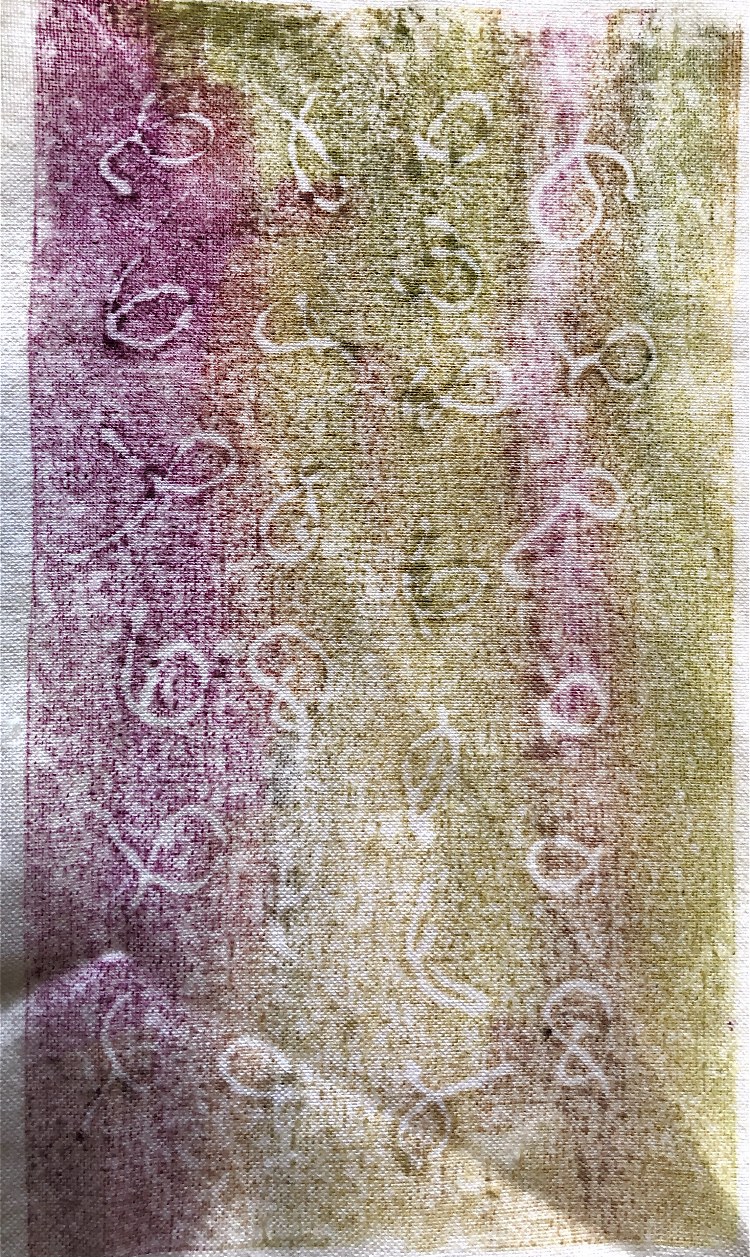
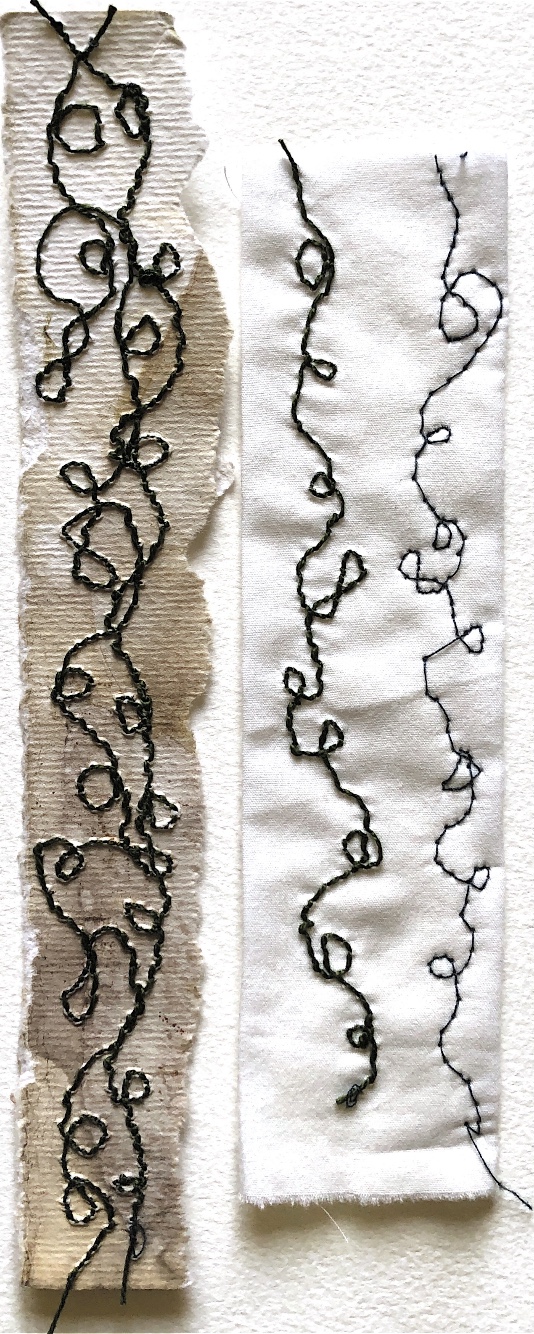
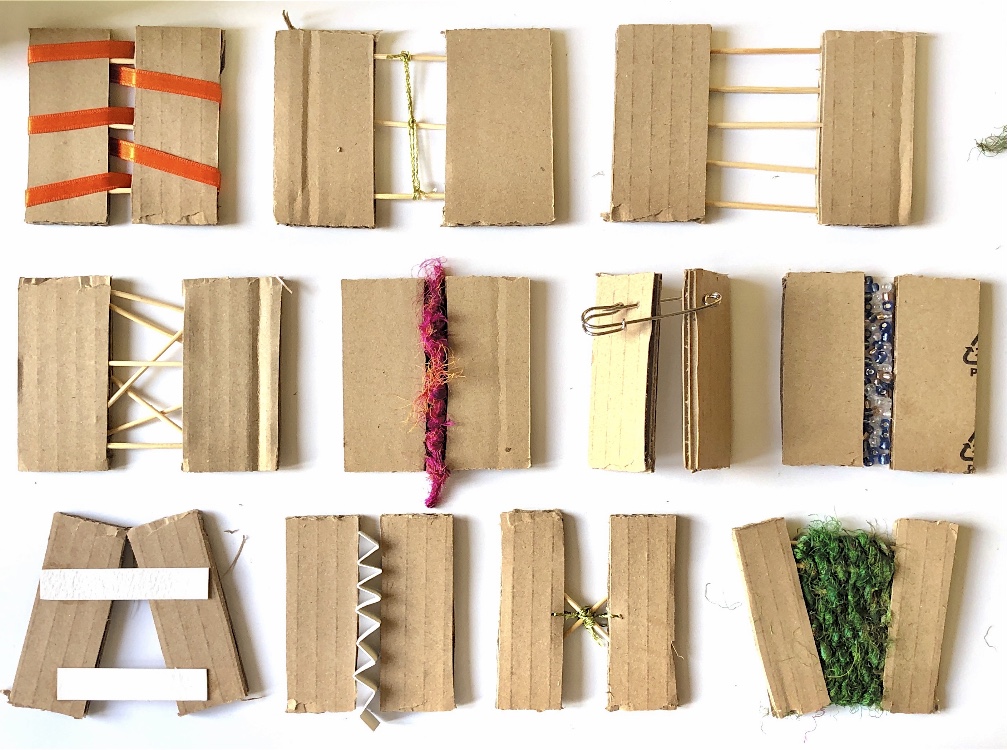
I love the variety of these simple samples using corrugated card and a variety of joining materials. Having drawn them I decided to print the card shapes onto watercolour paper and then to add stitching, crochet and couched sticks. I like to stitch on paper and can see that this technique of printing first and then embellishing could be used for a variety of subjects, combining different materials to add texture.

Sample 2

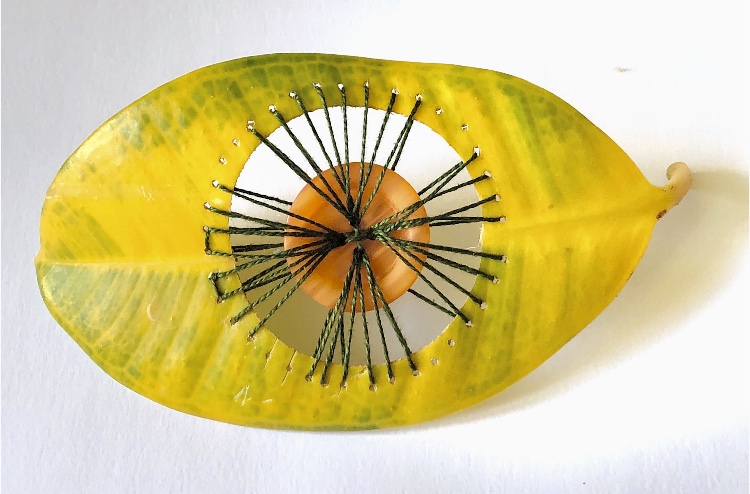
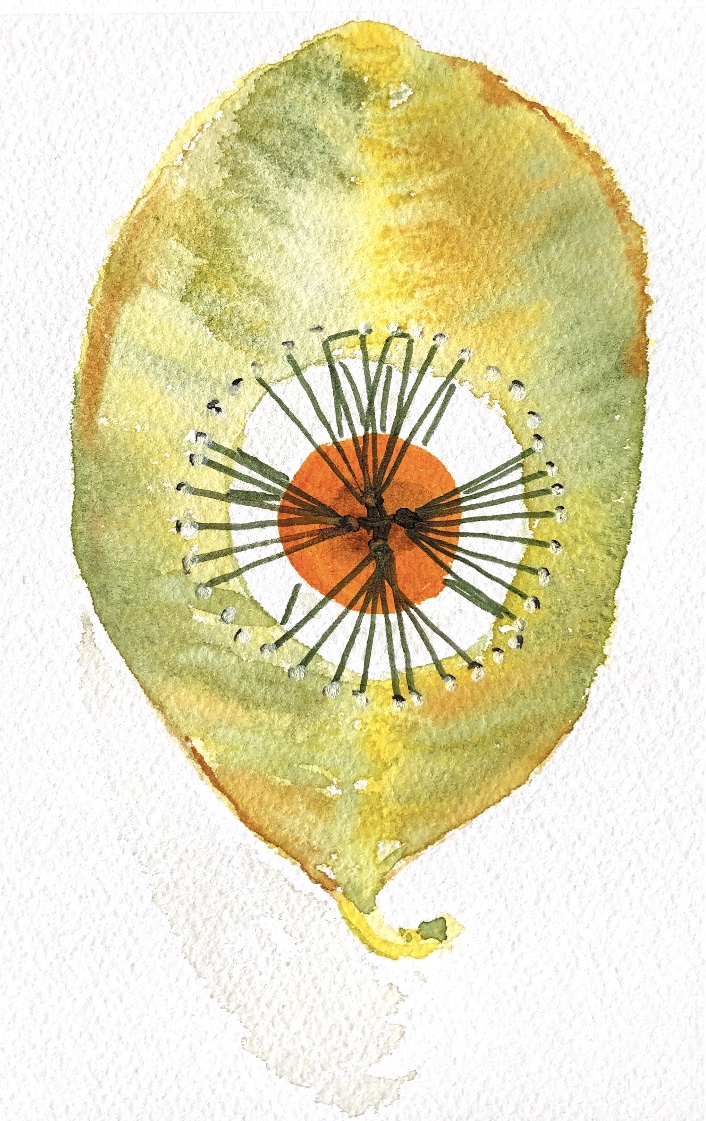
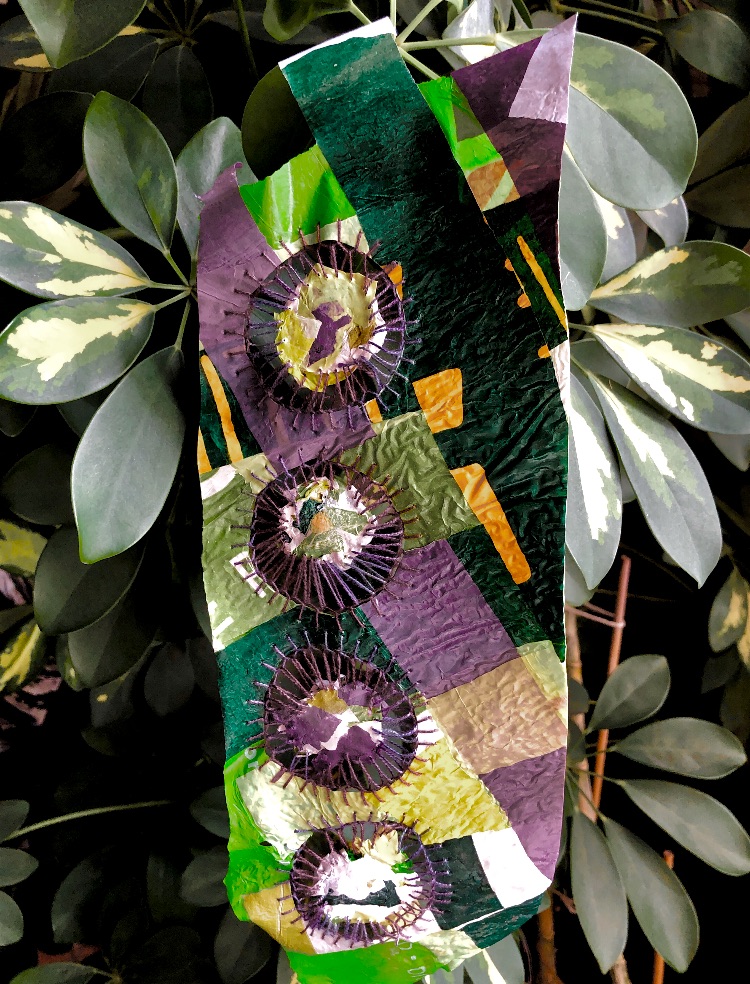
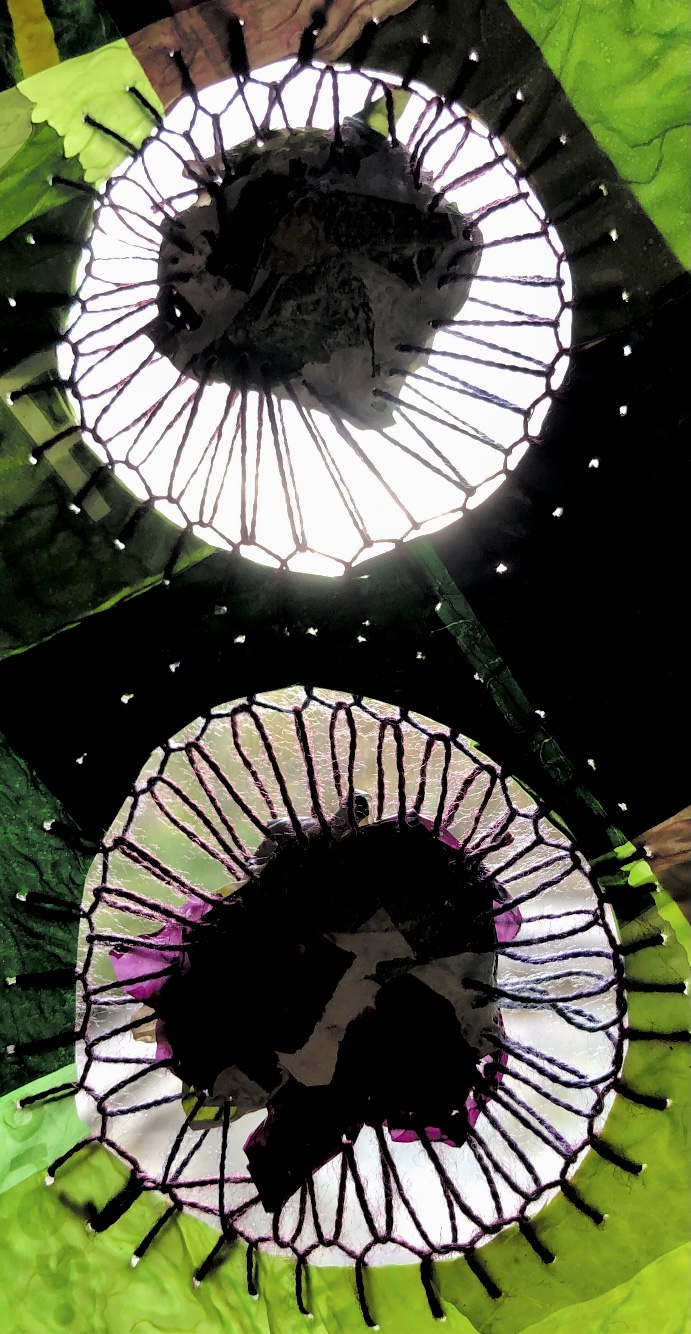
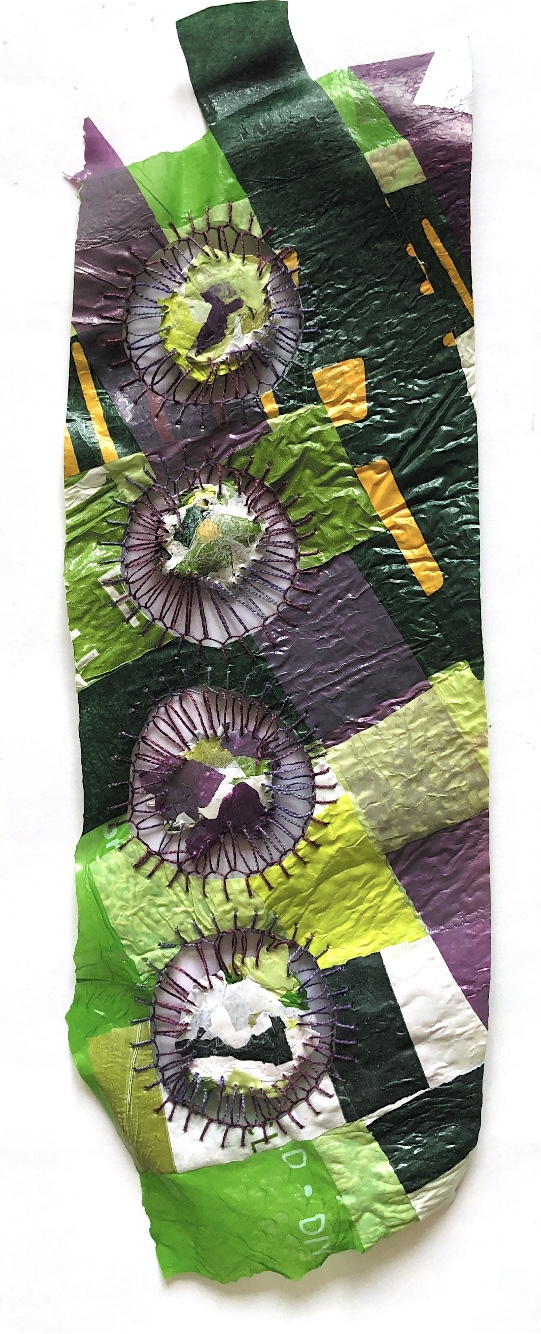
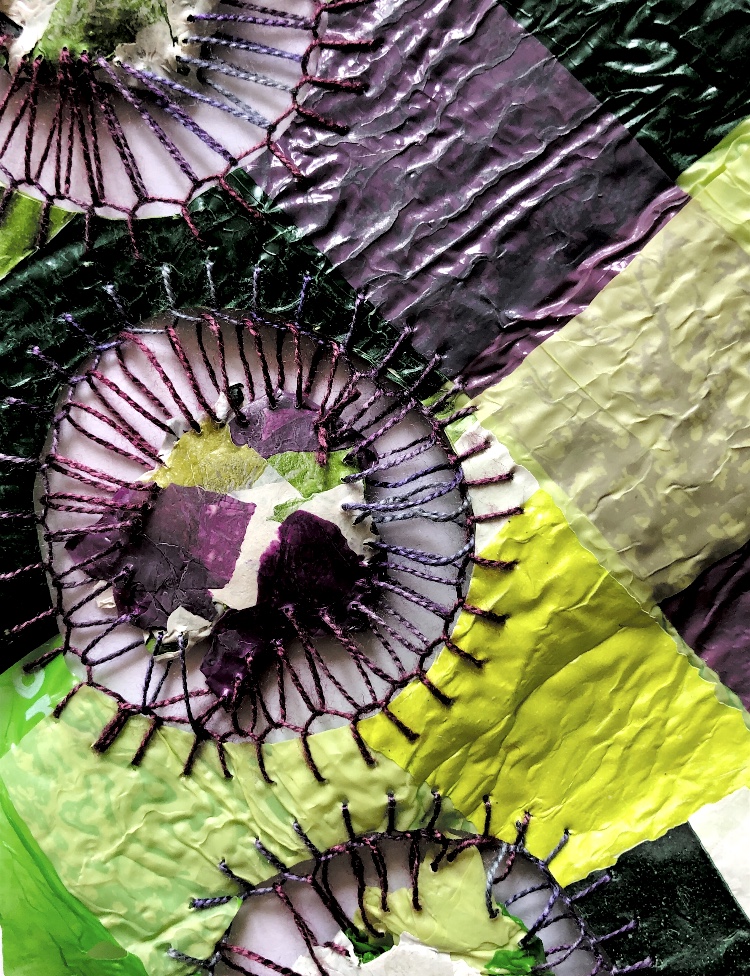
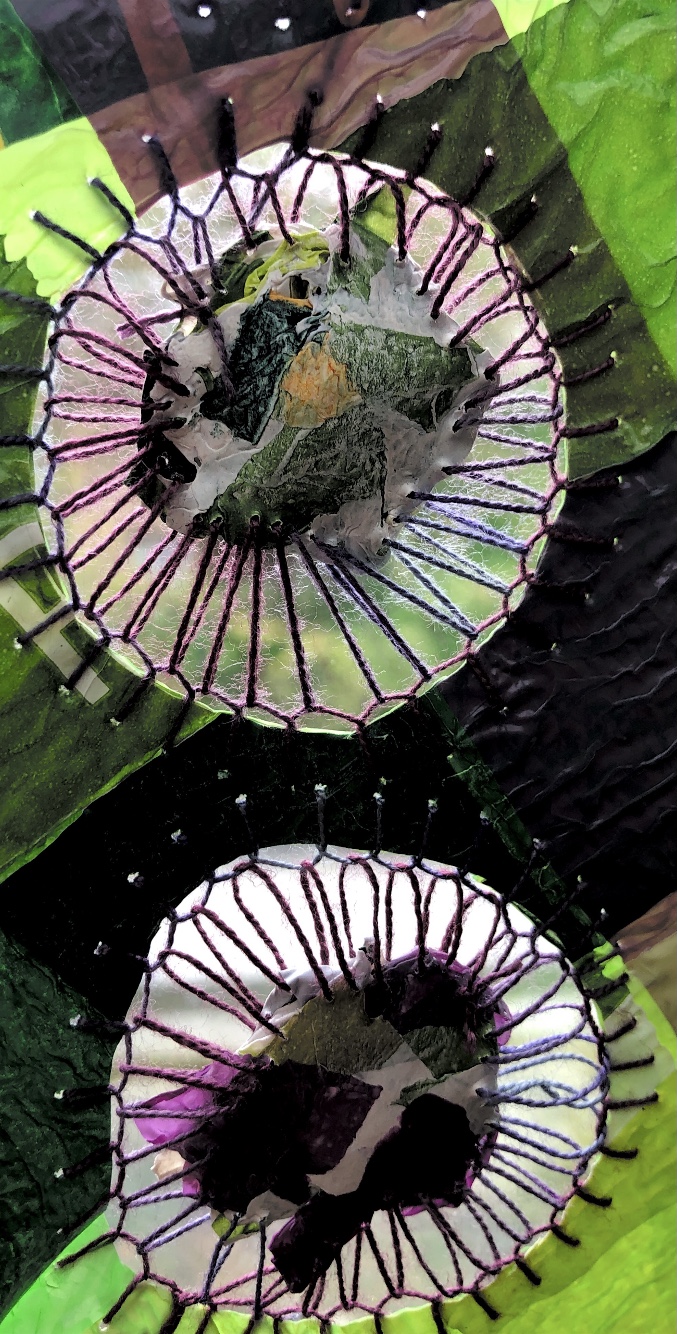
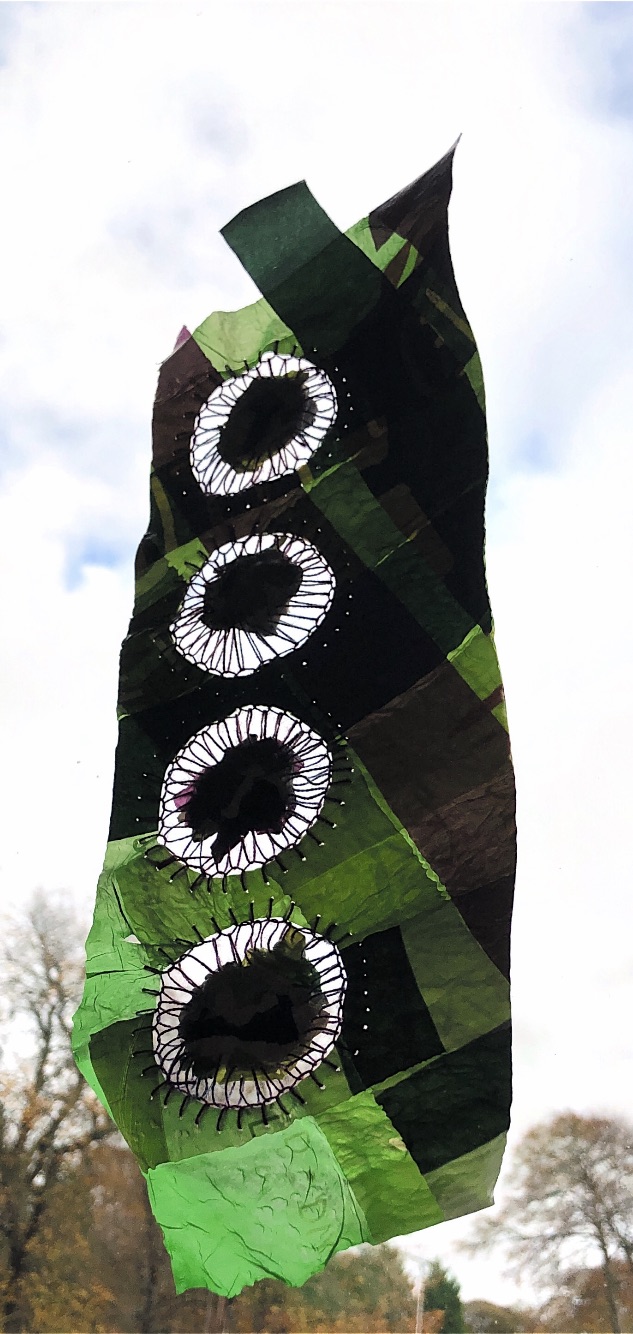
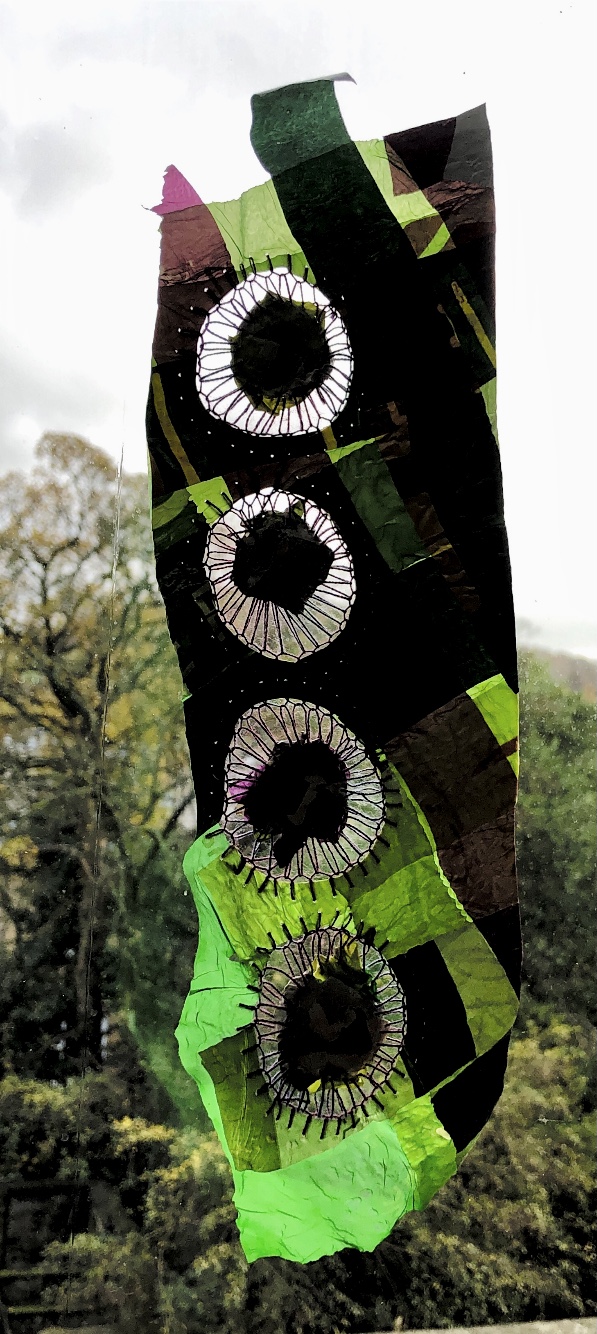
Cutting circles and adding in a smaller circle with a joining technique worked well on the leaf and on paper. The fragility of the leaf meant that holes had to be carefully punched before hand stitching, but the result is strong. The machine stitched paper sample made a lovely print. The idea was then translated to fused plastic bags. I love the way the light shines through the holes in the plastic, and the way the angular shapes of the plastic pieces contrast with the irregular nuggets of heated plastic hand sewn into the cut out imperfect circles. There is so much to look at in the developed sample and this could be progressed into a much larger piece for a wall hanging.

Sample 3

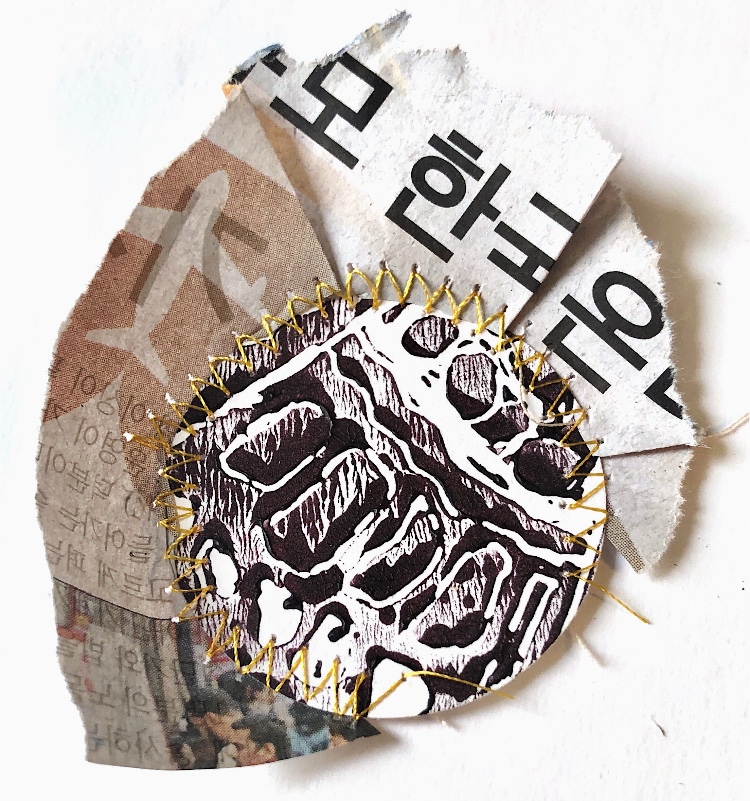
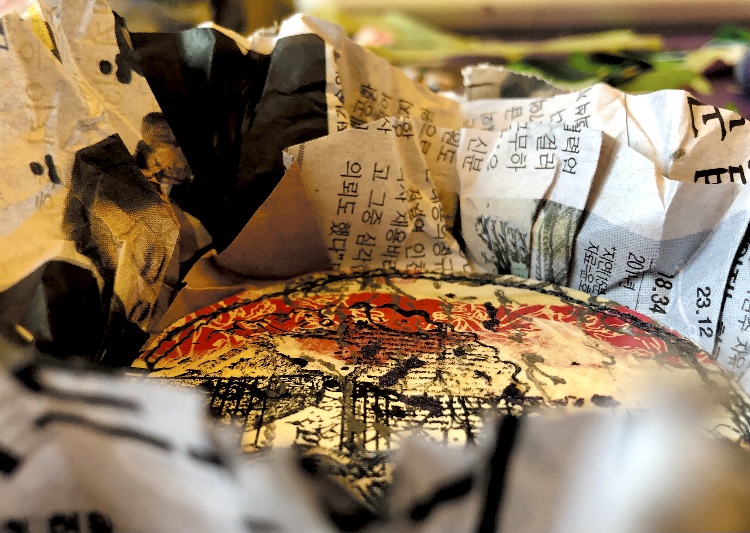
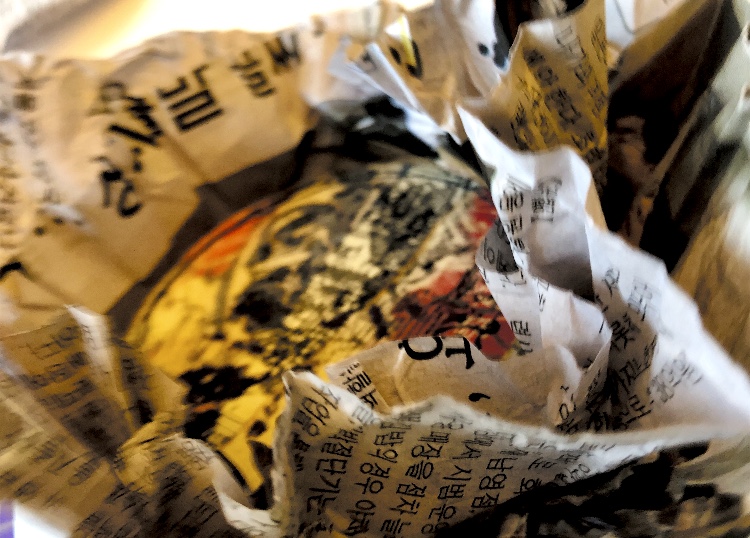
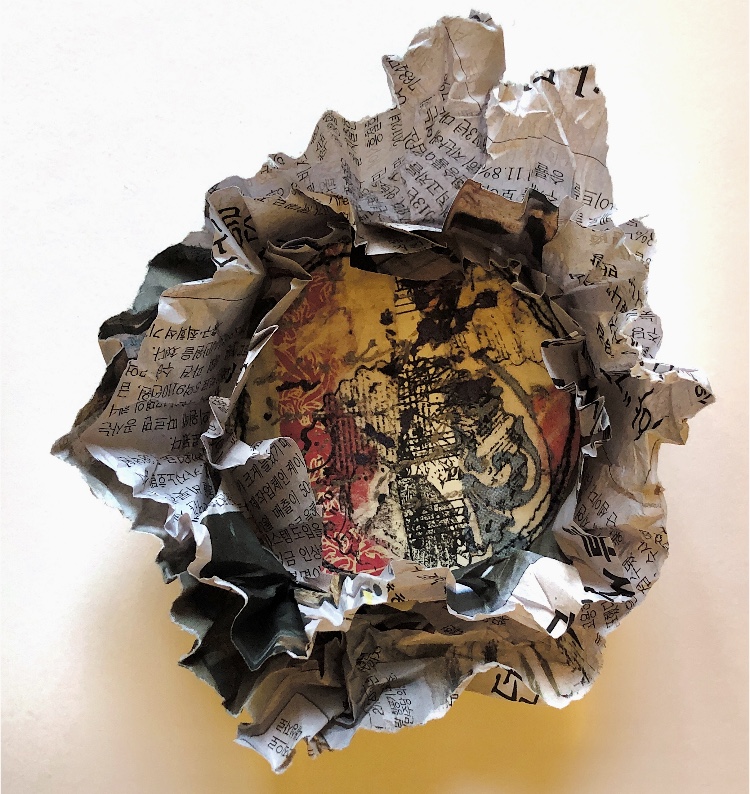
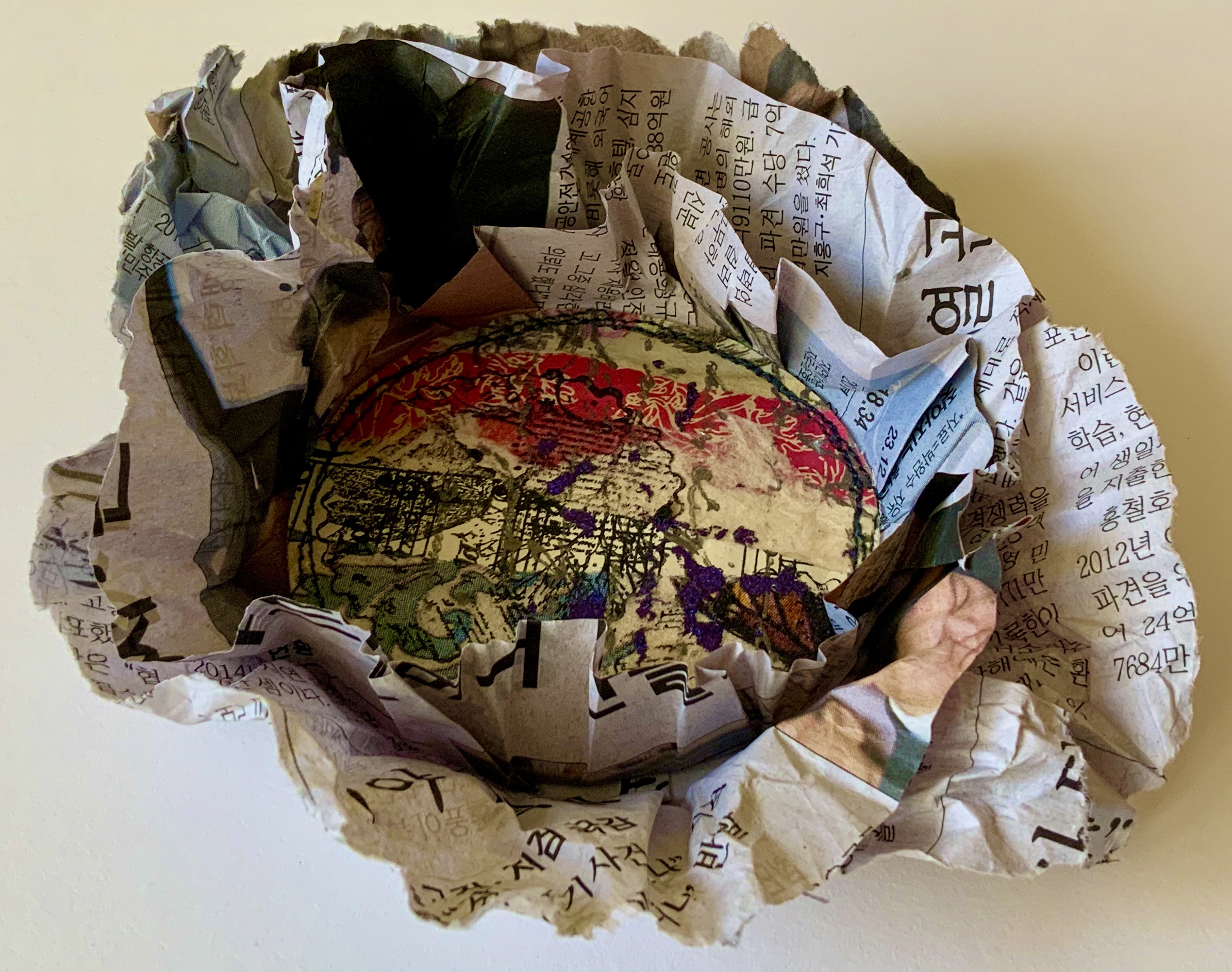
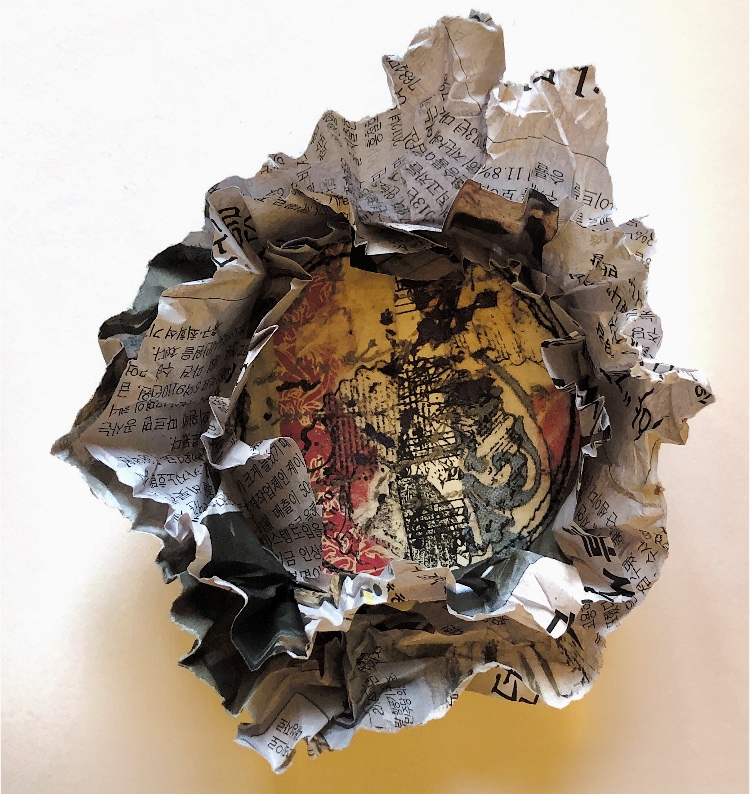
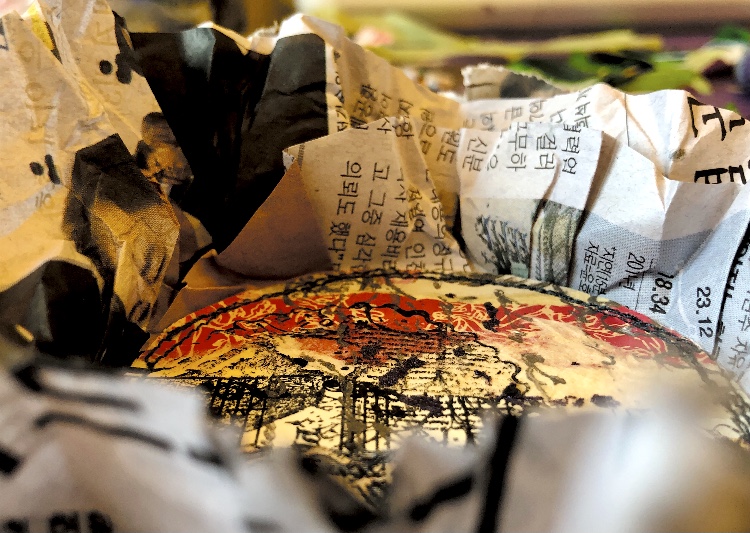
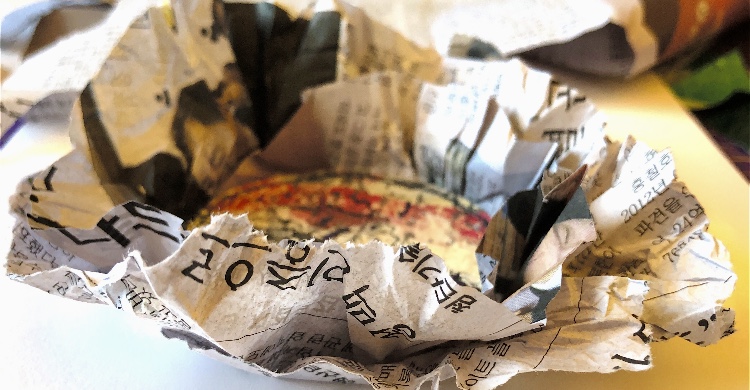
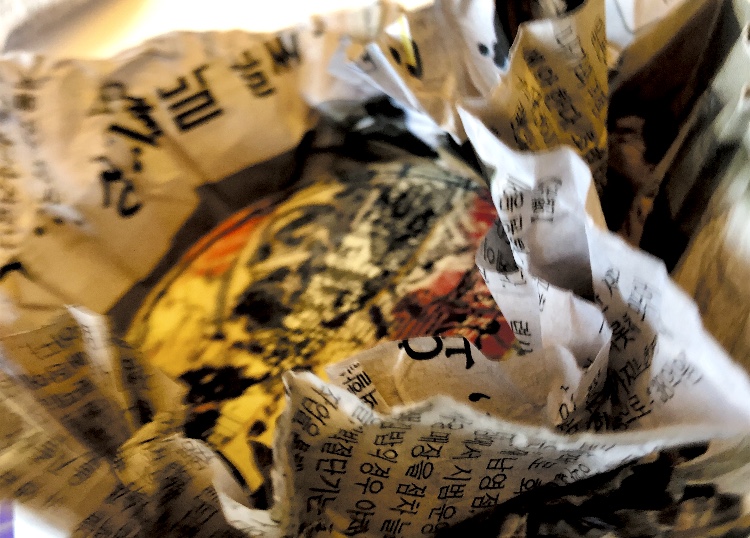
Using circles with different curves, – I joined one to another with the device of small pleats. The simplicity of this sample is enhanced by the newspaper and printed watercolour paper. The images on the paper are bold and contrast with the torn edges and clear simple joining method. I loved painting this sample and it put me in mind of the Japanese tradition of Wabi Sabi – the beauty of this is in the simplicity and imperfection. The development of this sample with more layers of paper and more colour again made a very striking piece with ideas for a colour scheme in the monochrome with red, yellow and tiny splashes of blue. This piece also is reminiscent of Elizabethan ruffs, – the technique may work well on paper clothing or edgings for other work.

Sample 4

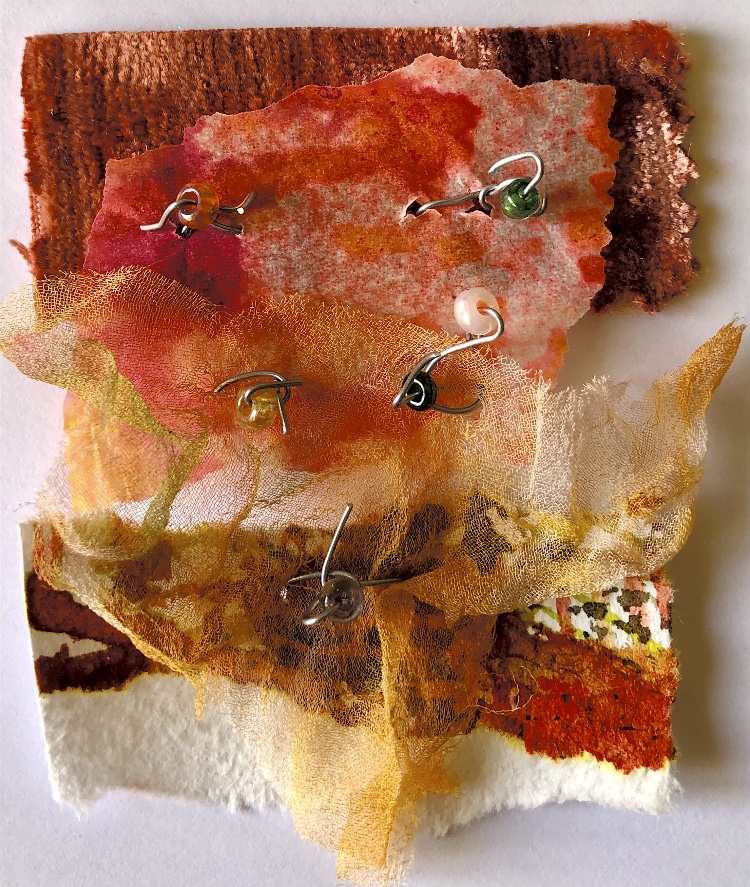
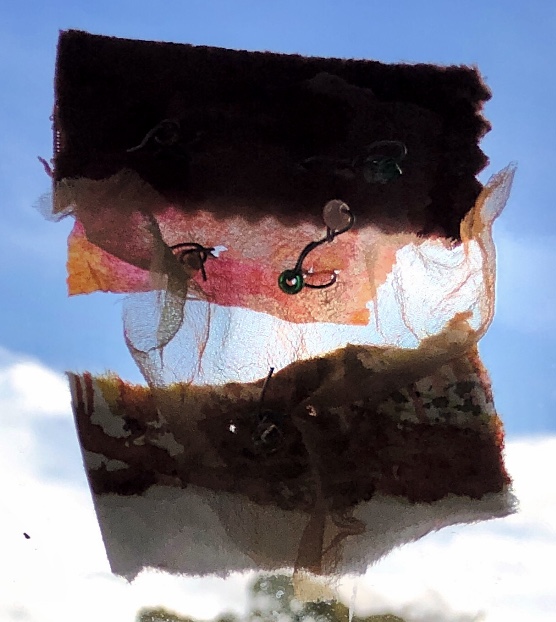
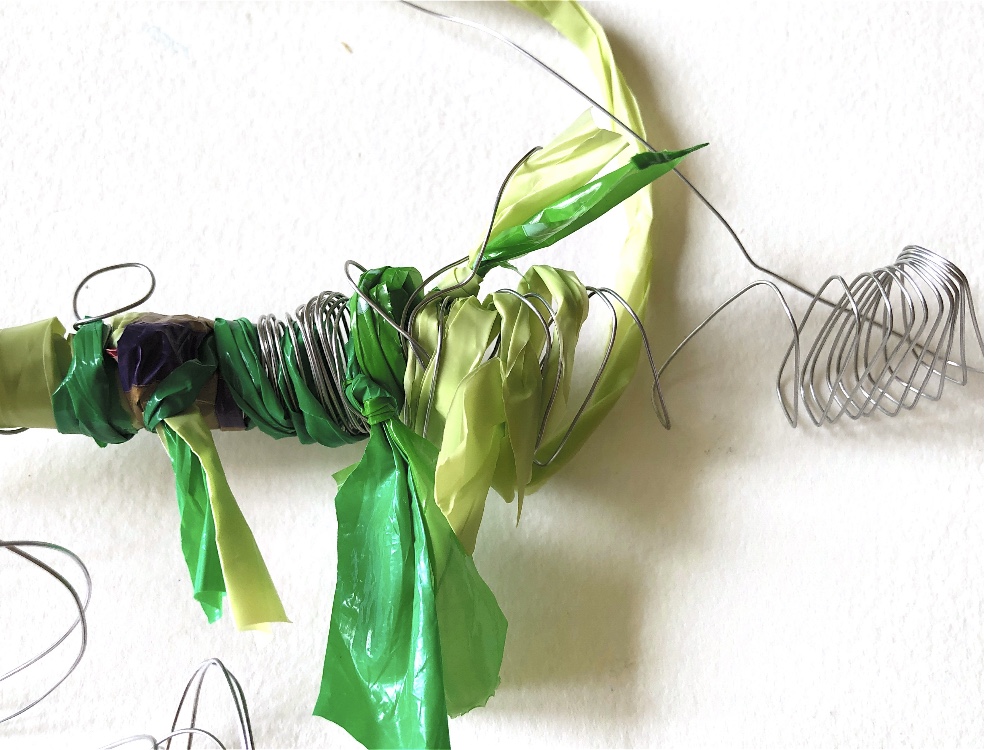
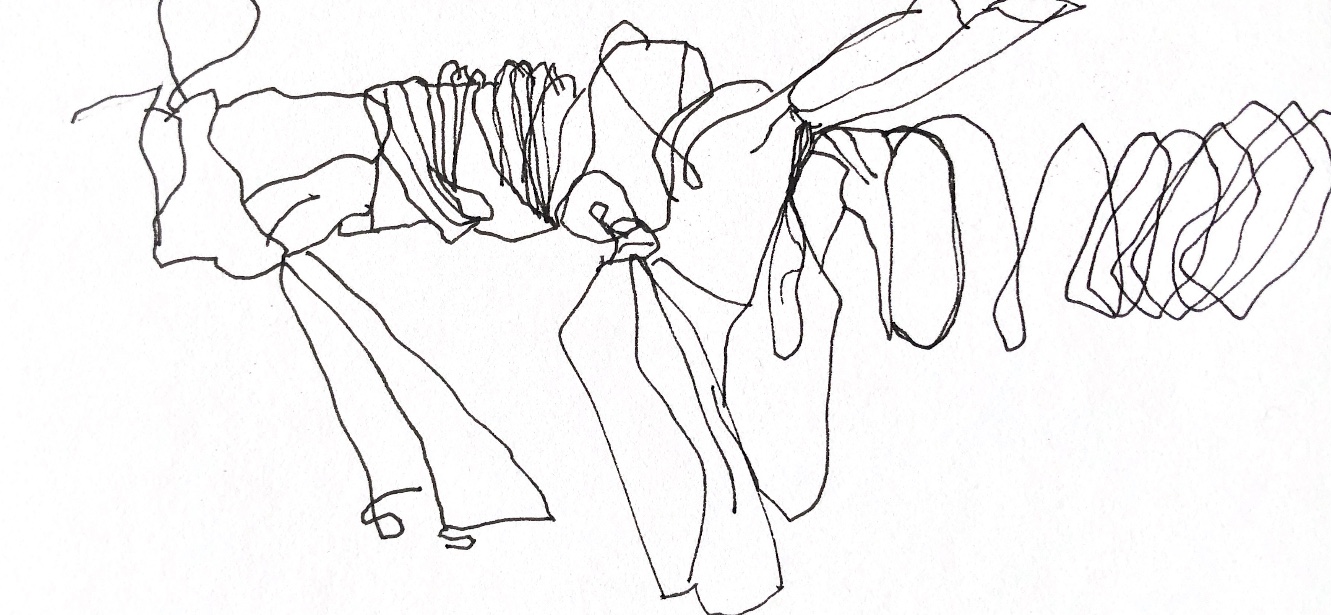
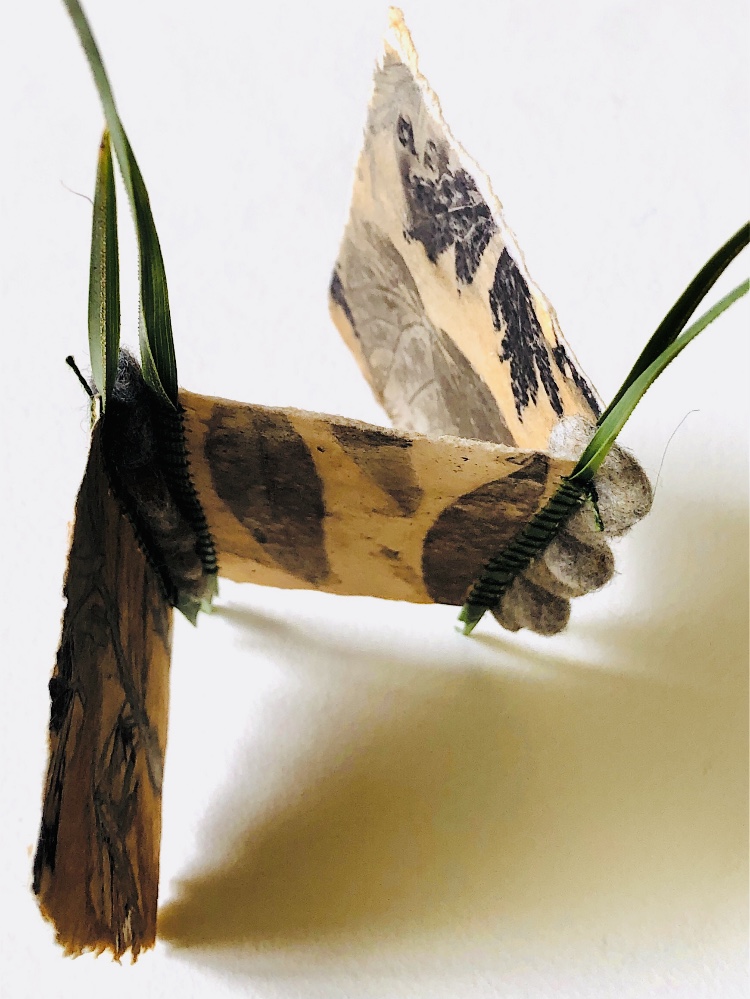
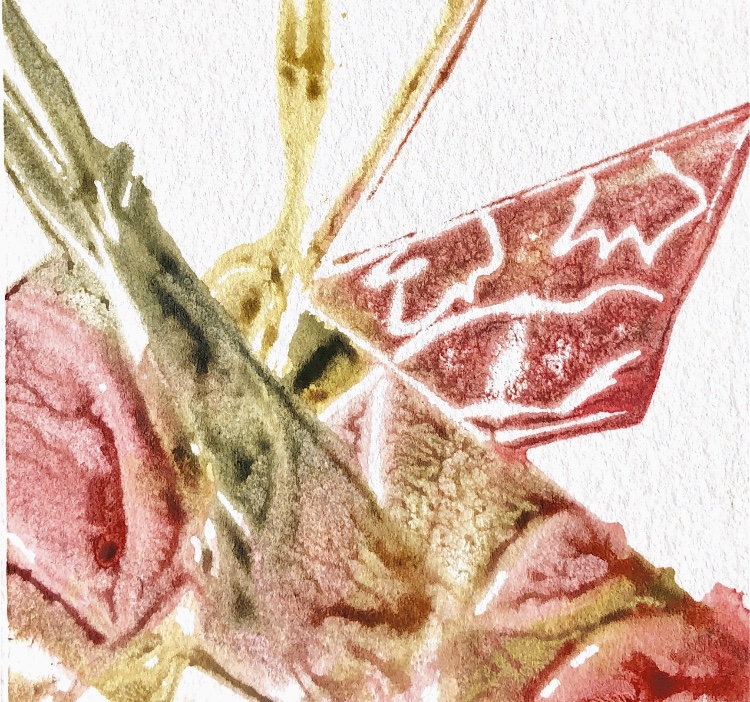
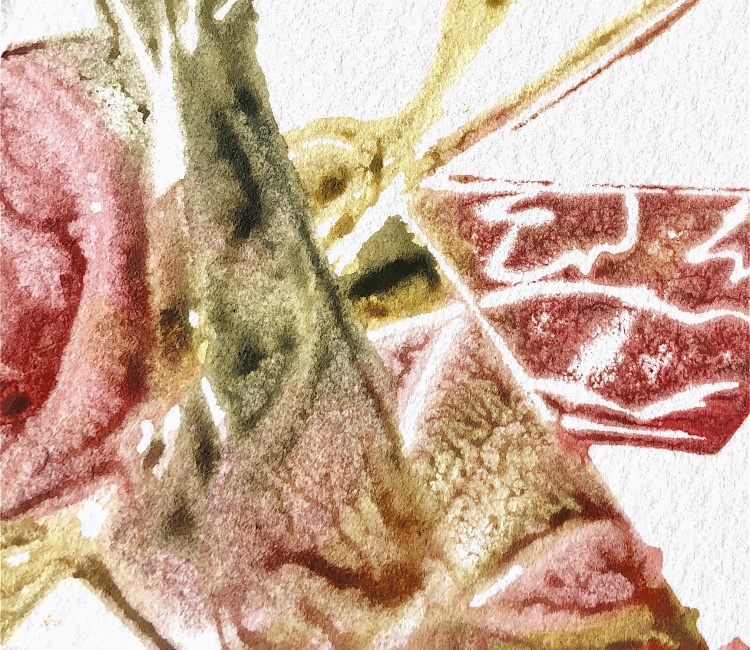
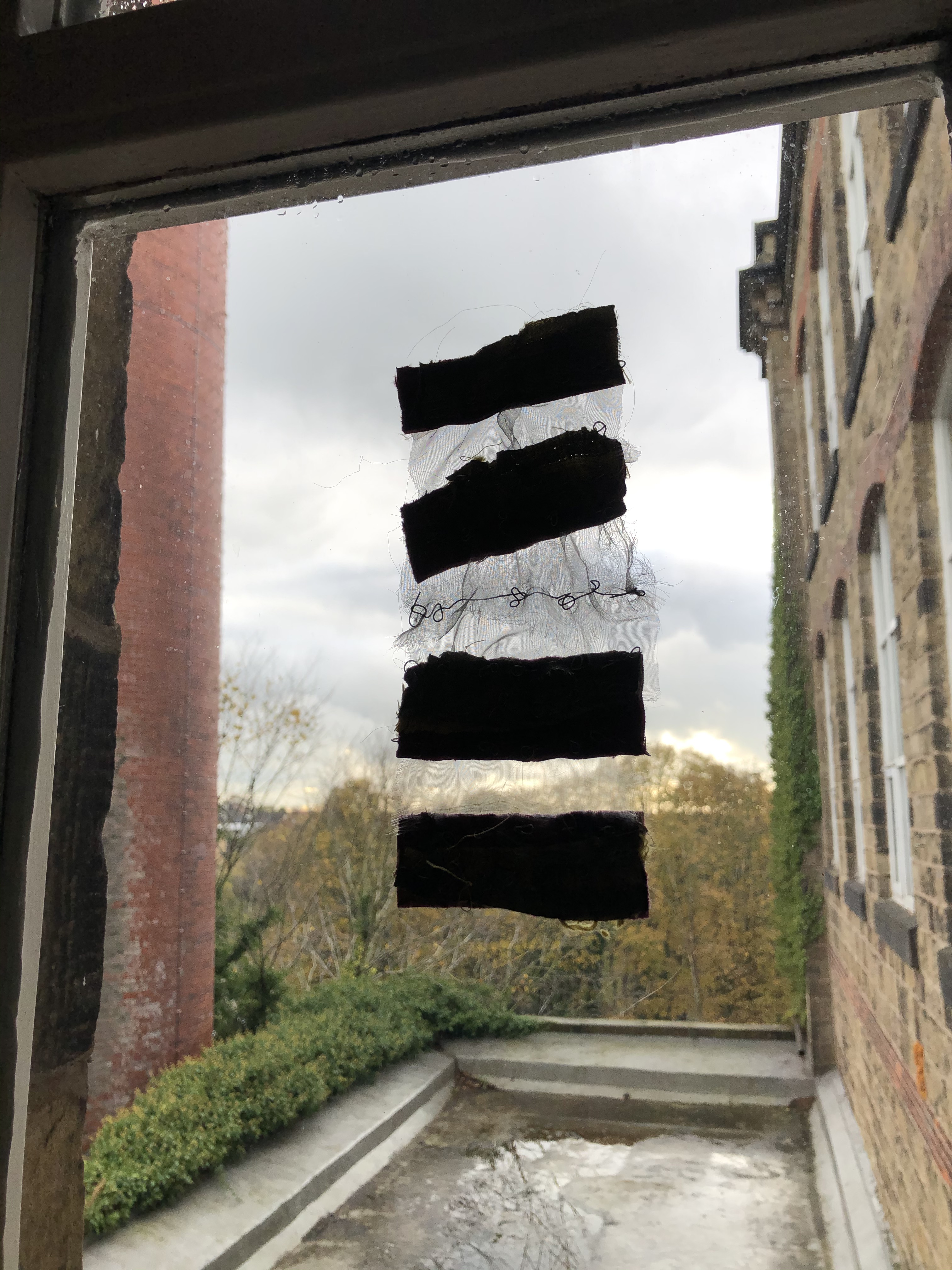
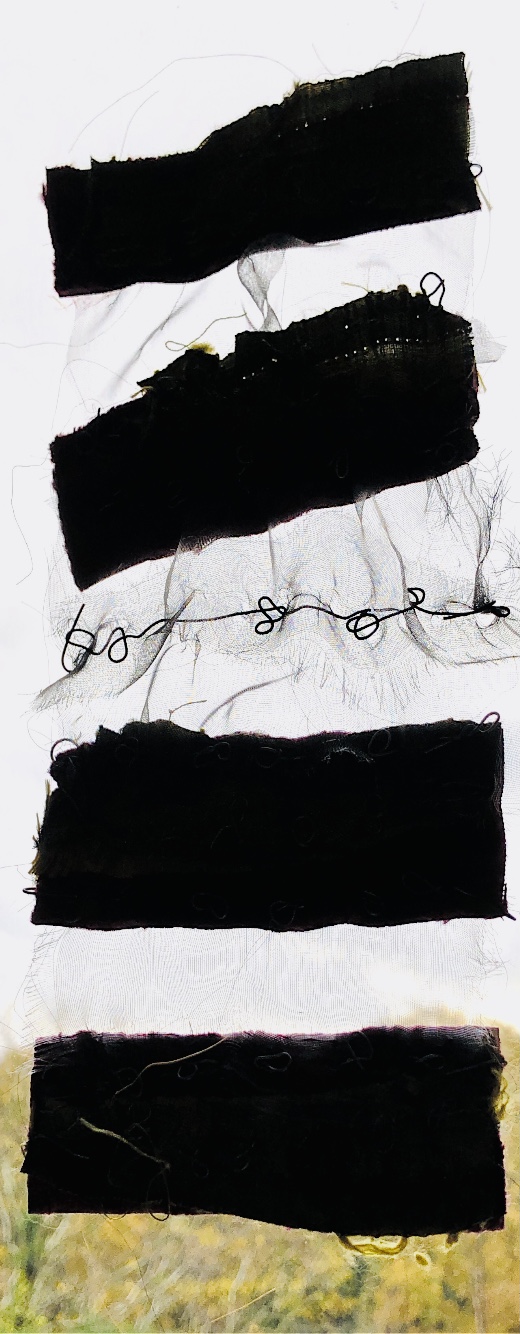
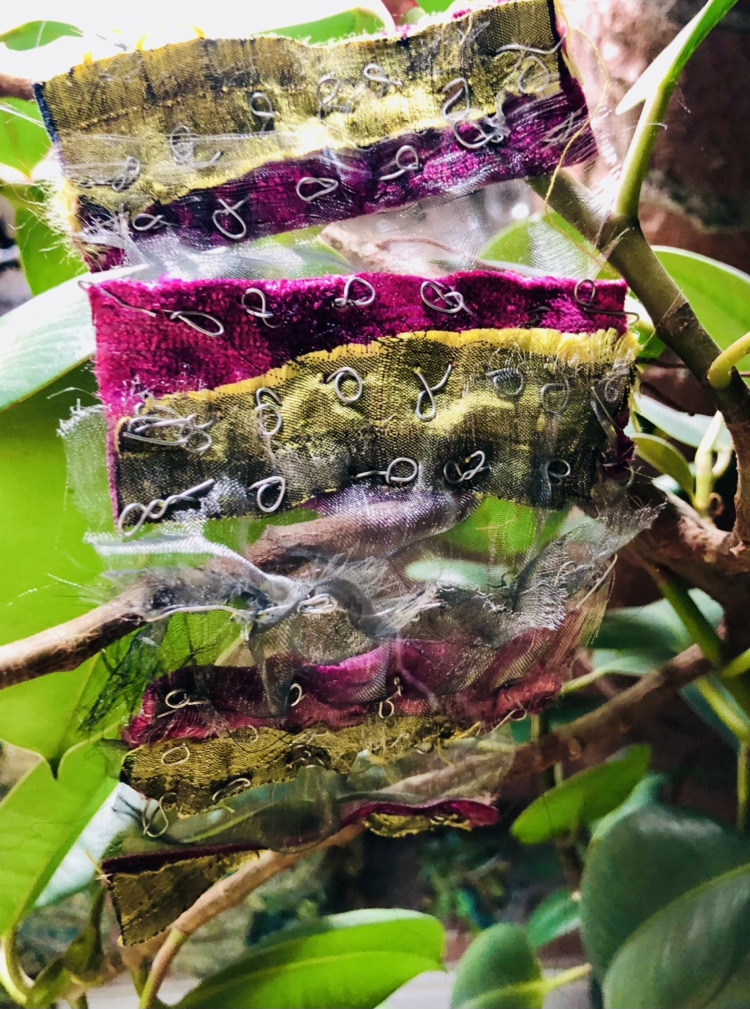
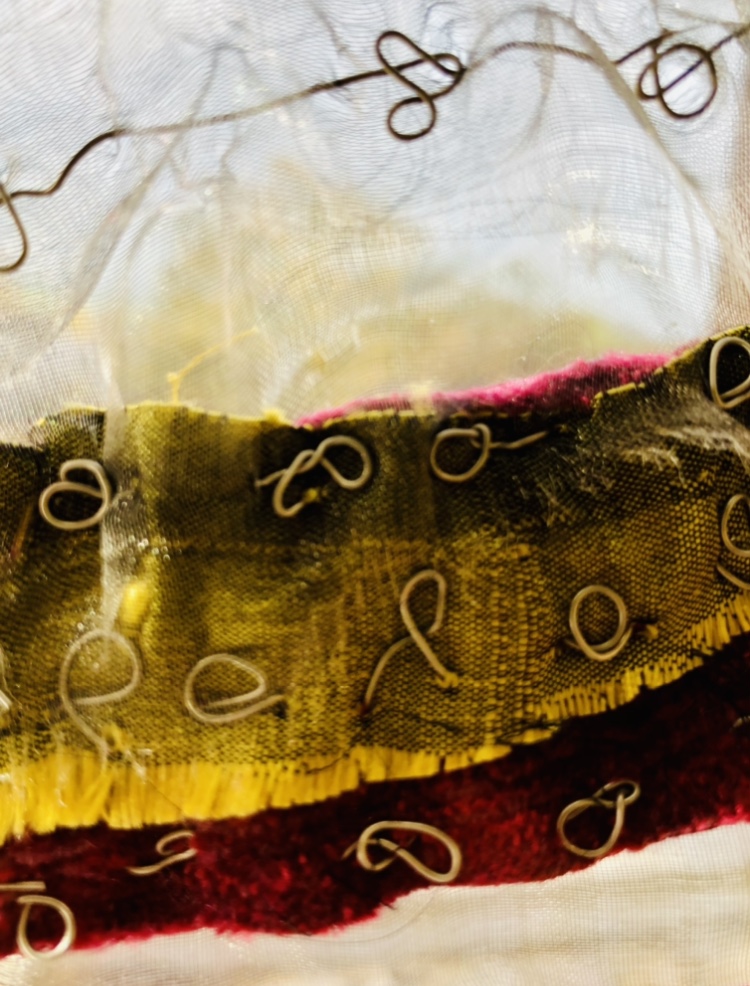
I chose to include this sample initially due to the photo I took of it seemingly flying in the sky. The floaty fabric attached to the heavier pieces has an ethereal quality, however on closer inspection the joins are made with wire and beads, making a tactile surface. The development of this sample used more layers and more wire twists but kept the same qualities of the original. I still feel it is like a butterfly, strong but fragile, just resting on the leaves of a bush before it flies away again. I am interested in using different weights of material with details such as stitching, beads and wire to create abstract but beautiful pieces. I could see this being developed into a group of small hanging pieces.

Sample 5

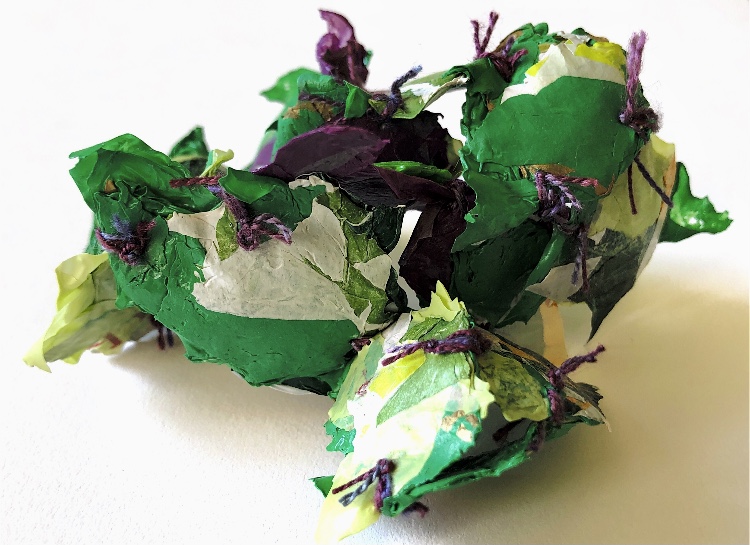
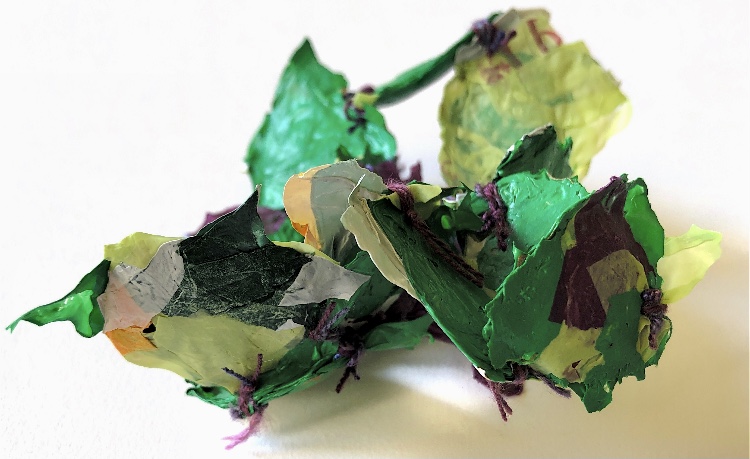
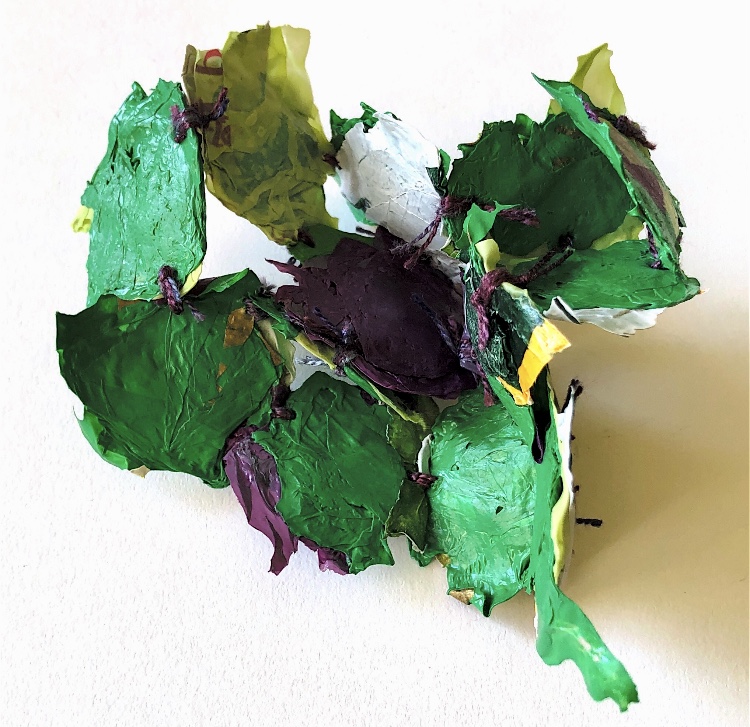
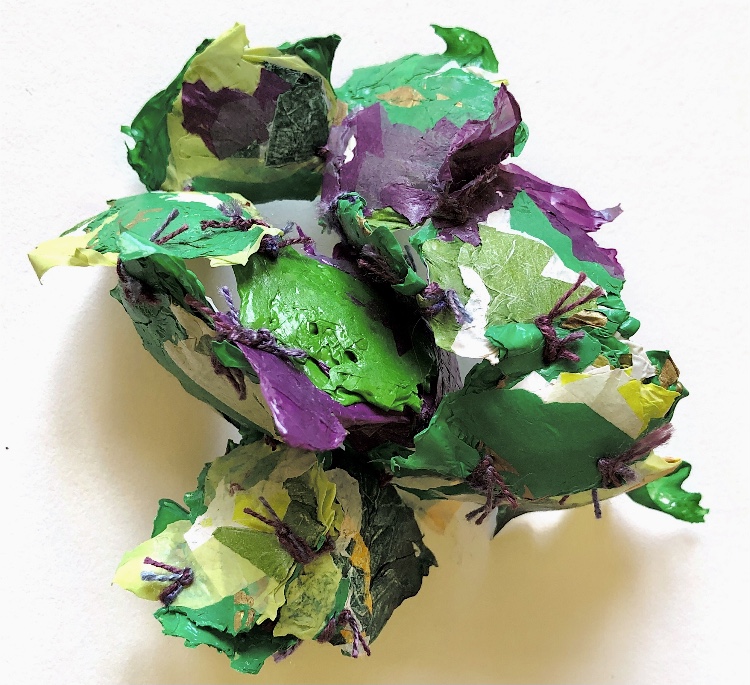
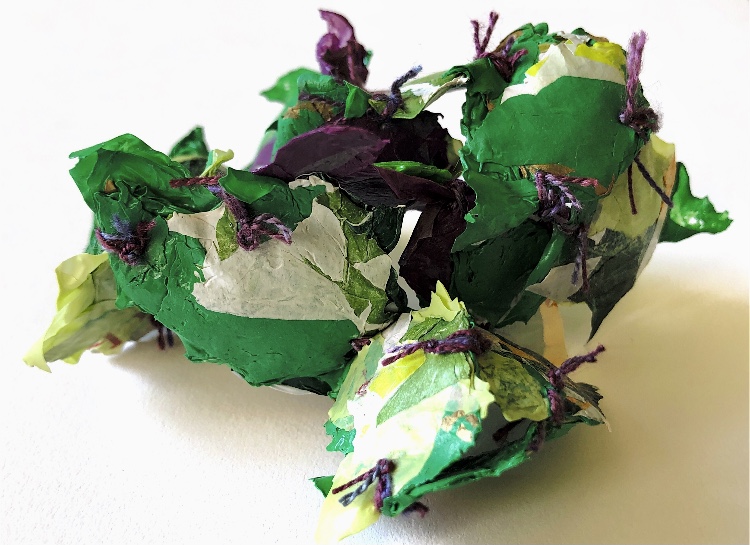
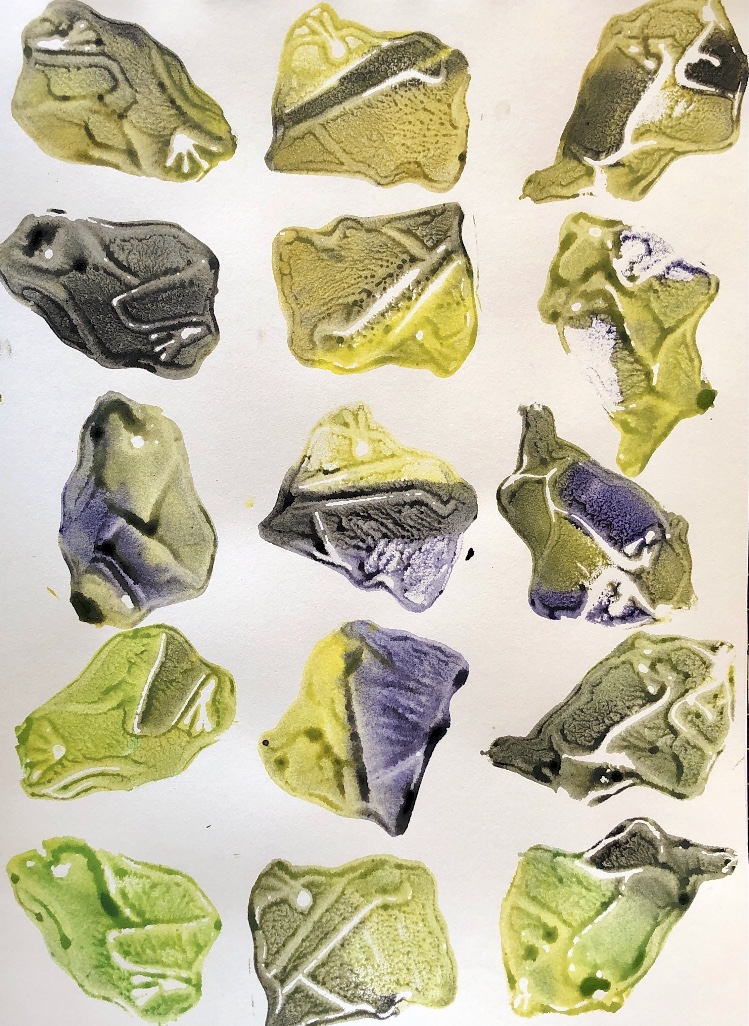
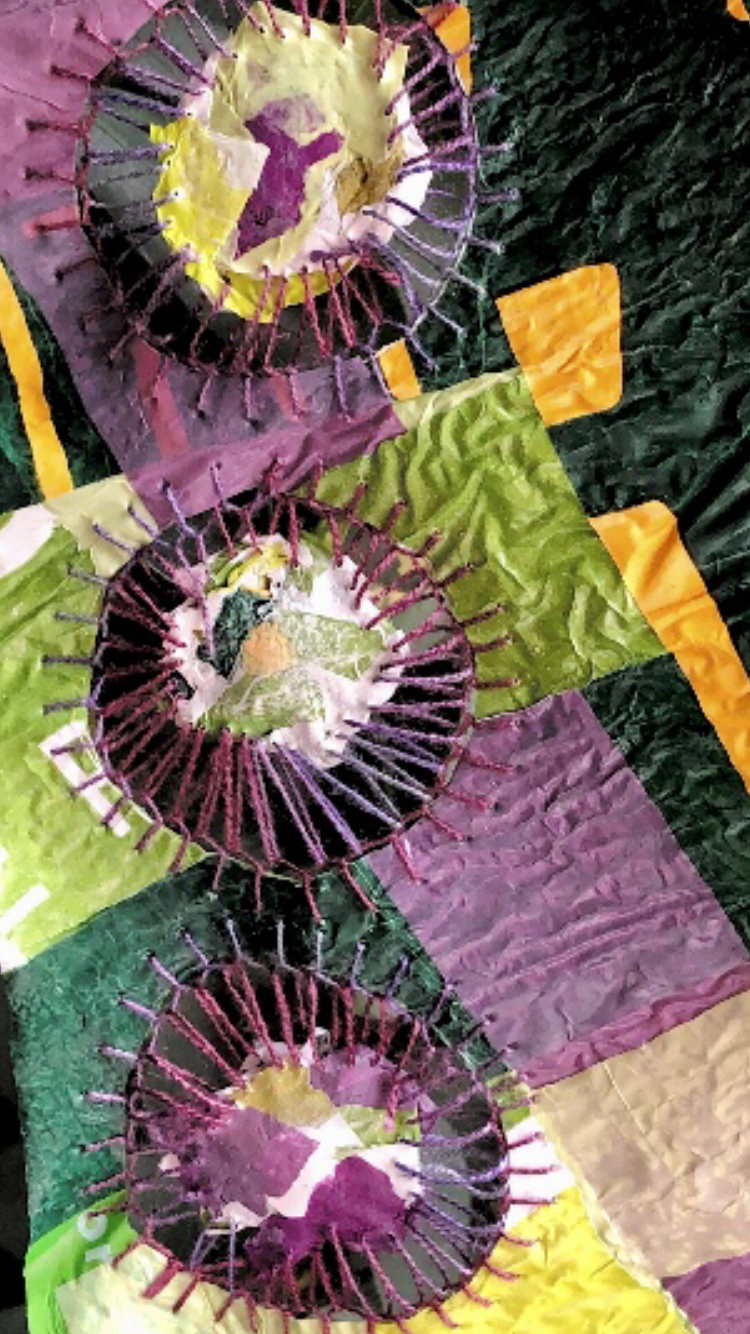
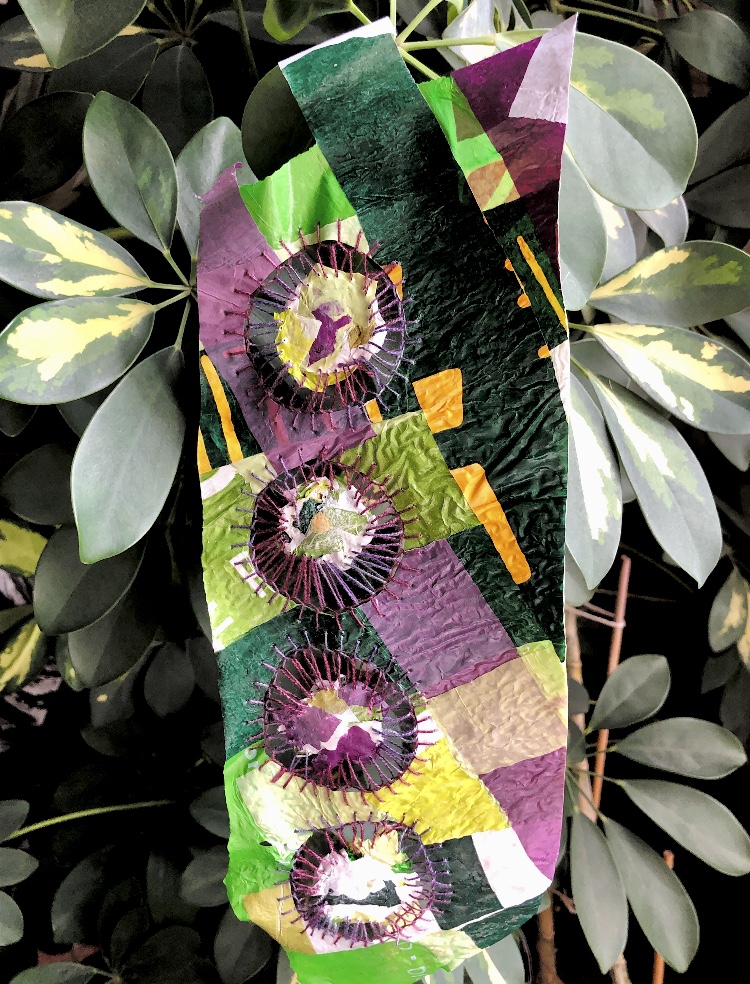
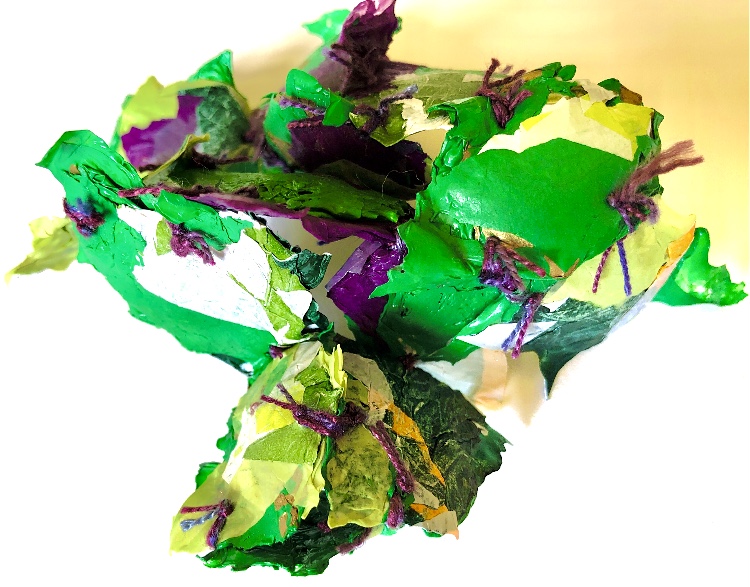
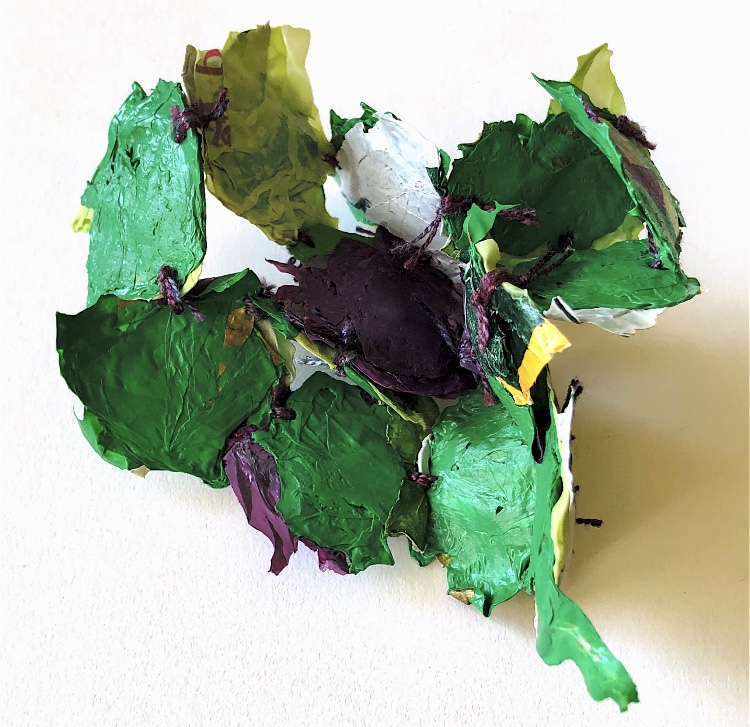
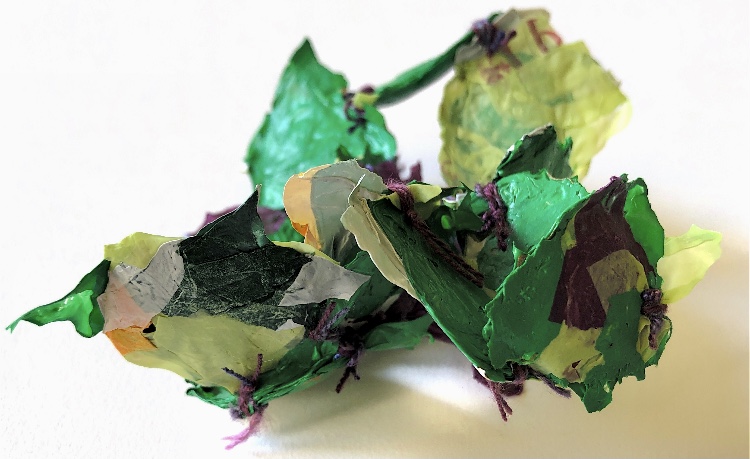
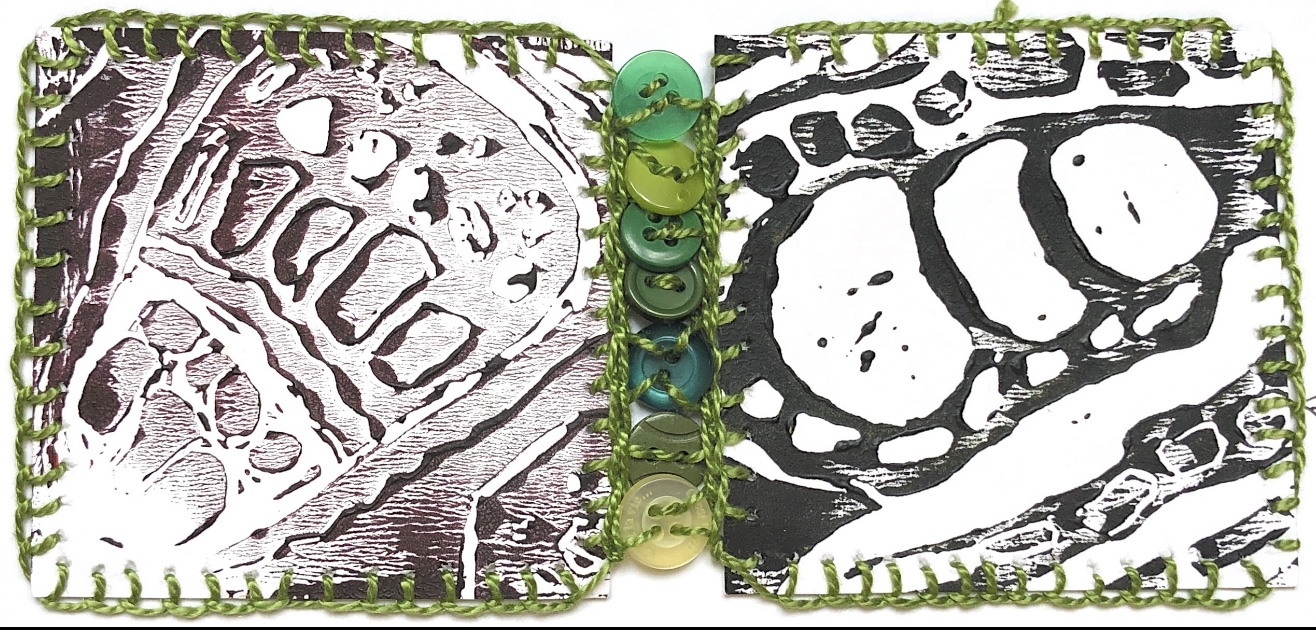
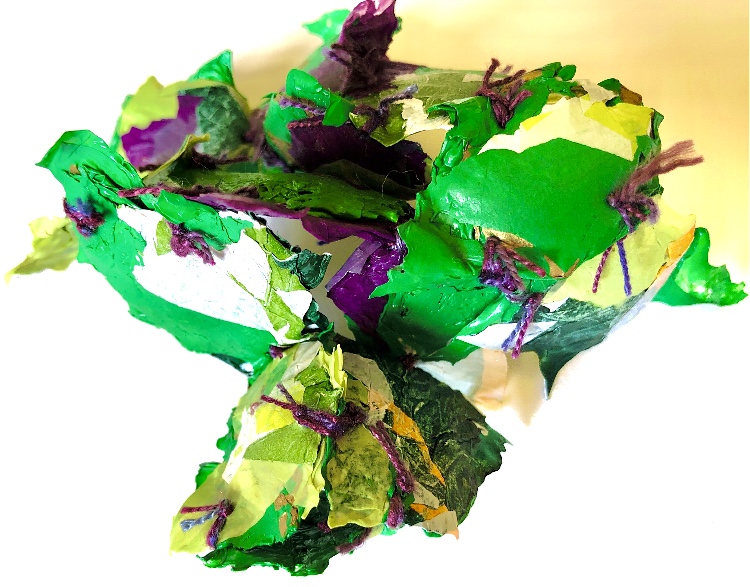
Having discovered that I like working with fused plastic, I collected certain colours to use to make smallish fused irregular shapes. The bold greens are complemented by purple. The simple stitched joins allow this sample to be manipulated into different shapes and this was interesting to explore with small print blocks. I would like to investigate stitching into these plastic nuggets and to explore their assembly into larger pieces or series. Although these colours are eye catching (and I love green) they are not inspiring me so maybe I could explore another colour scheme for further samples.

Sample 6

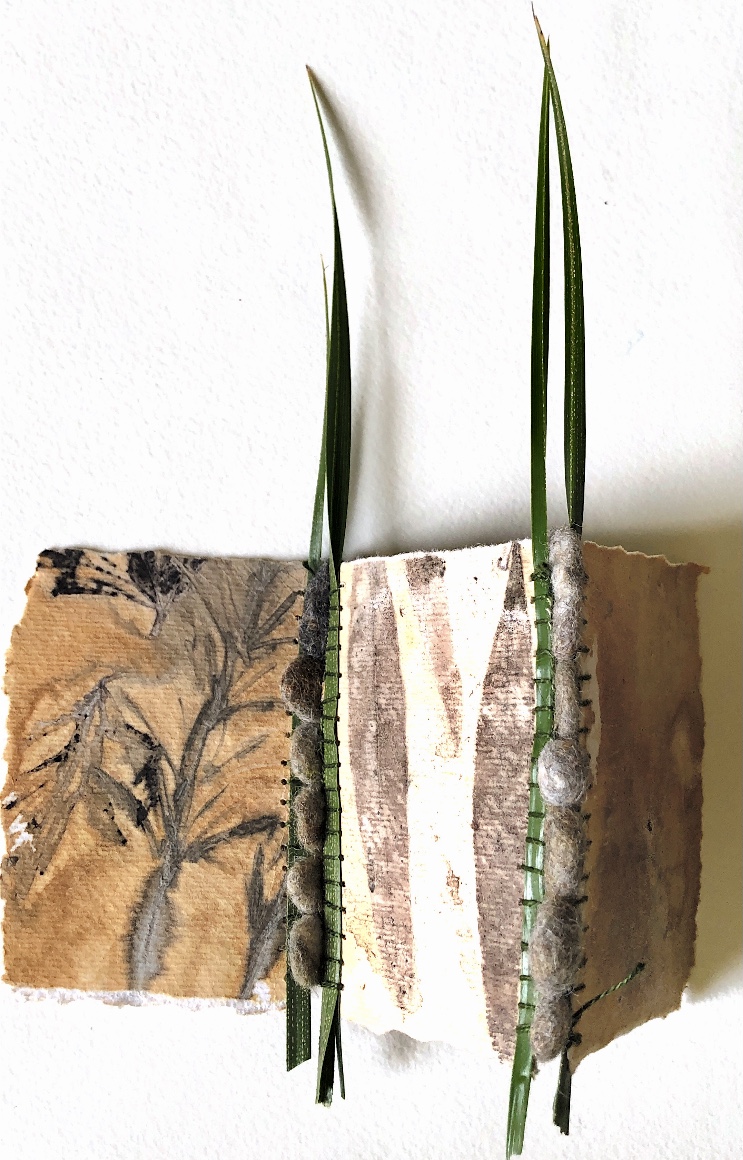
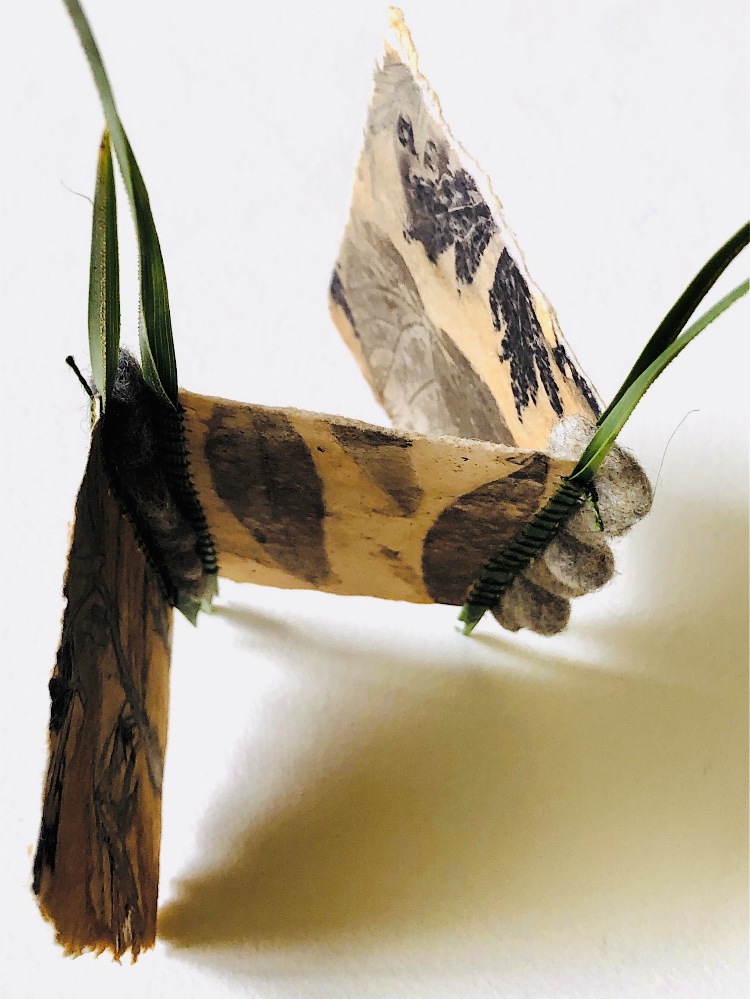
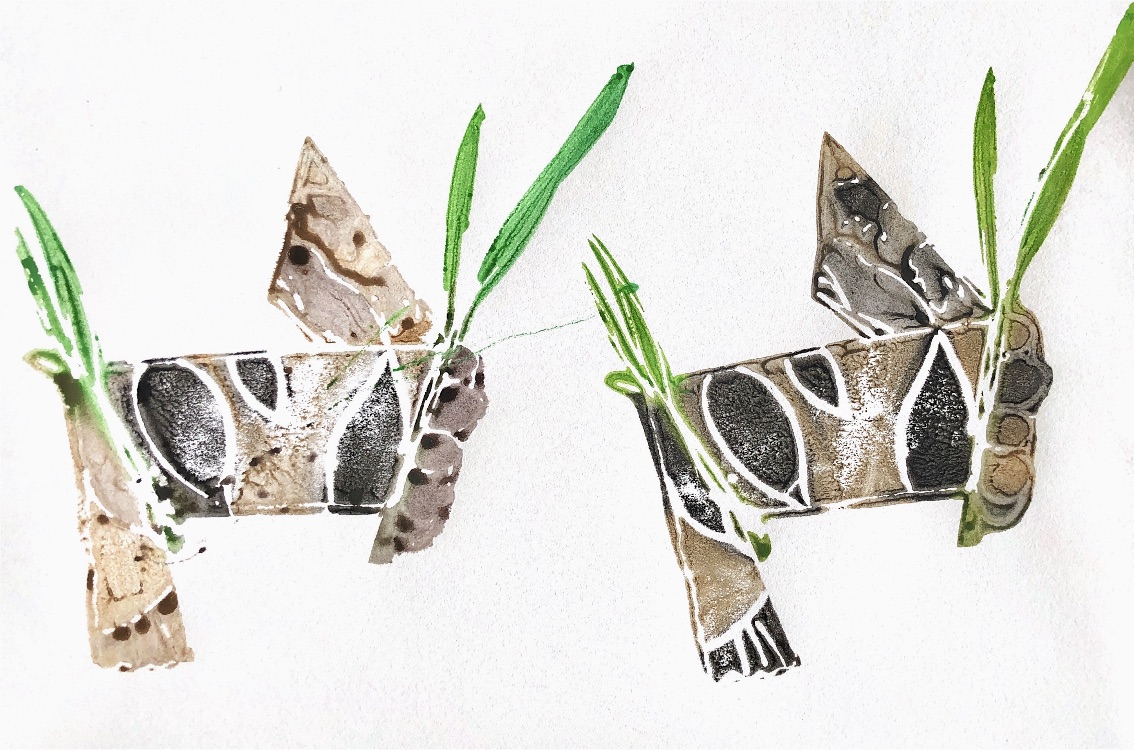
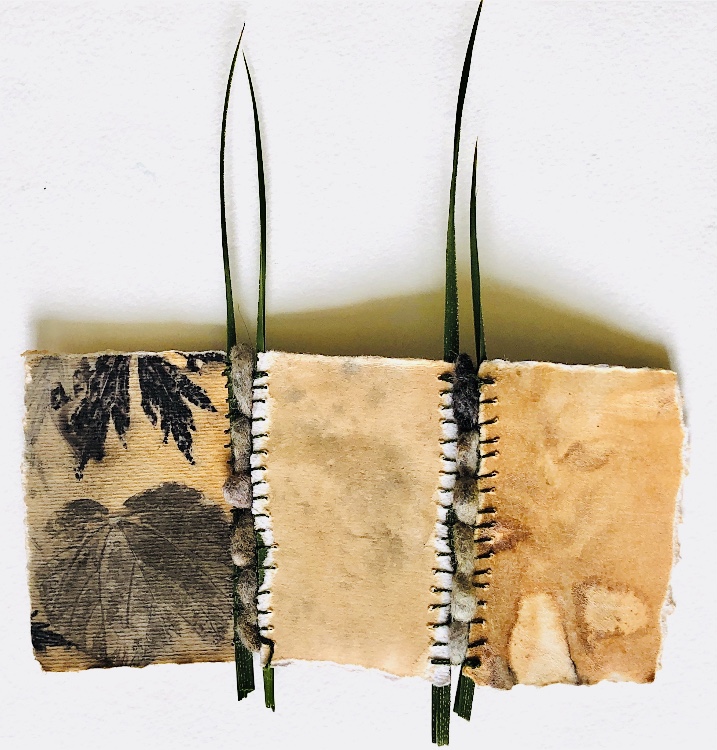
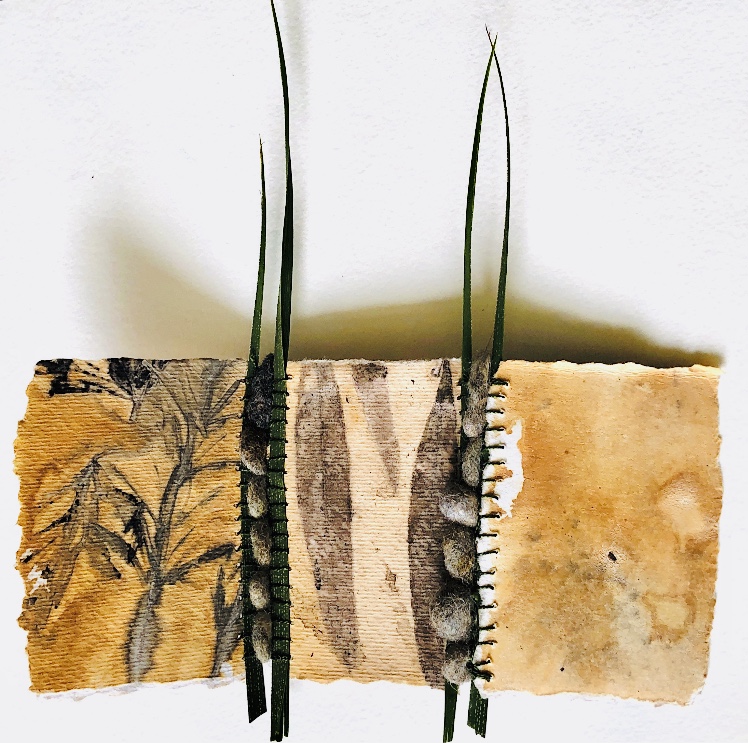
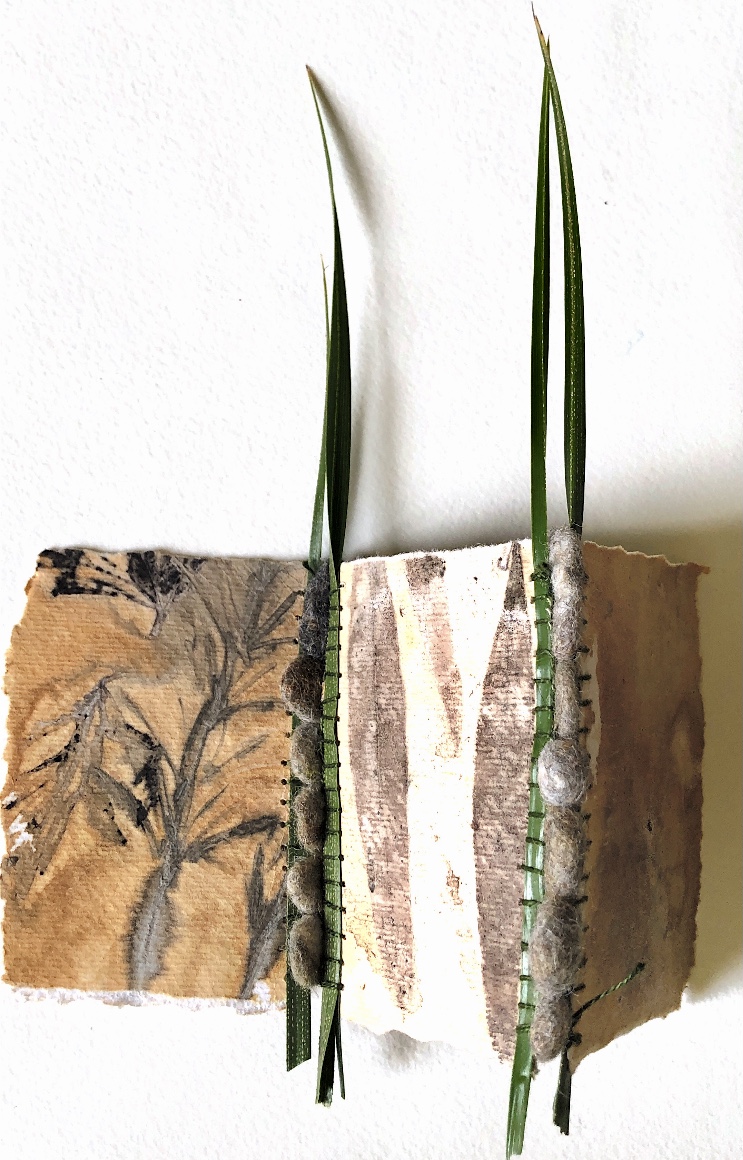
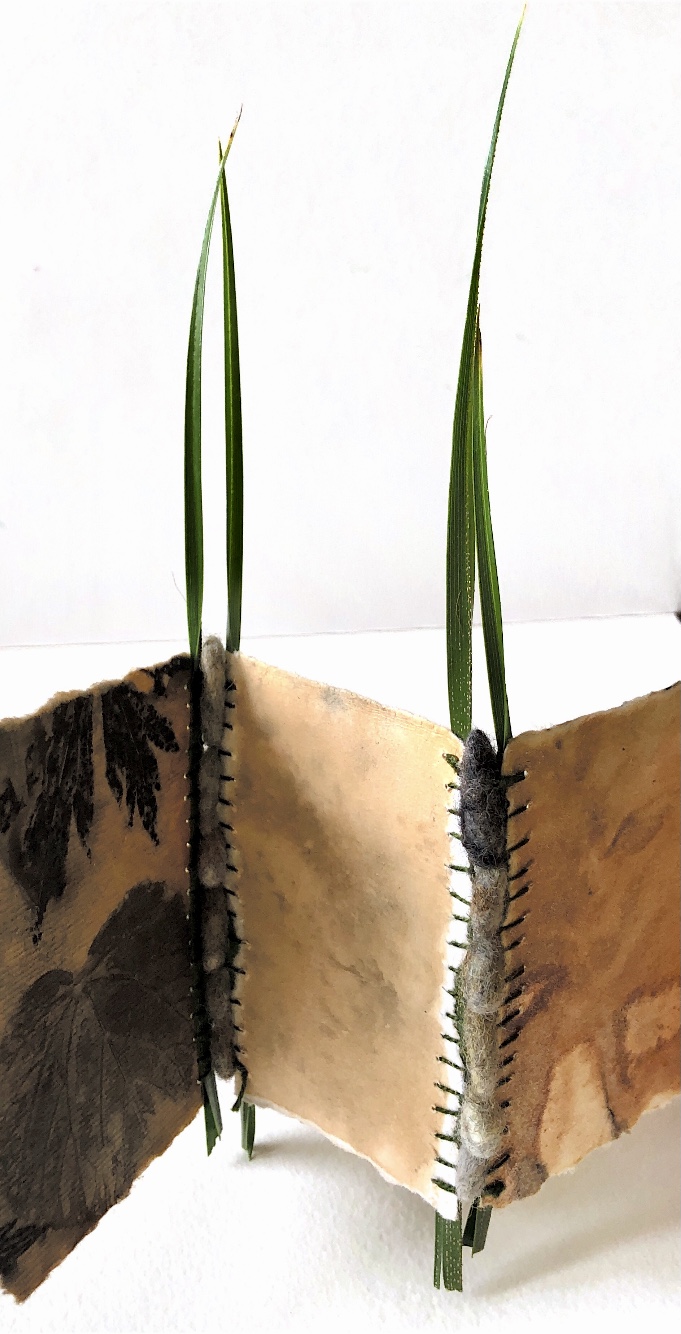
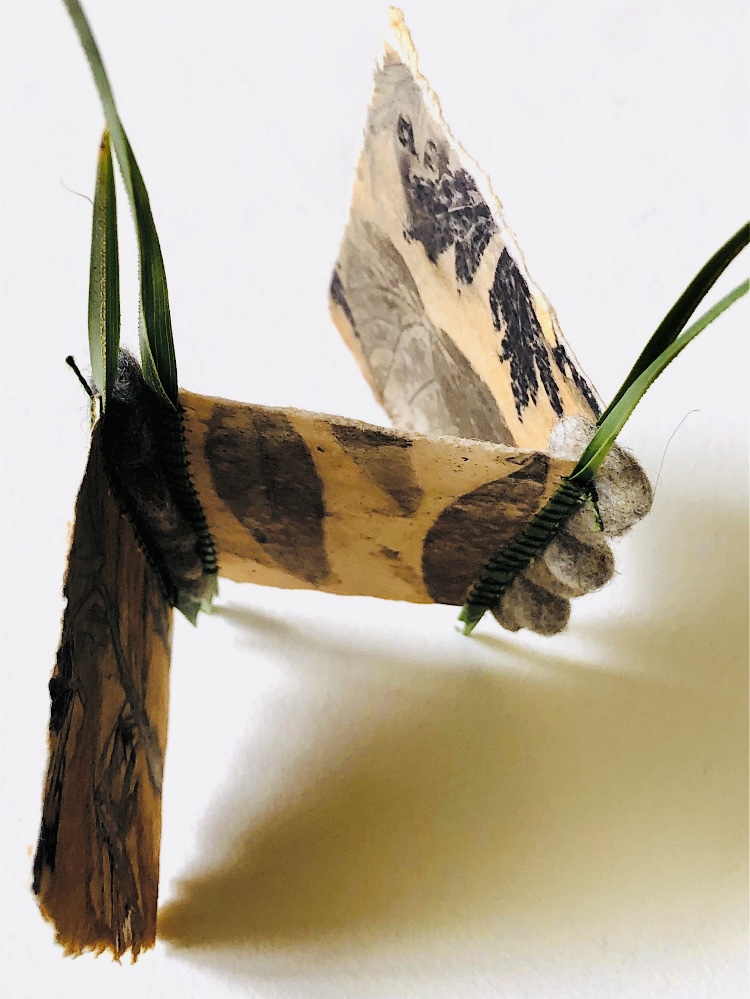
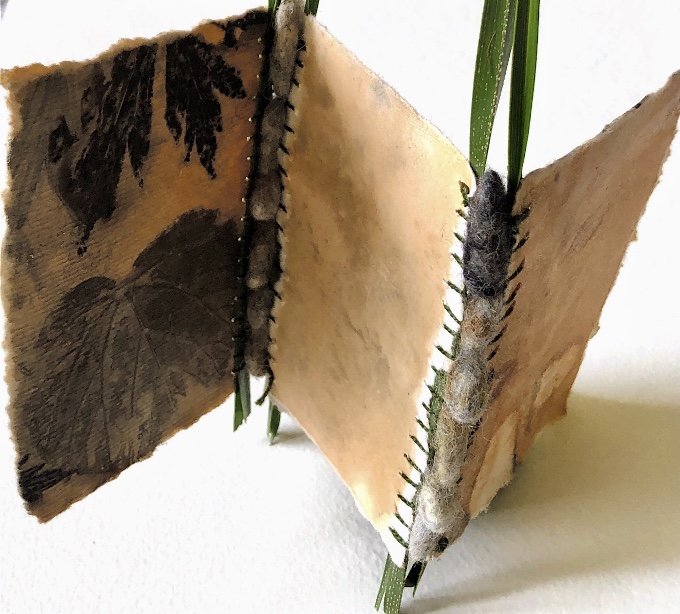
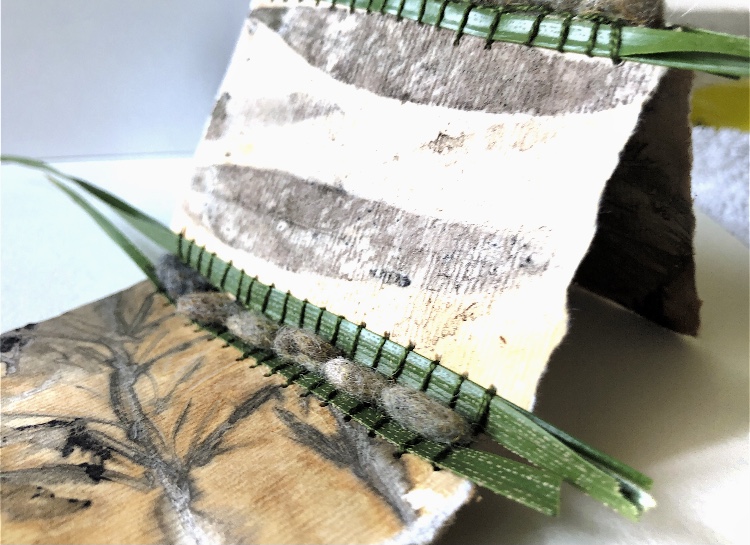
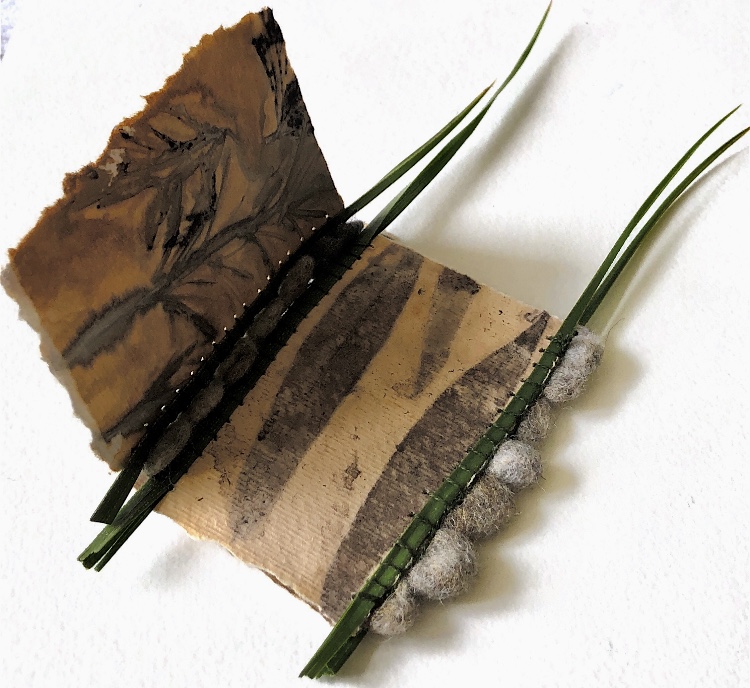
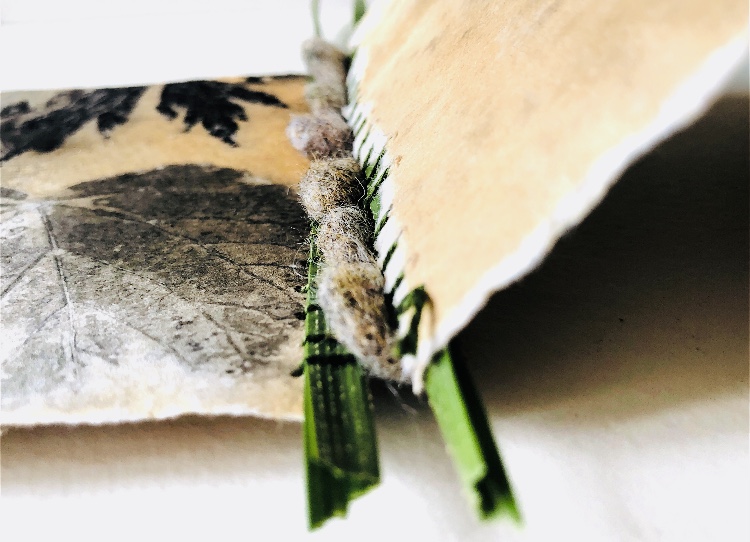
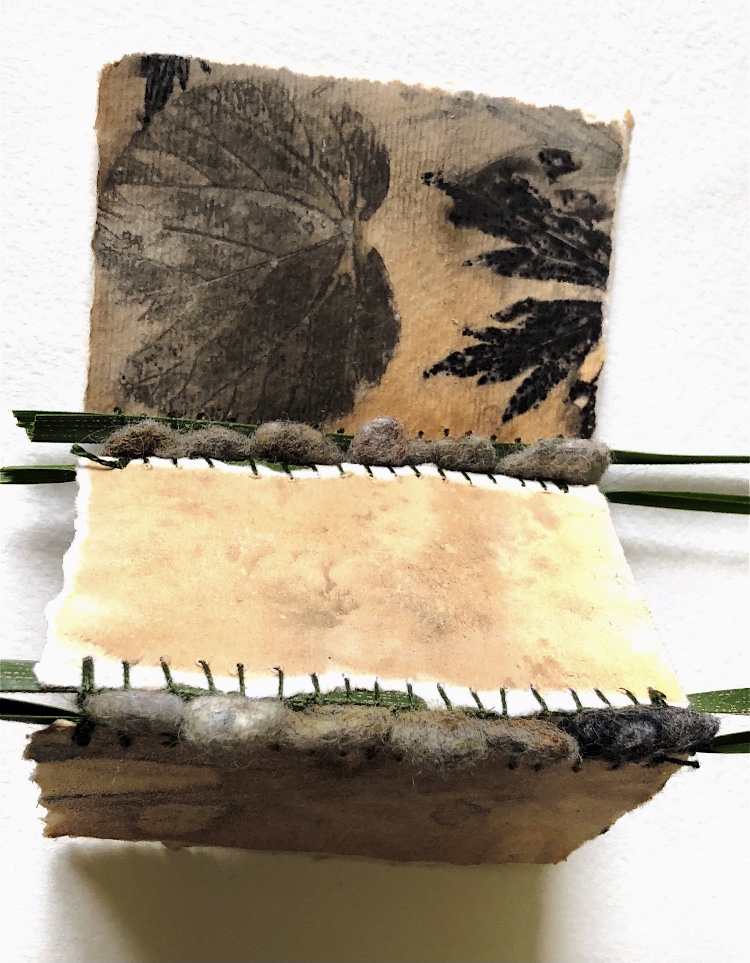
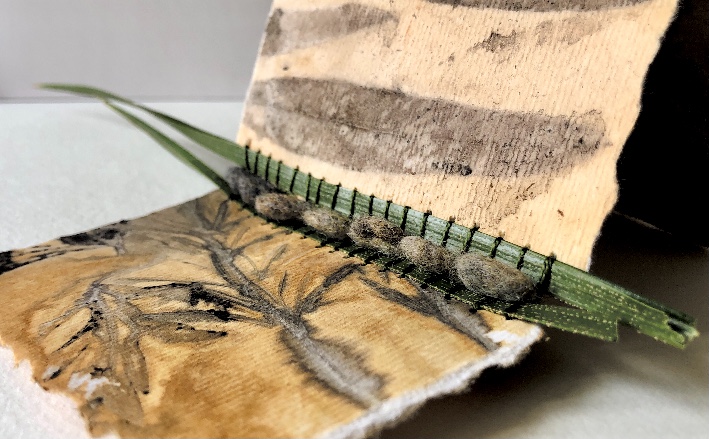
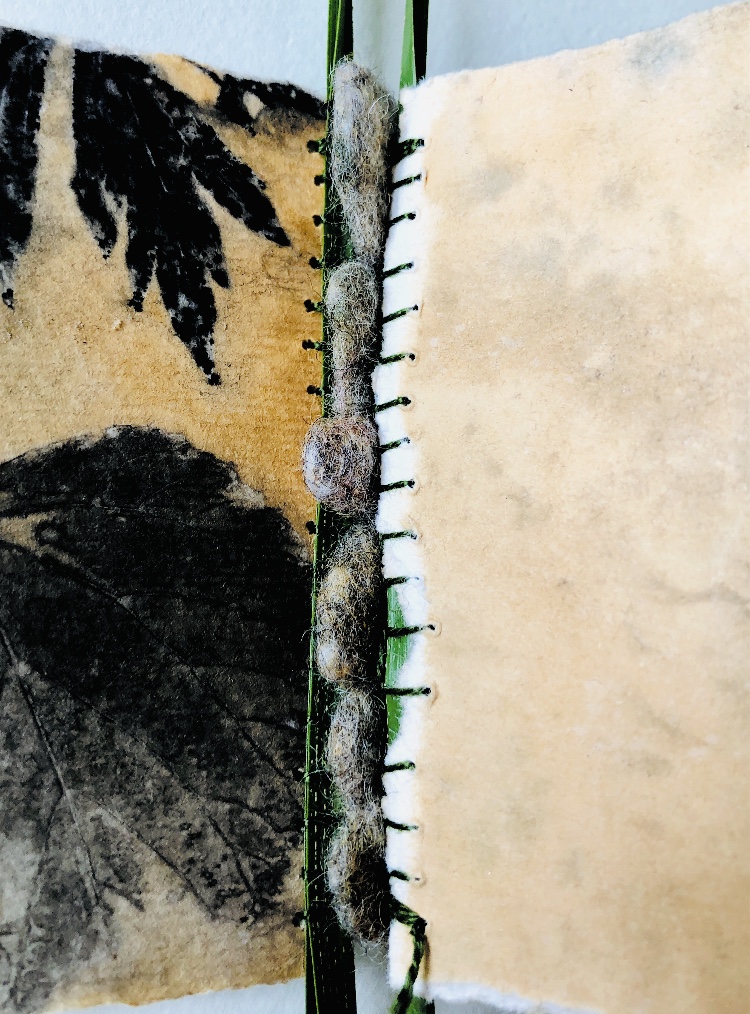
I chose this sample as I have always been interested in bookmaking. The use of natural leaves and eco printed paper together with natural coloured felt pebbles is soothing and pleasing. I like the colours – natural with just a little green, the torn pages, and the long slender leaves giving height and interest to the shape. I explored colour in some of my sketchbook work but I prefer the natural, organic colours of the original.

Sample 7

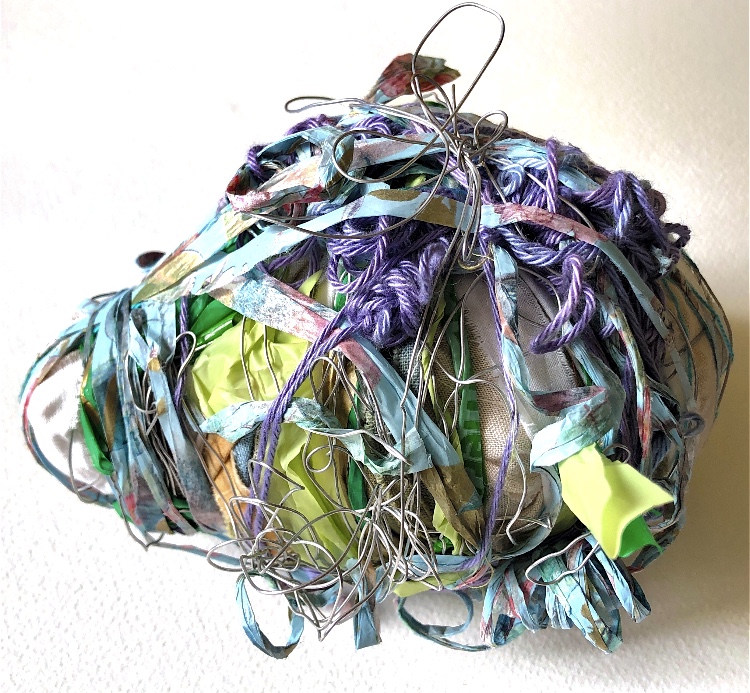
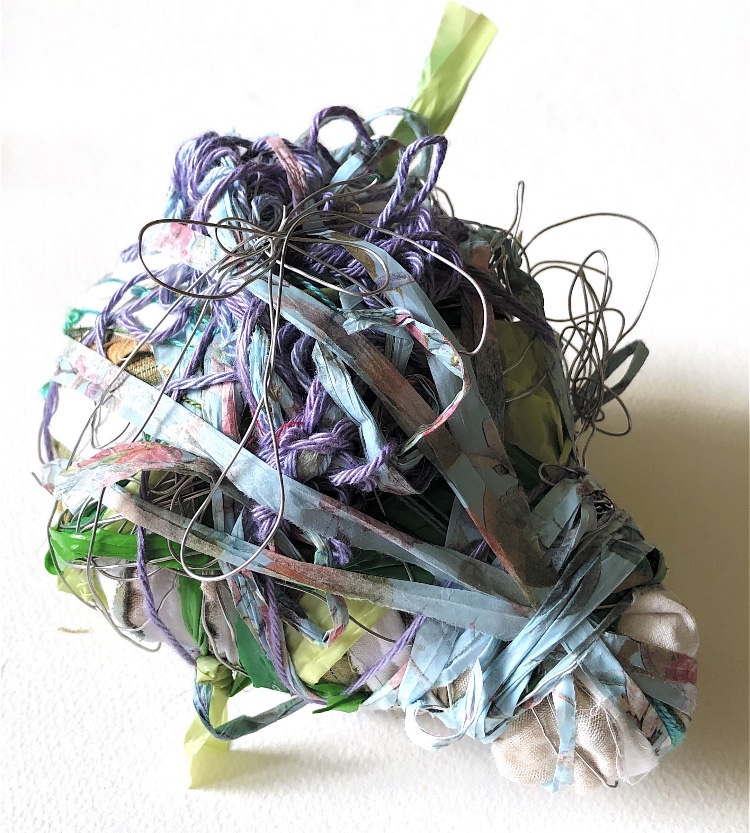
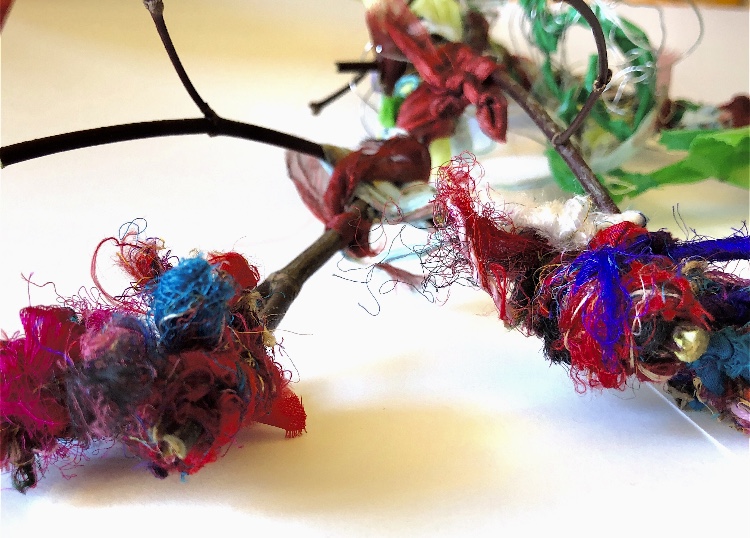
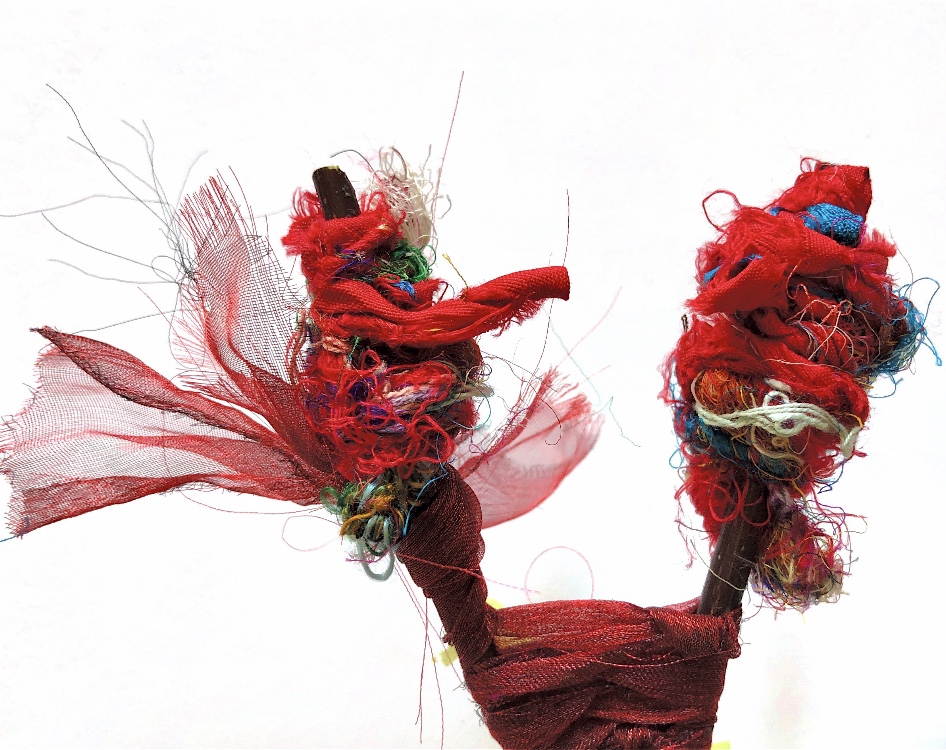
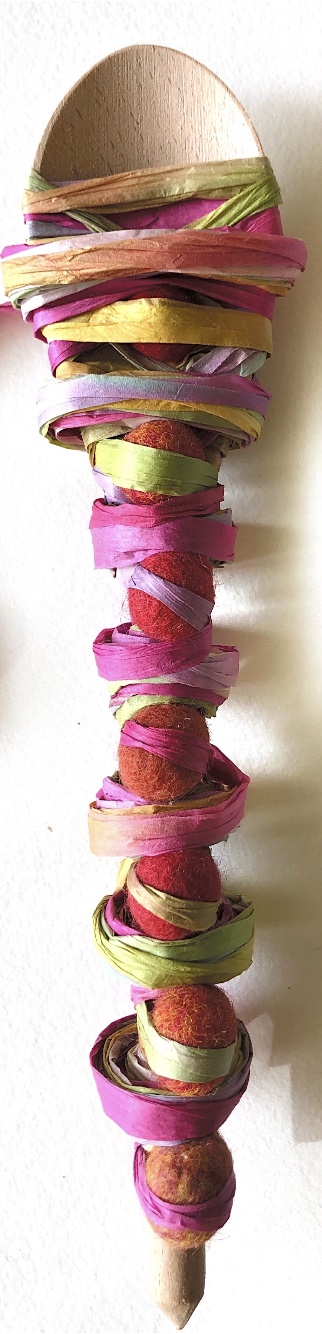
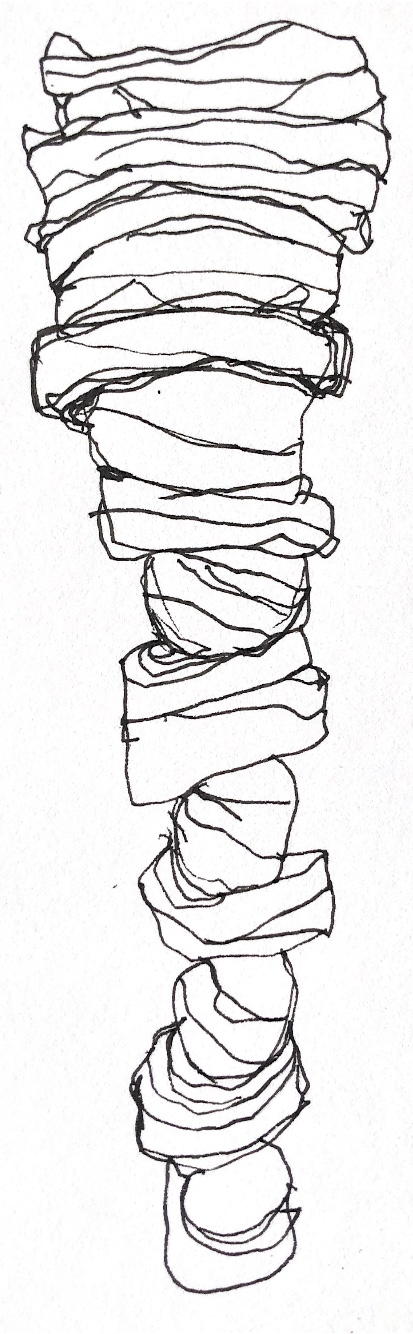
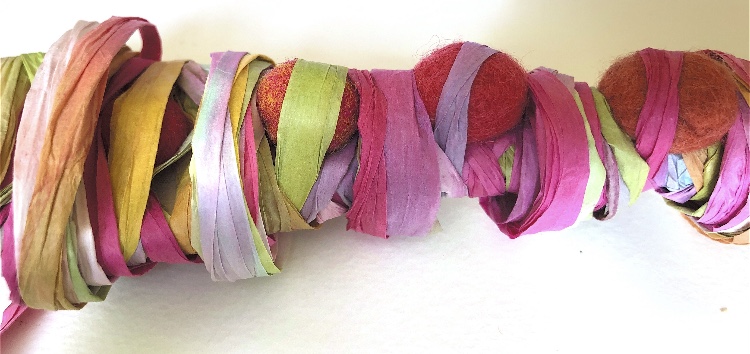
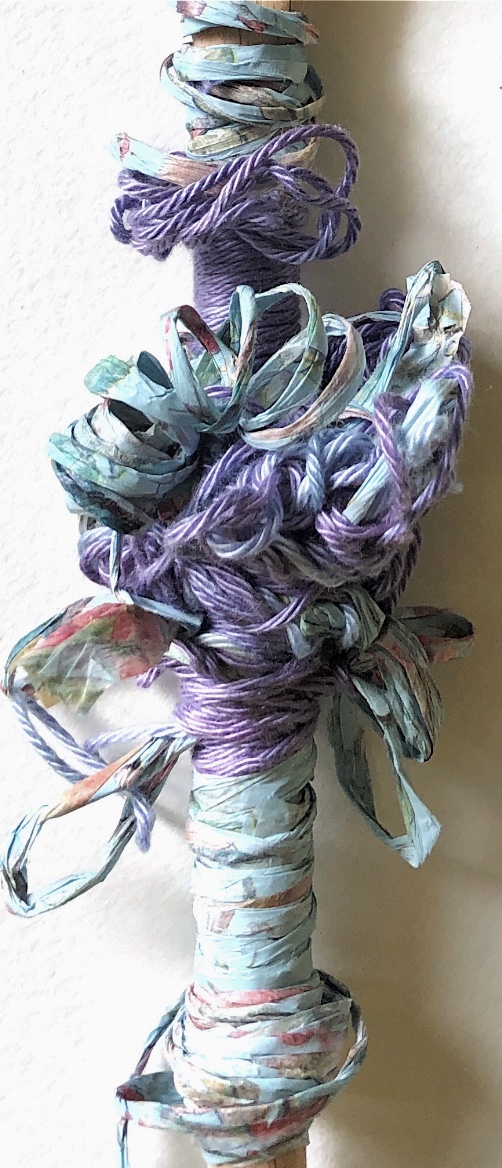
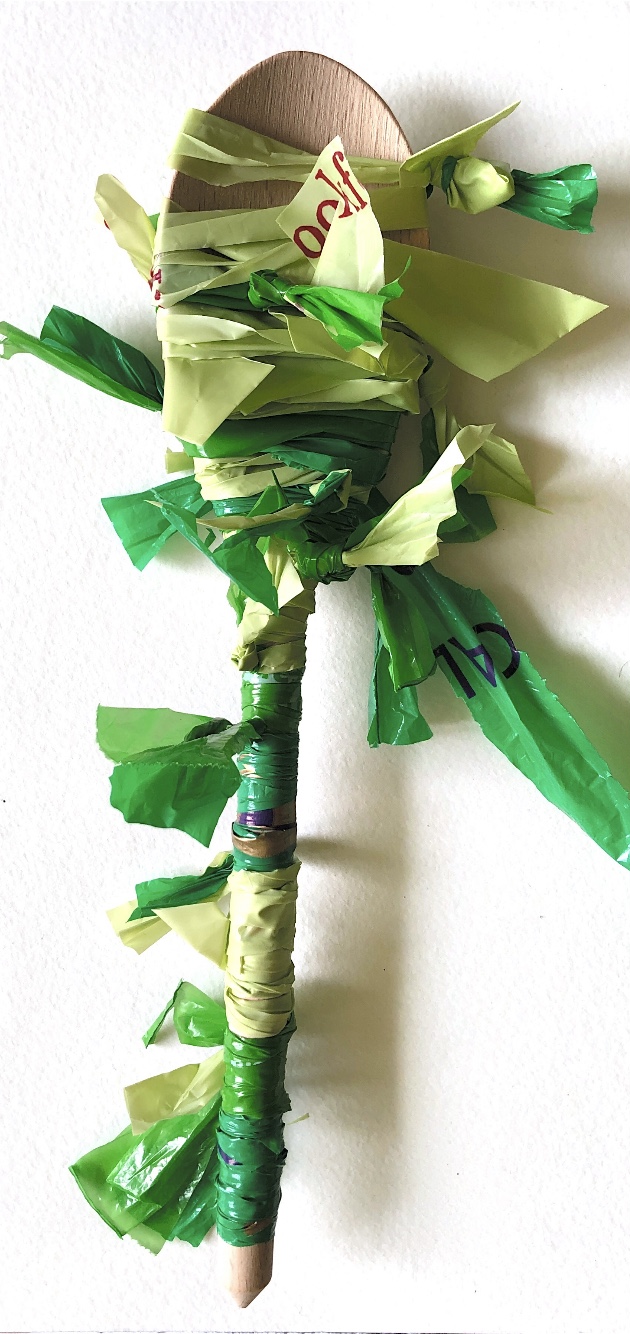
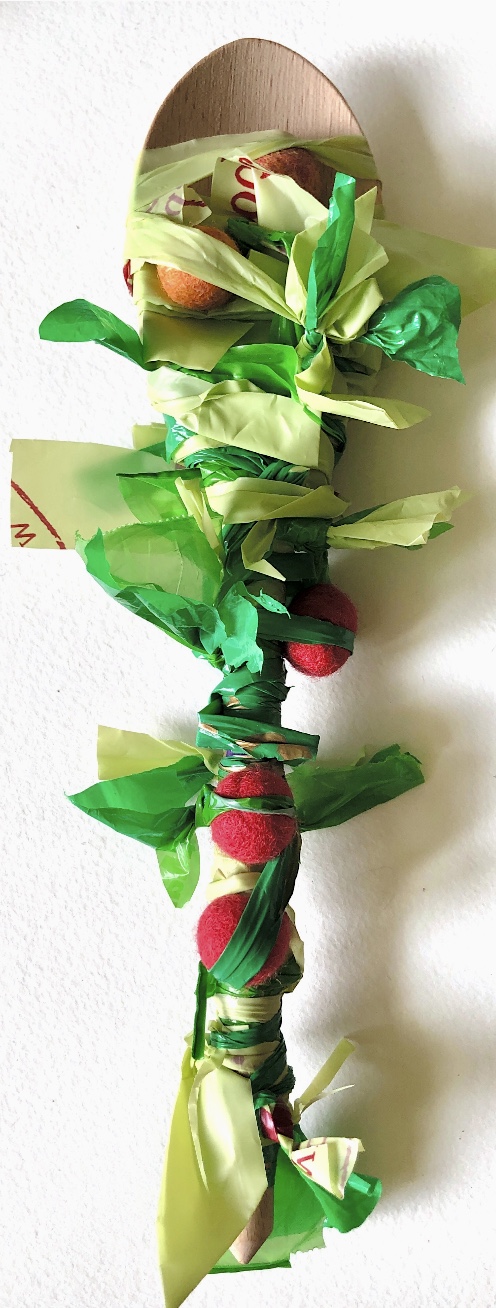
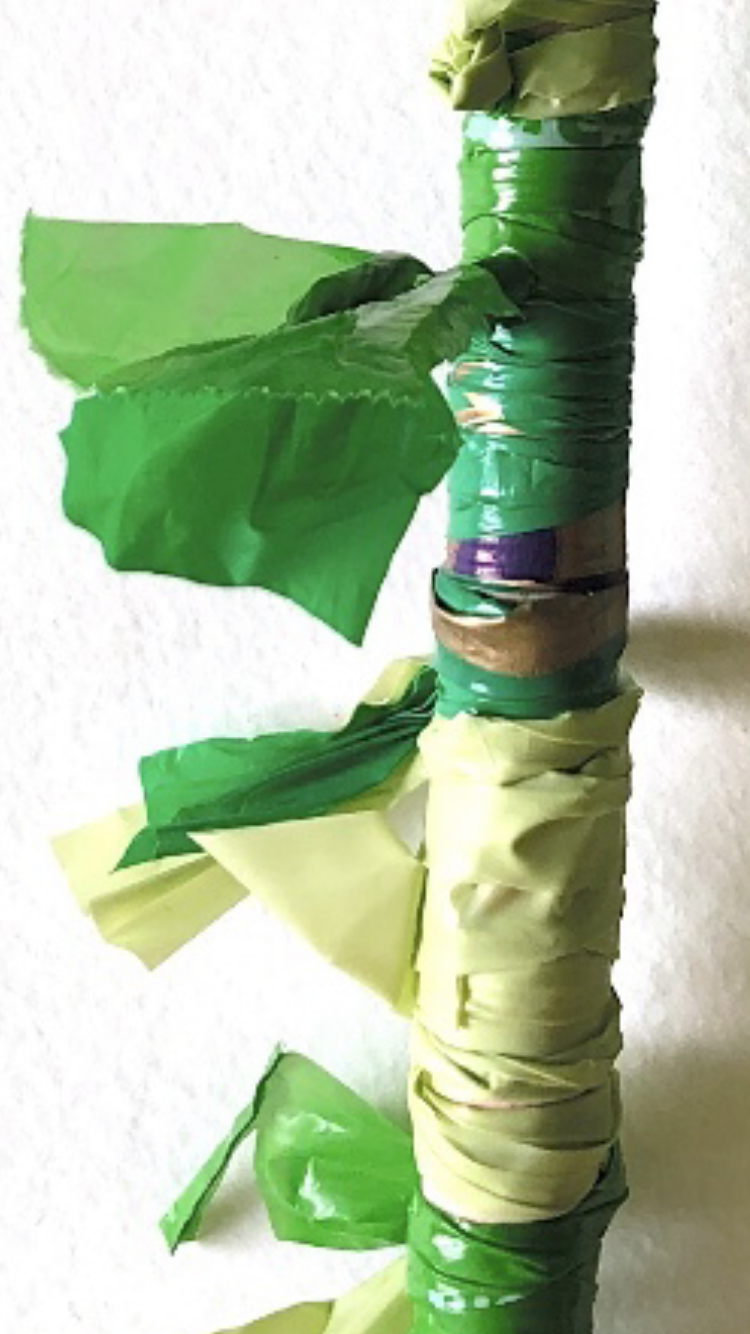
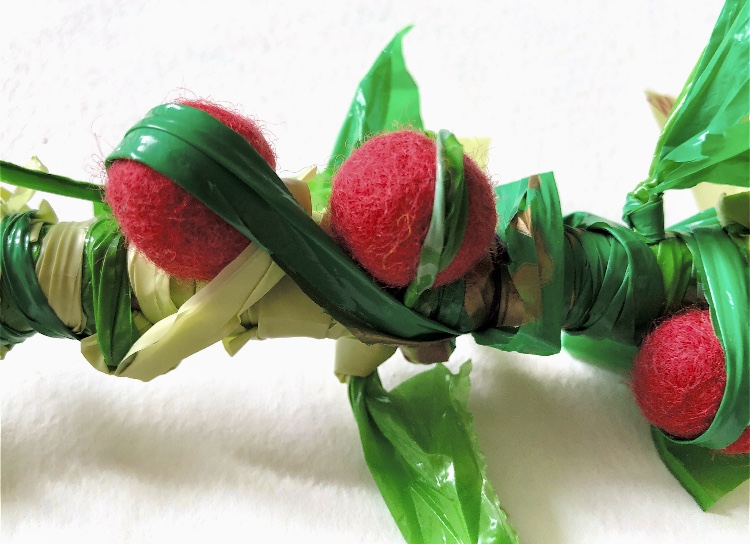
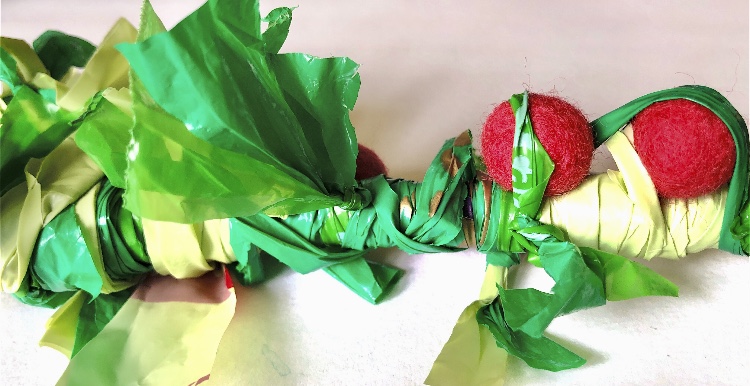
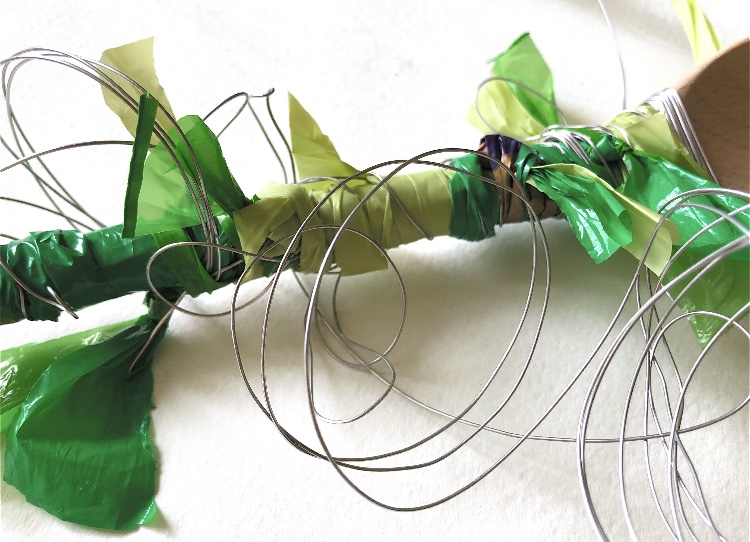
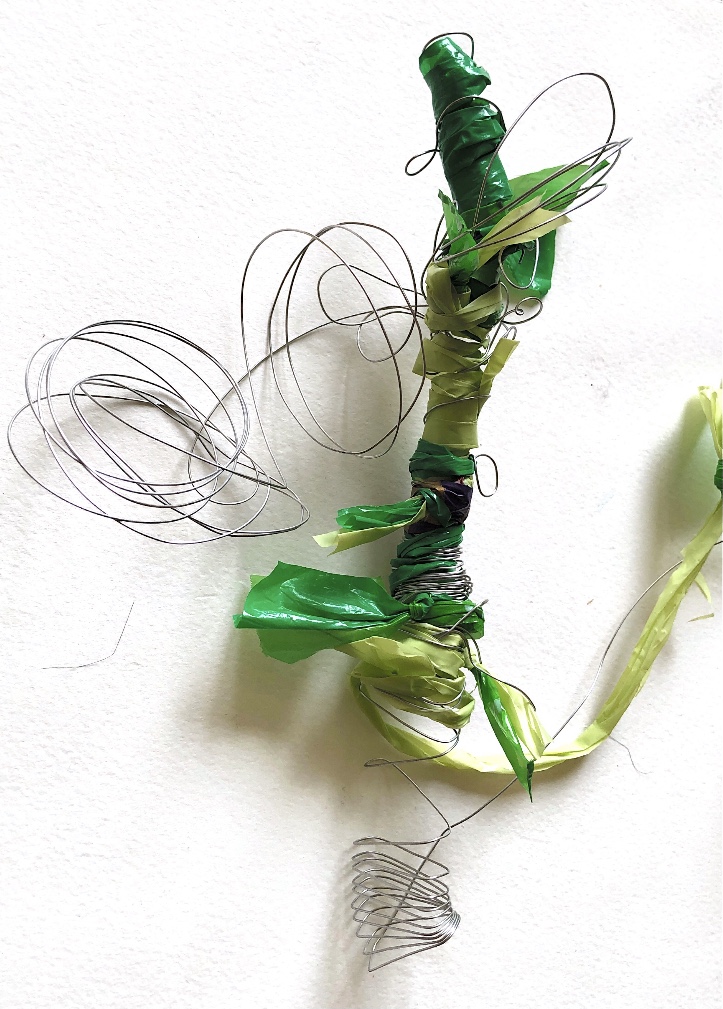
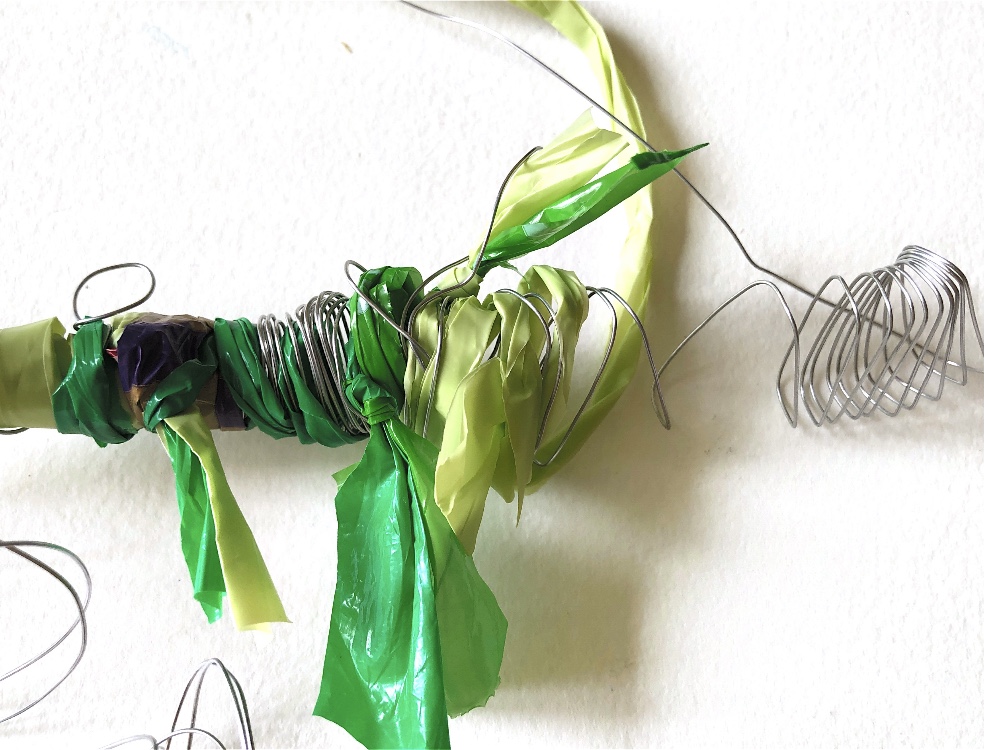
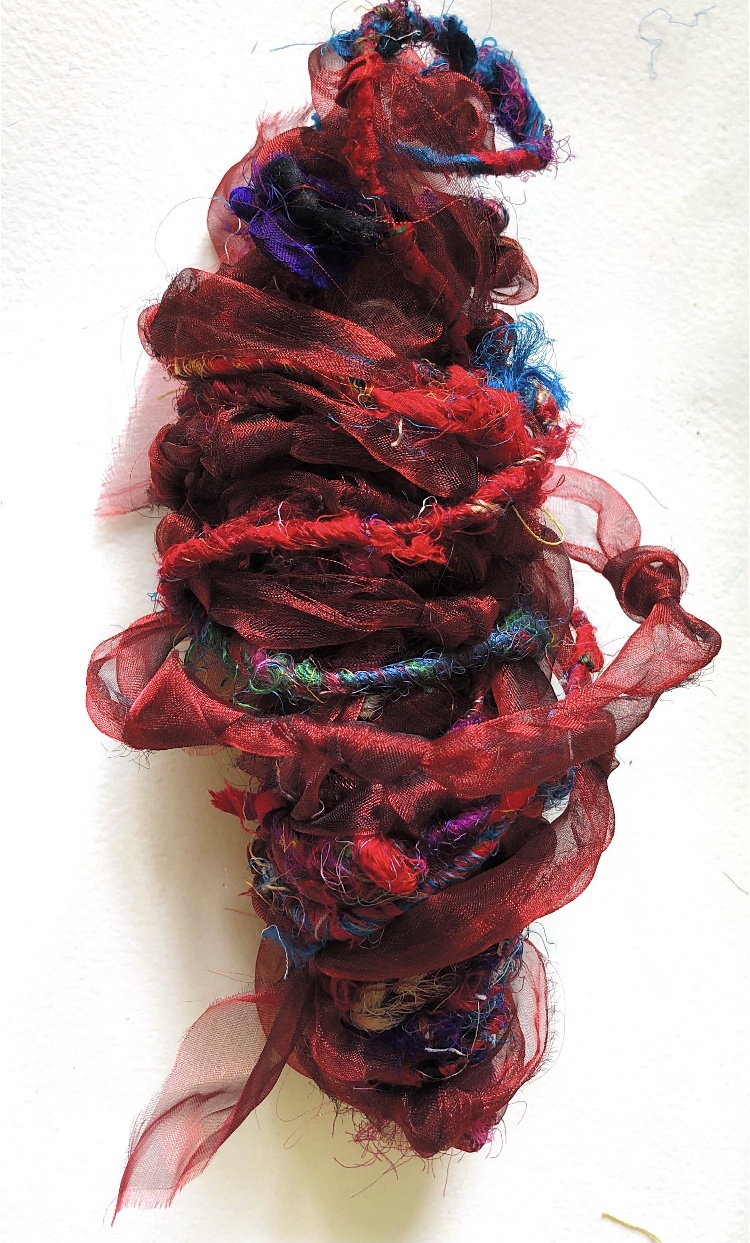
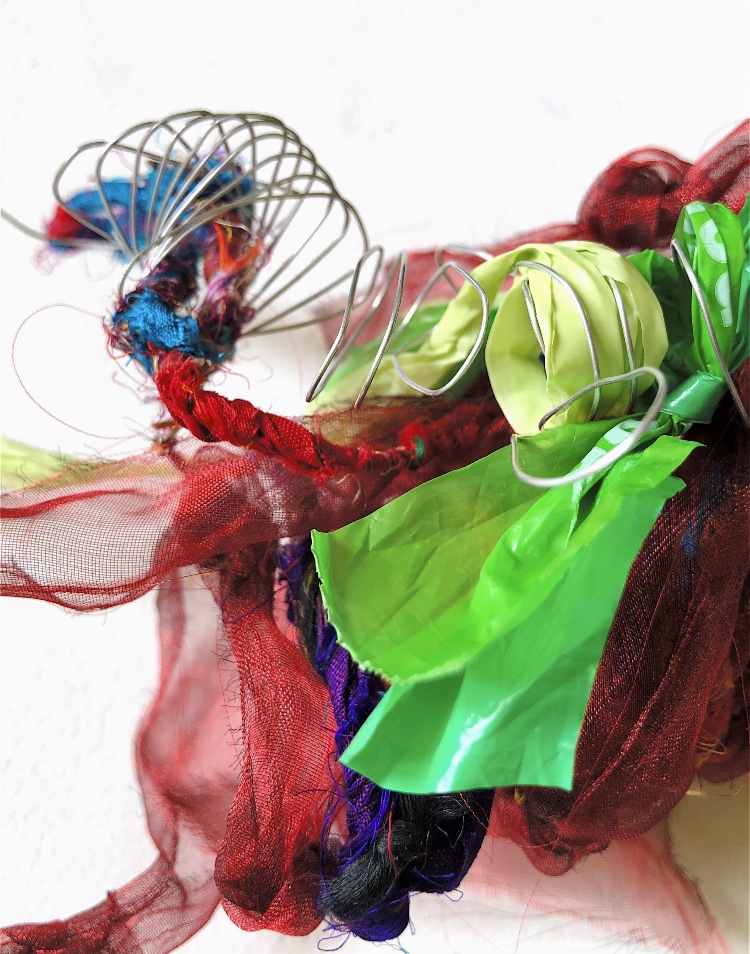
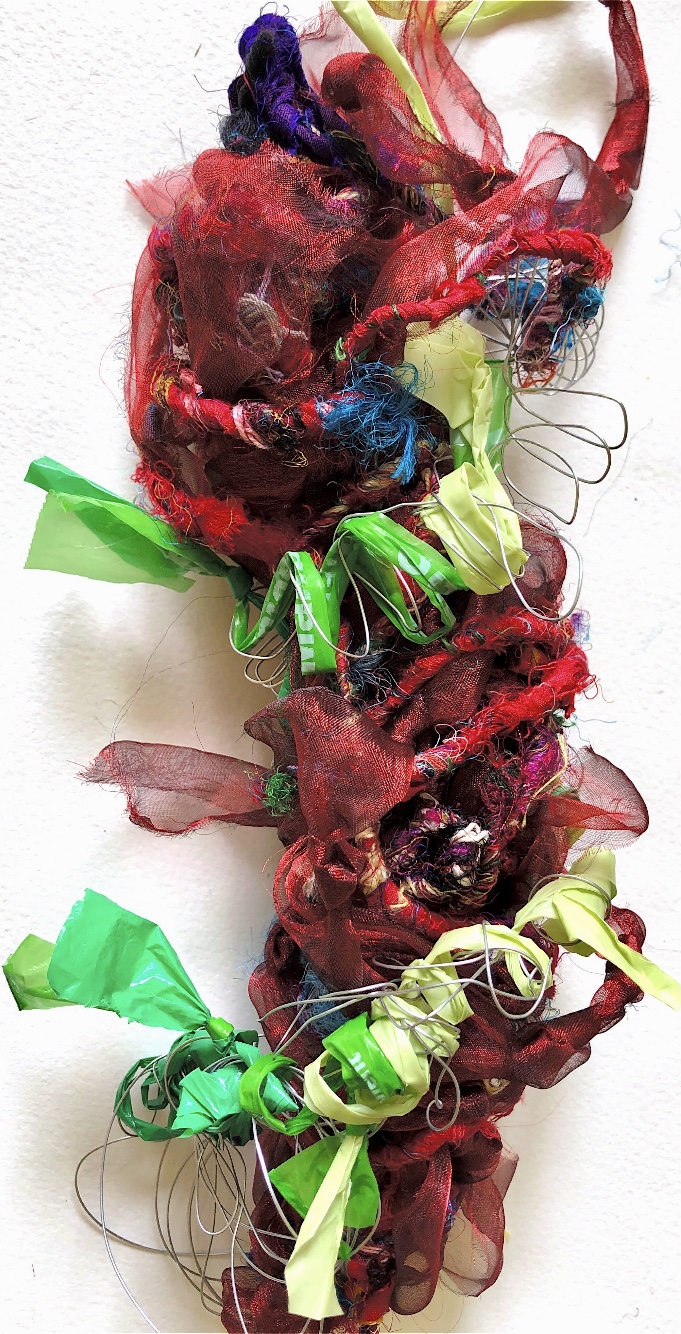
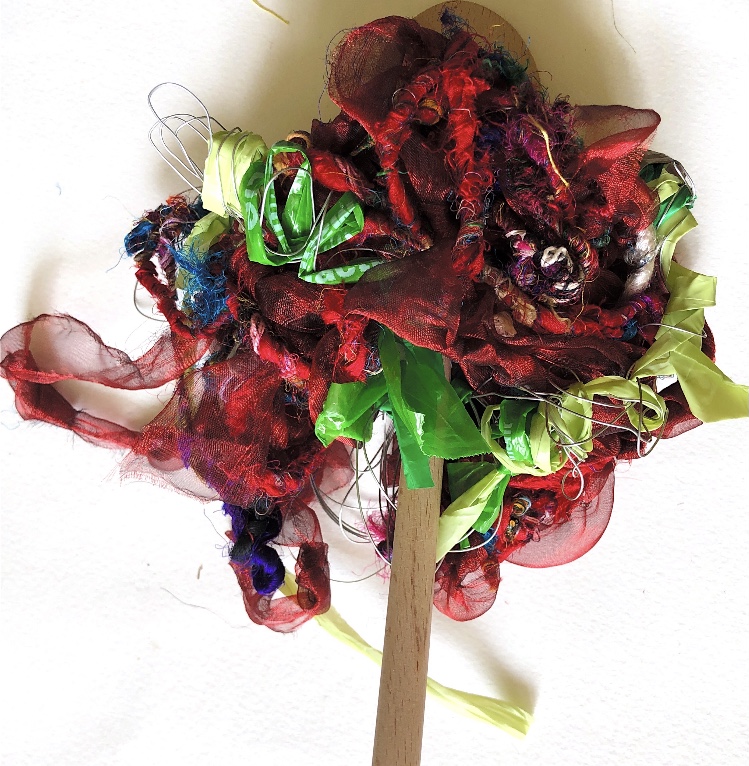
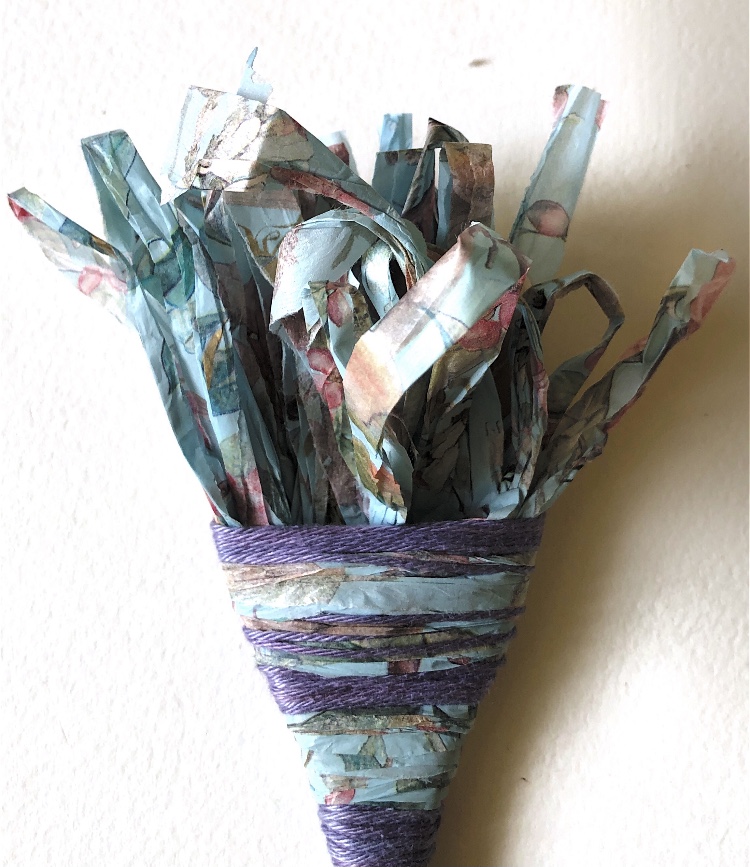
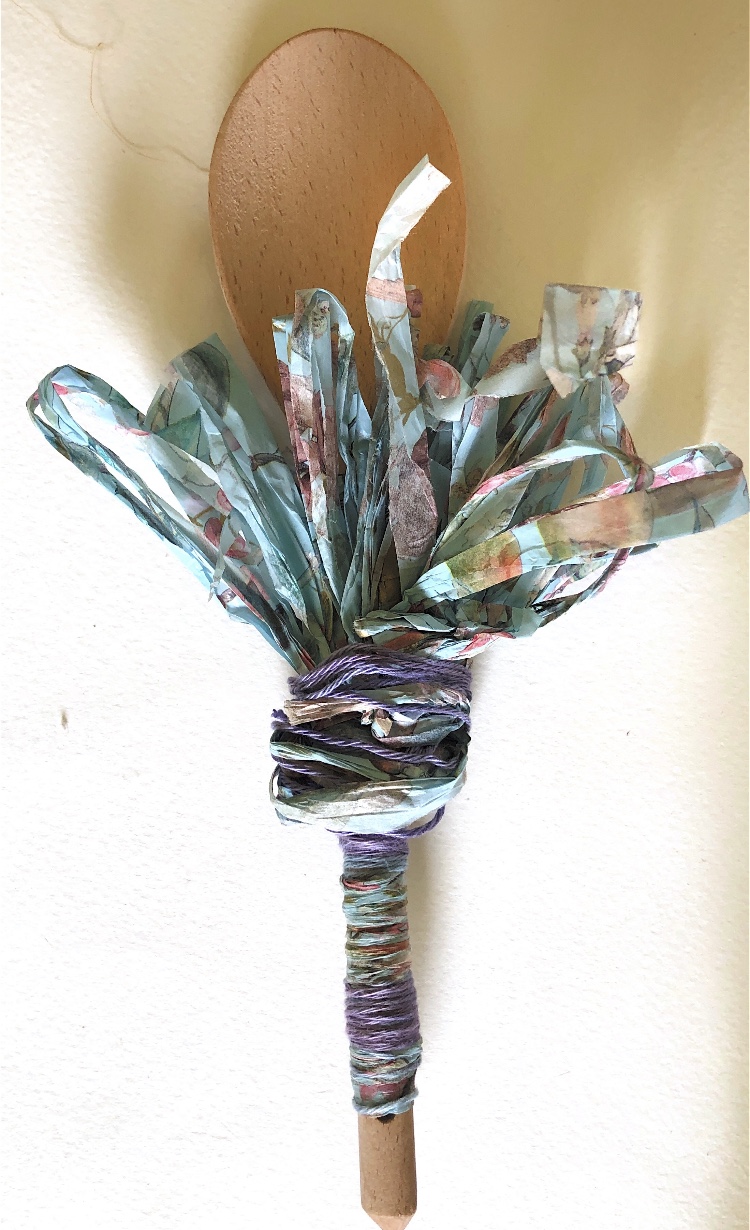
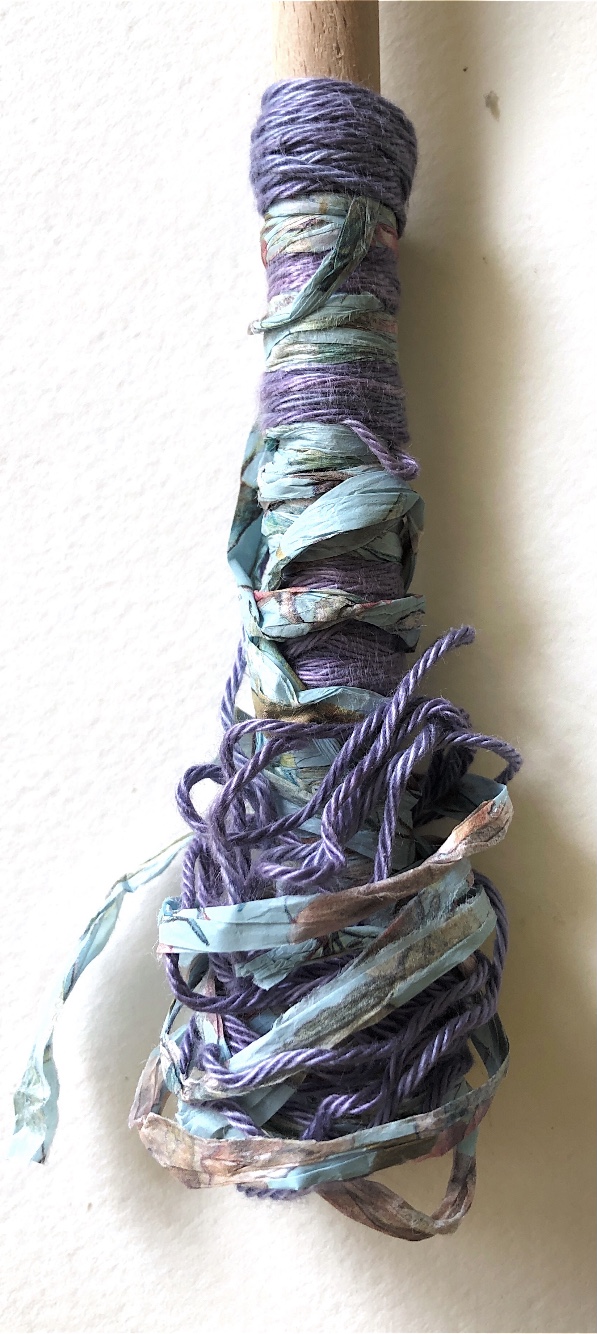
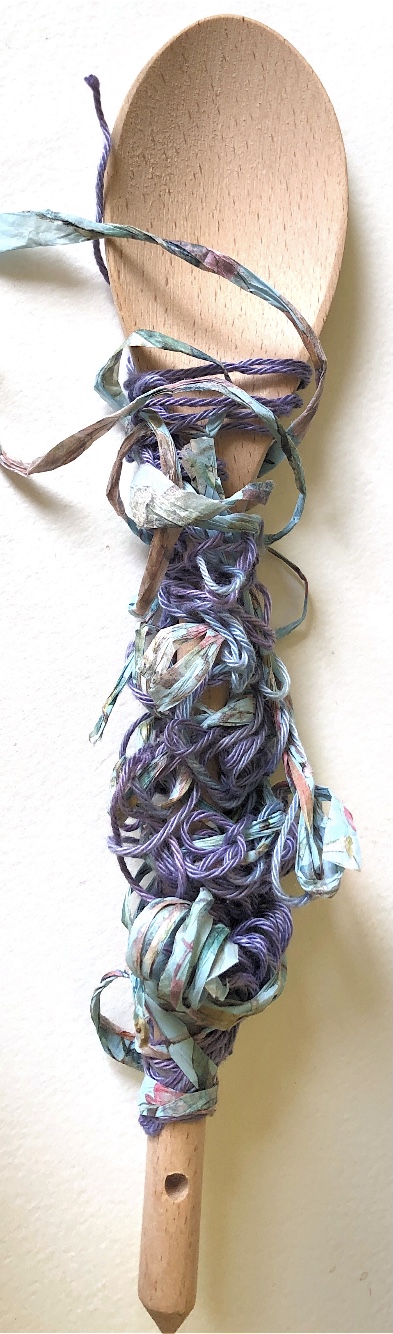
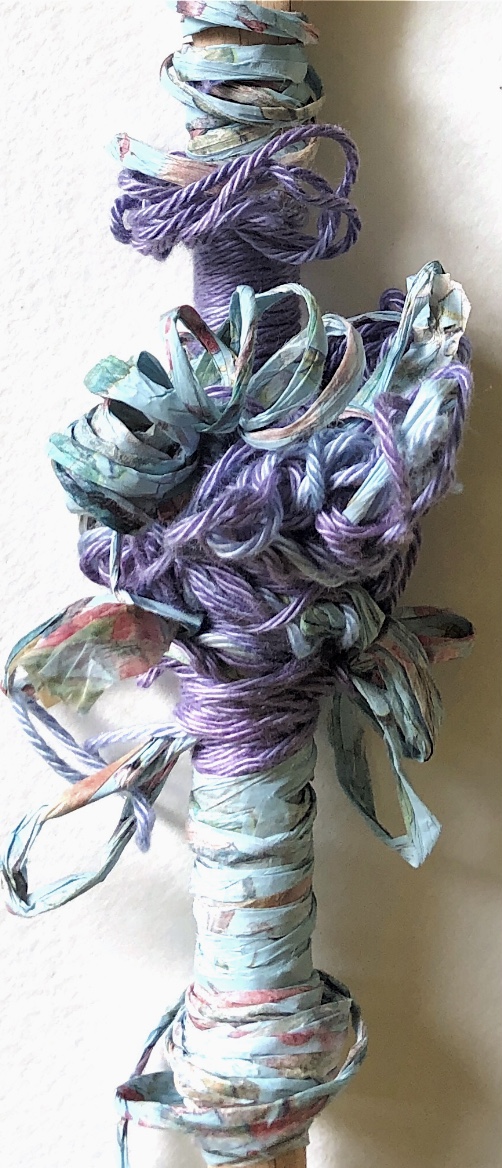
I love the joyful madness of this sample, created by using materials which had retained their shape after being previously wrapped around a wooden spoon. Wrapping them again created loops, twists, knots, and bows. The harmonious colours blend and make a kind of stylised decorated stick. It makes me think of something to be used in a dance – maybe with bells on. These types of accessories would be interesting to research for future work.

Sample 8

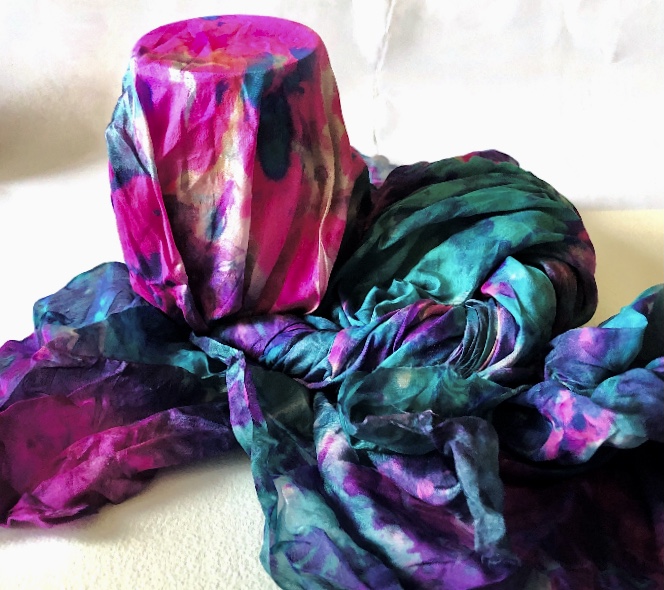
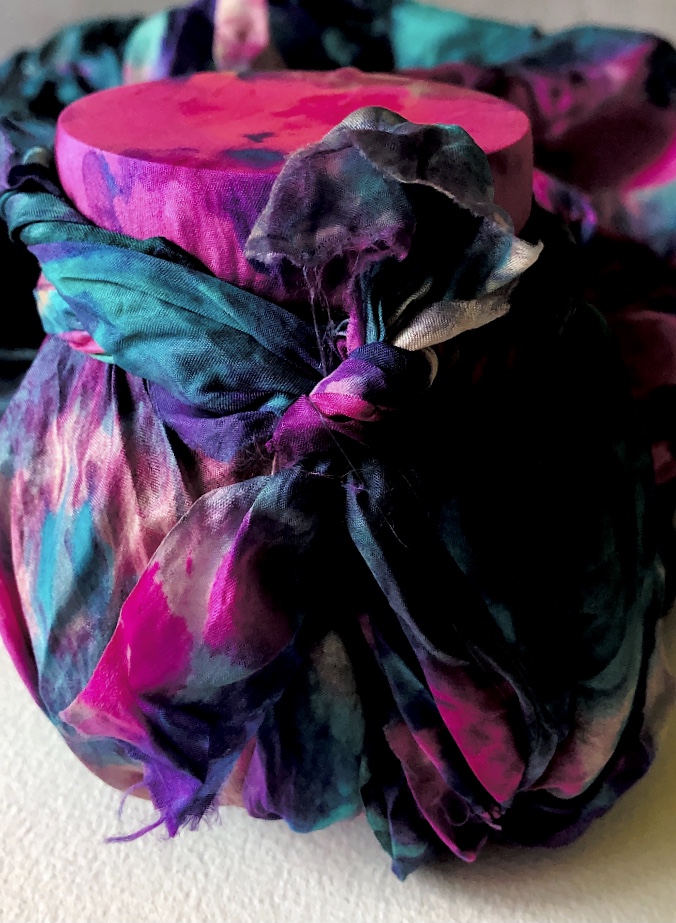
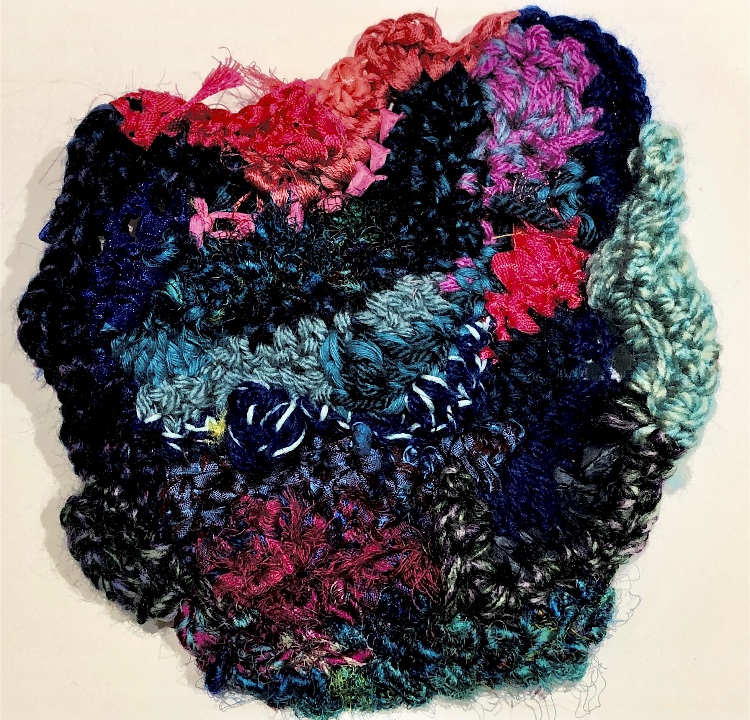
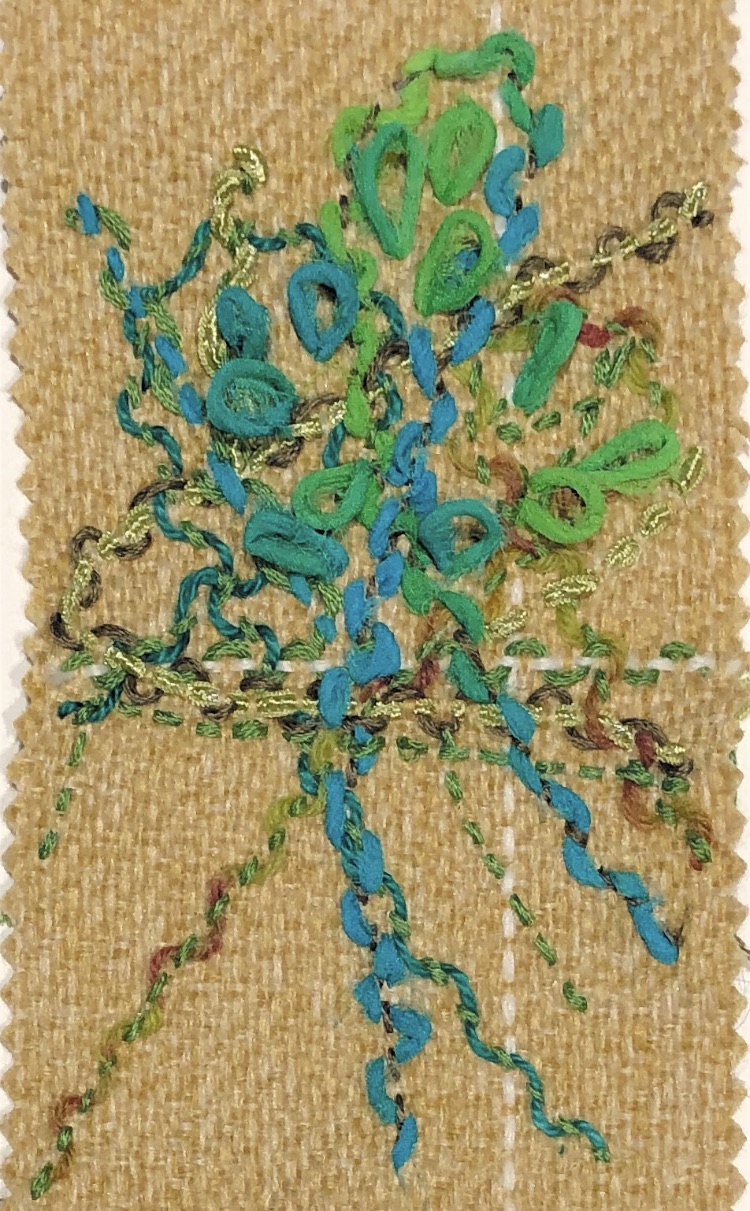
Wrapping a jar with a square of dyed silk was really interesting. The strong shape of the jar contrasted with the soft, flowing piece of silk to create bold shapes looking like a still life arrangement. The colour choice was an unusual one for me but I wanted to try some freeform crochet to capture the feel of the sample and I think this was very successful. While working on this sample I was inspired by an article in ‘Selvedge’ magazine Issue 97 about Joana Vasconcelos who creates huge colourful sculptures including crochet. I had never seen intricate crochet hand worked on this scale before and I found it exciting and inspiring. (Gray, L ‘View’ in Selvedge Magazine Issue 97 )

Sample 9

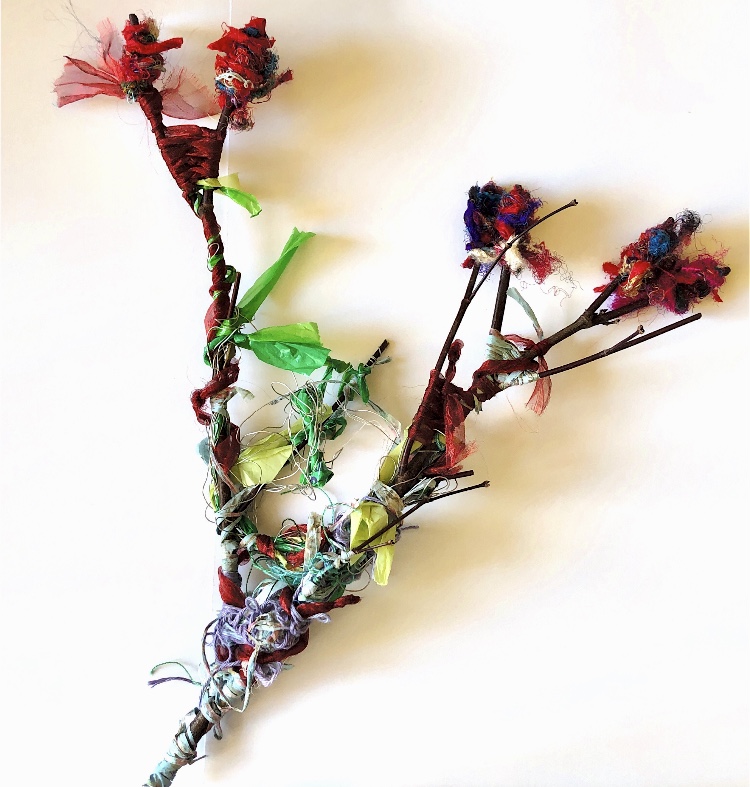
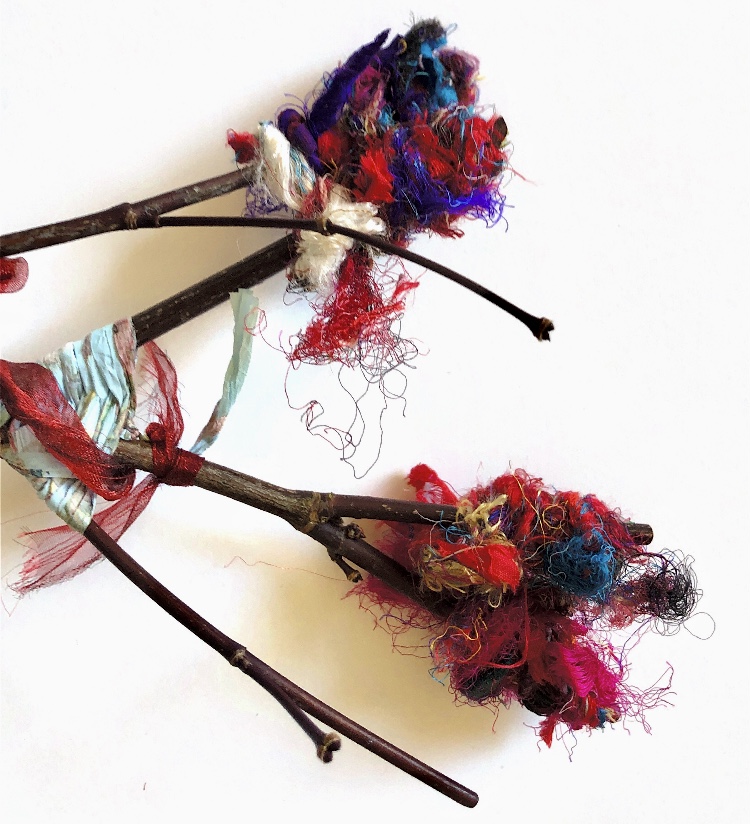
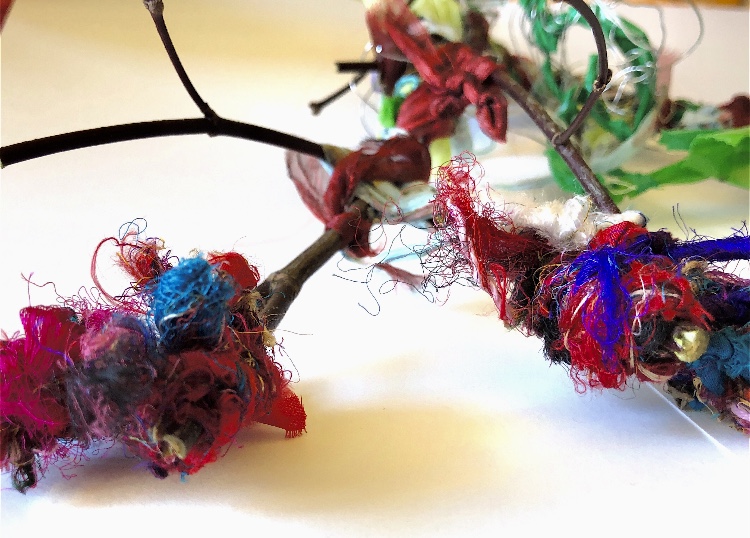
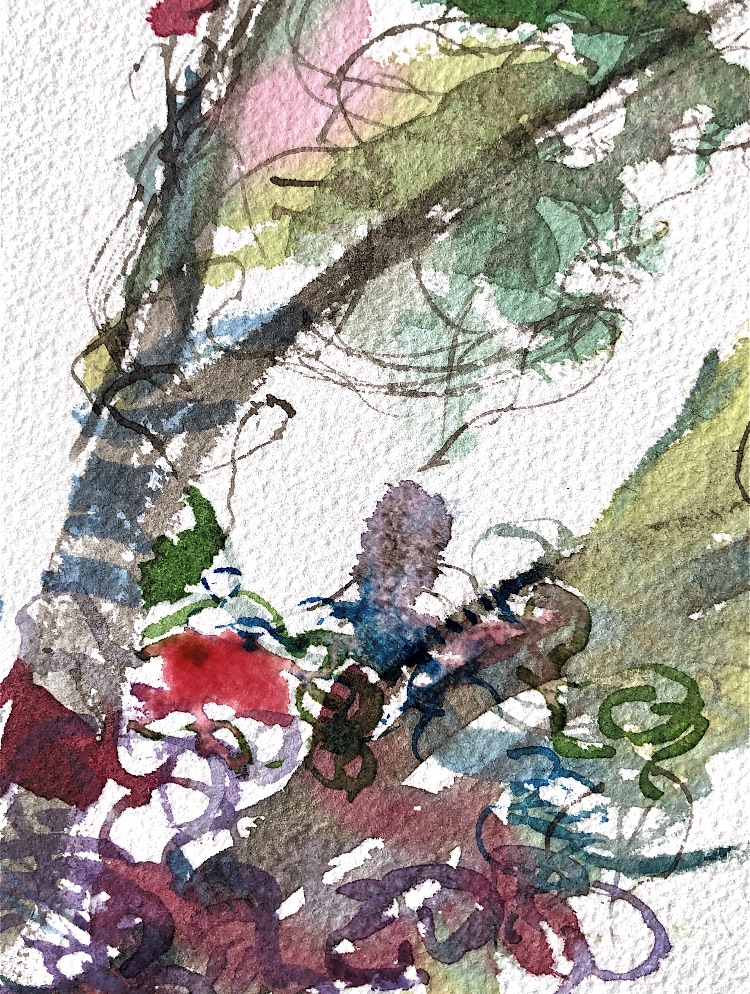
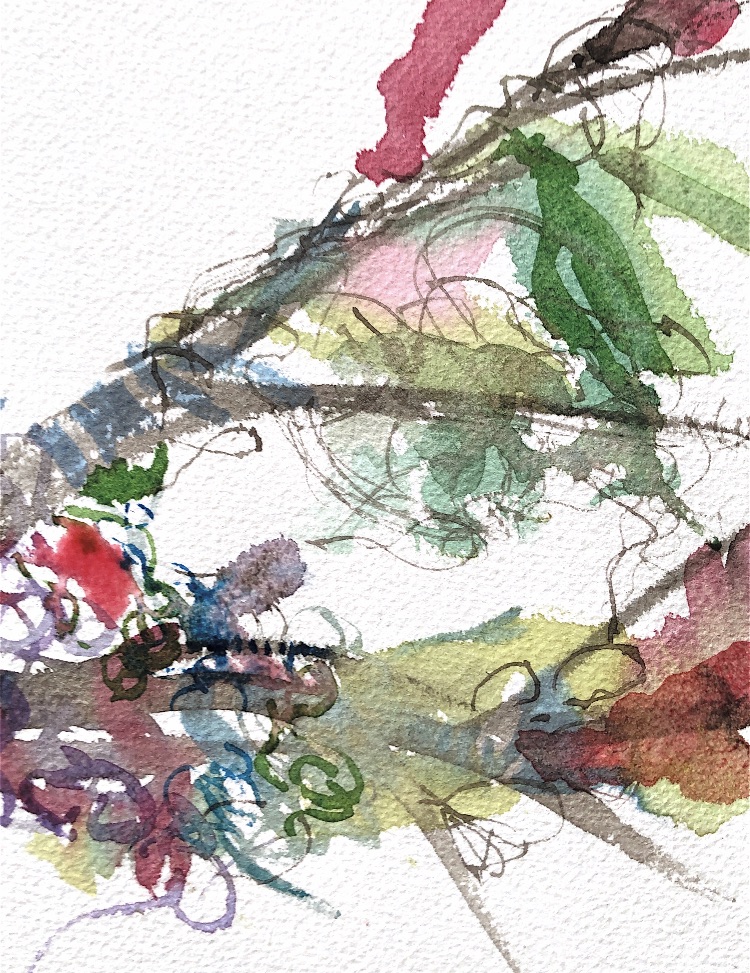
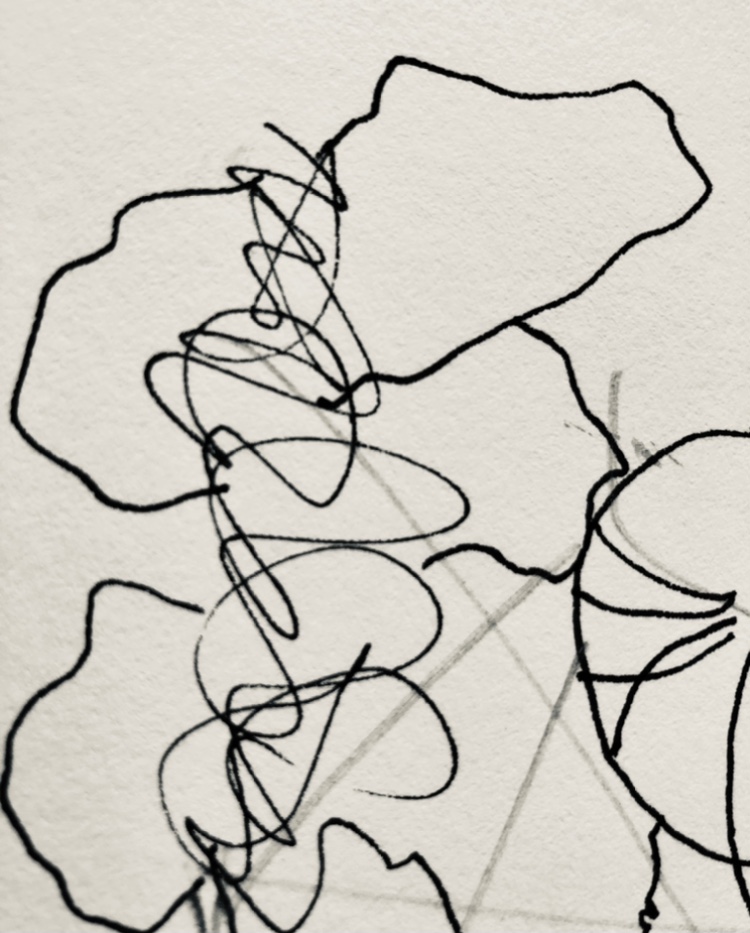
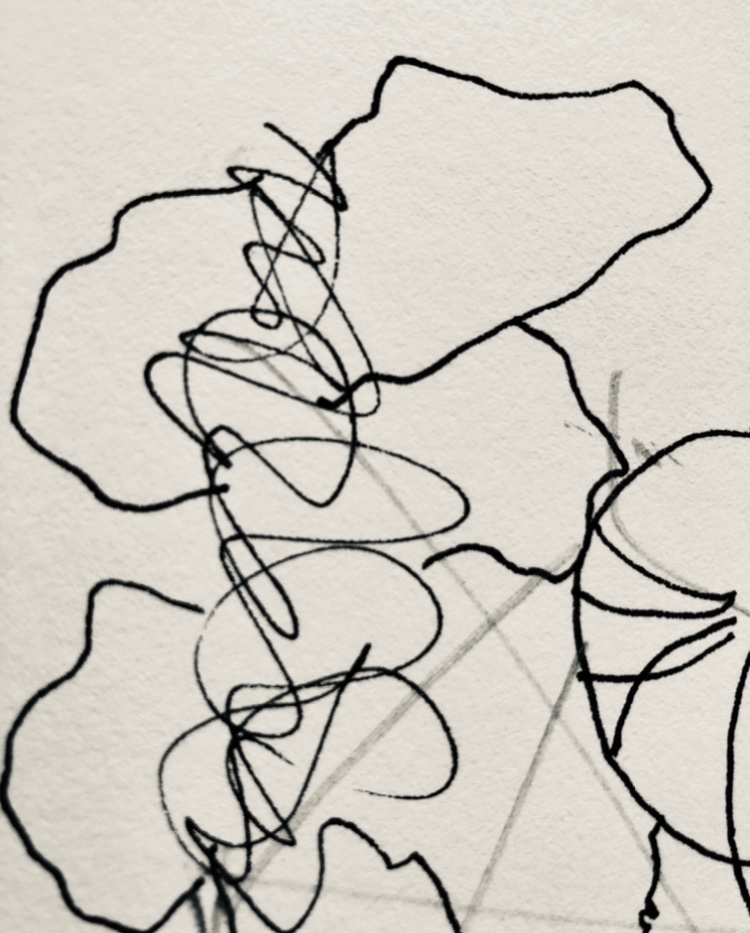
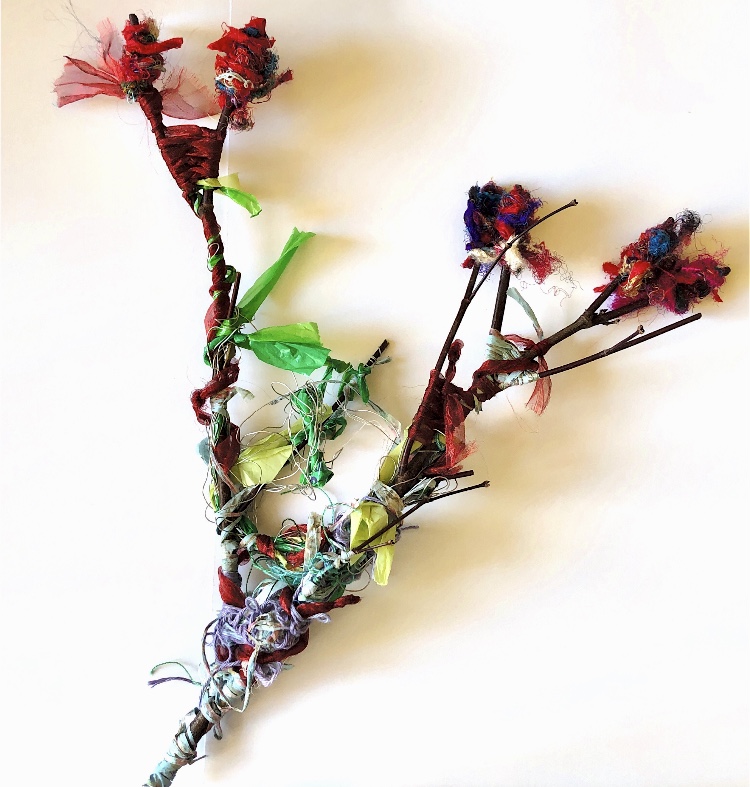
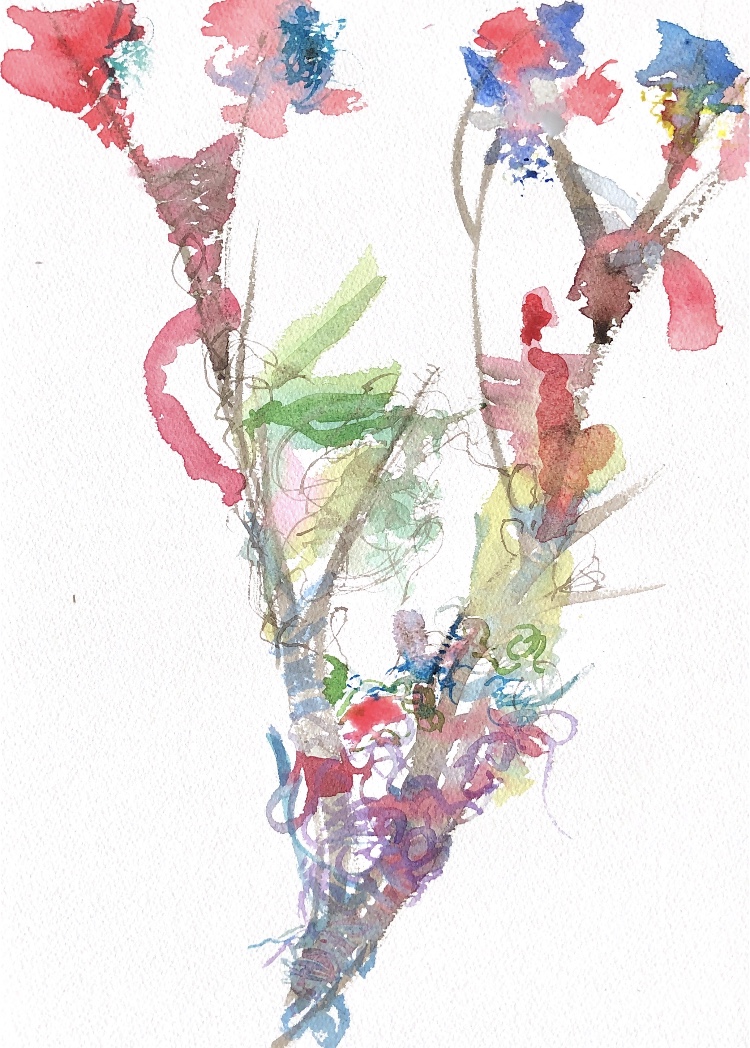
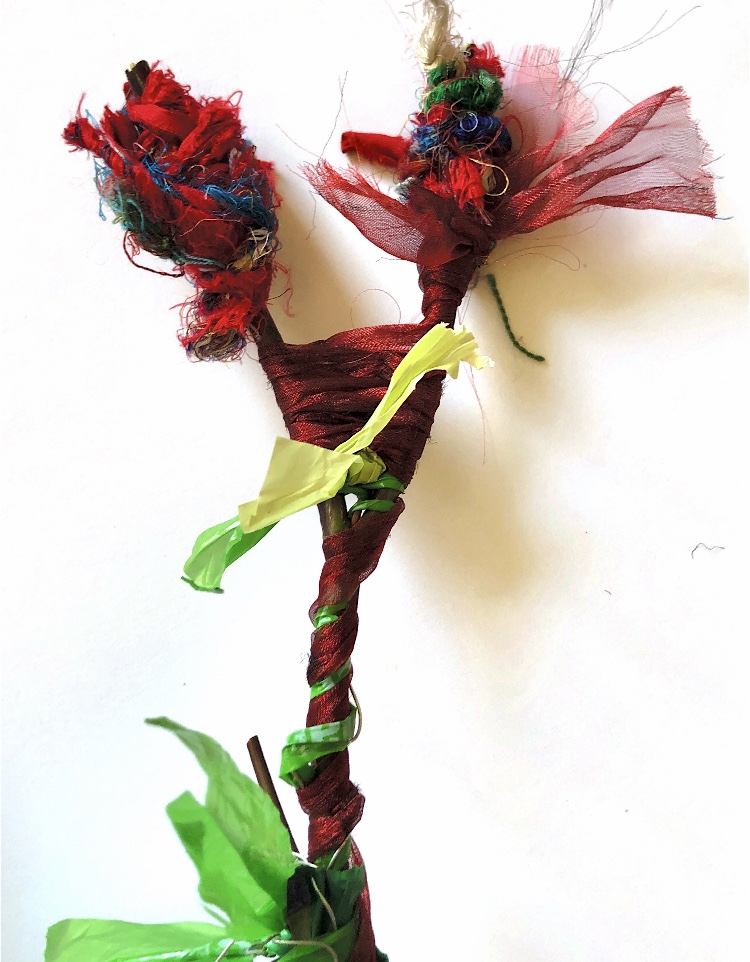
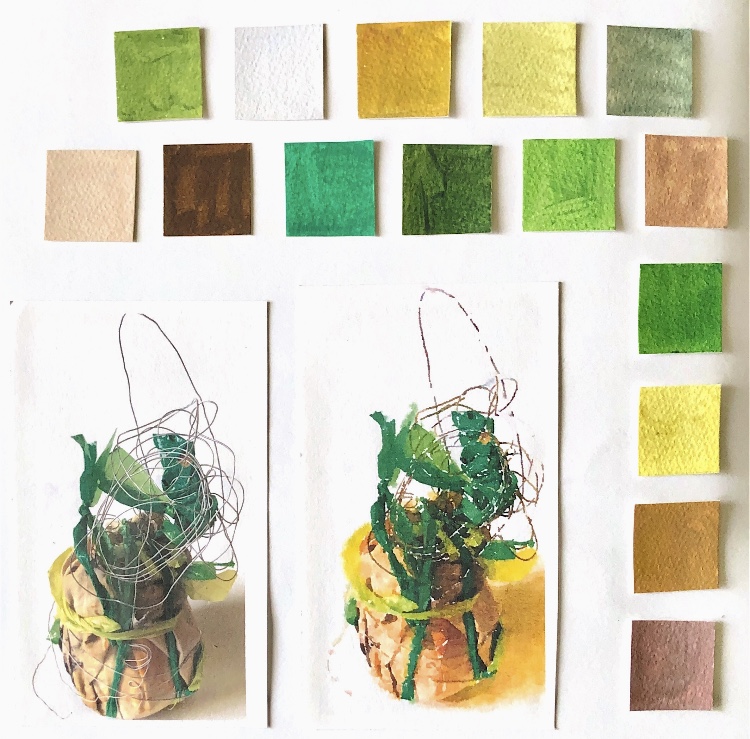
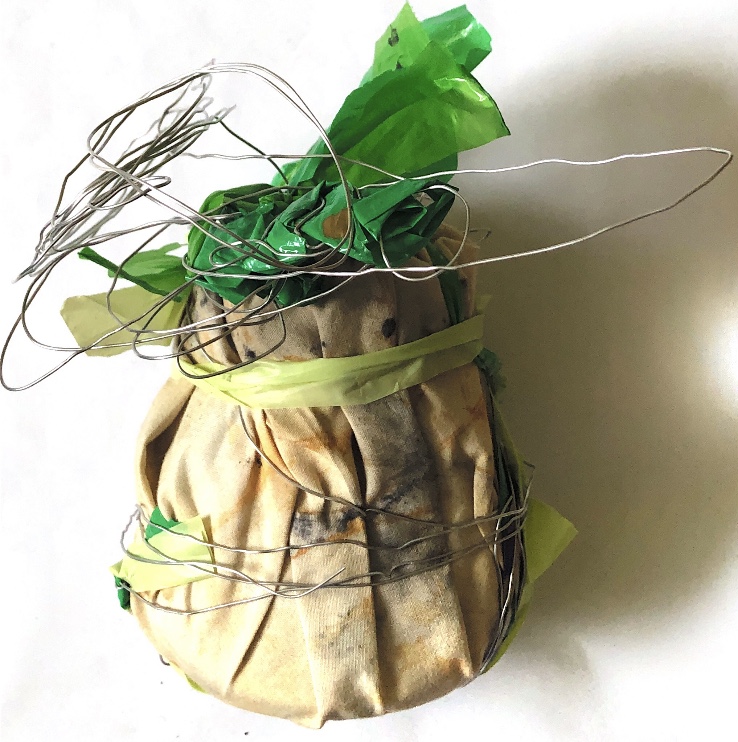
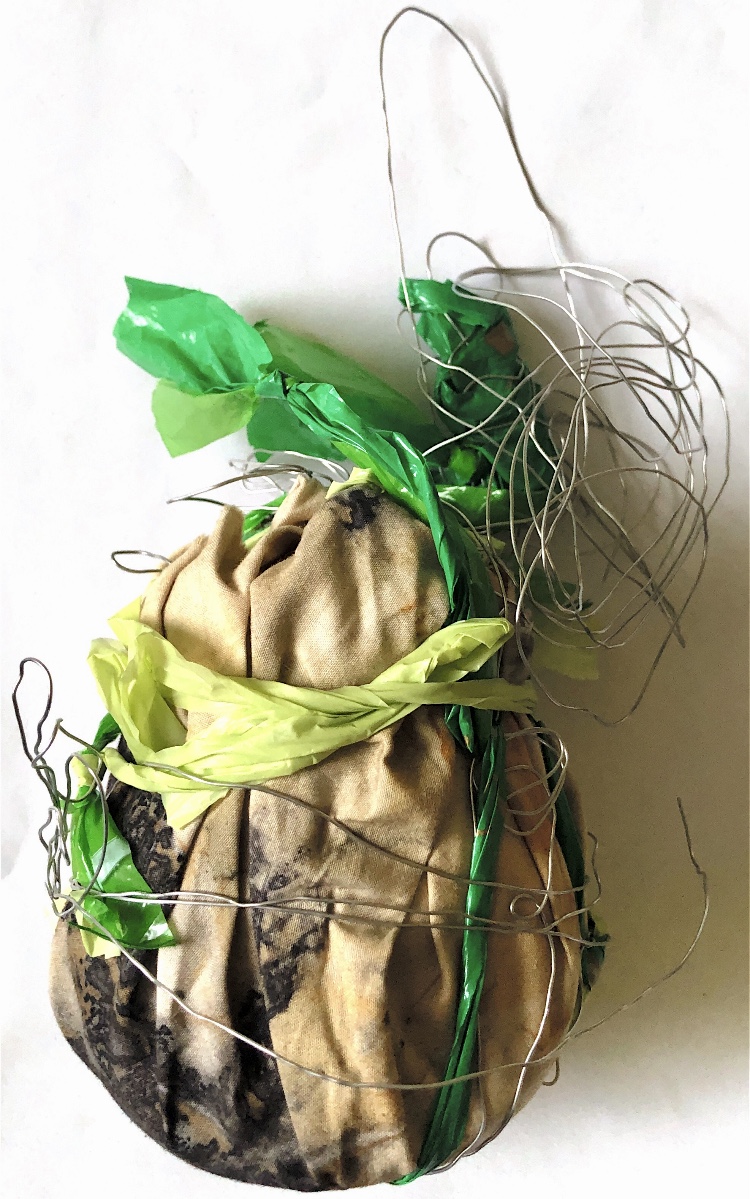
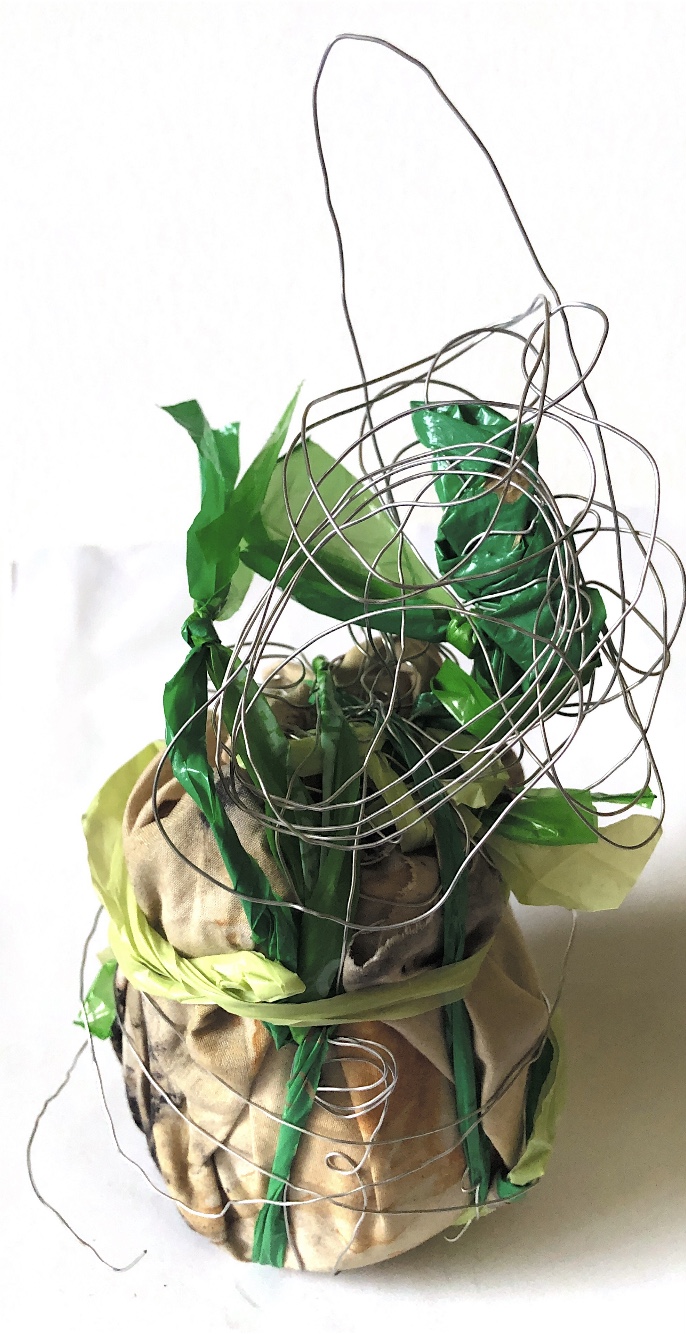
This sample was fun to make and I used lots of different materials. It looks like a flower with bright buds but also maybe a bit of decay as if it has nearly finished flowering for the season. Again the influence of Wabi-sabi in my thoughts enhances its beauty. A scribbly watercolour captured the sample beautifully. I like the frayed edges of the fabric and the wire and paper making its way up the stalk – almost like another plant winding around. There is lots here to inspire, from the clashing colour scheme to the faded beauty of the flower stem itself.

Sample 10

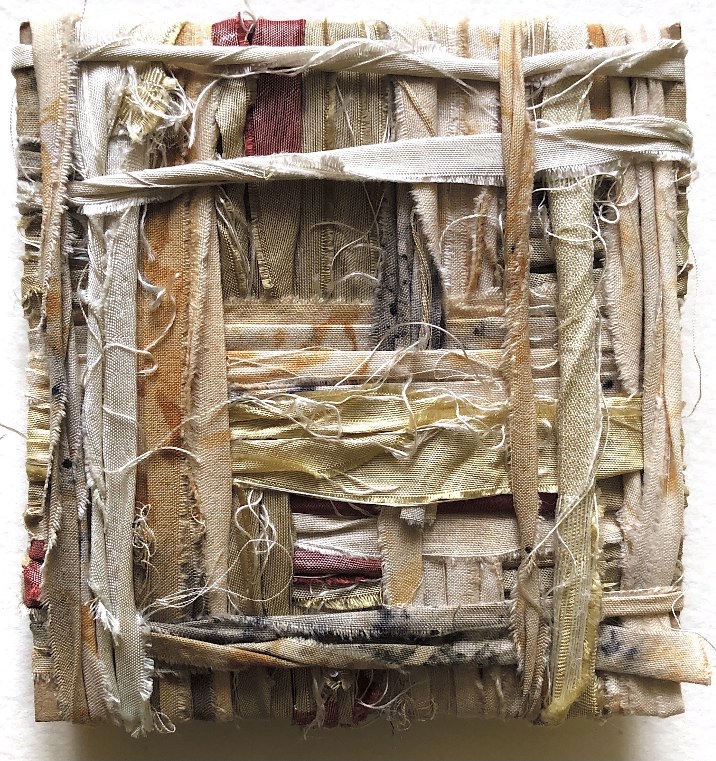
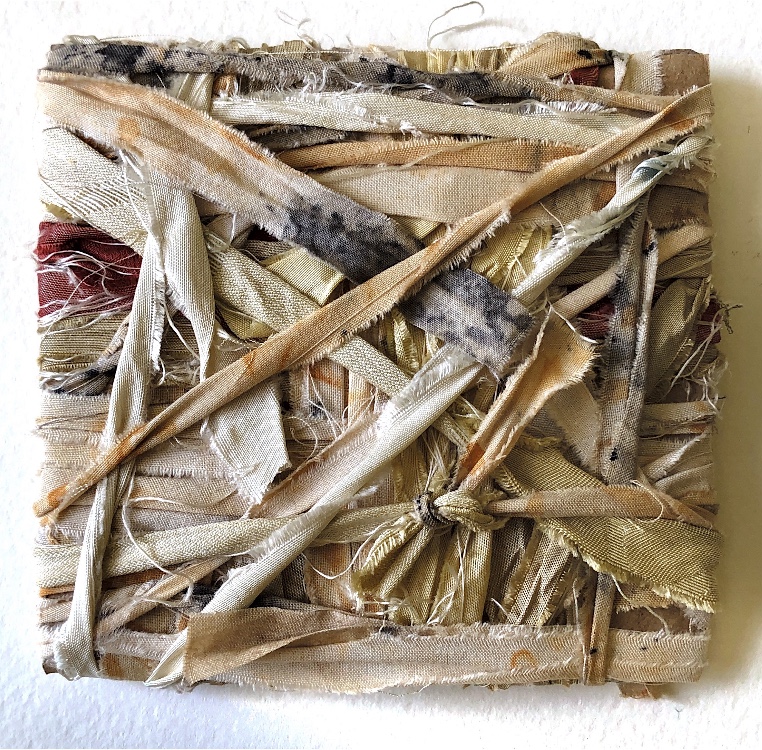
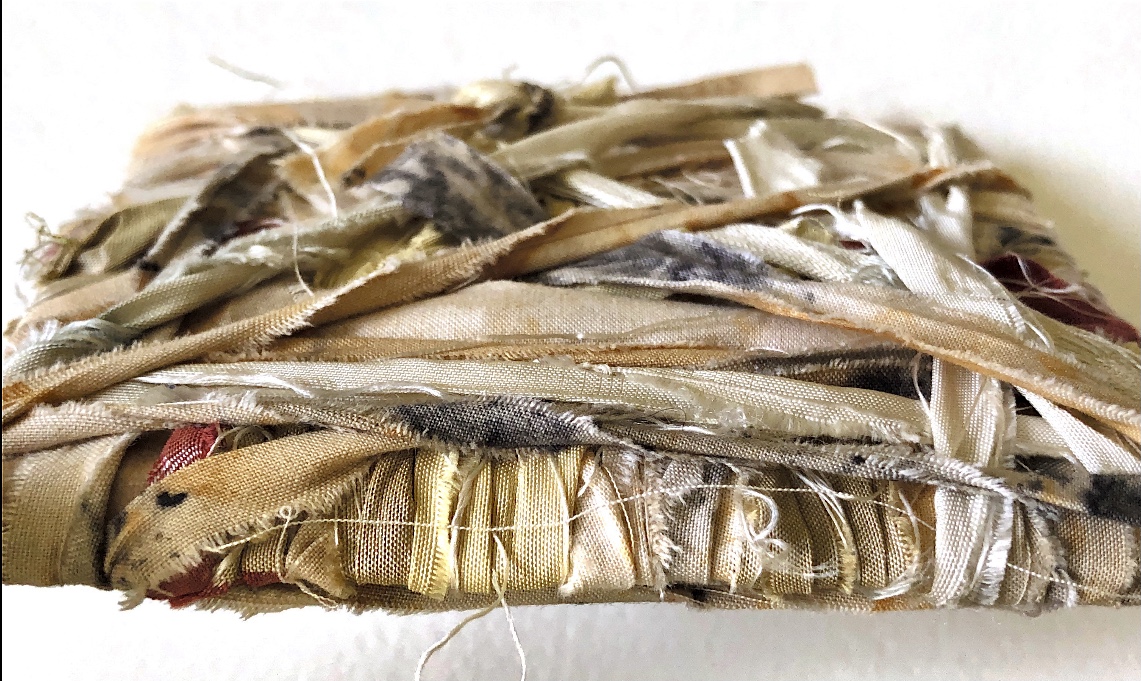
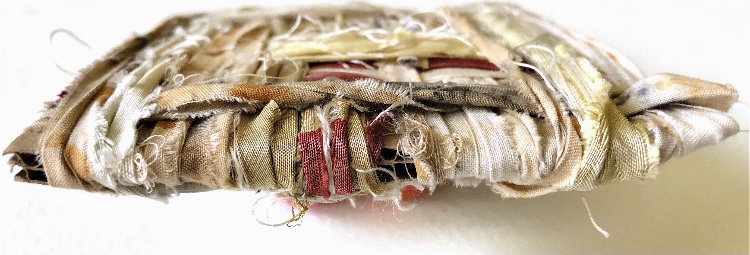
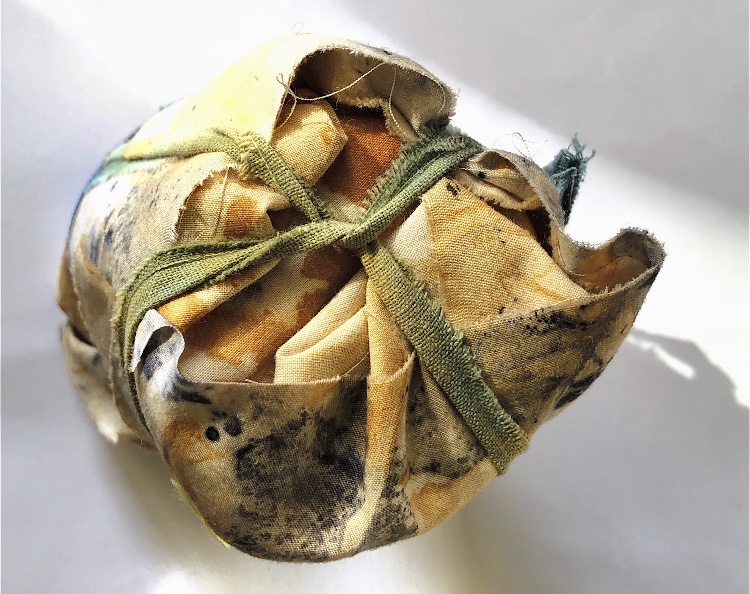
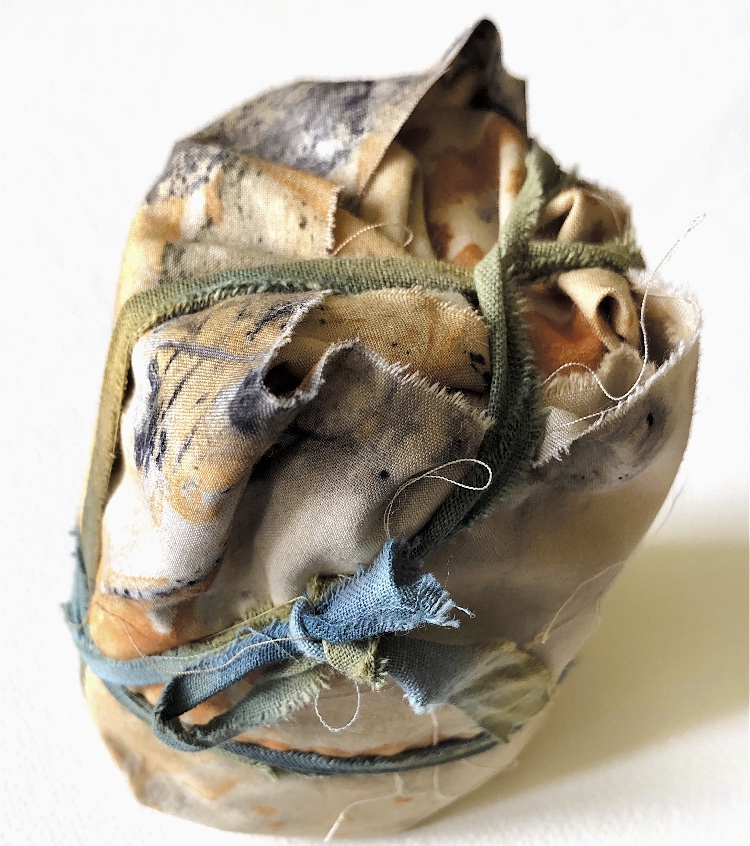
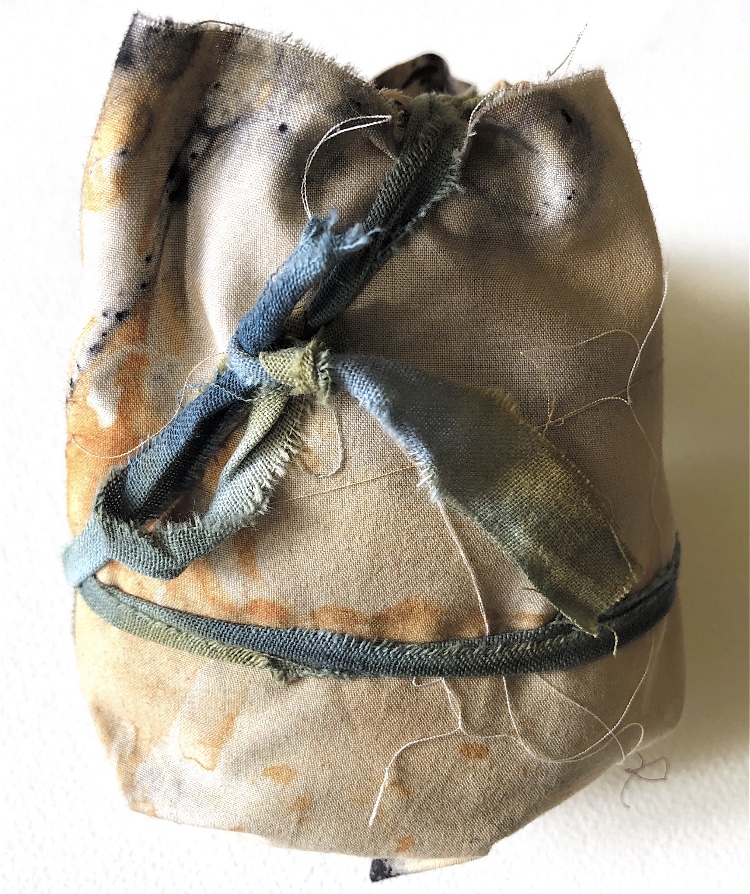
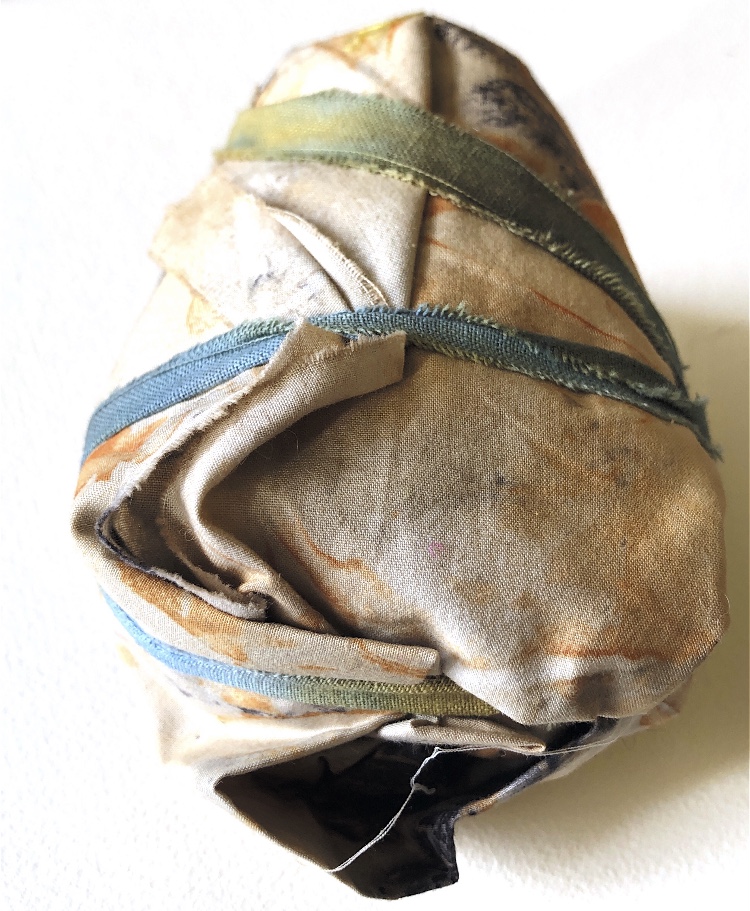
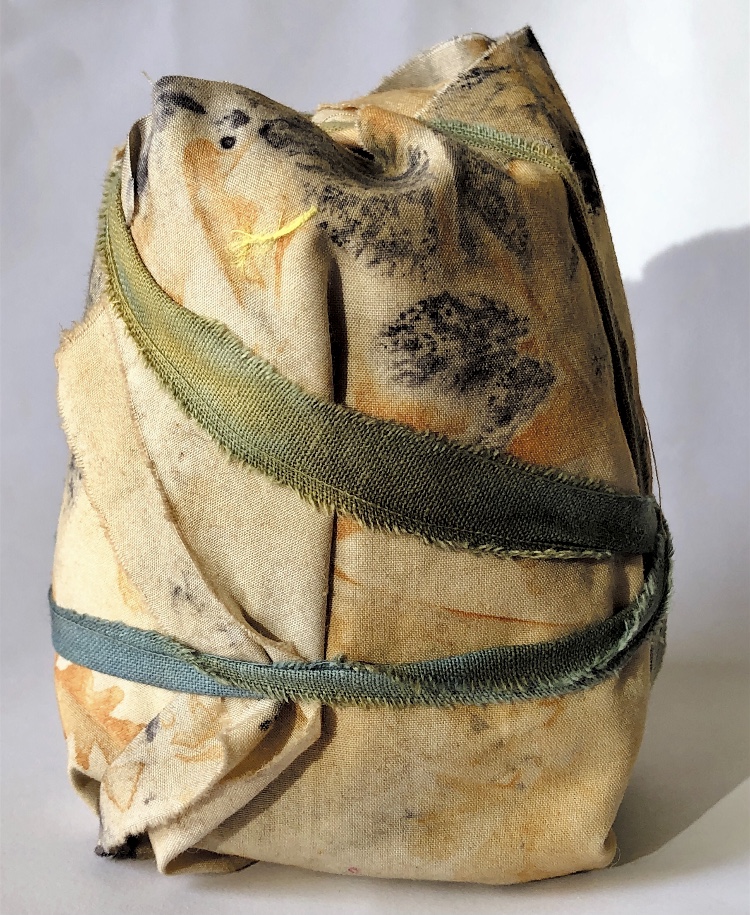
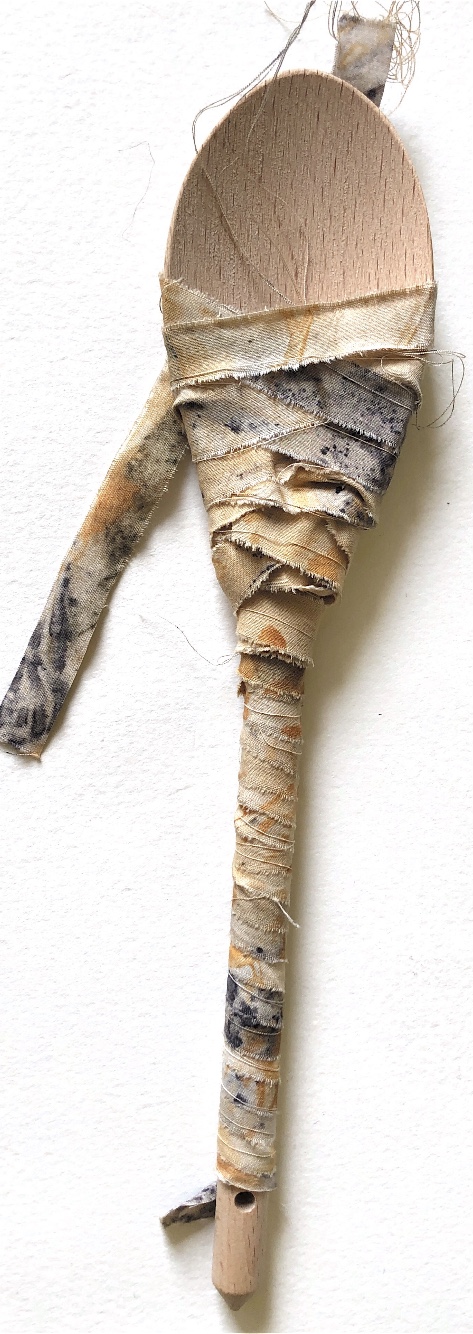
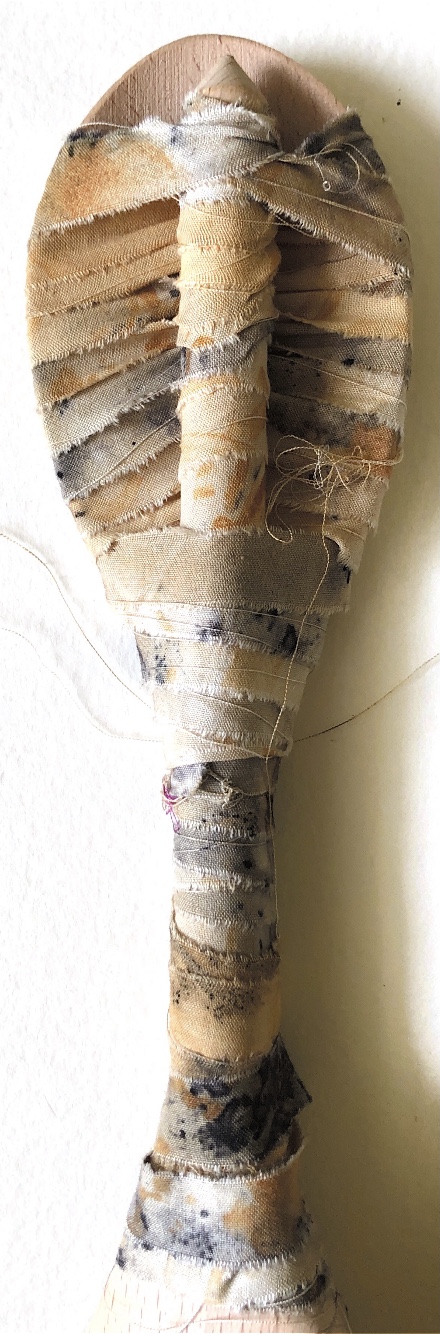
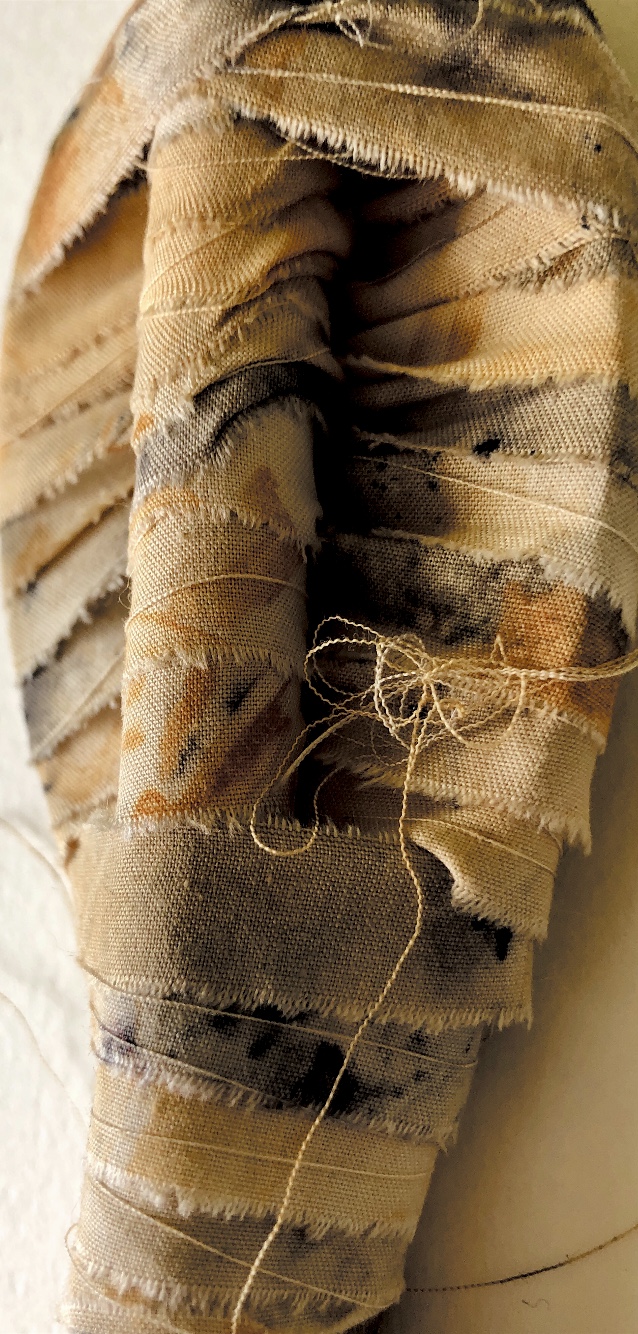
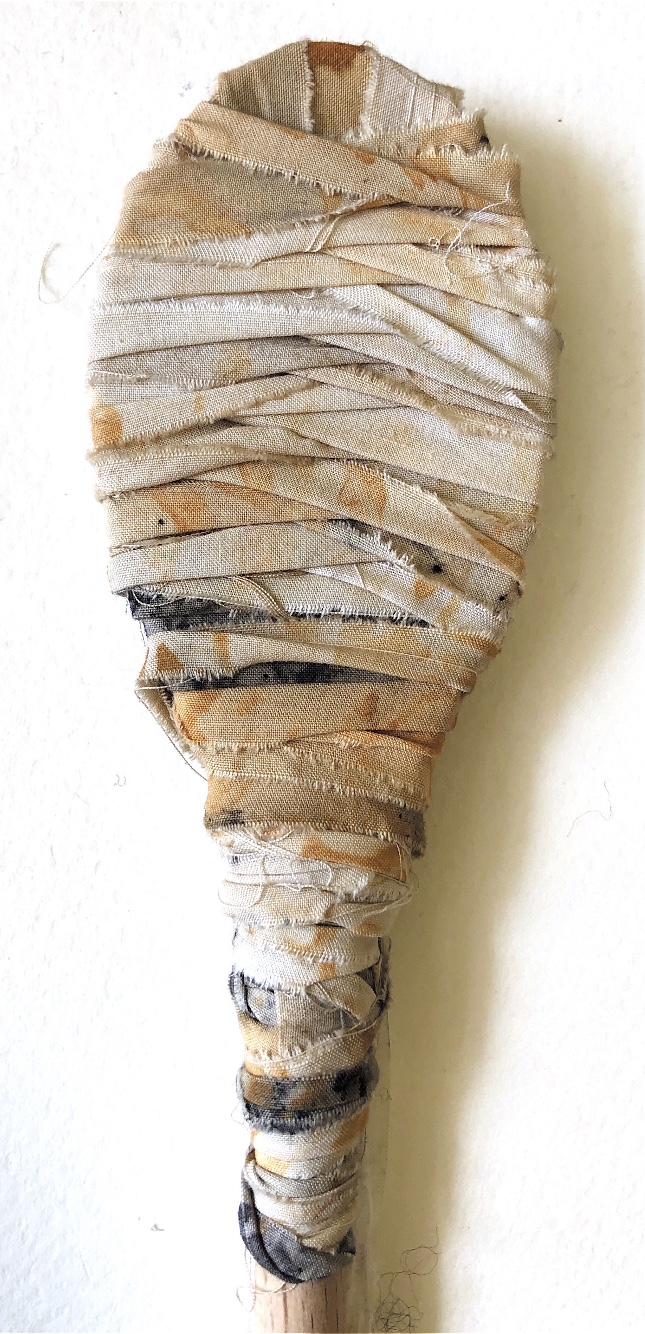
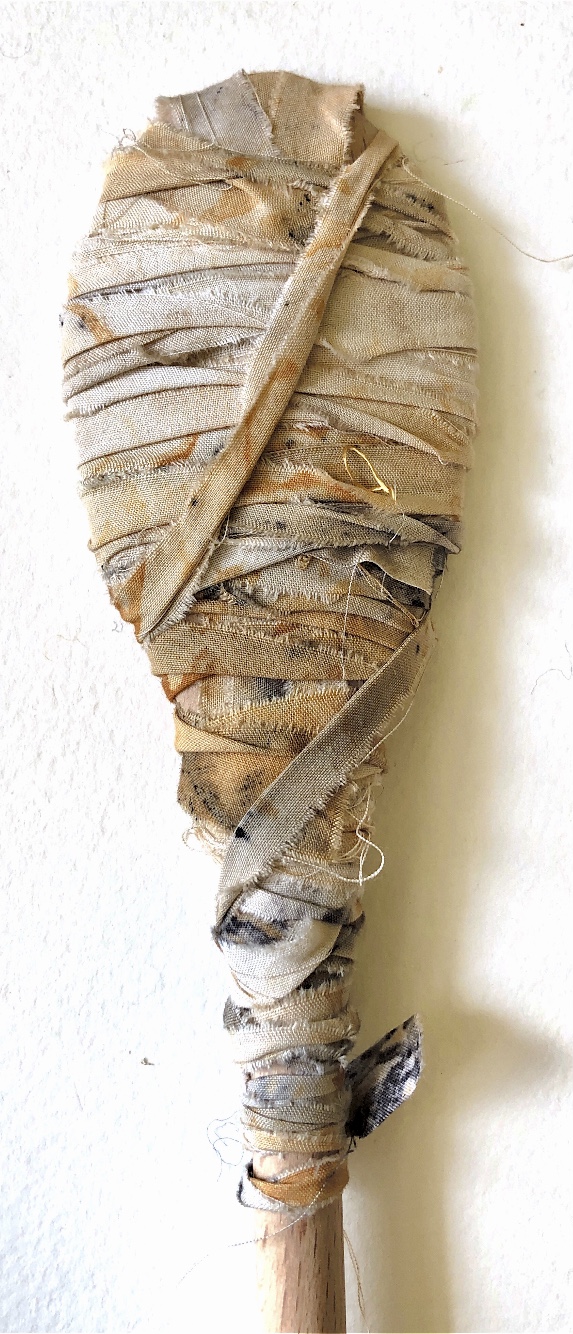
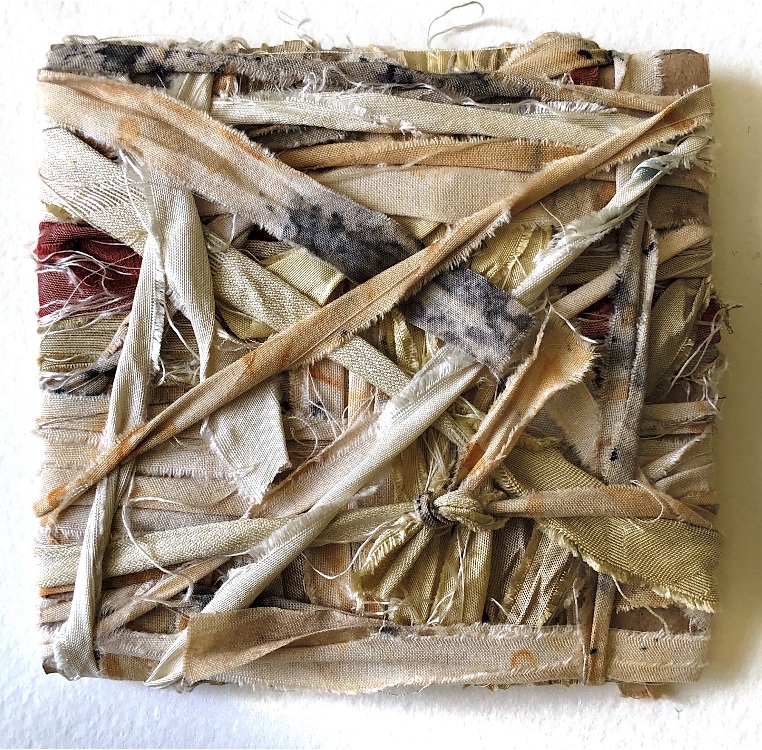
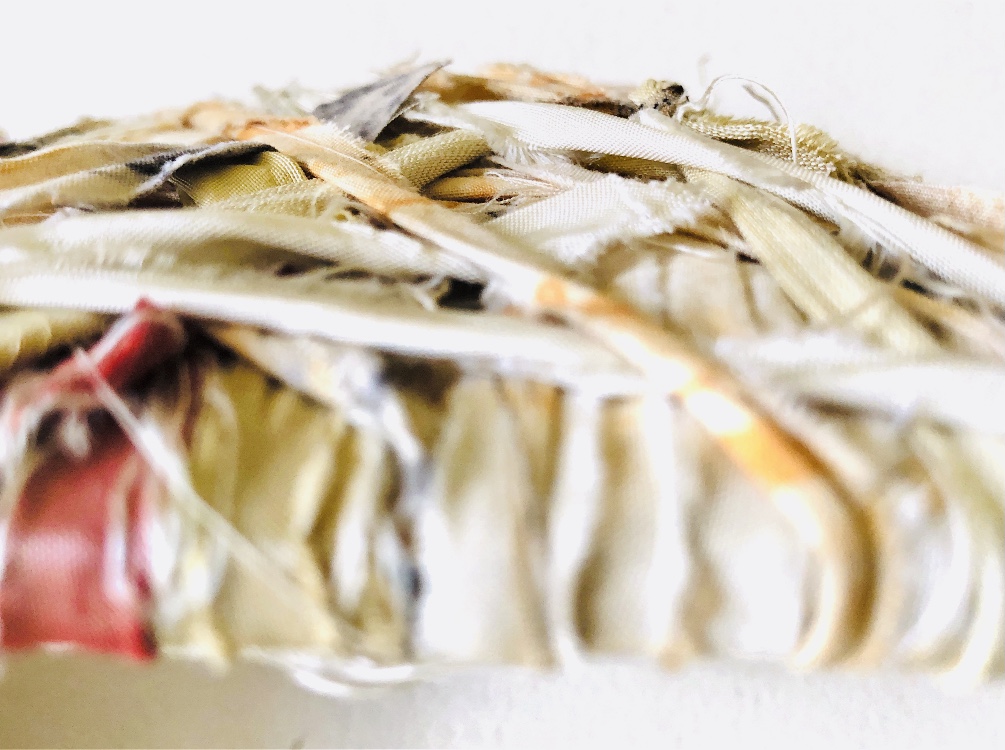
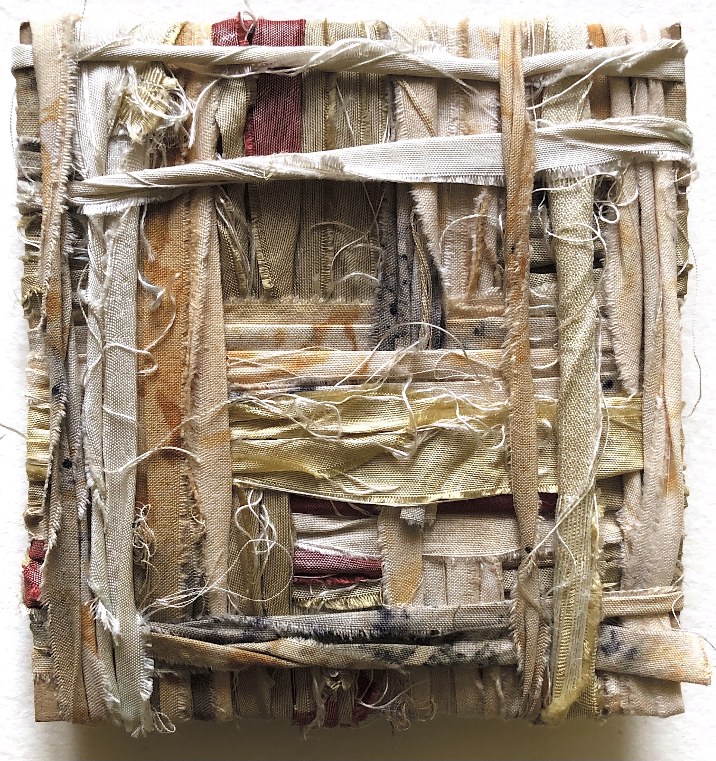
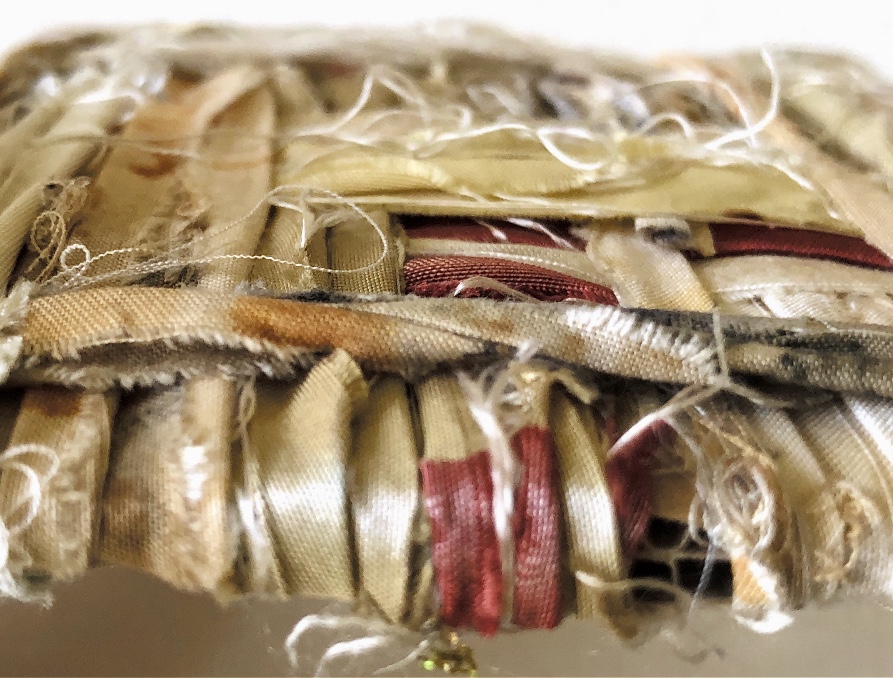
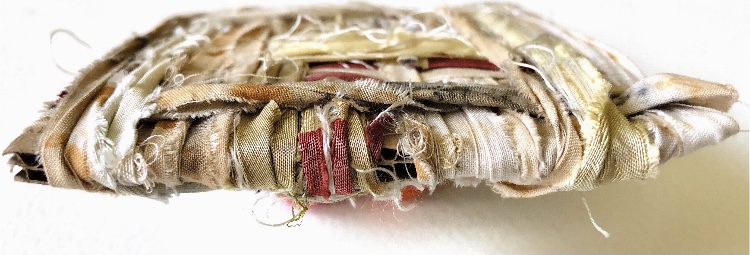
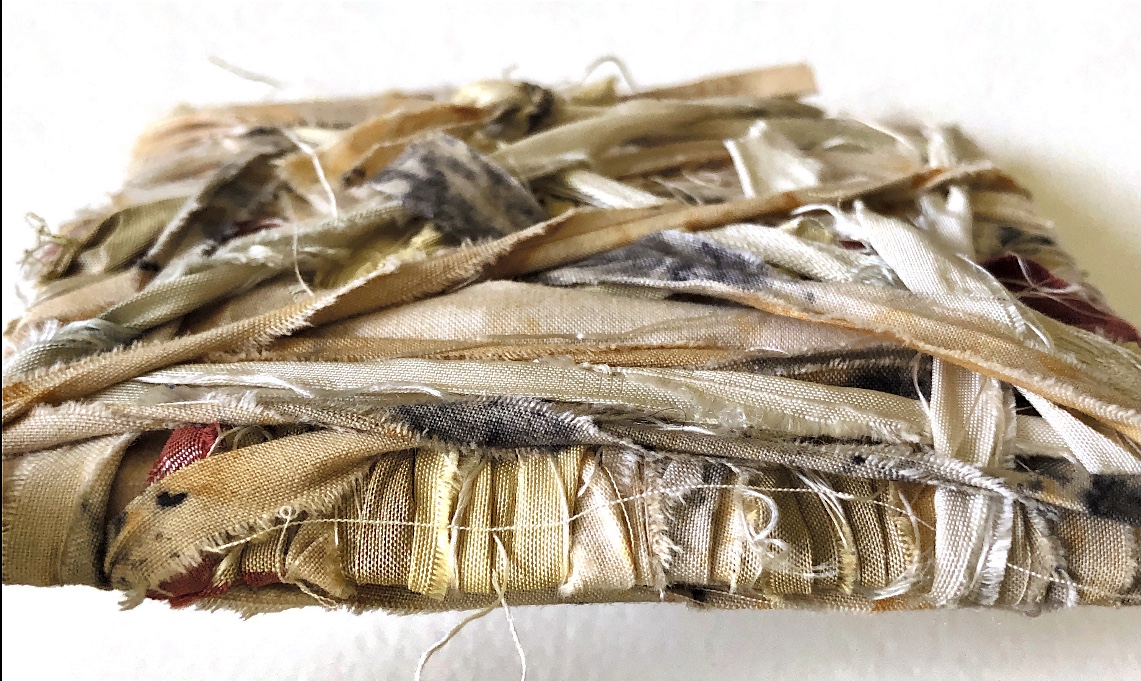
I wanted to include this sample as it refers to my research of Egyptian mummy wrapping. The torn strips of eco dyed cotton wrapped in a pattern create a depth within the piece and the fraying threads twisting and curling are a contrast to the tight wrapping. The sample looks totally different from the back and edges. Small bits of colour add to the aged and worn look, as if they have resisted the fading somehow, or they are a more recent repair. The patterns made by the wrapping could all be further developed.

Sample 11

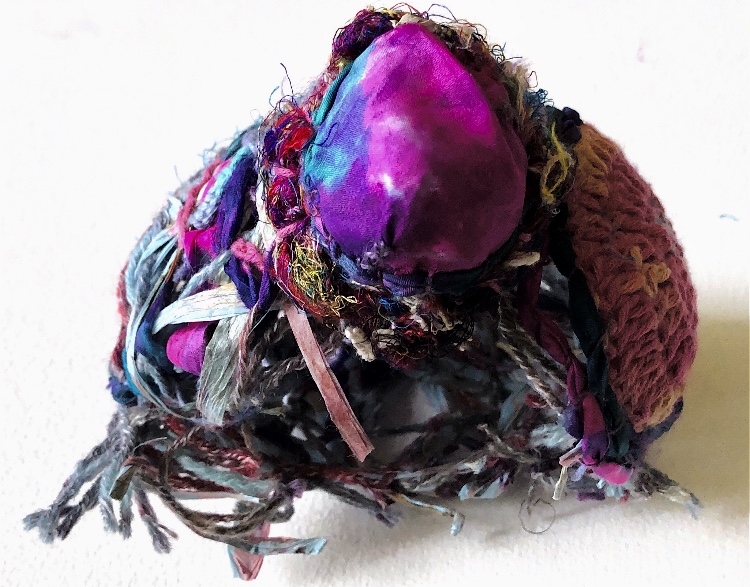
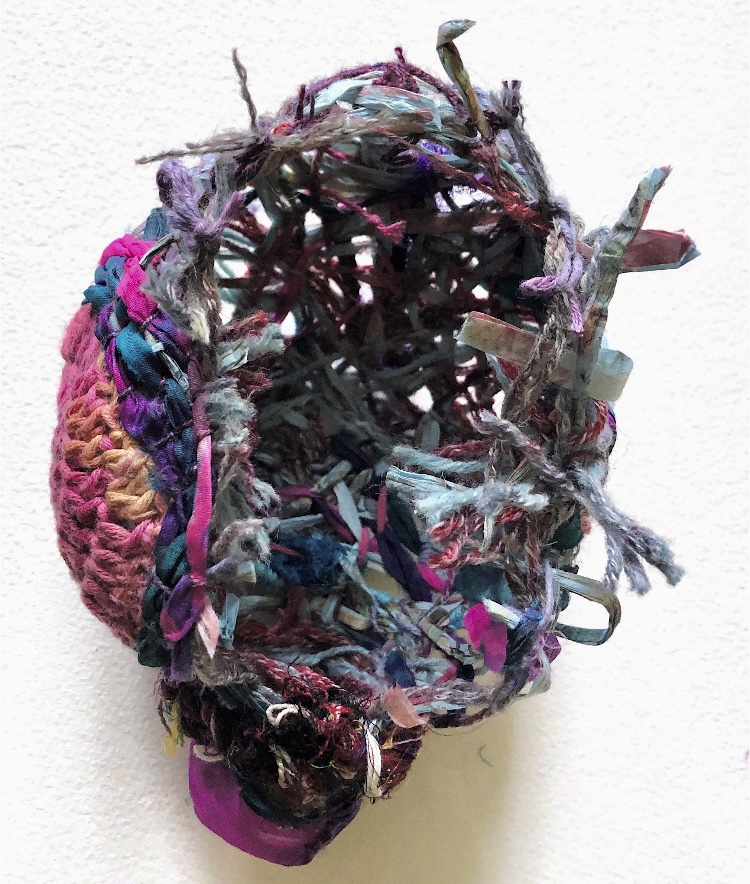
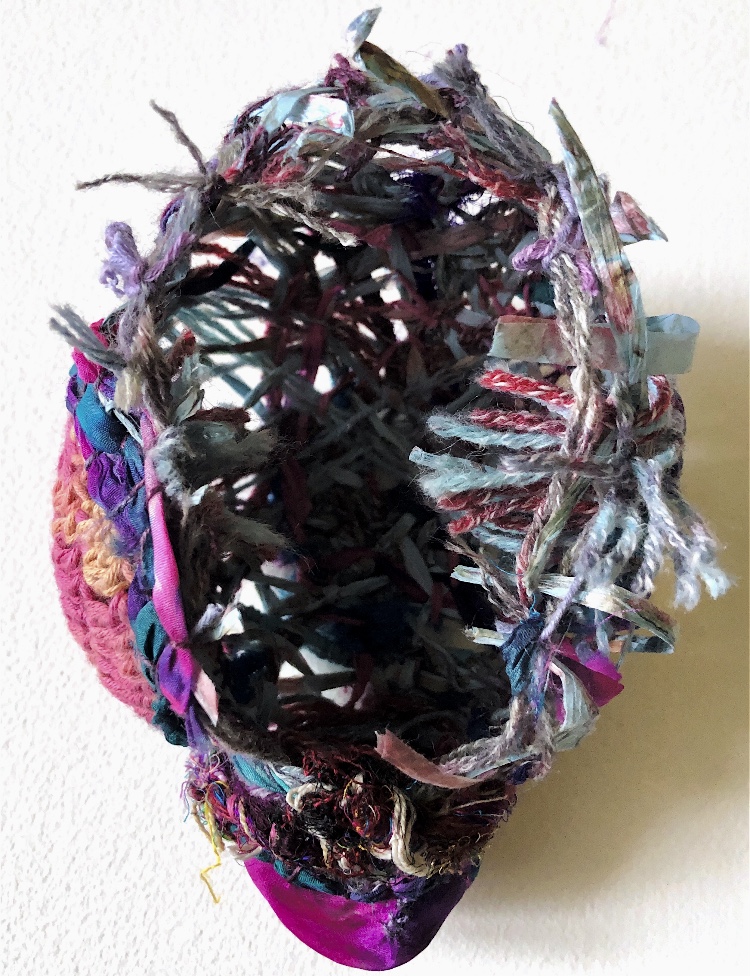
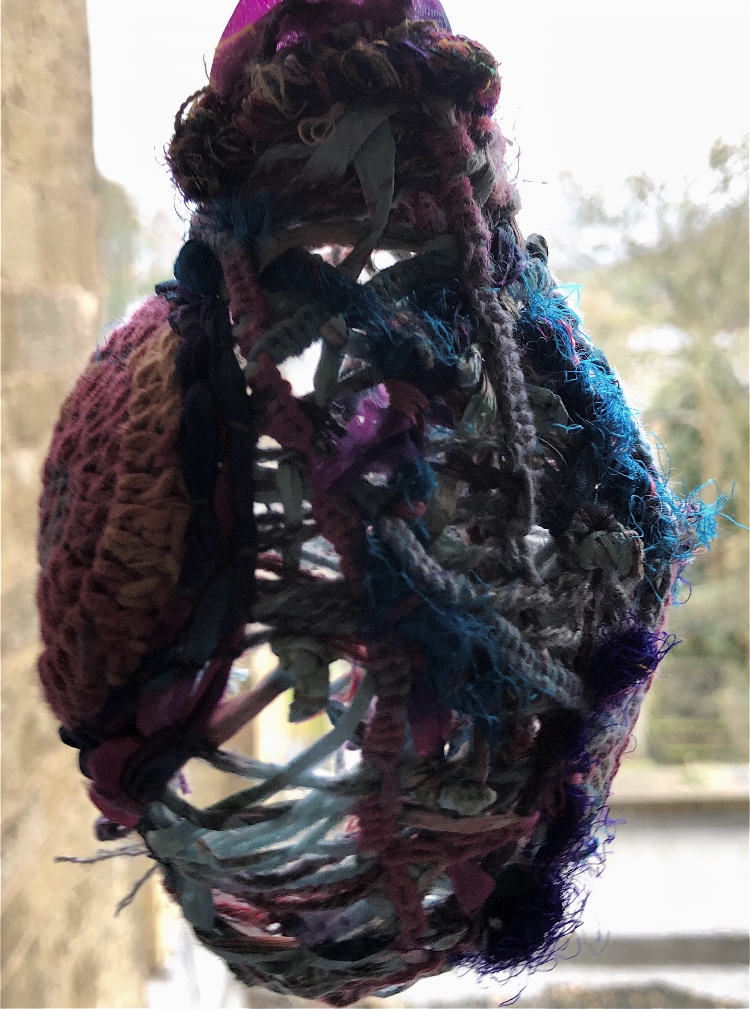
This sample came alive for me when I cut it from the form around which it was wrapped. It became organic and cocoon like, rather than solid. I would like to develop this idea with a more natural colour pallette. The cocoon idea is very appealing.

Sample 12

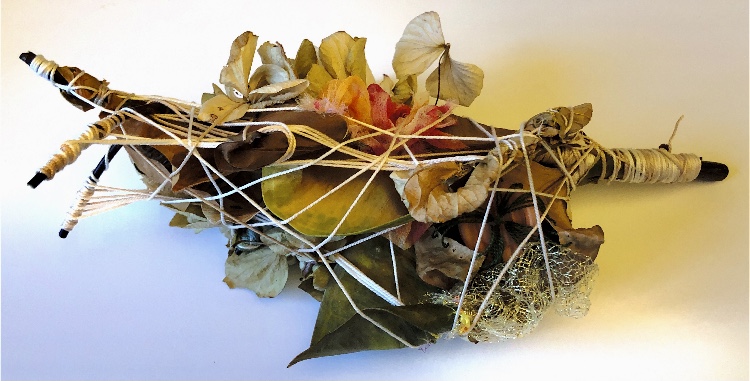
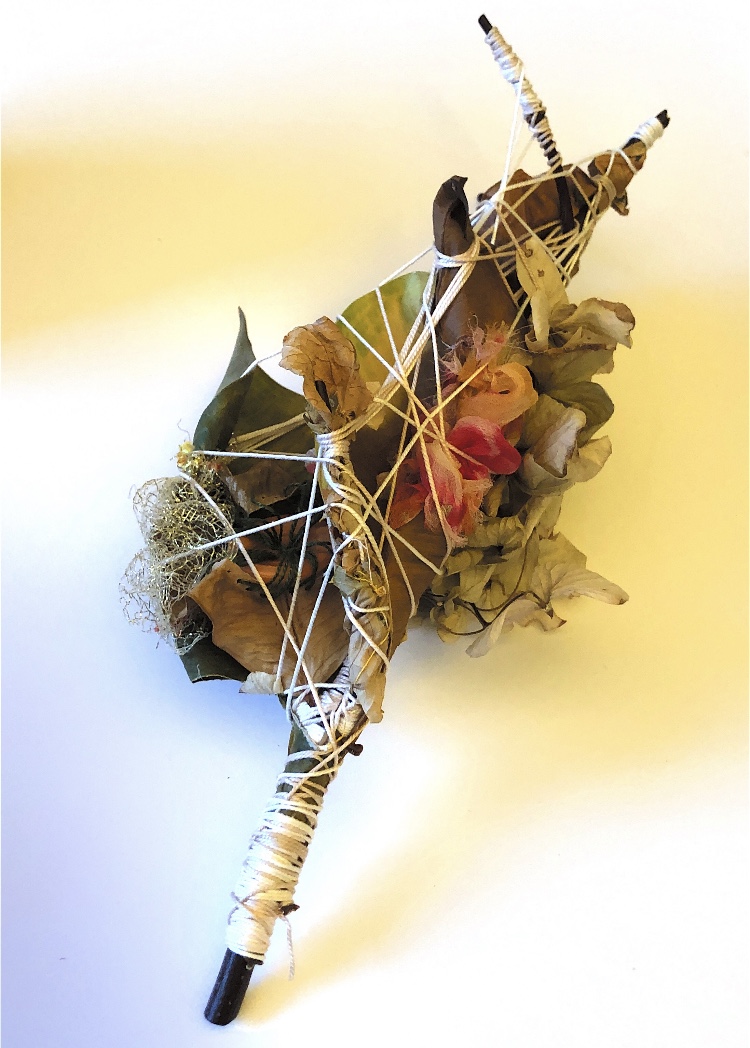
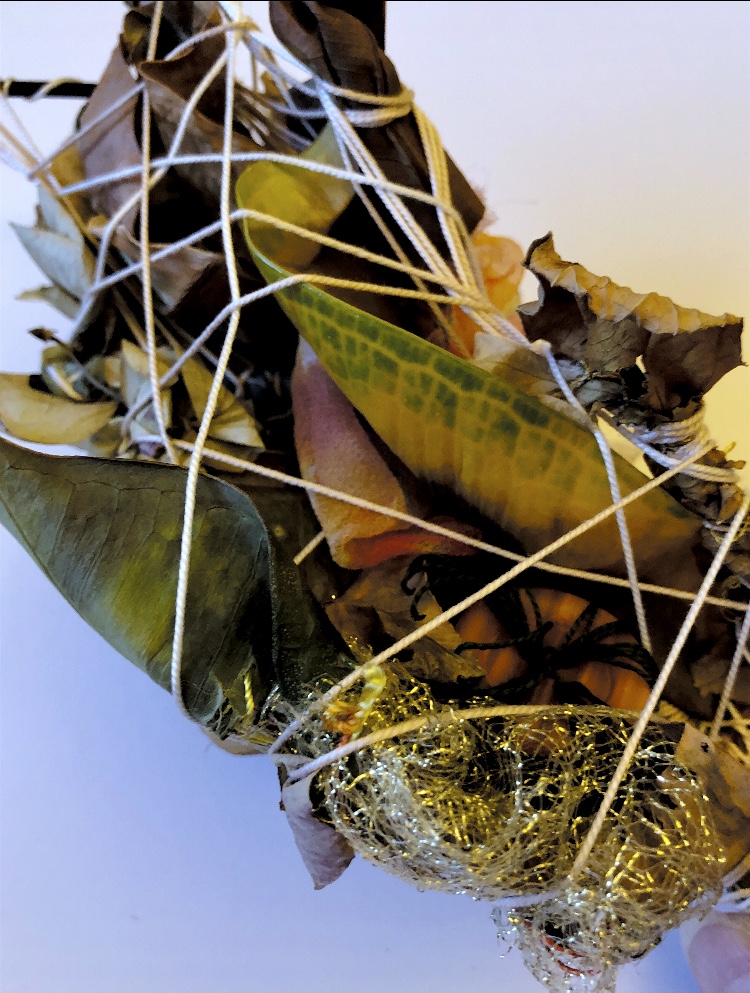
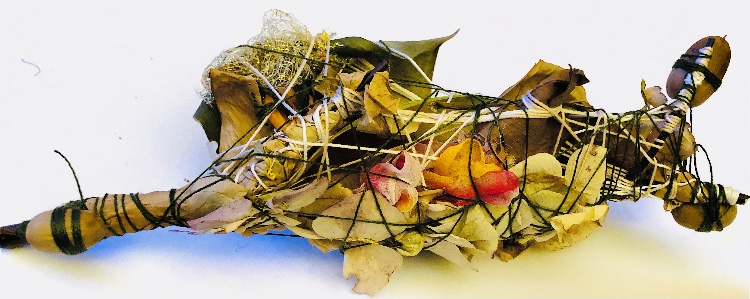
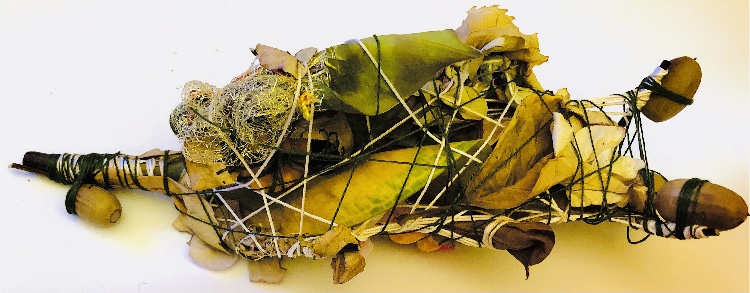
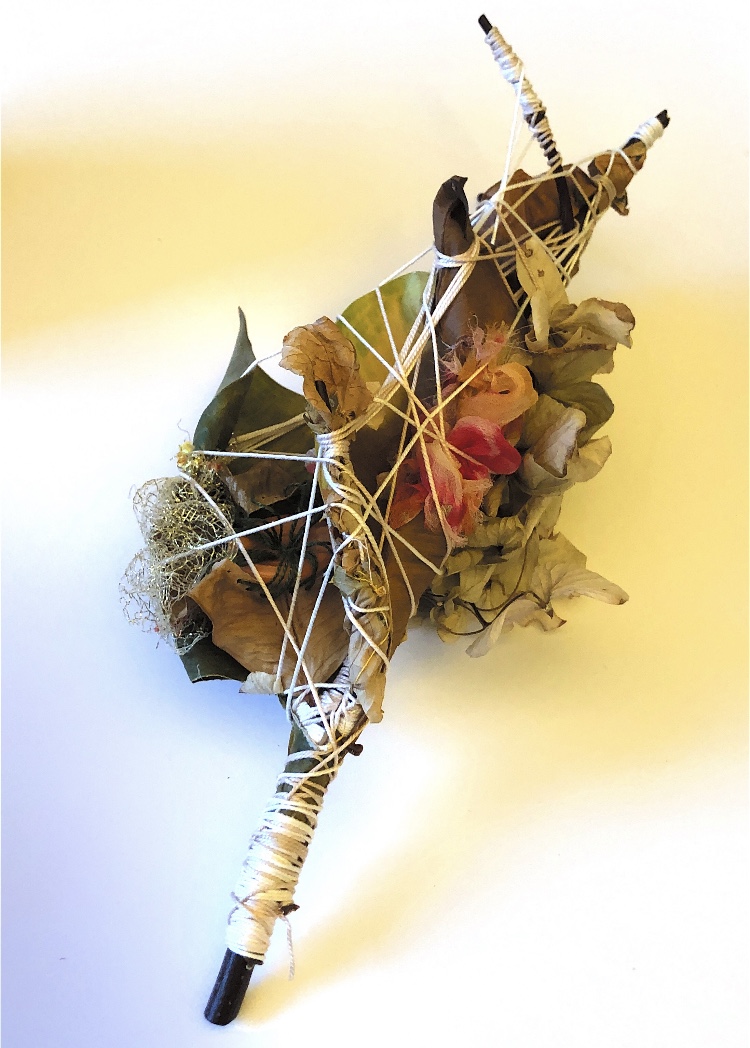
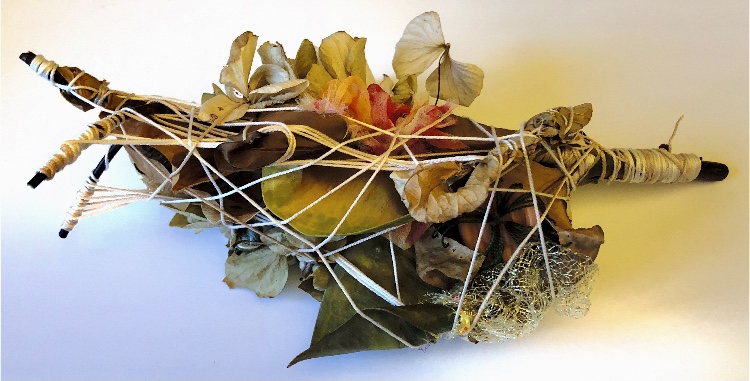
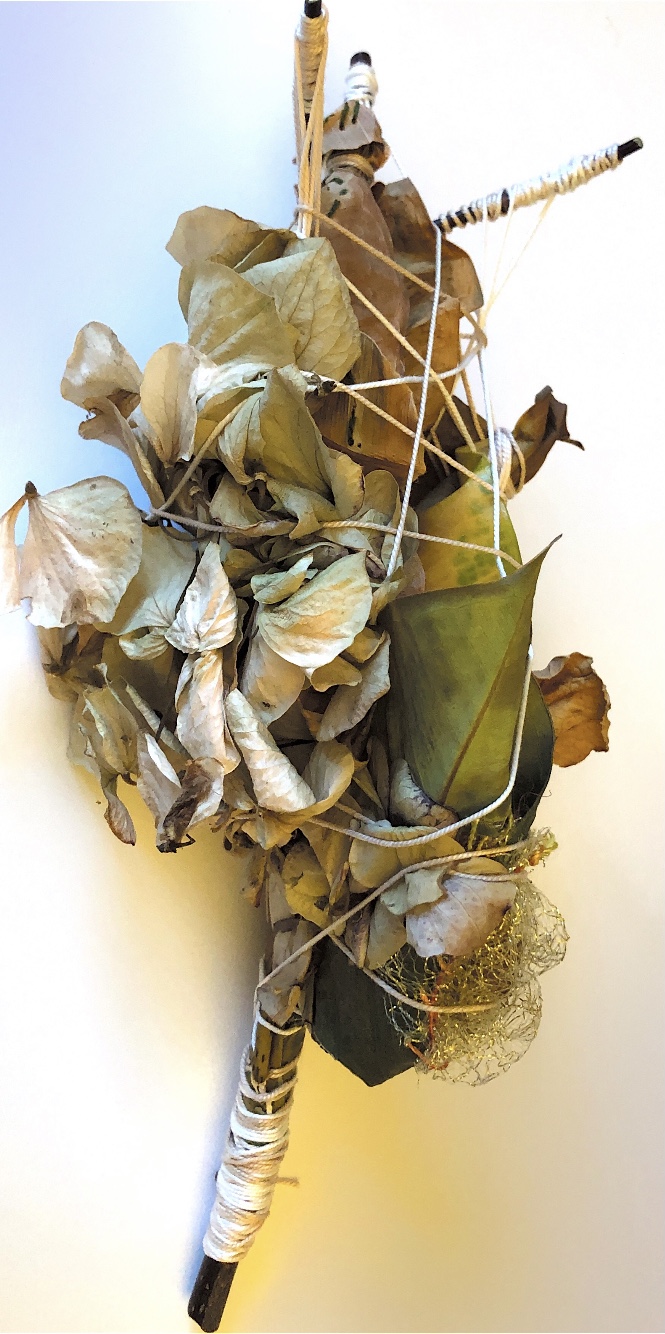
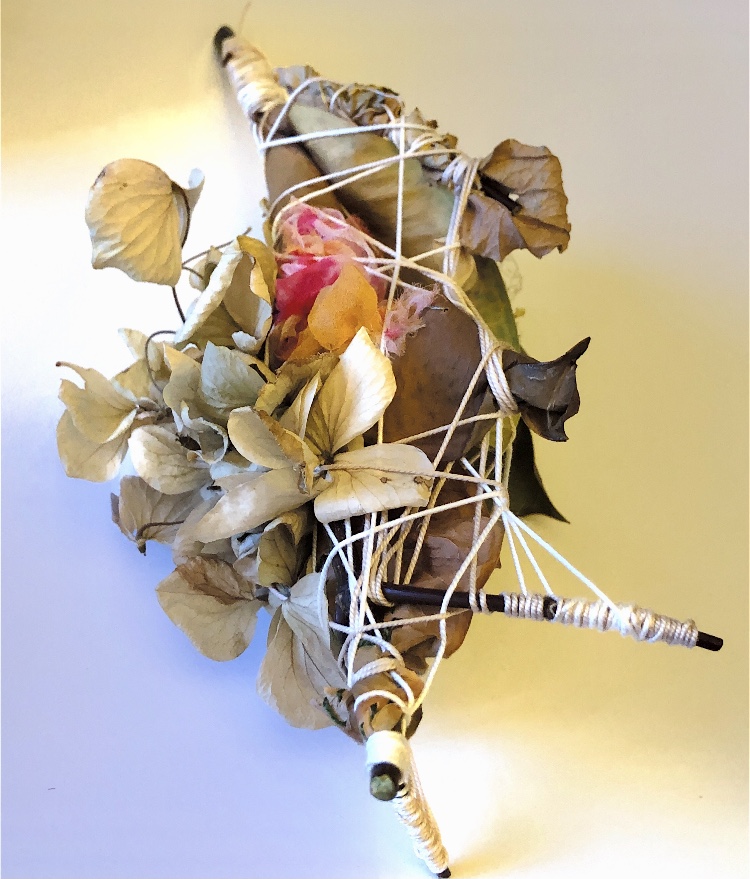
I chose to include this sample as it just makes me happy. The photographs have caught the fragility of the materials caught up in the strong, linear cotton wrapping. The cotton yarn entraps the organic material so it cannot escape. The materials trapped are pieces created earlier in the exercises. The beauty of the sunlight reflected on the leaves and petals together with tiny pieces of gold and pink fabric, and the tight wrapping of the stems makes this an intriguing piece to hold and view from all angles.

Having reviewed the pieces I chose at the sorting stage I can see that I have chosen a variety of colour schemes. To me, the schemes I like best are the natural and monochrome ones with a splash of colour as in samples 3, 6,10 and 12. It would be interesting to develop the other samples using this sort of colour scheme. I also like the use of frayed, torn, natural fabrics which sit well with these colour schemes.

I have done much more drawing, painting, printing and photography manipulation to capture my samples and I feel I have lots of ideas to draw from for future exercises.

The research I have done and continue to do really inspired me for these exercises. For my initial research I chose to look at artists whose work caught my imagination and whose techniques I thought could inspire my experiments such as Judith Scott’s vibrant use of colour, Donna Rhae Marder’s joining techniques and traditional Egyptian mummy wrapping. As I progressed I also took inspiration from Christo & Jeanne-Claude’s wrapped cans, sculptures and trees and from magazine articles such as the one about Joana Vasconcelos.

I have lots of ideas for future work as documented in my samples above, but my problem now is choosing which ones to work on. I think my colour pallette is developing and I have favourite materials, and I want to explore series and hanging objects as well as costume and accessories so that hopefully is a starting point!
Textiles 1 Mixed Media for textiles Part 2 Joining and wrapping Project 2 Wrapping Exercise 3 Uneven wrapping sketchbook work

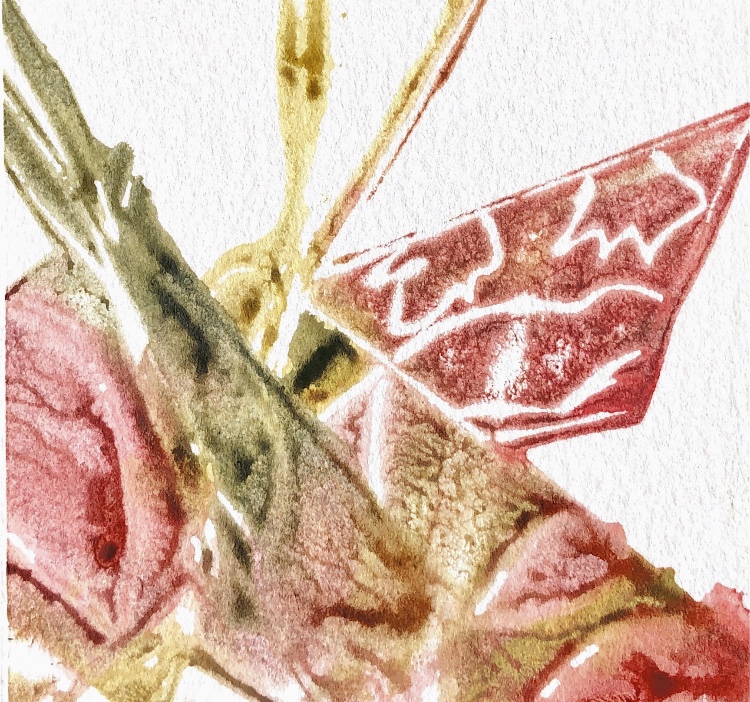
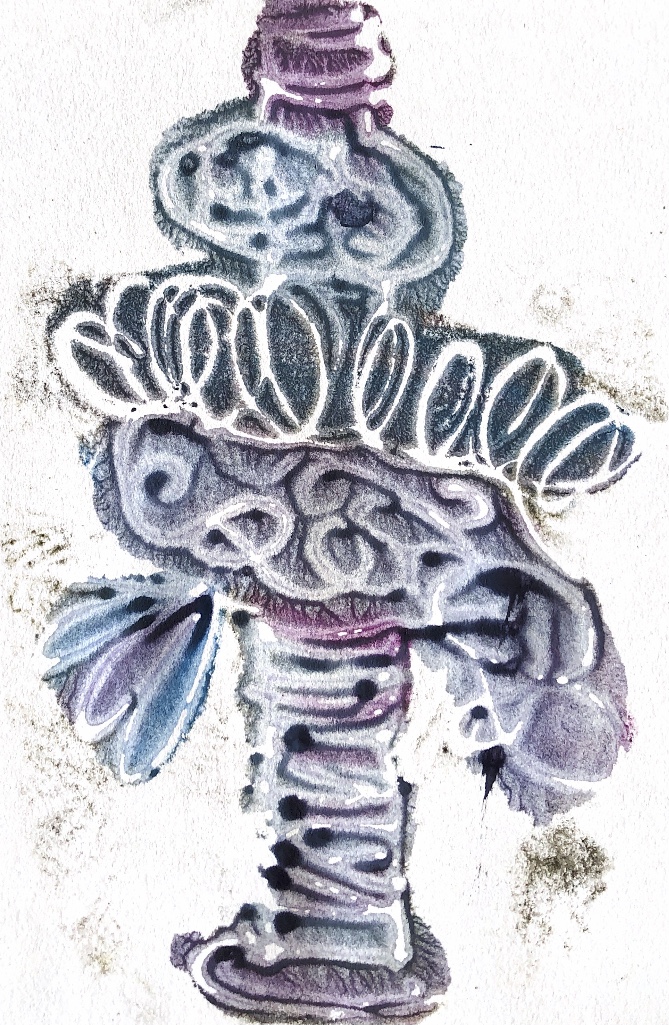
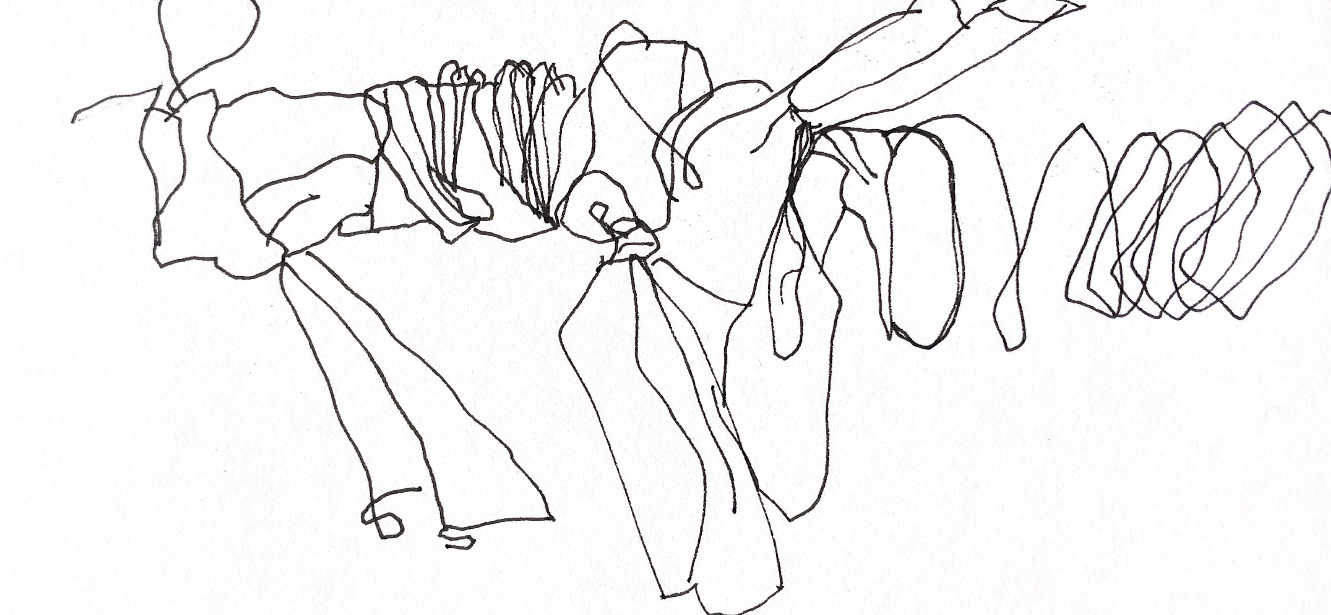
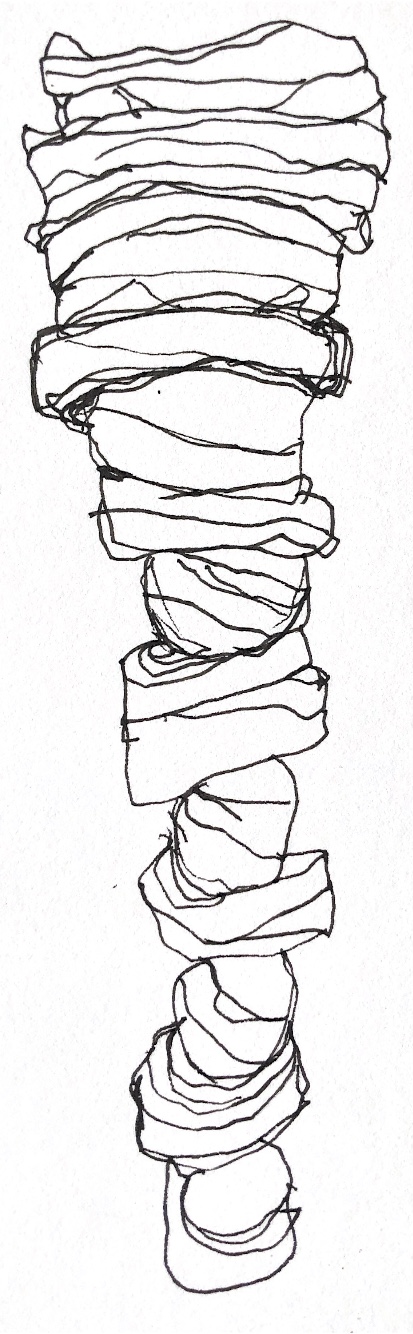
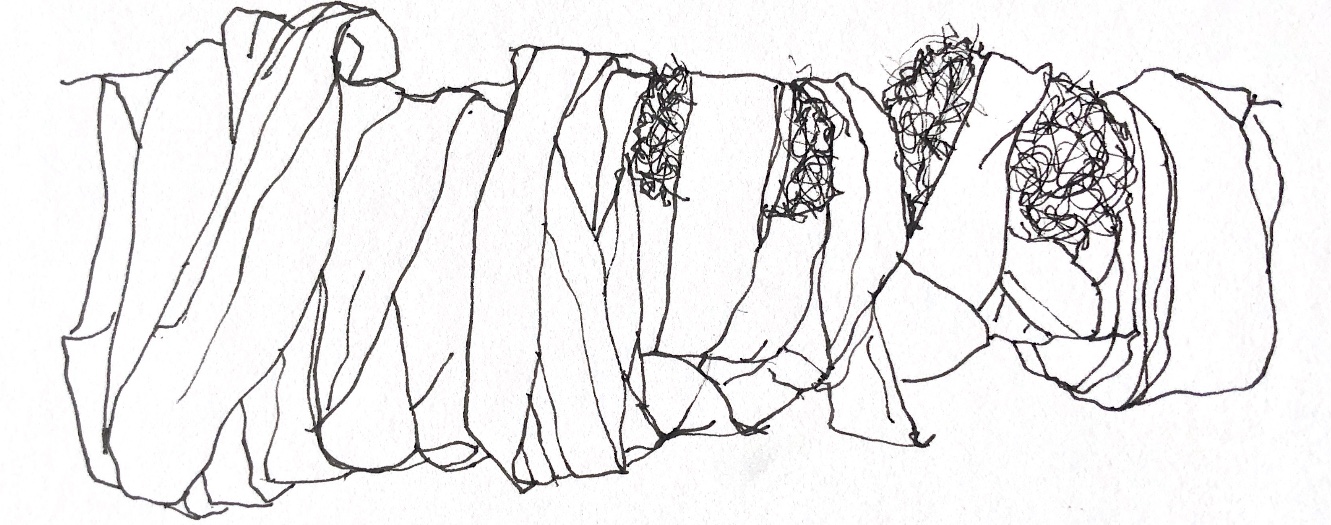
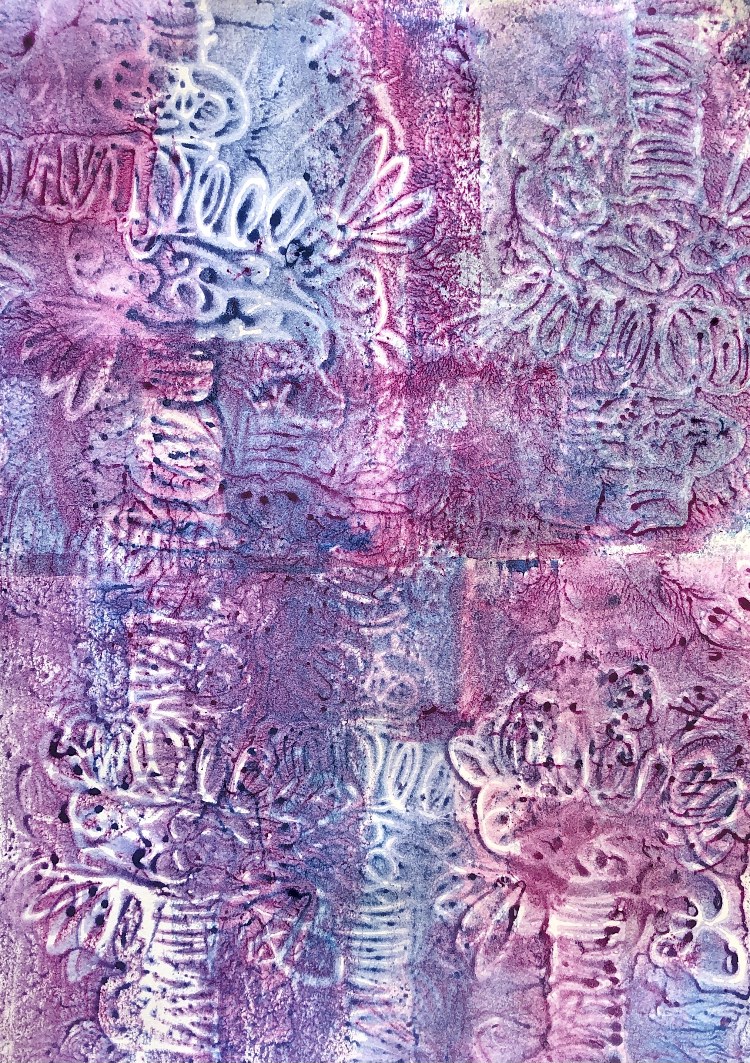
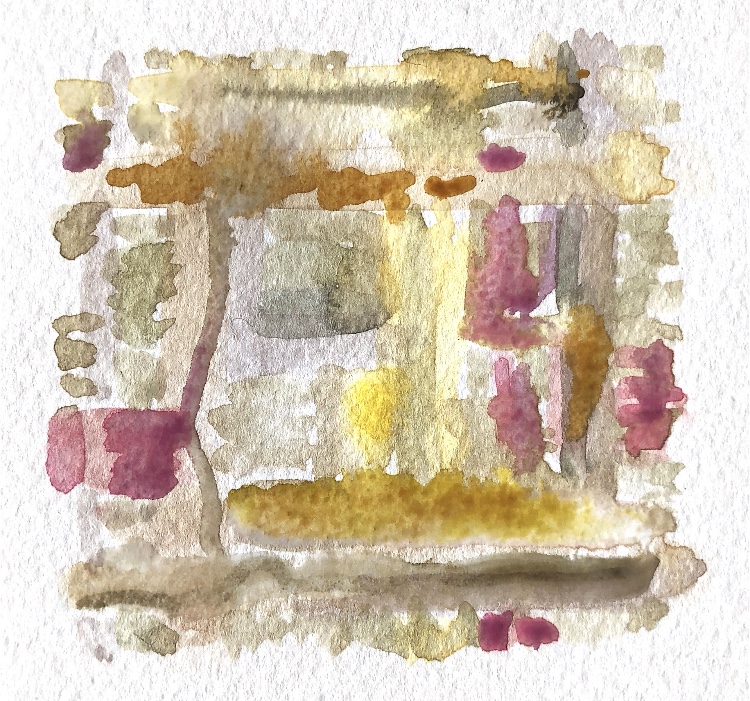
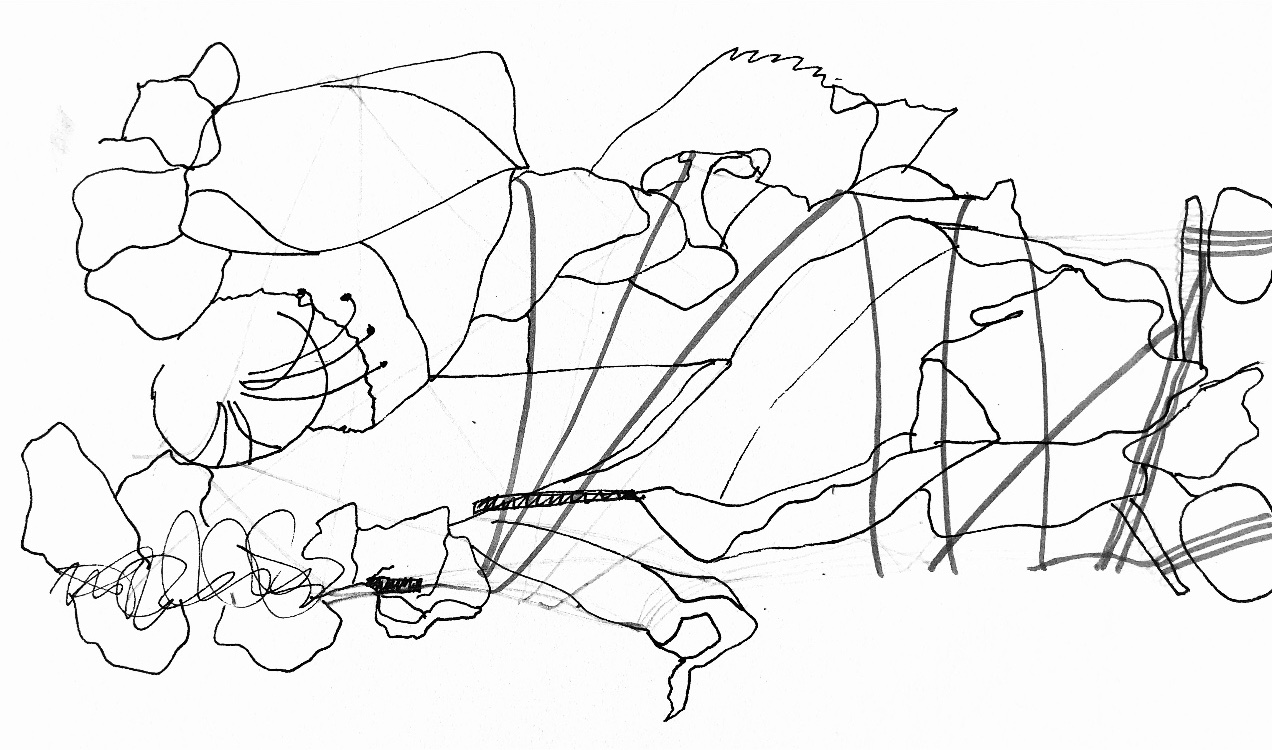
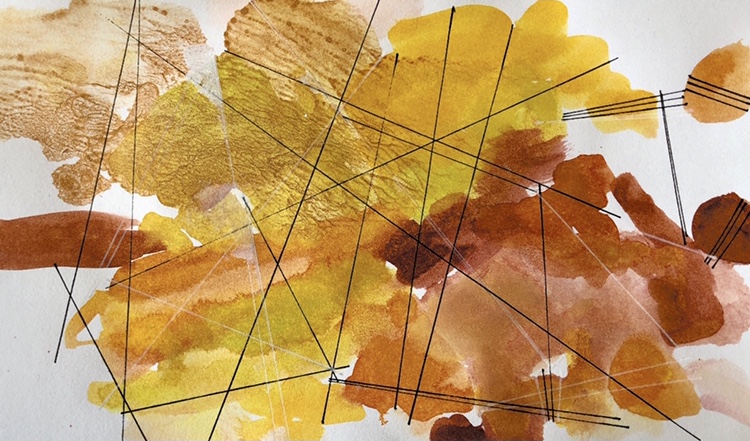
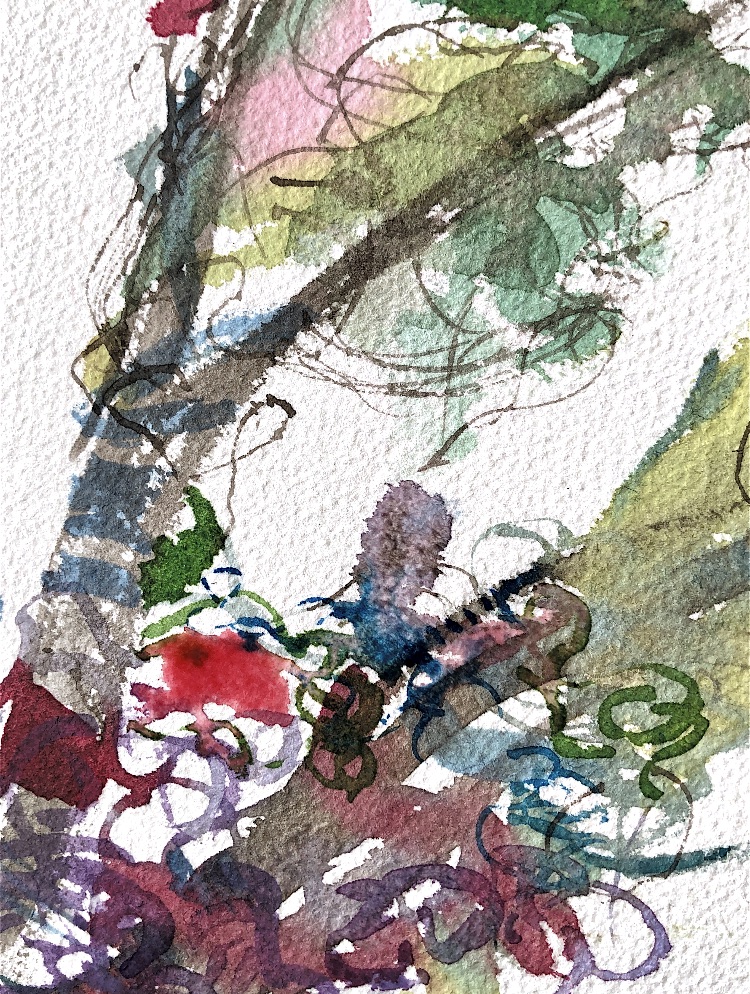
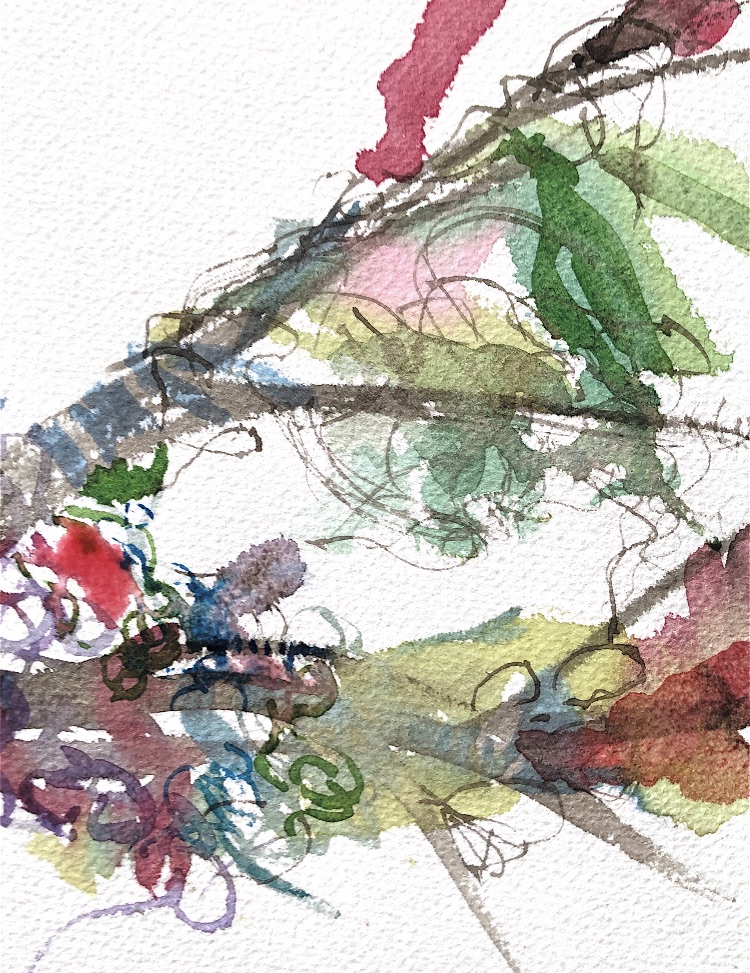
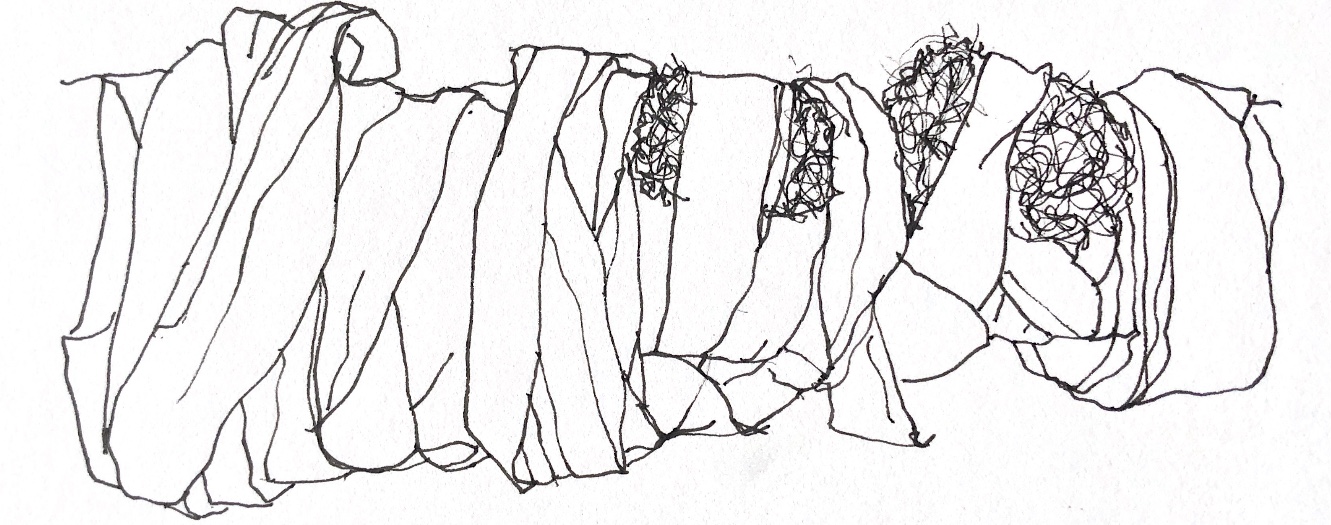
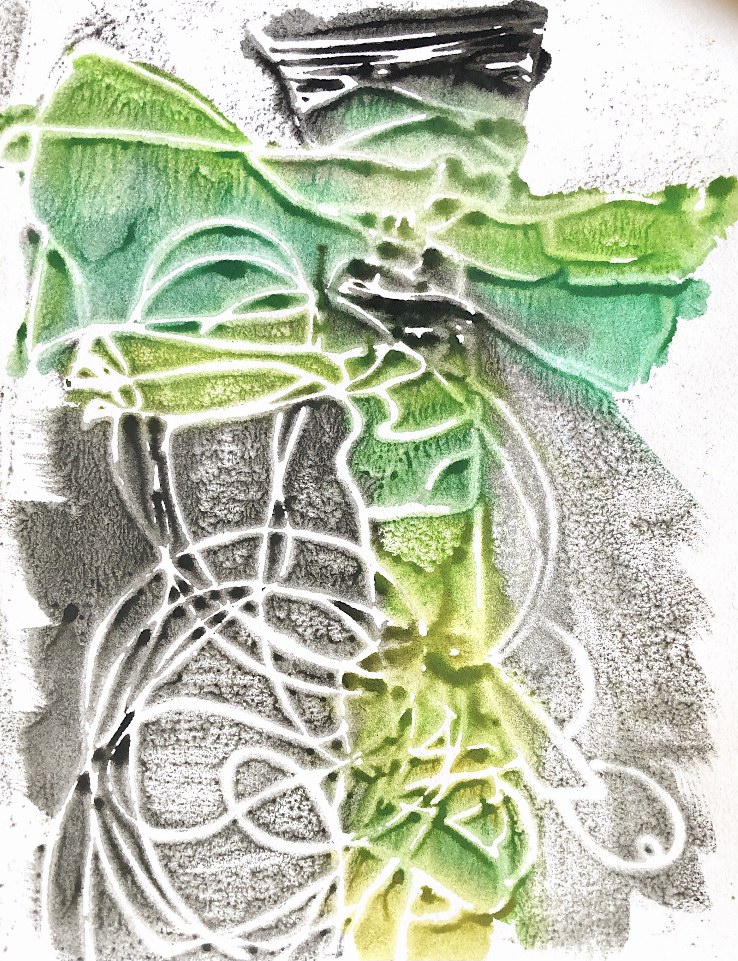
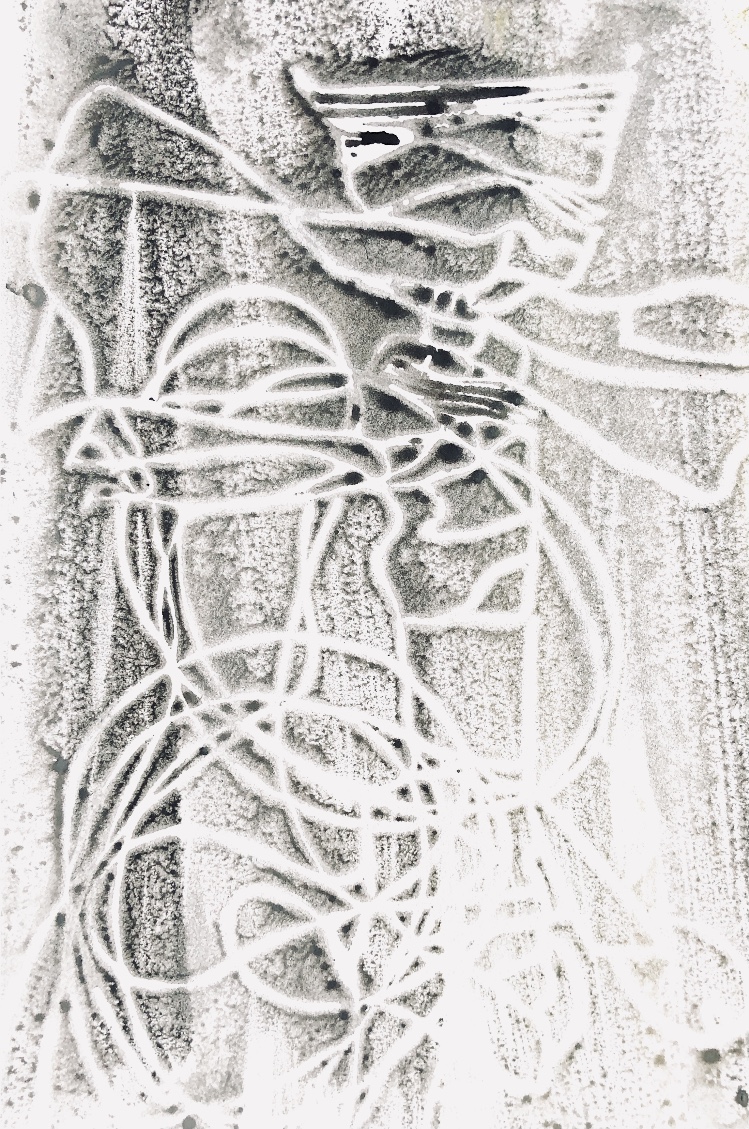
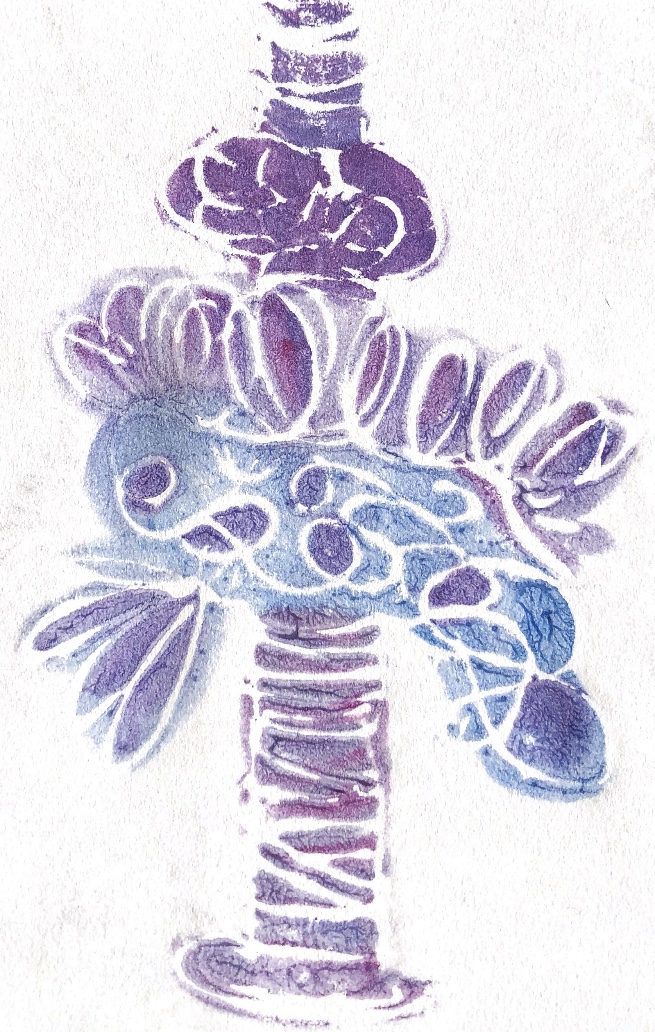
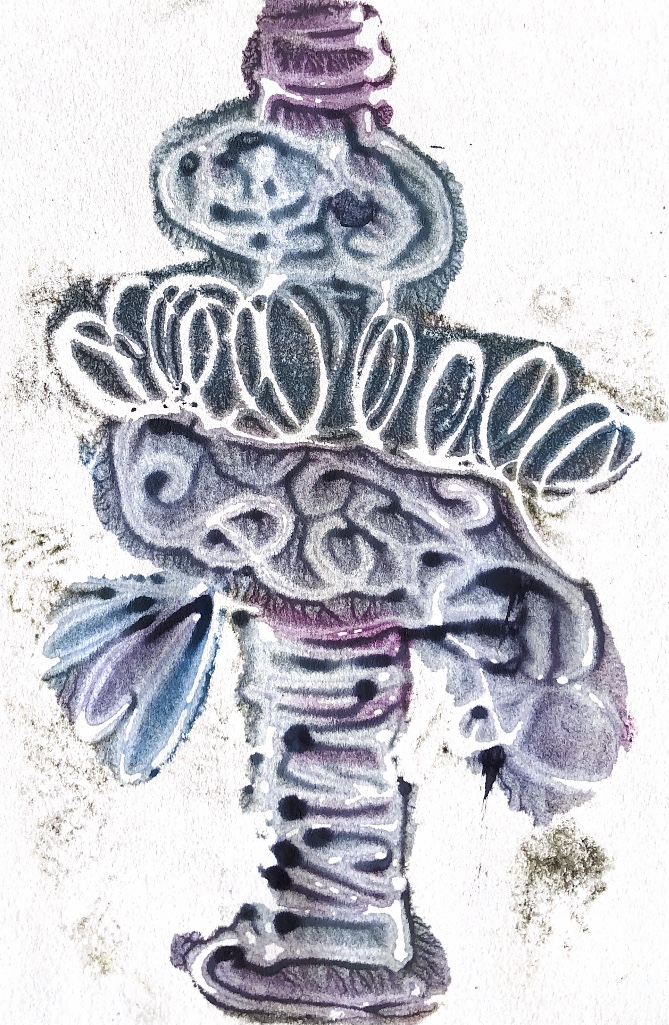
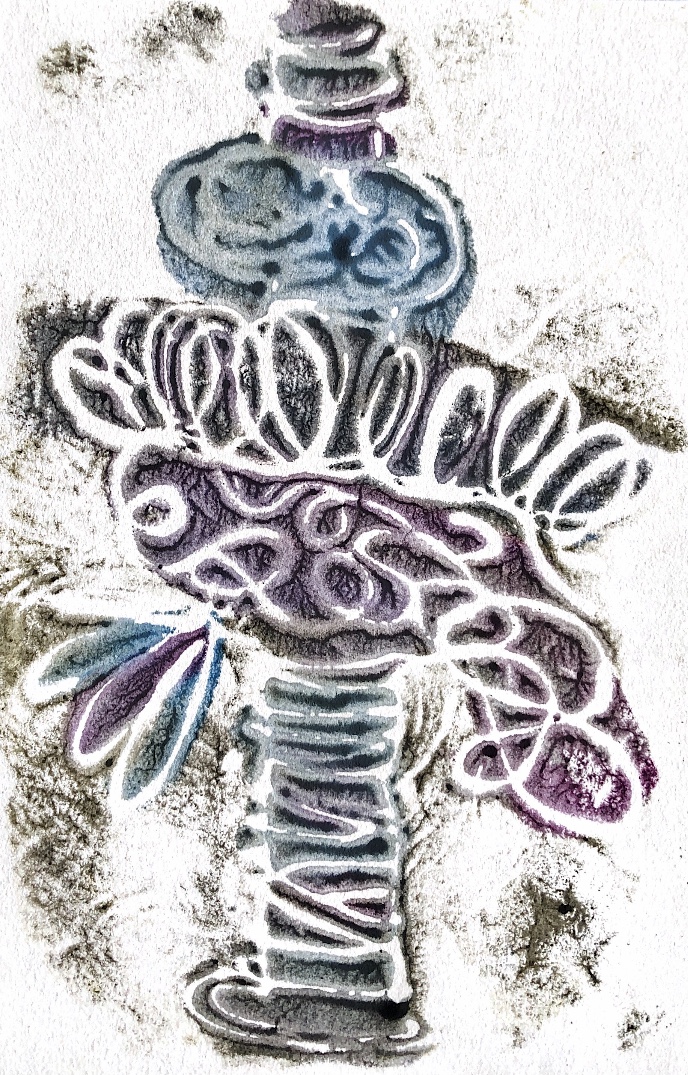
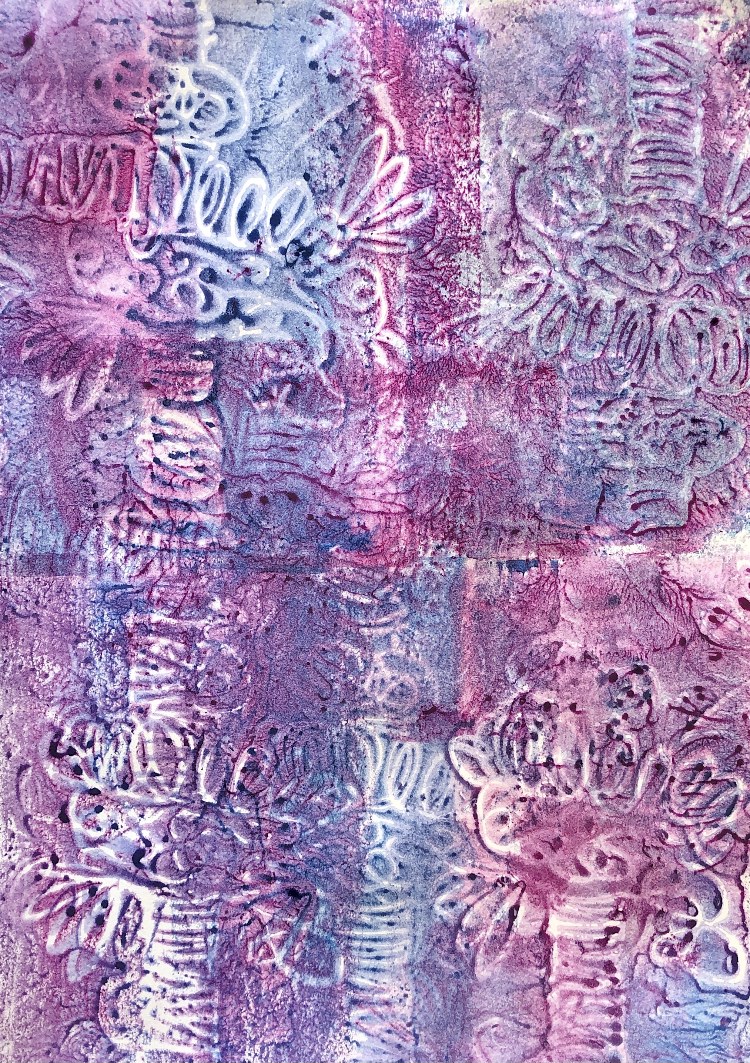
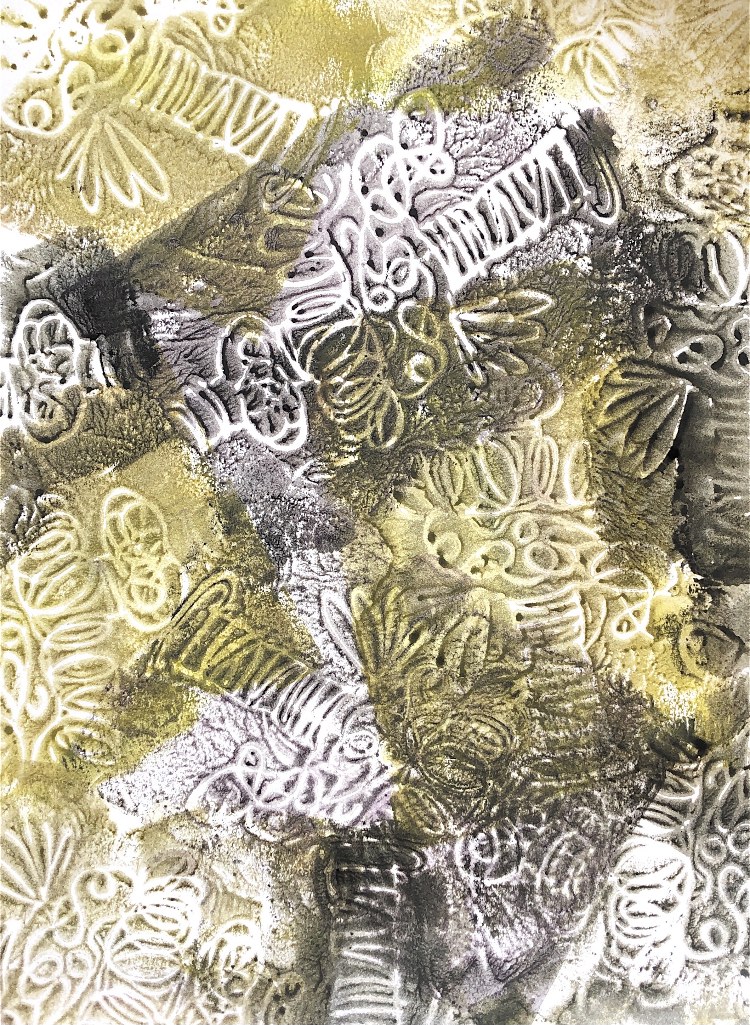
I did a quick sketch and painting of this sample which I zoomed into to make ideas for printing and patterns for future work.

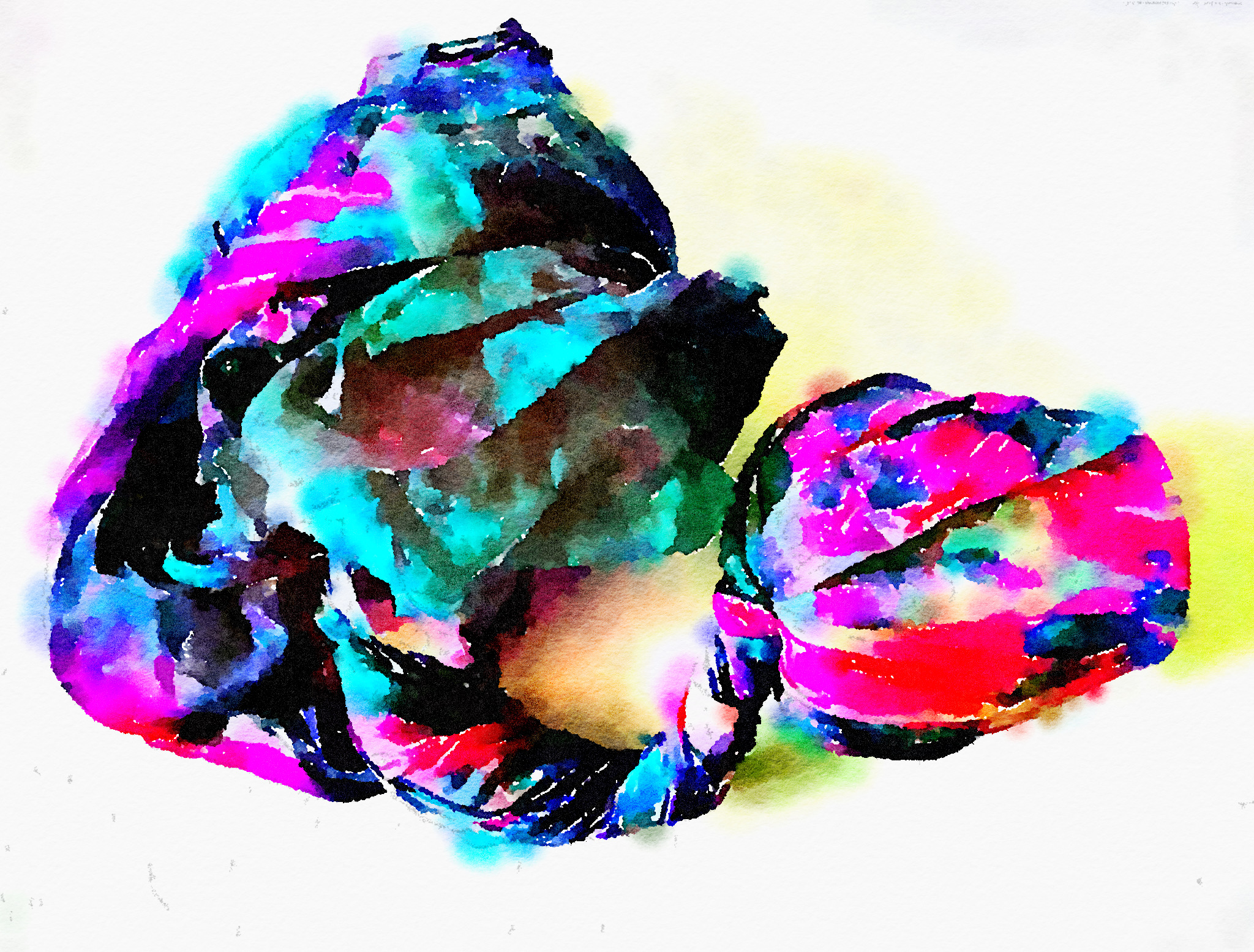
For this sample I used watercolours to capture the feel of the piece. I think the translucency of the watercolour encapsulates the light airy materials used, and the subject matter.

Textiles 1 Mixed Media for textiles Part 2 Joining and wrapping Project 2 Wrapping Exercise 3 Uneven wrapping

Exercise 3

Inspired by my earlier research into the joyful and colourful wrapped items in Judith Scott’s work, I tried to not think too much about where my samples would take me for this exercise. I chose to use mainly materials I had used before to see how different combinations would work.

Sample 1

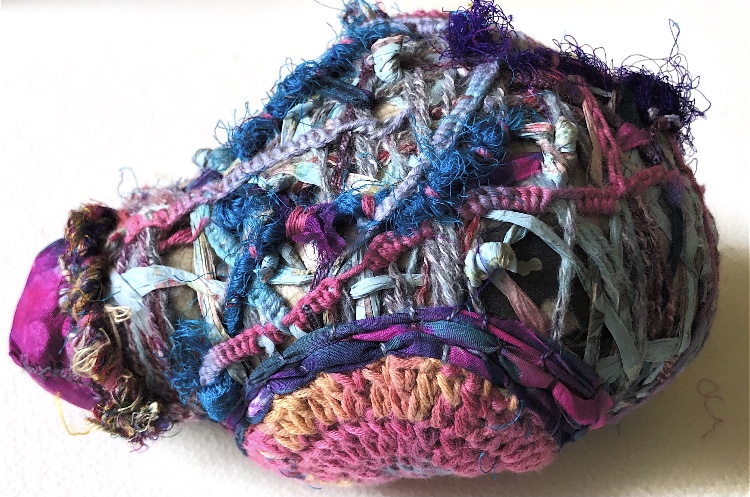
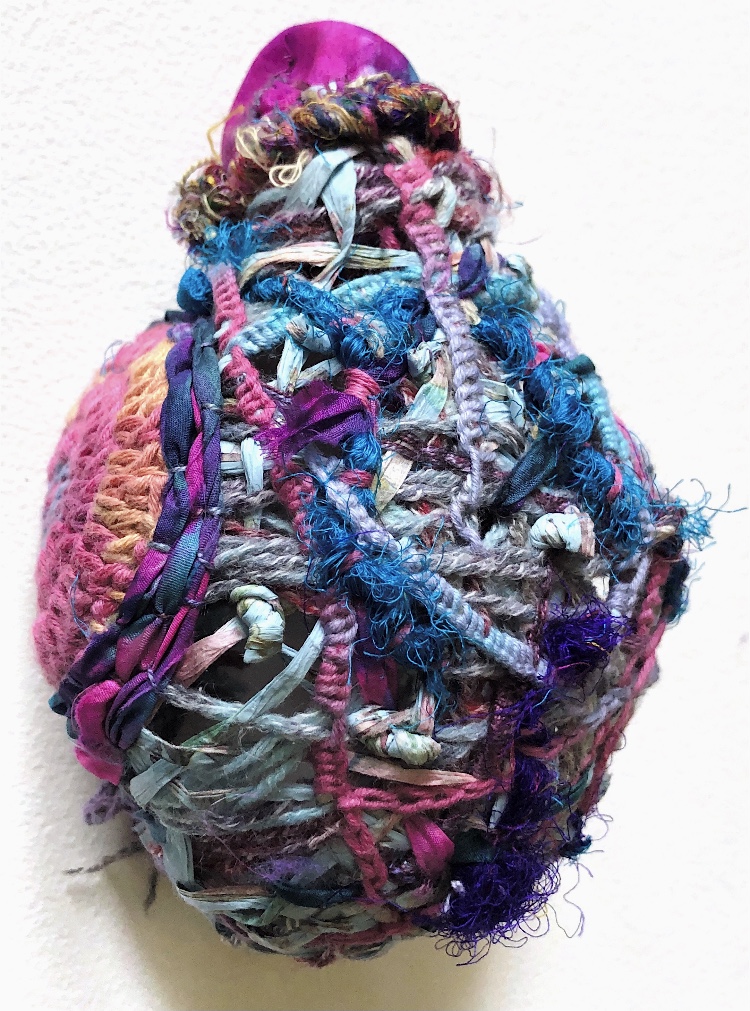
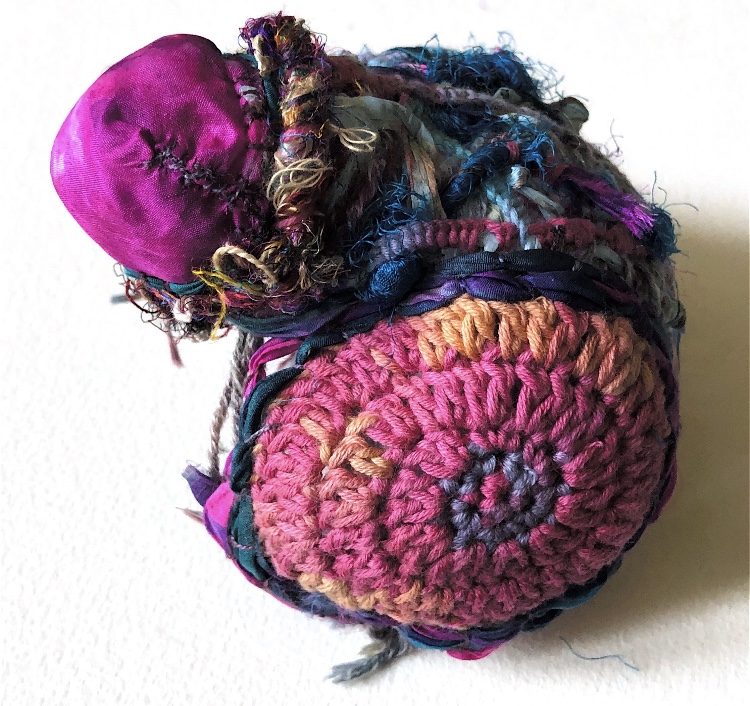
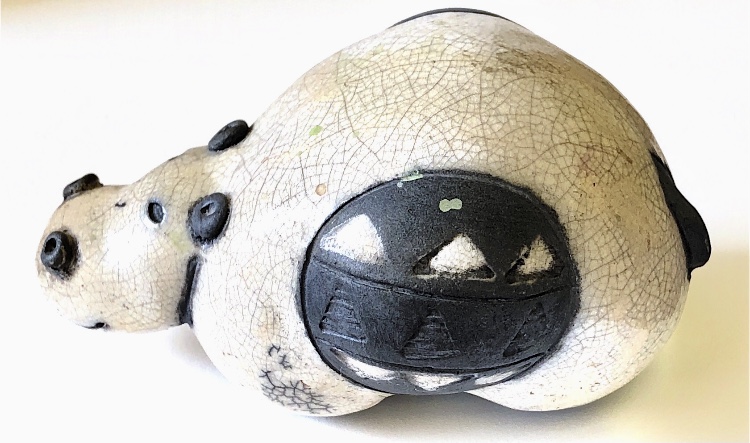
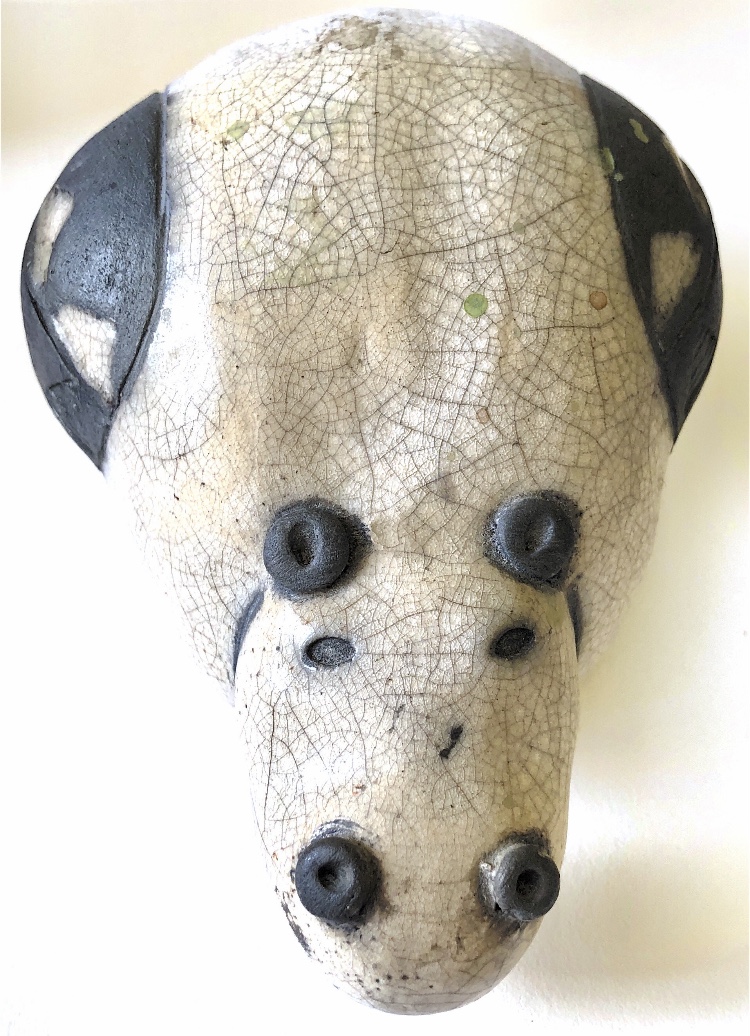
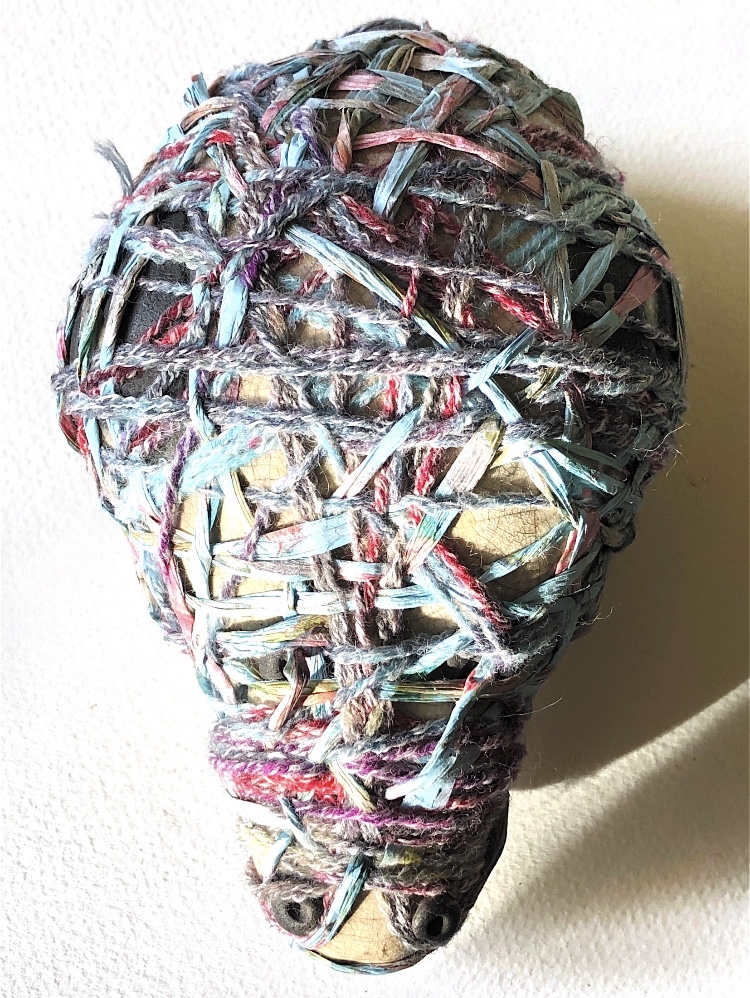
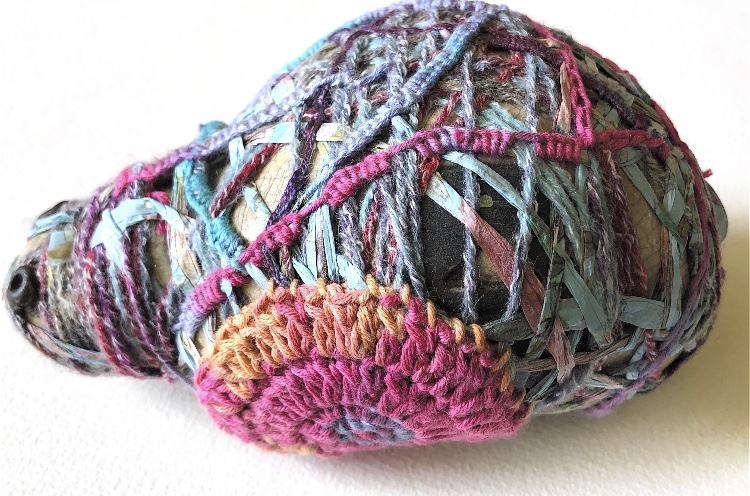
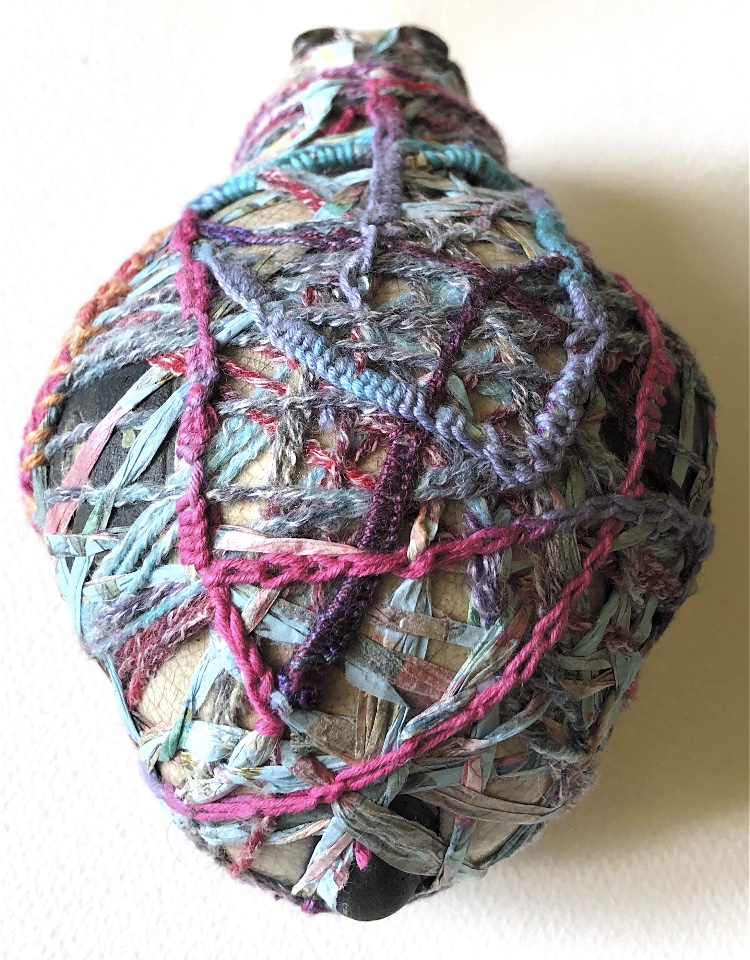
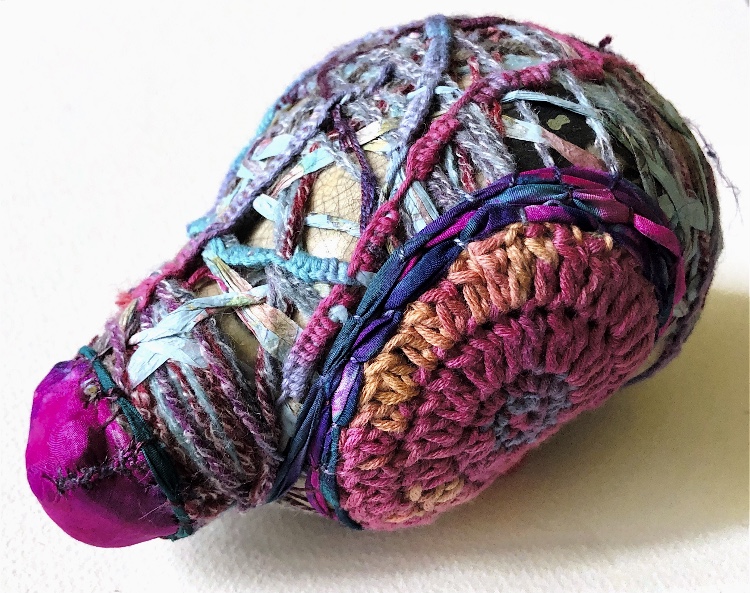
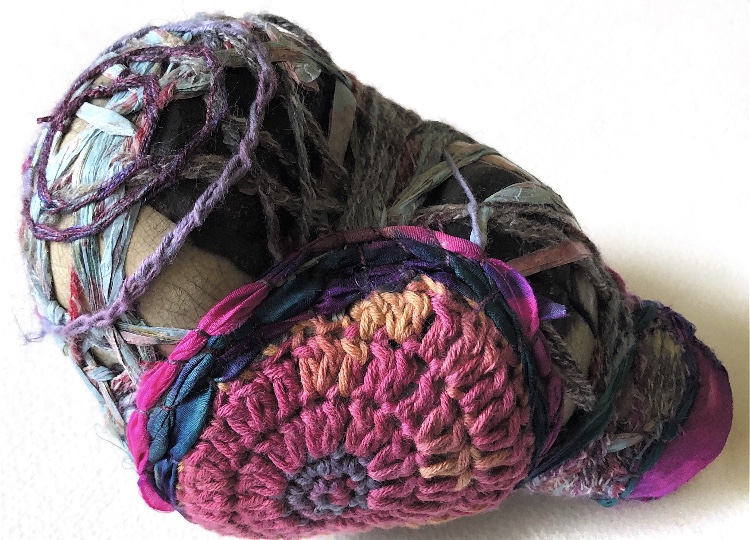
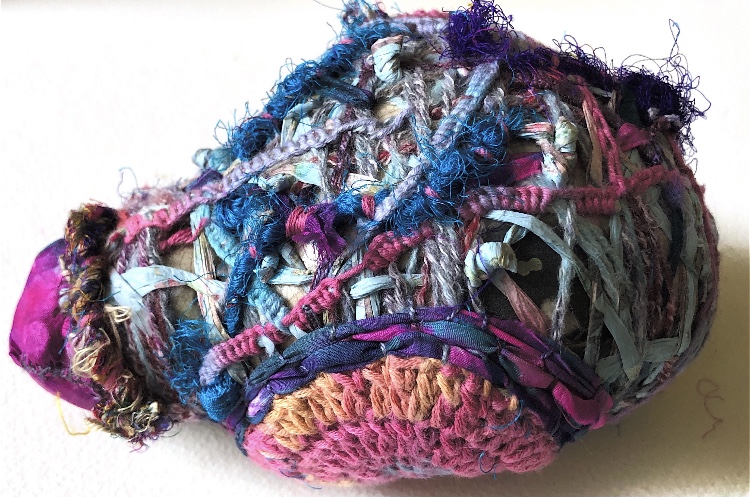
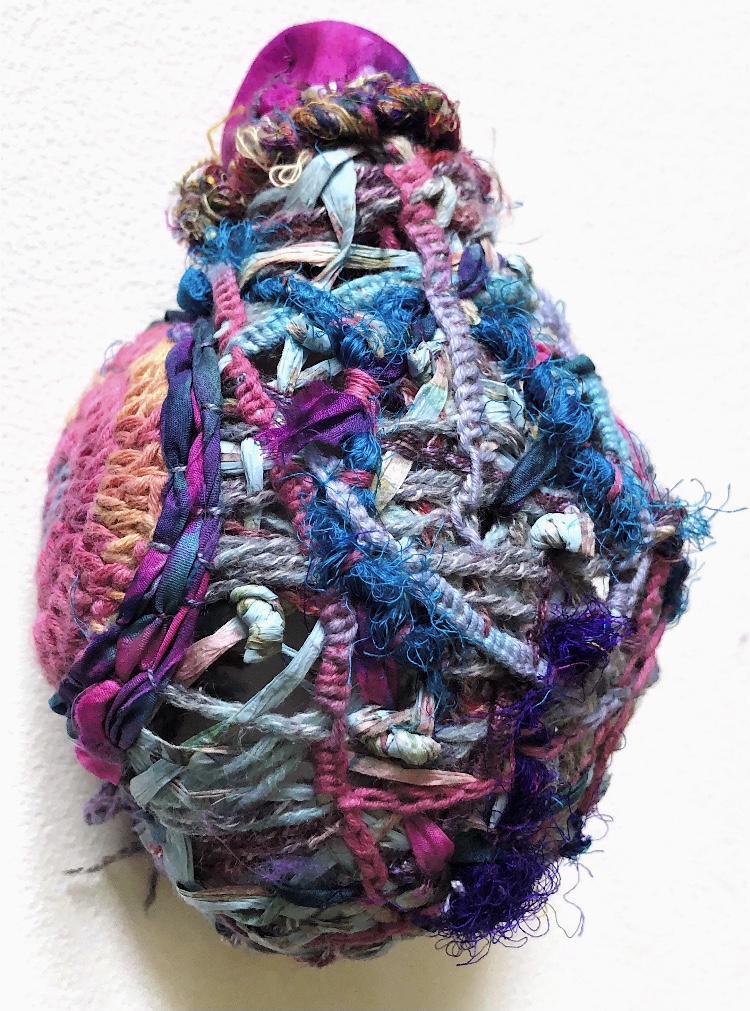
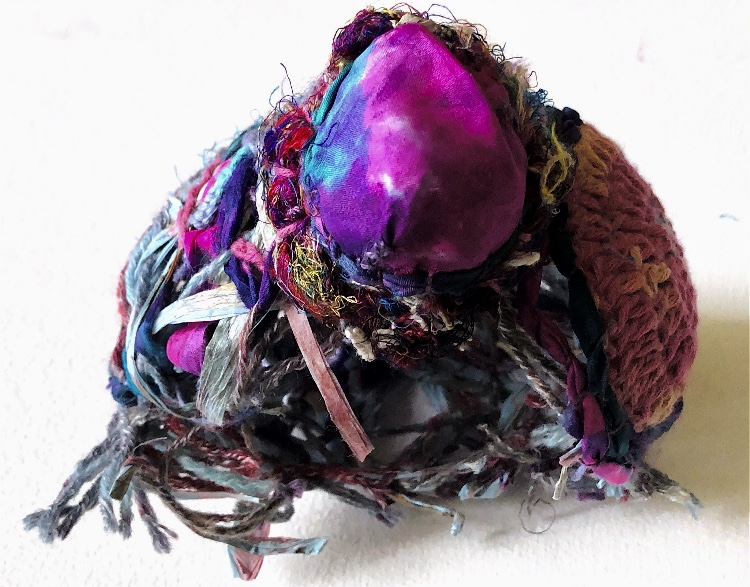
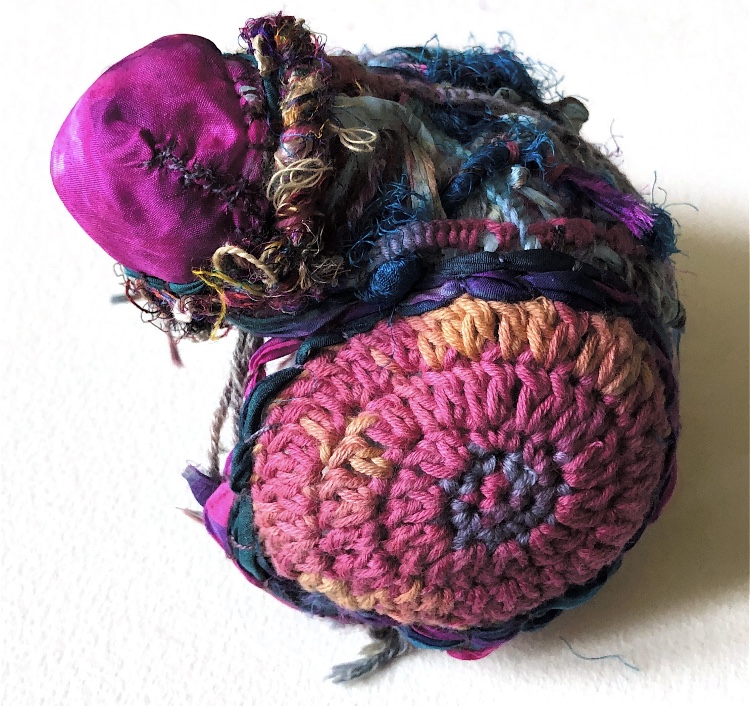
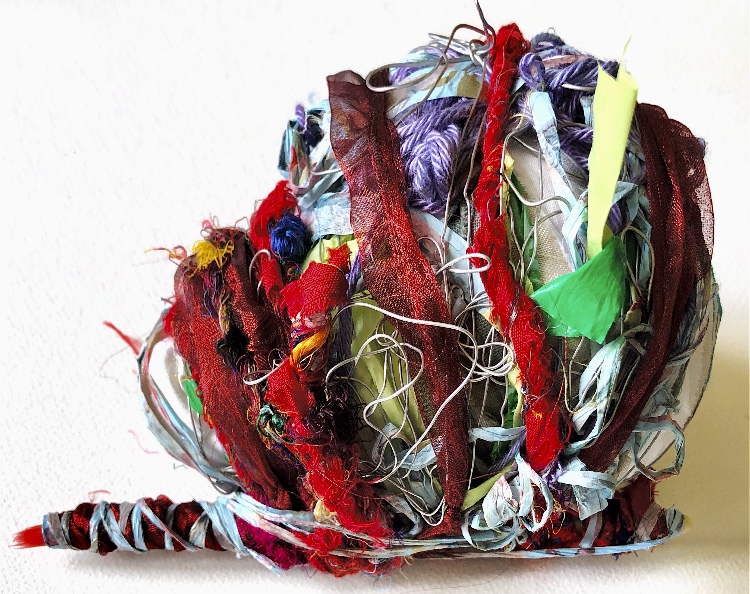
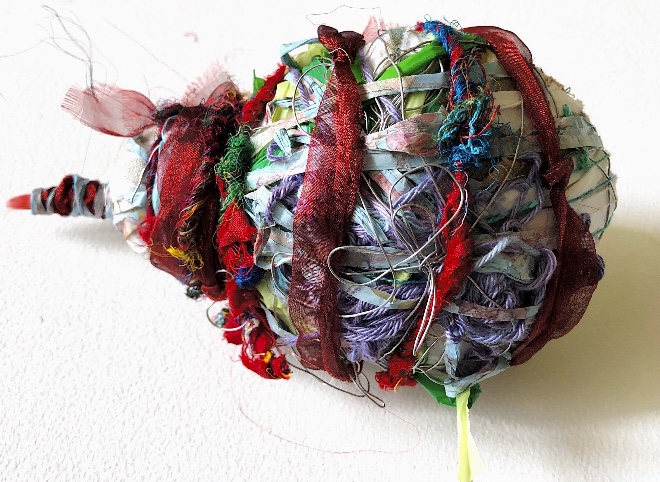
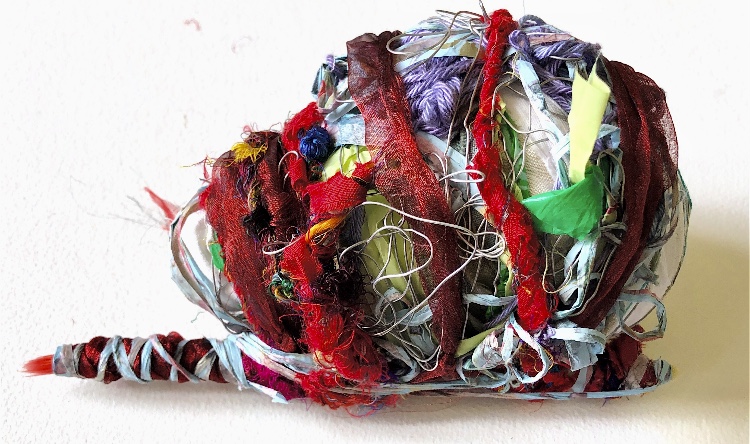
For this sample I used a hippo ornament. I first wrapped it with yarn and strips of tissue paper, then I added woven yarns, stitching, a circle of crochet and a piece of silk fabric. The sample retains the shape of the hippo but the materials contrast with the object. Lots of texture and colour combinations, together with the definite crochet wheel outlined by couched fabric make a bold sample. The addition of the silk is like a smooth jewel at the edge of an uneven, crazy shape.

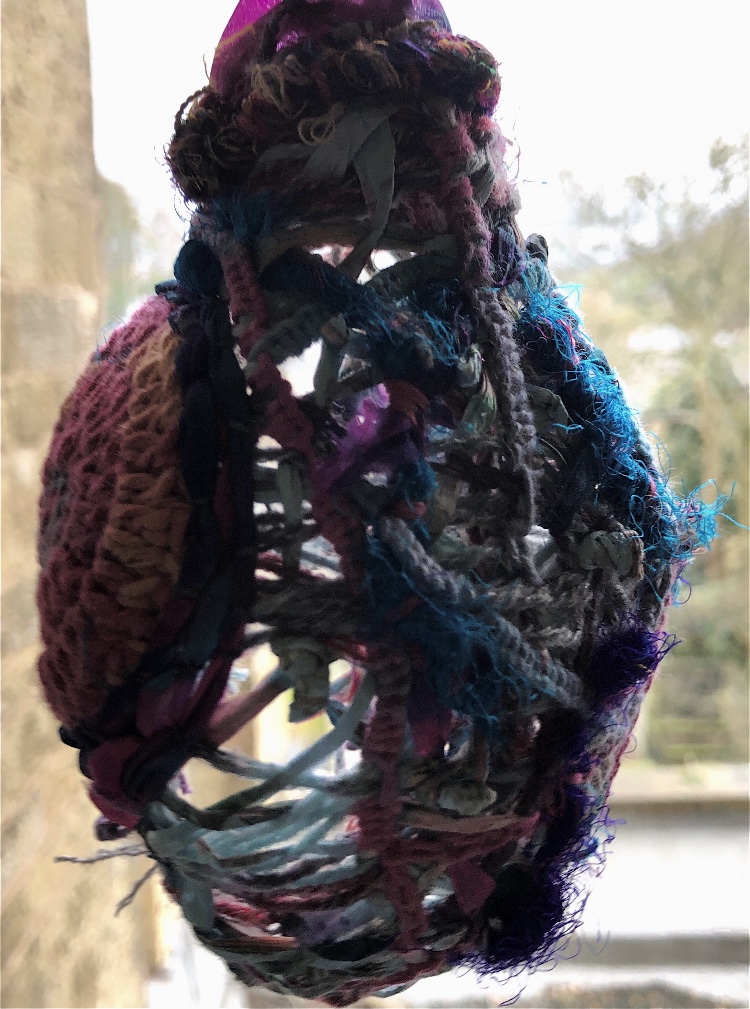
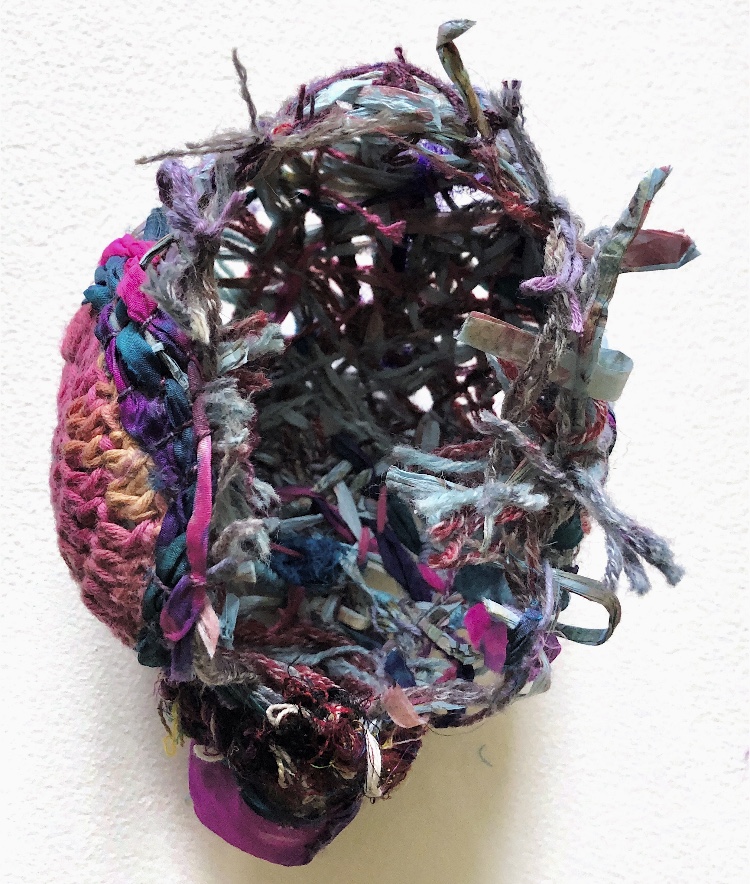
Having cut the wrapping from the ornament I then took more photos – the materials can now be manipulated into different shapes. The cut threads create more interest and movement. The piece is more organic and reminds me of an insect with lots of legs.

Sample 2

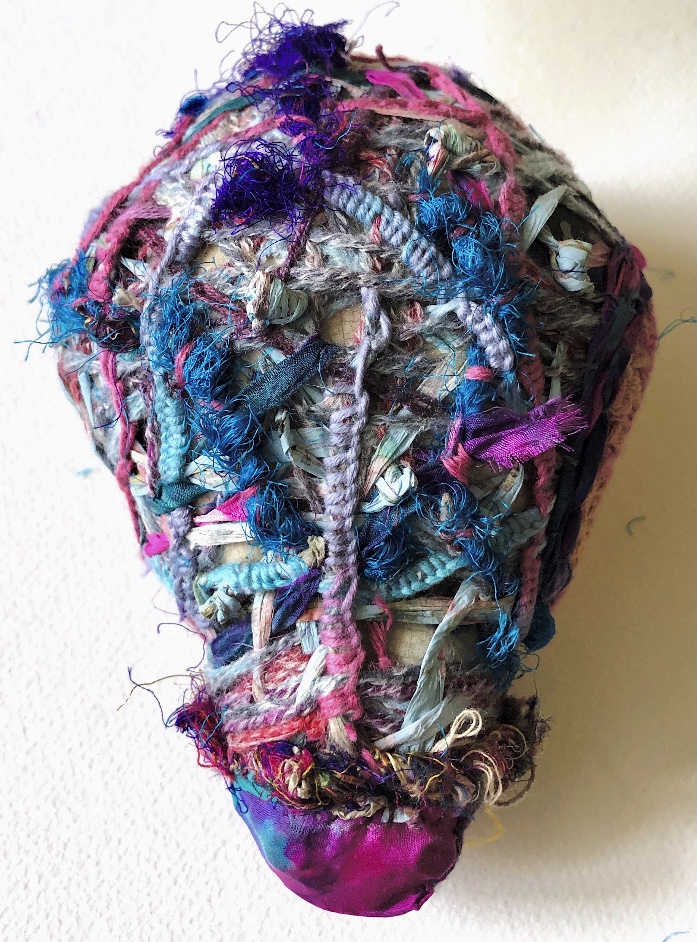
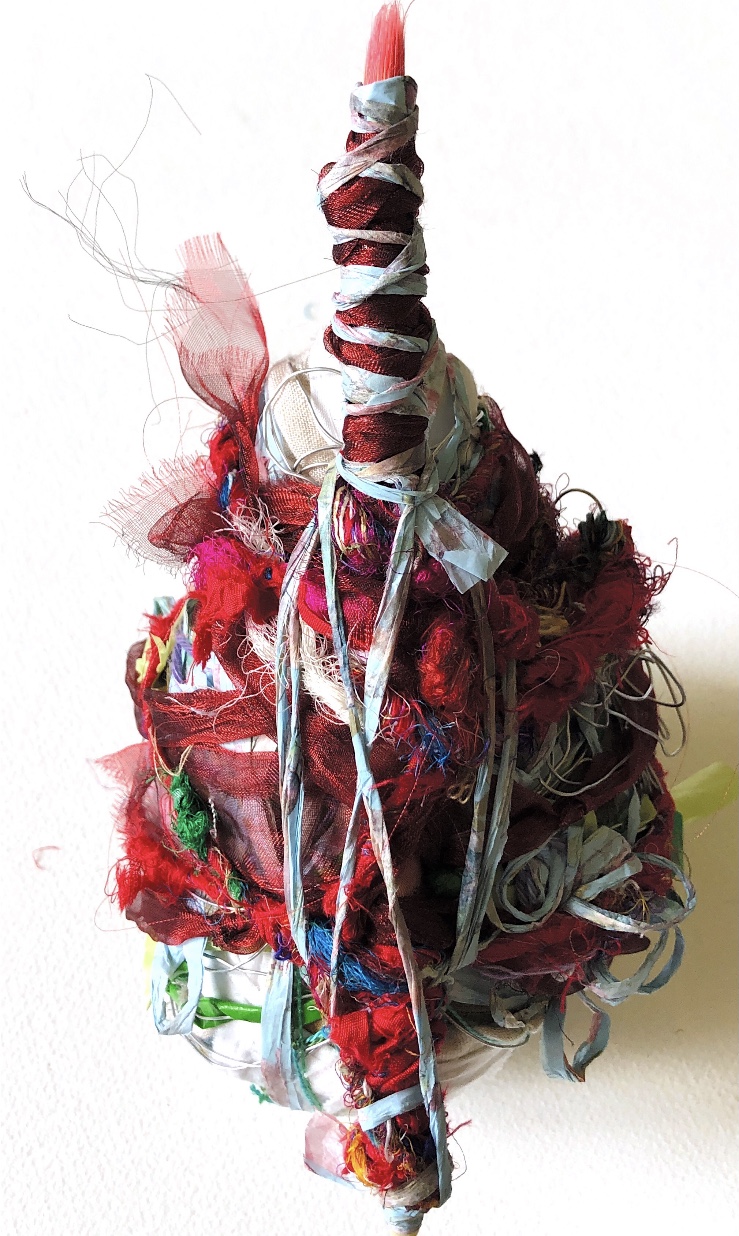
Using yarns and other materials previously used for wrapping samples in exercises 1 and 2, I wrapped the ornament in a more experimental way, gradually adding more layers.

The addition of a paintbrush and further wrapping changed the feel of the sample – it is brighter, and more interesting, looking less like the hippo underneath!
Sample 3

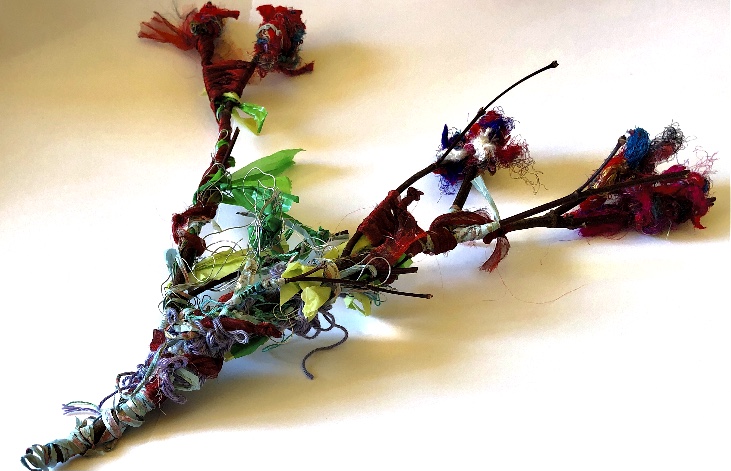
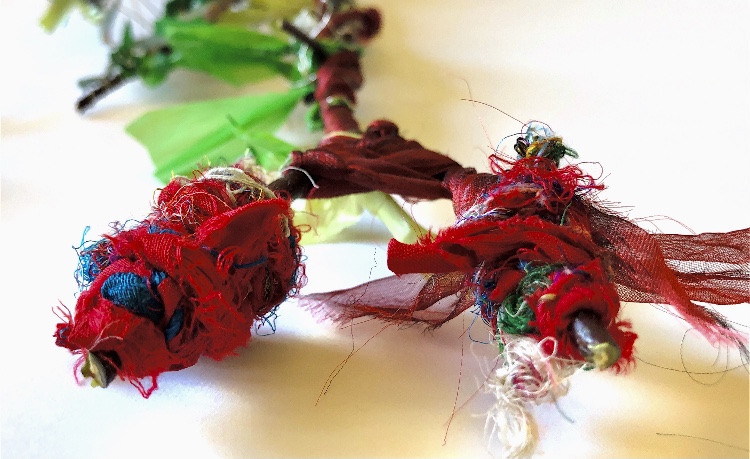
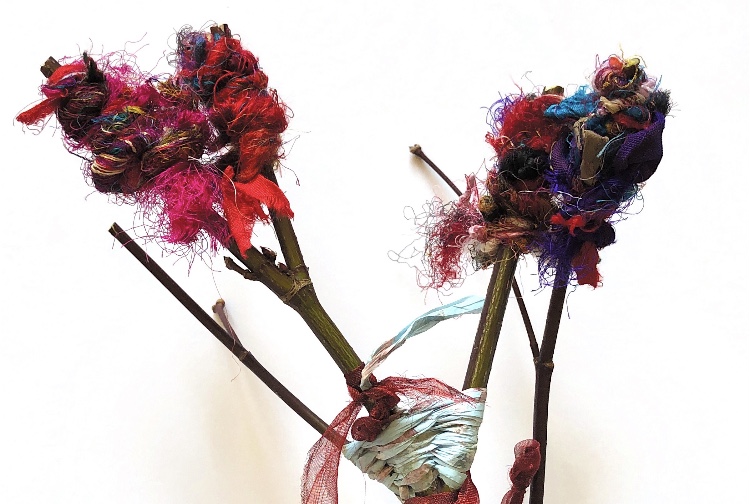
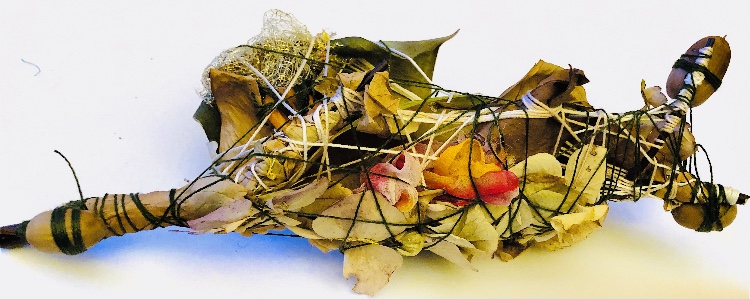
Using the same wrapping materials I chose to use a stick from the garden. There is a floral quality to this sample and it also feels like a Japanese brush painting with bold, lines and stylised motifs.

Sample 4

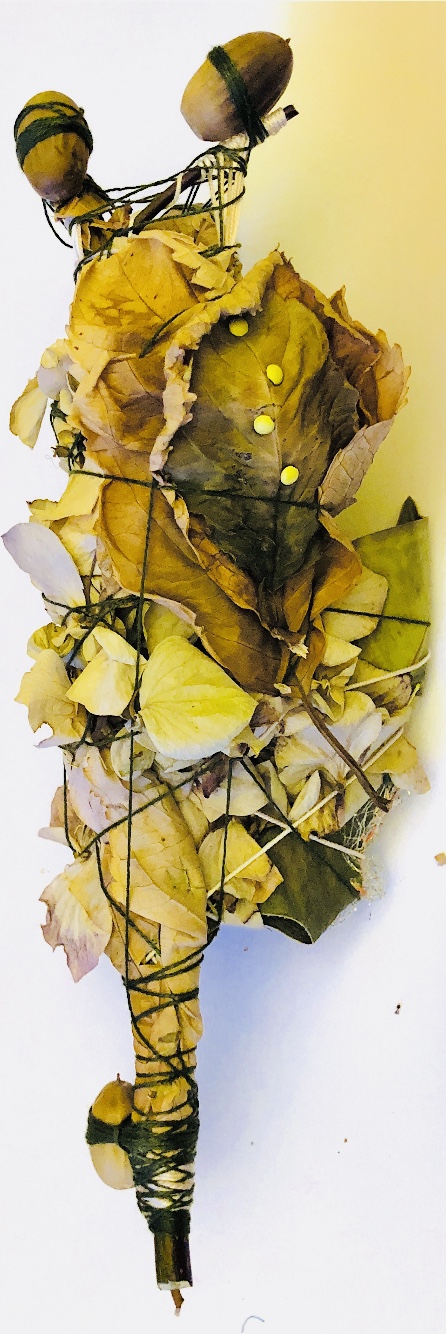
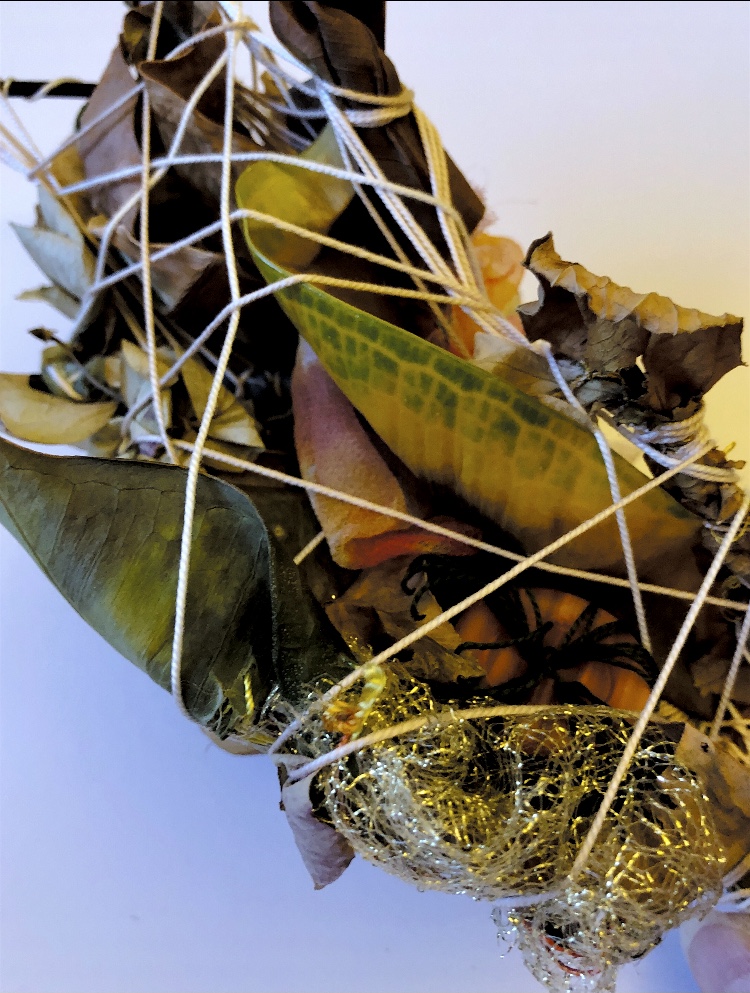
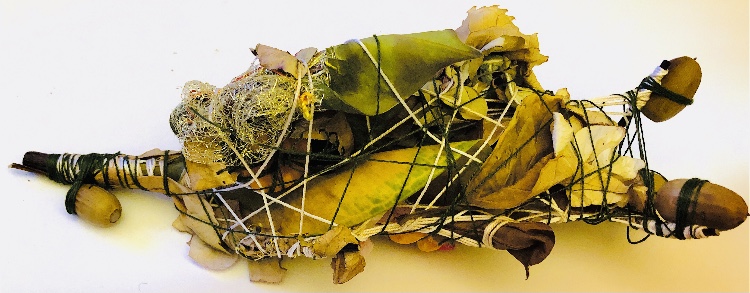
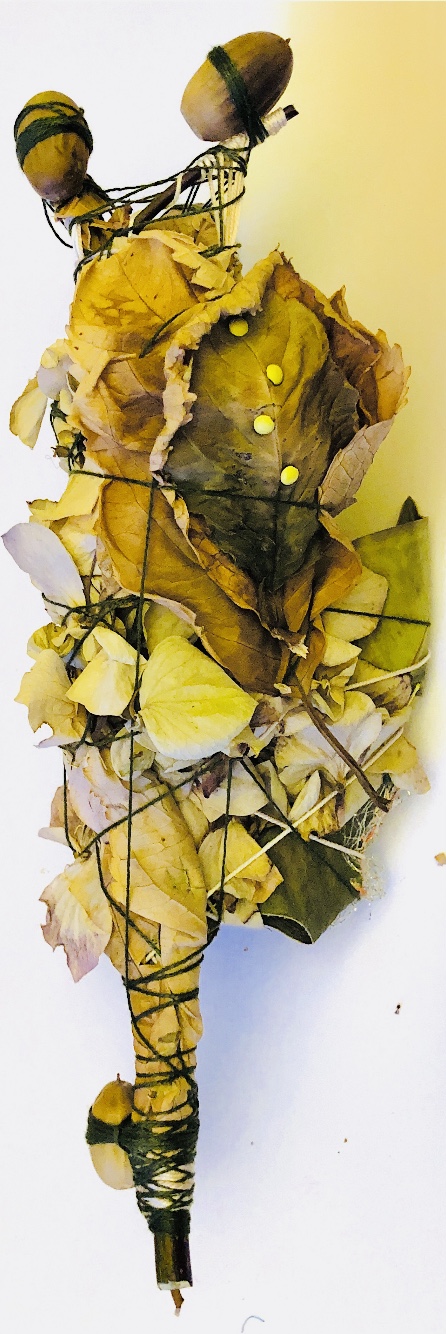
In MMT Part 1 I made some samples with stitched leaves and left them to dry afterwards. I have bound these to a stick using a neutral thread. These samples are full of natural colours and shapes, contrasting with the lines of wrapping and occasional flashes of colour from inside where there are a large button and fine fabric stitched to the leaves.

Adding more leaf samples together with acorns and a different wrapping yard created a different feel to the sample.

I have really enjoyed this exercise and can’t wait to try to capture these samples in my sketchbook. I’m thinking of trying to look at the patterns made by the wrapping, and simple shapes and lines.

I enjoyed working with all the different materials used, and the combination of these materials. Using a variety of yarns, paper, wire, plastic and natural materials created visual and tactile texture. Adding further materials to each sample as I was working created exciting and unusual colour combinations and this was one reason I mostly used what was already on my work table rather than sourcing new carefully chosen materials.The research I did at the start was really useful to make me look at wrapping in a different way – trying not to be too set in my thinking – moving outside the box to see what would happen. I am pleased with all of my samples, particularly where I have mixed materials. I have worked on the premise that if I don’t feel inspired, I add more wrapping until I am!
Textiles 1 Mixed media for textiles Part 2 Joining and wrapping Project 2 Wrapping Exercise 2 sketchbook work

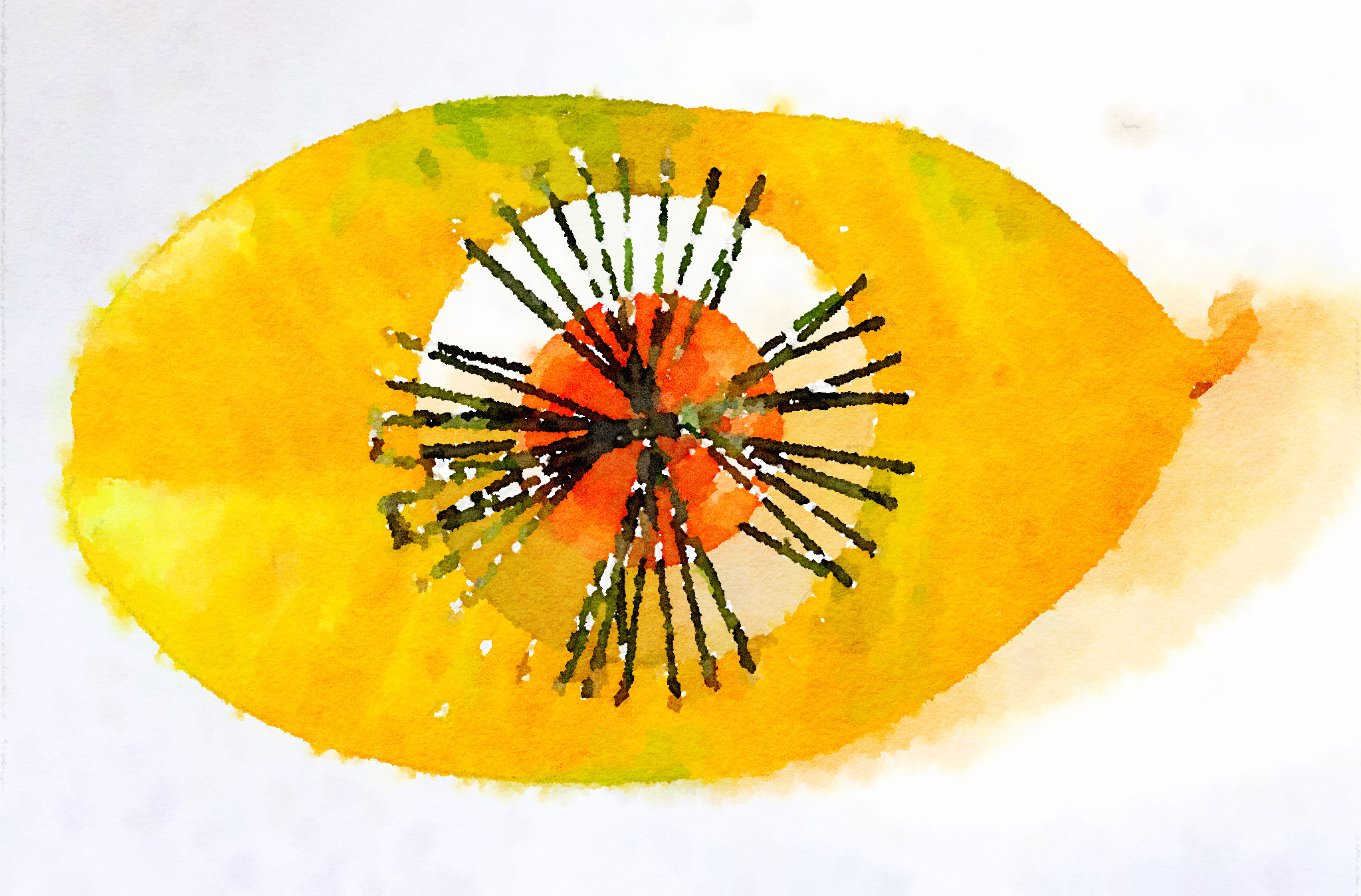
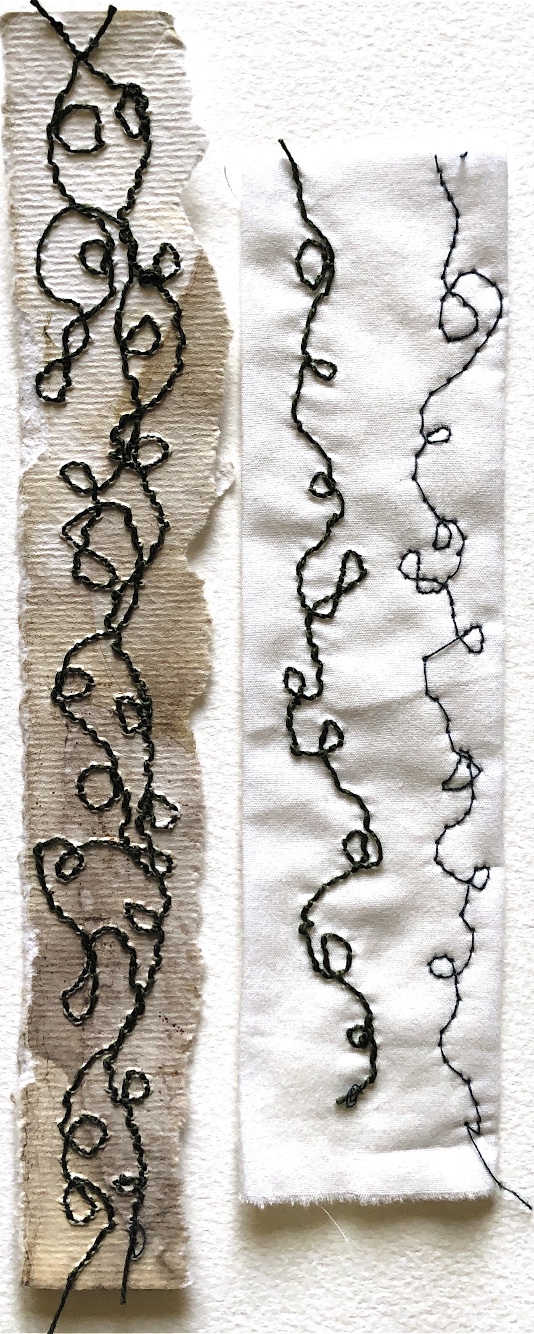
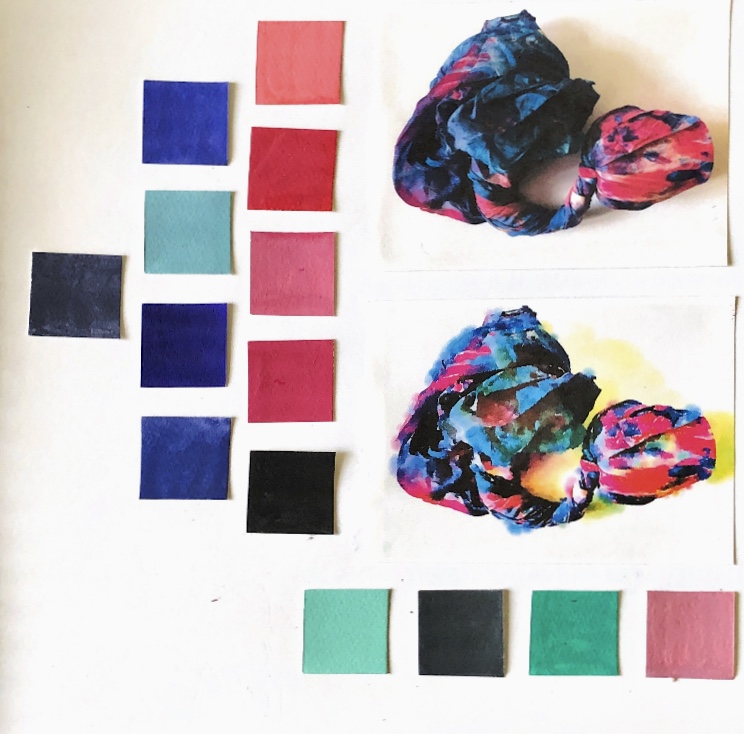
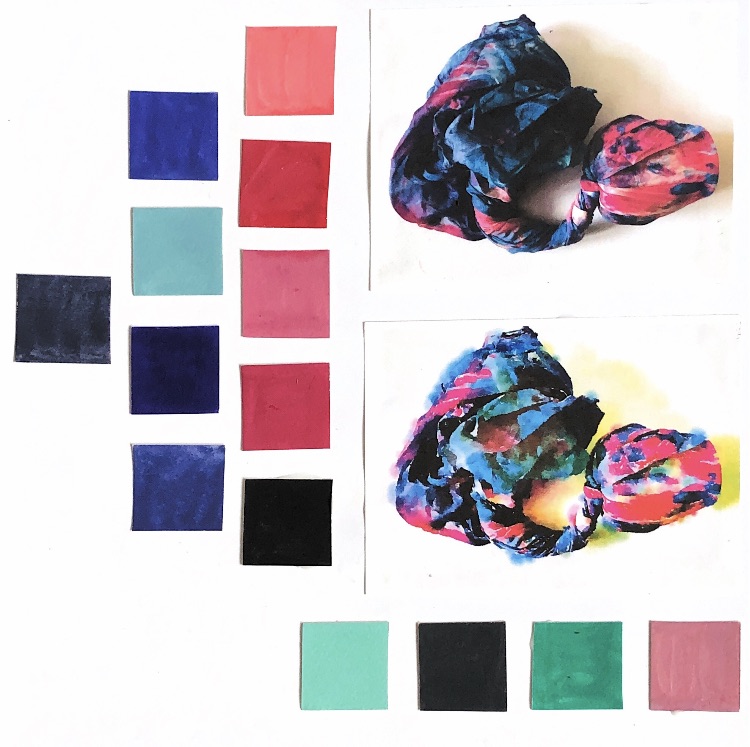
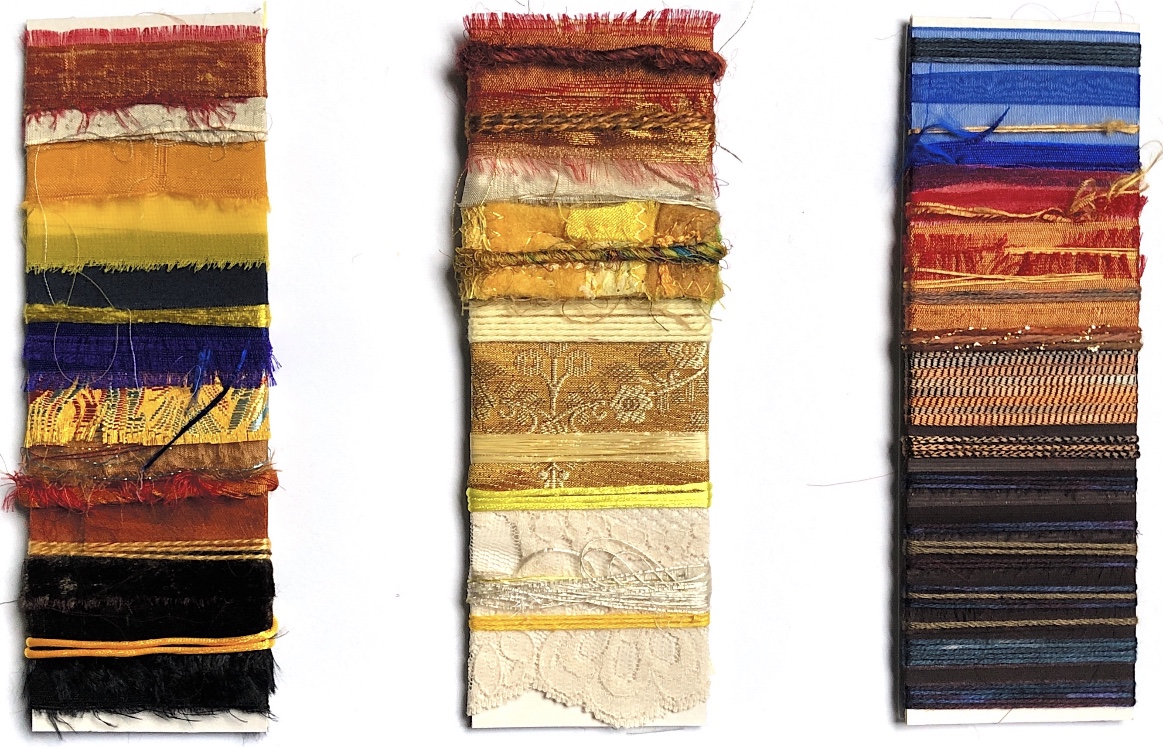
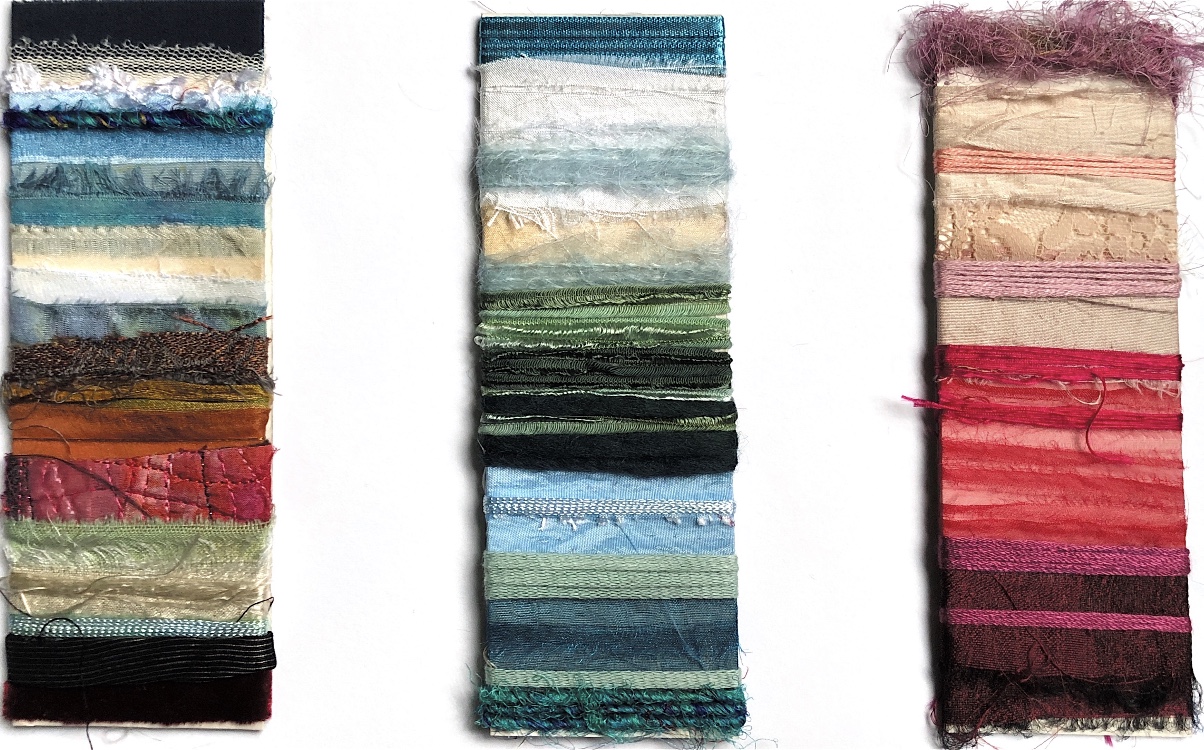
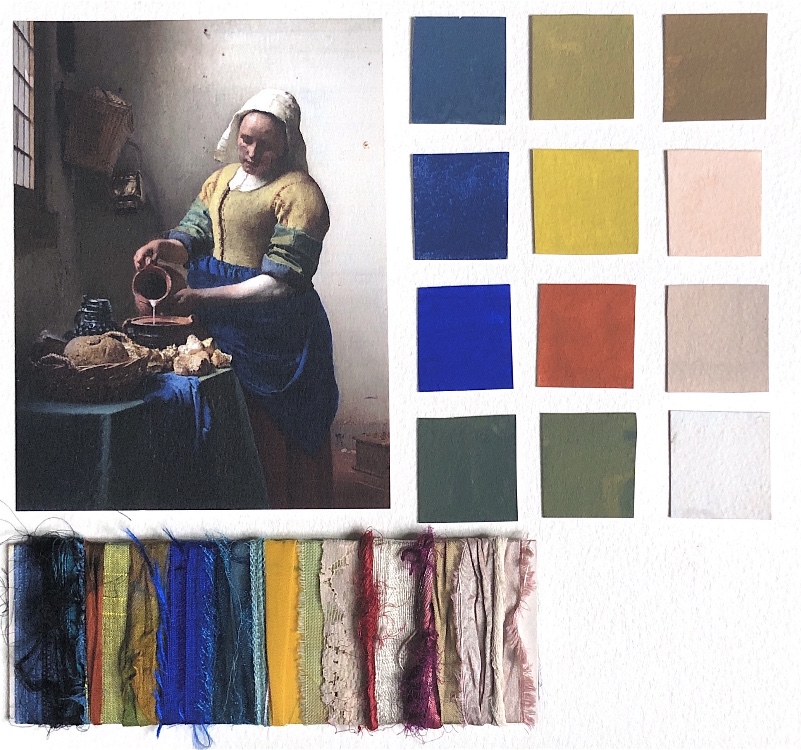
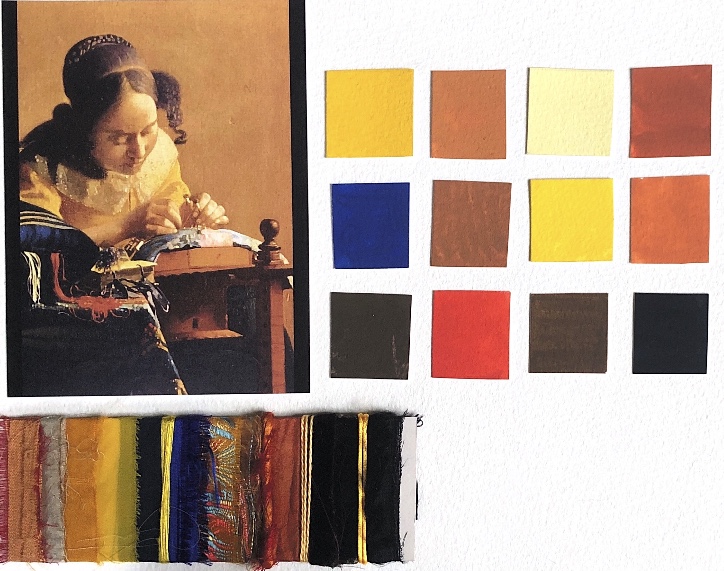
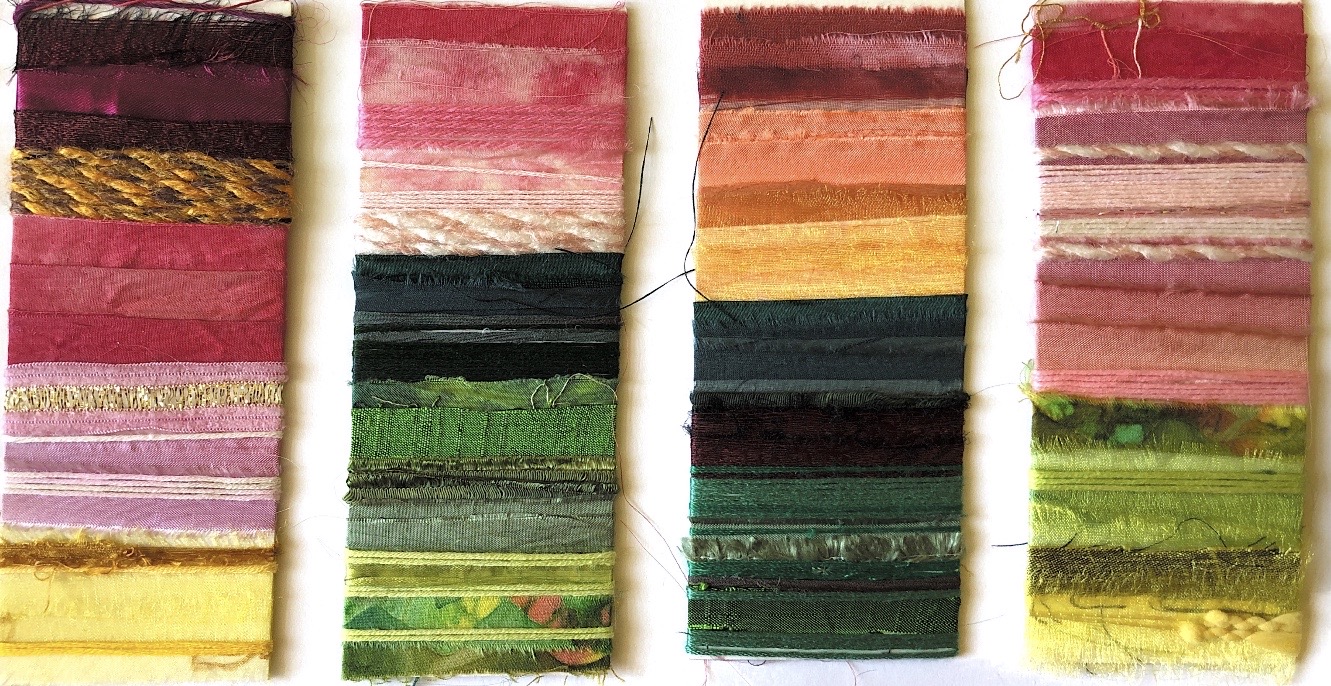
I decided to focus on colour for a while and having manipulated some of my photos in the ‘Waterlogue’ App, I painted some colour chips with gouache.

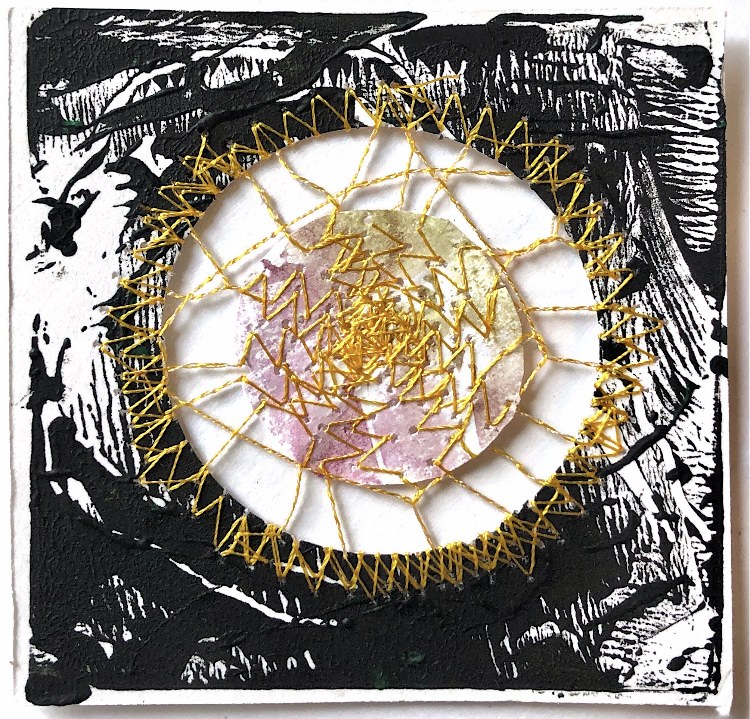
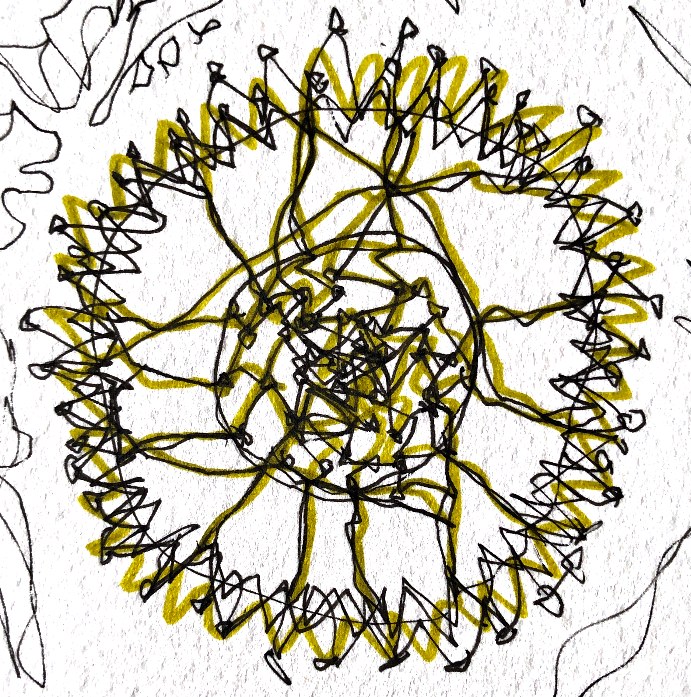
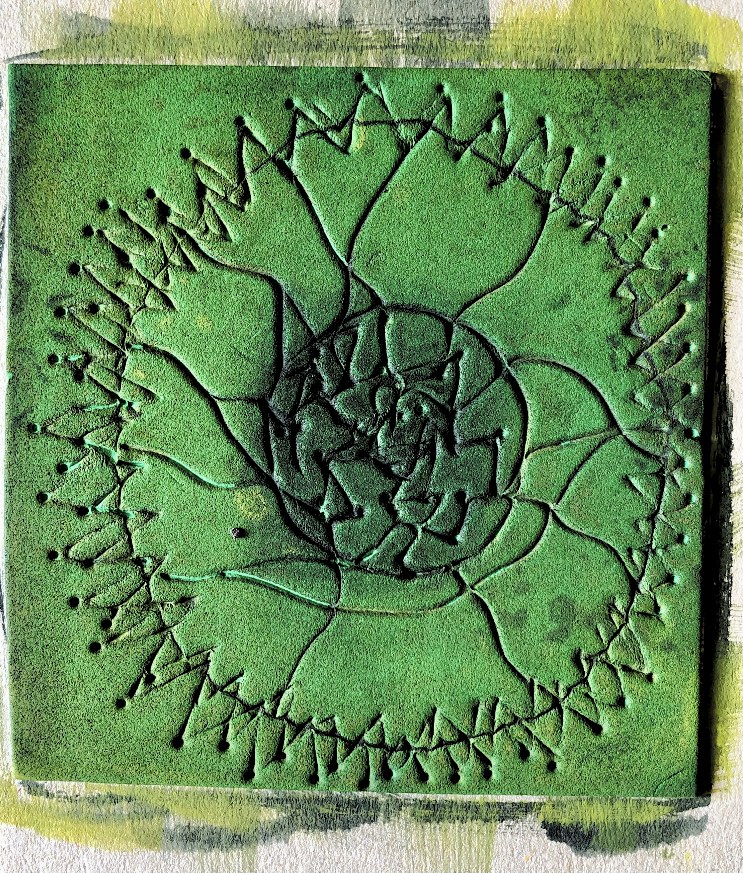
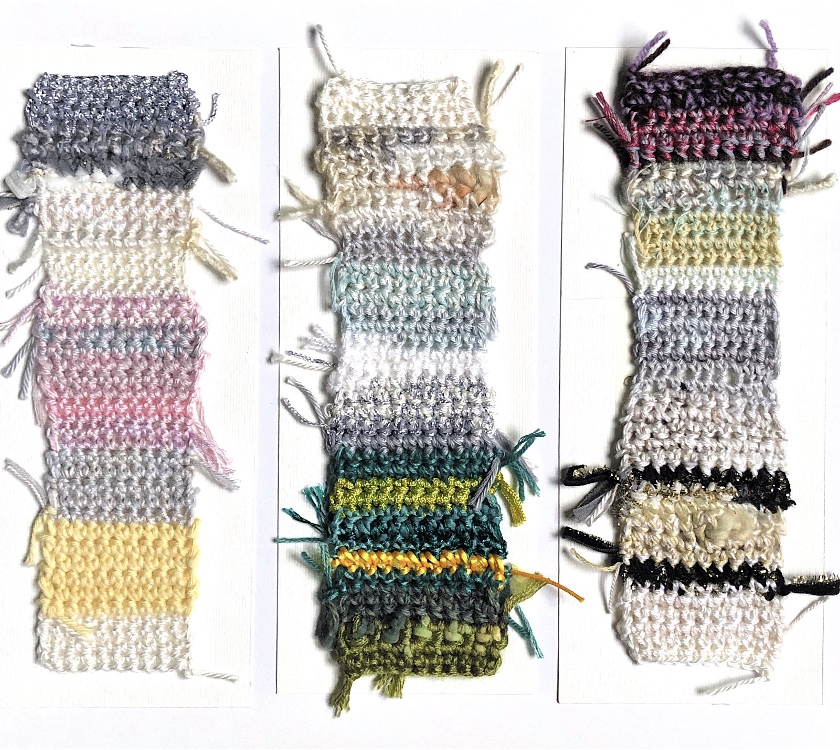
This gives me a clear colour scheme from each of the four images I chose, to try to match with fabric and thread for stitch/crochet experiments. From one image I have made a stitched sample, and from another I have experimented with freeform crochet.

I am particularly pleased with the crochet sample as a response to the wrapping as I feel it captures the colours, random patterns and movement of the original sample.

Textiles 1 Mixed media for textiles Part 2 Joining and wrapping Project 2 Wrapping

Exercise 2 Wrapping with material and threads

Research

Before starting this exercise I have done some more research. Looking at the work of artists Christo and Jeanne-Claude, I have picked out three different inspiring works.

Fig.1 Christo (1958) Wrapped Cans. (Fabric, rope, lacquer paint, sand and five cans.) At: https://www.https://christojeanneclaude.net/projects/wrapped-cans-and-bottles (Accessed 12/11/2020)

I find this piece very satisfying. The arrangement of different sized cans has height and depth, making a pleasing composition. The contrast of the smooth unwrapped tins emphasise the folds and texture of the fabric and rope wrapping the other cans. They are all wrapped differently, two with formal folds and one with the fabric more uneven and scrunched around the tin. The shadows created by the folds and creases add another dimension. A single rope appears to hold the fabric in place. The cans are all monotone except for the one in the foreground which has a slight gold effect as if gold wax or paint has been brushed over to catch the edges. There is a lot of contrast in texture and tone. The plain light coloured background means that all emphasis is on the cans – even the unwrapped ones have marks and rims to add line and pattern.

Fig. 2 Christo and Jeanne Claude (1970) Wrapped monument to Leonardo Da Vinci (Polypropylene fabric and red polypropylene rope). At: https://www.https://christojeanneclaude.net/projects/wrapped-monuments (Accessed 12/11/2020)

The first thing I thought of when I saw this was -‘what a lot of fabric!’. Even with pre-cut and sewn pieces, there is still a huge amount of gathering, creasing, crumpling, folding and arranging going on here. The red rope stands out and appears to be tied rather haphazardly, with knots showing and little pattern or symmetry. The figure can still be made out under the fabric and it looks as if it has been wrapped in a shroud – suggesting a reverence for the figure underneath.

Fig. 3 Christo and Jeanne Claude (1998) Wrapped trees (Specially woven polyester fabric and rope). At: https://www.https://christojeanneclaude.net/projects/wrapped-trees (Accessed 12/11/2020)

I love the fact that the fabric used to wrap these trees is translucent, creating an ethereal effect. The branches can be clearly seen, and the fabric delineates and emphasises the overall shape of the tree. The light from the sky would change in direction and density throughout the days and weeks which would mean the wrapped trees appear different each time they are viewed and depending on the viewpoint. In Japan trees are wrapped for practical reasons each winter, to protect them from frost and snow. The trees above appear to have lost their leaves so I presume it is winter in the photograph.

Exercise 2

For this exercise I chose to wrap a Marmite jar as it is simple but has a definite shape to it.

Sample 1

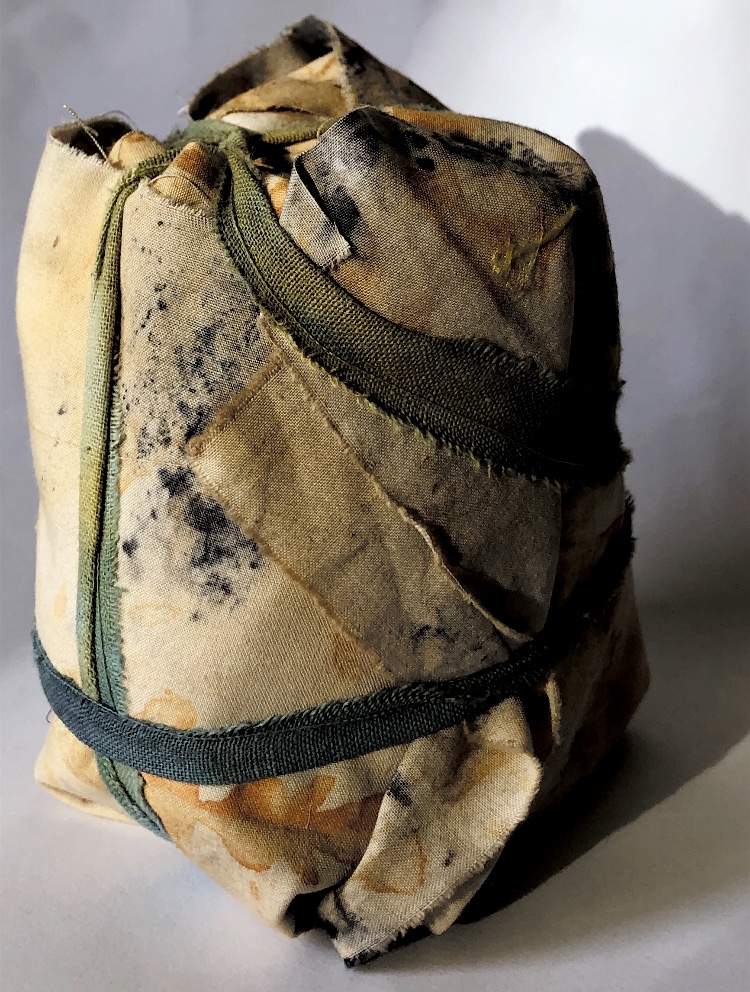
Folded cotton fabric simply wrapped and tied with cotton strips. This sample looks different from each viewpoint. Raw edges and folds combine to make an interesting shape that is controlled and neat, or messy and untidy depending on the point of observation.

Sample 2

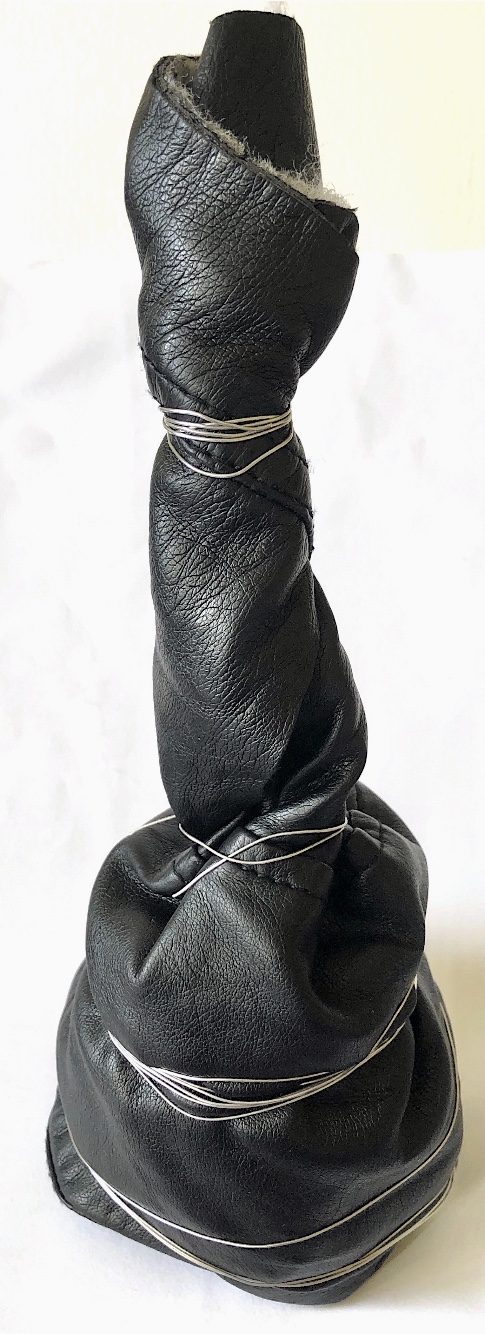
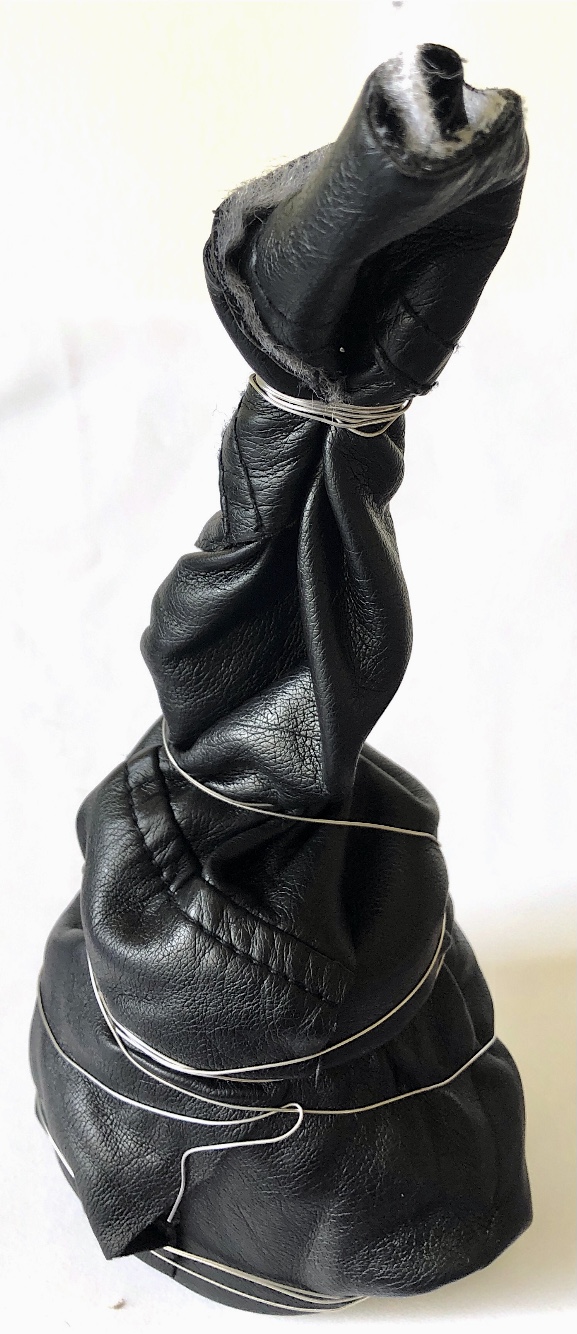
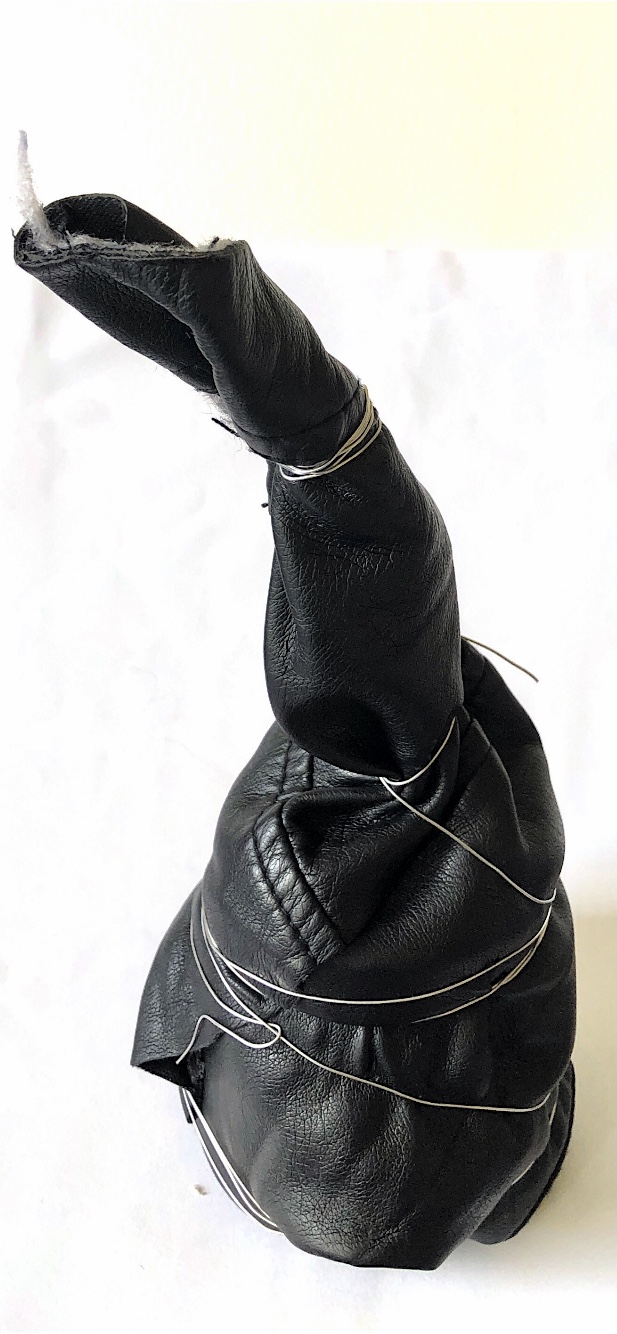
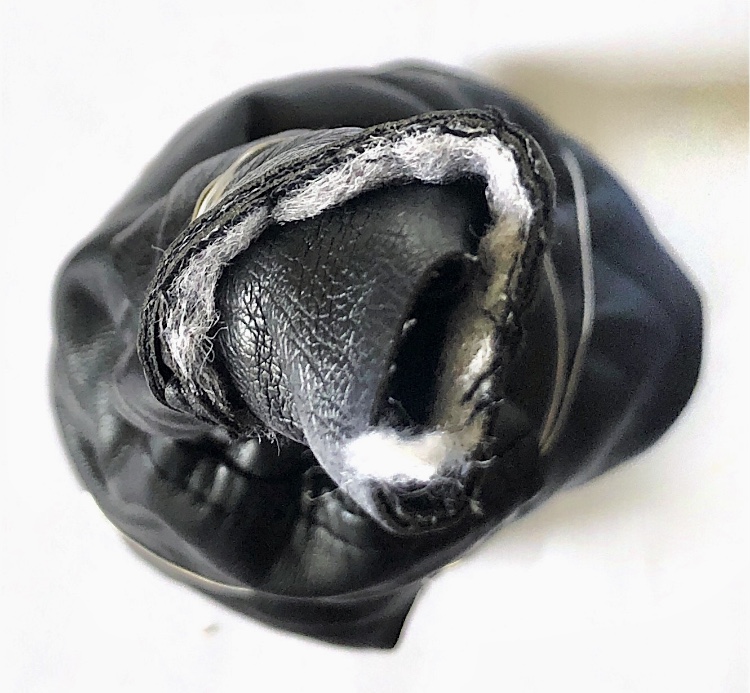
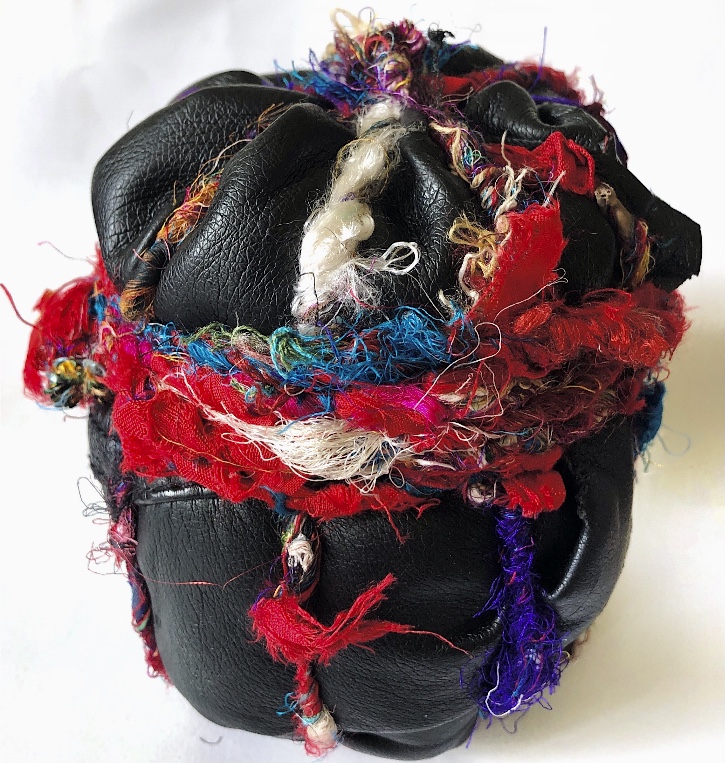
My faux leather jacket was going to be thrown away so I cut it up and used some to wrap around the jar, elongating the shape and securing with wire. This completely changes the original shape, the stiffness of the faux leather holds the structure in place and the wire brings another texture and point of interest. Some of the stitching from the jacket can be viewed, spiralling around the sample.

Sample 3

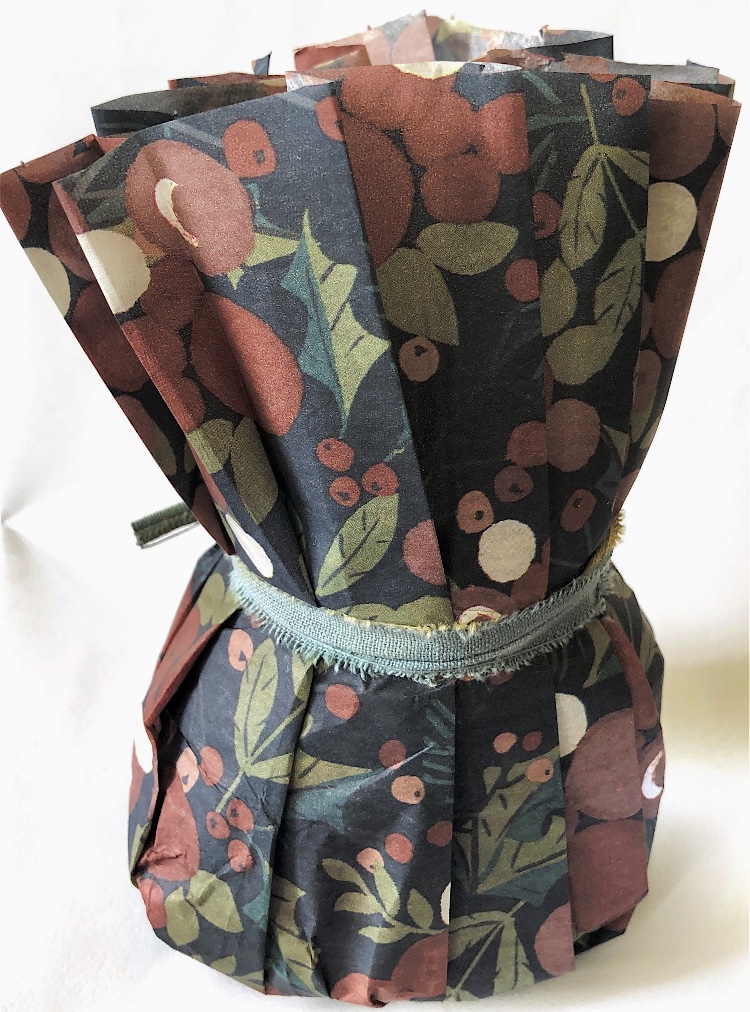
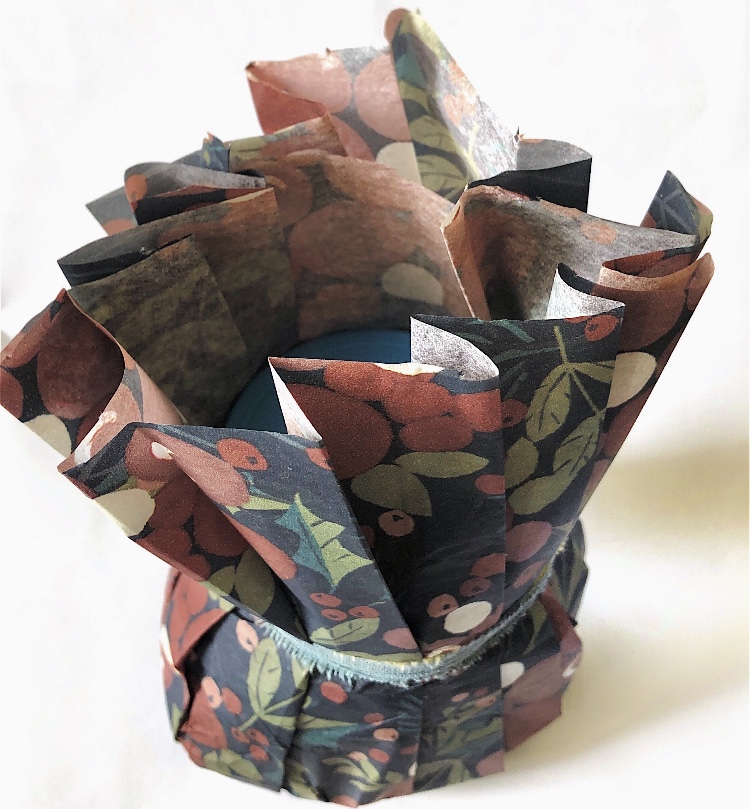
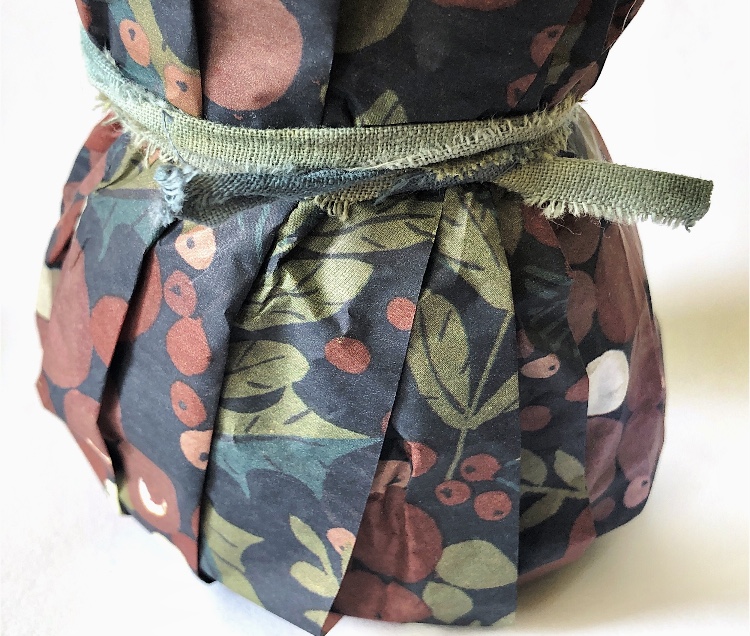
For a totally different, more formal look, I pleated tissue paper and just tied it around the top of the jar. The paper splays out at the top but retains the folds. This could be achieved with fabric with steam pleats or stitched pintucks.

Sample 4

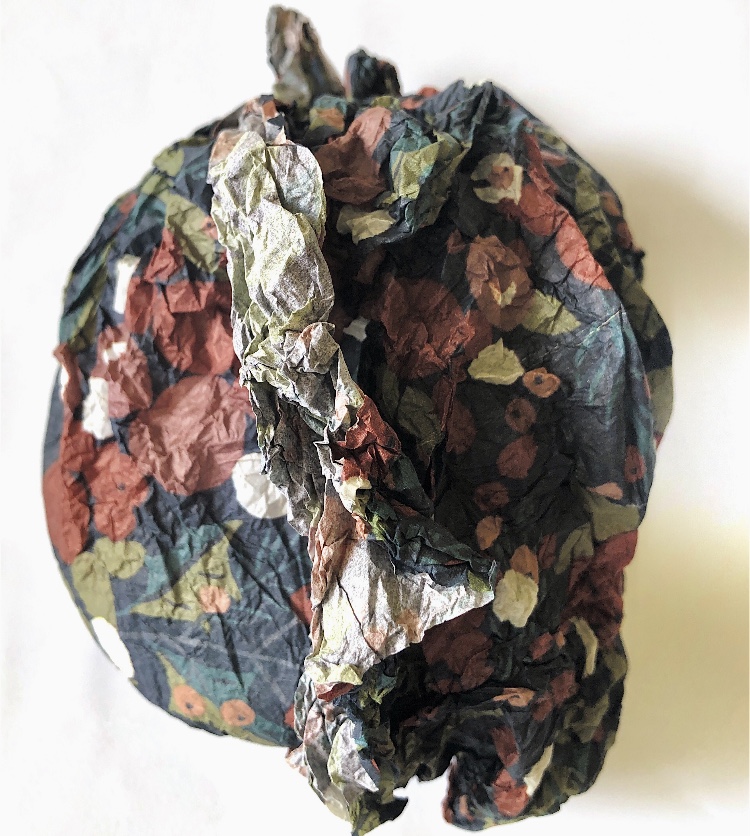
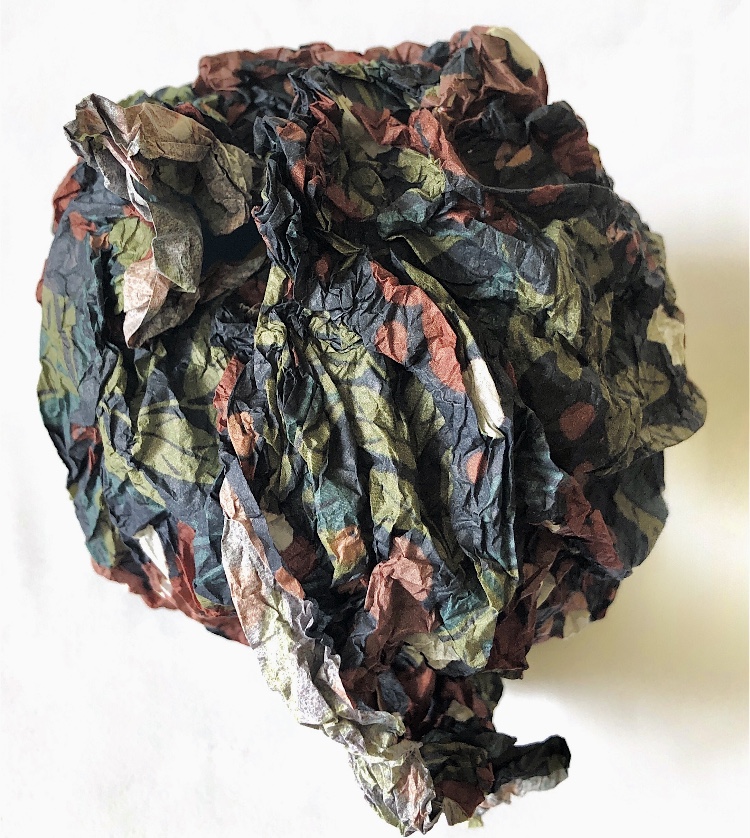
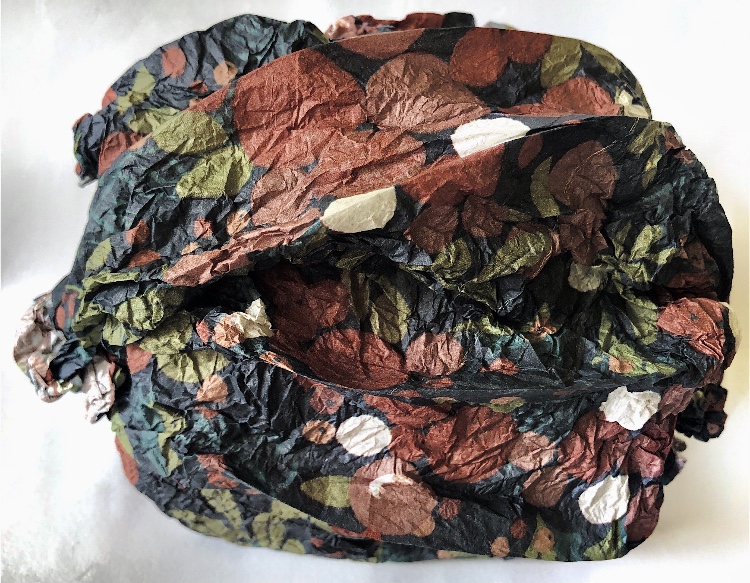
Scrunching the tissue paper before wrapping, and creating ridges gave a totally different appearance, and the paper did not need to be tied to secure. This looks organic and soft, – very tactile.

Sample 5

Using the sampe scrunched tissue and some ripped cotton ties made a very sculptural sample.

Sample 6

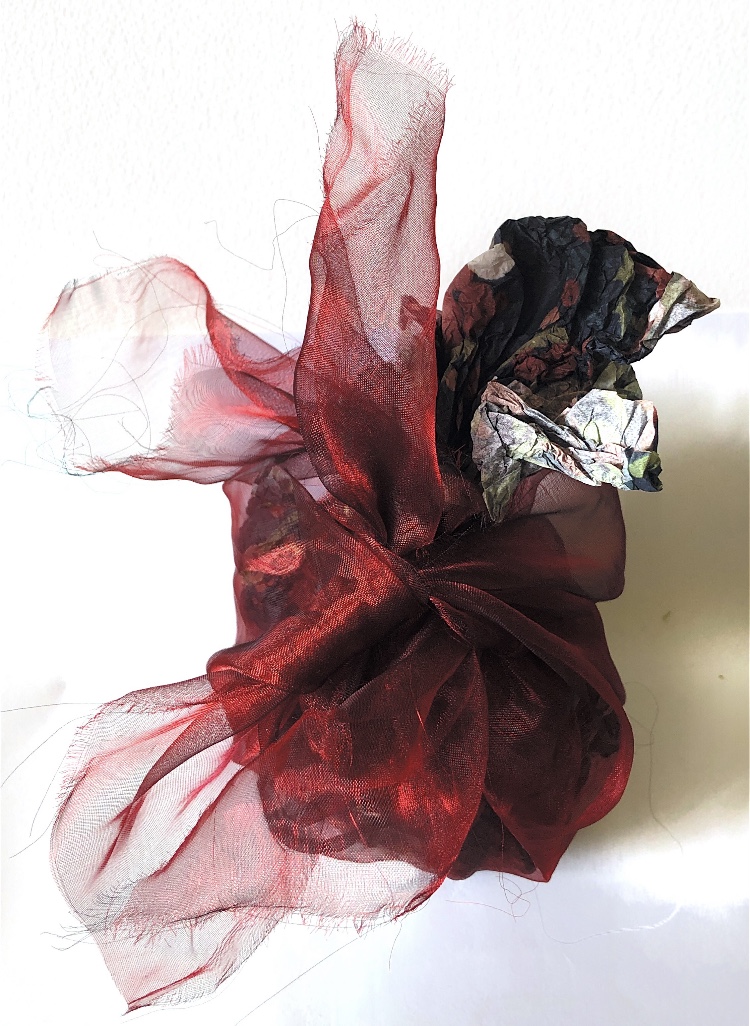
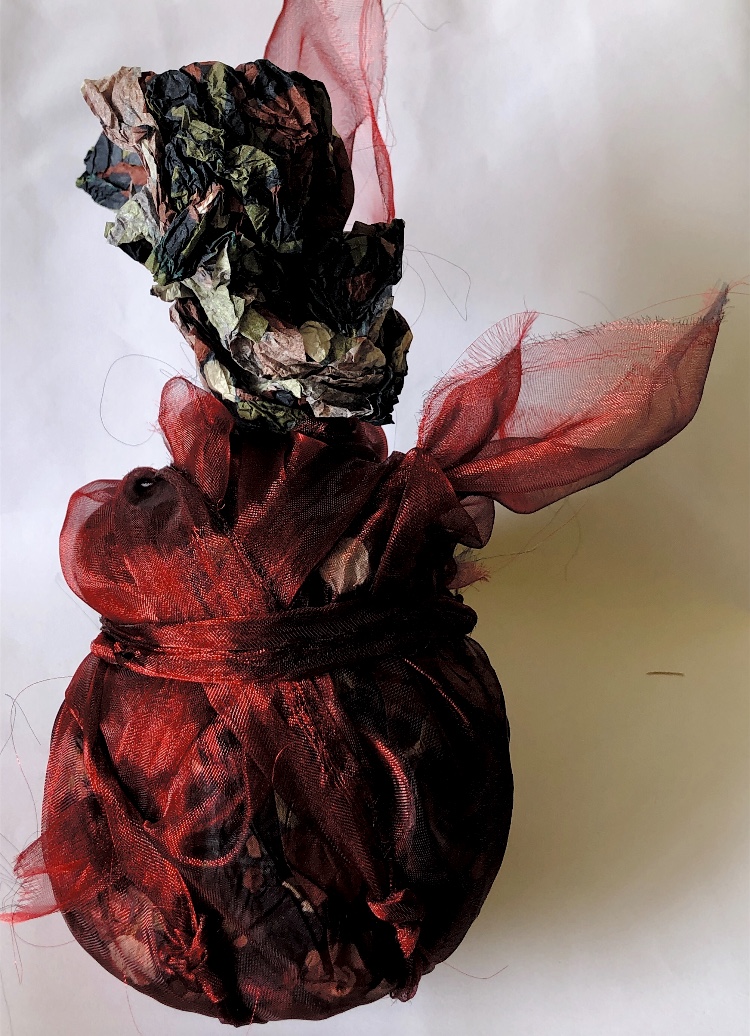
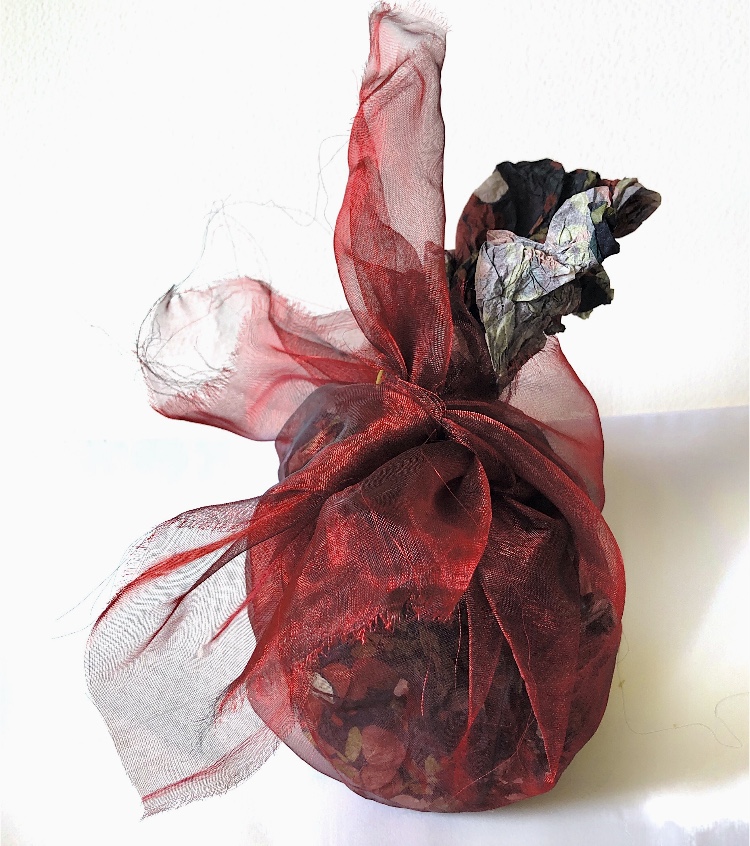
Sample 5 was wrapped in red/black shot organza. The solid textural paper contrasts with the sheer, shimmery organza, tied at the top, giving the appearance of a wrapped present secured with a bow.

Sample 7

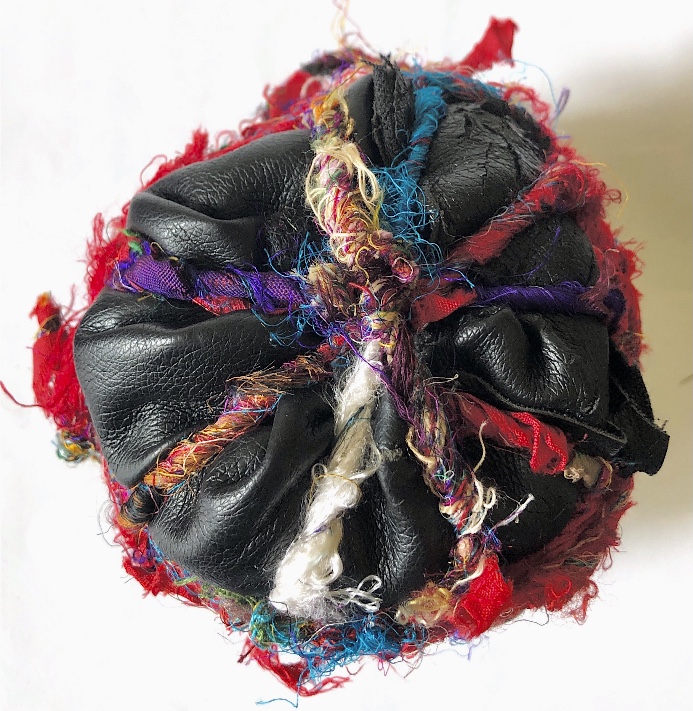
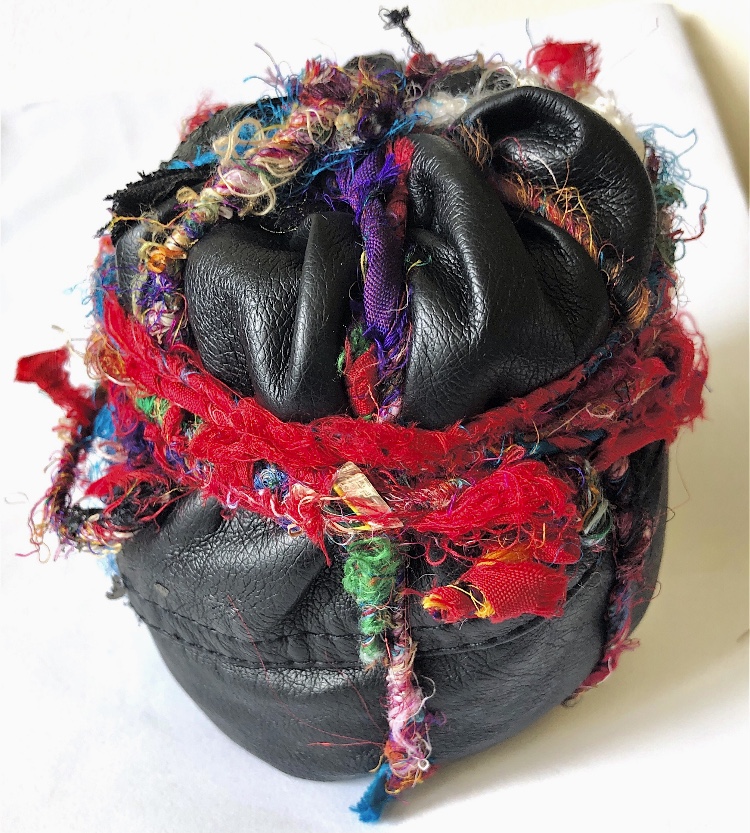
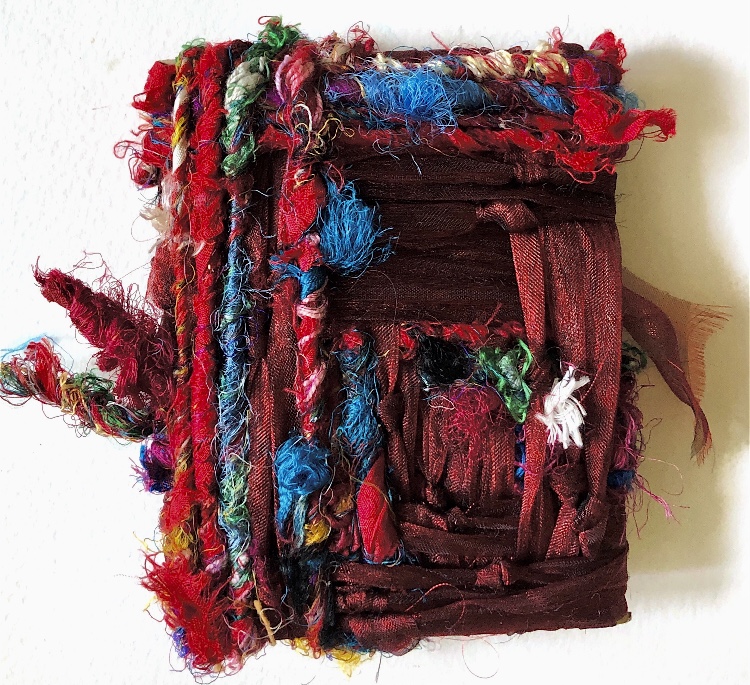
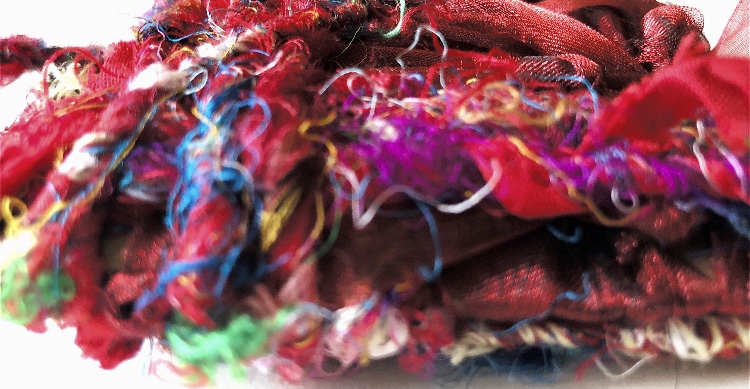
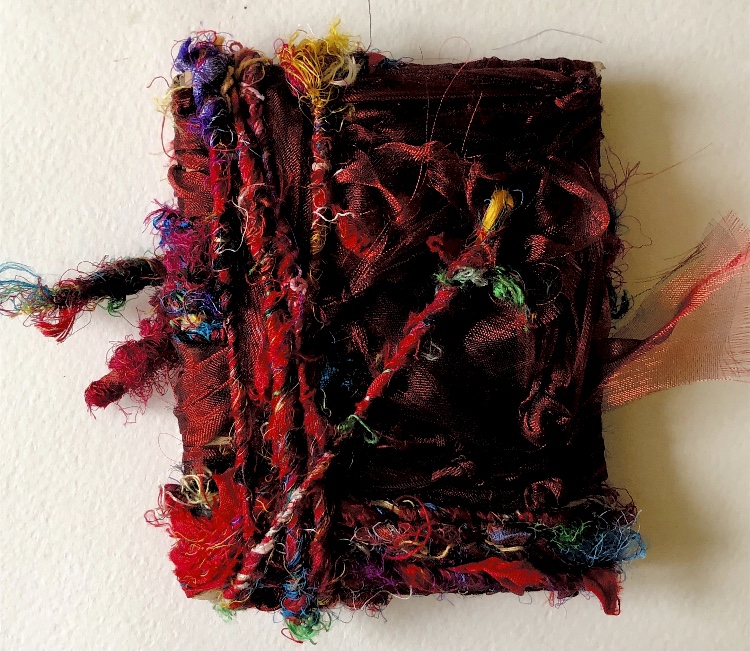
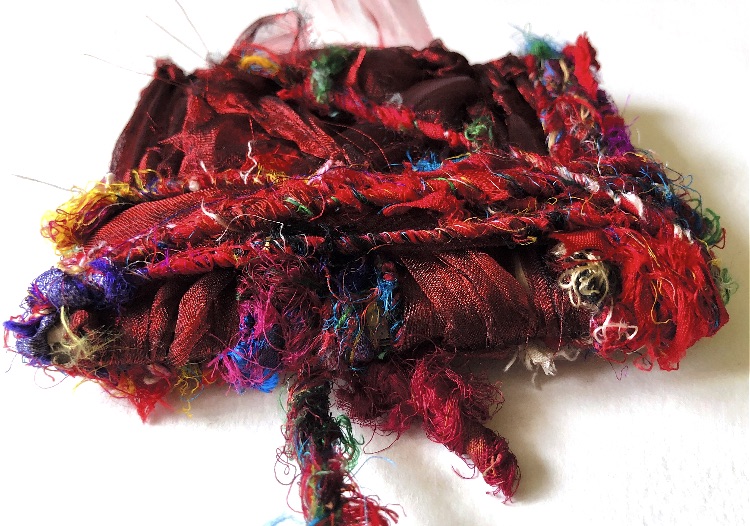
Faux leather tightly tied with sari silk yarn in a pattern – again this is a very tactile and visually exciting sample with the black smooth leather catching the light, contrasting with the multi-coloured, hairy, soft rough yarn. This piece makes me want to hold it with my eyes shut to feel every surface.

Sample 8

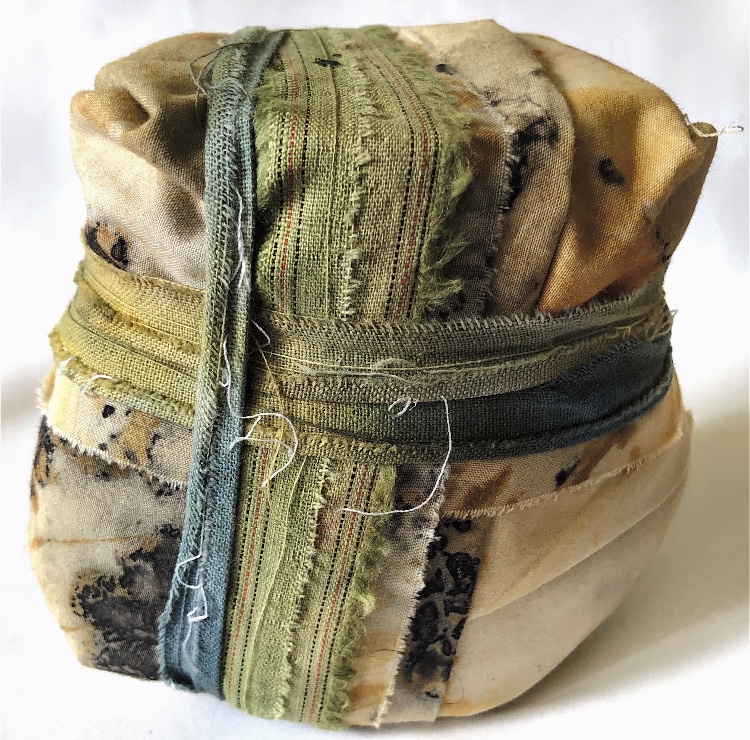
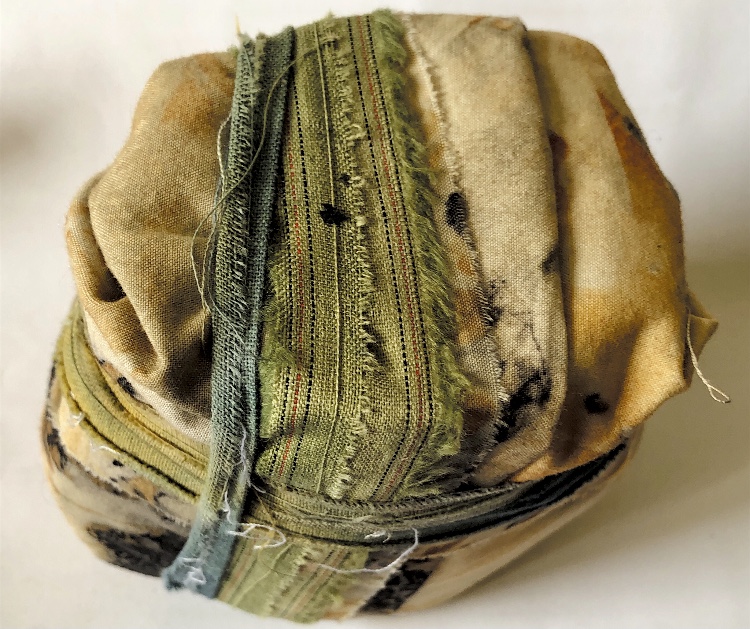
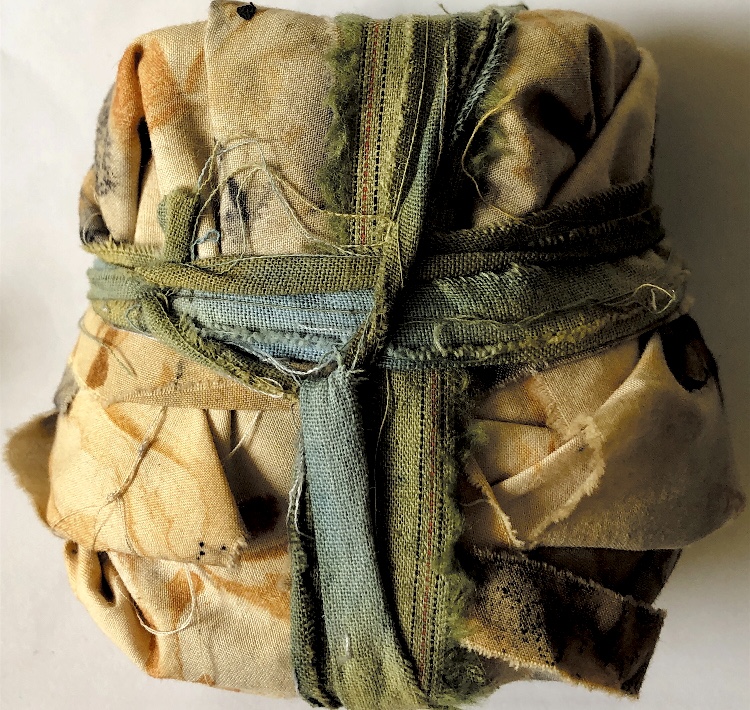
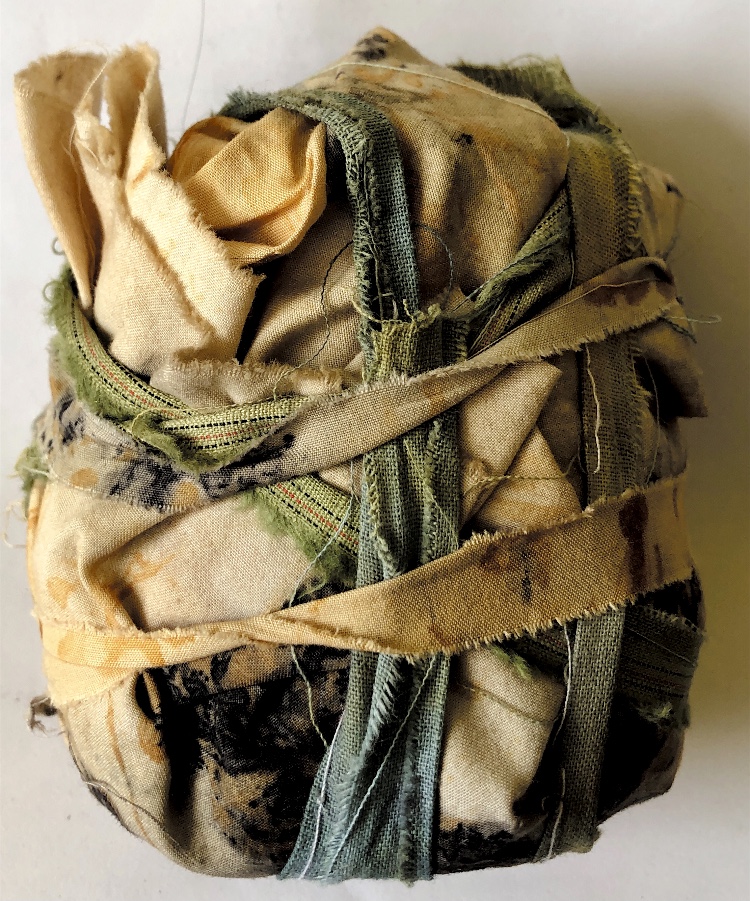
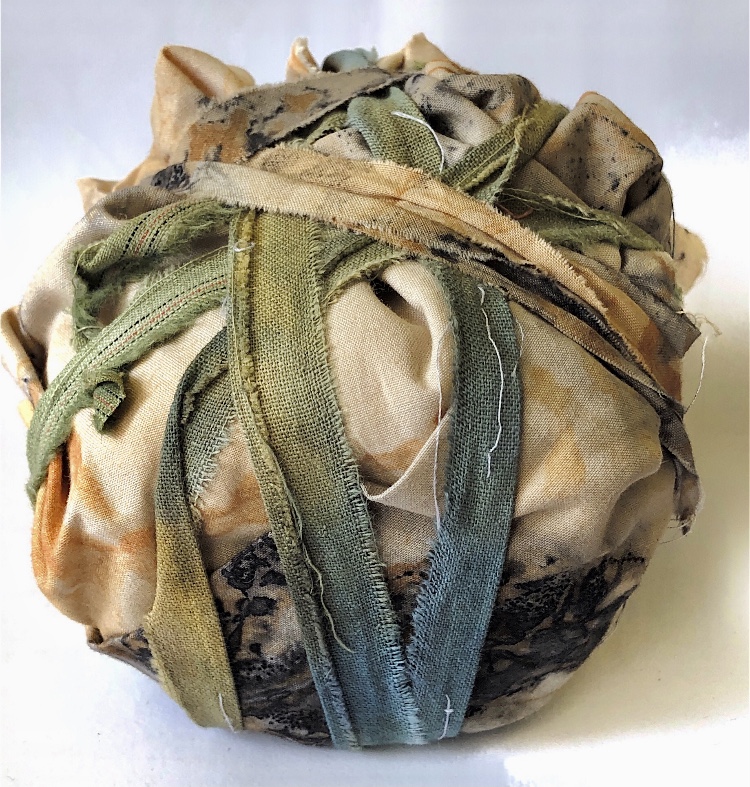
The natural fabric simply folded and wrapped, criss crossed with ripped natural cotton creates a pattern reminiscent of the wrapped mummies in my research. The roughness of the fabric ties would get more pronounced with age and handling.

Sample 9

Here I used the same fabric and ties but wrapped very loosely to create a more organic shape.

Sample 10

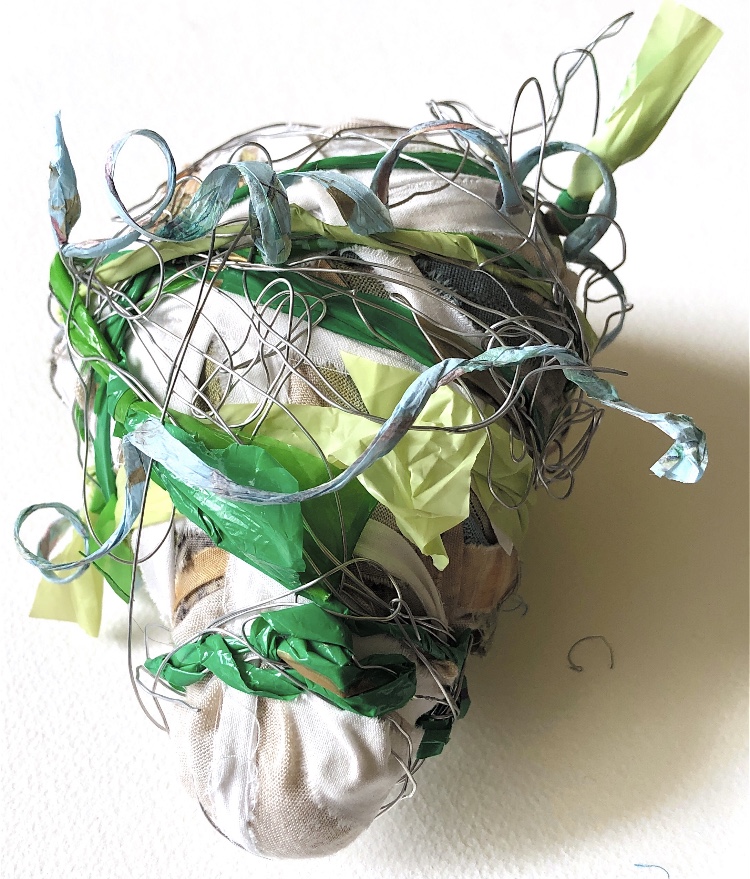
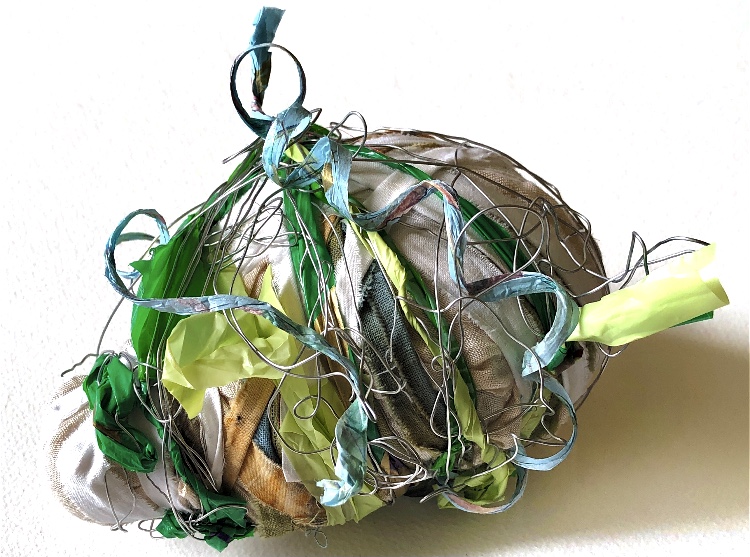
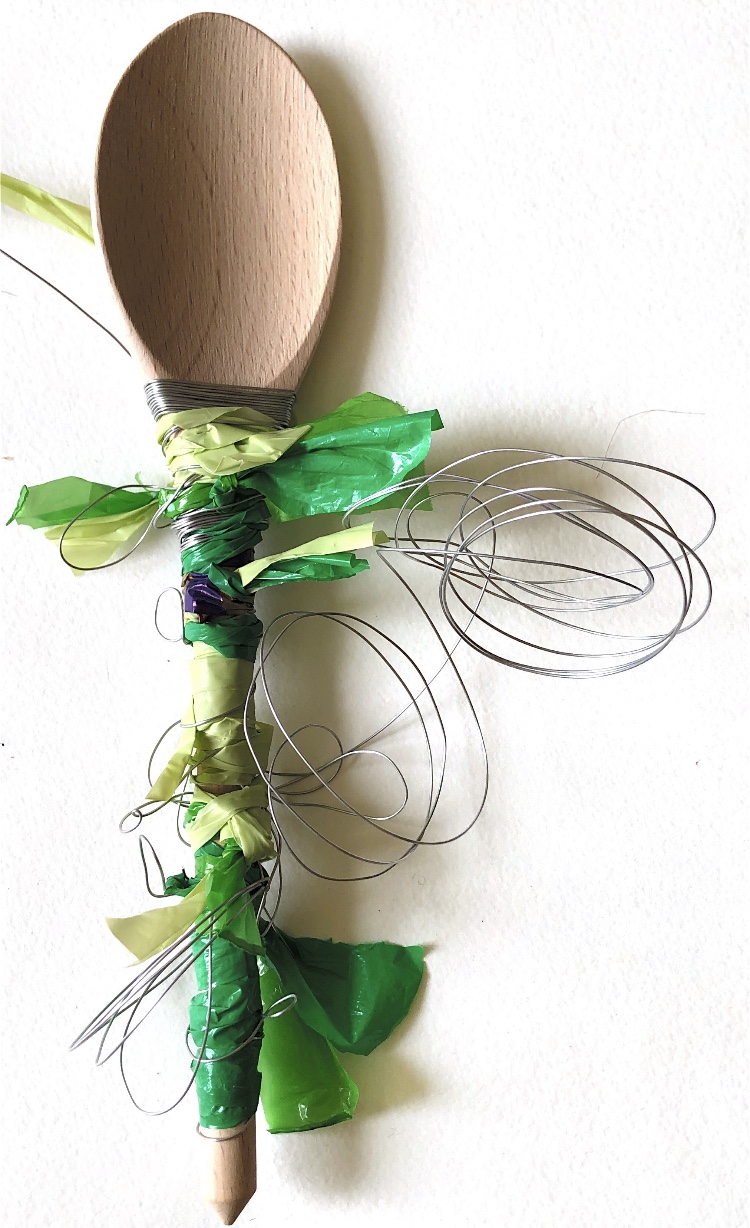
I had a sample from Exercise one that had been removed from the wooden spoon which I really wanted to use again. The natural fabric contrasts with the man made plastic bag and smooth shiny wire wrapped around it to make a sculptural sample.

Sample 11

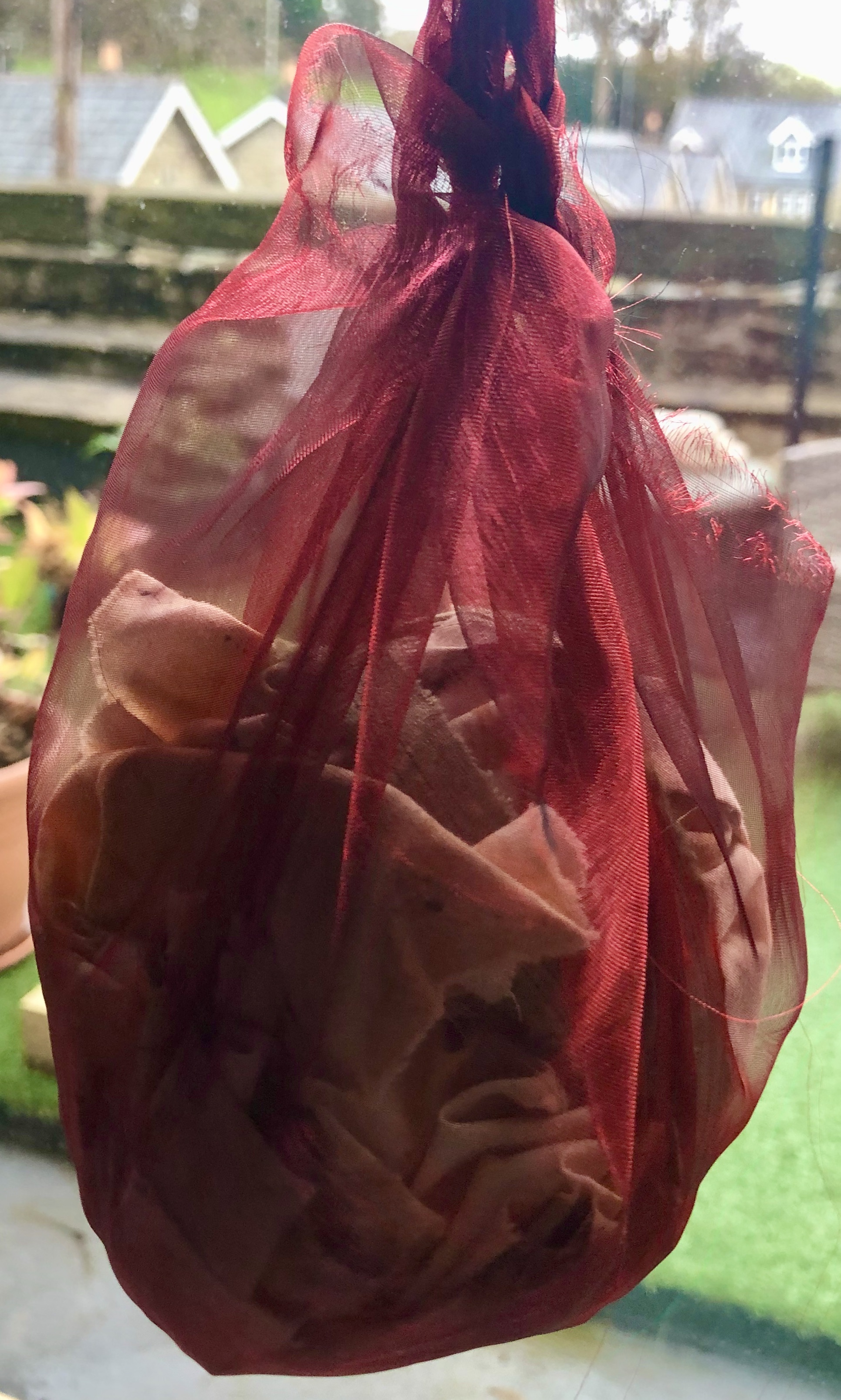
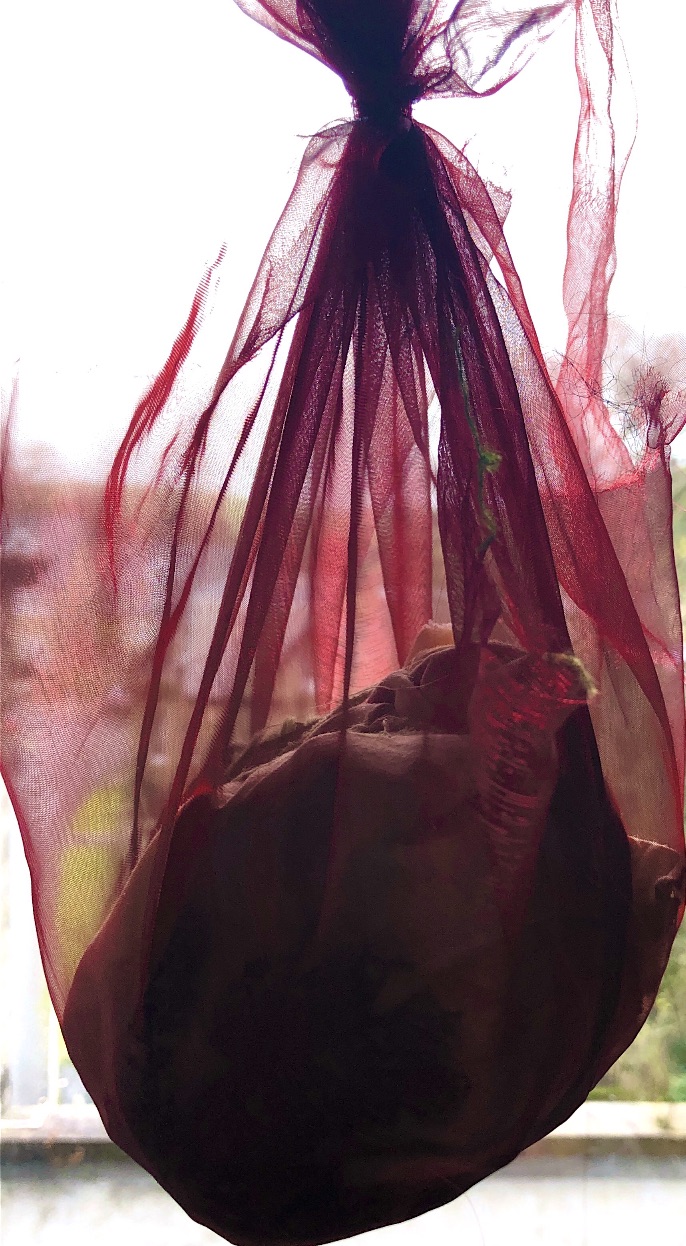
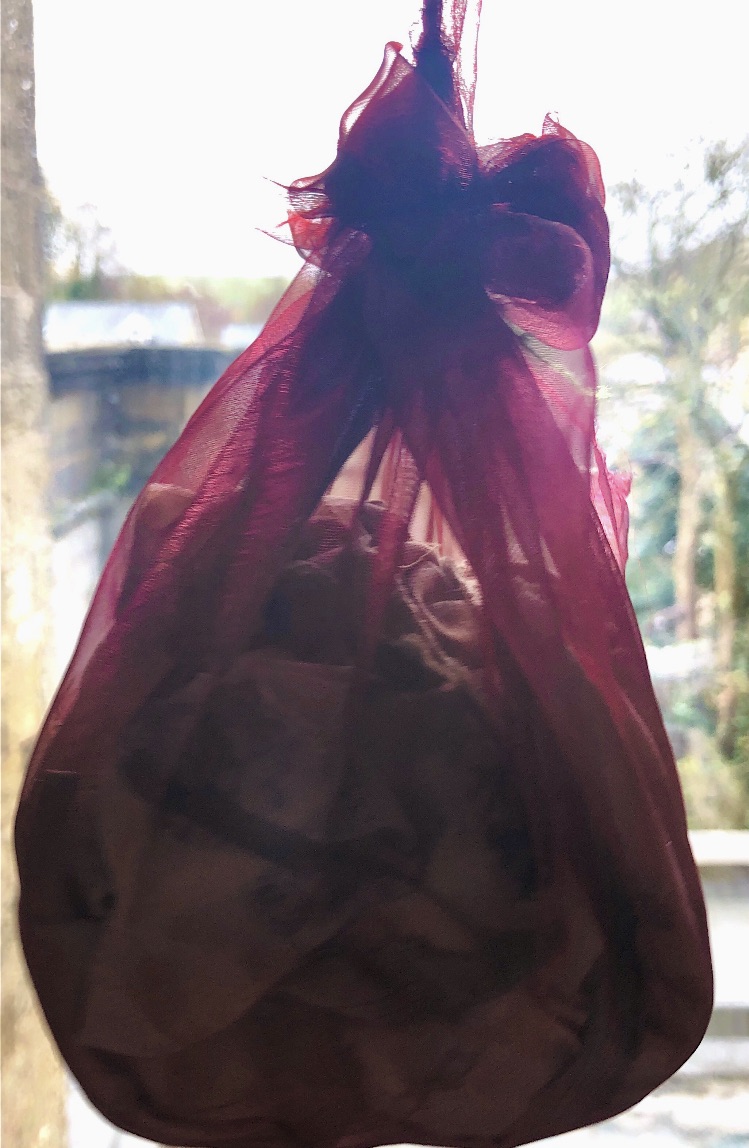
Looking at Christo and Jeanne Claude’s wrapped trees in my research I tried photographing a sample with the light from the window shining through (It is winter so there is not a lot of light!). I think this would work better with something more interesting to view inside – clearly that is why the trees worked so well!

Sample 12

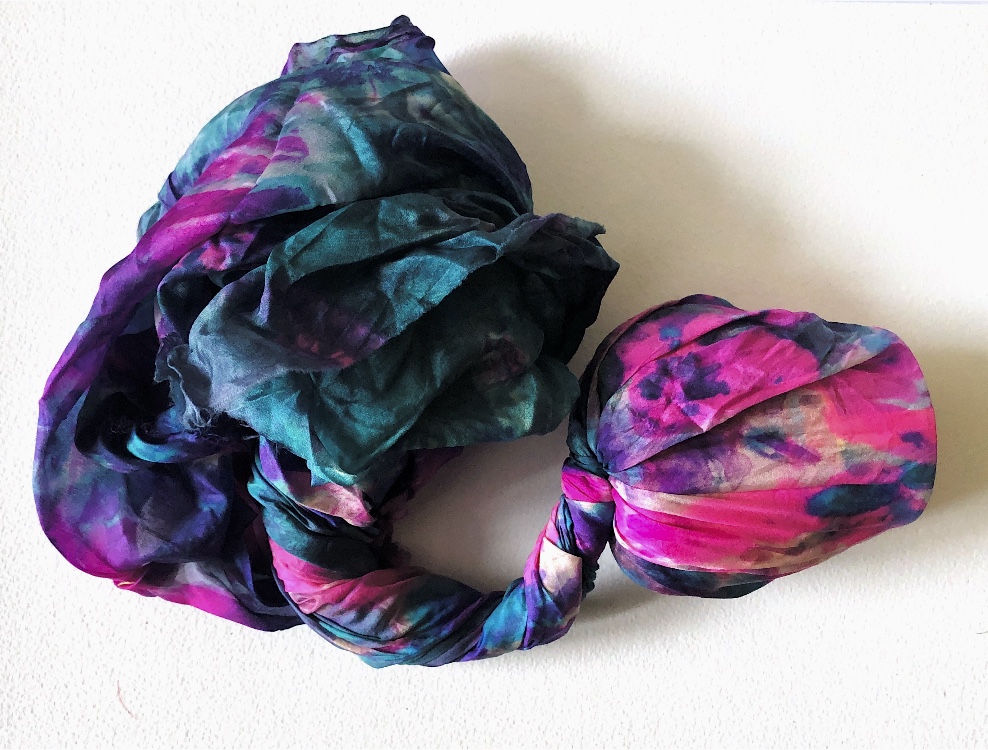
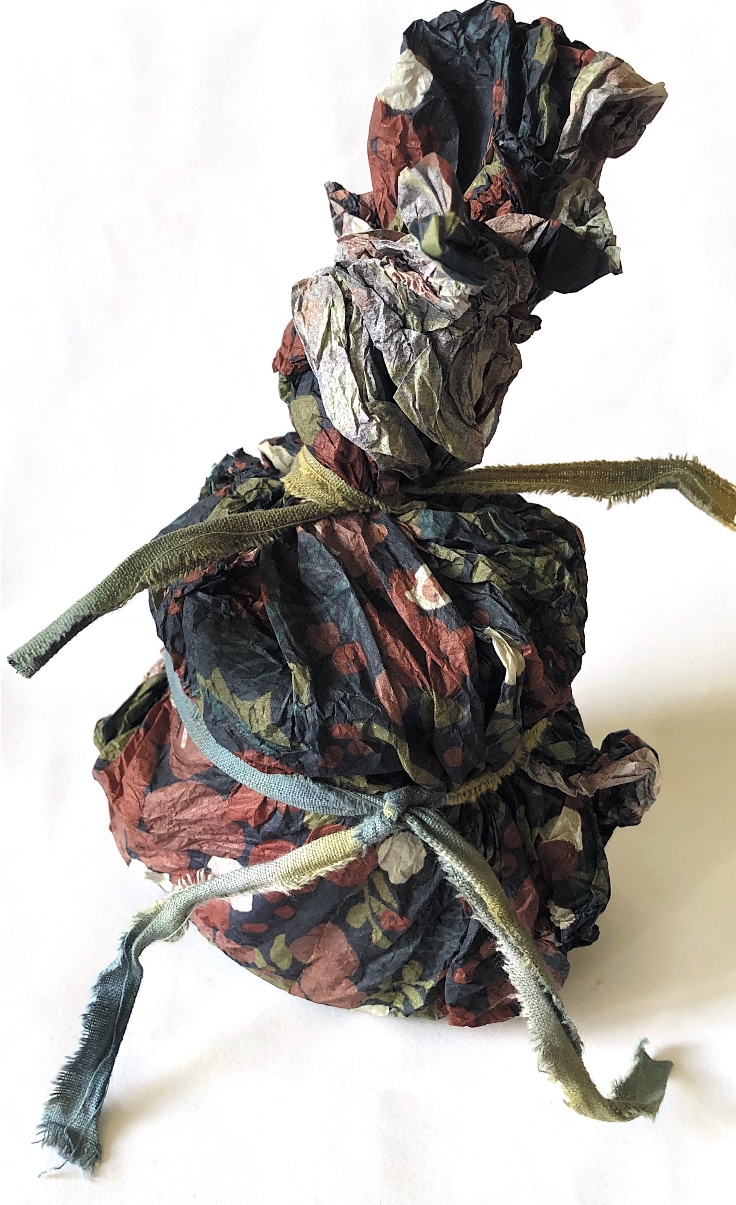
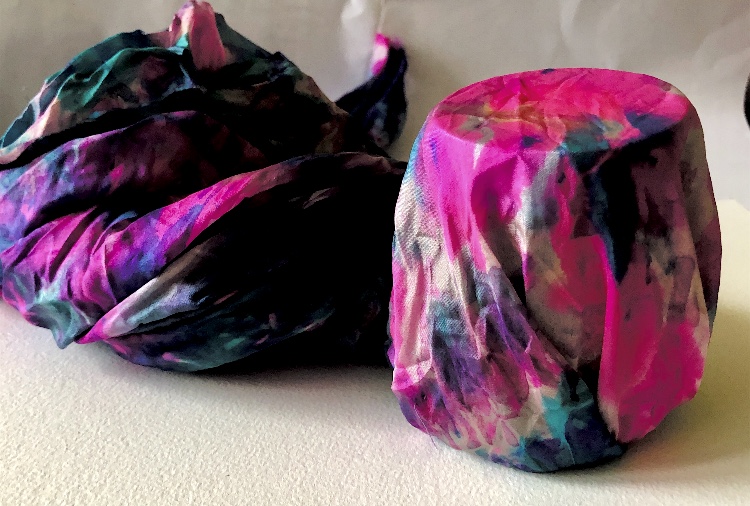
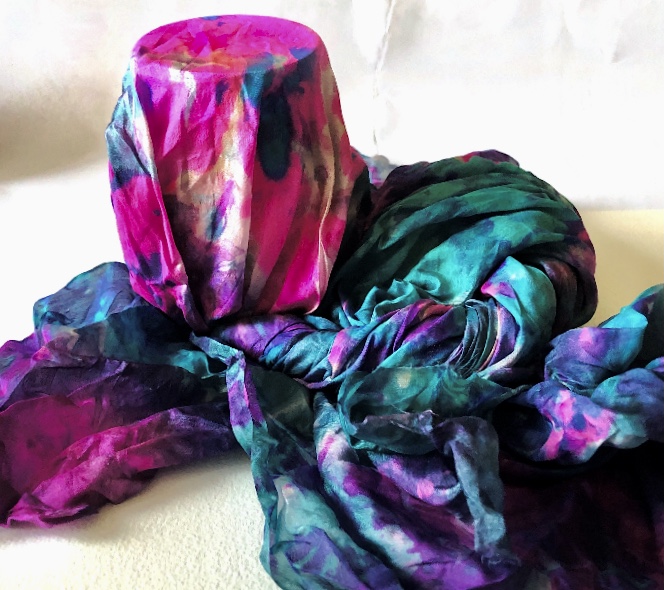
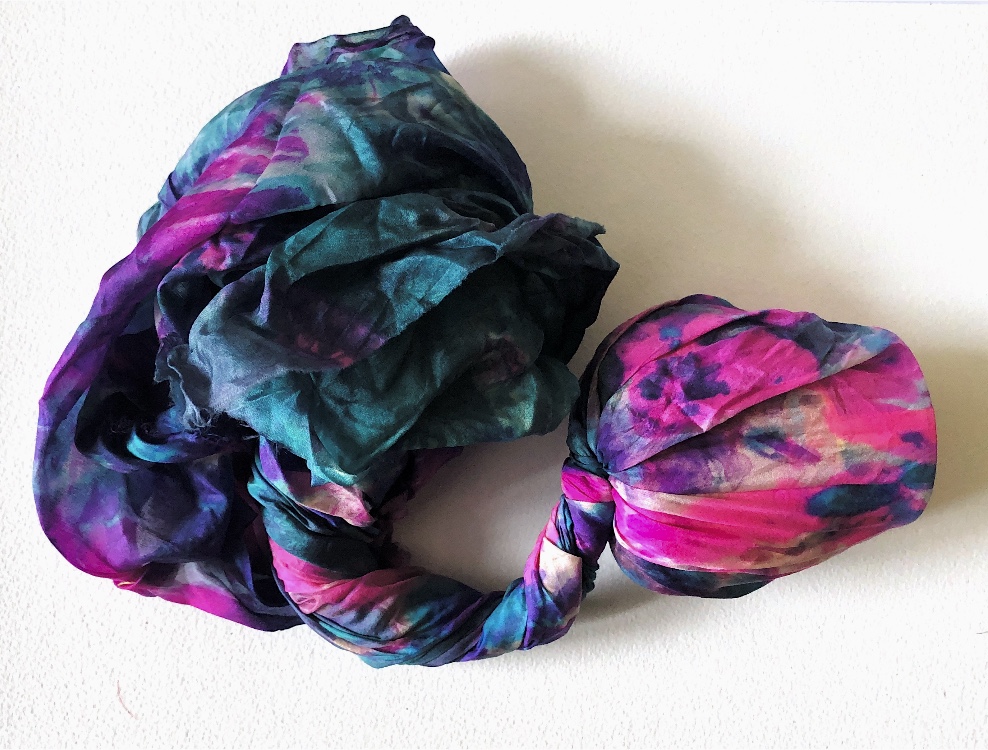
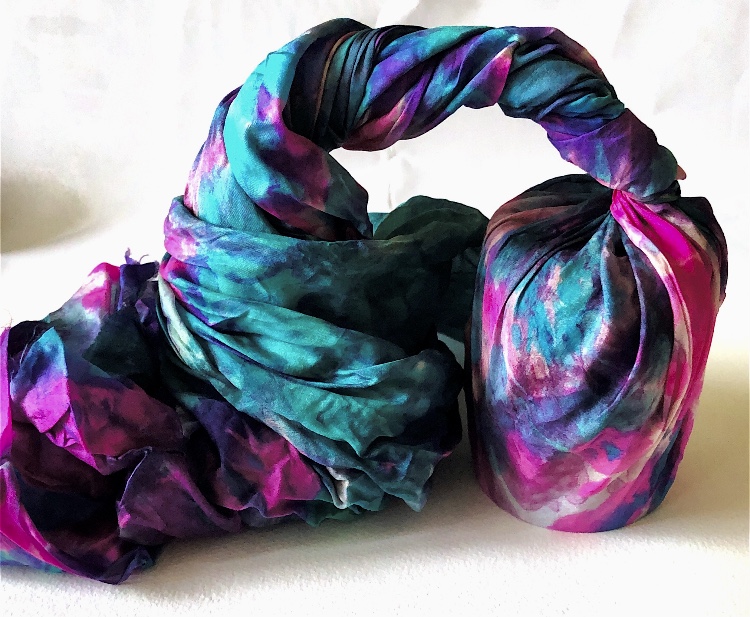
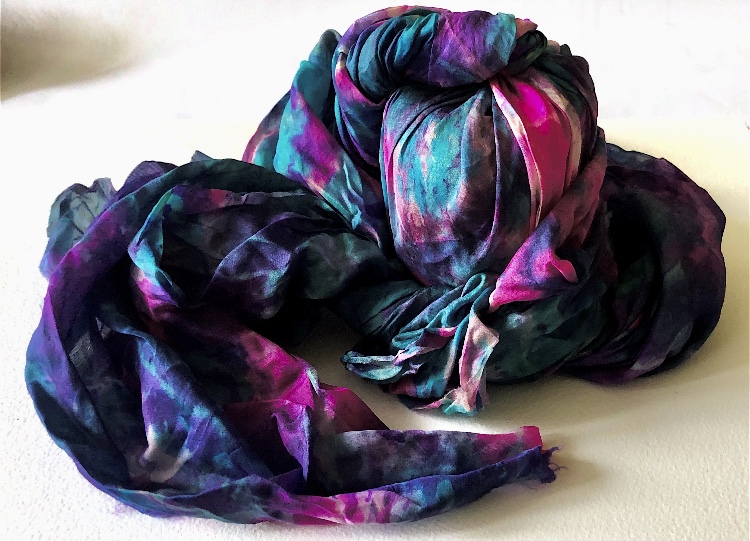
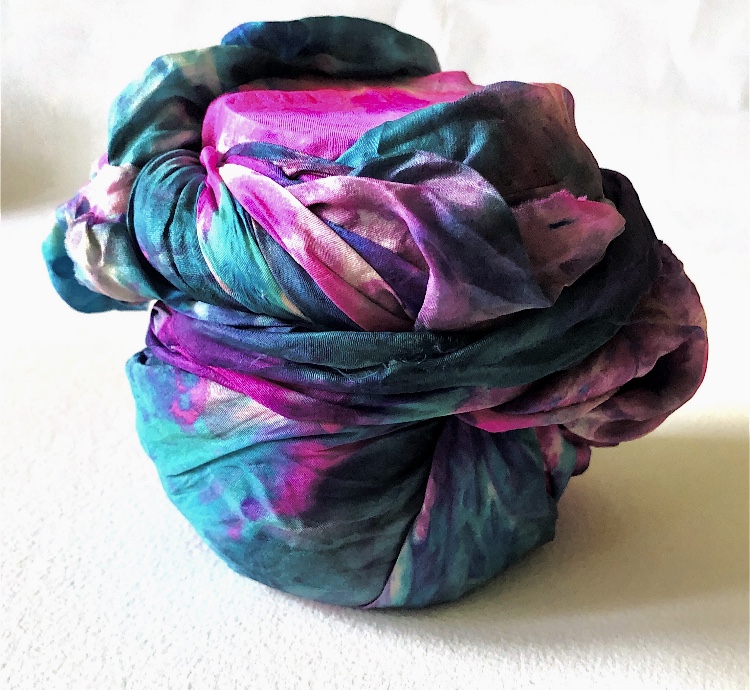
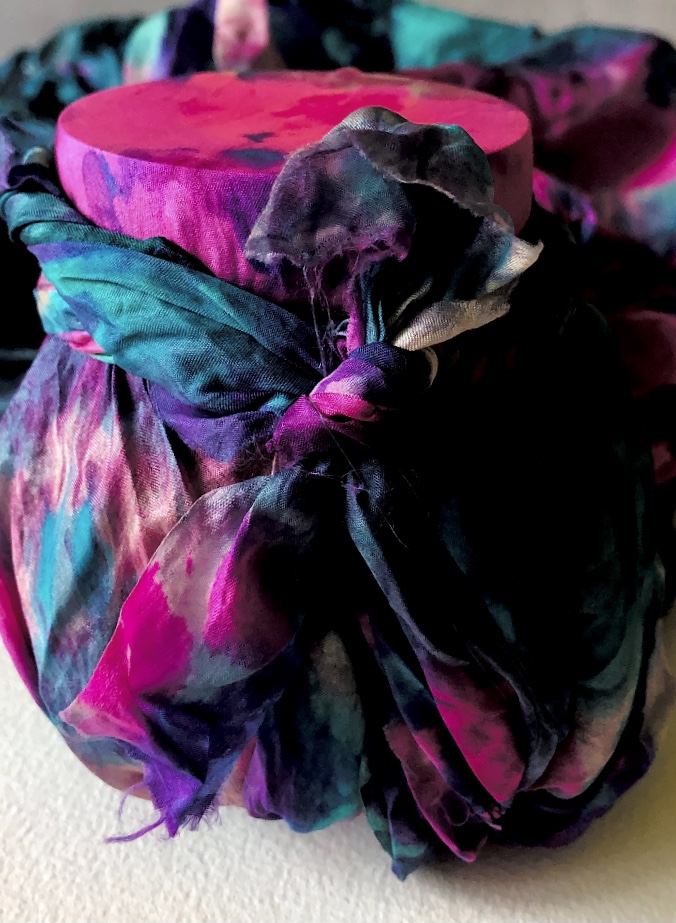
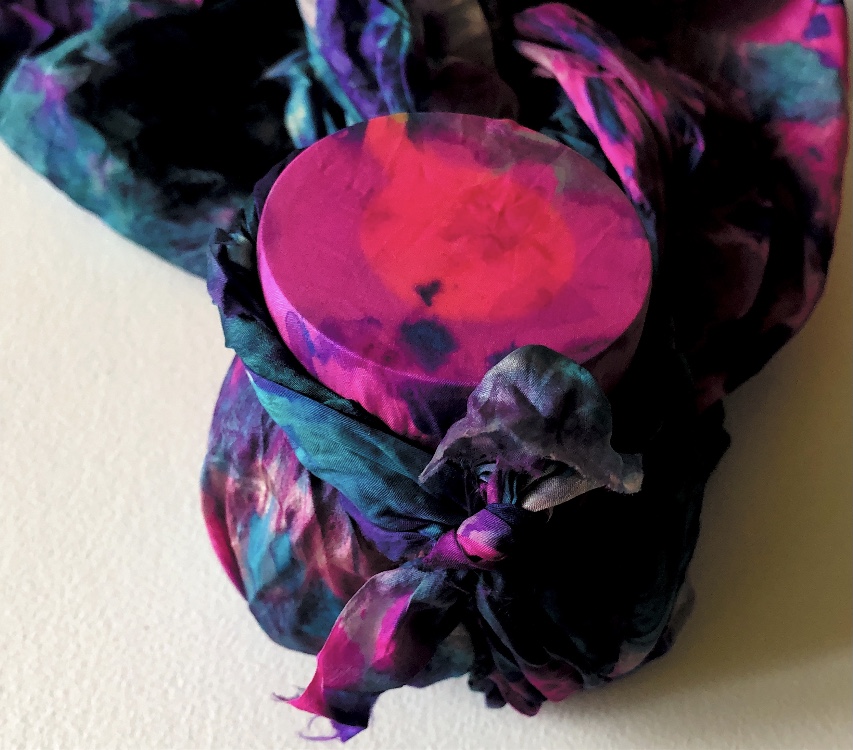
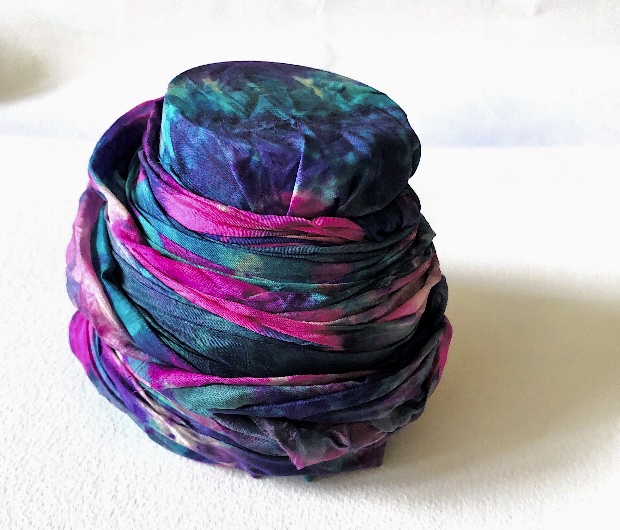
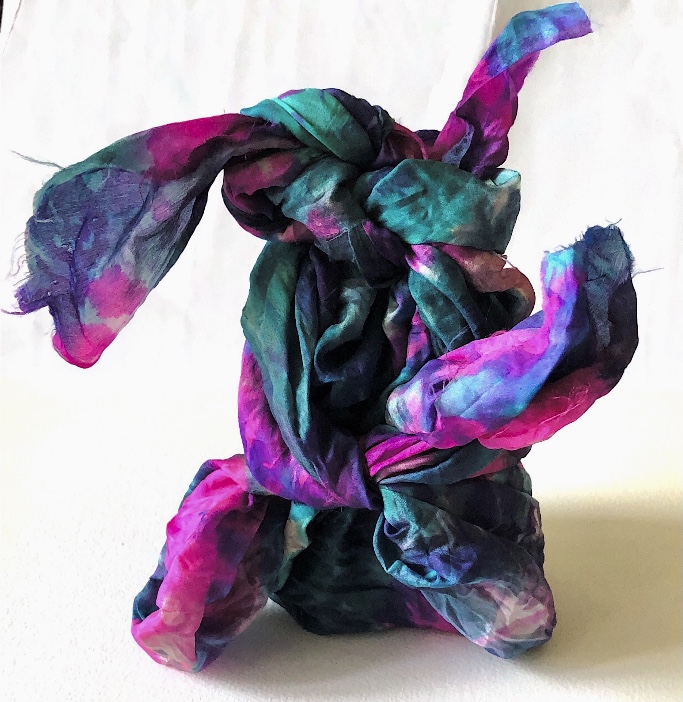
Referring back to my research and the process of Furoshiki, I used a square of tie dyed silk to wrap the jar. These samples are very sculptural, – the wrapped jar shape appearing bold and heavy against the unused soft, light, silk fabric around the base. Some of the samples look like a strange flower on a stalk, while others are reminiscent of wrapped turbans.

I have really enjoyed this exercise, wrapping something with weight such as this jar creates samples that need to be felt and held to fully appreciate their beauty and fascination.

Textiles 1 Mixed media for Textiles Part 2 Joining and wrapping Project 2 Wrapping

Exercise 1 Straight wrapping with threads

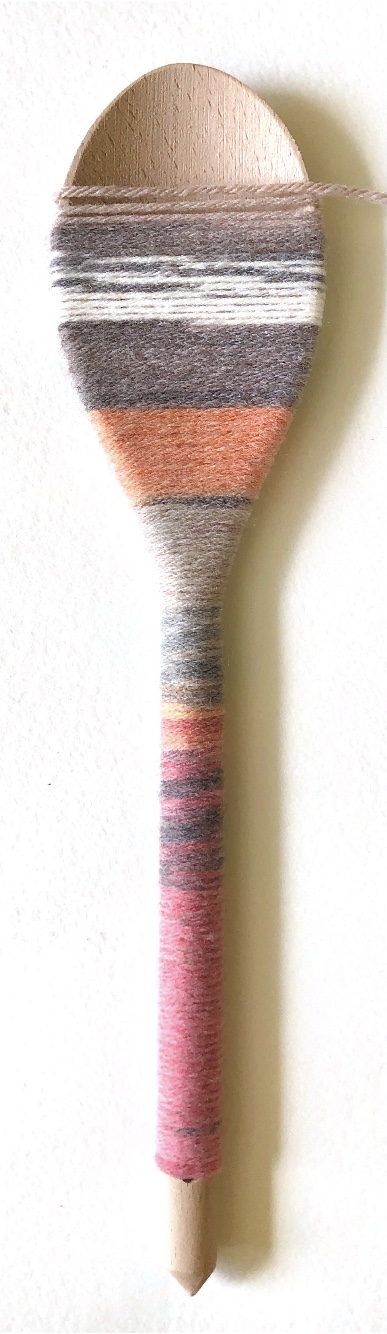
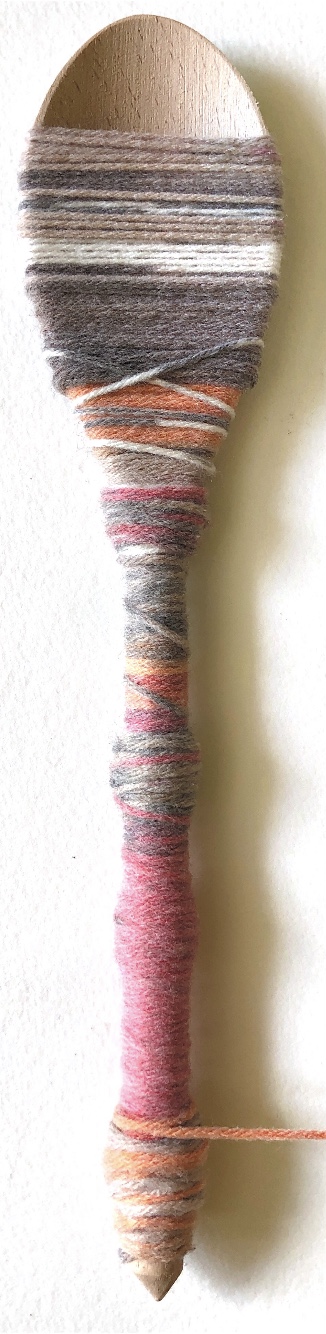
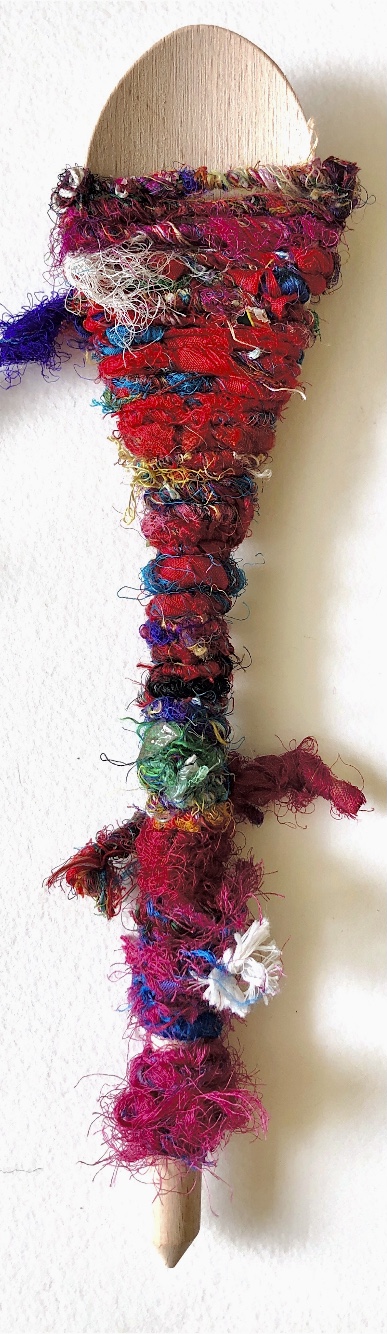
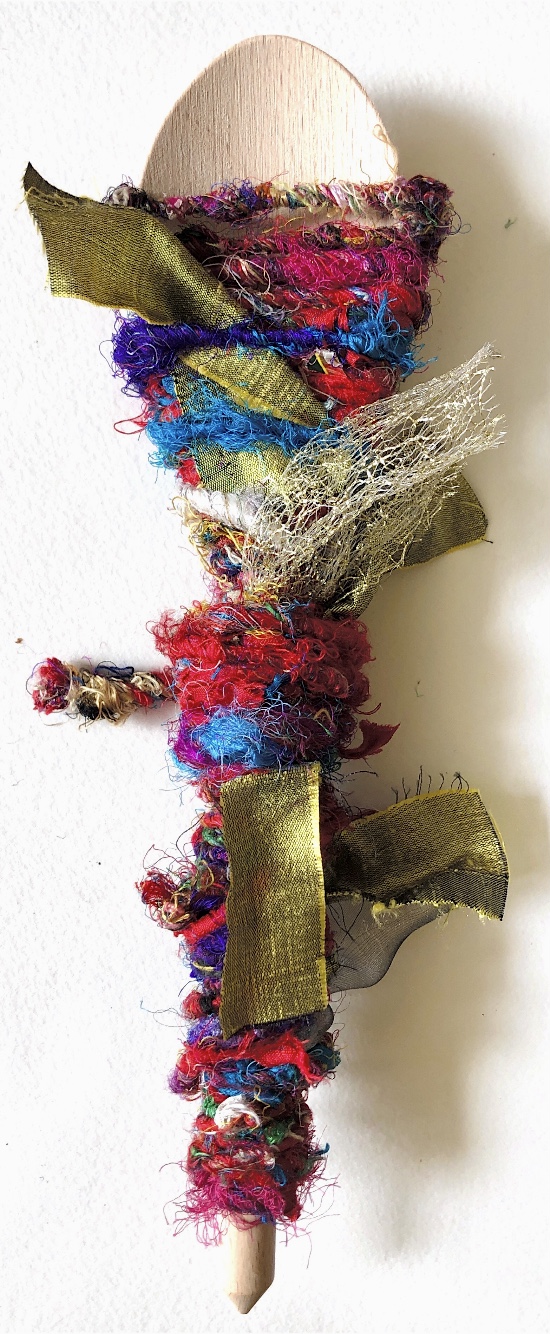
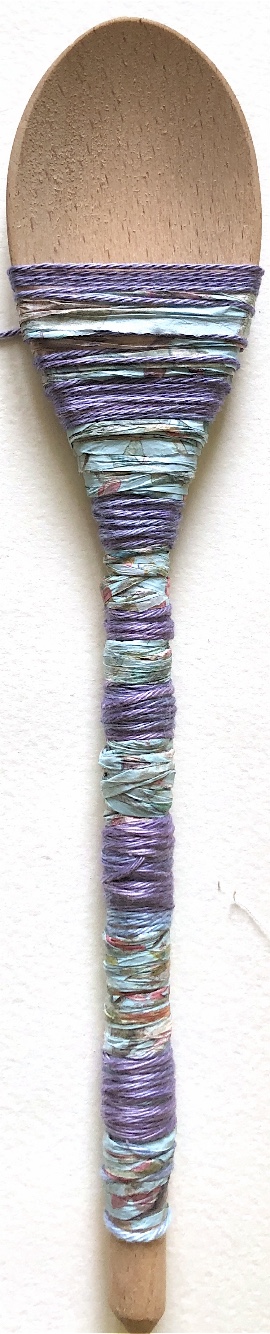
Item wrapped – wooden spoon

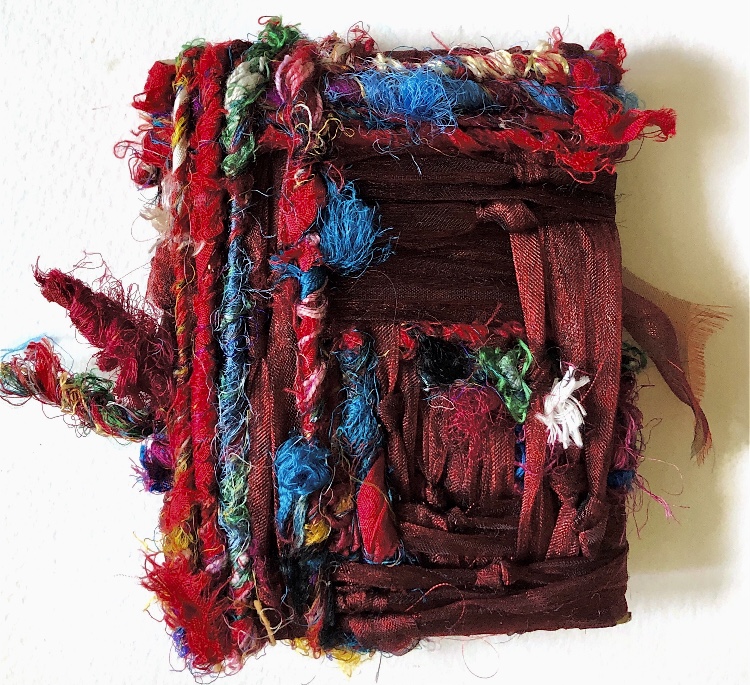
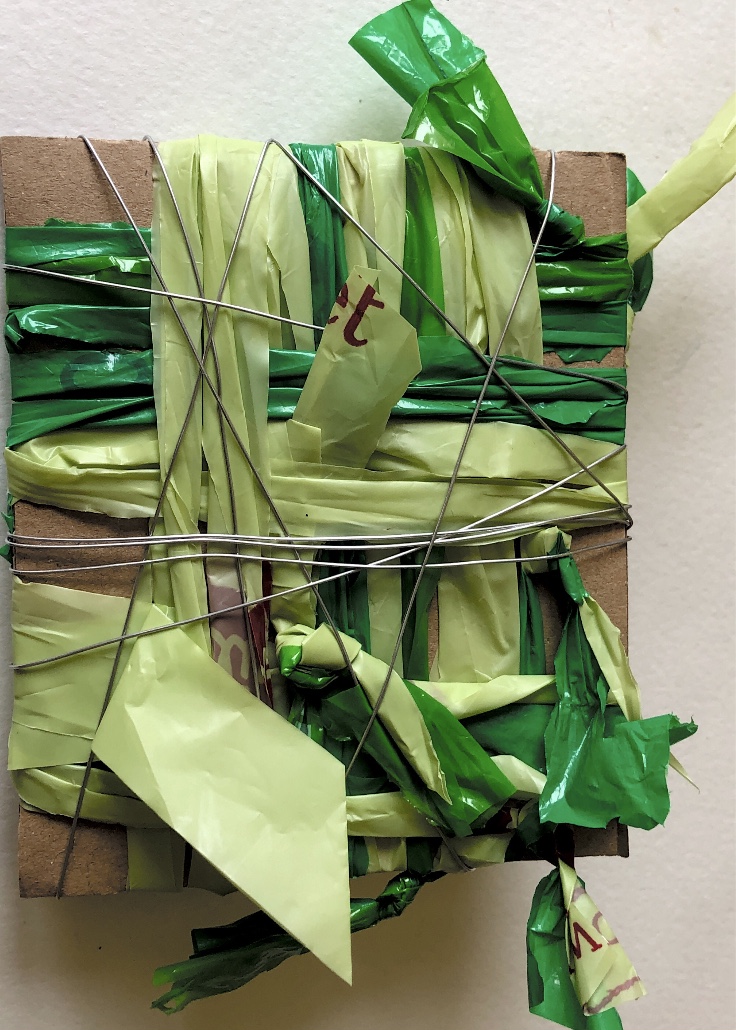
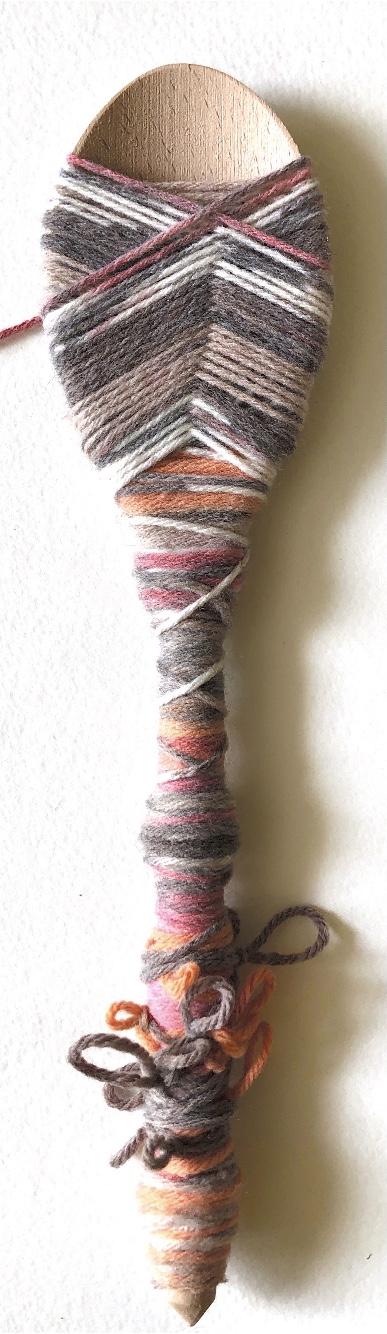
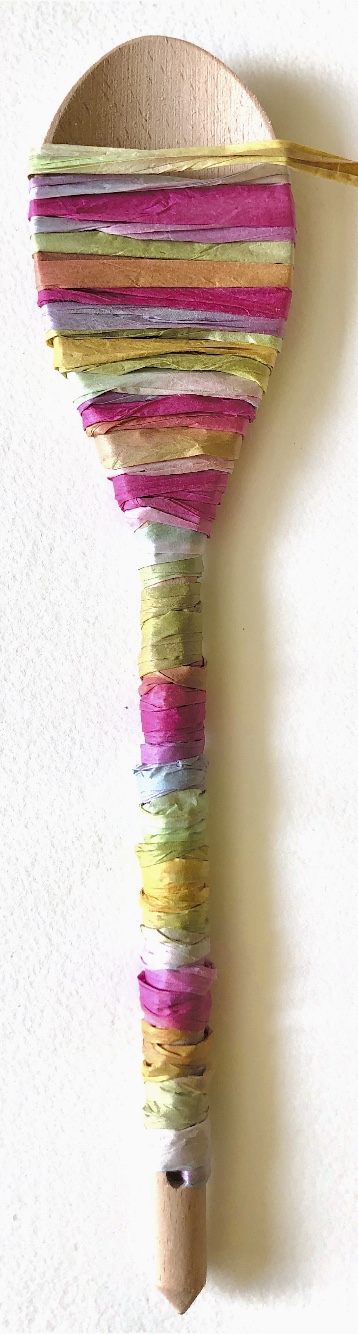
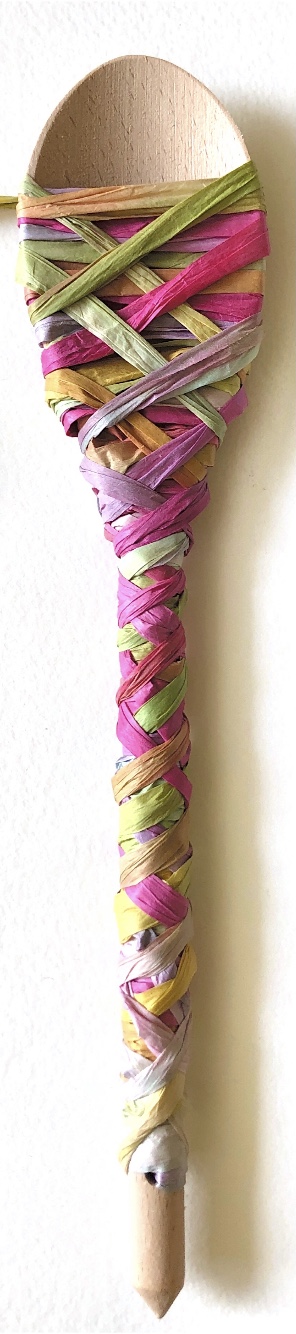
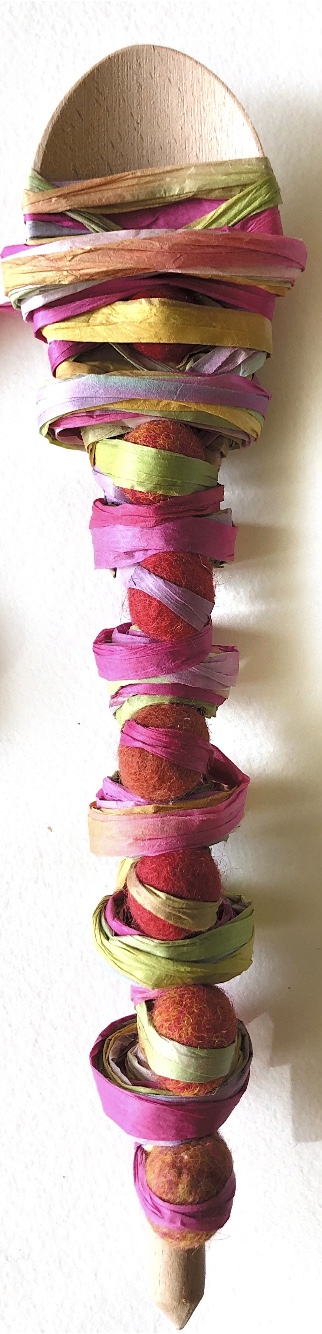
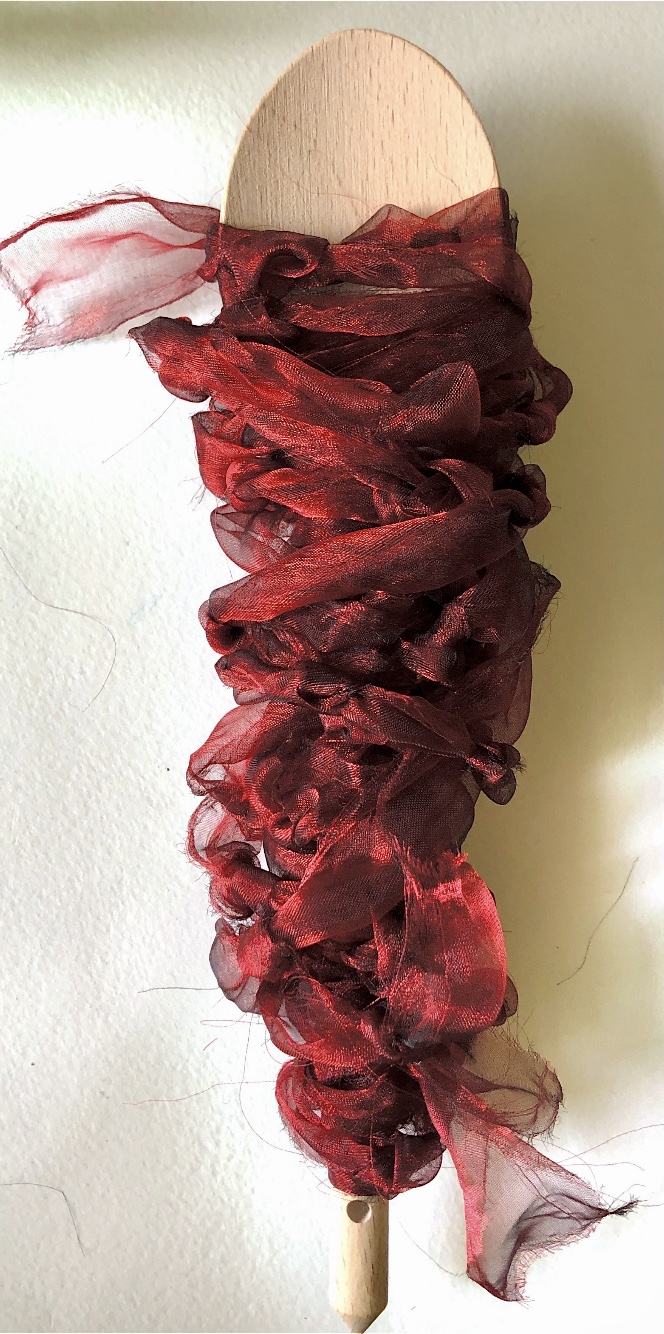
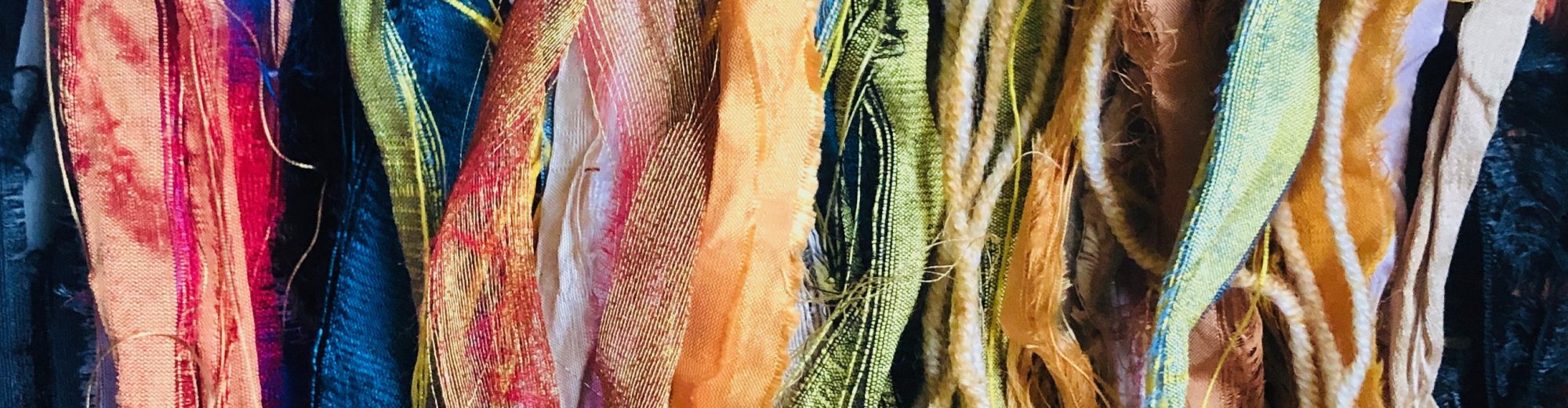
Wrapping materials – knitting yarn, raffia, sari yarn, plastic bags, wire, tissue wrapping paper, organza strips, eco dyed cotton strips

Looking back to my colour wraps from ‘A Textiles Vocabulary’ I can see that I gravitate naturally towards the colour schemes I developed there.

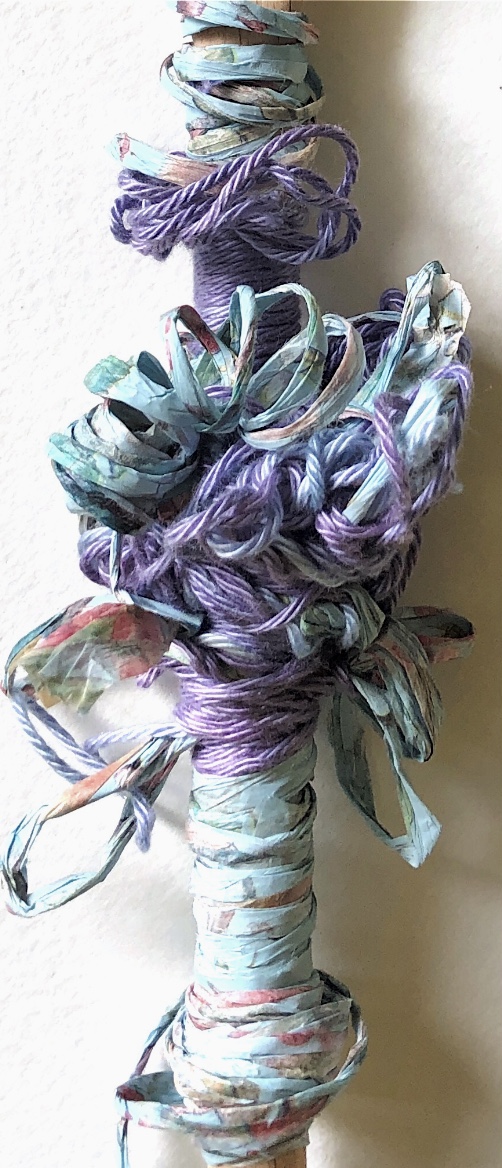
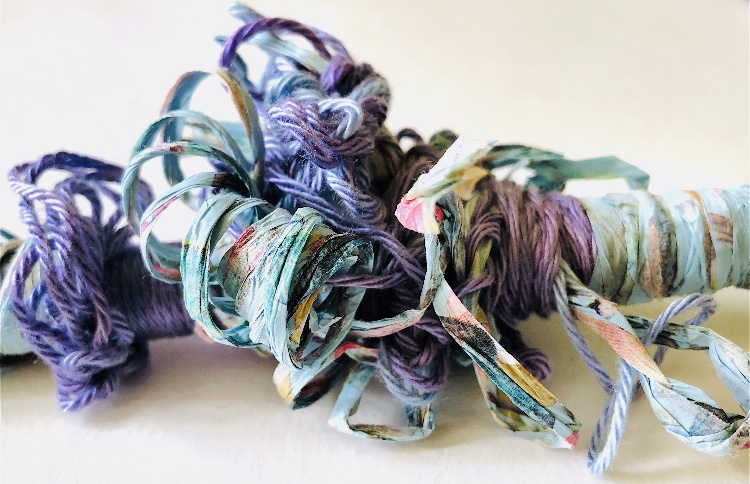
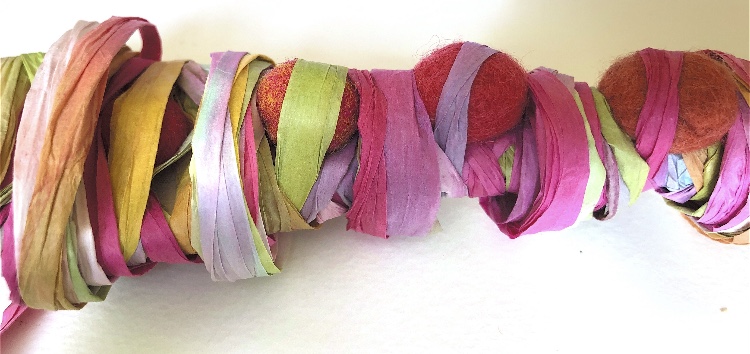
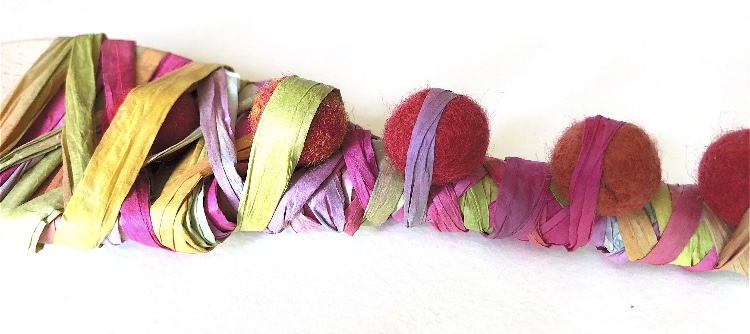
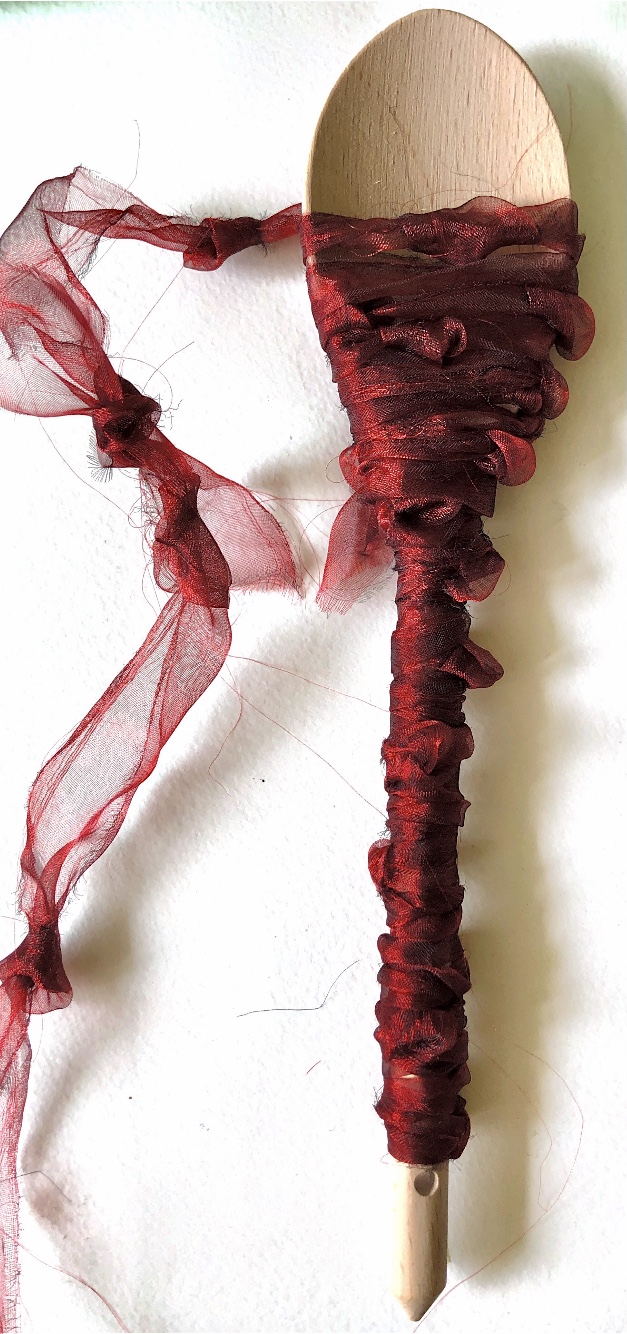
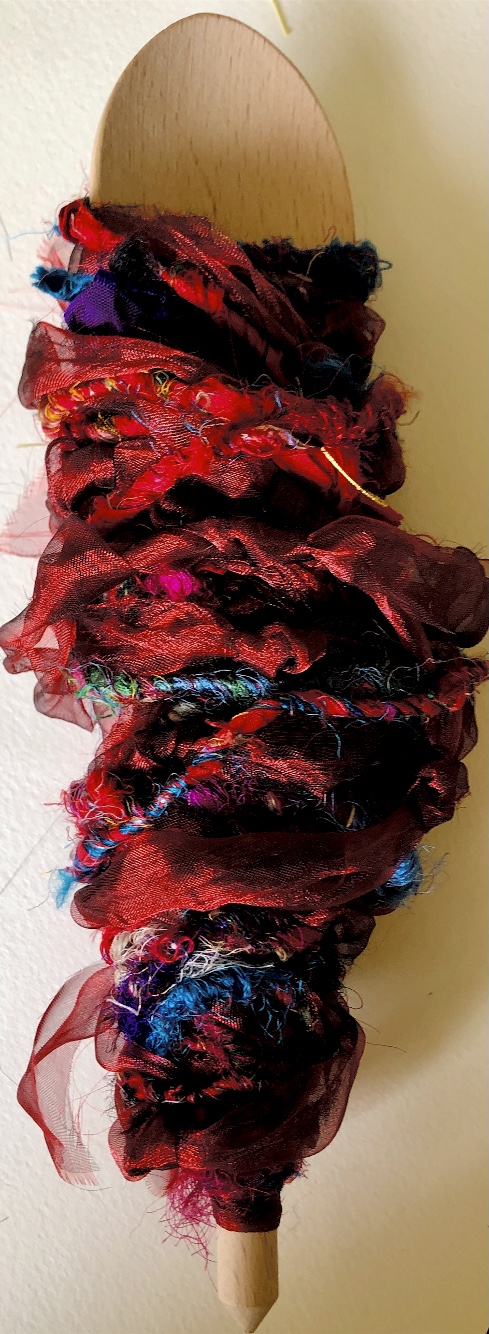
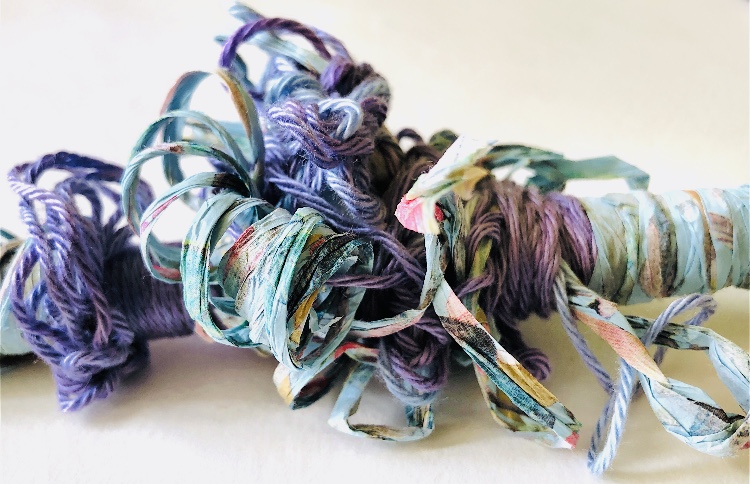
Once I started to experiment with using more than one wrapping material, and using different tensions I found that the materials ‘spoke’ to me and formed a variety of loops and shapes. I then took photos of the materials once I had pulled them from the spoon, and also wrapped them together, making organic, writhing shapes with lots of movement.

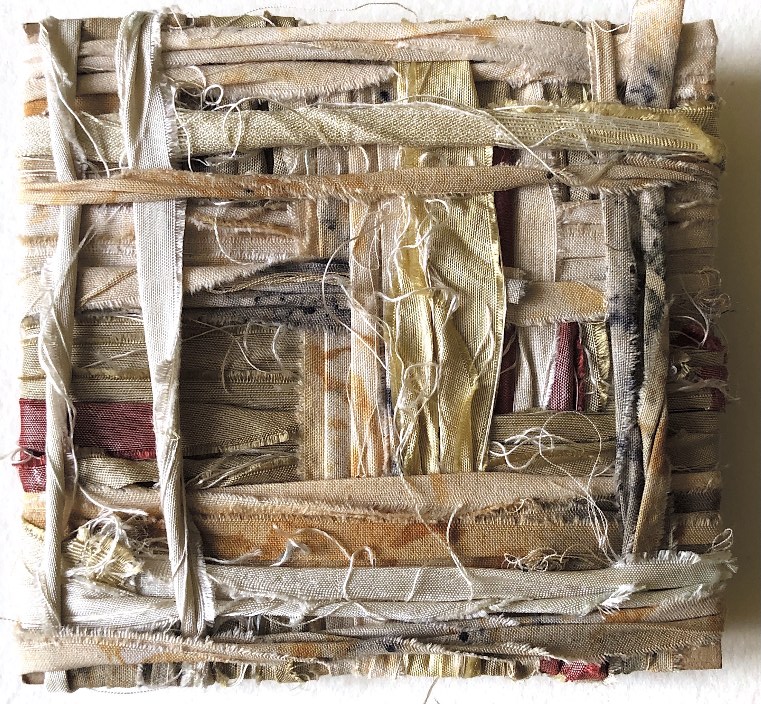
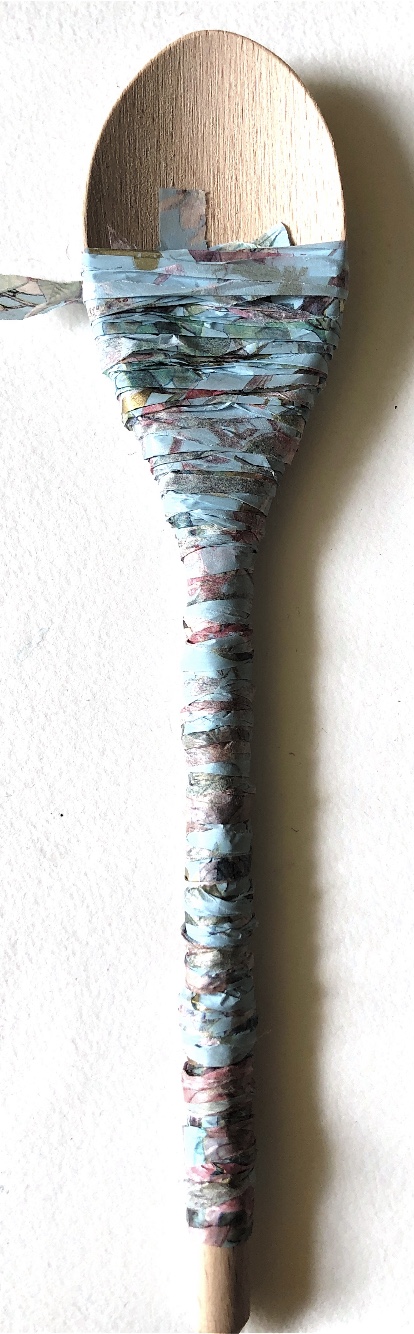
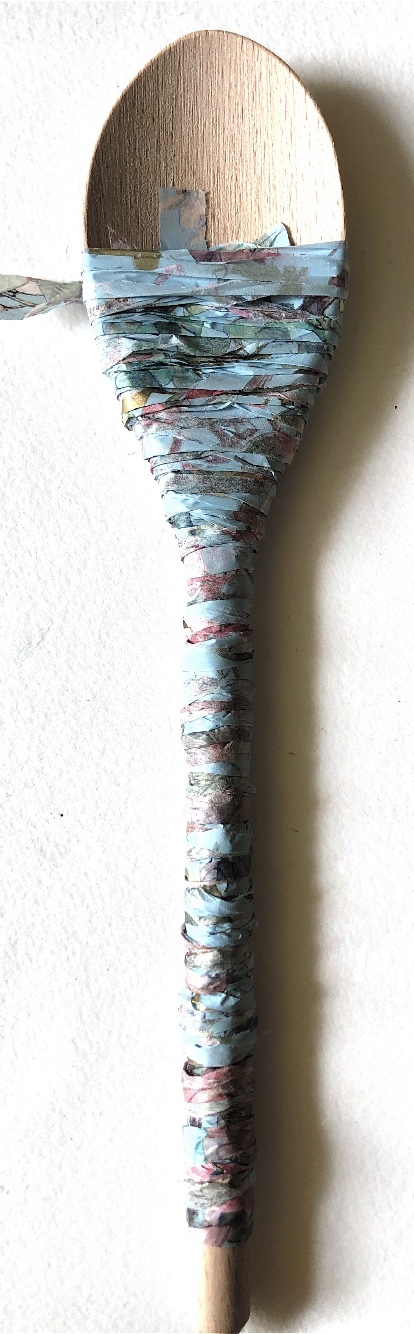
Referring to my research for Joining and wrapping I was inspired by wrapped Egyptian Mummies. I used eco dyed fabric strips and wrapped the spoons tightly in patterns, and also loosely. These techniques need further development – I have thoughts of wrapping different shapes and trapping elements in the cloth.

Using tissue paper and knitting wool was again interesting, especially with a looser approach to the wrapping and also when the spoon was removed, – as the paper kept its corkscrew shape. The different materials work well together especially as the pastel colours create a harmonising effect. The tissue paper was surprisingly strong when torn into strips along the grain.

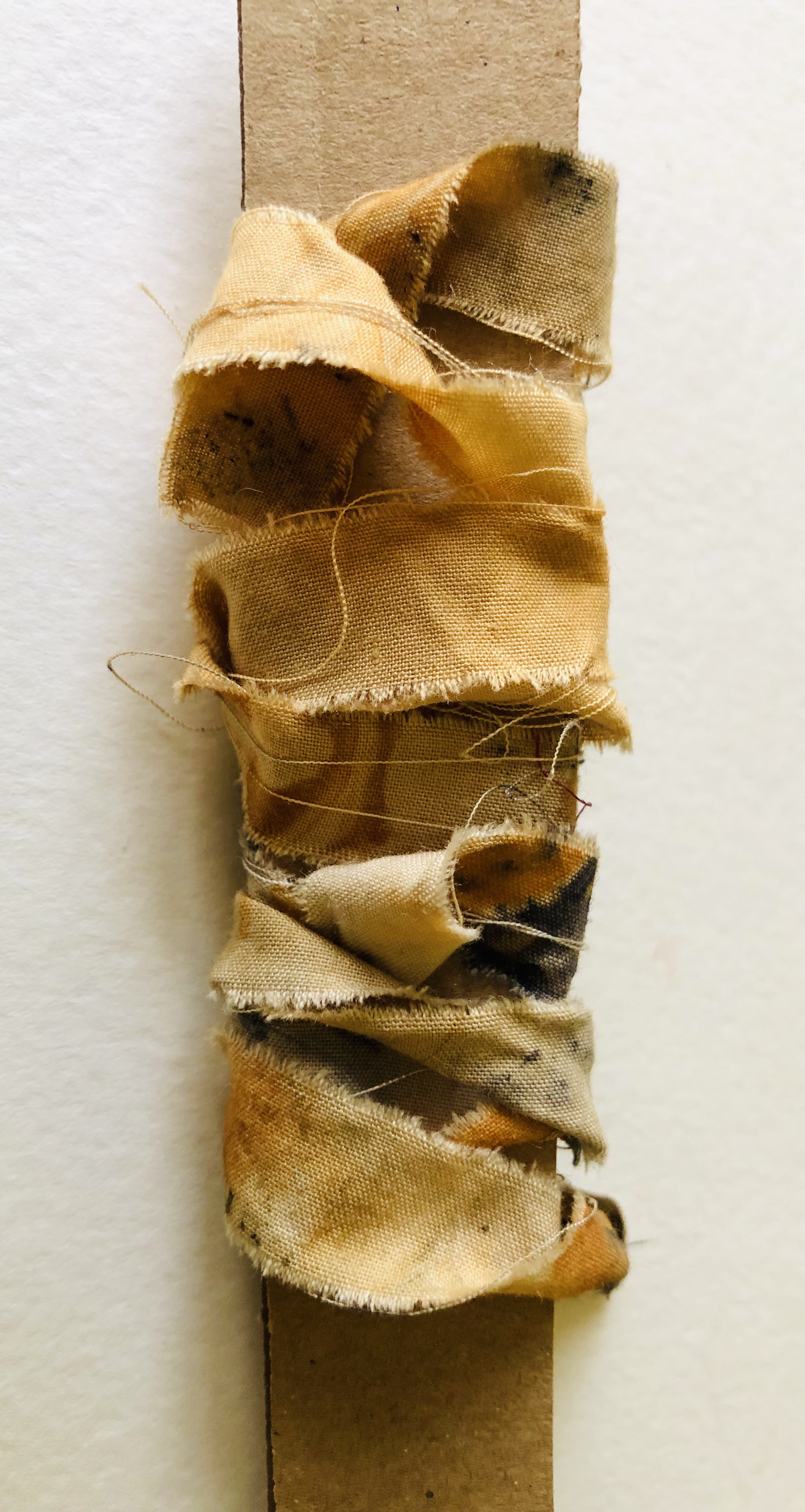
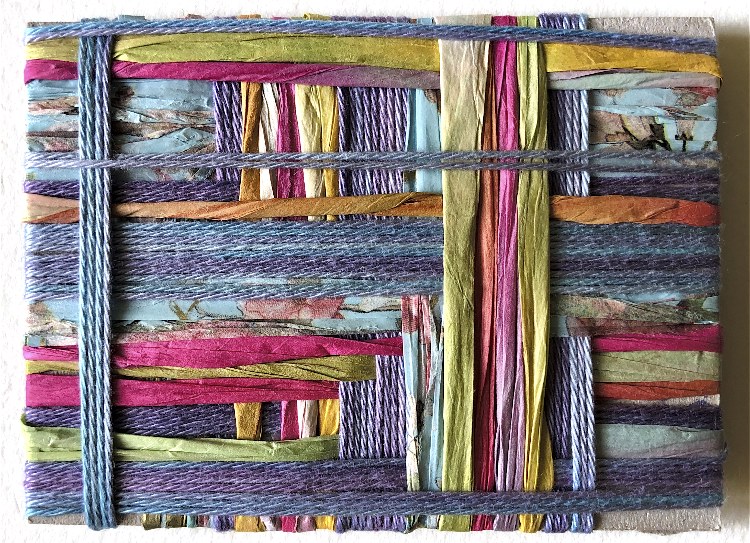
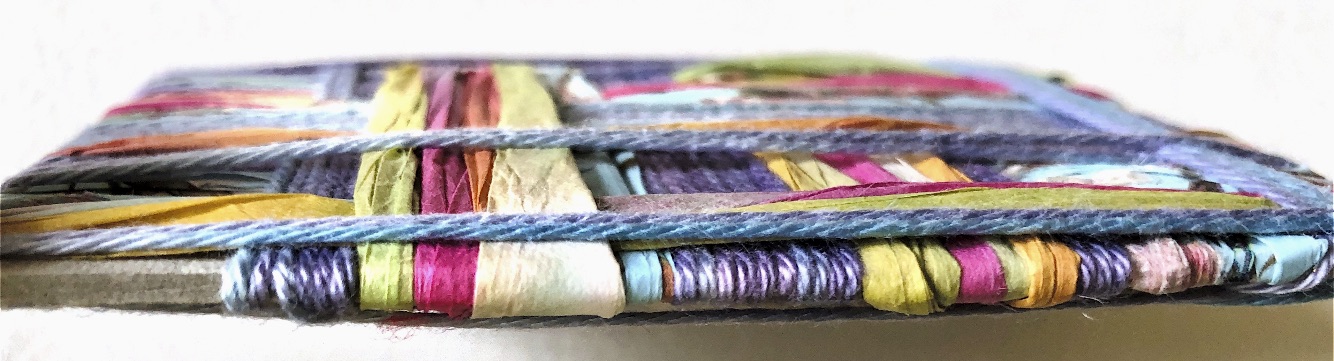
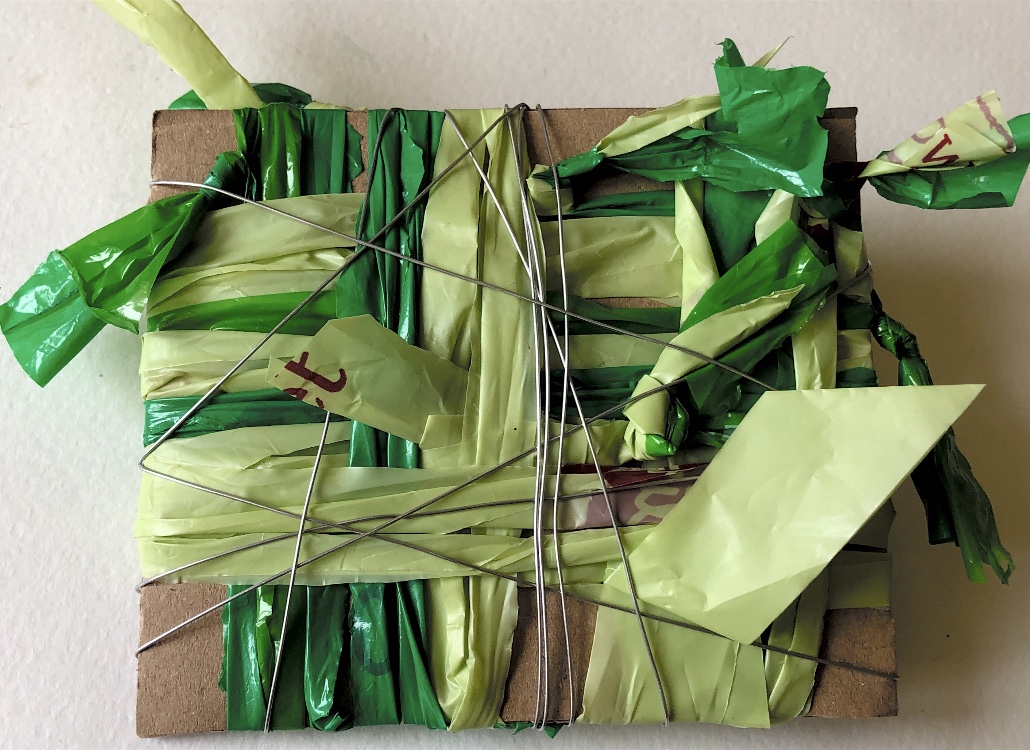
Working on wrapping rectangular pieces of card and using direction and angles to create patterns worked well with a wide variety of materials. Some of the samples have also been photographed from the reverse side.

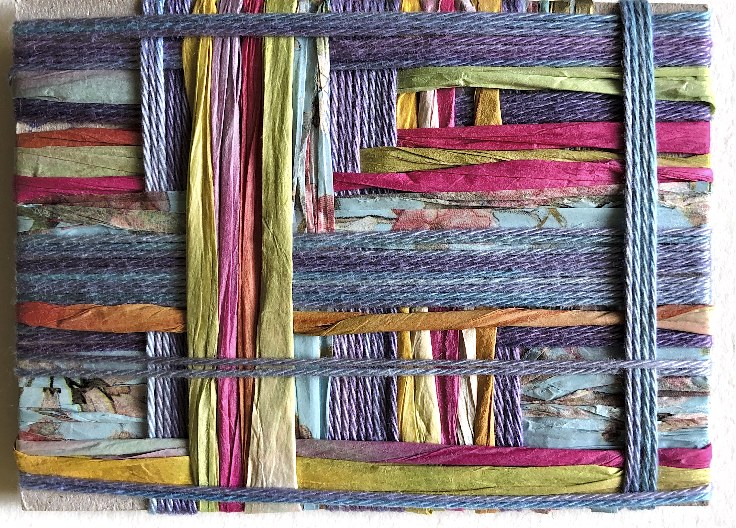
I can see that colour, as well as material and technique, has played a major part in my wrapped samples, and I have chosen to work with a wide range of colours including the subtle shades of the eco dyed cotton.

Textiles 1 Mixed media for textiles Part 2 Joining and wrapping Project 1 Joining

Response to developed samples

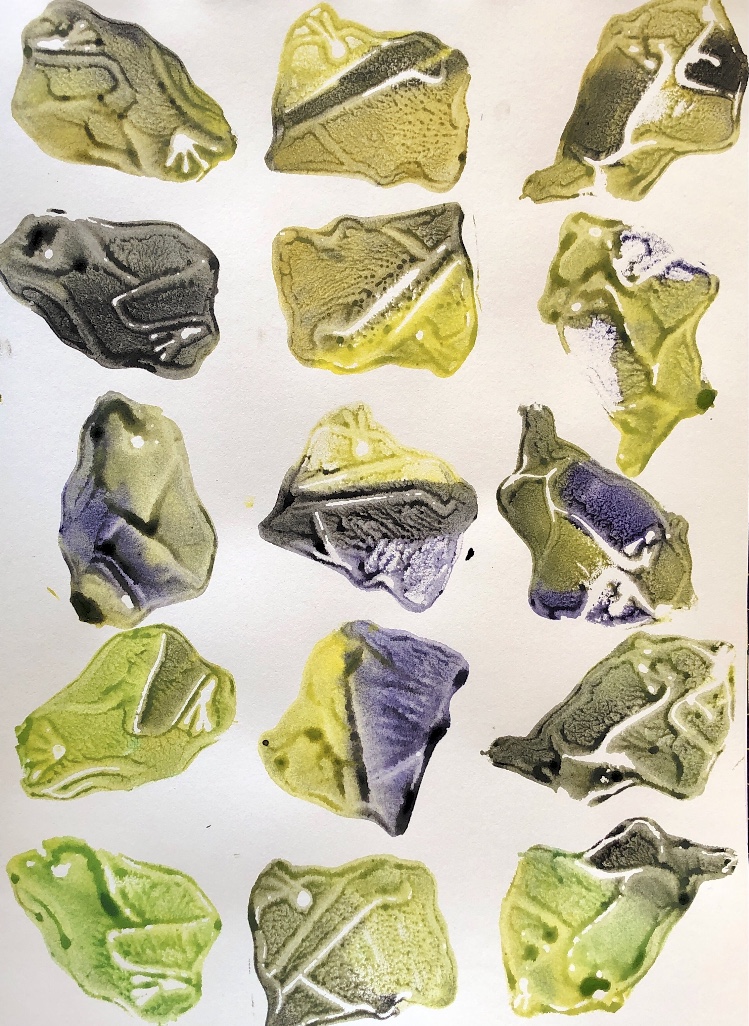
Sample 1

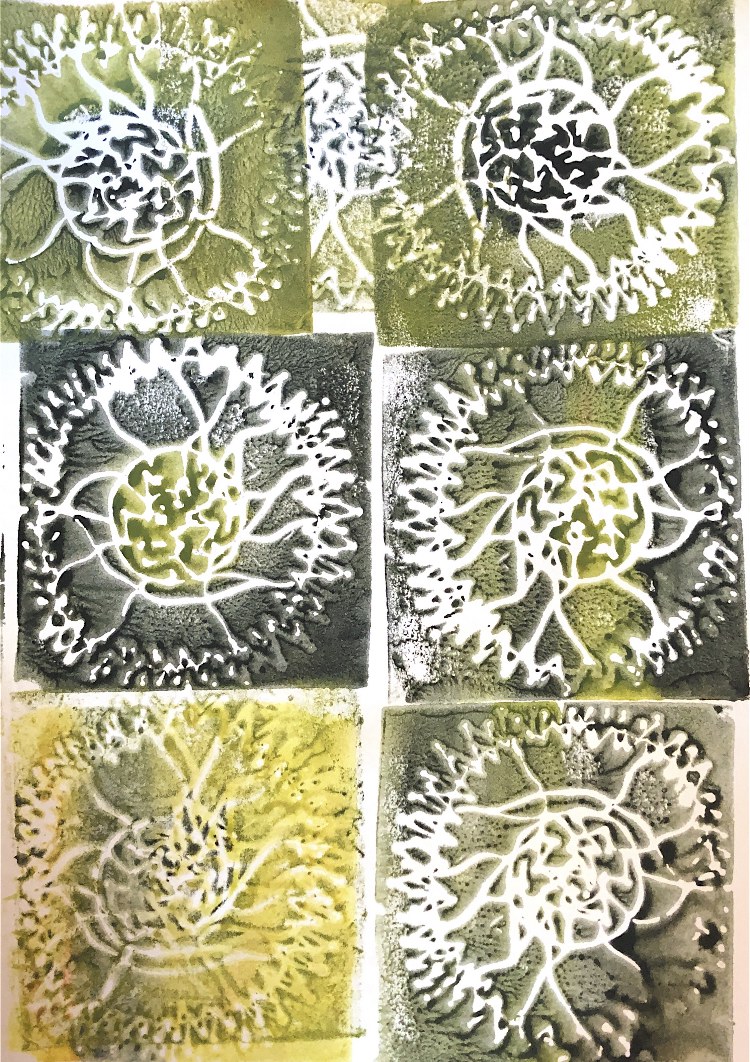
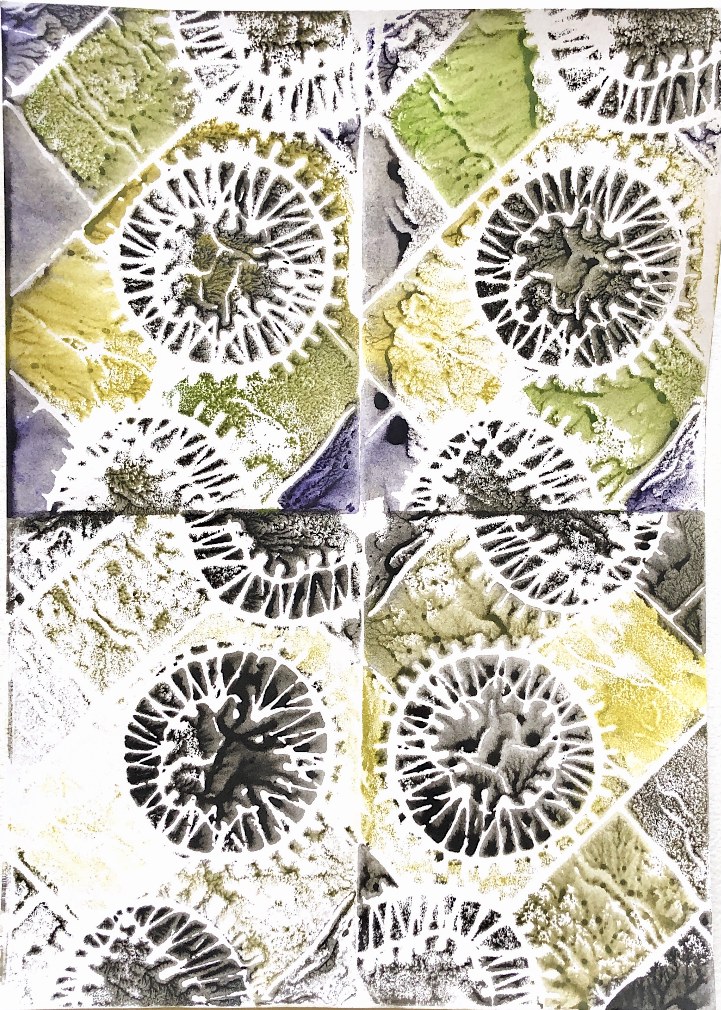
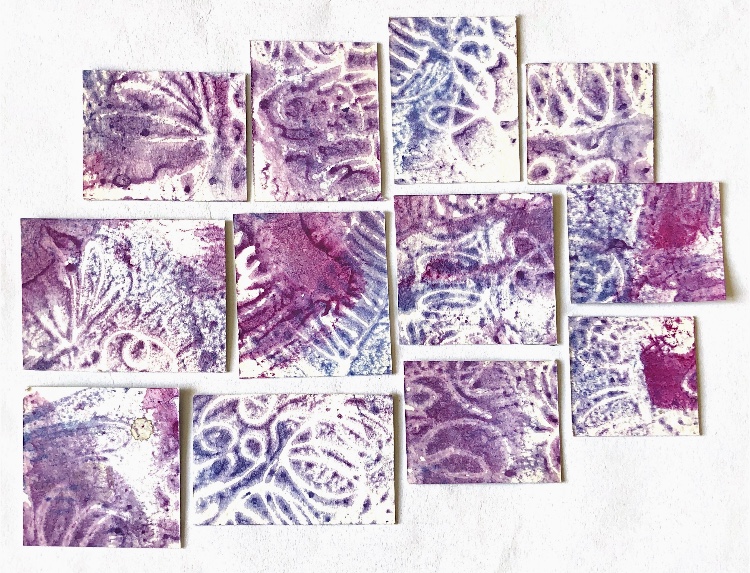
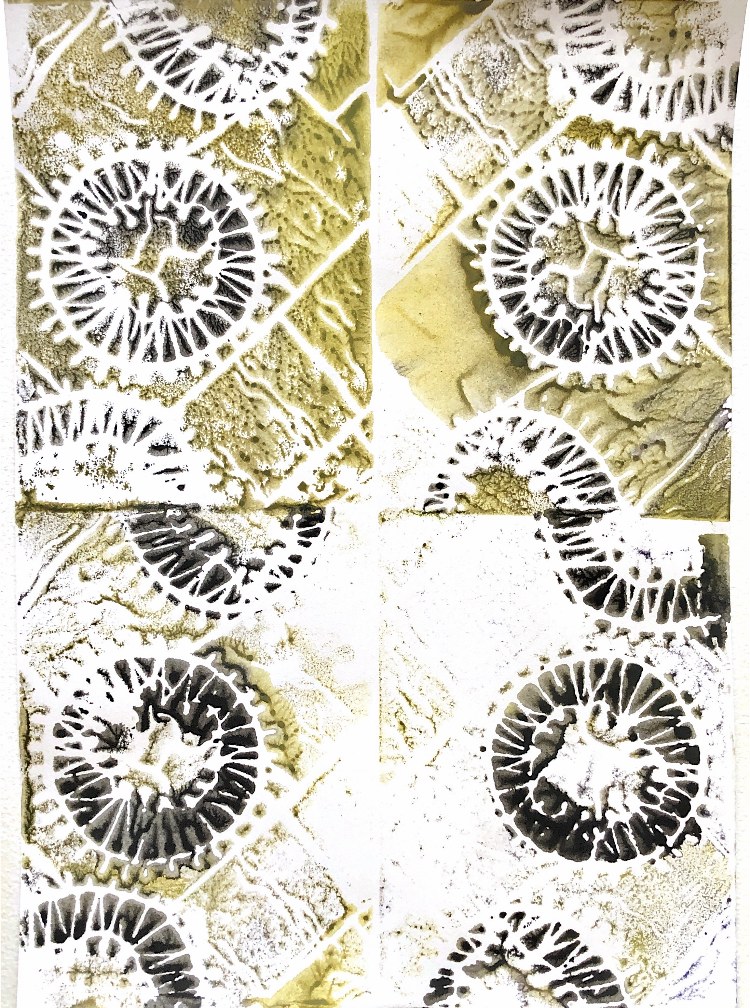
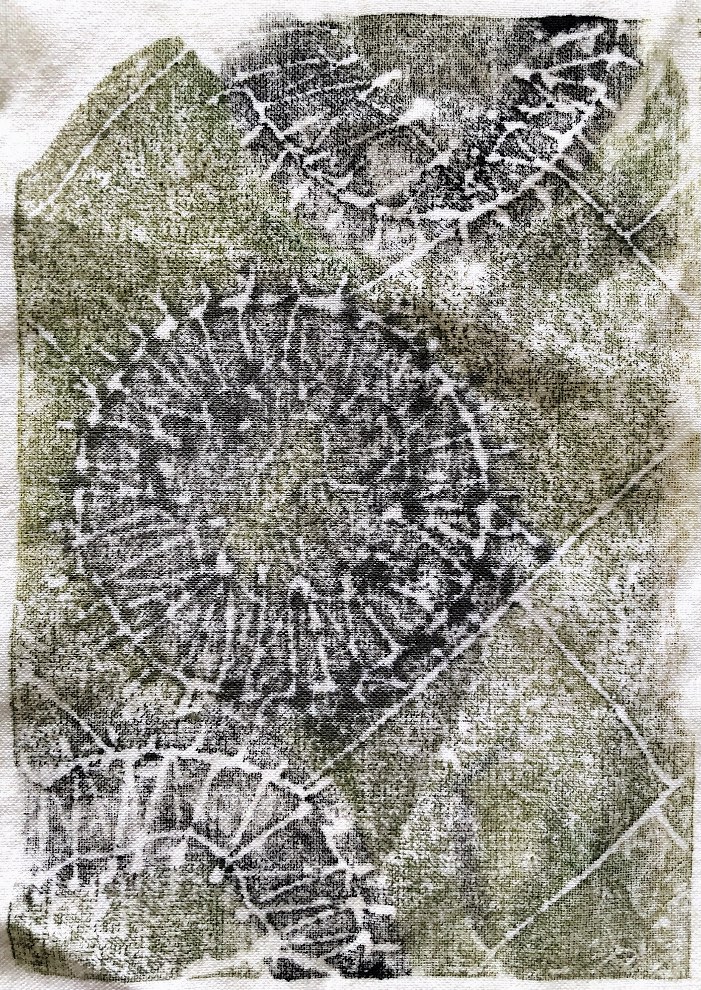
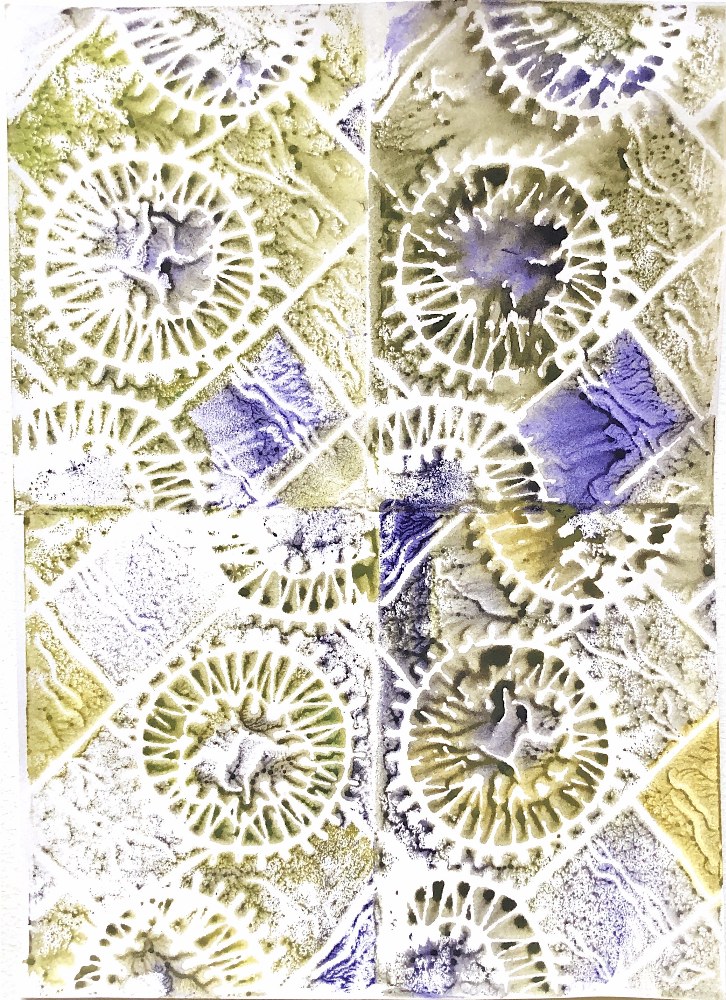
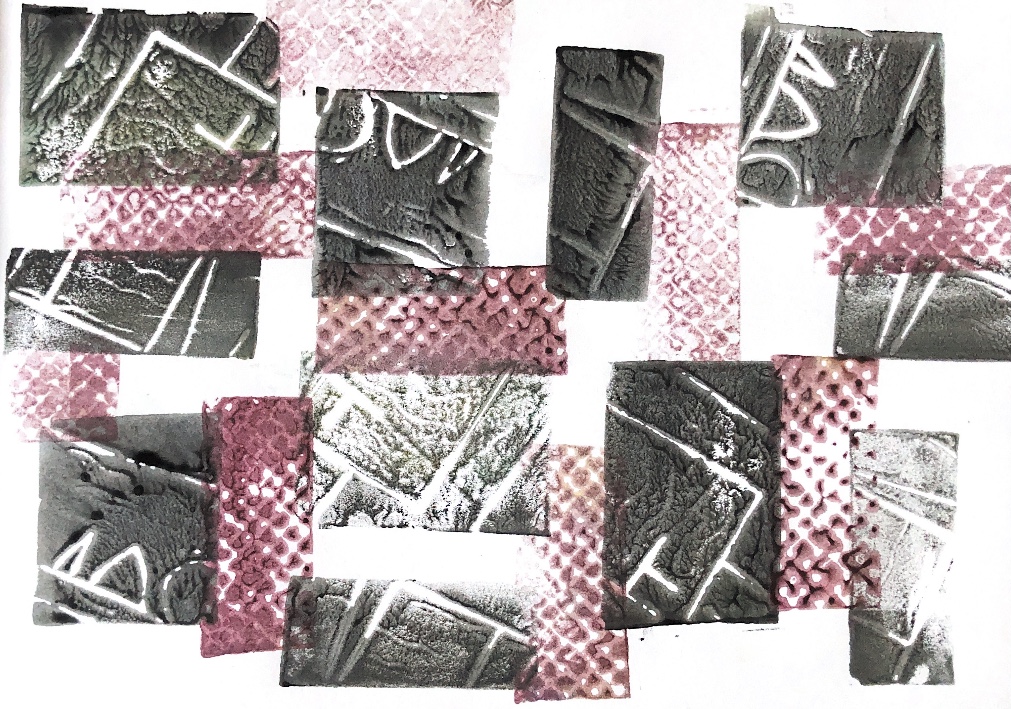
Printing on paper and fabric with one print block.

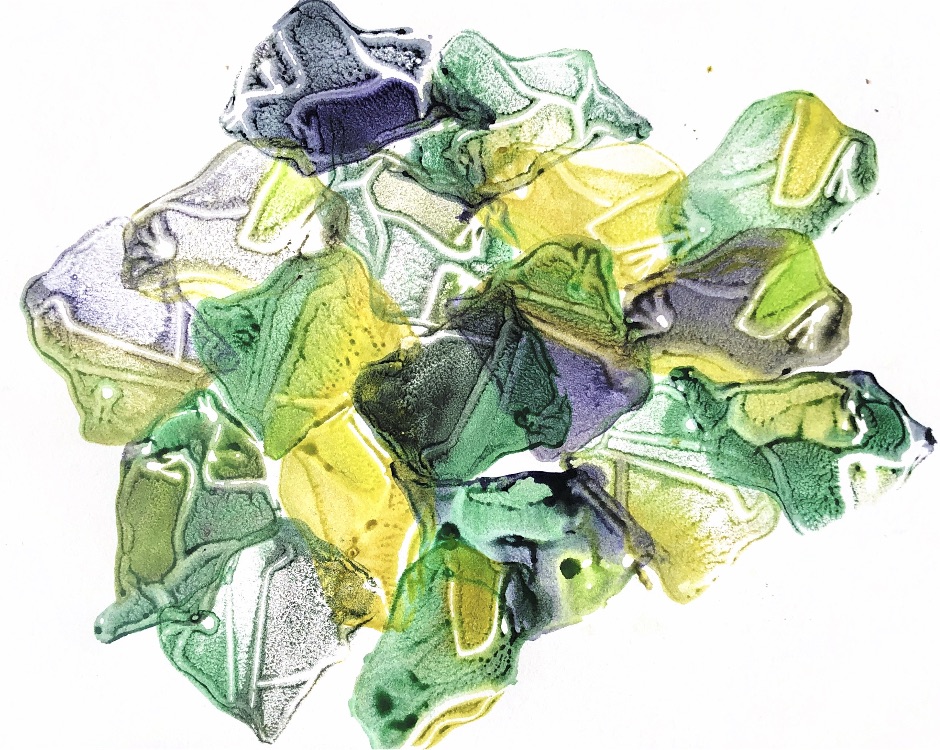
Sample 2

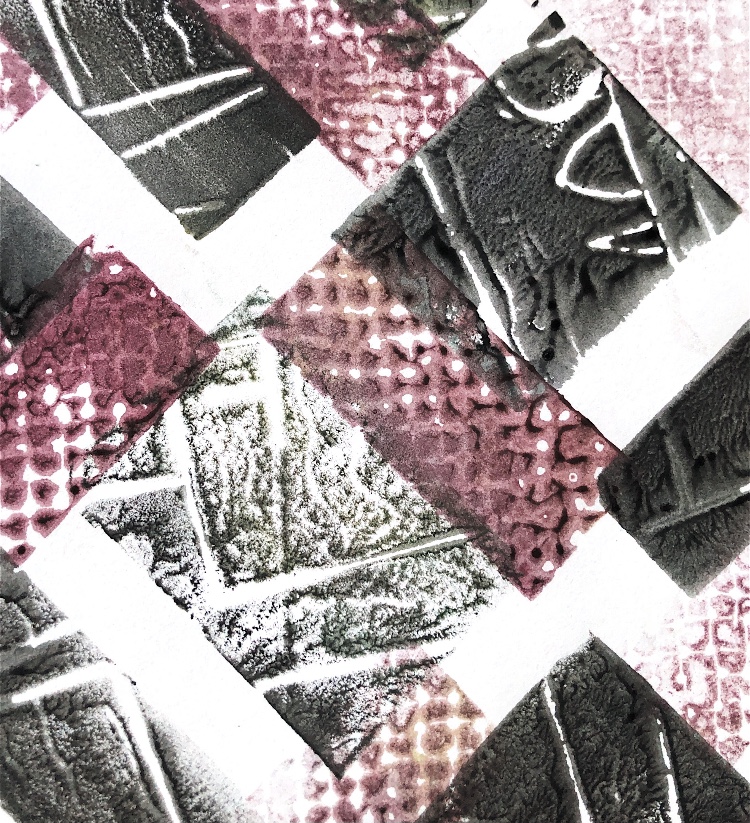
Printing with small varied blocks to make a pattern in different colourways. This pattern is very angular.

Sample 3

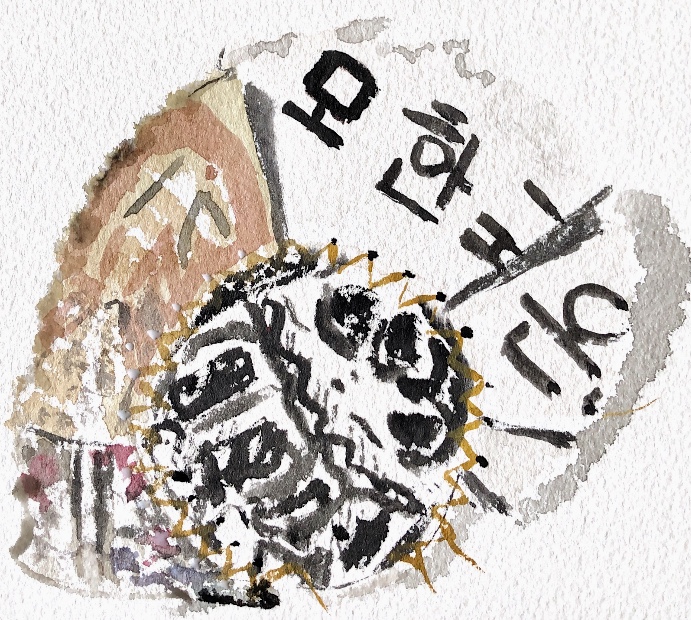
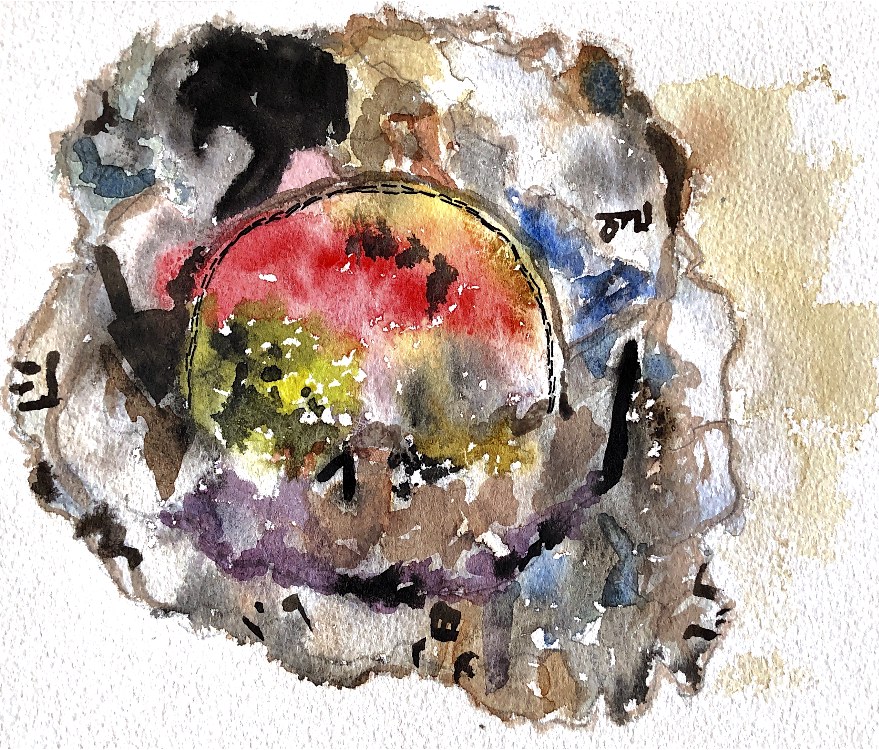
Watercolour on paper

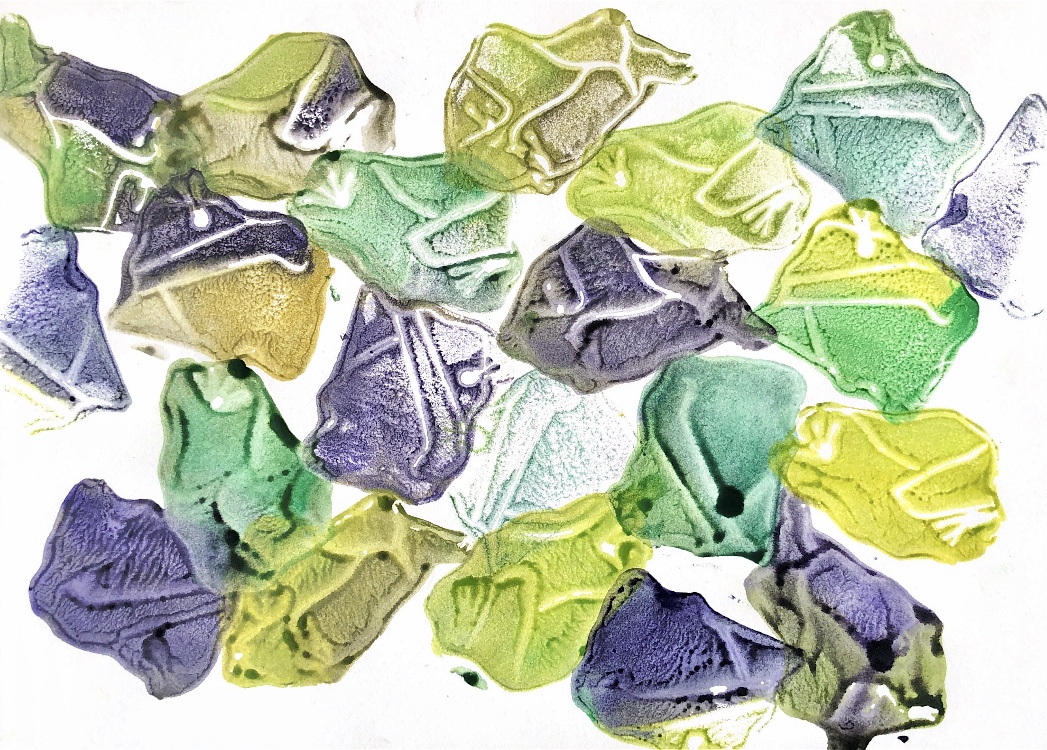
Sample 4

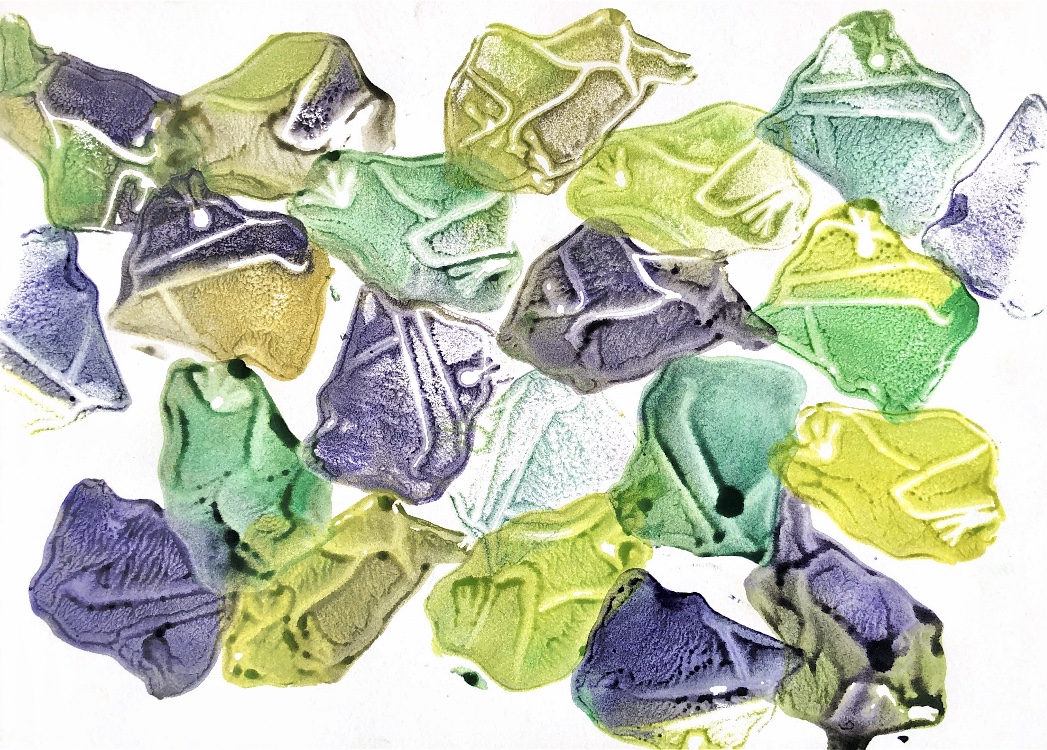
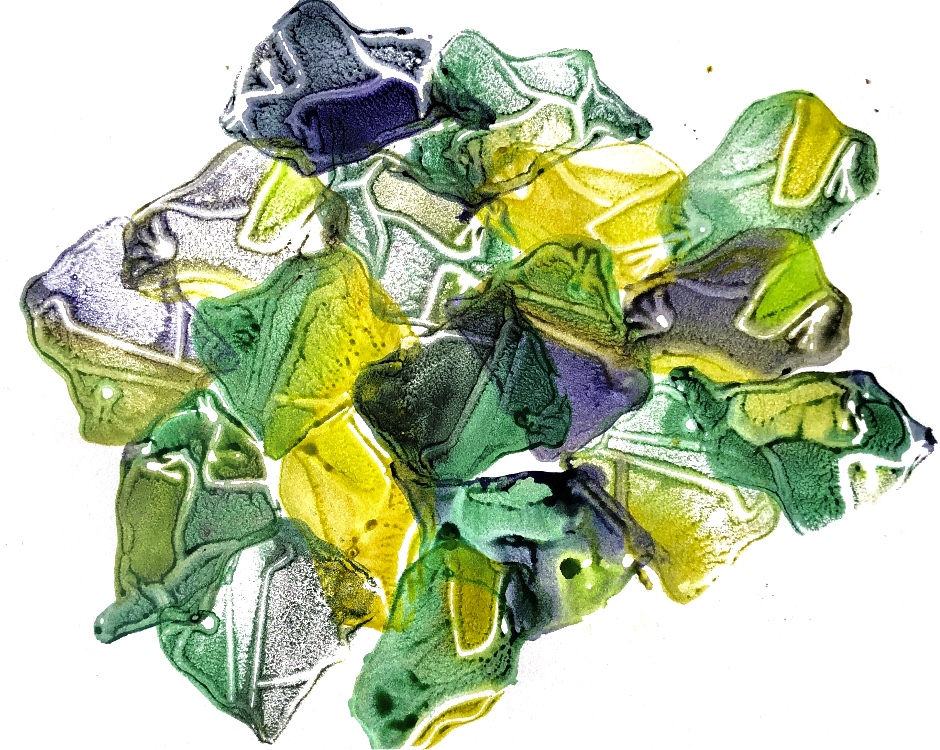
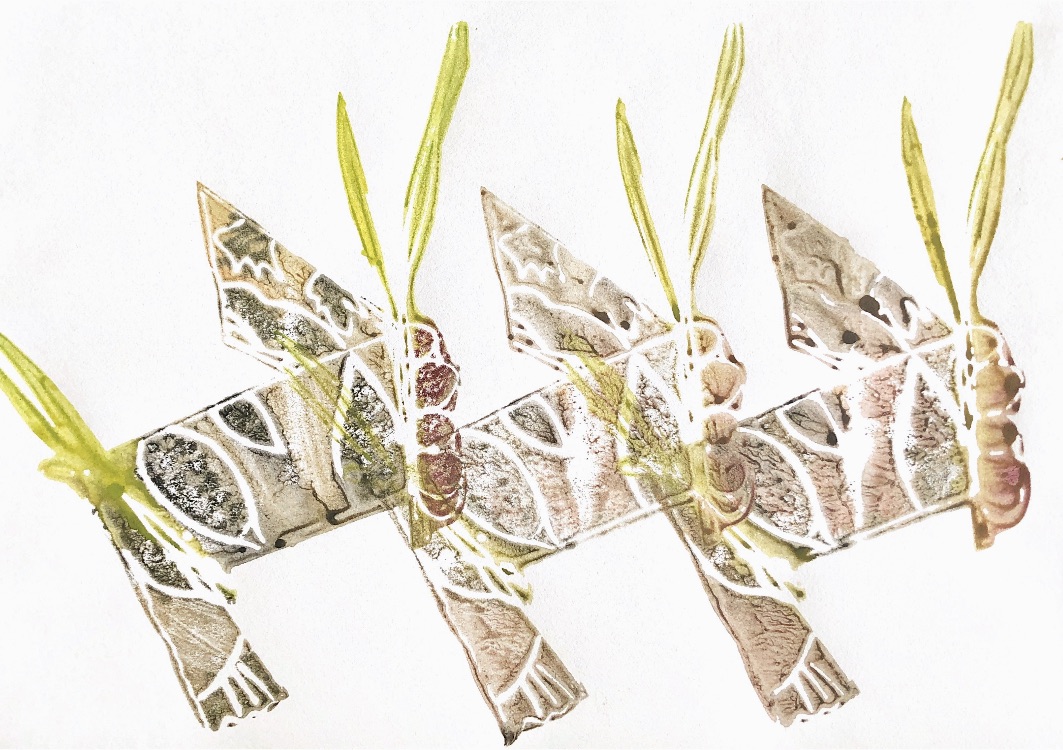
Small print blocks overlapped to create an overall image of the sample.

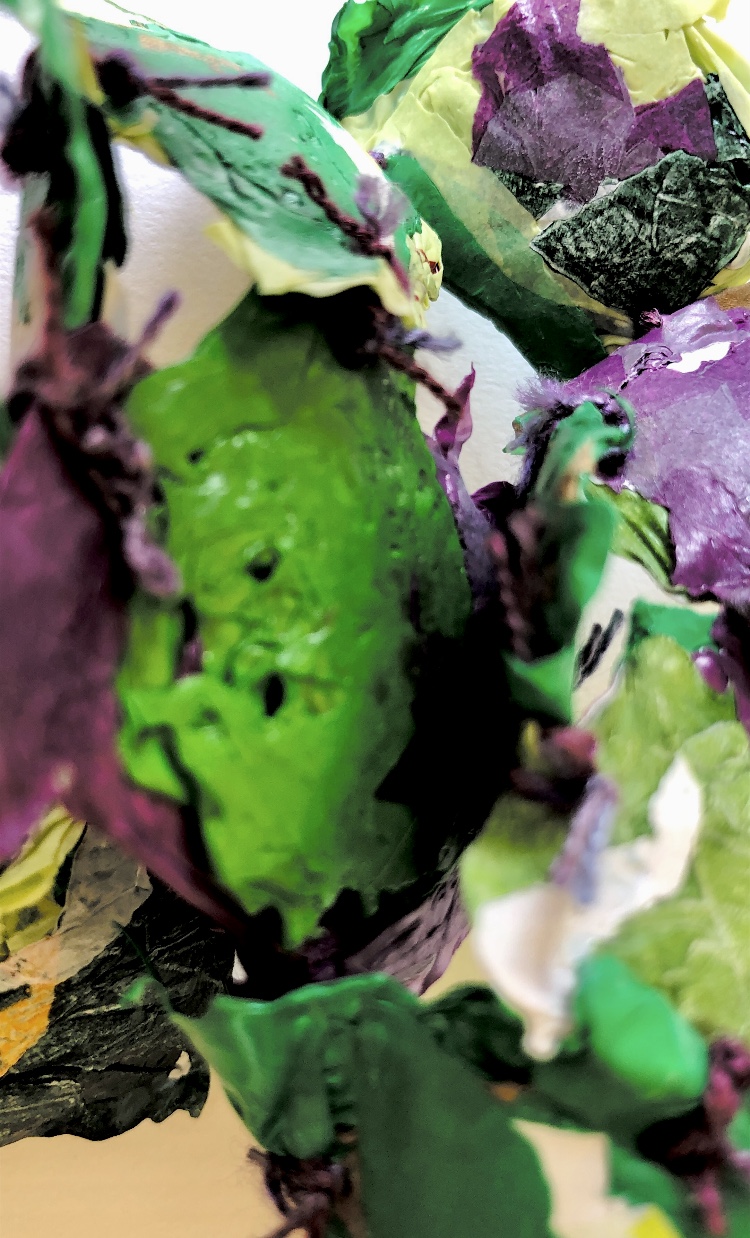
Sample 5

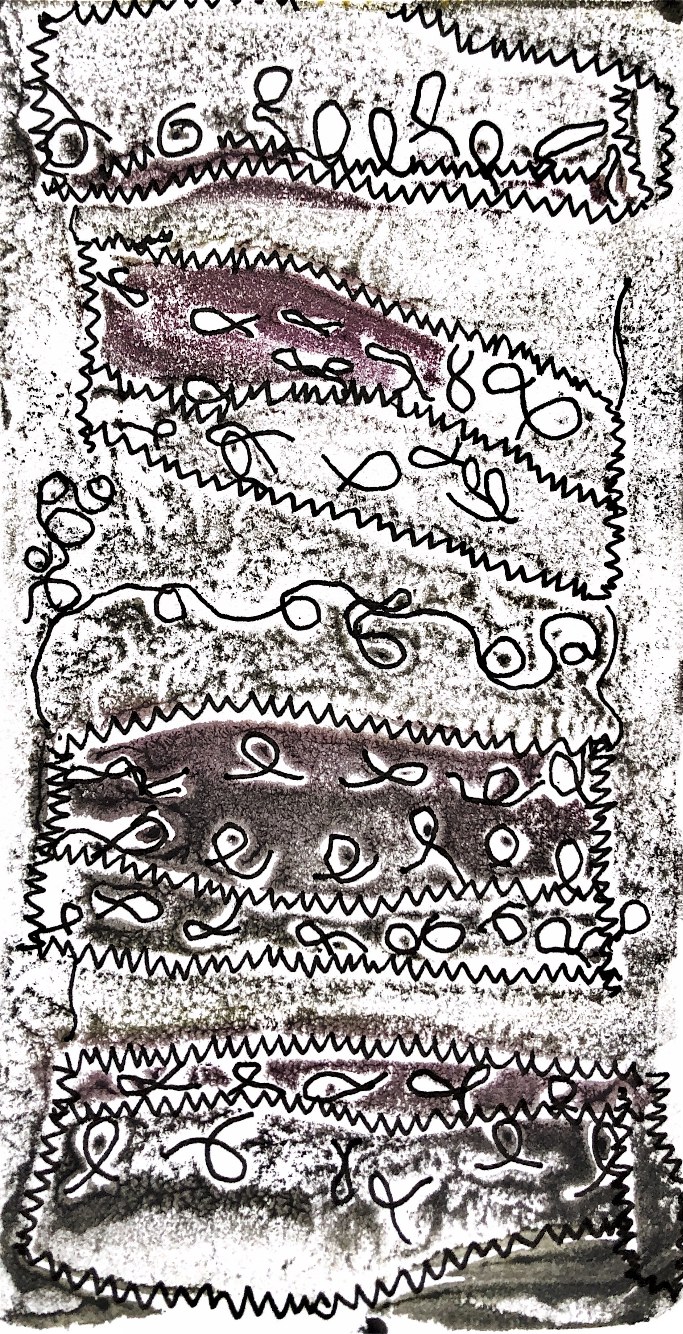
Print on paper with added pen detail, and machine stitching on paper and fabric.

Sample 6

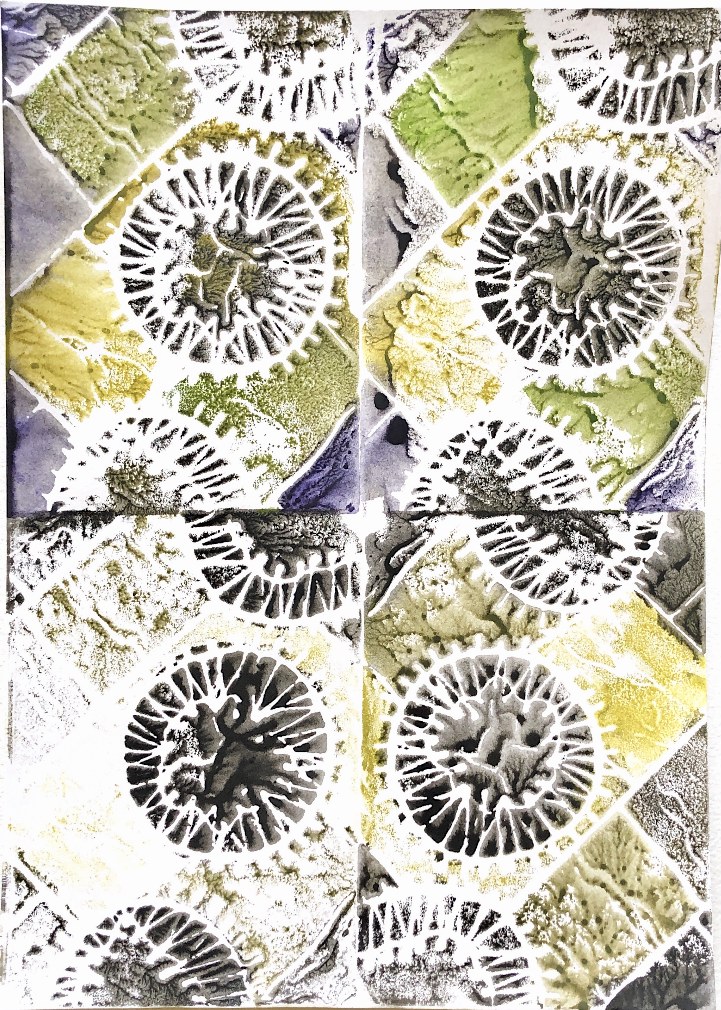
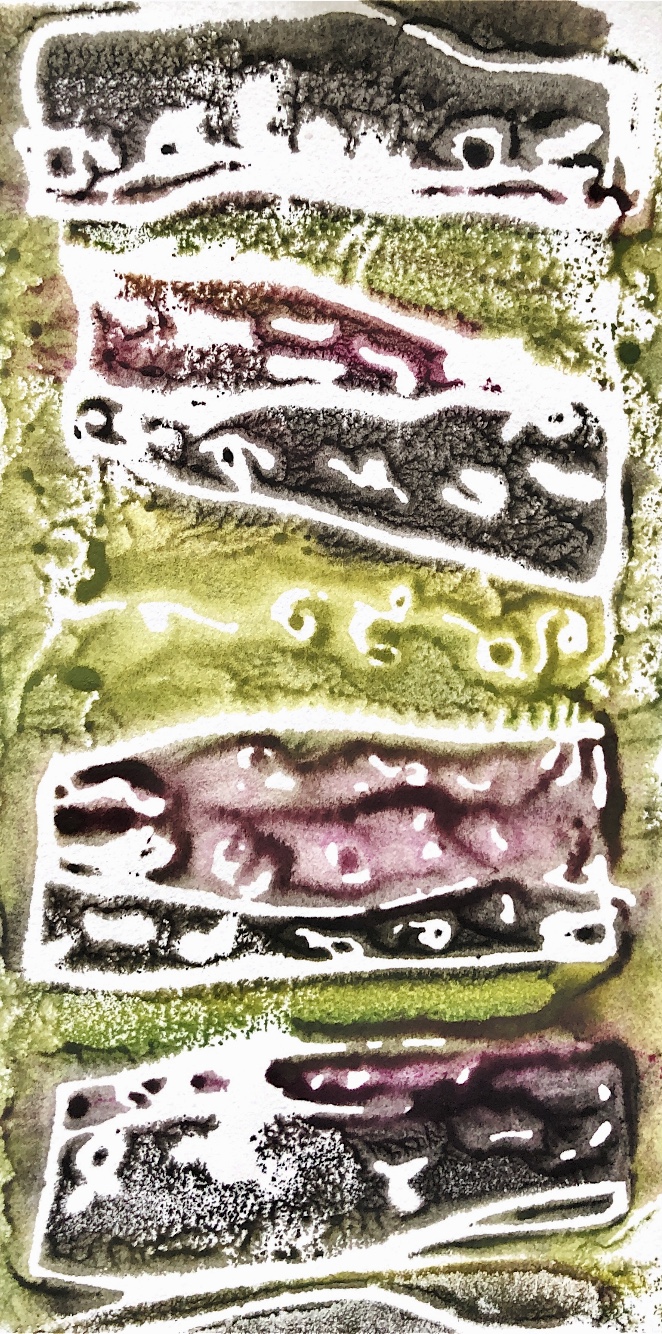
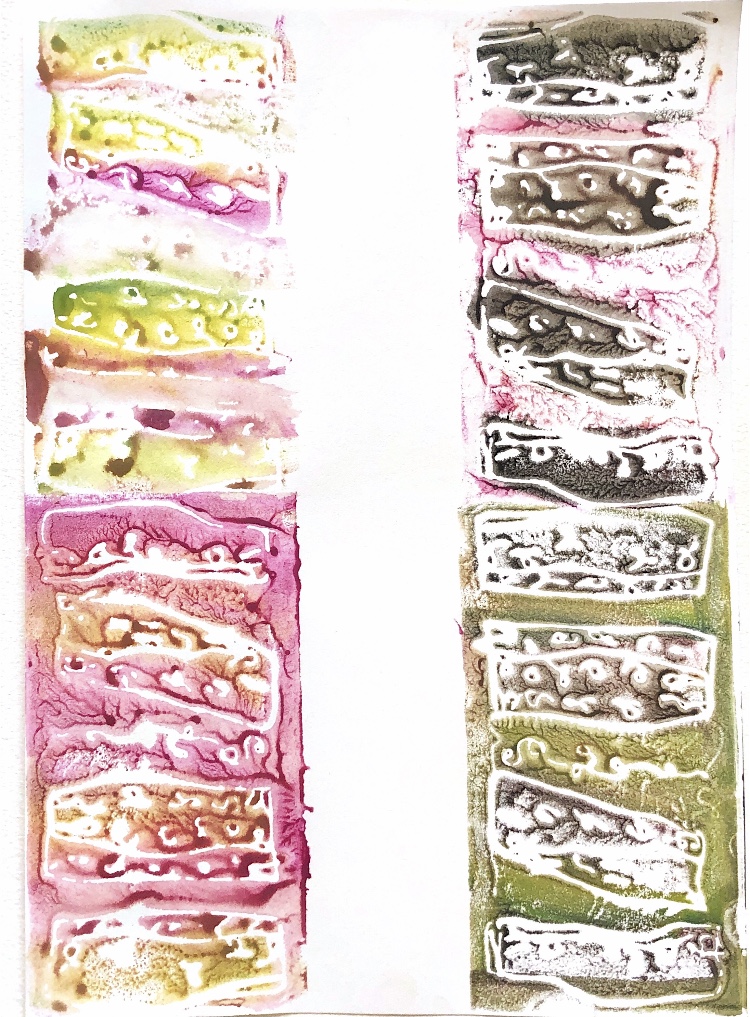
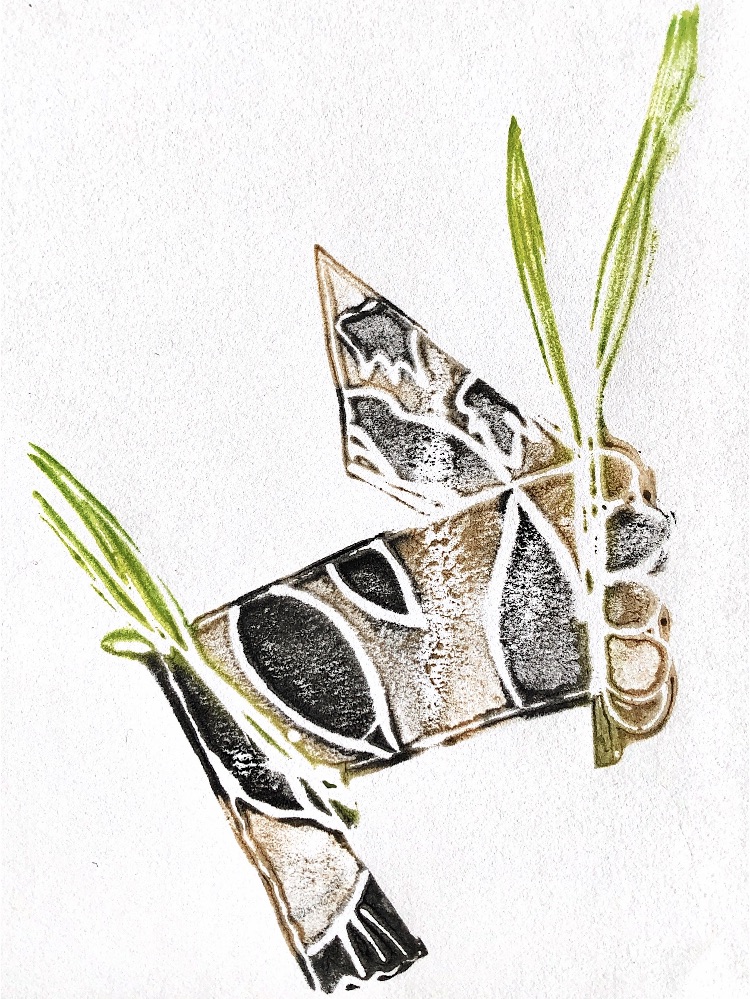
Printing on watercolour paper, repeated images and partial prints.

These exercises involving different materials have produced surprising and exciting results. Some materials are easy to join such as paper and fabric, but others require more thought such as metal and thick card as these materials are hard to pierce and may not stick easily. Joining different materials means you have to consider each in turn and come up with ideas that suit all mediums. It was interesting to extend the colours of the material while joining such as in sample 2 above, and to make 3D shapes by joining such as in sample 4. Some materials and samples could be manipulated such as sample 3 to give an ever changing shape and material properties.

It was good to return to the heated plastic surfaces from Part 1 for the developed samples and in these samples I have demonstrated three really diverse ways of joining the materials.

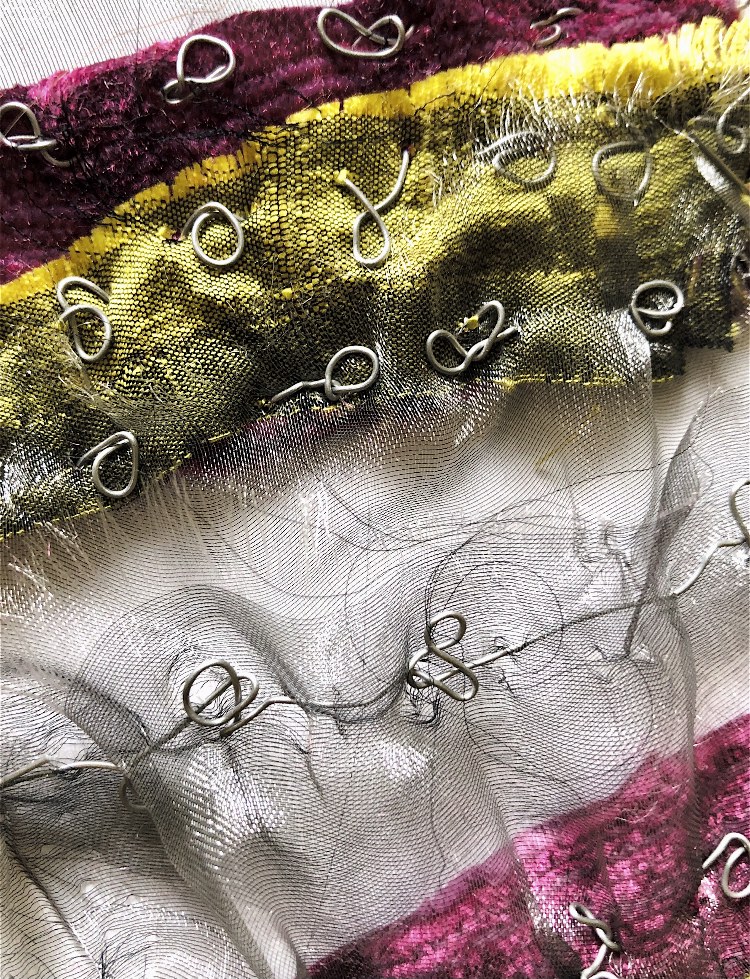
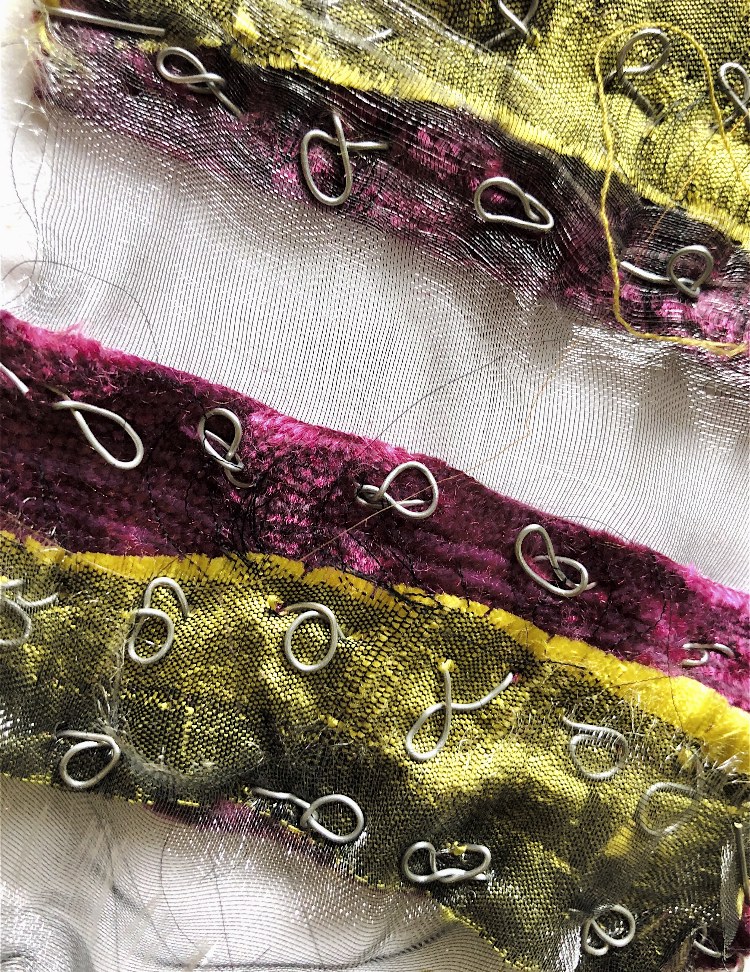
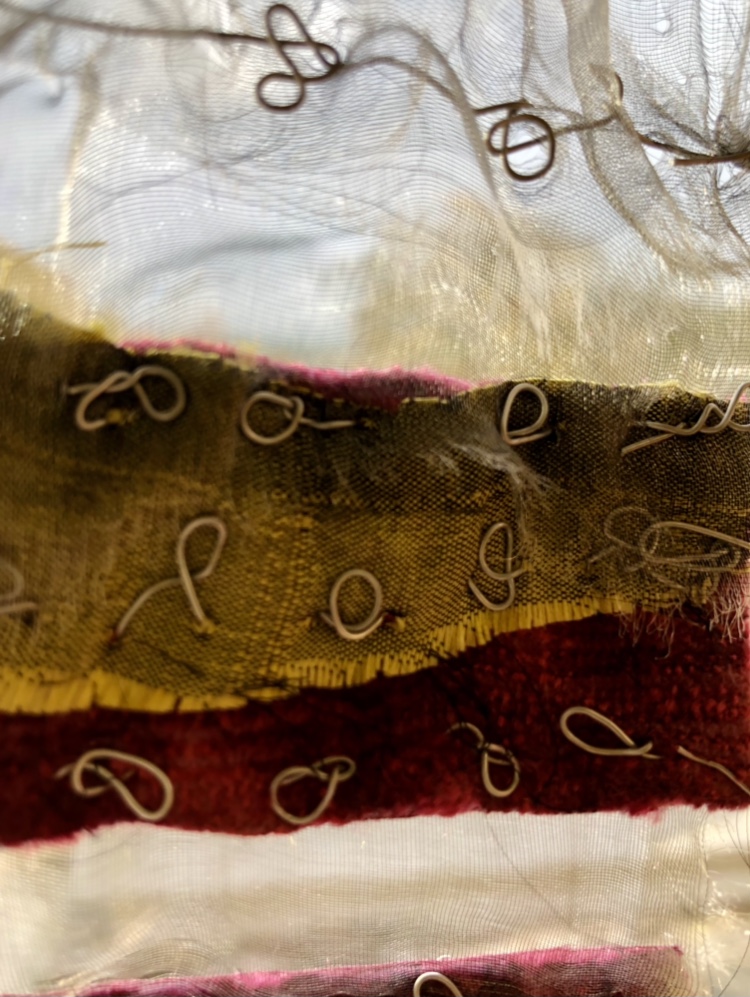
Joining different fabrics such as in Sample 5 required a joining method that was sympathetic to all materials in its construction and how it looked, and I think I achieved this, creating a beautiful ethereal sample, with strong shapes, colour and detail.

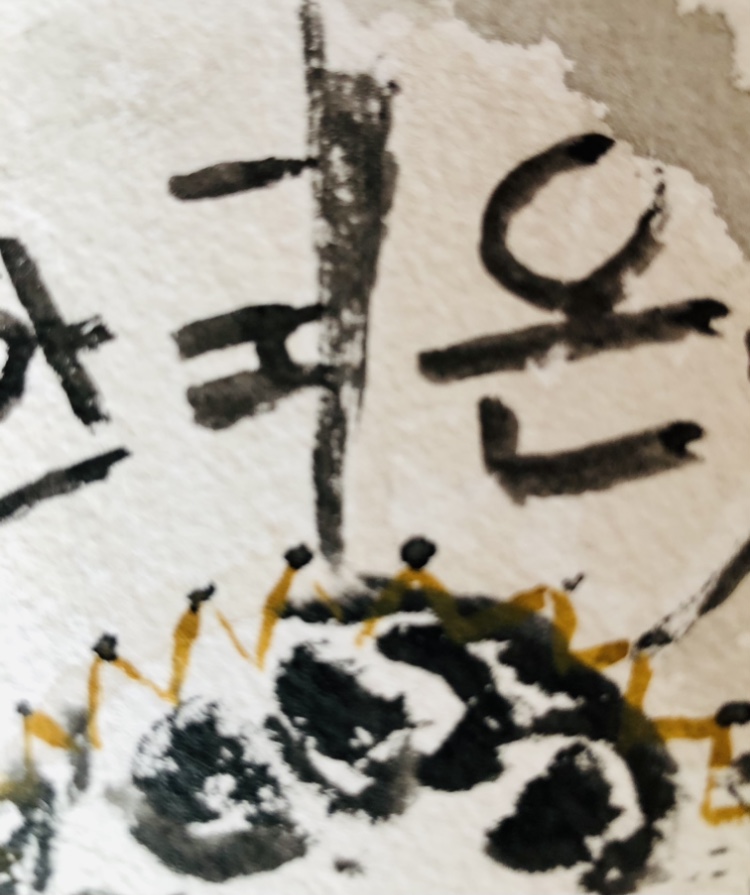
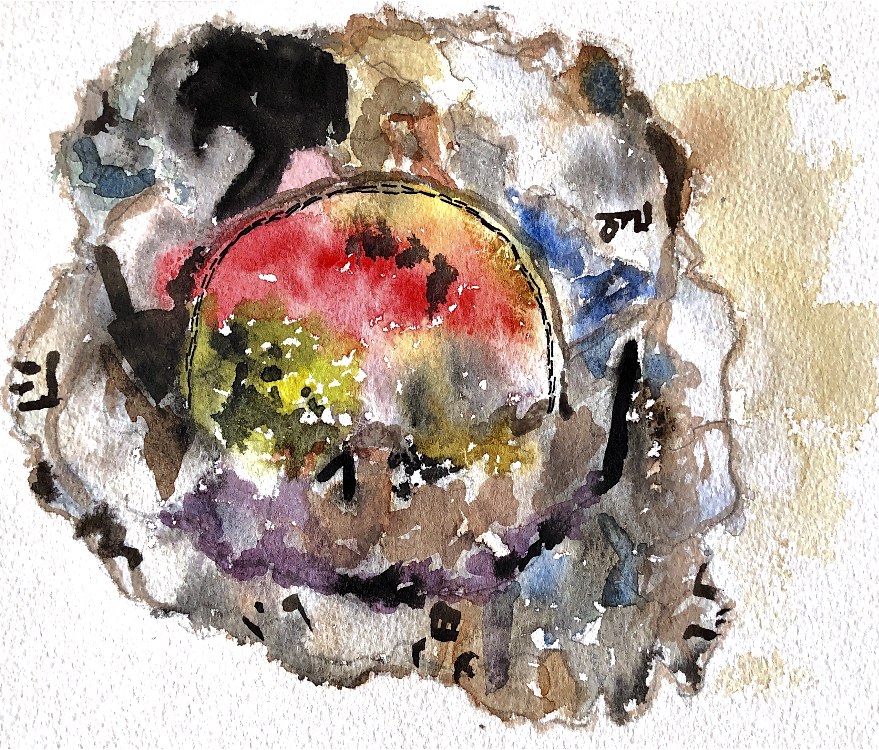
I used colour in most of my samples but where I have used black and white such as in sample 3, colour has been reflected from the centre circle to create shadows of colour, as shown in my watercolour painting.

Making marks with machine stitching created strong patterns and lines, but I still prefer to use hand stitch in my work, even though this takes more time. The little stitches and knots in sample 4 create interest and texture, drawing the eye in to detail in what is a very busy overall piece.

I have tried to work in varied ways, some out of my comfort zone, and this has definitely paid off in this collection.

Textiles 1 Mixed media for textiles Part 2 Joining and wrapping Project 1 Developed samples

Sample 1

Inspirational sample

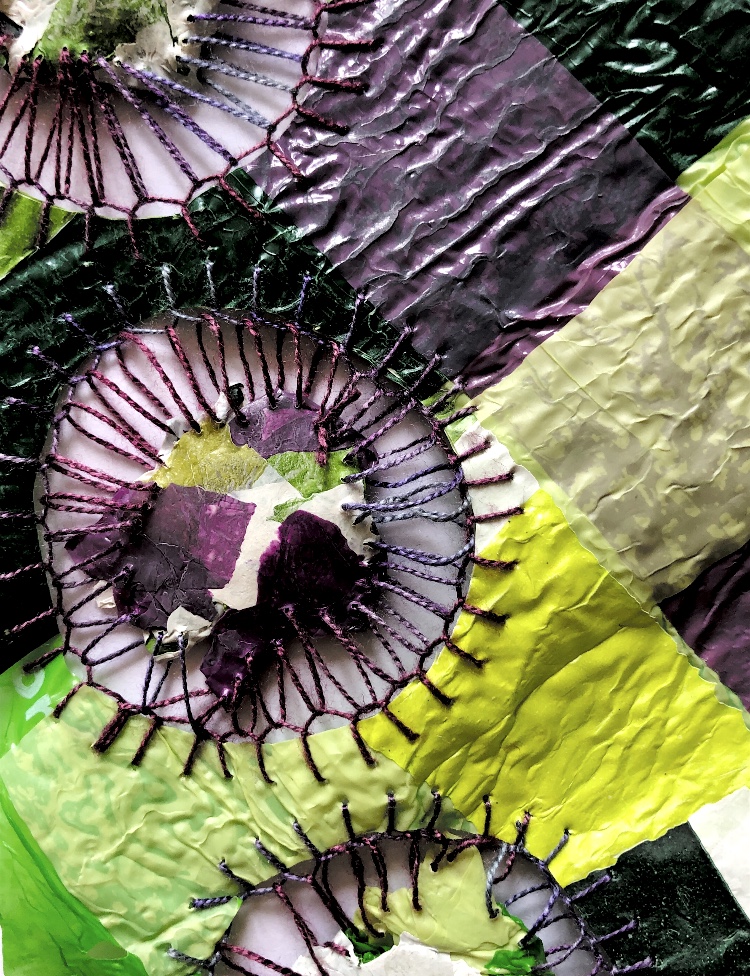
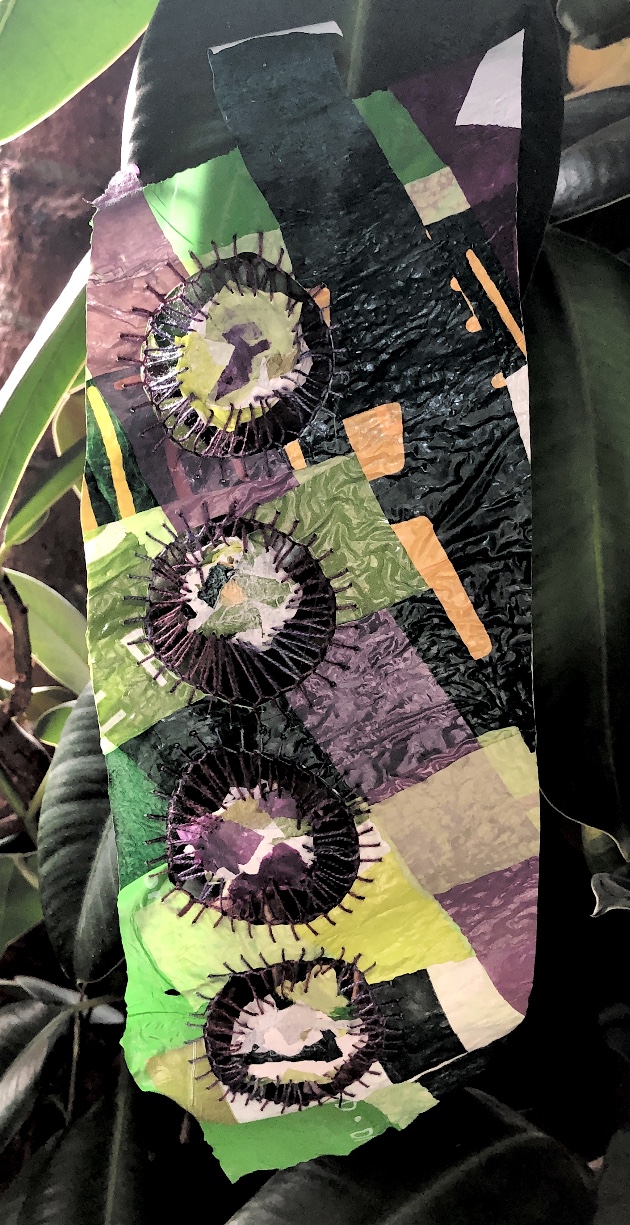
Plastic bags ironed by fusing, holes cut and small plastic ‘jewels’ inserted with hand stitching. I decided to use different materials to develop this sample, and looked back to some of the samples made in part one. The thicker pieces of the plastic were harder to stitch through but I think the slightly uneven stitching contrasts well with the plastic and enhances the overall effect.

Sample 2

Inspirational sample

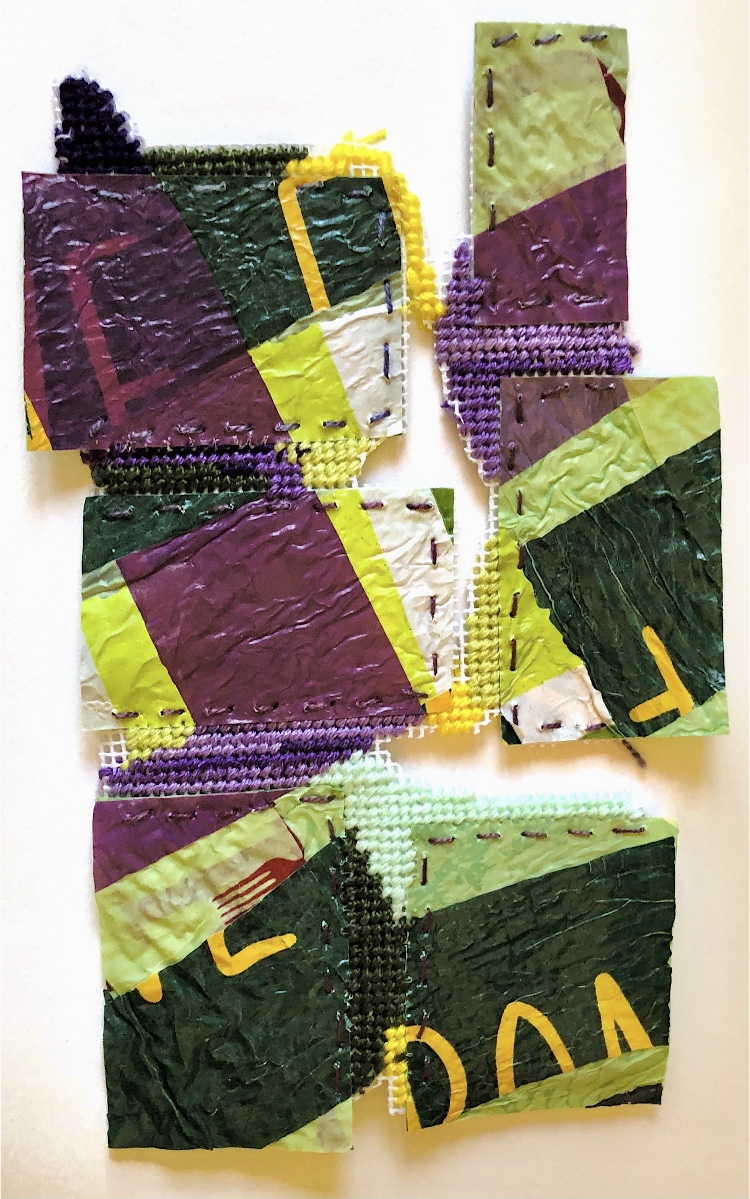
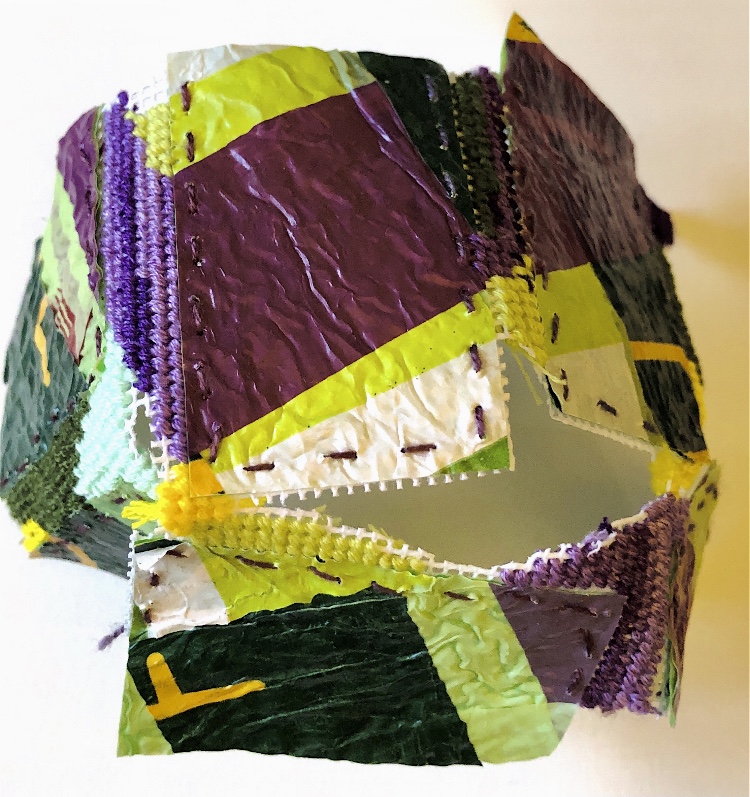
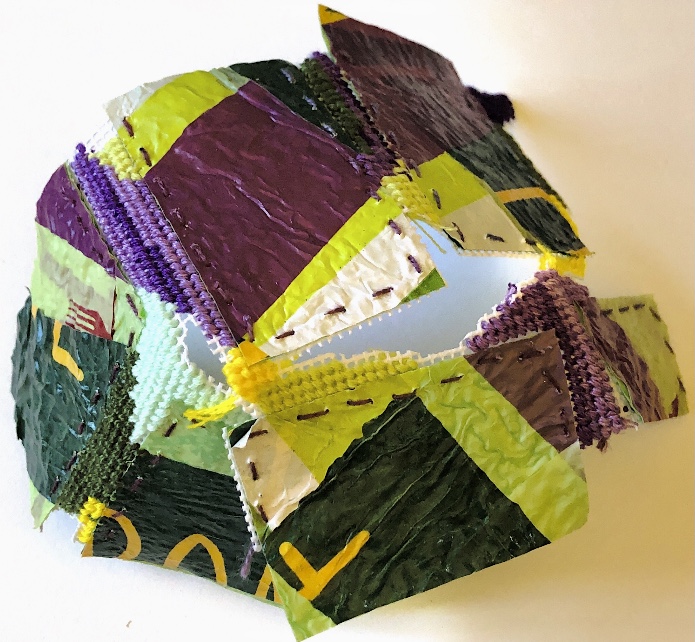
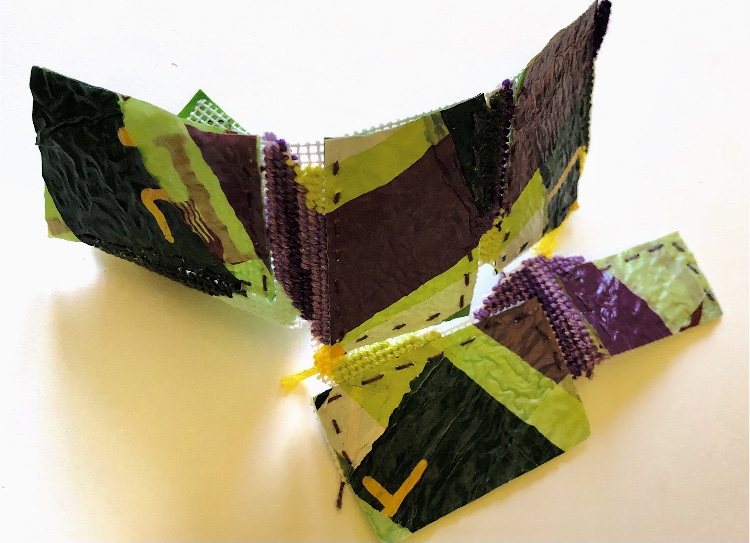
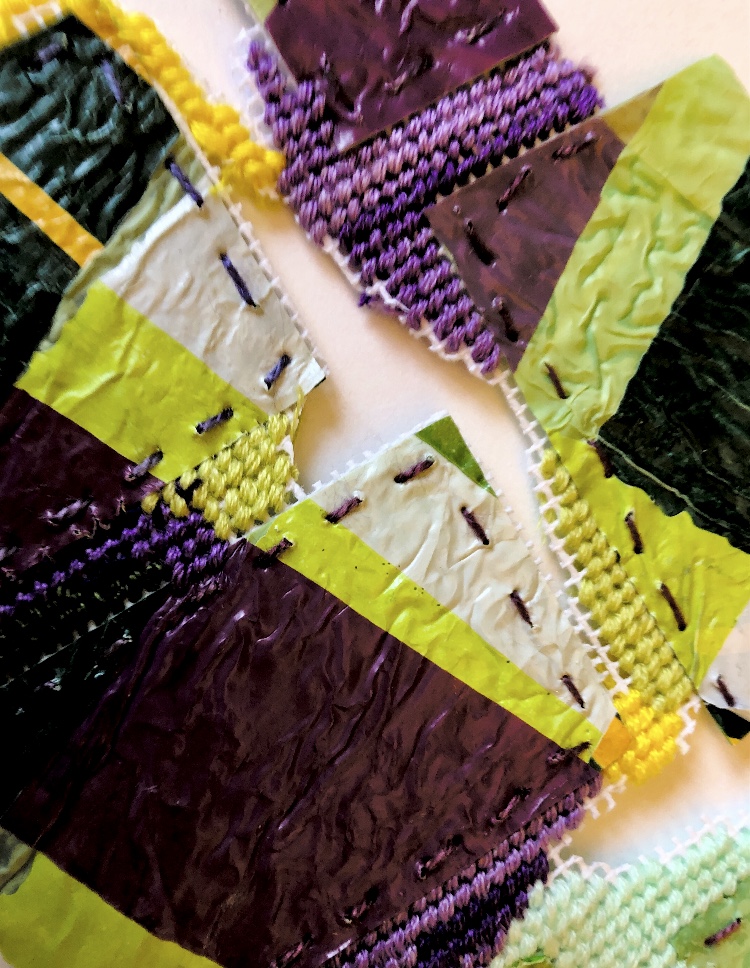
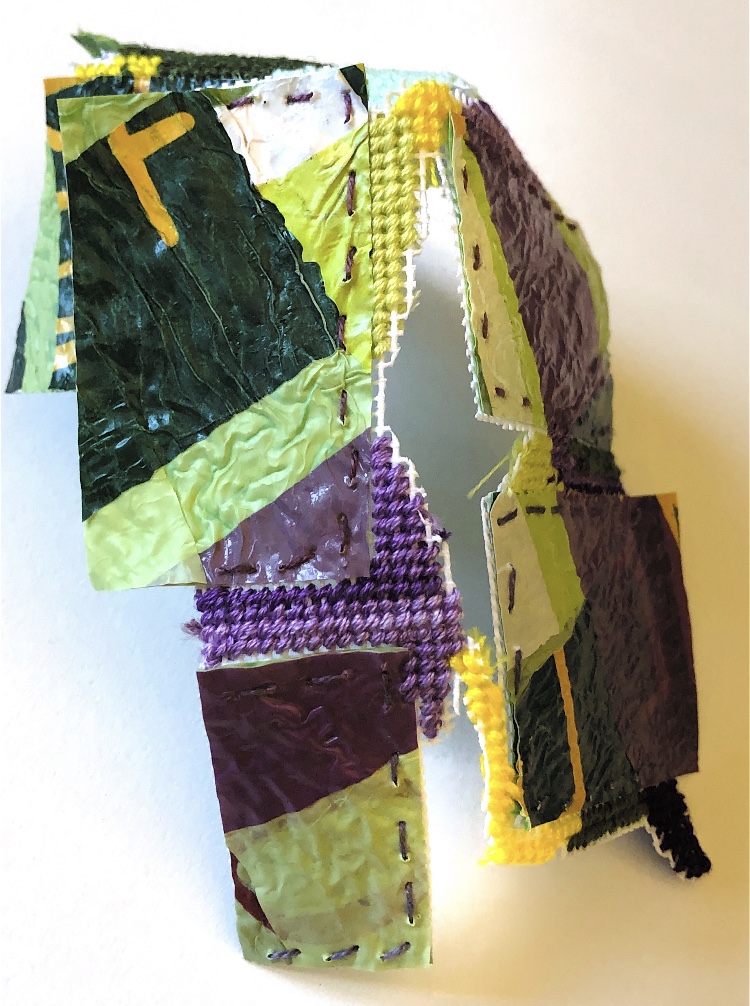
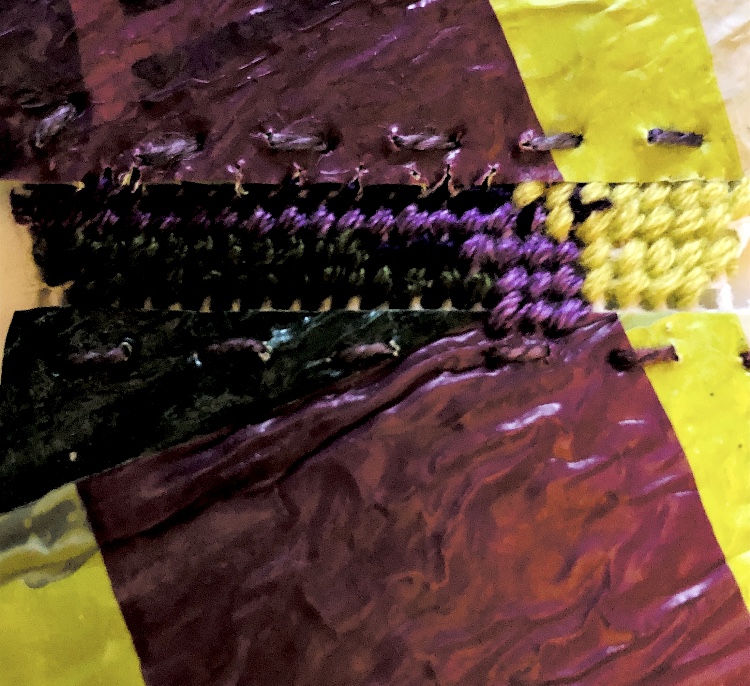
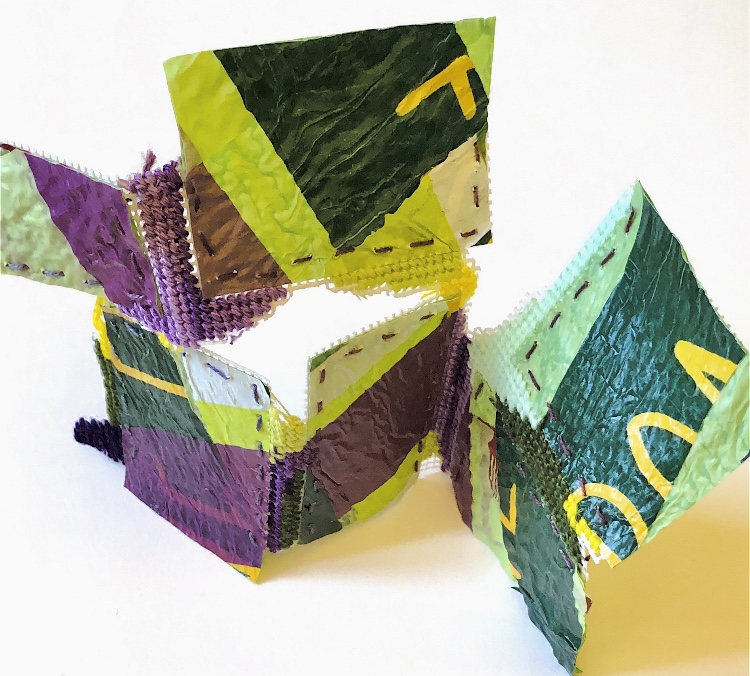
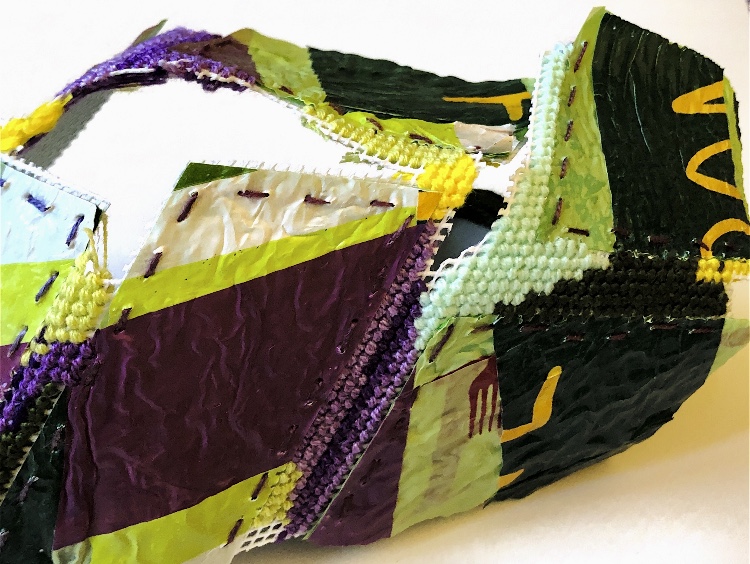
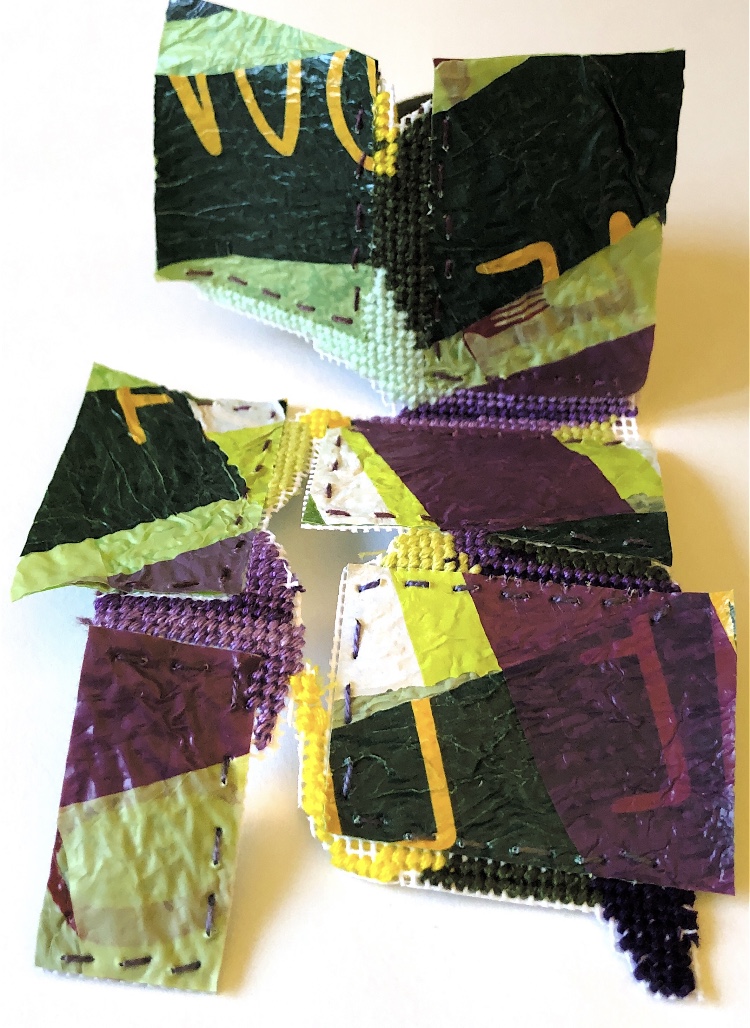
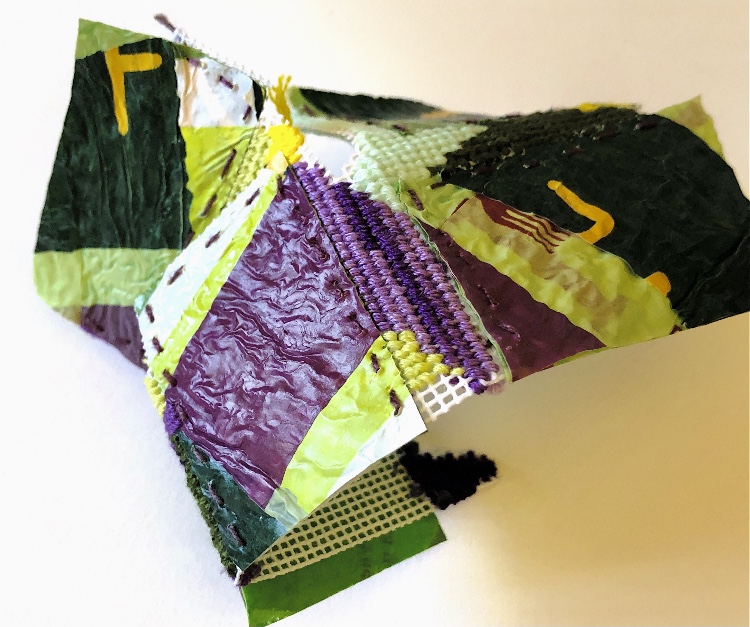
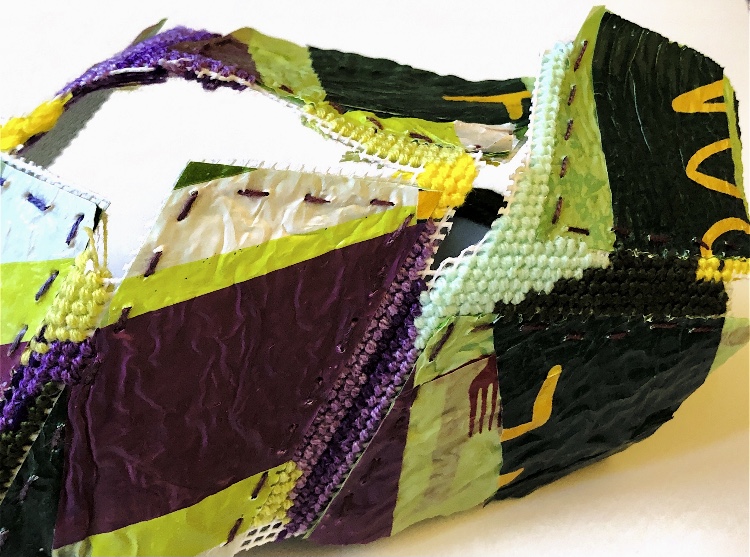
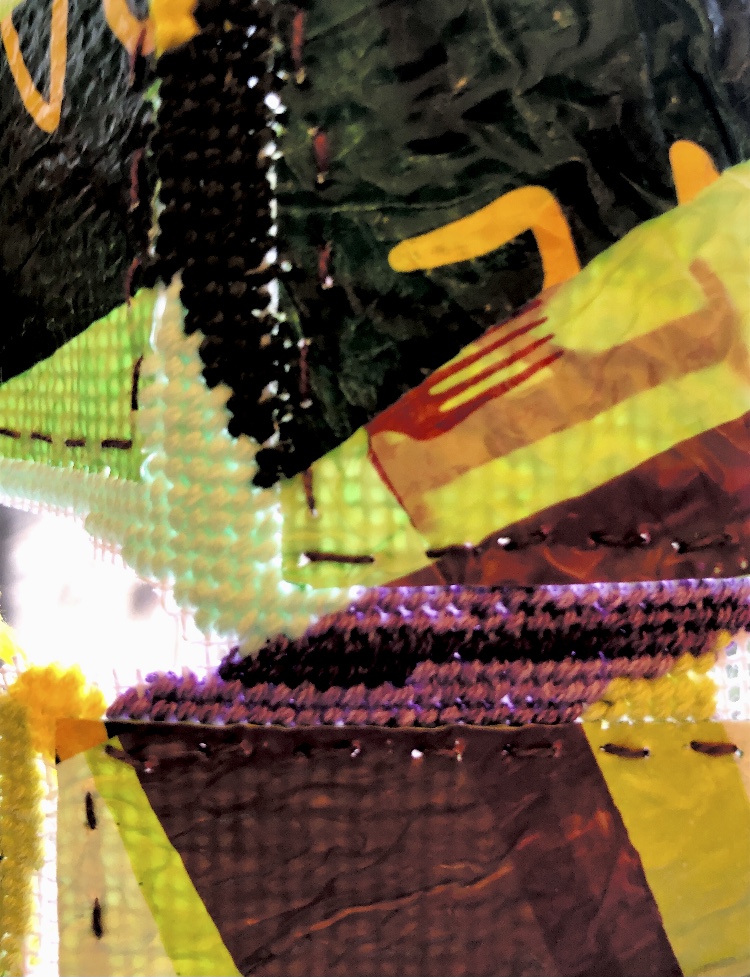
Fused plastic bag shapes joined with cross stitch canvas and stitched with tent stitch. For this piece I decided to change one of the materials and to look at the colour and placement of the stitching. The joins are very flexible and the one sample could be folded into many 3D shapes. I have moved on from the original sample by using coloured threads that match the adjoining plastic shapes so that the canvas stitching becomes part of the overall design. I’m not sure that the running stitch used to secure the materials adds anything to the overall effect but it would have left holes if I took it out. This is something to consider – as with paper, holes punched in the wrong place still show.

Sample 3

Inspirational sample

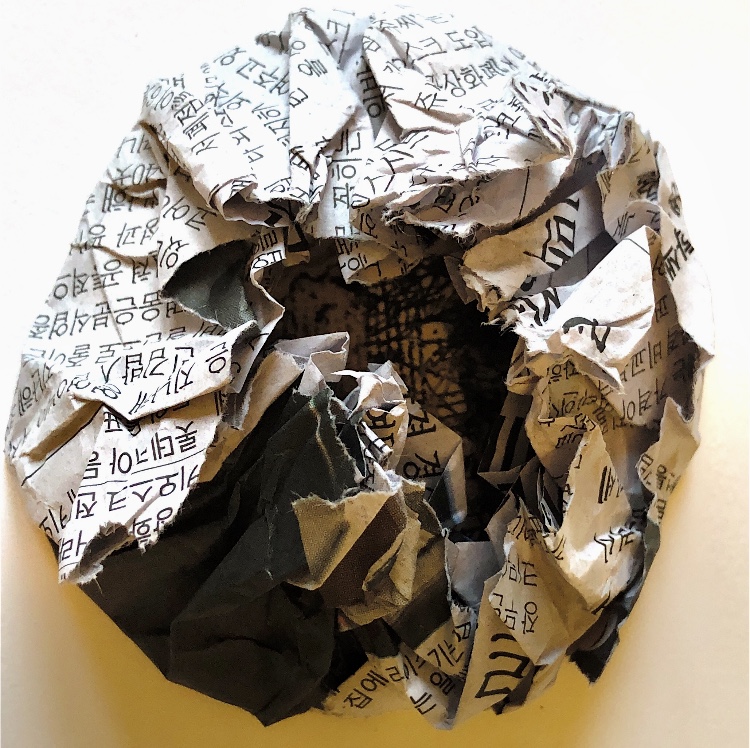
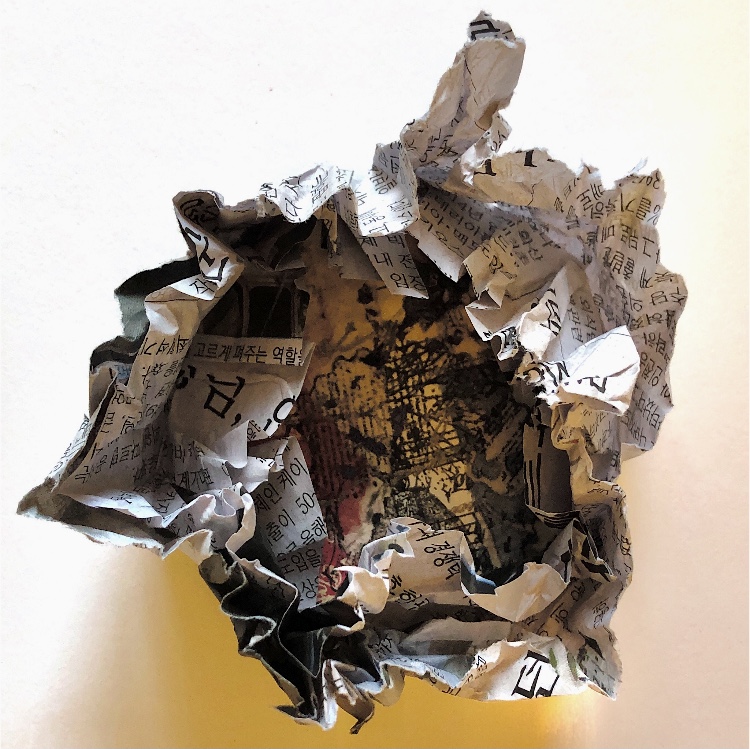
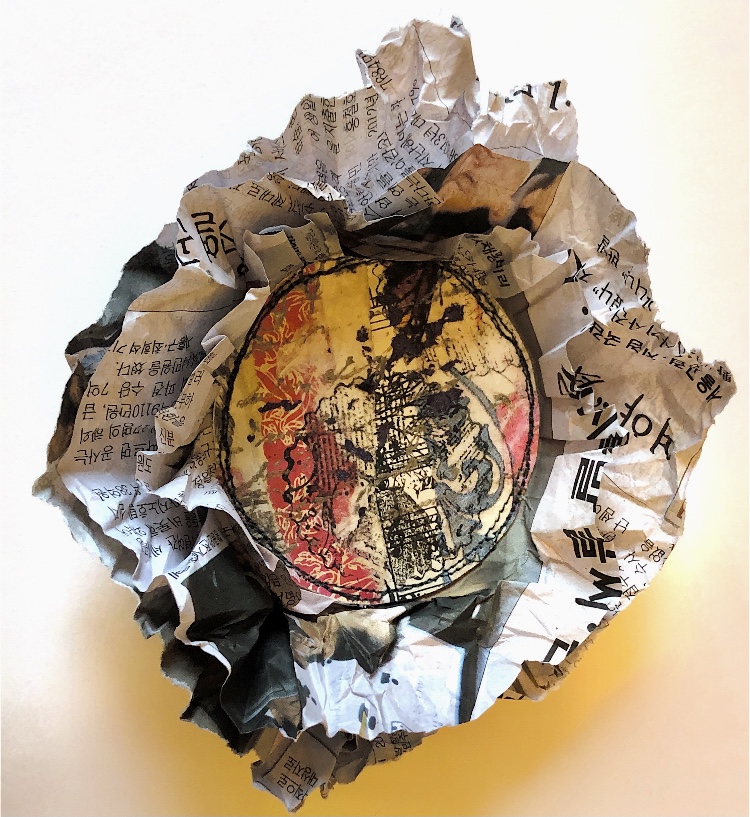
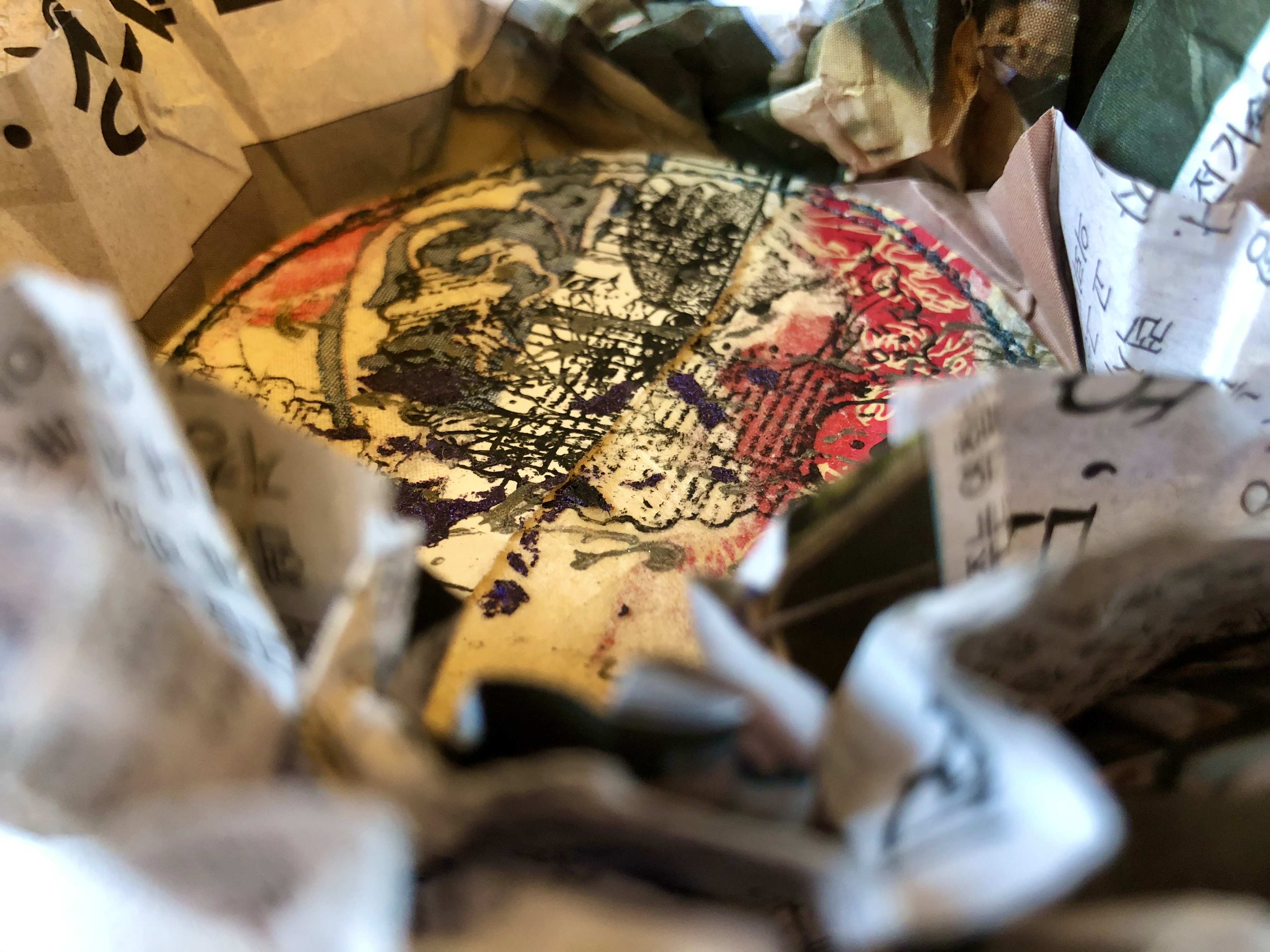
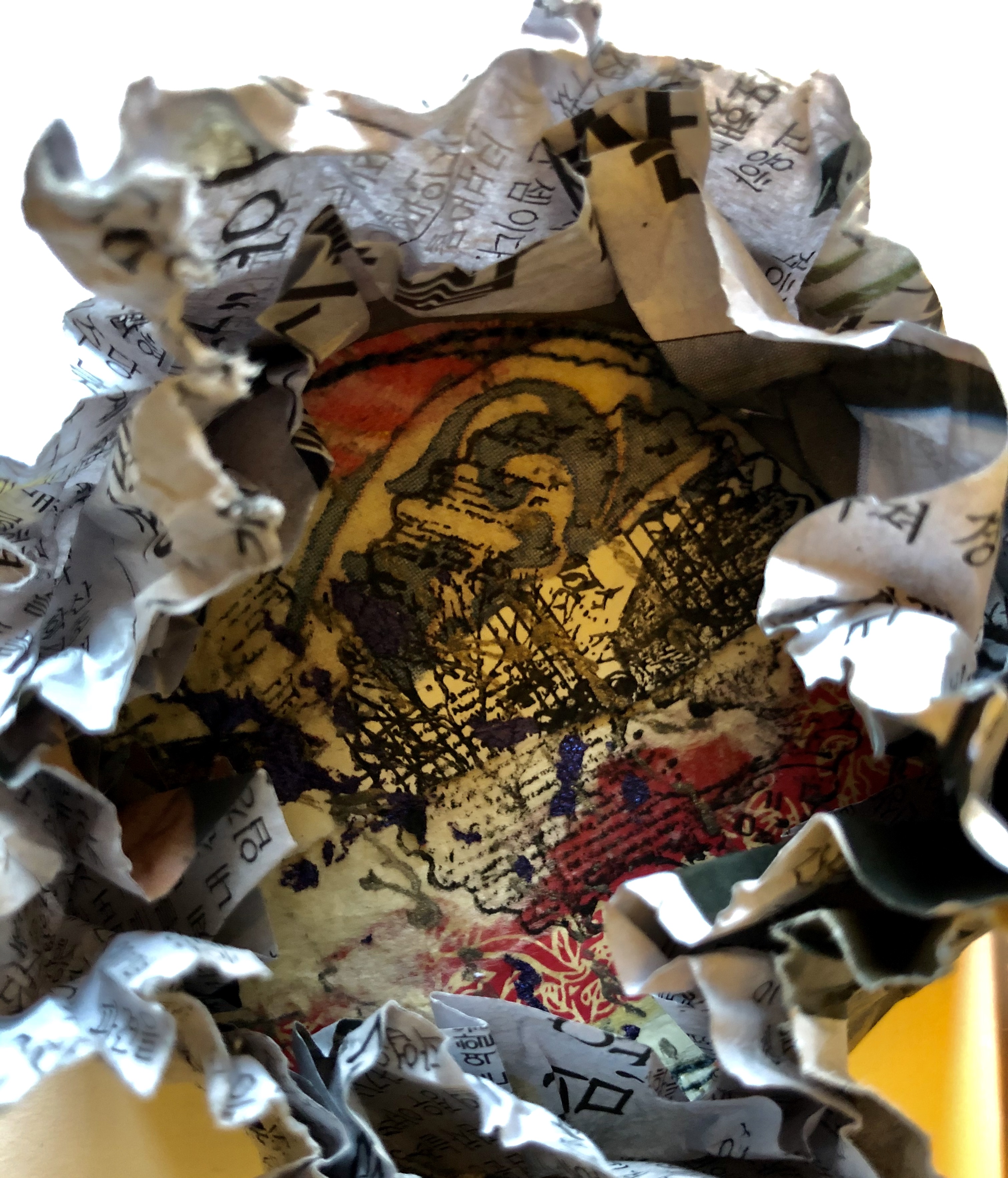
Circle cut from collaged paper with torn circles machine stitched – pleated and gathered to fit. Although this is a relatively simple sample, I wanted to work on the idea of joining different sized curves and to crumple the paper to create a sample that changes every time it opens. Newspaper works really well for this and was easy to join to a sturdy paper circle for the base.

Sample 4

Inspirational sample

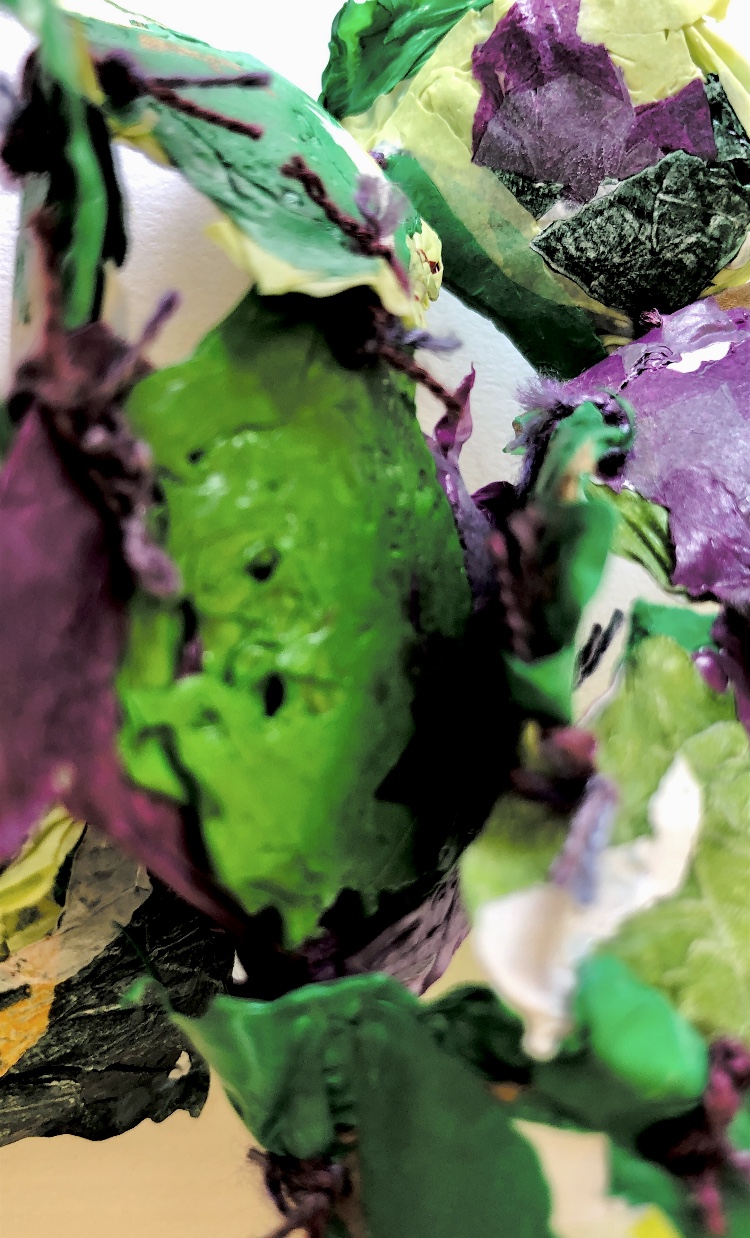
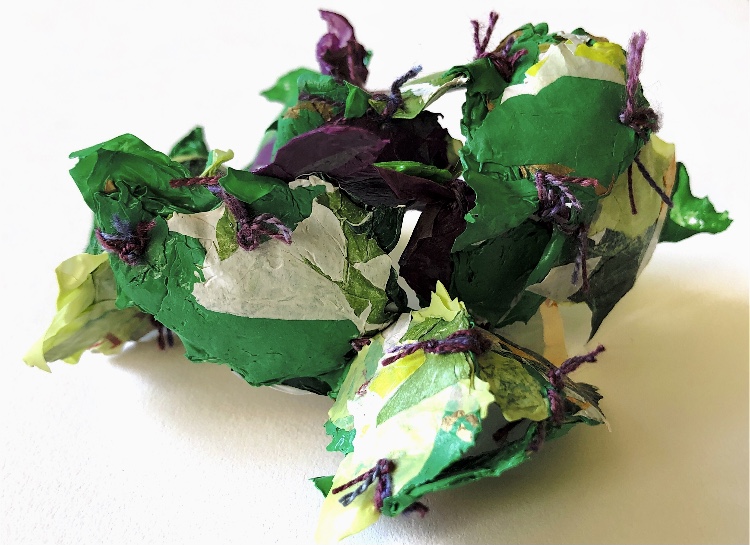
Pieces of plastic bags ironed to make small ‘jewels’, joined with hand stitch into groups of three and then each group sewn together. The rough edges of these pieces proved a challenge to join – the original sample was made from perfect circles. The result is so interesting – who knew I would enjoy working with plastic bags? There is so much movement in this piece, and the carefully chosen colours work well. The contrasting textures of plastic and stitch , with the cut ends of the threads showing, create an exciting, tactile sample.

Sample 5

Inspirational sample

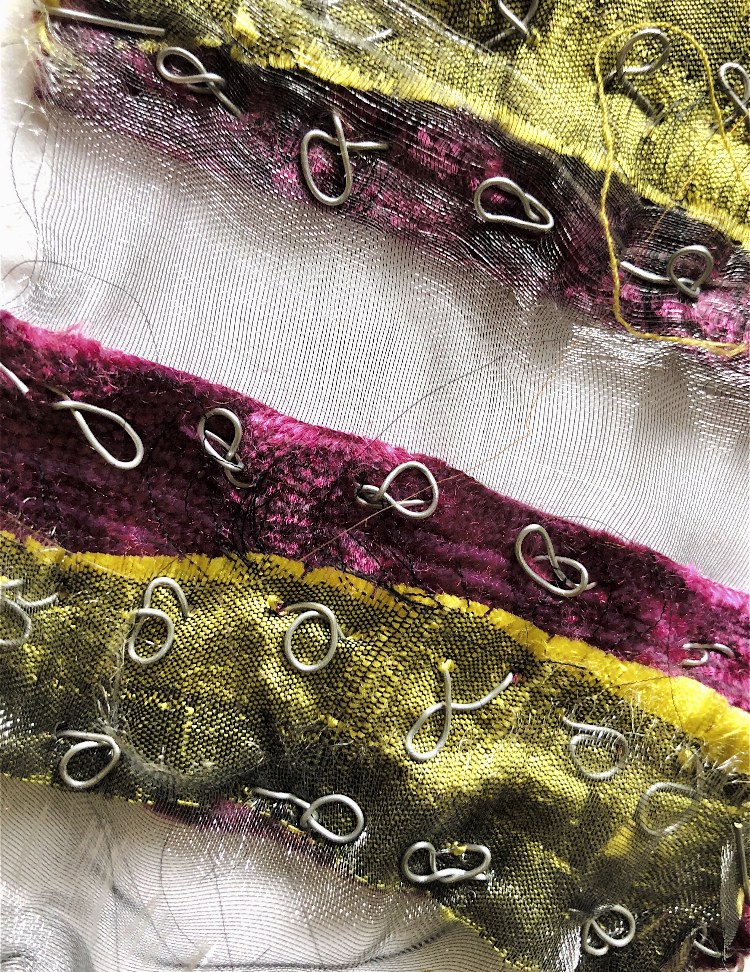
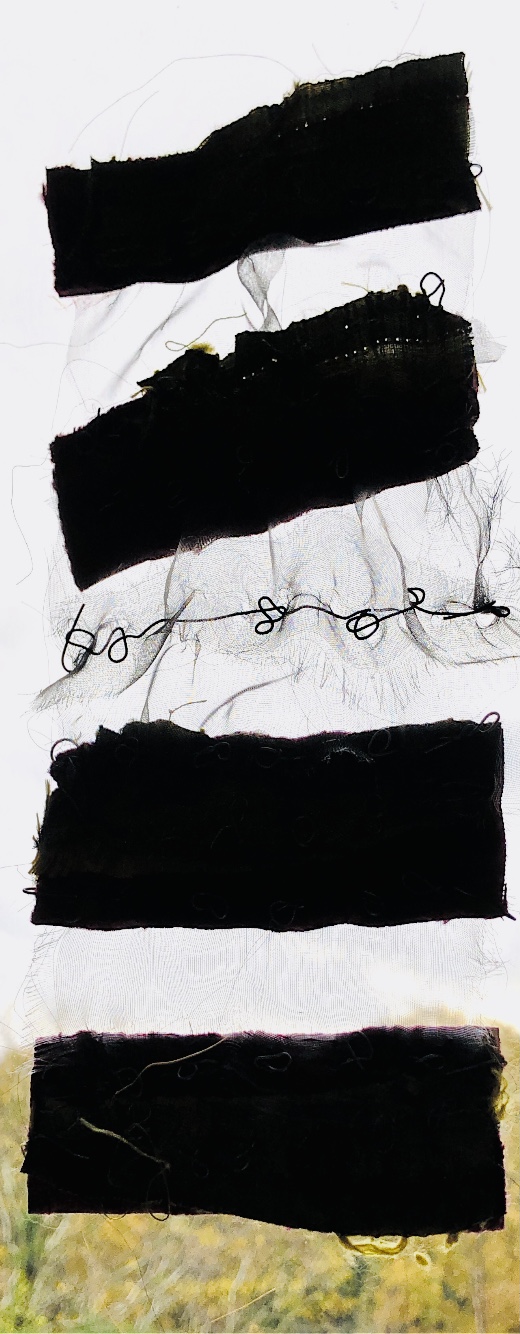
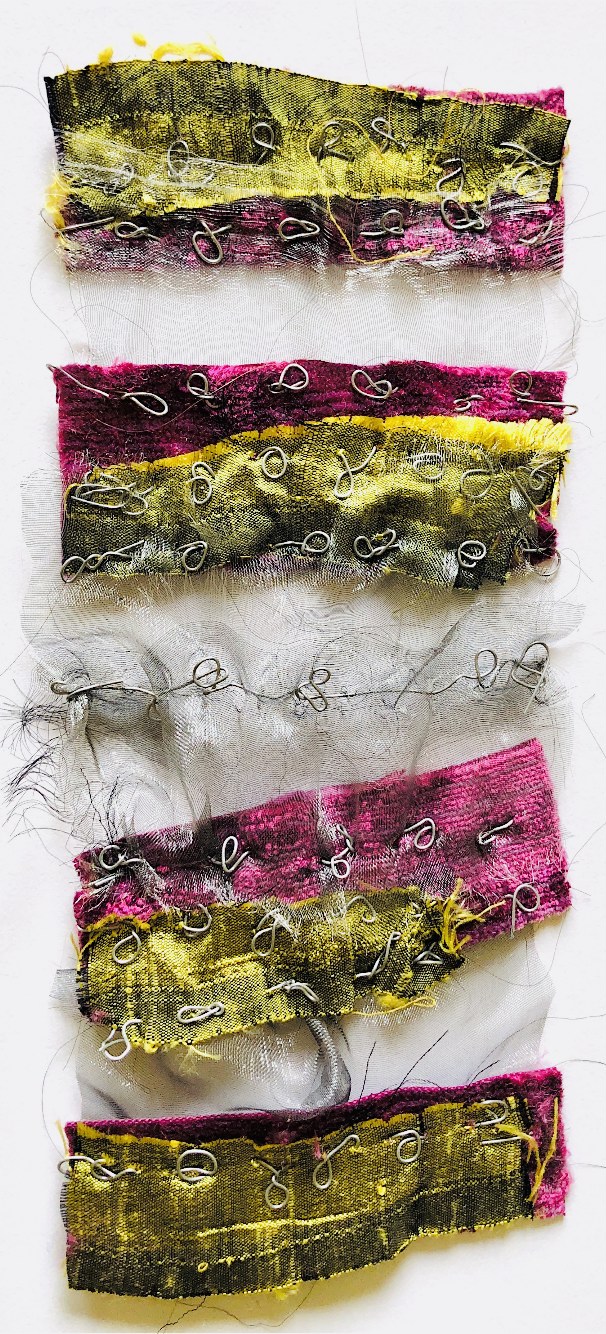
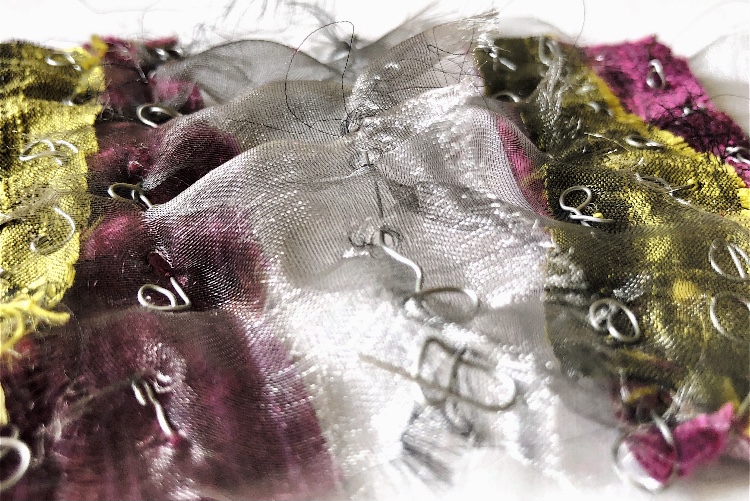
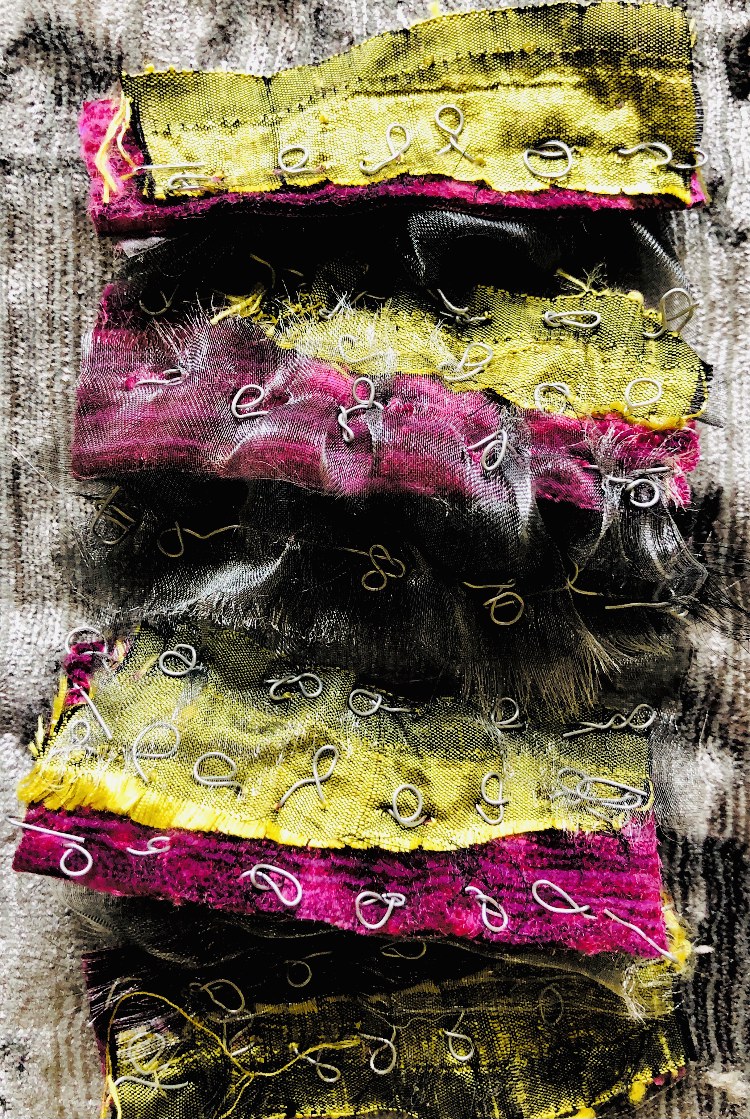
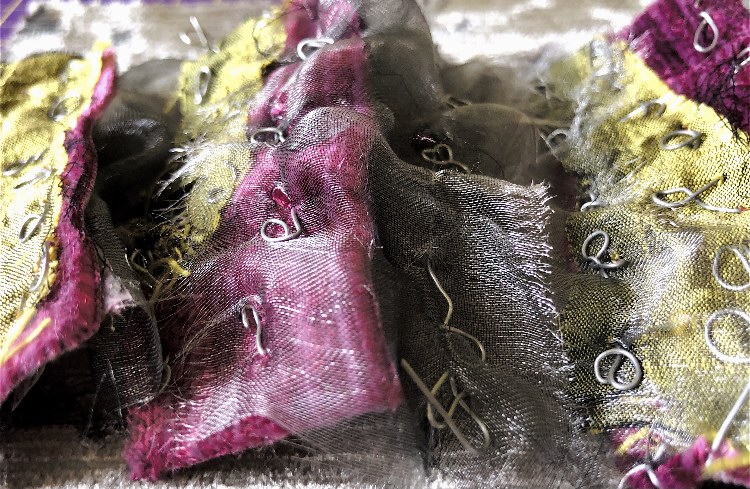
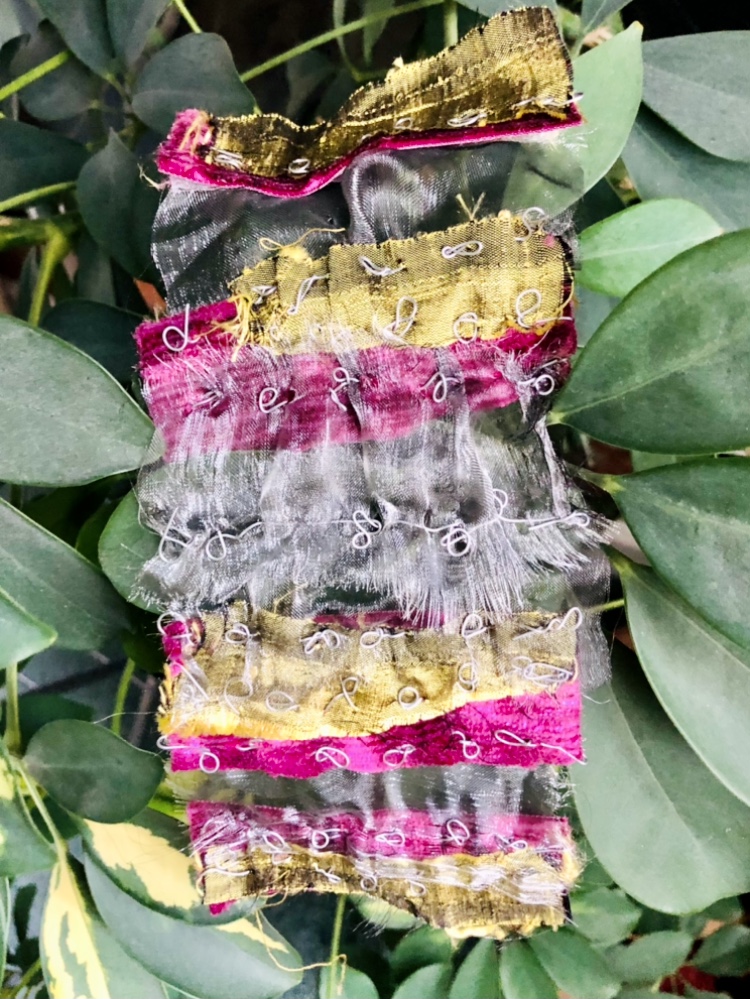
Developing the theme of attaching a very fine translucent material to heavier fabrics using wire, I selected some slubbed silk, and chenille furnishing fabric in a bright vivid green and a raspberry colour. I sewed the strips together and to grey organza using wire. It was quite difficult to sew with the wire but the resulting uneven loopy stitches create a lot of visual interest and tactile quality to the sample.

Sample 6

Inspirational sample

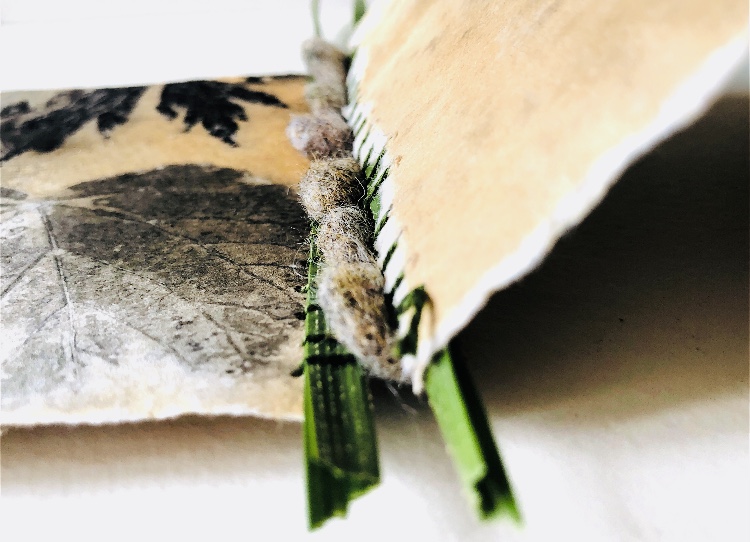
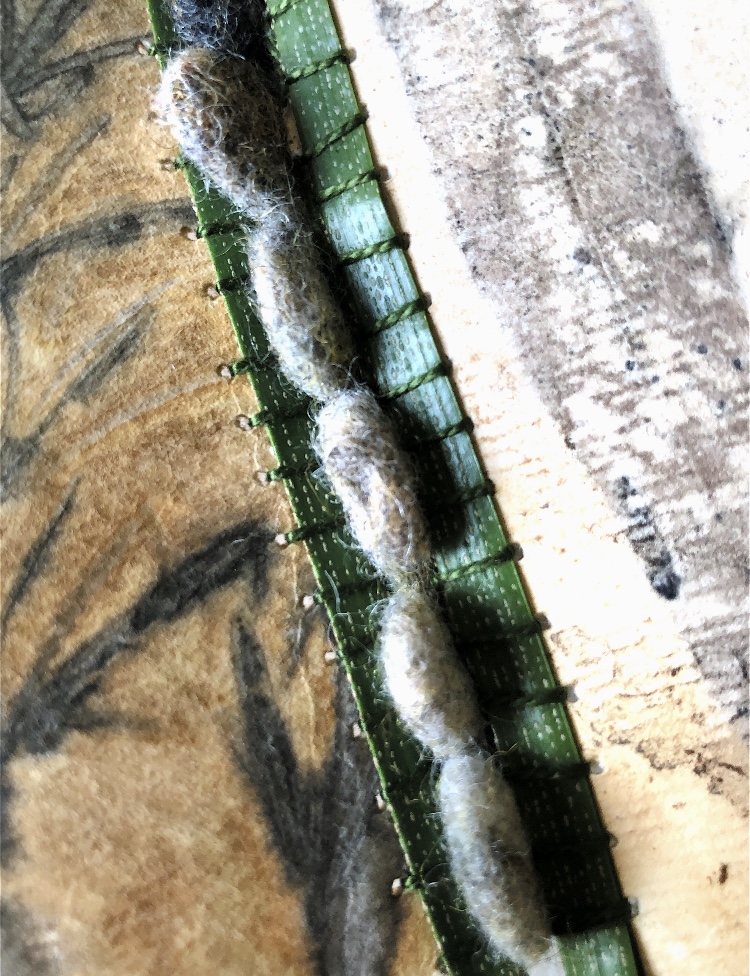
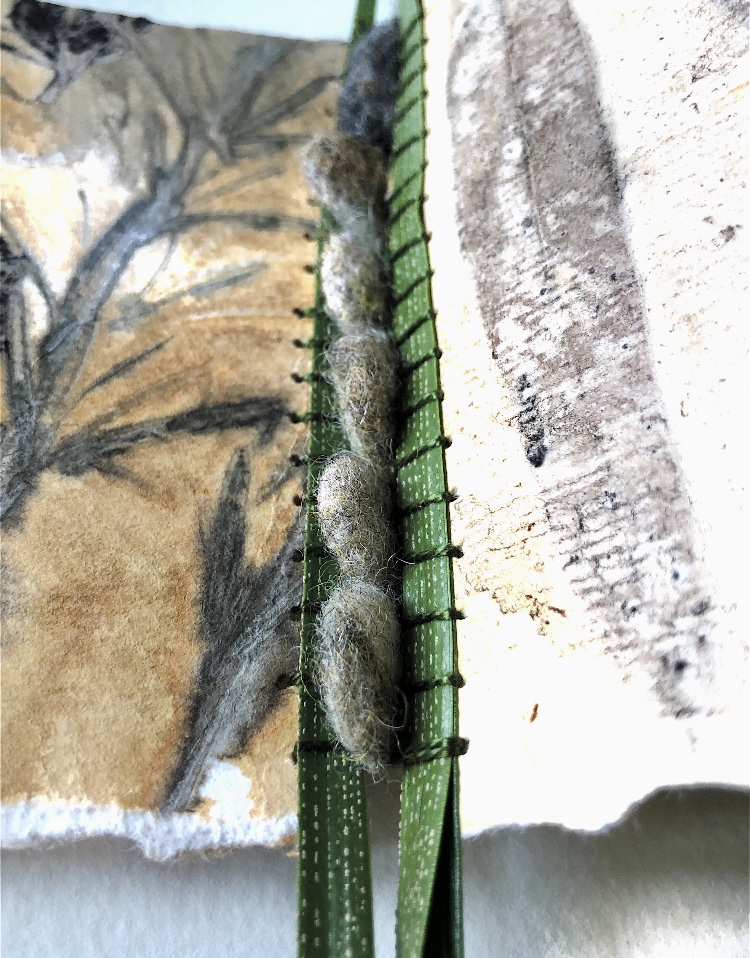
Looking at this sample and also some of the work I did with leaves I decided to experiment with a more natural colour scheme and materials. Using watercolour paper eco-dyed with plant material, I blanket stitched along the edge enclosing leaves. Substituting felted ‘stones’ for the buttons worked well and proved easy to stitch through. This method of joining could be used to make a book, or longer concertina shape. Like most of my other samples there is a flexibility to the piece, creating a structural 3D sample.