Practitioners who use drawing and mark making.
I decided to explore the work of the following artists:
Roanna Wells
Katie Sollohub
Debbie Smyth
Hilary Ellis
Louise Bourgeois
I chose these artists as I found something interesting in their work and a different approach both in ideas and practice.
I started by picking out a two or more pieces of work by each artist and also reading about where they get inspiration and how they produce their works of art.
Roanna Wells
I was interested in Roanna Wells’ series of paintings called ‘How they are ever changing’ due to the beautiful colours and the repetitive brush marks creating a hypnotic whole. there is something different to see each time you look at these watercolour pictures, and the subtle differences in shape, size, density and colour on a plain white background create an ever changing picture.
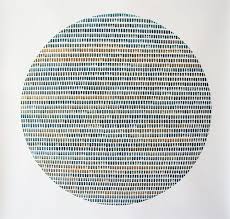

Roanna Wells uses the following words in her website that I want to try to use in my drawings:
spontaneous
accidental marks
residue
repetition
multiples
fluidity
changing
Katie Sollohub
Katie Sollohub states that she is interested in documenting and recording the places she lives and works in. She uses drawings, paintings, performance, photography and poetry in her work. I like her quirky style and arrangements. Poetry is also something I am particularly interested in using as inspiration in my textile work.


The following words jumped out at me from Katie Sollohub’s website and I hope I can relate these to my drawings:
documenting
recording
narrative
memories
details
frayed edges
unnoticed familiars
well worn and loved
Debbie Smyth
Debbie Smyth’s ‘Linear works’ are strong structures using knots and threads. I like the loose threads hanging from the knots which could move and subtly change the picture each time you look at it. They are hard and soft at the same time and I appreciate this contrast.


The words used by Debbie Smyth that I want to use as inspiration are:
commonplace objects
changing angles and perspective
iconic objects
exaggeration
linear structures
Hilary Ellis
The pictures made by Hilary Ellis intrigue me. They are made up of repetitive marks using threads and beads which she states is ‘deliberately reminiscent of the labour-intensive toil of sweatshops, whose employees’ existence is reduced to a series of stitches.’ http://www.hilaryellis.co.uk
One interesting thing Hilary Ellis asks on her website is ‘When is a work of art finished?’ which is something I feel to be intuitive to the maker – I hope that I recognise this point and know when to stop!

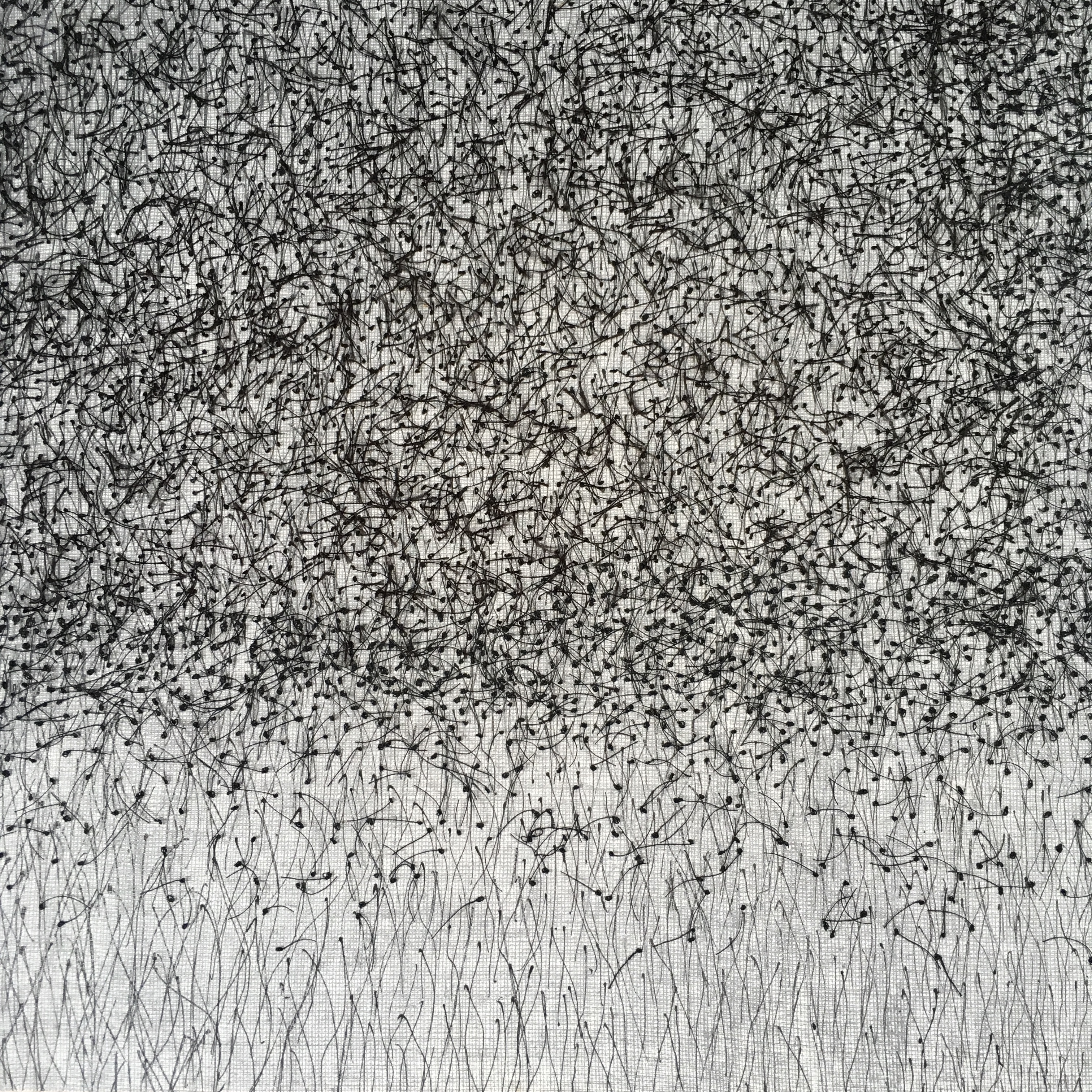
Hilary Ellis uses lots of words that I feel can help to inspire my drawing and mark making:
discreet yet insistent marks
scratches
chaos
order
repeated marks
deviations
frailty of the human hand
series of stitches
muted palette
ritualistic and repetitive
Louise Bourgeois
Louise Bourgeois used many different techniques in her artwork including, aquatint, digital, drypoint, engraving, etching, lithography, photogravure, relief, screen prints, and sculpture. Her works are bold, dynamic, brave, strong, uncompromising, assertive and unusual.

Aquatint is an intaglio (as opposed to relief) printmaking technique and produces areas of tone rather than lines.
Drypoint uses a plate which is incised with a hard pointed metal or diamond tipped ‘needle’, whereas engraving uses a tool called a burin to cut grooves.

Etching makes use of an acid resistant coating into which the design is scratched or pressed before submerging the plate into acid which etches the exposed areas.
Lithography uses ink applied to a grease treated image and is based on the immiscibility of grease and water ie they do not mix.
Photogravure is a photo-mechanical process using a copper plate and light sensitive gelatin tissue which is then etched.
Relief prints are made by carving into a print block which could be made of a number of materials, eg – Lino, erasers, wood.
Screen printing uses a mesh screen and a blocking stencil and can create bold prints.
I have tried drypoint, relief printing and screen printing before and was interested to see what could be produced with these techniques.
The words associated with Louise Bourgeois that I thought could inspire me to try to do something different are:
forms
materials
scale
strange
organic
figuration
abstraction
evocative
eerie
loneliness
jealousy
anger
fear
art as a tool for coping
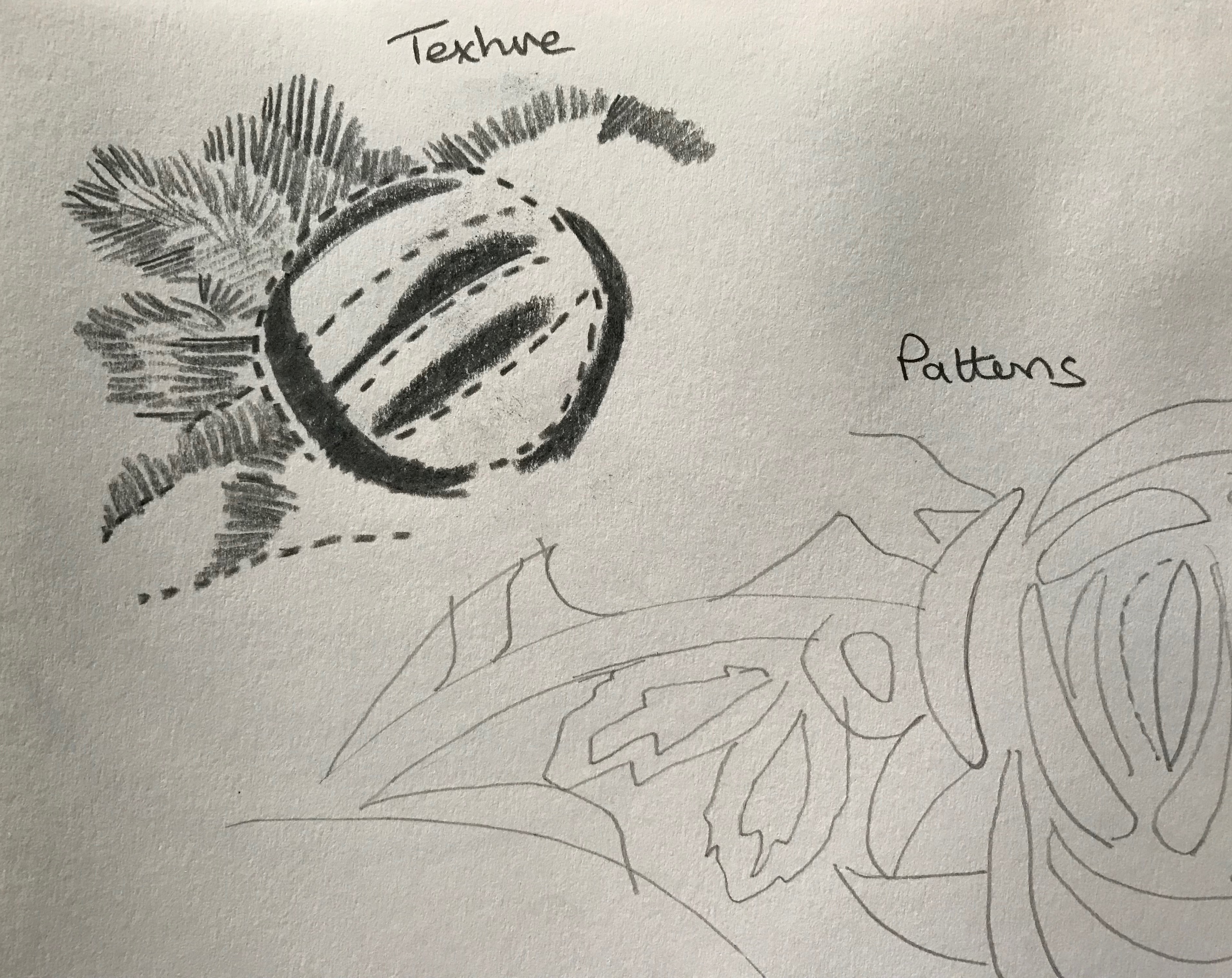
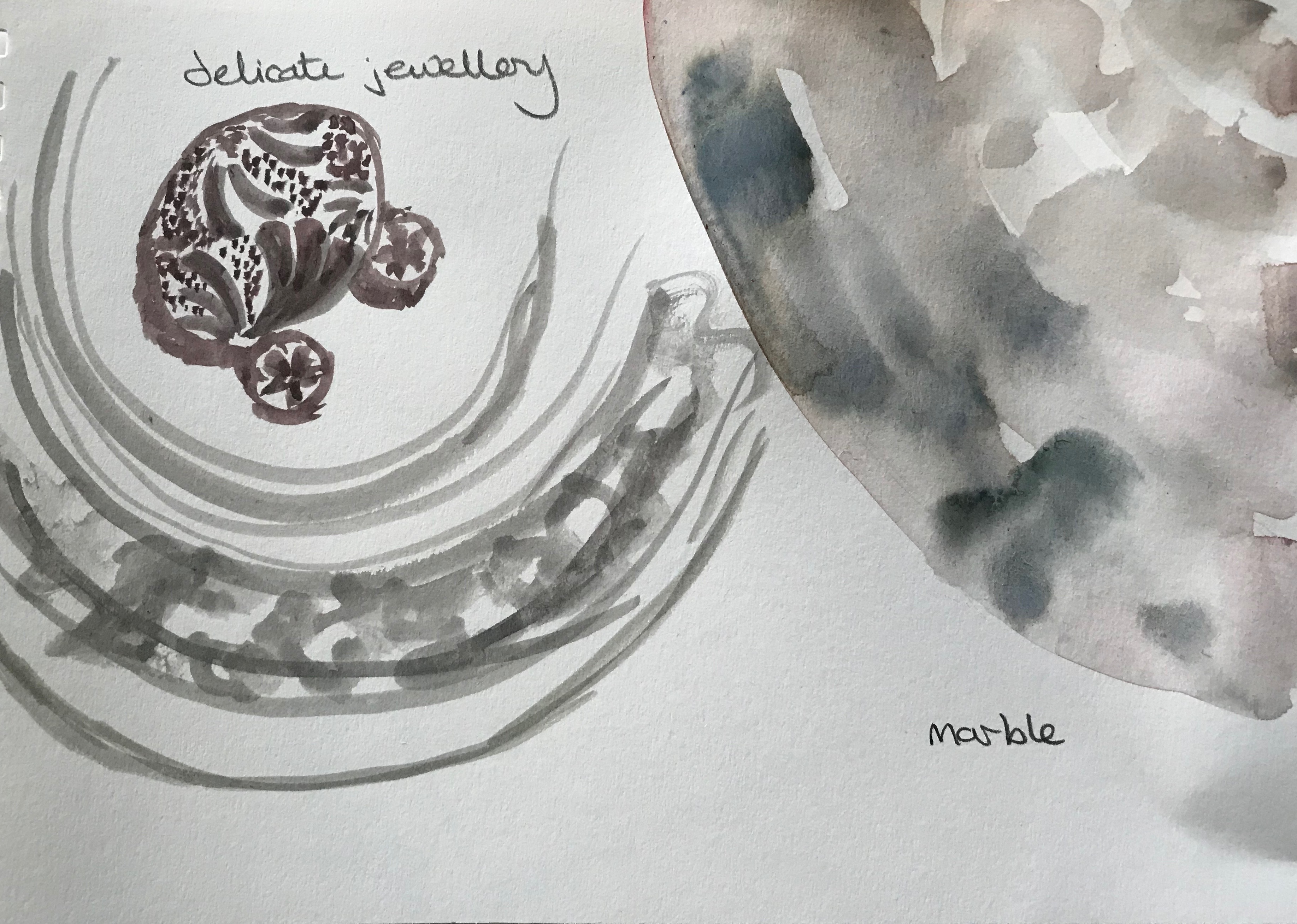
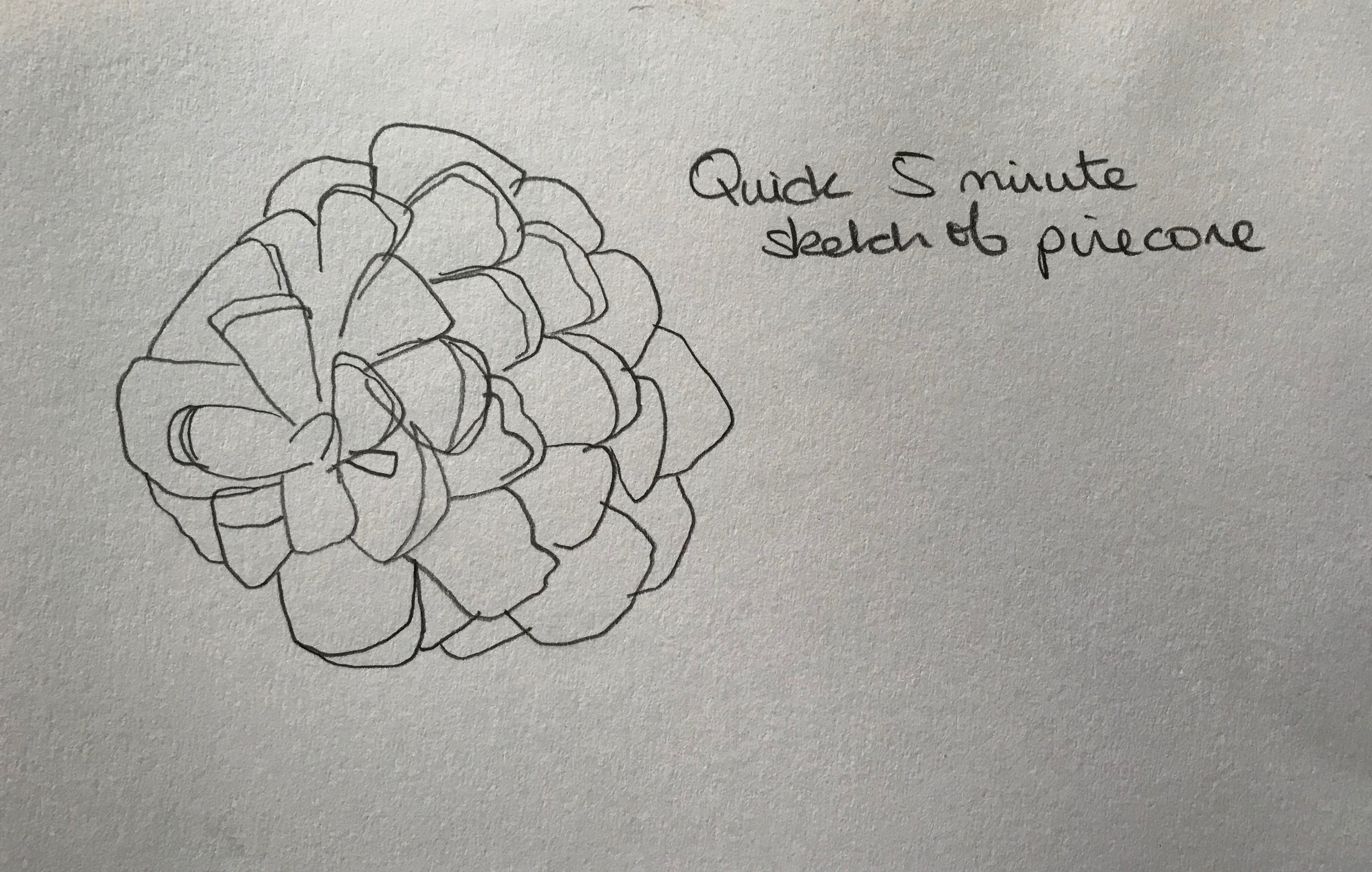
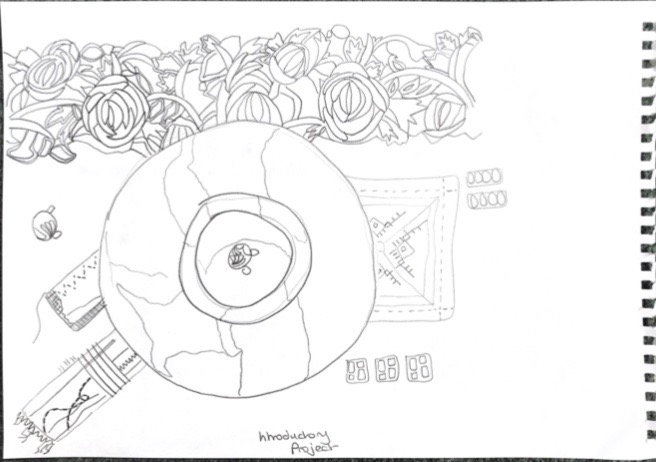
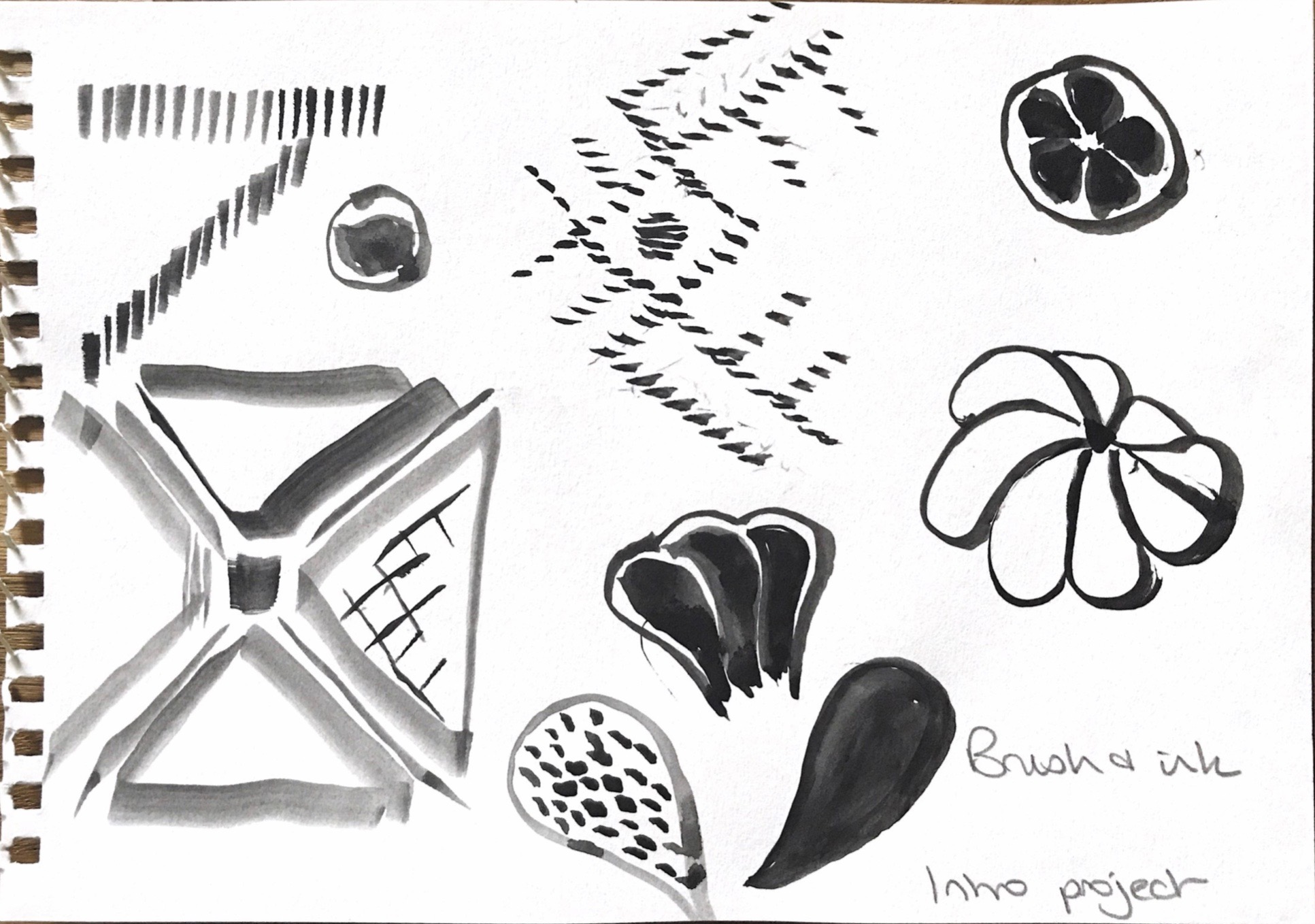
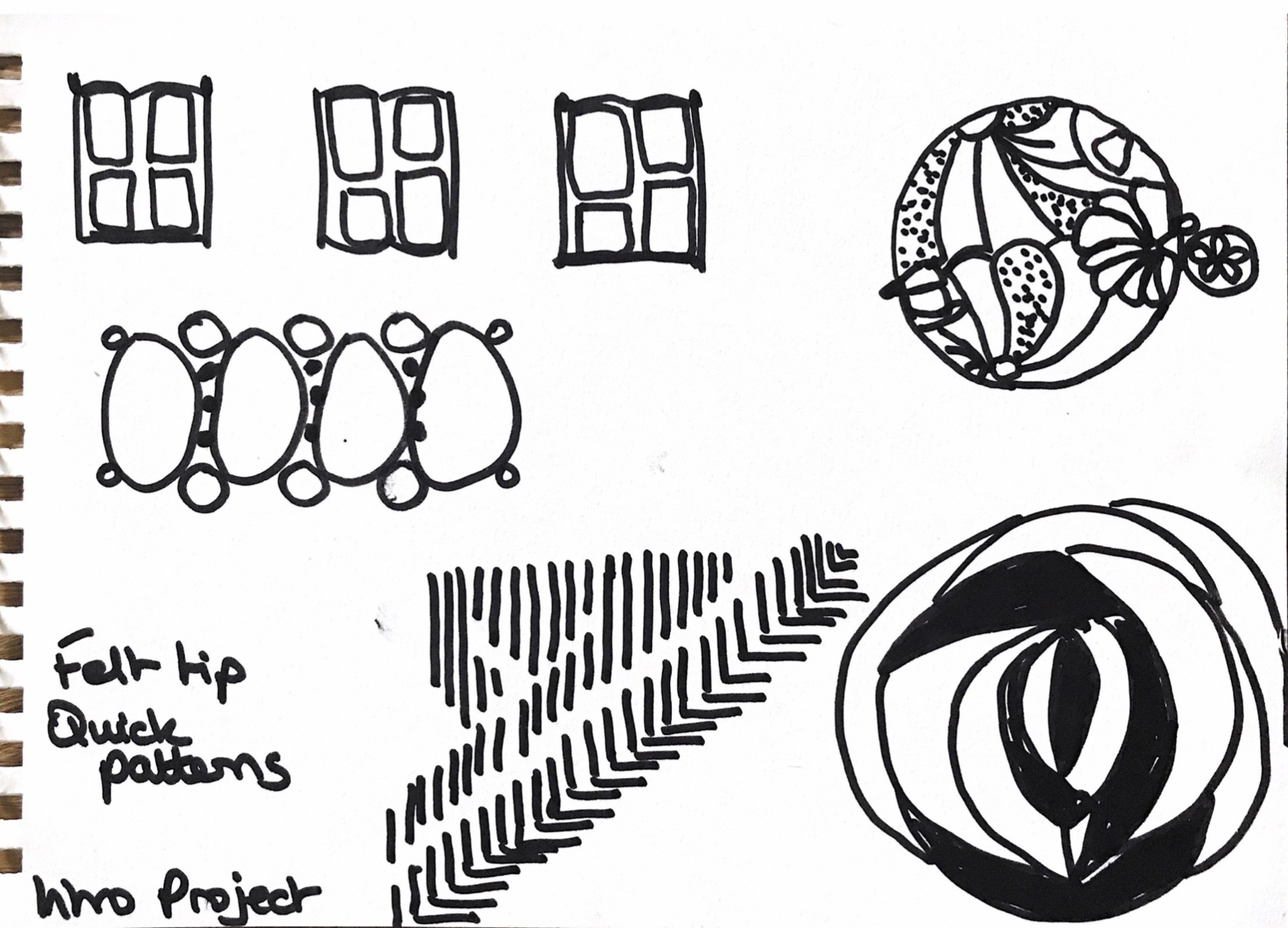
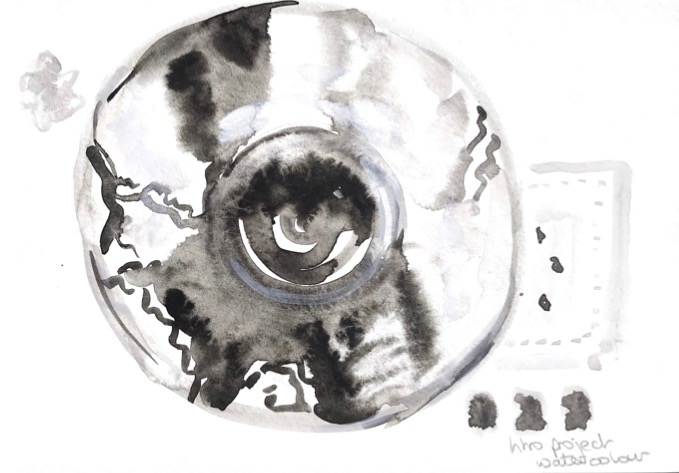
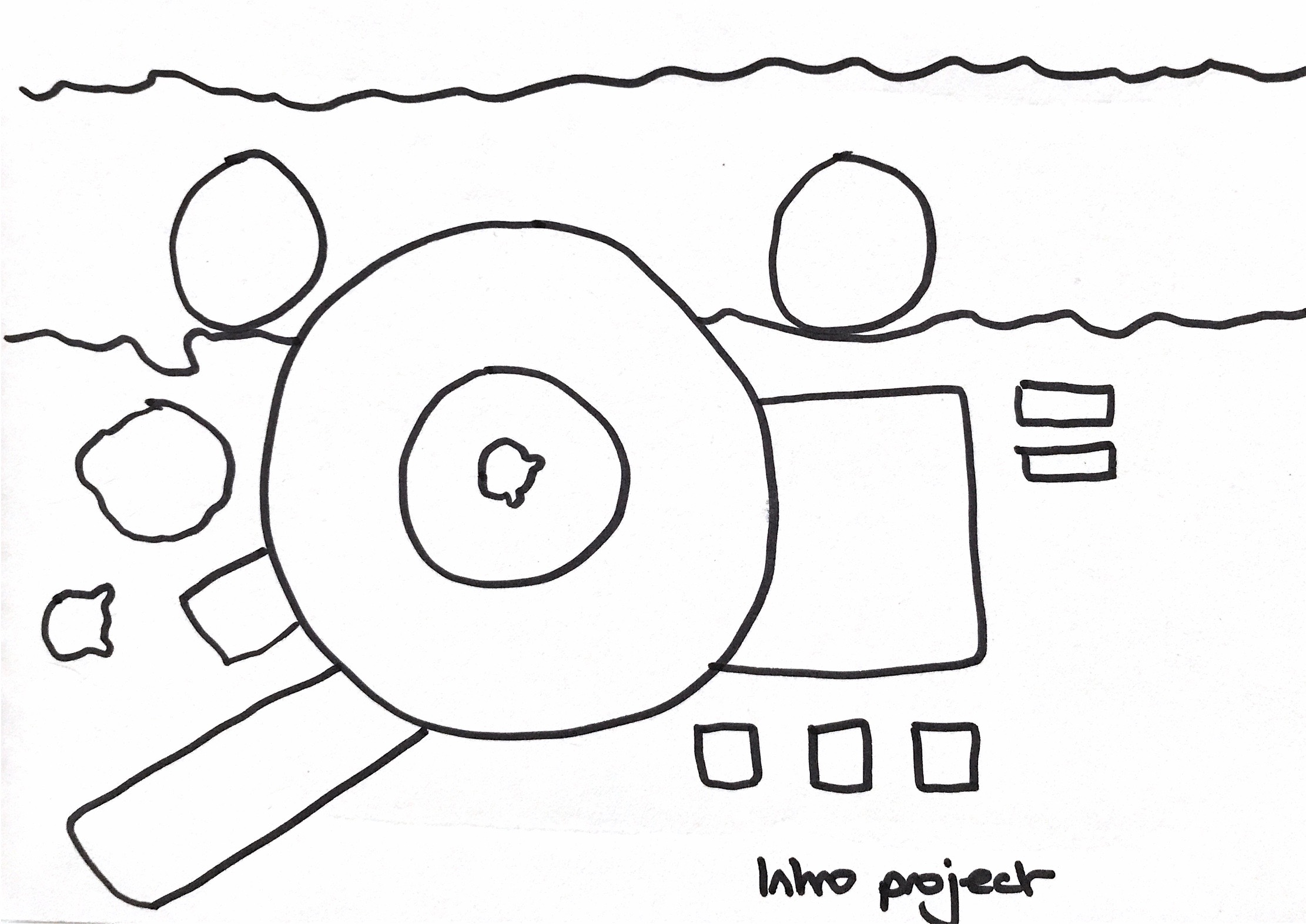
Now to start using these ideas in my mark making!!!

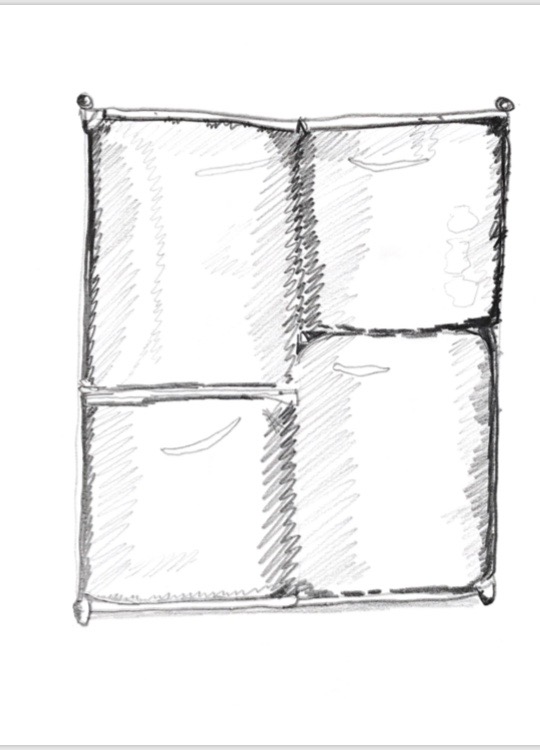
 Paper and stitch