Author Archives: paper and stitch

Unknown's avatar

About paper and stitch

I am a textiles student with OCA

Textiles 1 Part 5 Building a collection Project 2 Building a response. More collage and textile concepts

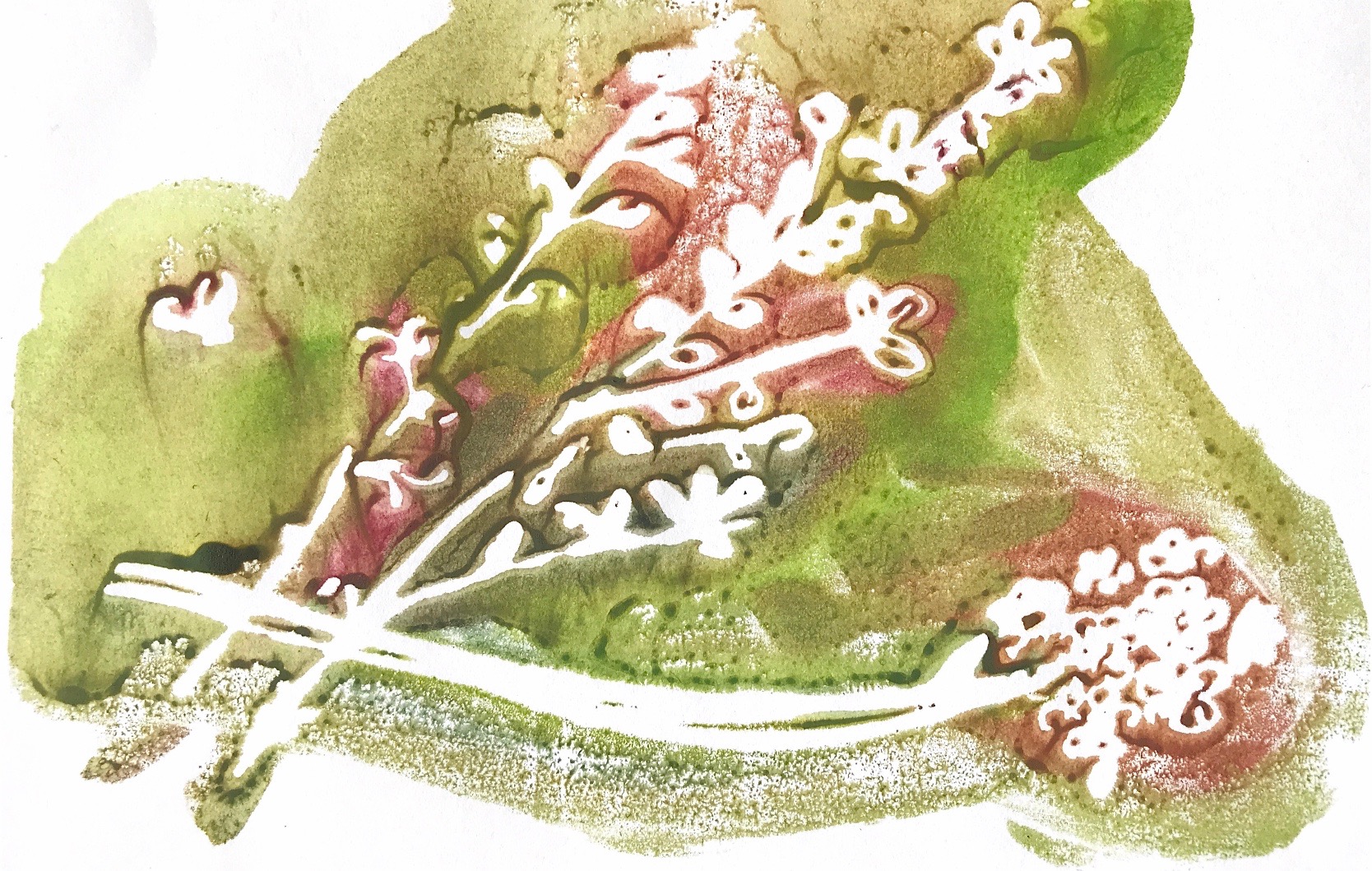
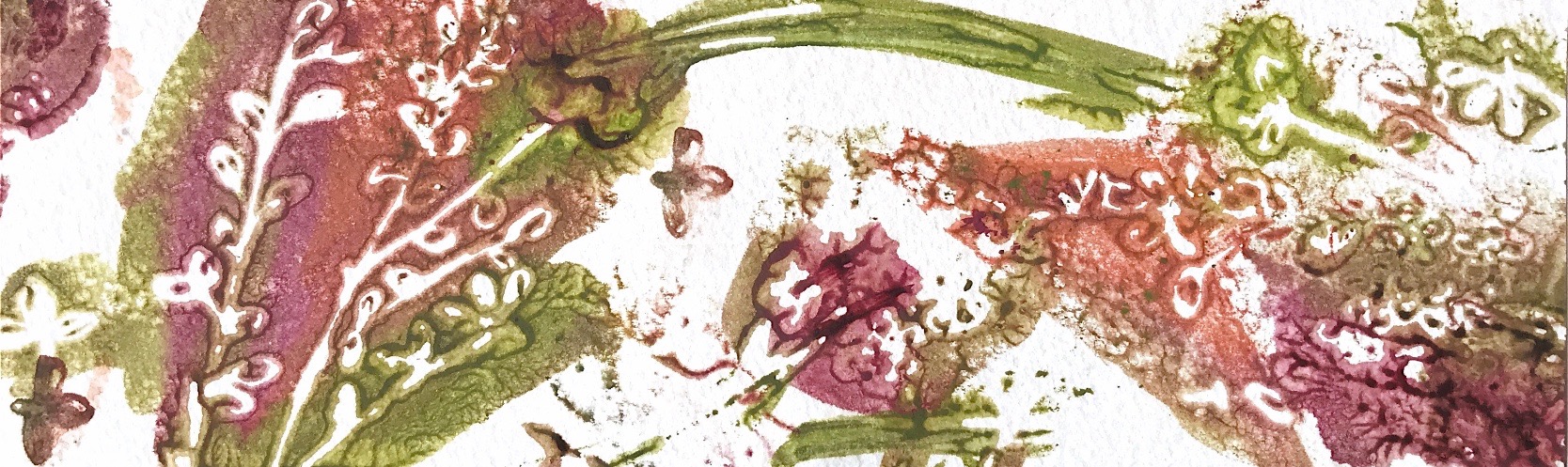
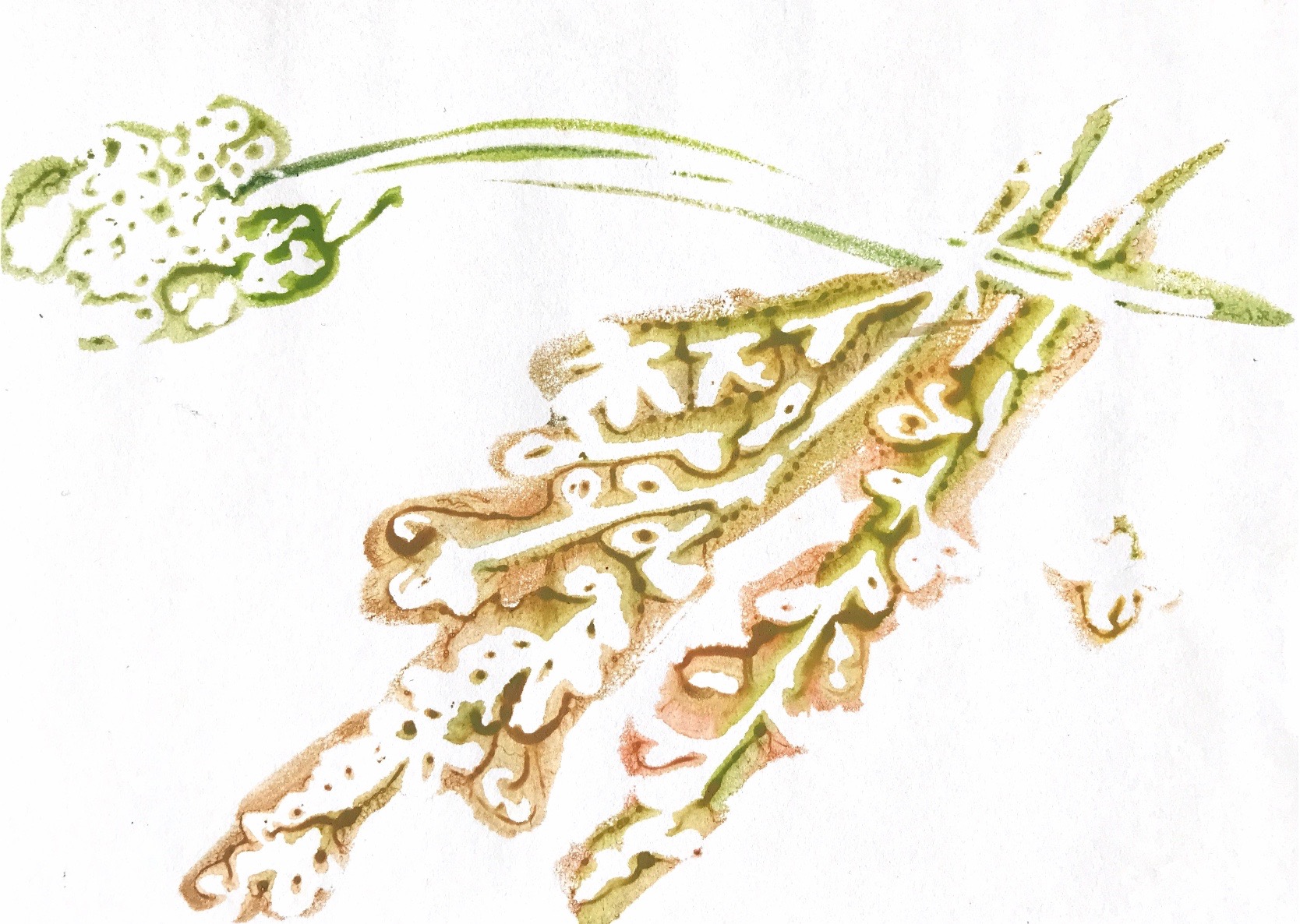
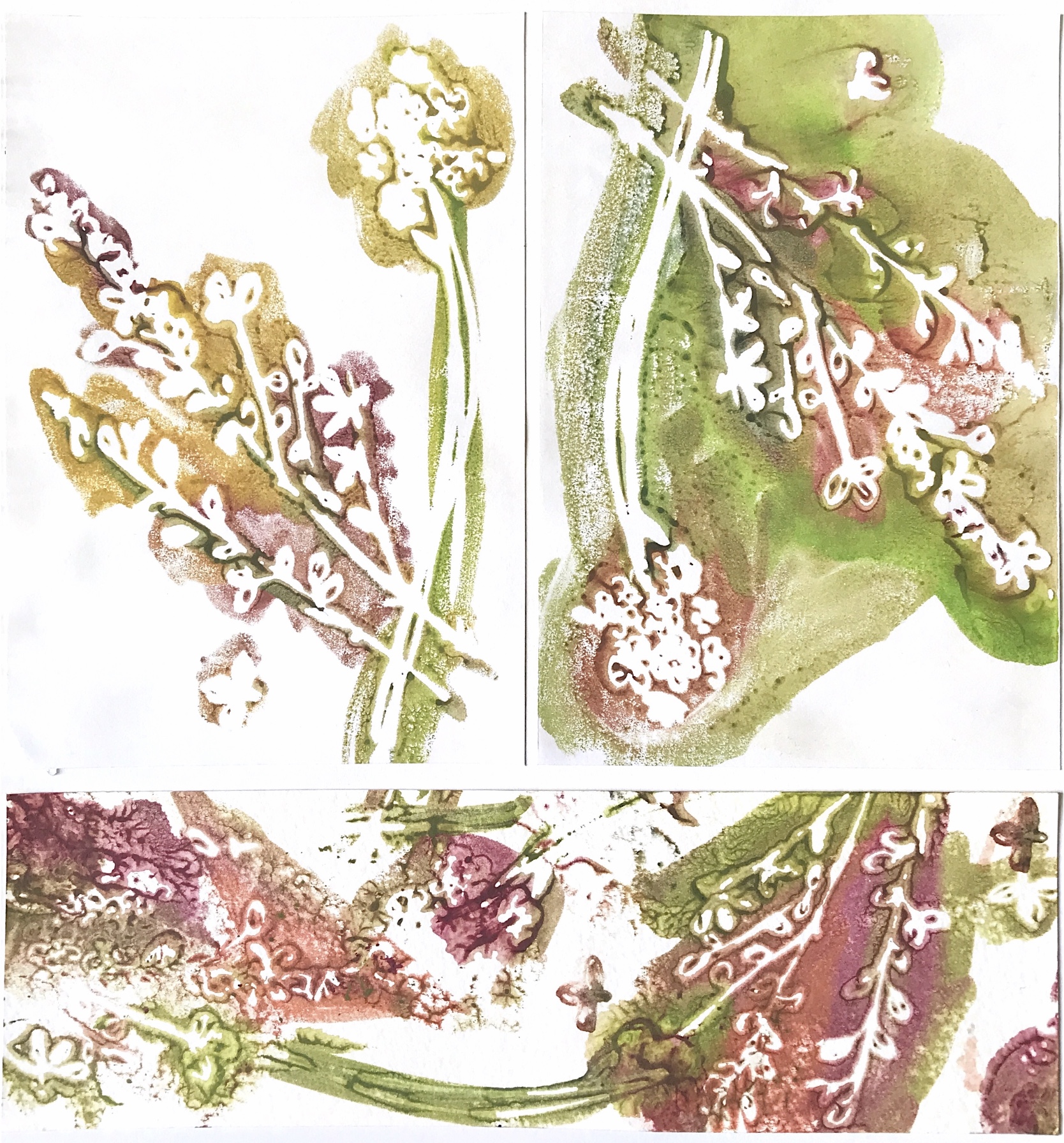
Feeling inspired by the colours and shapes from my drawings and collages, I produced some more painted papers and used them to cut and bond shapes to fabric.

Painted papers cut out and bonded to cotton fabric.
Pieces cut out and stitched to a cotton backing.

There are lots of ideas here but I am not sure I like the machine stitching attaching the elements. Also I should have ironed the cotton fabric first!!! I do like the arrangement though and I have lots of shapes ready to experiment further with.

Hand stitched sample which I am much happier with

Before I get too carried away with this collage work, I need to work further on developing textile concepts.

These are my first experiments.

Tempting though it is to refine these samples further I need to experiment and develop many more concepts before I move on.

Textiles 1 Part 5 Building a collection Project 2 Building a response. Collage

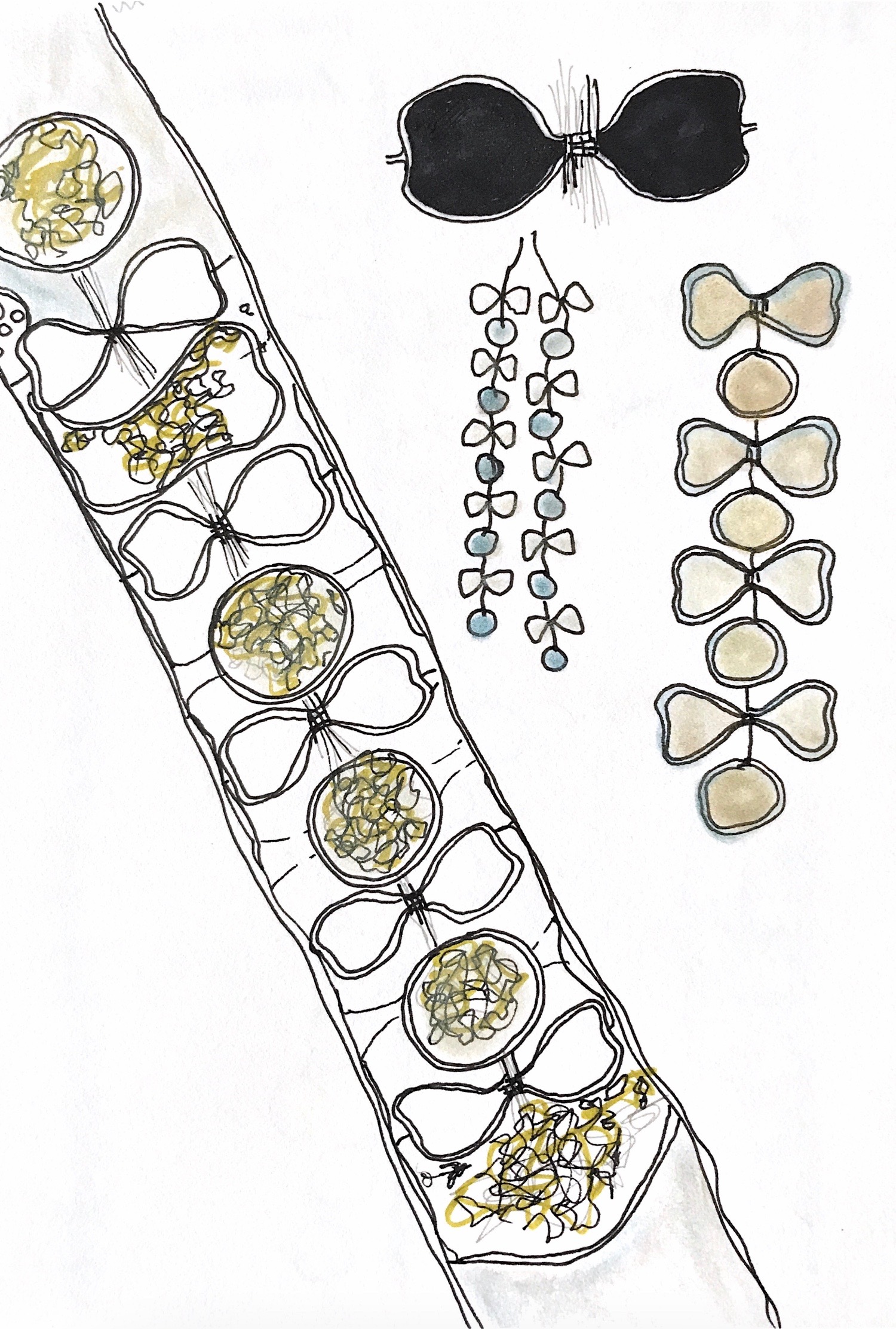
Following my colour studies and fabric wraps, I decided to work on a series of paper collages. Having traced the outlines of my drawings on an iPad application called Waterlogue, I selected areas of these drawings, enlarged them, and cut out selected areas to draw around on painted papers. These were then arranged into a series of collage samples.

Selected areas from original drawings in Part 5 Project 1.
Collage showing repetition and pattern

I feel that all the collages are inspirational and give lots of ideas for stitch. I am pleased that I used papers that I have painted and printed in my colour palette, as they give me the slightly faded complex look I was going for. They remind me a bit of the collage pieces in the book ‘The Hungry Caterpillar by Eric Carle’. Maybe I could choose him as my inspirational artist?

Textiles 1 Part 5 Building a collection Project 2 Building a response

Identifying and presenting a colour palette

Firstly I chose the following images from which to extract a palette

Next I painted colour chips in watercolour and then in gouache.

Watercolour chips
Gouache chips

I also created yarn wraps

Single colour yarn wraps focussing on colours and tones
Multicolour yarn wraps exploring colour relationships and proportion

Textiles 1 Part 5 Building a collection Project 1 Developing visual research

Reviewing the drawing and mark making carried out in Parts one and two it was obvious to me that there was one exercise that I have not developed at all so far and that was exercise 1.8 Portraying by drawing. The flower watercolours I did for that exercise were fluid and colourful, and I feel I want to develop this theme for the current project.

Work produced for exercise 1.8

Looking back at the feedback I received from my tutor for Exercise 1.8, it was recommended that I look at the work of Angie Lewin. Her stylised paintings and prints are absolutely beautiful and I am encouraged to try to be free with my painting and also to try some printing for my visual research.

I chose a variety of plants to observe and work from, and a few different arrangements.

Watercolour shadow painting
Watercolour observational painting
Watercolour observation painting
Watercolour shadow painting
Loose watercolour painting with added pen detail
Very simple watercolour and pen
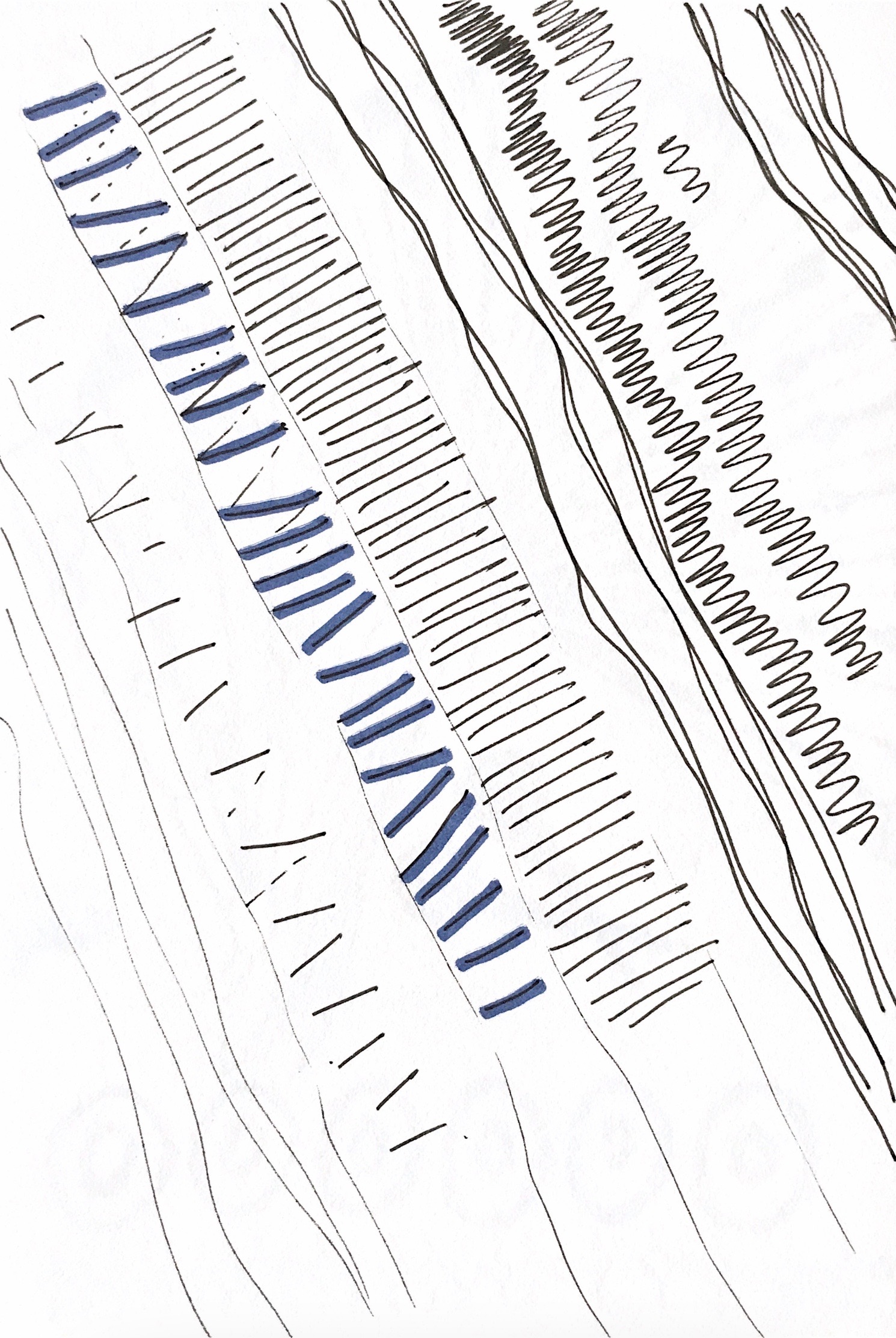
Observation in felt tip
Watercolour shadow painting with pen detail

I wanted to try some iPad drawings as they had been successful previously.

iPad drawing
iPad drawing – I really like this one

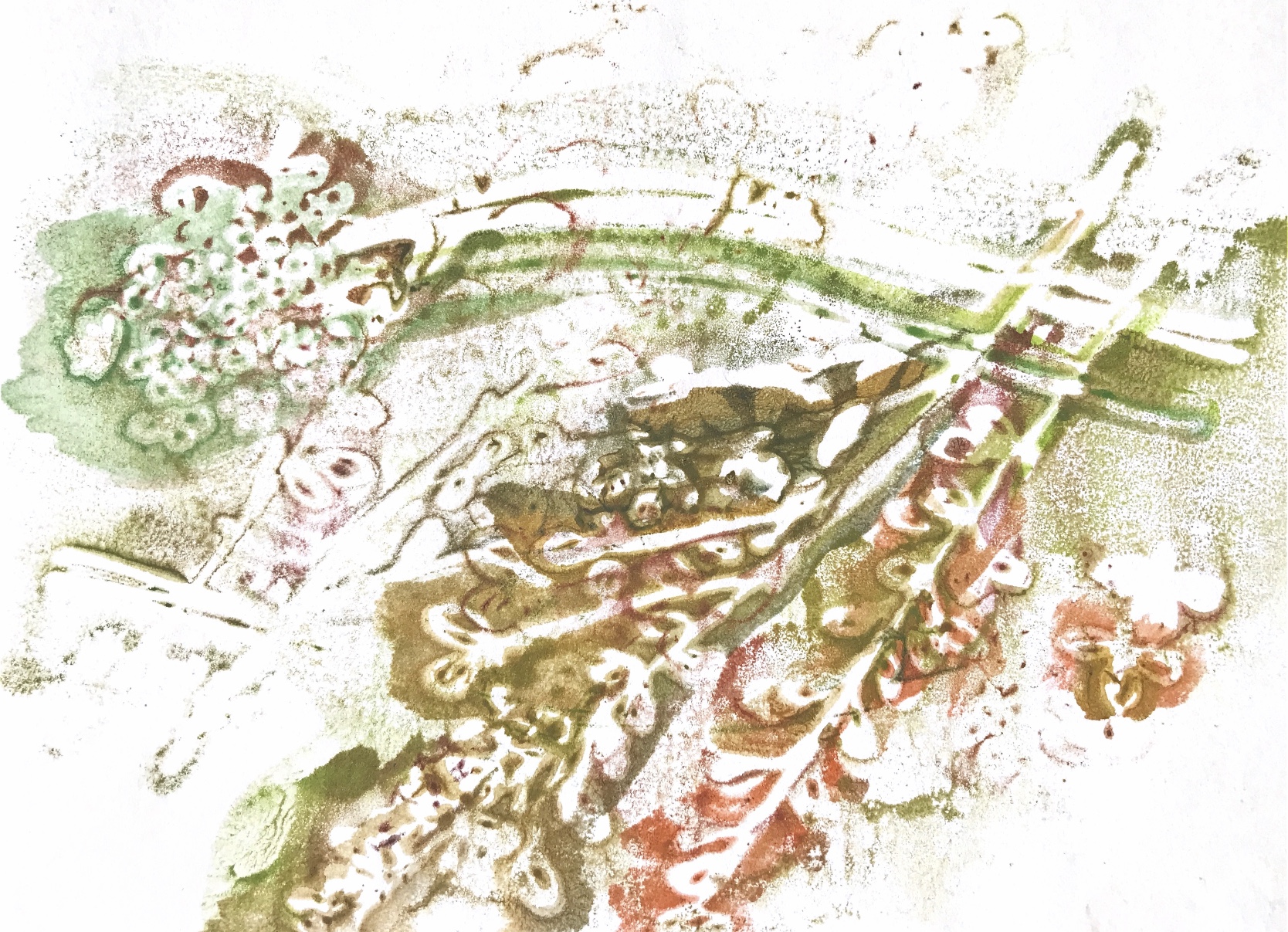
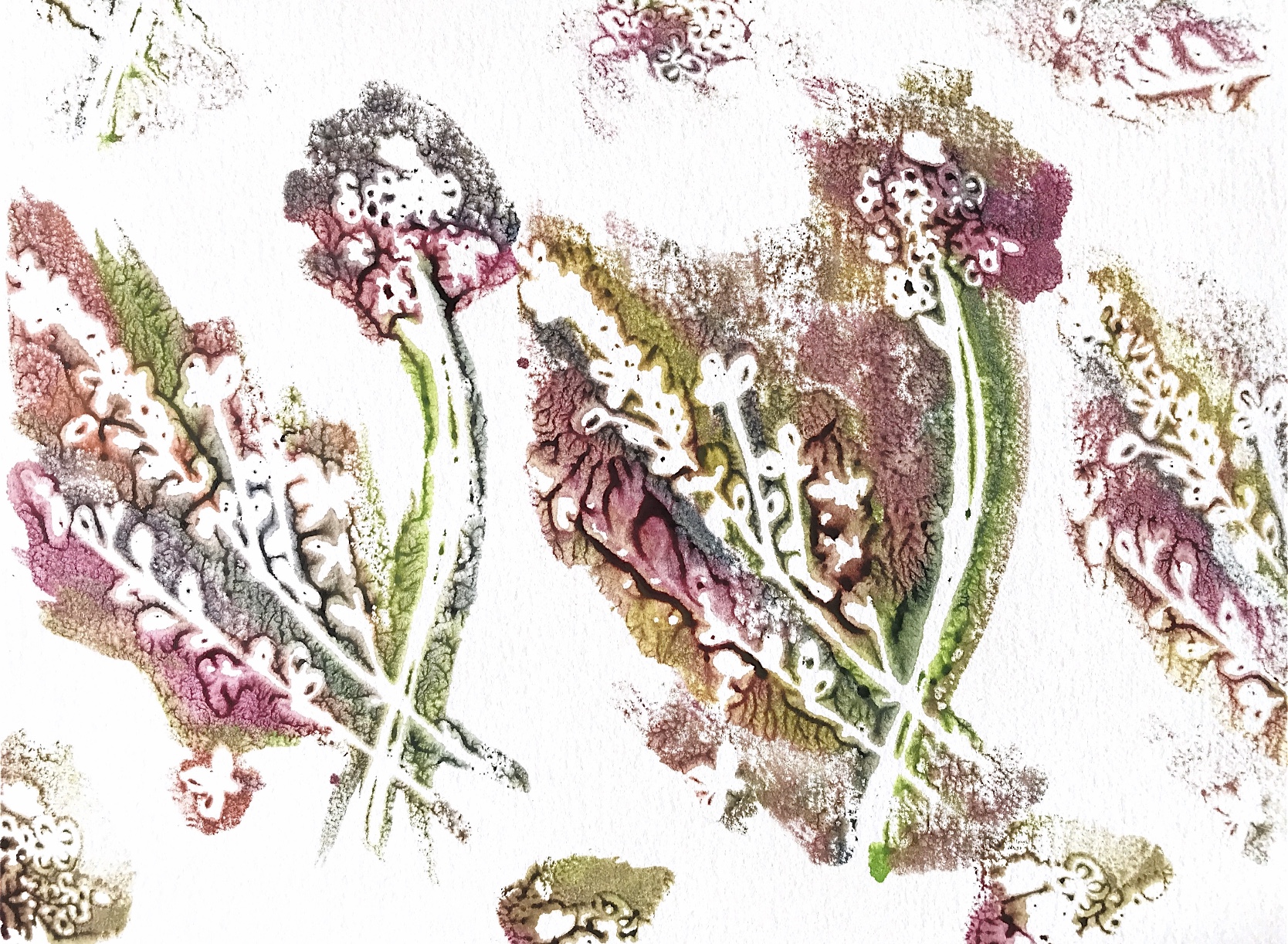
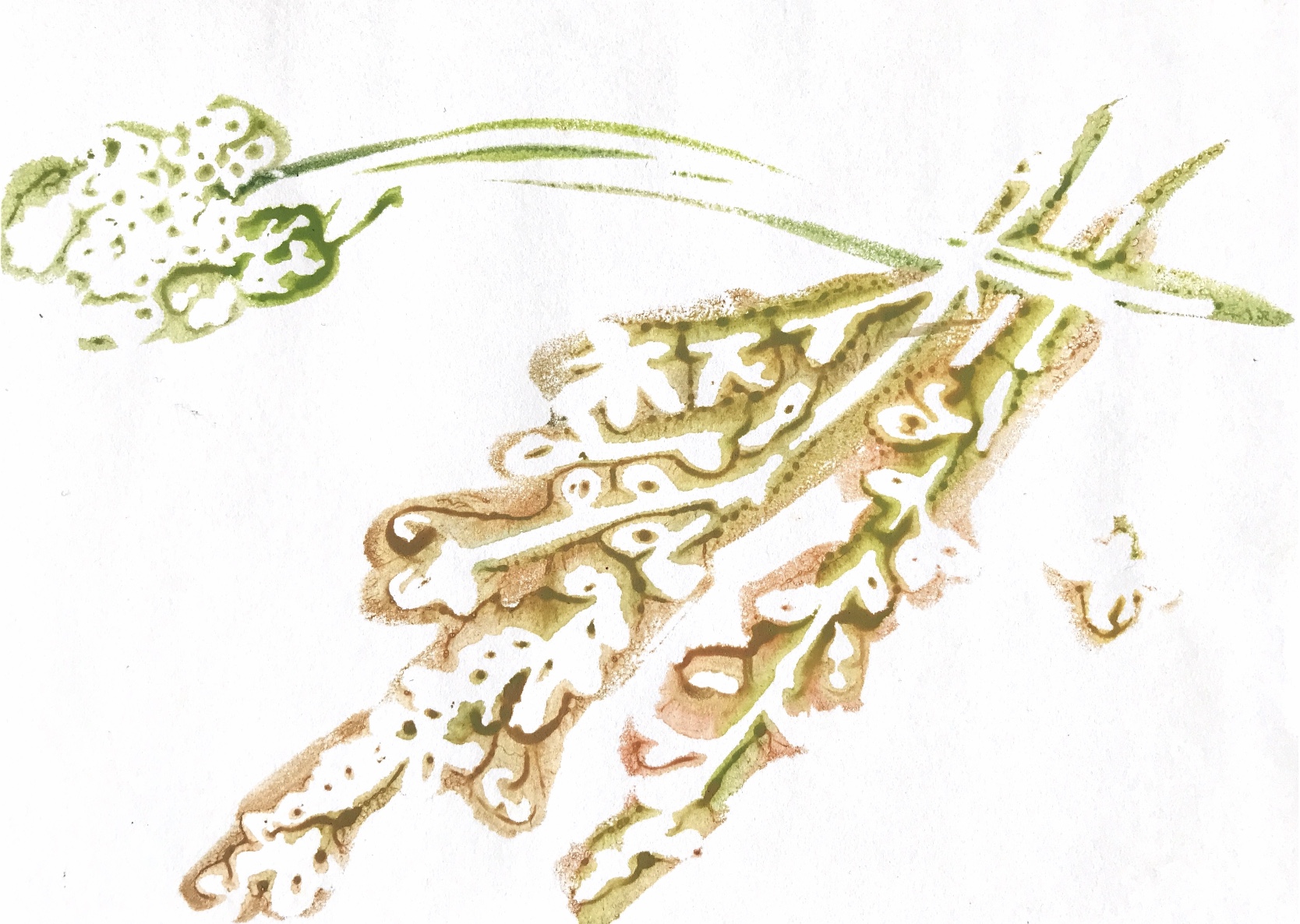
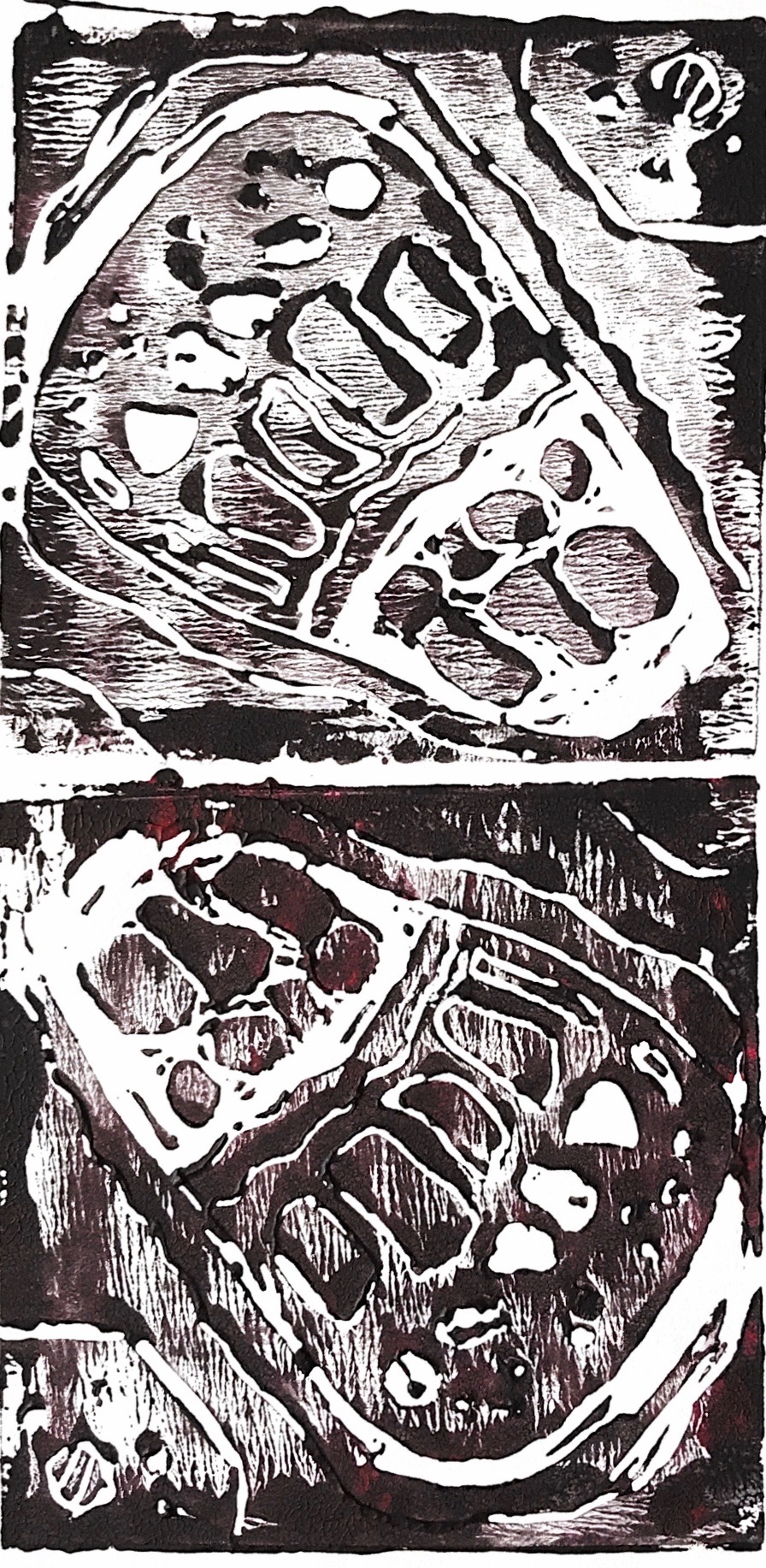
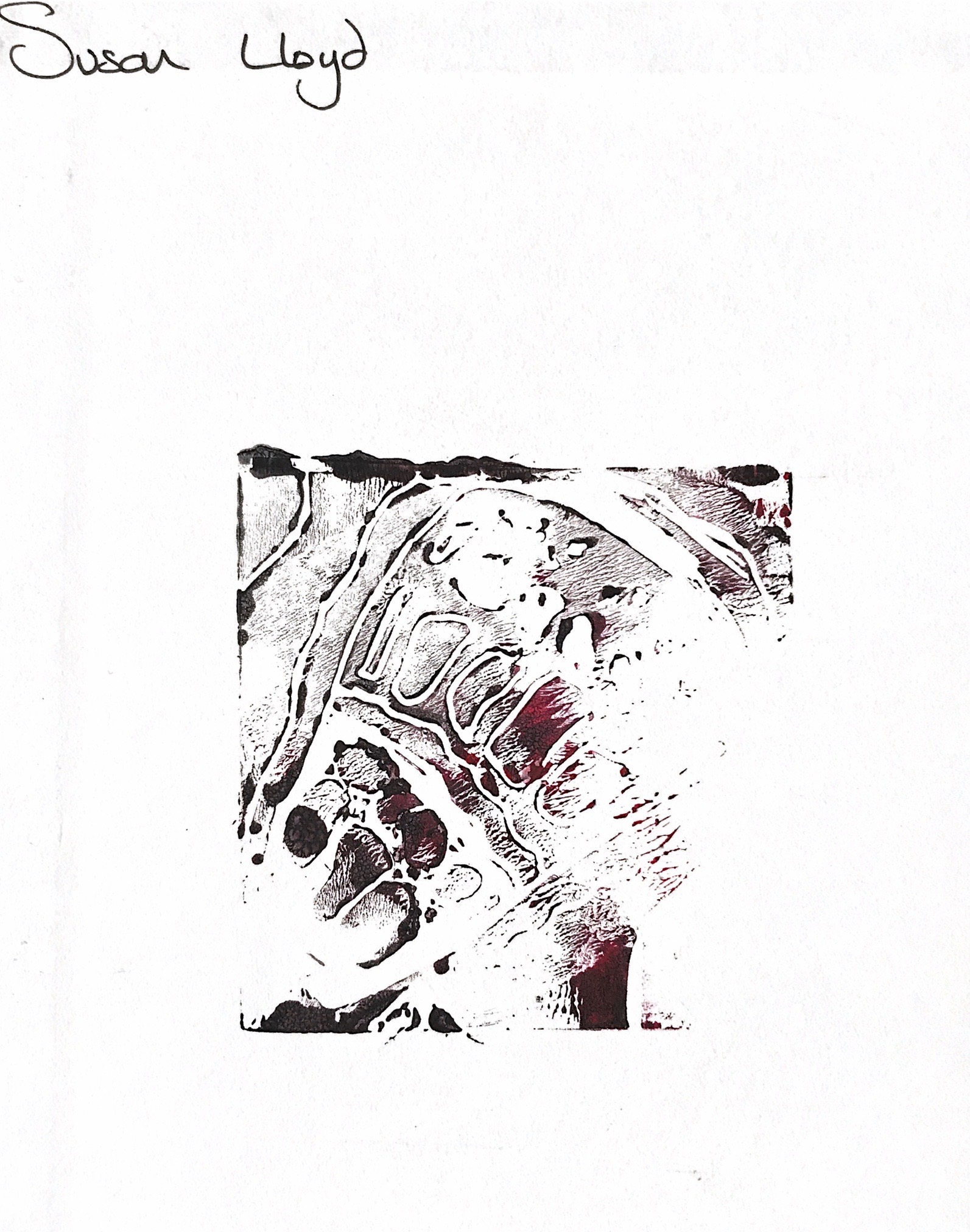
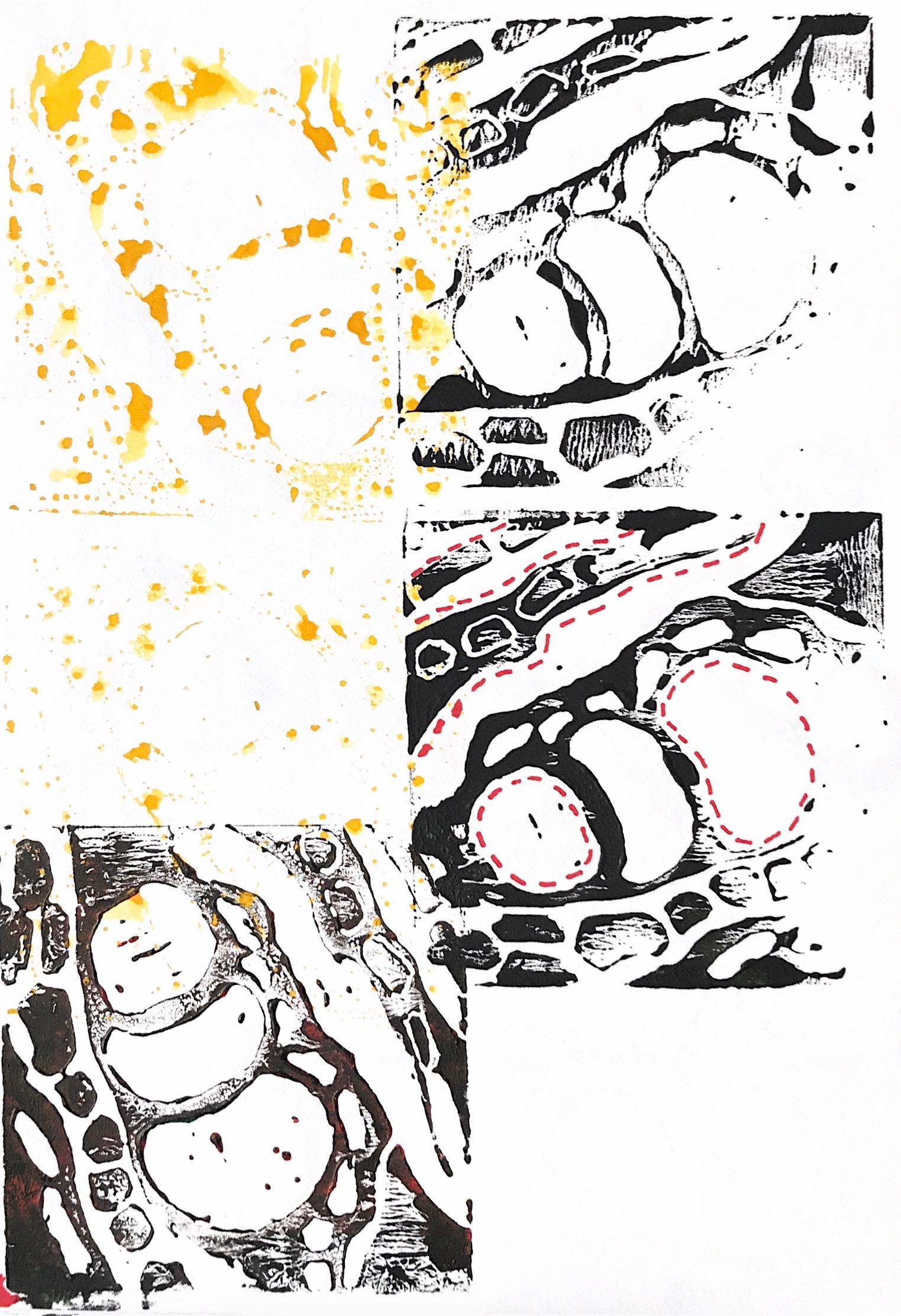
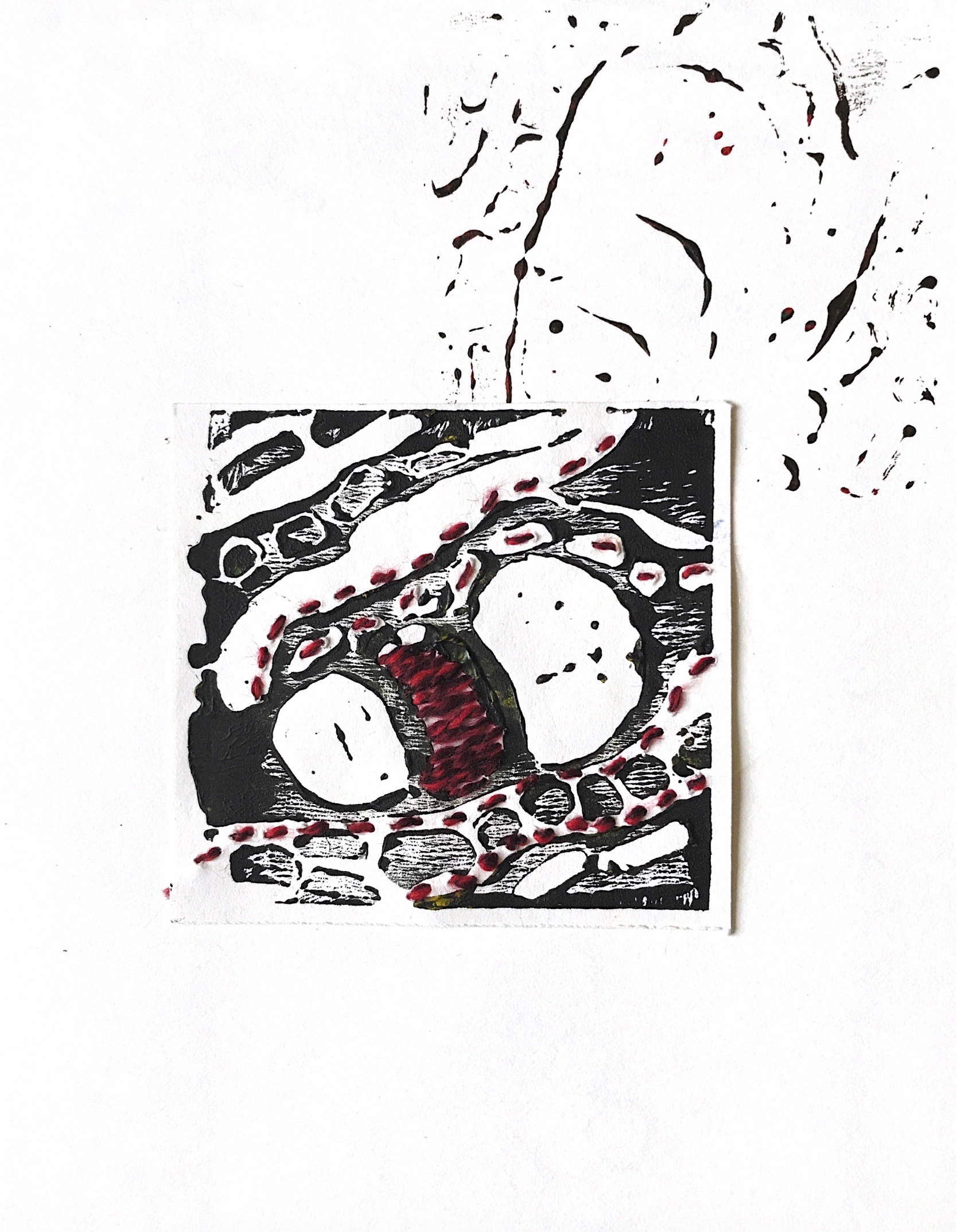
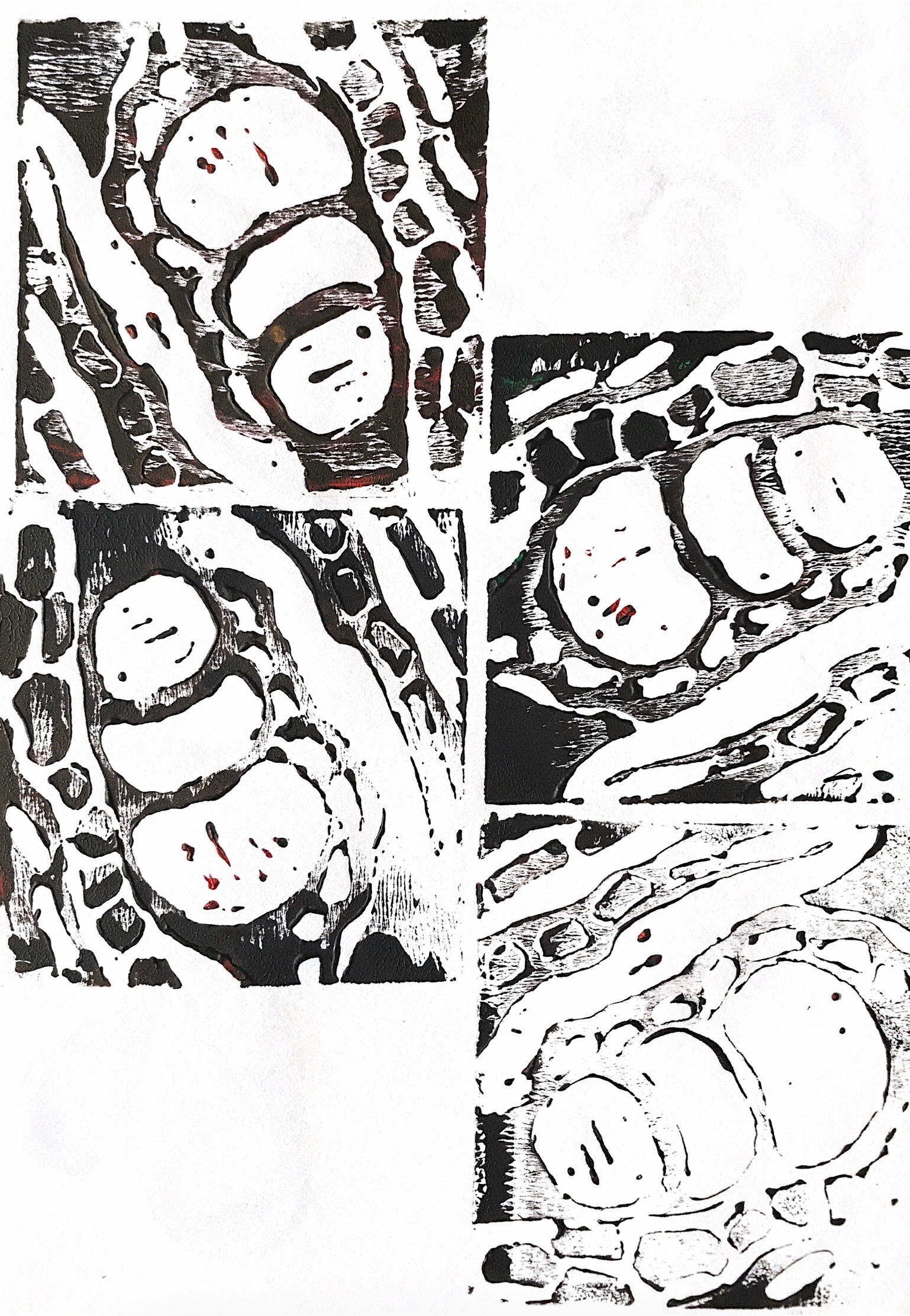
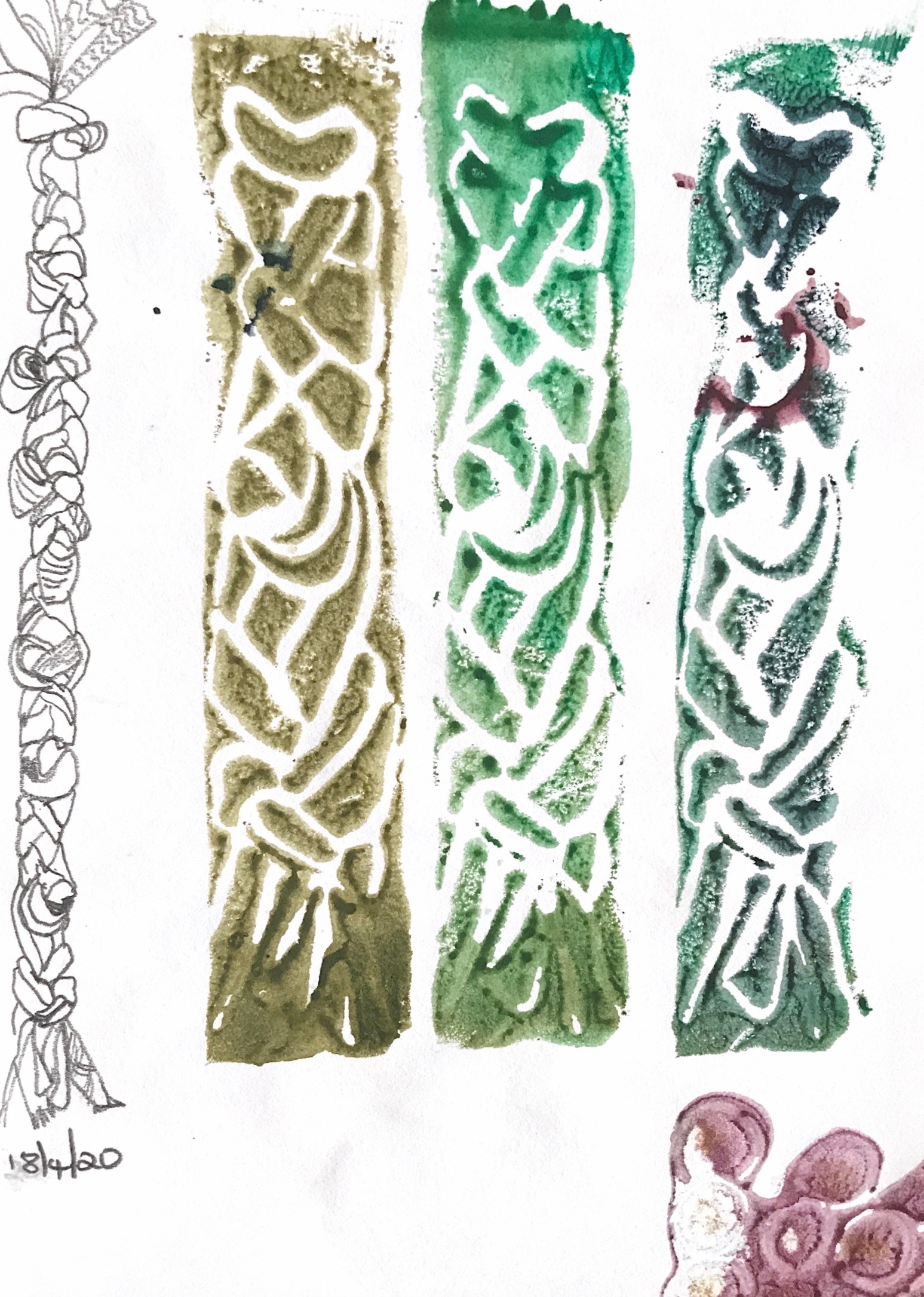
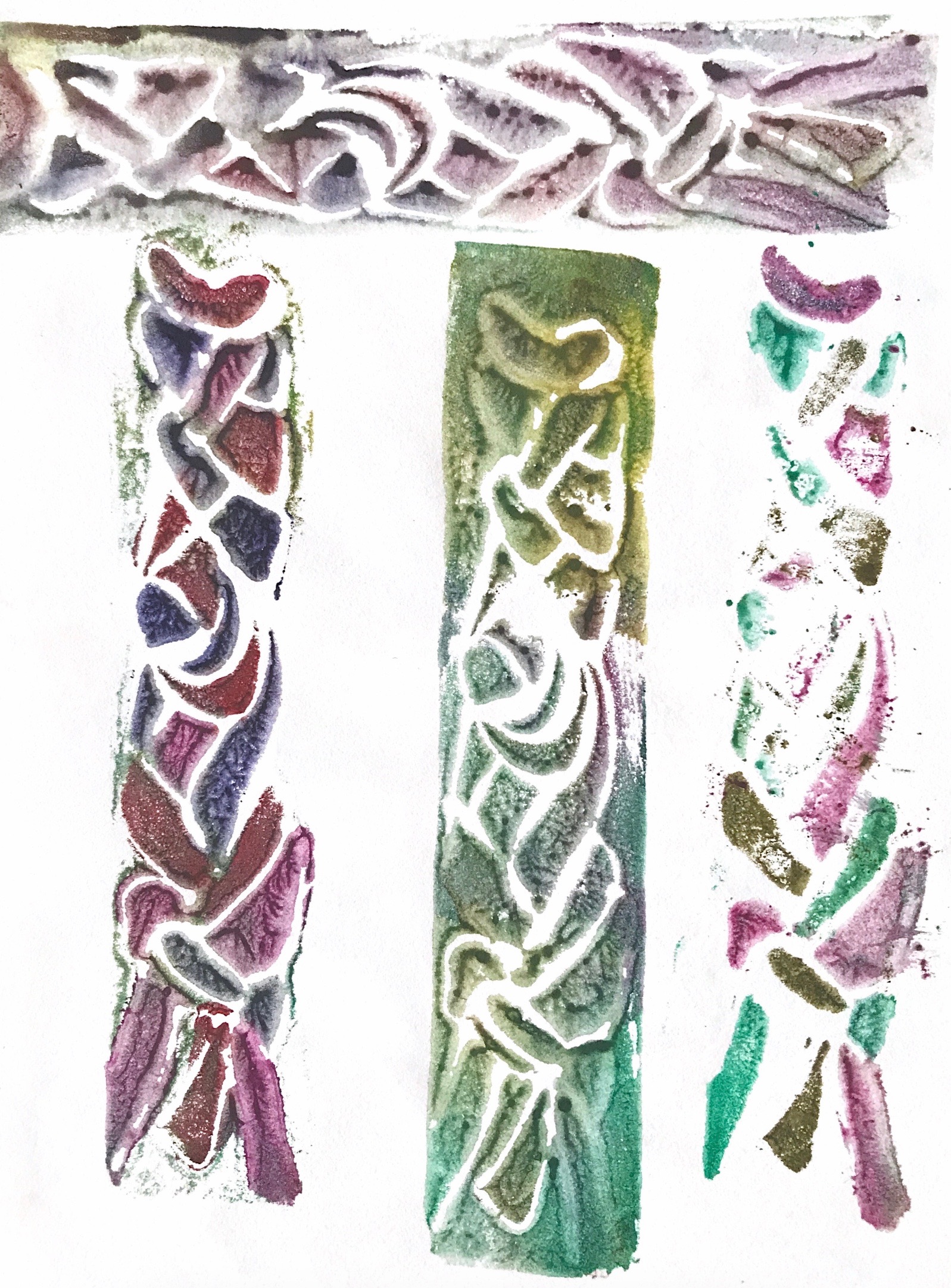
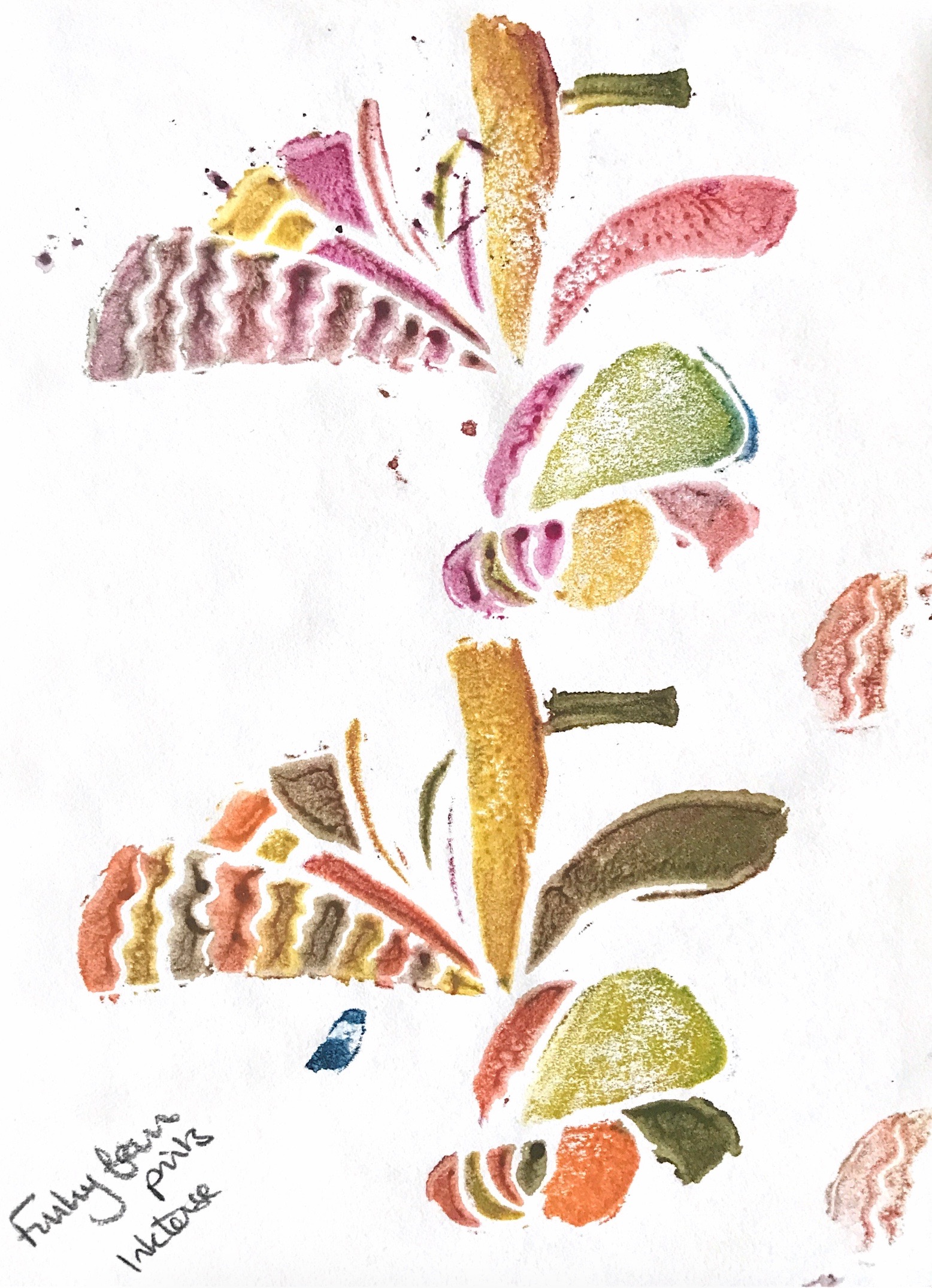
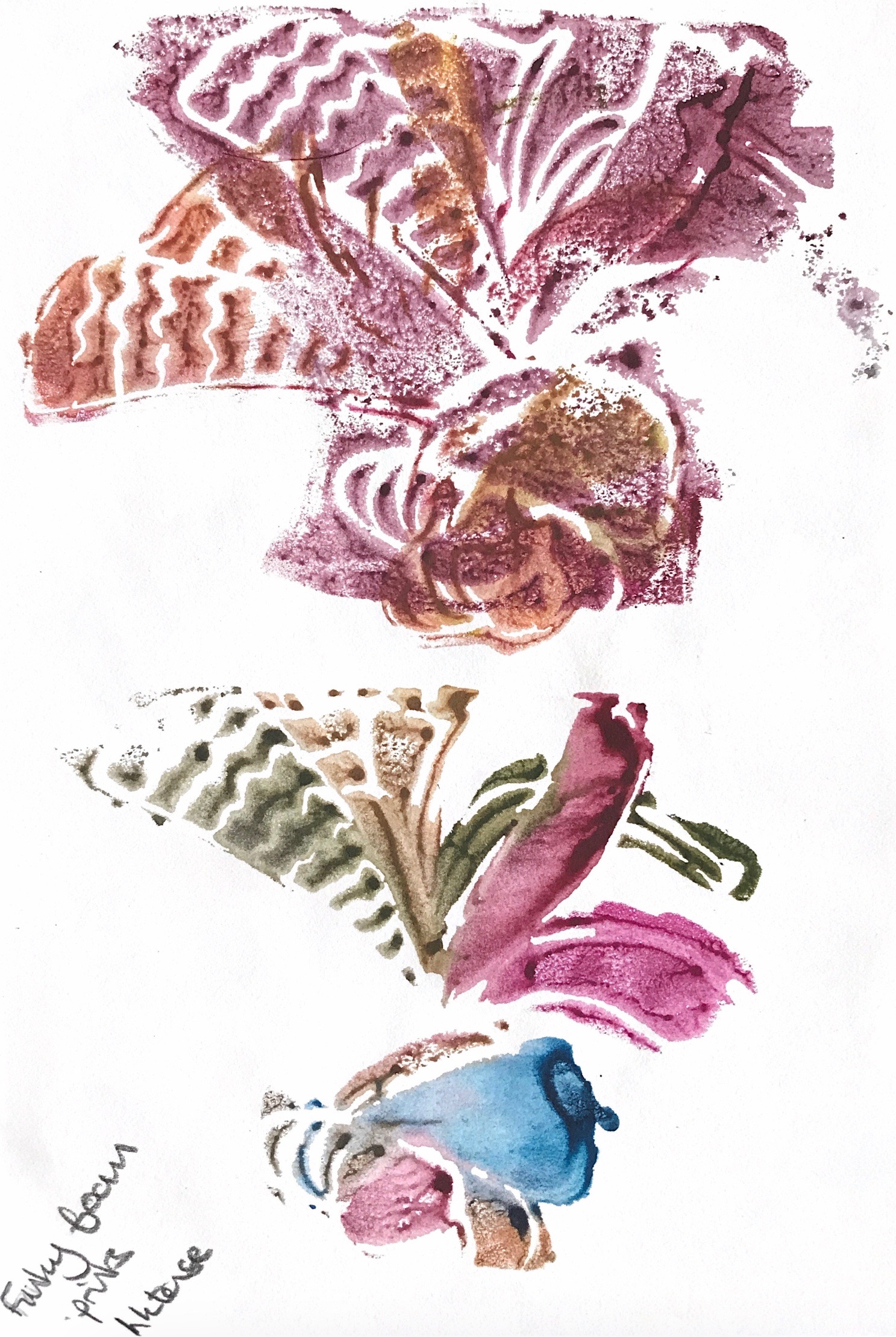
Next I made a print block using foam

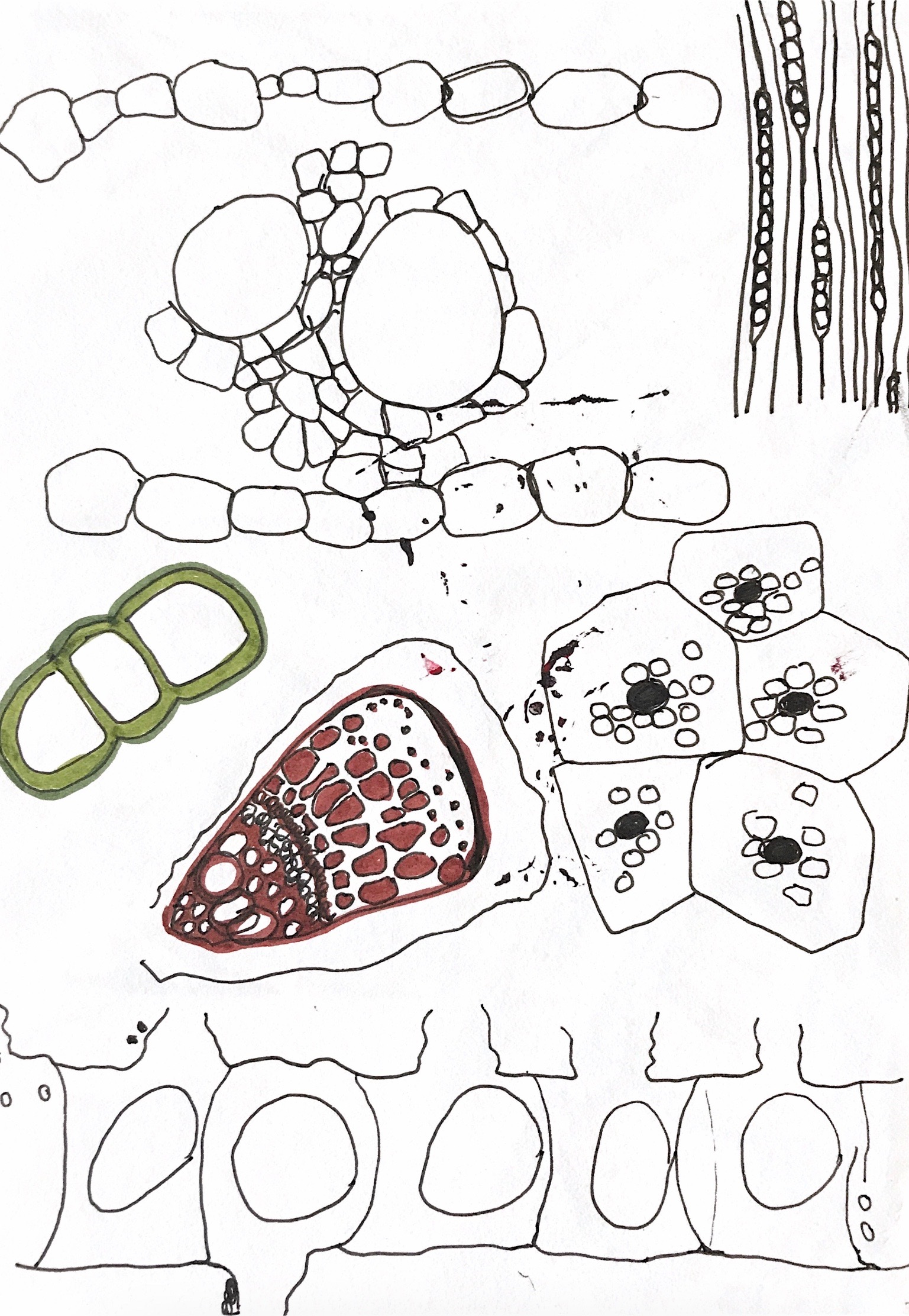
These drawings have given me lots of ideas to work on for the next part of this project. The colours and patterns are vibrant and exciting, in particular the watercolour and print studies.

Textiles 1 Part 5 Building a collection. Initial thoughts

‘The studio is a laboratory, not a factory. An exhibition is the result of your experiments, but the process is never-ending. So an exhibition is not a conclusion.’ (Chris Ofili)

I definitely think that my way of working is experimental and that my working space is a laboratory as opposed to a factory. I find it very difficult to make more than one of anything, so each sample has to develop or be incorporated into the next sample or finished piece.

My workroom (laboratory) is messy and has lots of things going on at once that may or may not link. Of course the downside of this approach is that I have many unfinished projects and samples. Some of these may be put away and reflected on at a future date, inspiring thoughts and ideas at that point.

I agree that an exhibition captures my thoughts up to that point in time but is never a conclusion. It may be that I will conclude a particular theme, but pieces will always be there to be revisited, inspire and also sometimes to be cut up and included in some other experiment.

Looking back at the work I have produced so far I can see that it is all work in progress, and that although some will be developed or used to inspire further work, nothing is final. I am valuing my experimental work more and more and at the end of the course I hope to use all I have learned to inform my ideas and practice for future projects.

Textiles 1 Part 4 Yarn and linear exploration Written reflection

I have enjoyed this section working with a variety of materials to create linear forms. Each exercise led me in a different direction to create a vibrant, textured, imaginative, sensitive and exciting yarn collection with lots of ideas for further development.

Close observation of my original drawings, colour wraps, watercolour strips, and collages has informed my choice of materials, and design. I learnt a lot about development from the original image to the finished sample, for example choosing materials with transparency and using further deconstruction to create yarns for exercise 4.4.

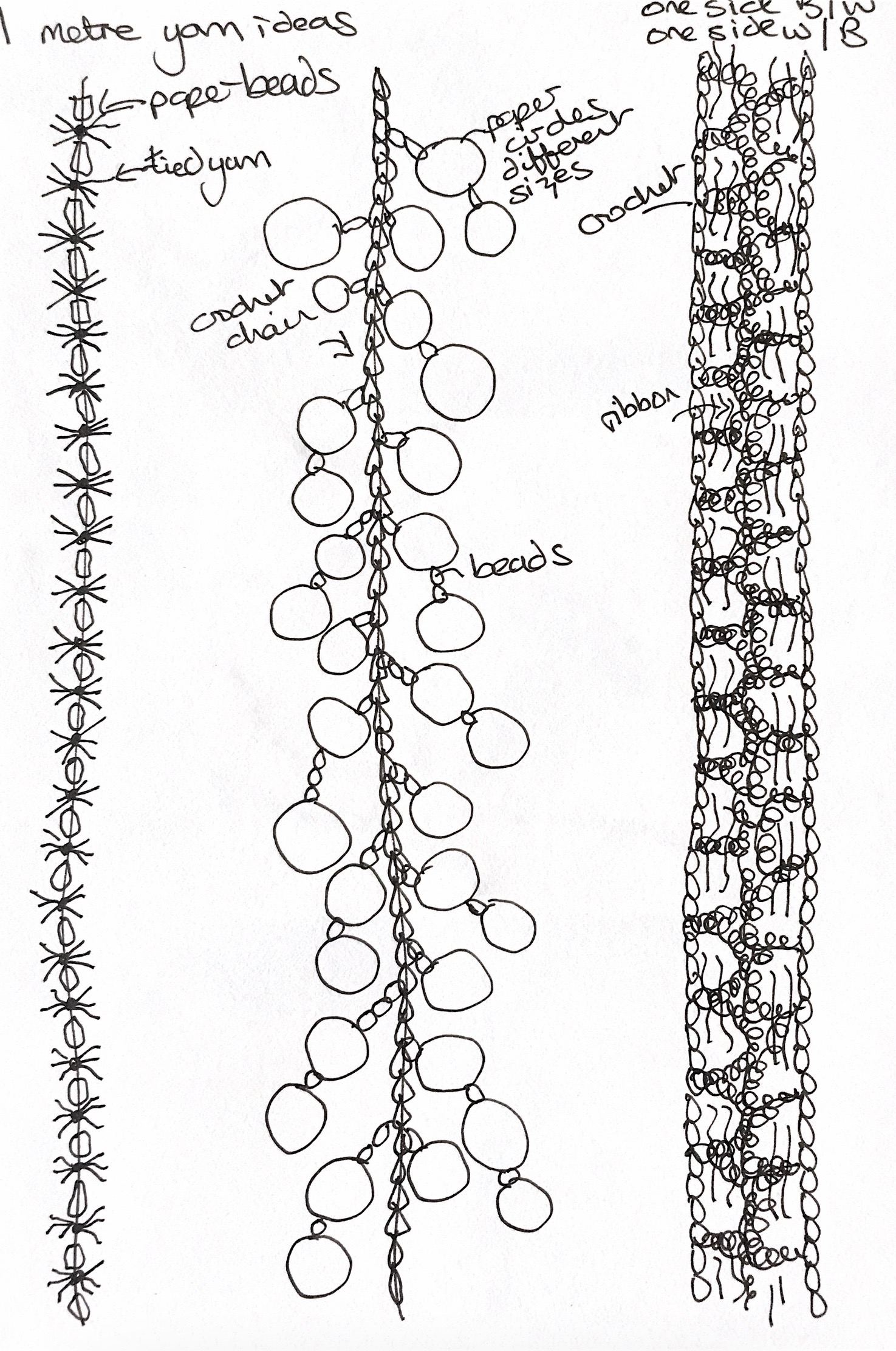
I have demonstrated that I can develop from an initial image – such as the collage exercise – through to a yarn sample that has clear similarities to the original but also has its own design features, which can then serve as a starting point for more development. I have also demonstrated how one sample idea inspired by the single colour collage has been used for a further sample inspired by the multicoloured collage (using rounded shapes to stitch onto a backing to create firstly a single line of motifs and then developed to a more abstract form using the fabric from which the motifs were cut as a negative space).

Within each exercise I started by gathering together a pile of materials to reflect the original image; some of these had been used to create the original sample such as the yarn wraps, and with some I had to reflect the colours and tones from scratch such as the watercolour studies. With some exercises I needed to find other materials such as exercise 4.2 where I found and used plastic rings, buttons, cocktail sticks, pot pourri, paper, beads and sequins. I find that now we are in lockdown, it presents an interesting and useful exercise to only use things that I have at home.

I am looking forward to using everything I have learned in Part 5.

Assessment criteria

Demonstration of technical and visual skills

I have demonstrated the process of close observation of a source through to the design and making of various samples. I have used my technical skills in exercise 4.3 to construct different yarns, focussing on technique, and then progressing to using some of these yarns with another technique (using Kumihimo braids to make Chinese knots). My samples are well made.

Quality of outcome

I have used a consistent approach to presentation, with a clear and coherent layout to communicate my ideas and samples both in my yarn outcomes and within my learning log. The resulting presentation is clear and exciting to look at.

Demonstration of creativity

I am developing a personal voice through my colour choices and techniques used while trying to be inventive and brave. I feel that I have experimented to move away from a traditional concept of yarn. I am developing my sketchbook with the use of printmaking to add to my drawings.

Context

I have practised critical thinking in my learning log as I have gone along, which has proved useful to stand back and think about my approach and achievements.

Also, when talking to my tutor a while ago she advised me to ‘absorb everything’. As everything in lockdown has to be in paper or online form, I have tried to look at lots of articles online about recycling materials, mending, and sharing techniques. I have subscribed to ‘Embroidery’ magazine, and also ‘Selvedge’, both of which have inspiring articles and photos, and also lots of links to online sites which then lead in another direction.
Textiles 1 Part 4 Yarn and linear exploration. Project 2 Creating linear forms Exercise 4.5 Collage inspired yarn
To start this exercise I did some research into different types of flat yarns and braids, some of which are woven or knitted, some are shiny such as slit film yarns, and some are typically made from recycled materials such as rag yarns and tape yarns. Some have a stretch such as tape yarns made from t-shirt fabric and some have no give such as those made from recycled sari silk. The handle of flat yarns can be soft and heavy as in many tape yarns, or it can be soft and bulky but lightweight as in knitted flat yarns. Flat braids made by machine or hand interlacing of three or more yarns or fabric strips can be very decorative and may incorporate metallic or plastic elements. Most flat yarns can be made with natural or synthetic materials, which together with the method of construction affects the handle, weight and appearance.

For my first experiments in yarn design inspired by collage I chose the single colour pieces from exercise 3.4. I decided to use flat ribbons, cut out shapes from cotton fabric, and strips cut from hand dyed and pieced fabric. I deliberately chose mostly matt fabrics with some pattern or decoration to give depth to the sample. I tried using felt for one sample but I am not happy with this sample as the felt doesn’t have the depth of colour and interest to reflect the original collages.

Joining techniques used were glue, and machine stitching.

Collage study from Exercise 3.4

Collage study from exercise 3.4

Yarn samples inspired by single colour collages from Exercise 3.4

For the next group of samples, I chose for my inspiration the multicoloured collages from exercise 3.4.

I felt I needed to create my own fabric to make an inspiring starting point for the yarns. With this in mind I gathered together a pile of fabrics with interesting colours, patterns, and surface qualities, which I then tore into strips and ironed onto a base fabric with adhesive webbing. This was then cut into strips and motifs to use in my yarns. This technique has emphasised the qualities of the original collage which was made with many different patterned papers.

I used some different joining techniques to create further interest – hand stitched french knots, machine stitch, macrame with enclosed strips, and rectangles with a cut slit slotted together.

Collage study from exercise 3.4
Yarns inspired by multicoloured collage from exercise 3.4
Yarn samples inspired by multicoloured collage from exercise 3.4

I am very pleased with the success of the collage fabric I made for a starting point for these yarns and this is something I intend to explore more.