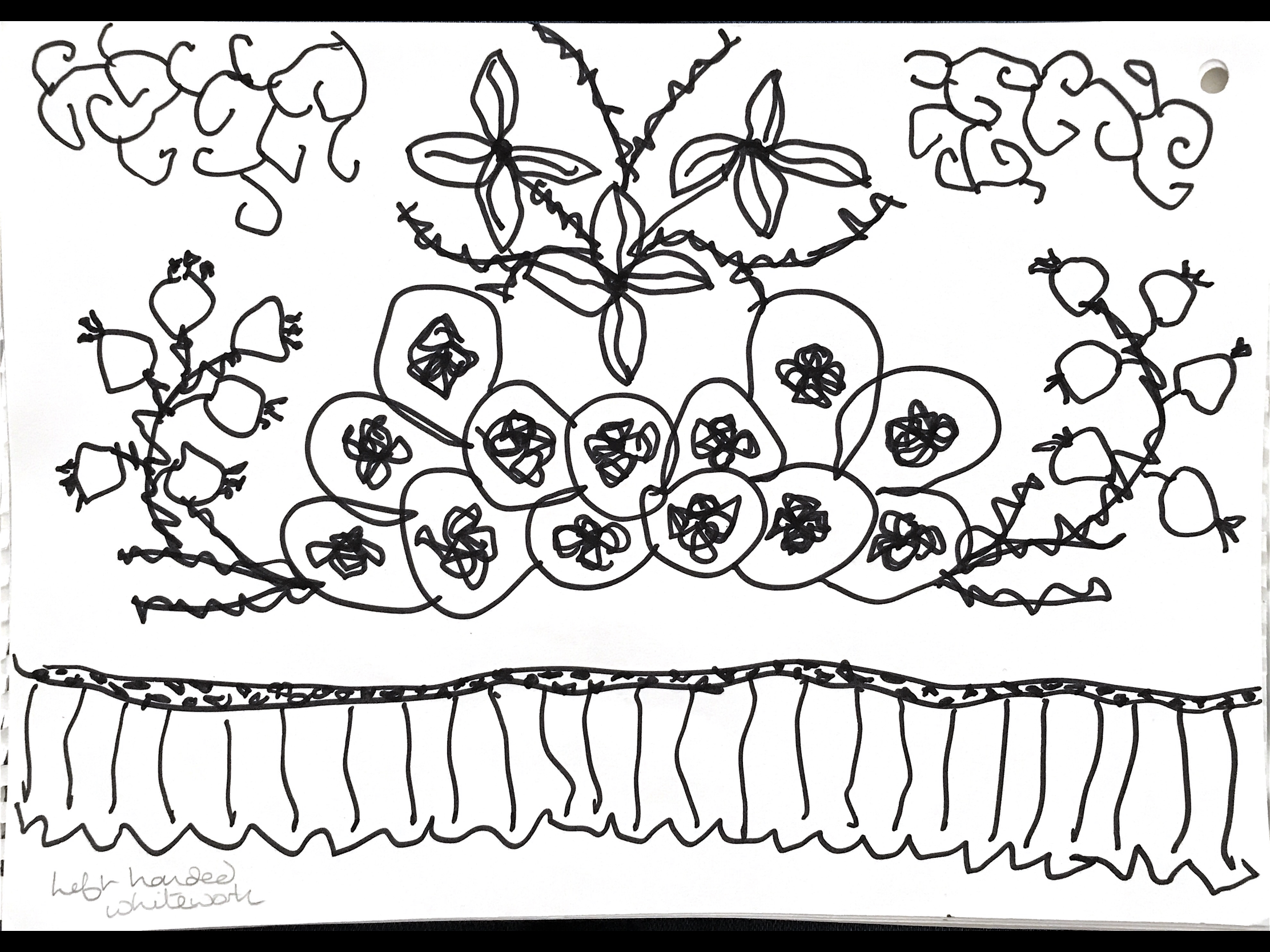
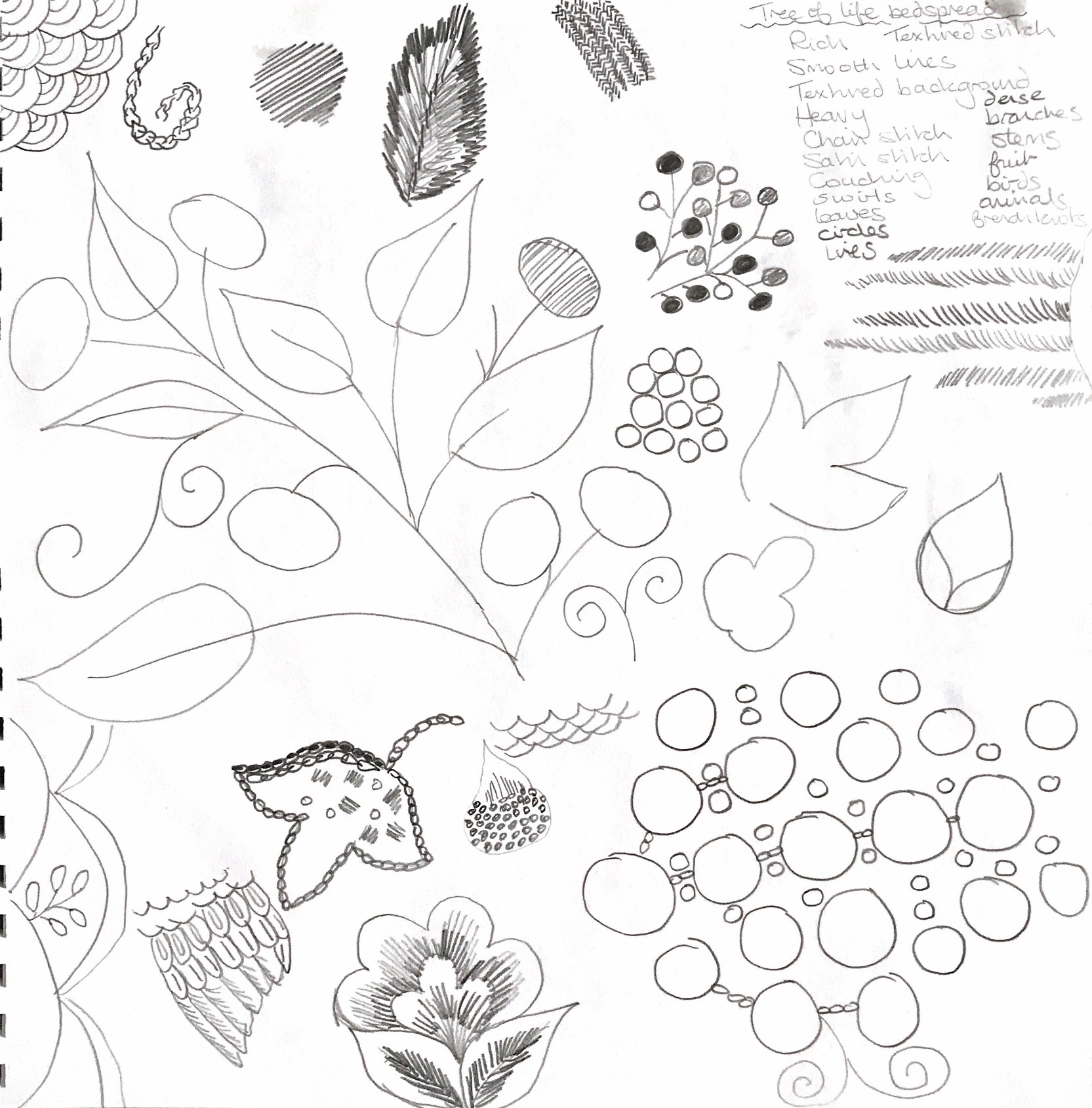
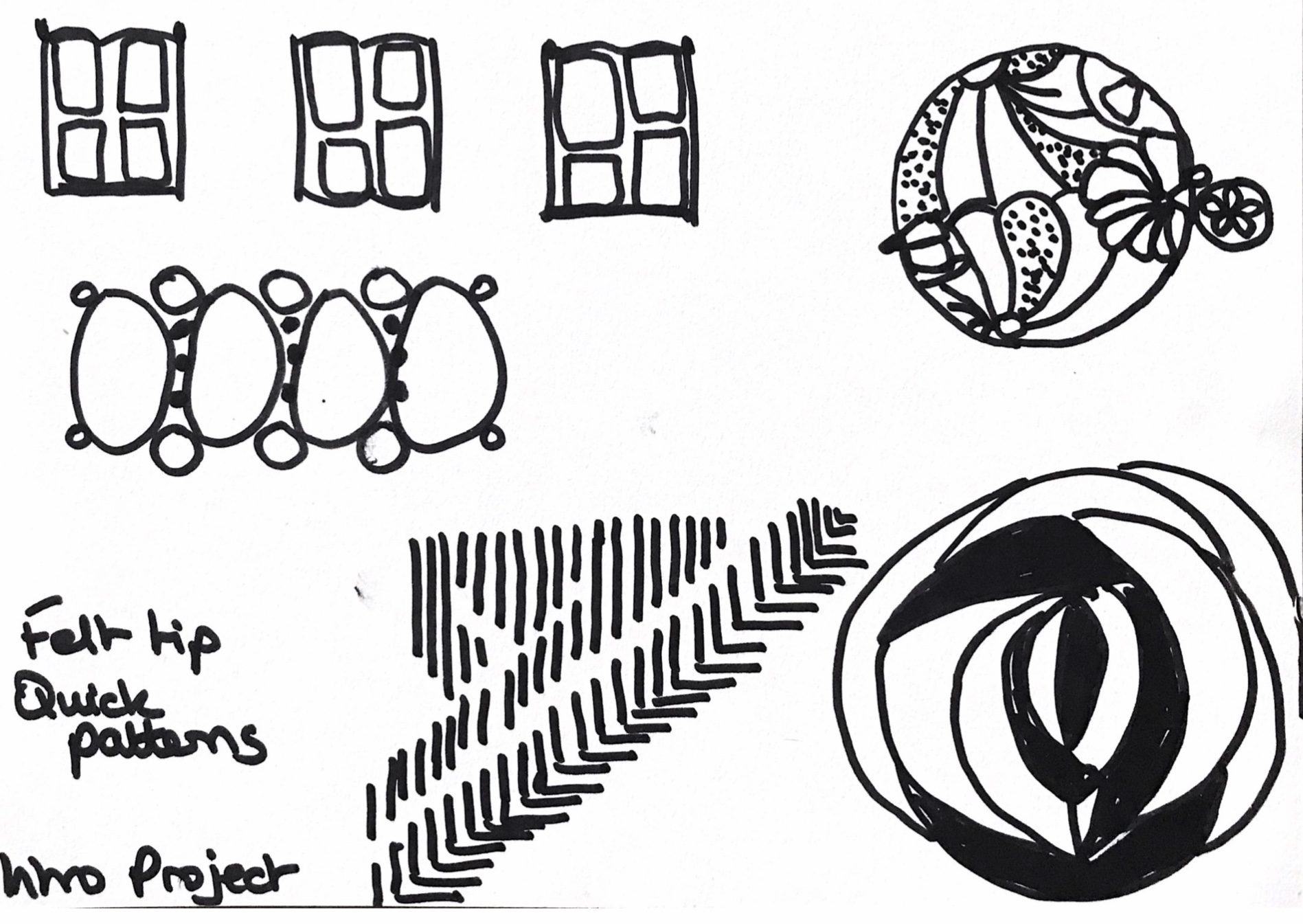
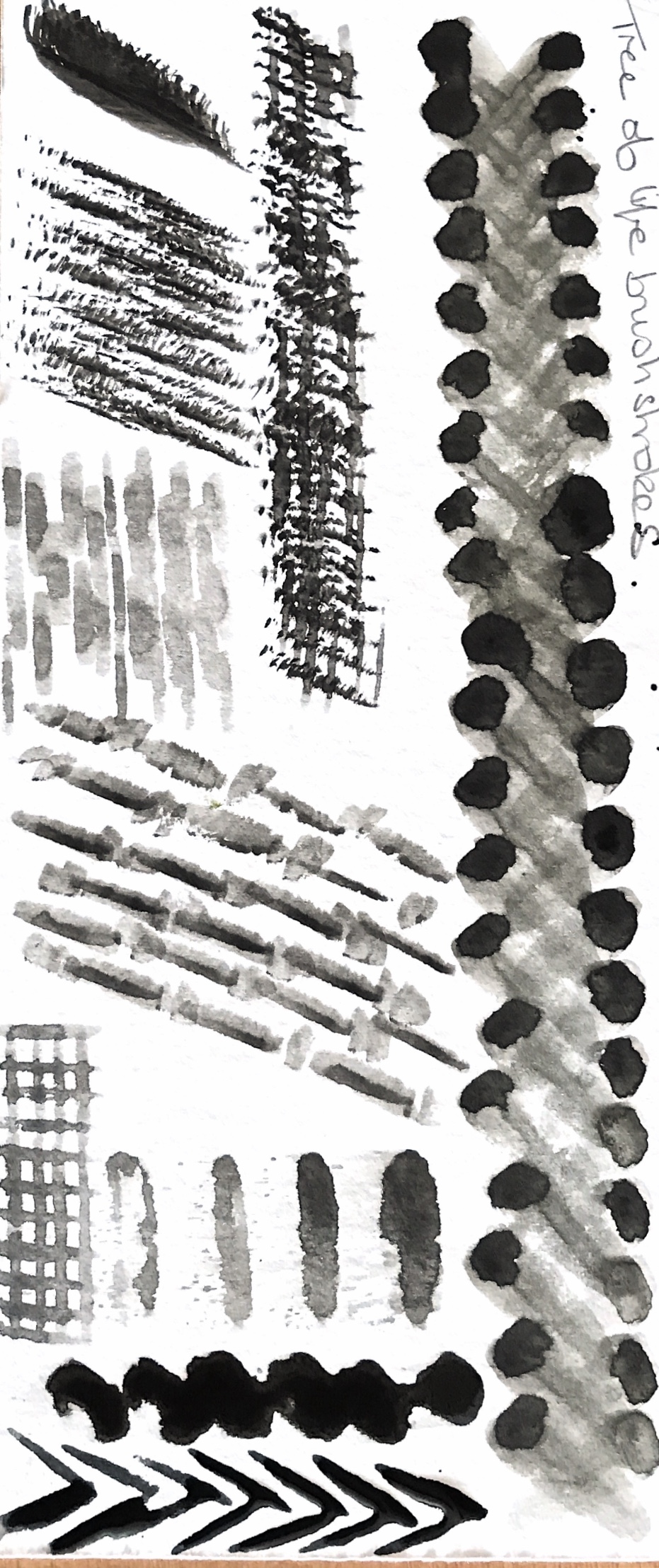
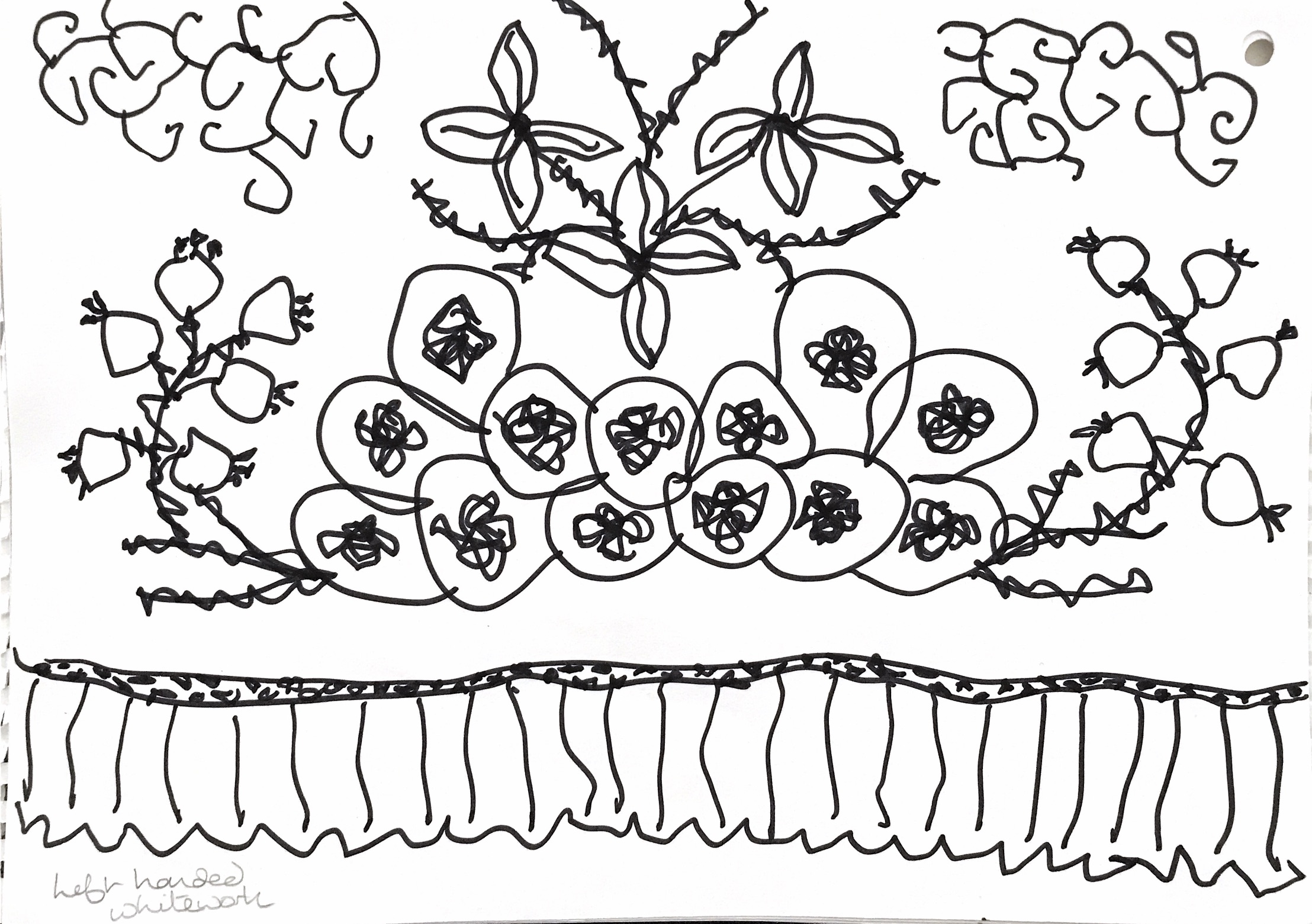
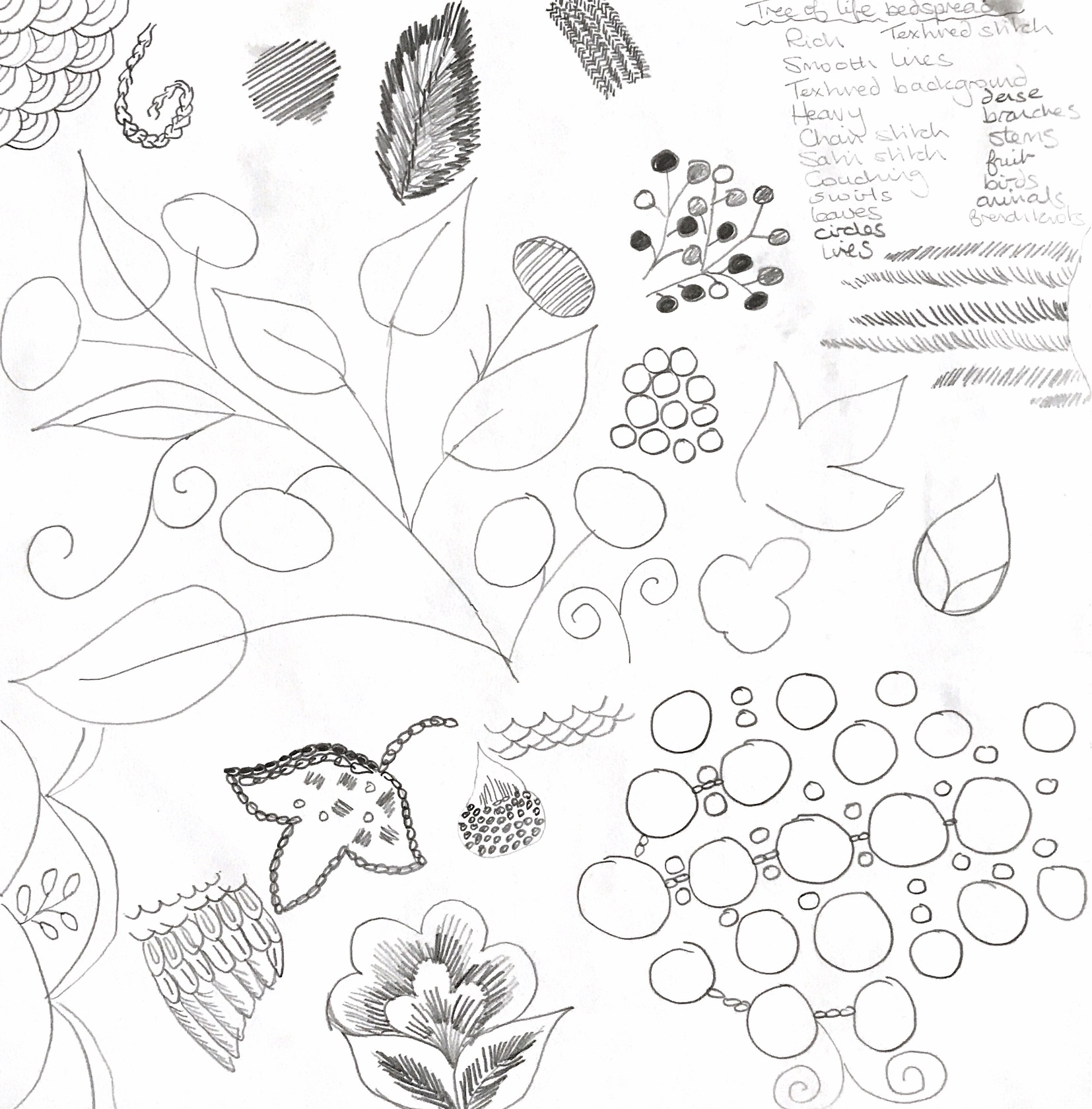
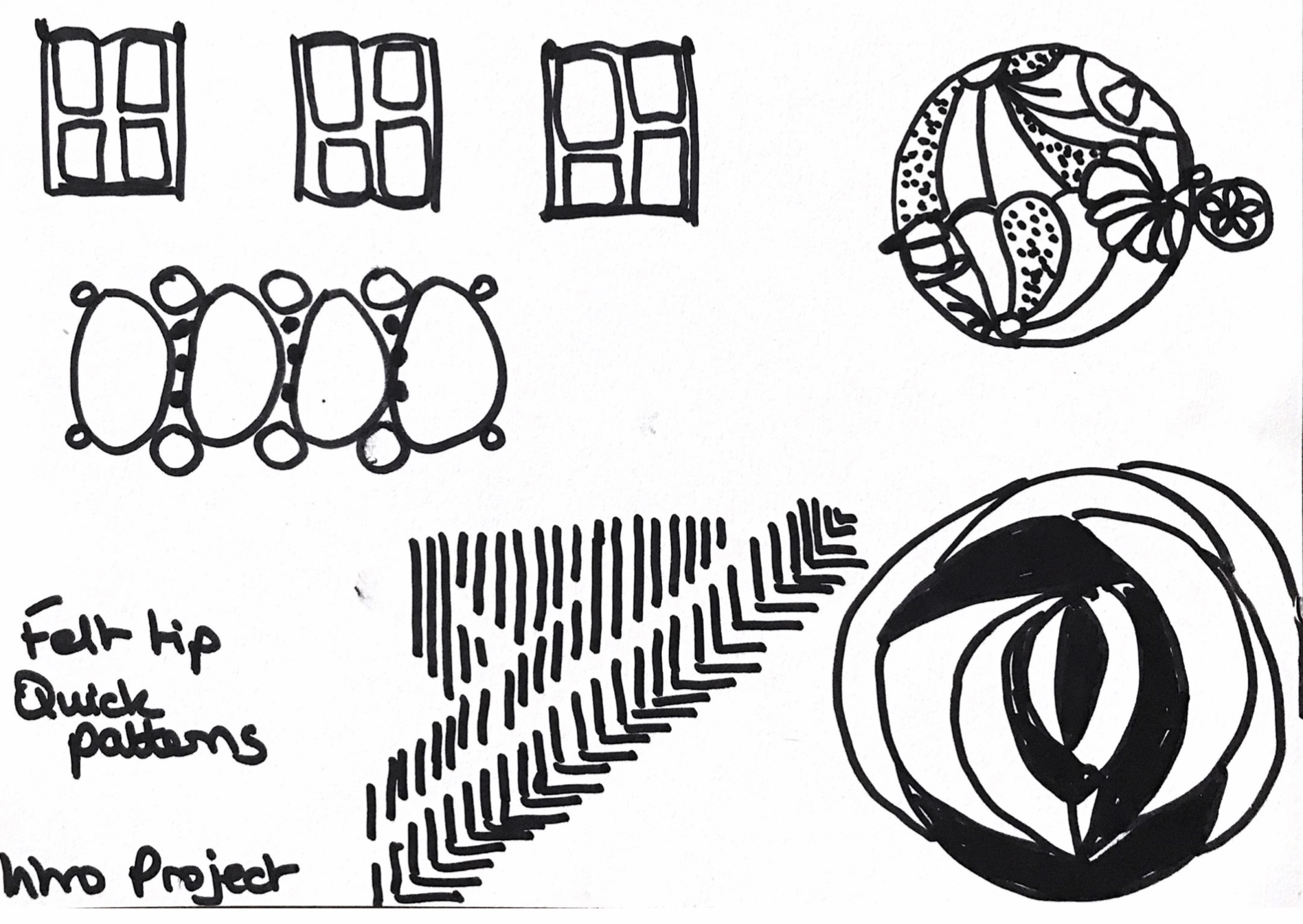
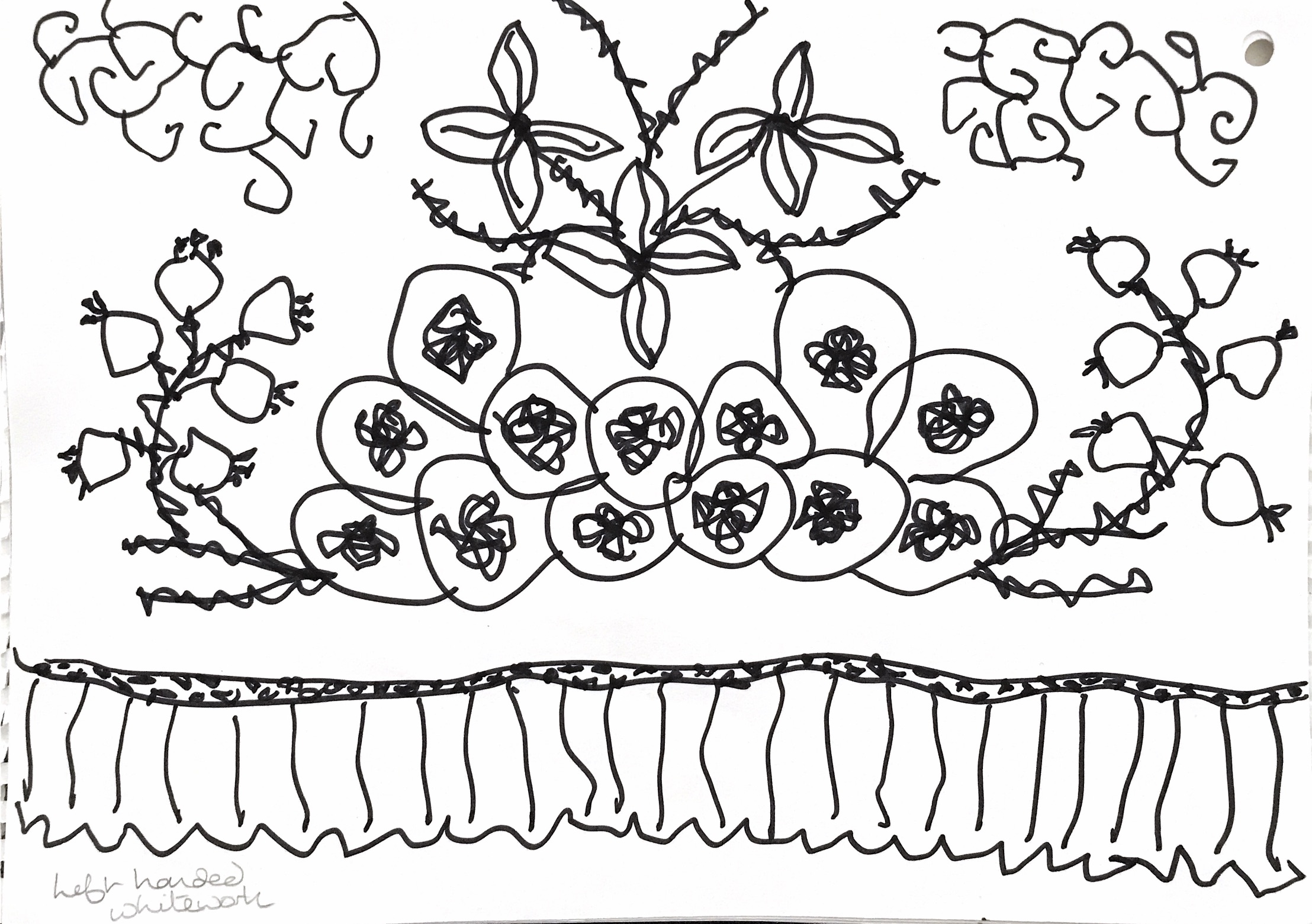
As I said in my last post this task both concerned and excited me – I didn’t really know where to start and didn’t want to be too influenced by other people’s ideas do I didn’t research too much before I started. I found interesting things in each of the drawings I selected but found the more abstract images difficult to interpret.
I have used papers I had around the house – paper napkins, copier paper, handmade paper, book pages, card making paper, tissue paper, strong tissue, waxy tracing paper and brown paper.
1.The first shapes that I worked on were the circles as these had an obvious structure and pattern.
Wet paper napkin layered over buttons and left to dry. I think this piece looks fragile and old and it has a delicacy which echos the delicacy of the whitework fabric.
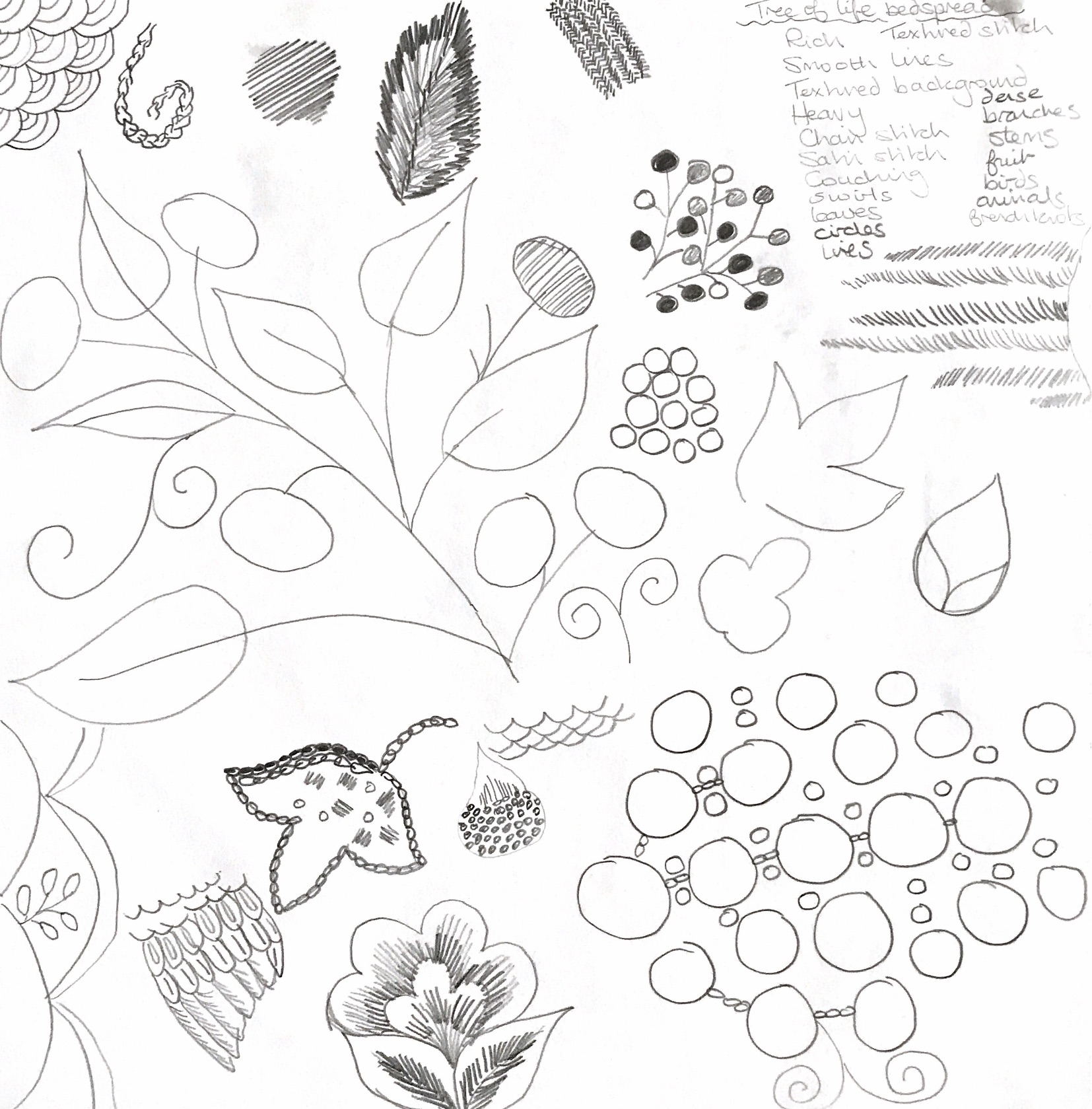
Another try at layering smaller pieces of wet napkin over buttons and allowing to dry. This also has a very aged and fragile appearance and feel.Soft fibrous paper with holes made by using water and the end of a paintbrush to make holes. Again this has a worn, fragile and delicate appearance. White and black paper and book pages cut to strips and curled, then stuck down to create a rhythmic, pleasing pattern. The circles in this piece are bold and patterny like the circles of the drawing from the ‘Tree of life’.Strips of paper stuck to make paper rolls like paper beads. These were stuck together and then applied to a piece of purchased hand made paper which I cut to make a fringe. I love the delicacy of the background which contrasts with the bold strong circles.
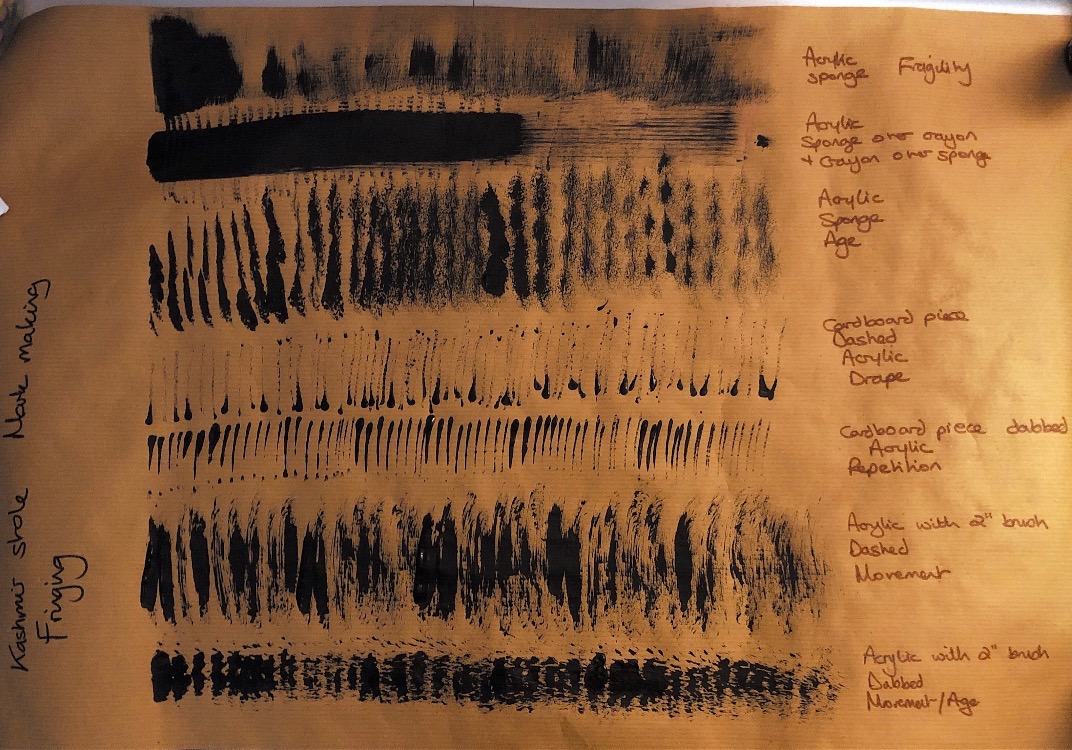
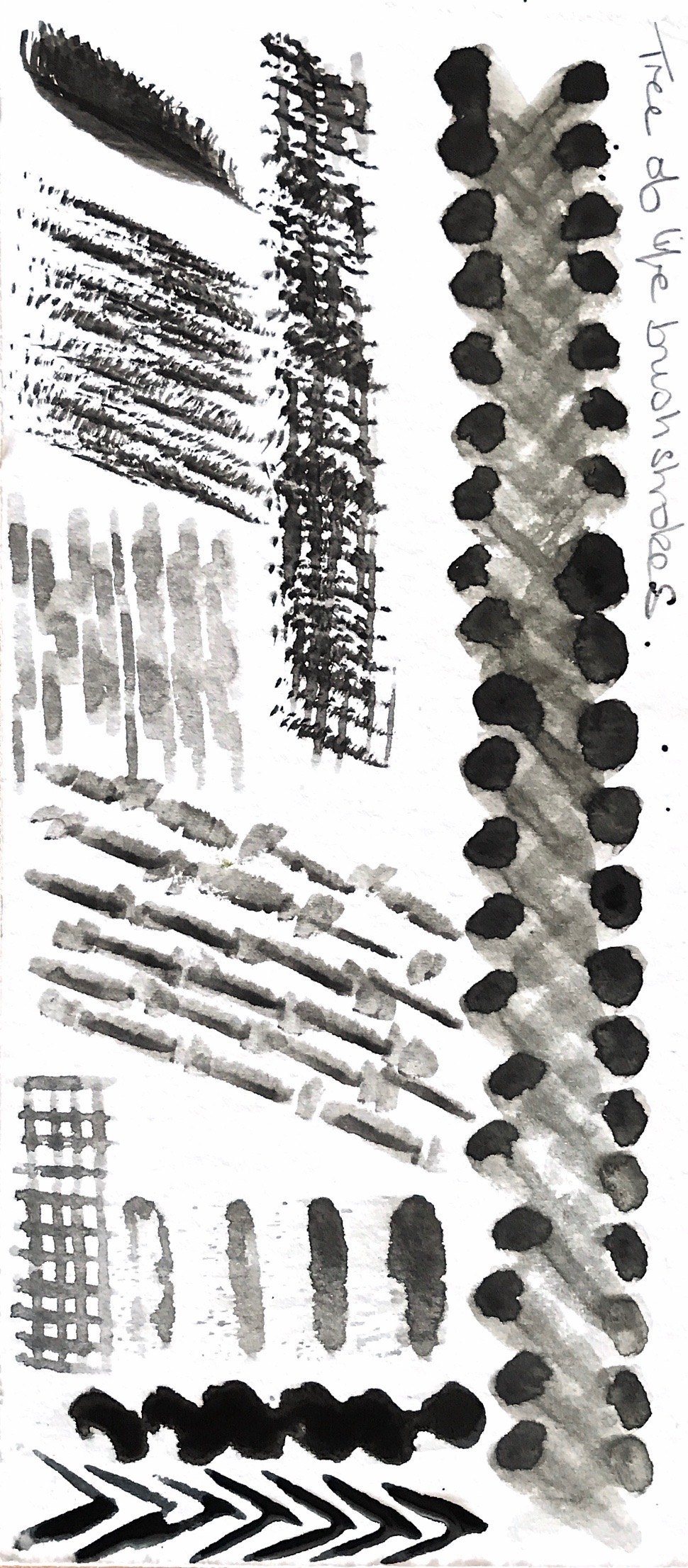
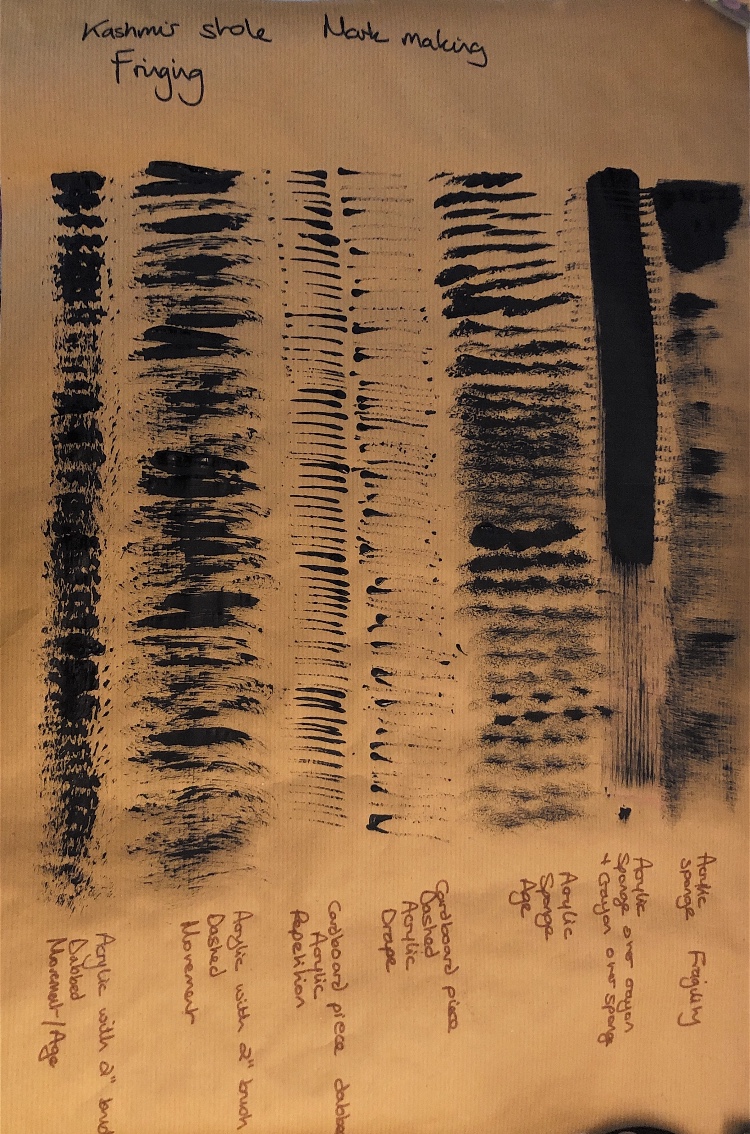
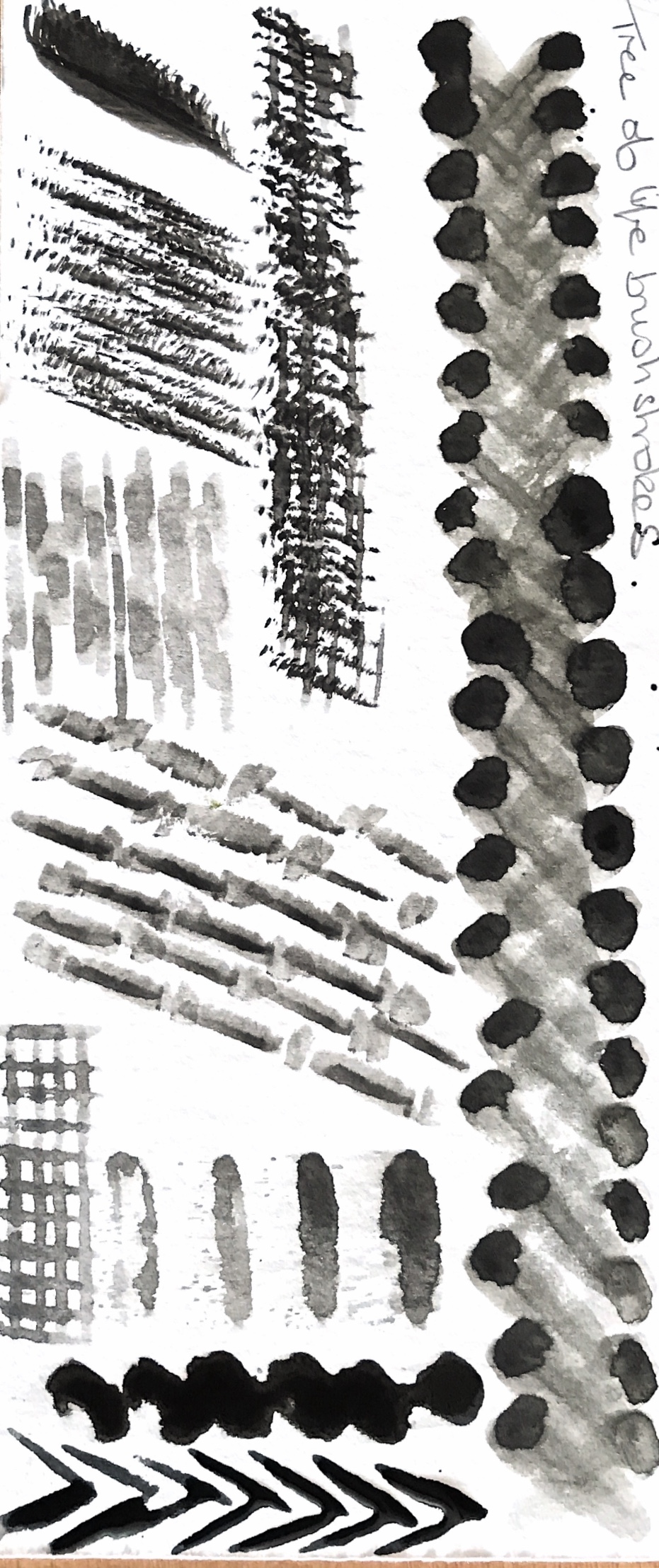
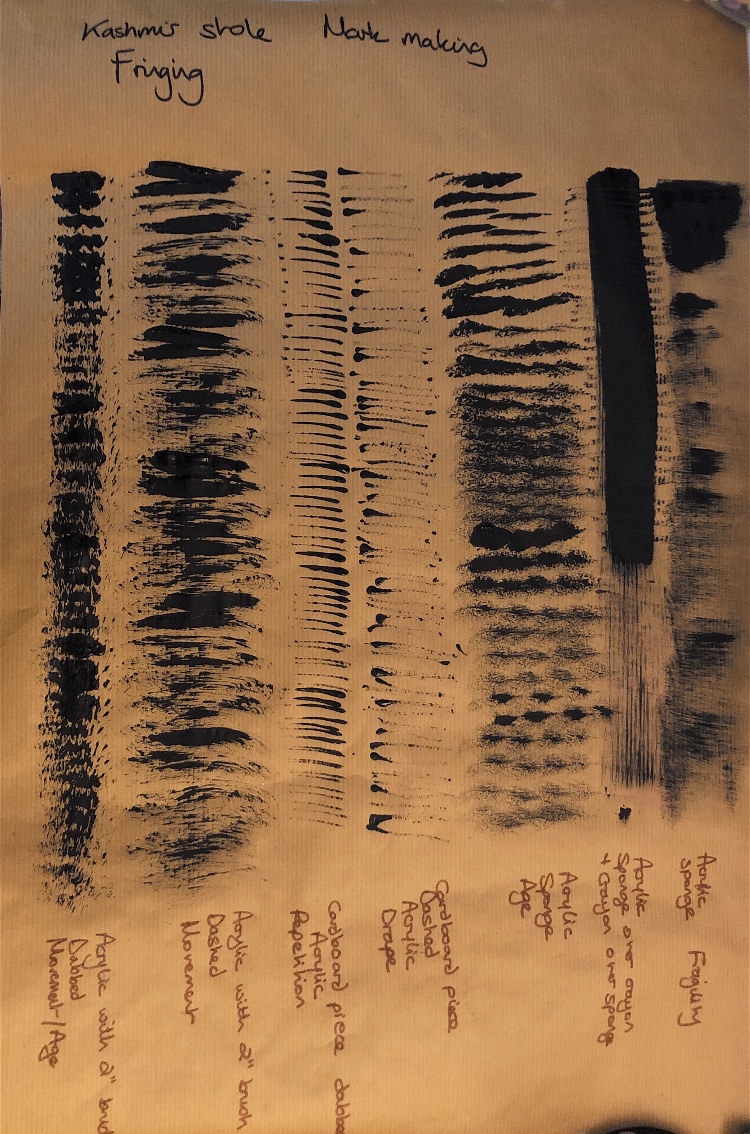
2. After this I tried some weaving, looking carefully at the brush marks I made in response to the ‘Tree of life’ and ‘Kashmir stole’ patterns.
Heavy textured paper woven together in an even pattern.This time I tried a different weaving pattern using book pages. I passed each strip over two strips and then under one on the warp and weft. Black and white card making paper woven at an angle.
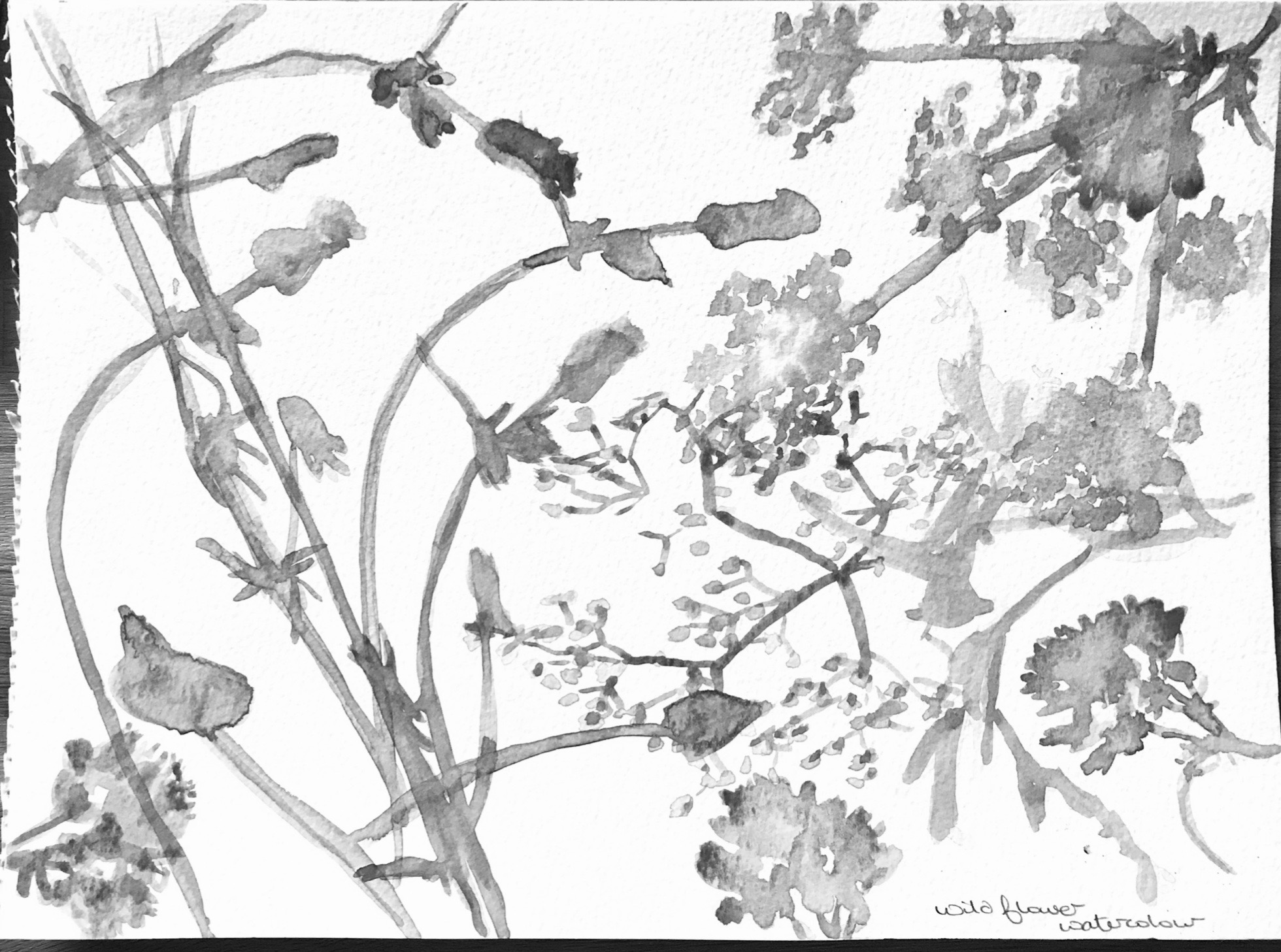
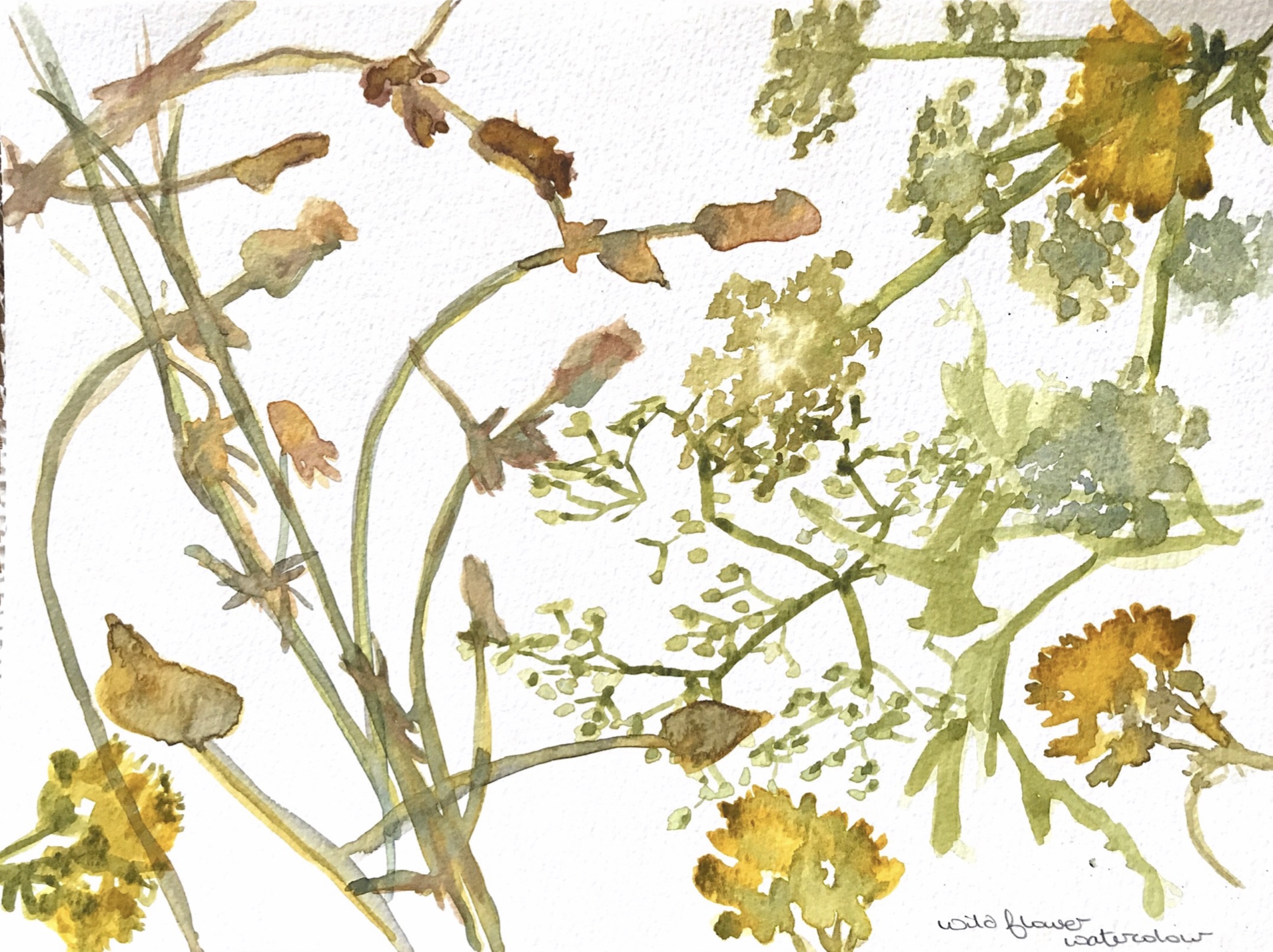
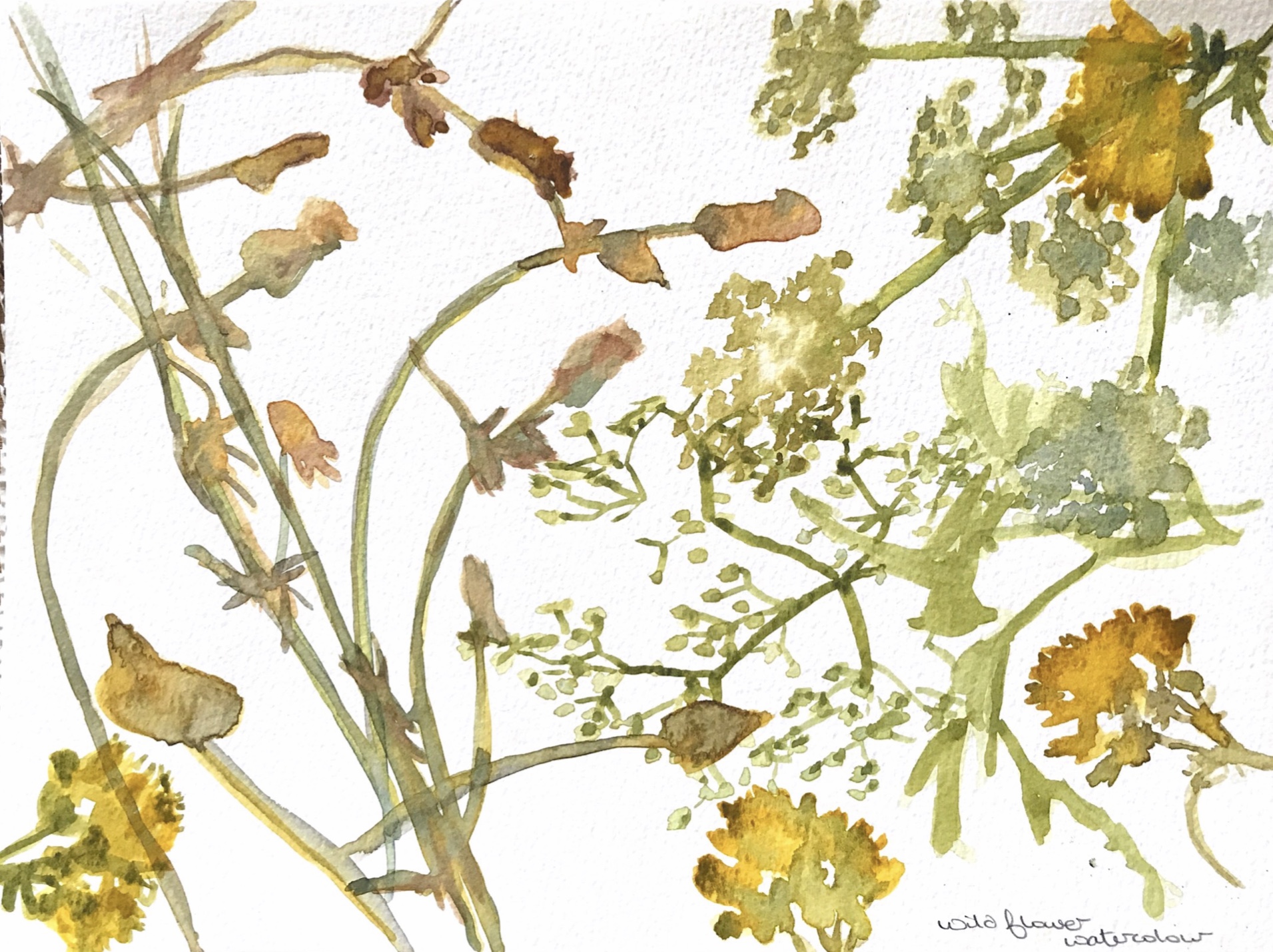
3. Using the watercolour flower paintings as inspiration, I wanted to try folding and scrunching different papers to give a background which had a feel of the drawing rather than trying to mimic the actual marks on it. This was probably the most frustrating thing to try but I am generally pleased with the feel and overall effect of the pieces I have made and I can see that I need to move away from pattern.
Scrunched up brown paper – flattened and scrunched again to create a soft feeling piece with abstract lines and patterns. White soft paper scrunched in one direction creating creases and lines. White copier paper scrunched in one direction creating non-uniform lines, folds and shadows.Soft paper scrunched in various places to give movement and areas of interest. I used my flower drawing to inspire this.Soft paper twisted and holes cut at the point of twistLightweight paper scrunched around buttons to create a pattern of circles.
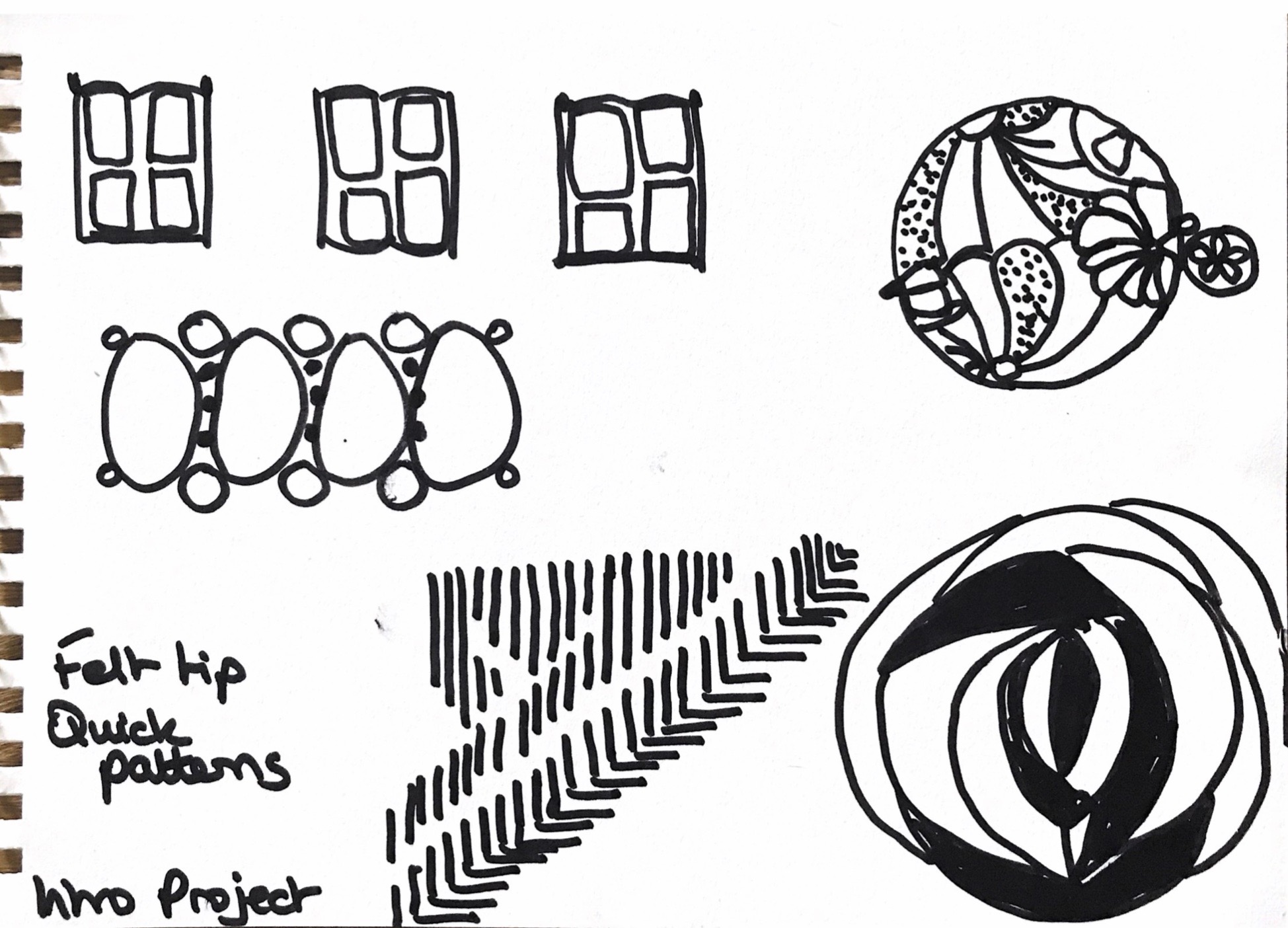
Folds made at 90 degrees to create small uneven squares. Waxy tracing paper folded to create rectangles as in the introductory project drawing.
Strips of paper folded and stuck down to create a bold geometric pattern inspired by a zigzag edge, as in the Whitework shawl.
4. I tried some cutting to create a different effect.
Square of waxy tracing paper folded into four and then cut with leaf and circle patterns.Copy paper
Small rounded corner rectangles applied to a light paper background. Flower pattern cut with a knife and laid over a book page using the patterns in the Introductory project drawing.Copier paper scored with a knife to suggest stems, and flowers/leaves cut and scrunched then tucked into the cuts.Holes torn into soft paperWaxy tracing paper folded and then cut into fringes with multicut scissors.Fringing pattern
5. I really wanted to explore the lines and fringe marks with soft paper and fibrous paper.
Fringe cut into fibrous paper twisted .Fringe torn into handmade paper and knots tied into the ends.Fibrous paper cut into strips and twisted and then crocheted into a chain.Fibrous paper cut into strips, twisted and knotted.
I found it difficult to think of ideas for some of the drawings and on reflection I think the most successful pieces for me are the torn circles and fringing as these are more natural and organic and have a pleasing tactile quality that makes me want to handle and move them. They also have an ethereal quality and can be manipulated further while keeping their initial qualities.
Some papers are more pleasing to work with – I really like the look and feel of book pages and fibrous/handmade papers. Brown paper has a lovely fabric like drape and feel once it has been scrunched up multiple times . Copier paper has crisp lines when cut and folded as does the waxy tracing paper but I do not find this as pleasing to work with and do not like the results as much – I find torn edges more pleasing. I like the delicacy and fragility of softer papers which have been twisted and manipulated, and this evokes a feeling of age and use which suggests a story behind the piece.















 Paper and stitch